Arapaho And Roosevelt National Forests
Arapaho And Roosevelt National Forests
The 20 Most Amazing Peaks in Arapaho And Roosevelt National Forests
Best mountain peaks in Arapaho And Roosevelt National Forests are found across north-central Colorado, encompassing a vast wilderness that includes portions of the Continental Divide. This region features numerous peaks, including those over 14,000 feet ("14ers") and over 13,000 feet ("13ers"). The diverse terrain offers varied experiences, from high-altitude climbs to accessible rock formations. These peaks provide extensive views of surrounding mountain ranges and alpine environments.
Best mountain peaks in Arapaho And Roosevelt National Forests
- The most popular mountain peaks…
Last updated: May 11, 2026
Horsetooth Rock
Highlight • Summit
Tip by

Twin Sisters Peak
Highlight • Summit
Tip by
Sign up now to discover places like this
Get recommendations on the best single tracks, peaks, & plenty of other exciting outdoor places.
Sign up for free
Mount Sniktau
Highlight • Summit
Tip by

Grays Peak
Highlight • Summit
Tip by

Horseshoe Rock Trail (scramble section just before the summit)
Highlight (Segment) • Climb
Tip by
Sign up for free to discover even more peaks in Arapaho And Roosevelt National Forests.
Sign up for free
Already have an account?
Start today with a free account
Your next adventure awaits.
Login or Signup
Popular around Arapaho And Roosevelt National Forests
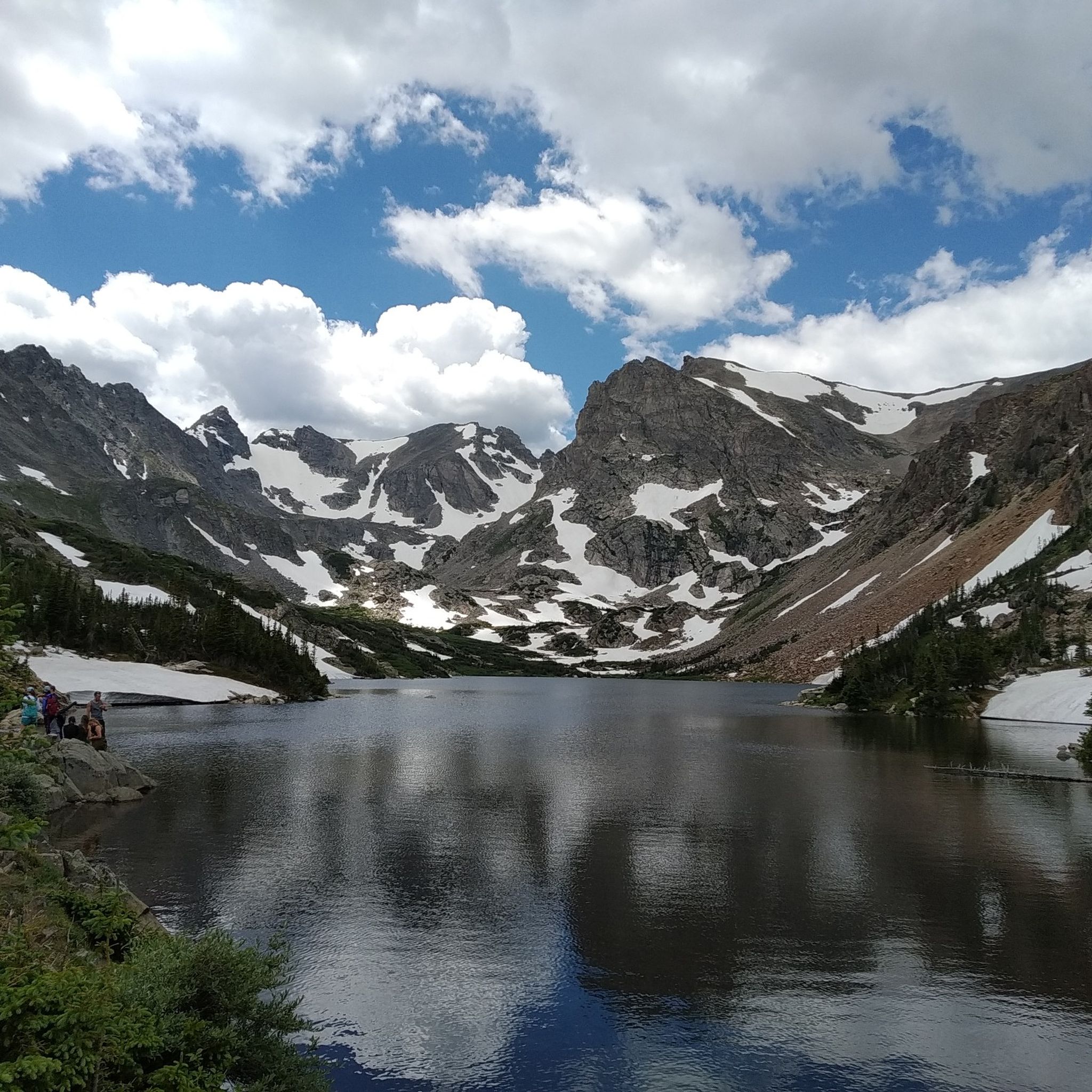
Hiking in Arapaho And Roosevelt National Forests
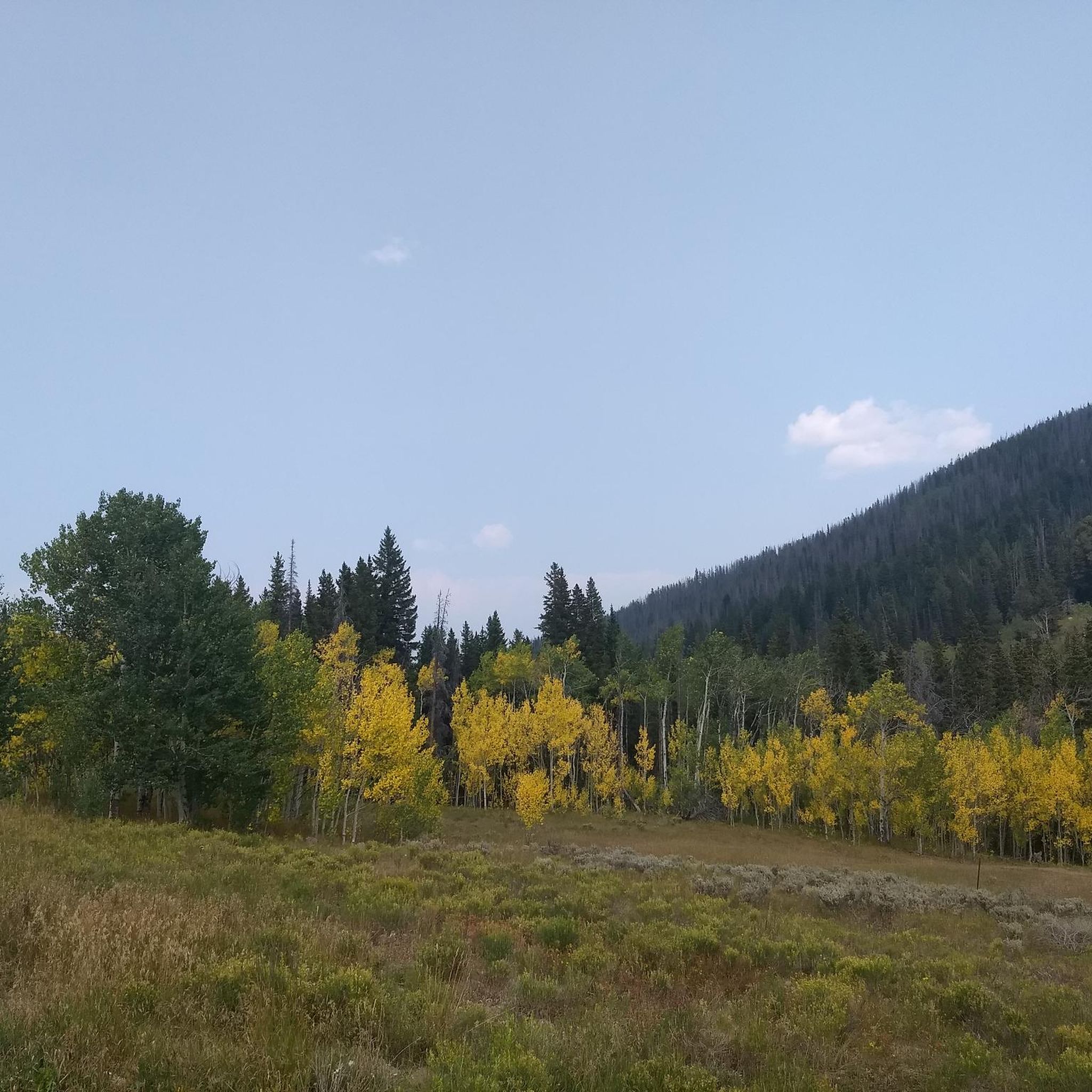
MTB Trails in Arapaho And Roosevelt National Forests
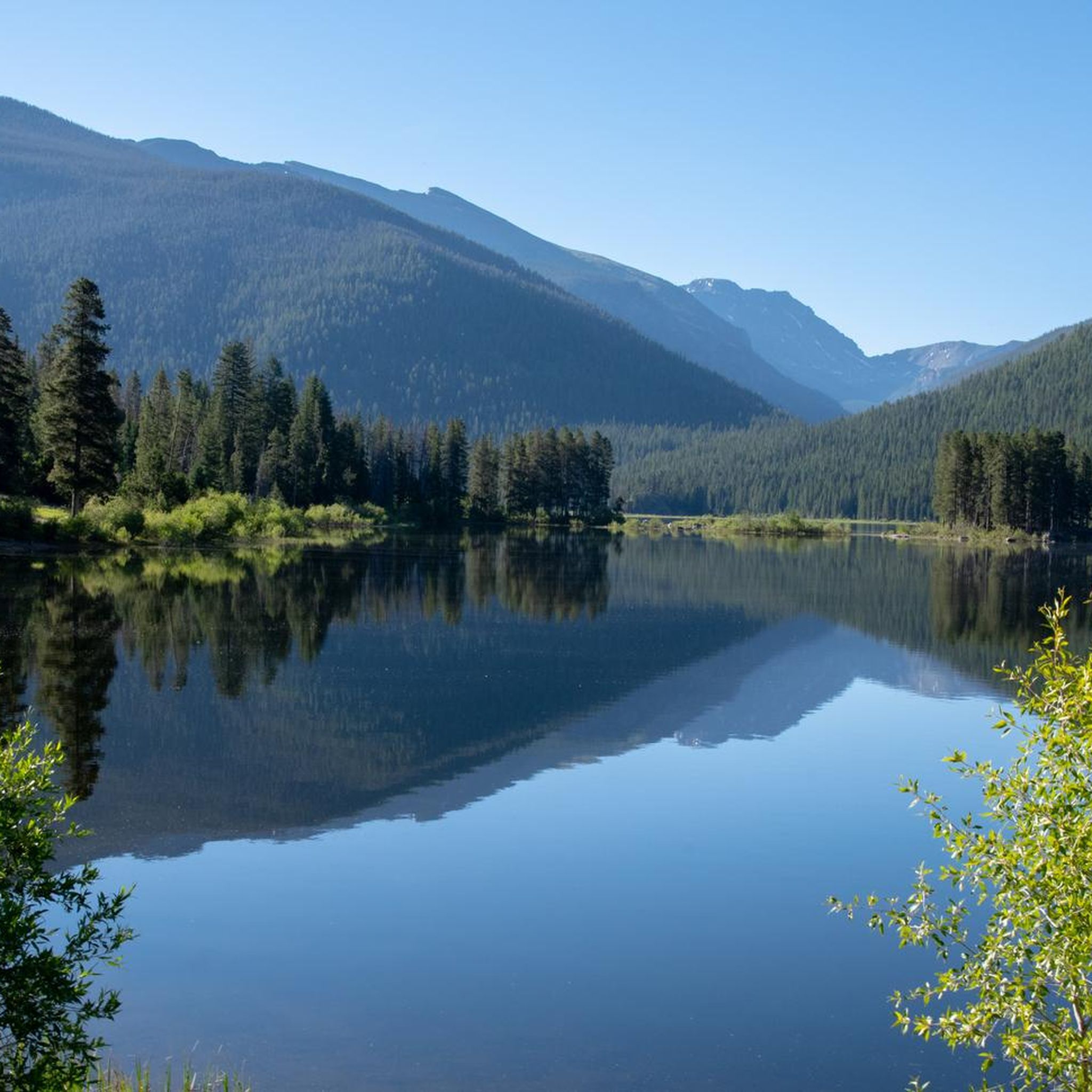
Running Trails in Arapaho And Roosevelt National Forests
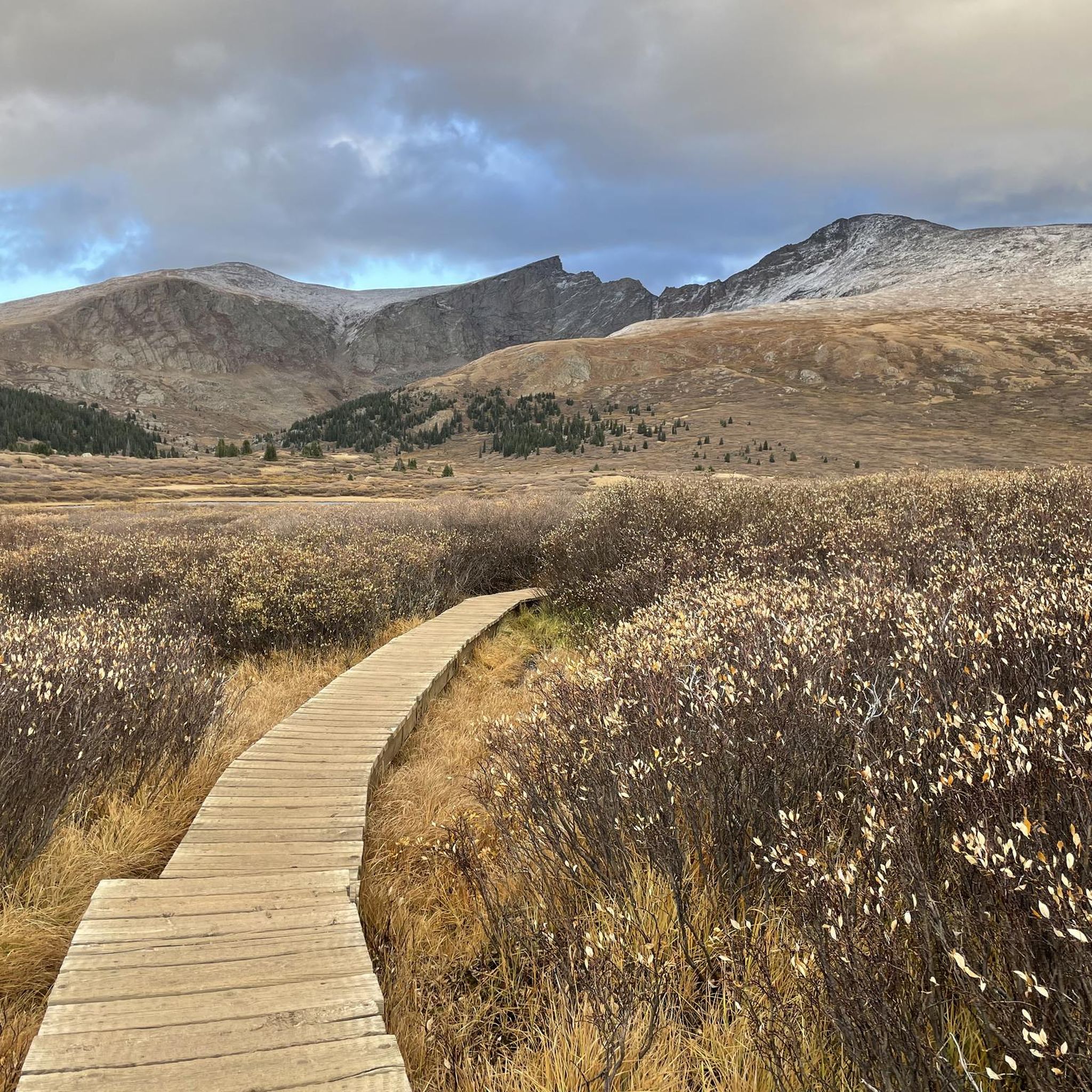
Cycling in Arapaho And Roosevelt National Forests
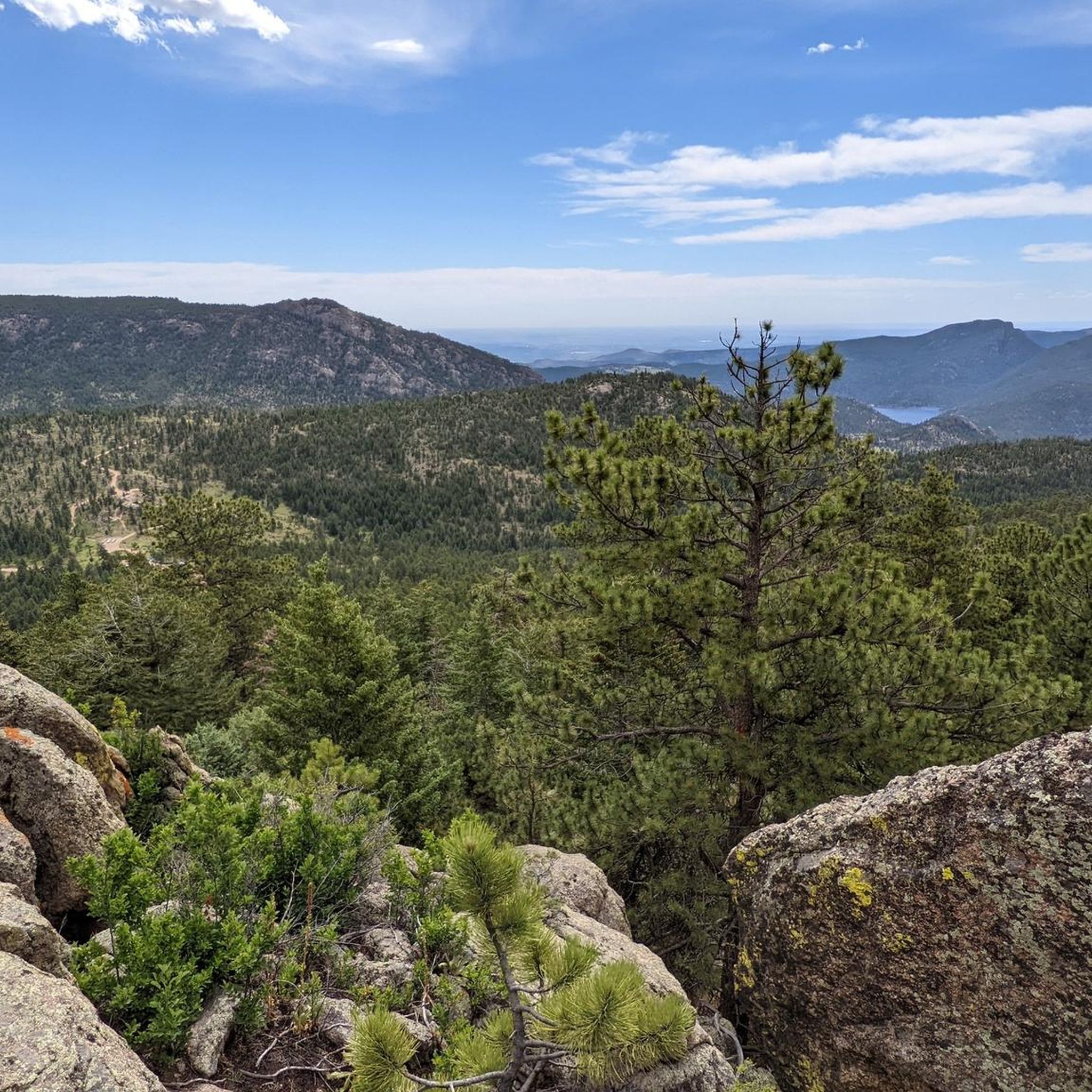
Road Cycling Routes in Arapaho And Roosevelt National Forests
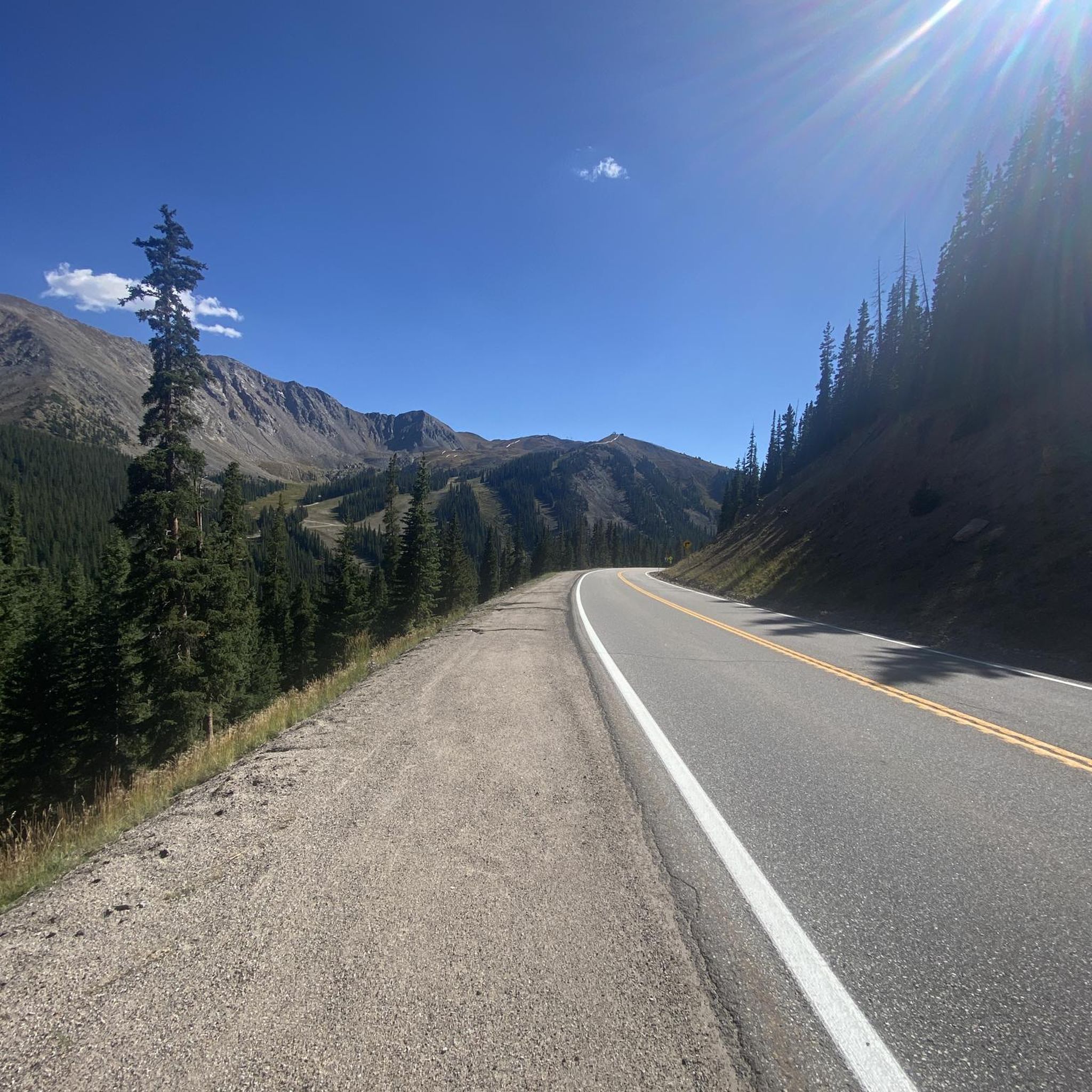
Gravel biking in Arapaho And Roosevelt National Forests
Tips from the Community

360° panorama; summit with small stone pyramid and survey point, high: never too strenuous (if you are used to the altitude...) but challenging in places, occasionally steep - but not dangerous in itself - unless there is a thunderstorm approaching...
0
0

Horsetooth Rock is an iconic landmark in the Fort Collins area. To get to the summit you must dismount your bike and complete a short scramble here up to the summit. Although the scrambling is relatively easy, it is a little exposed in places and there can sometimes be loose gravel over bare rock faces. Just move carefully, deliberately, and don't be afraid to slide on your butt on the way down! After scrambling up, you get fantastic panoramic views from this long, exposed rock summit of the surrounding area. You get especially great views of Horsetooth Reservoir, which is named after the formation you're standing on. Since the summit is fairly large, even on crowded days you can usually find a spot to eat a snack and take photos away from other people. As you explore, just be aware of steep drop offs, large gaps between rocks, and loose gravel over bare rock.
0
0

Mount Sniktau is 13,240 feet and is often overlooked since it doesn't hit that magical 14,000 foot benchmark. The 13er has a path the entire way and offers just as good of views as the peaks higher than it. Grizzly Ridge between Mount Sniktau and Grizzly Peak (13,433 feet) is known for its views of the Loveland Pass and Arapaho National Forest areas.
0
0
Straddling the border between Roosevelt National Forest and Rocky Mountain National Park, the Twin Sisters Peaks are a popular destination, accessible right from the Lily Lake Visitor Center. This spot is right between the two peaks. Most summit Twin Sisters Peak East from here, but be aware that it requires some rock scrambling to get to the top of. Regardless of whether you decide do summit the Twin Sisters East or choose to remain at the small summit saddle, you will get amazing views of Longs Peak, Mount Meeker, the town of Estes Park, and the Continental Divide.
1
1
Just before the summit of the Horsetooth Rock you leave the dirt trail through the thinning forest and head up the formation itself on bare rock. Although the scrambling is relatively easy, it is a little exposed in places and there can sometimes be loose gravel over bare rock faces. Just move carefully, deliberately, and don't be afraid to slide on your butt on the way down!
0
0
After scrambling up a series of short, but exposed feeling, ramps and ledges you reach the top of the iconic Horsetooth Rock. You get fantastic panoramic views from this long, exposed rock summit of the surrounding area, with especially great views of Horsetooth Reservoir, which is named after the formation you're standing on. Since the summit is fairly large, even on crowded days you can usually find a spot to eat a snack and take photos away from other people. As you explore, just be aware of steep drop offs, large gaps between rocks, and loose gravel over bare rock.
0
0
Mount Sniktau is 13,240 feet and is often overlooked since it doesn't hit that magical 14,000 foot benchmark. The 13er has a path the entire way and offers just as good of views as the peaks higher than it. Grizzly Ridge between Mount Sniktau and Grizzly Peak (13,433 feet) is known for its views of the Loveland Pass and Arapaho National Forest areas.
0
0

Grays Peak is one of Colorado's famous 14ers and one of the easier ones to summit. If you hike along the iconic Continental Divide Trail (stretching from Mexico to Canada), this mountain is directly on your route. As with all mountains in this area: Keep an eye on the weather. Thunderstorms in the afternoon are very likely during the summer months, so start your hike early. And since you are already here: With Torreys Peak, there is another 14er just around the corner.
4
0
Frequently Asked Questions
What are some of the most popular mountain peaks to visit in Arapaho And Roosevelt National Forests?
Some of the most popular peaks include Twin Sisters Peak, known for its views of Longs Peak and Estes Park, and Horsetooth Rock, offering panoramic views of Horsetooth Reservoir and Fort Collins. Mount Sniktau is also a favorite for its accessible high-elevation views of the Continental Divide, and Grays Peak, a 14er often summited with Torreys Peak, is a classic Colorado experience.
Are there any family-friendly mountain peaks or hikes in the area?
Yes, Horsetooth Rock in Horsetooth Mountain Open Space is a local favorite, offering a moderate effort for unique geological features and expansive views. The hike to Twin Sisters Peak also provides a rewarding experience with stunning views, though some rock scrambling is involved to reach the very top.
Which mountain peaks offer the most challenging climbs for experienced hikers?
For experienced climbers, Grays Peak and Torreys Peak are iconic '14ers' often summited together, providing a challenging but rewarding experience. North Arapaho Peak, the highest point in the Indian Peaks Wilderness, offers a strenuous climb with a Class 3-4 ridge scramble and exceptional views of the Arapaho Glacier. Cyclists seeking a high-altitude challenge can tackle the road to Mount Blue Sky (Evans) Summit, the highest paved road in North America.
What is the best time of year to hike the mountain peaks in Arapaho And Roosevelt National Forests?
The summer months are generally the best for hiking most peaks, especially the higher elevations, due to more favorable weather. However, an early start is recommended for '14ers' like Grays and Torreys Peaks to avoid afternoon thunderstorms. Peaks like Chief Mountain and Mount Sniktau can also be hiked year-round, though winter conditions require caution and appropriate gear like snowshoes.
What kind of wildlife can I expect to see on the mountain peaks?
The diverse alpine environments offer opportunities for wildlife spotting. On Grays Peak, you might spot pikas and mountain goats. Byers Peak Wilderness is known for sightings of mule deer, elk, ptarmigan, and marmots. Always observe wildlife from a distance and do not disturb their natural habitats.
Are there any 'hidden gem' mountain peaks that offer great views without the crowds?
Mount Sniktau, accessible from Loveland Pass, is often overlooked but provides equally impressive panoramic views as its '14er' neighbors for a relatively shorter and easier high-elevation climb. Byers Peak, the highest point in the Byers Peak Wilderness, is cherished for its tranquility and extensive ridge hiking with spectacular, far-reaching views.
What are some notable natural features or geological formations to look for?
The region is home to several distinctive features. Horsetooth Rock is an iconic geological formation. North Arapaho Peak offers views of the Arapaho Glacier, the largest glacier in Colorado. Many peaks provide stunning panoramic views of the Continental Divide and various surrounding mountain ranges.
What outdoor activities can I do near these mountain peaks?
Beyond peak bagging, the area offers a variety of outdoor activities. You can find excellent running trails, such as the challenging High Lonesome loop or the Grays Peak & Torreys Peak trail run. For mountain hikes, consider routes like the Grays Peak – Torreys Peak loop. Road cyclists can challenge themselves on the Idaho Springs to Mount Blue Sky (Evans) Summit route. For more options, explore the Running Trails, Mountain Hikes, and Road Cycling Routes guides for the Arapaho And Roosevelt National Forests.
What should I know about high-altitude hiking in this region?
Many peaks in the Arapaho and Roosevelt National Forests are at high altitudes, including several '14ers' and '13ers.' It's crucial to acclimatize properly, start hikes early to avoid afternoon thunderstorms common in summer, and be prepared for rapidly changing weather conditions. Always carry plenty of water, layers of clothing, and check forecasts before heading out. Be aware of symptoms of altitude sickness.
Are there any peaks that offer 360-degree panoramic views?
Yes, several peaks provide exceptional panoramic vistas. From the saddle of Twin Sisters Peak, you get amazing views of Longs Peak, Mount Meeker, and Estes Park. Mount Sniktau offers 360-degree views of the Continental Divide and surrounding areas. Chief Mountain, a short but steep hike near Denver, also provides incredible 360-degree views across the Bear Creek Basin, including Mount Evans and Mount Goliath.
What makes Grays Peak and Torreys Peak so popular?
Grays Peak and Torreys Peak are iconic '14ers' that are among the most popular hiking destinations in Colorado. Their popularity stems from the opportunity to summit two 14,000-foot peaks in a single day, offering a challenging yet rewarding experience with stunning panoramic views. Grays Peak is also the highest point on the Continental Divide in North America, adding to its allure.
Most popular routes in Arapaho And Roosevelt National Forests
Most popular attractions in Arapaho And Roosevelt National Forests

Get inspired with the komoot mobile app


Explore more
See even more amazing summits in Arapaho And Roosevelt National Forests with these guides:
