The best walks and hikes in White River National Forest
4.7
(236)
7,824
hikers
579
hikes
Hiking in White River National Forest offers access to a vast expanse of diverse ecosystems in Colorado, covering 2.3 million acres. The region is characterized by towering peaks, pristine alpine lakes, and lush forests, including extensive aspen groves and dense stands of pine, spruce, and fir. Hikers can explore numerous valleys carved by rivers like the Roaring Fork and Conundrum Creek, alongside eight designated Wilderness Areas. This varied terrain provides a wide range of experiences, from gentle walks to challenging high-altitude climbs.
Best hiking trails in White River National Forest
- The most popular hiking route is Maroon-Snowmass Trail to Crater Lake, a 3.9 miles (6.3 km) trail that takes 2 hours 19 minutes to complete. This route offers views of Maroon Lake, framed by aspen trees and the iconic Maroon Bells peaks.
- Another top favourite among local hikers is Hanging Lake Trail – Glendwood Springs, a moderate 3.0 miles (4.8 km) path. This scenic and steep trail climbs to a unique lake formed by a geologic fault, featuring water flowing over Bridal Veil Falls.
- Local hikers also love the Lily Pad Lake Trail, a 3.4 miles (5.4 km) trail leading through diverse forest landscapes, often completed in about 1 hour 31 minutes.
- Hiking in White River National Forest is defined by towering peaks, pristine alpine lakes, and lush forests, offering options for various ability levels.
- The routes in White River National Forest are highly rated by the komoot community with an average score of 4.6 stars from over 170 reviews. More than 6000 hikers have used komoot to explore White River National Forest's varied terrain.
Last updated: July 22, 2026
5.0
(2)
84
hikers
8.06km
04:07
1,010m
170m
Hard hike. Very good fitness required. Mostly accessible paths. Sure-footedness required.
5.0
(1)
40
hikers
21.3km
07:49
910m
1,100m
Hard hike. Very good fitness required. Mostly accessible paths. Sure-footedness required.

Sign up for free
5.0
(2)
16
hikers
10.8km
03:37
640m
360m
Moderate hike. Good fitness required. Easily-accessible paths. Suitable for all skill levels.
32
hikers
3.20km
01:15
190m
20m
Moderate hike. Great for any fitness level. Mostly accessible paths. Sure-footedness required.
32
hikers
3.20km
01:15
190m
20m
Moderate hike. Great for any fitness level. Mostly accessible paths. Sure-footedness required.
Get access to more routes and recommendations from other explorers.
Sign up for free
Already have an account?
Our route recommendations are based on thousands of hikes, rides, and runs completed by other people on komoot.
Start today with a free account
Your next adventure awaits.
Login or Signup
Popular around White River National Forest
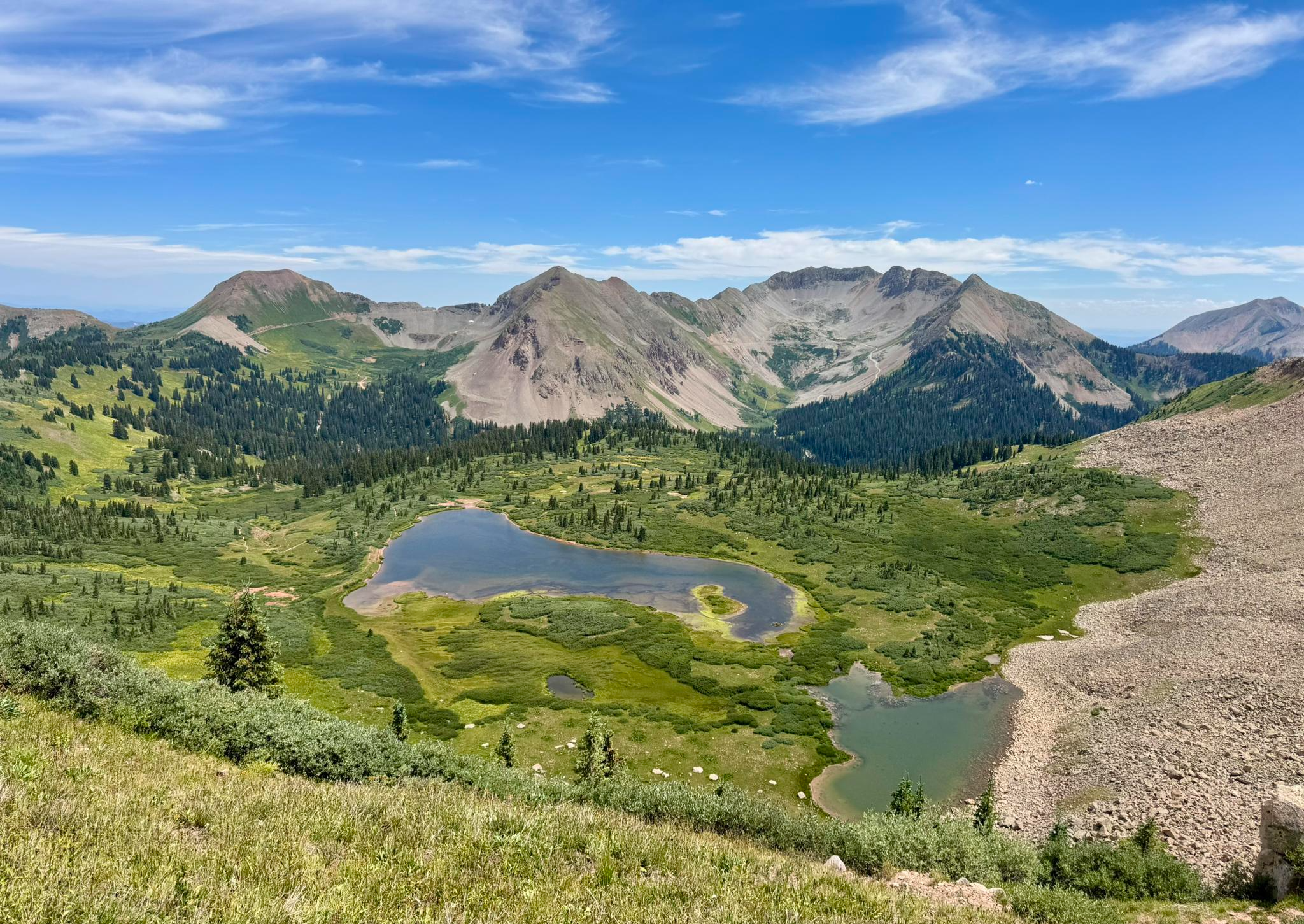
Colorado Trail — The pinnacle of wild Colorado
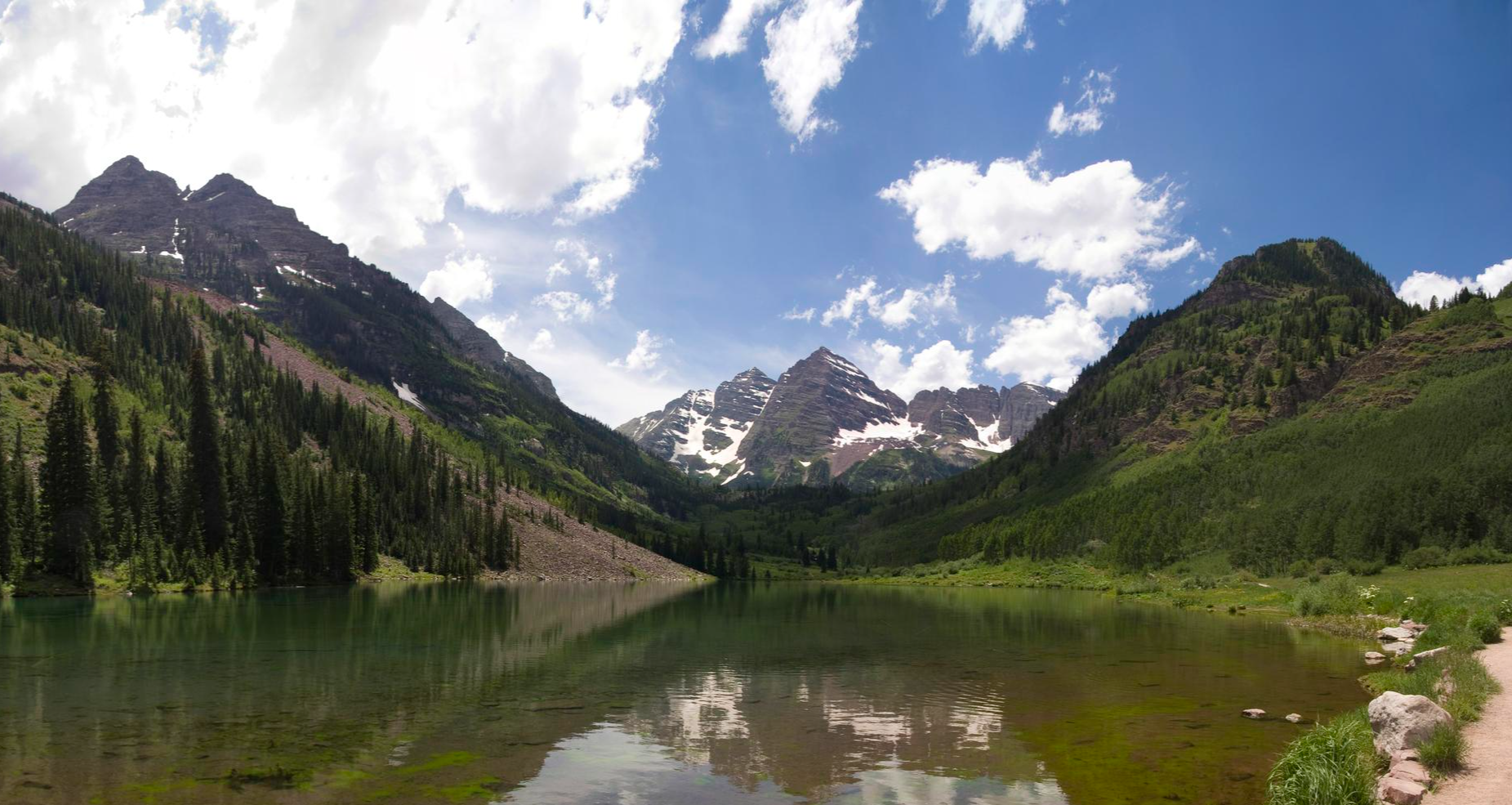
Four Pass Loop — Four times the challenge, four times the reward
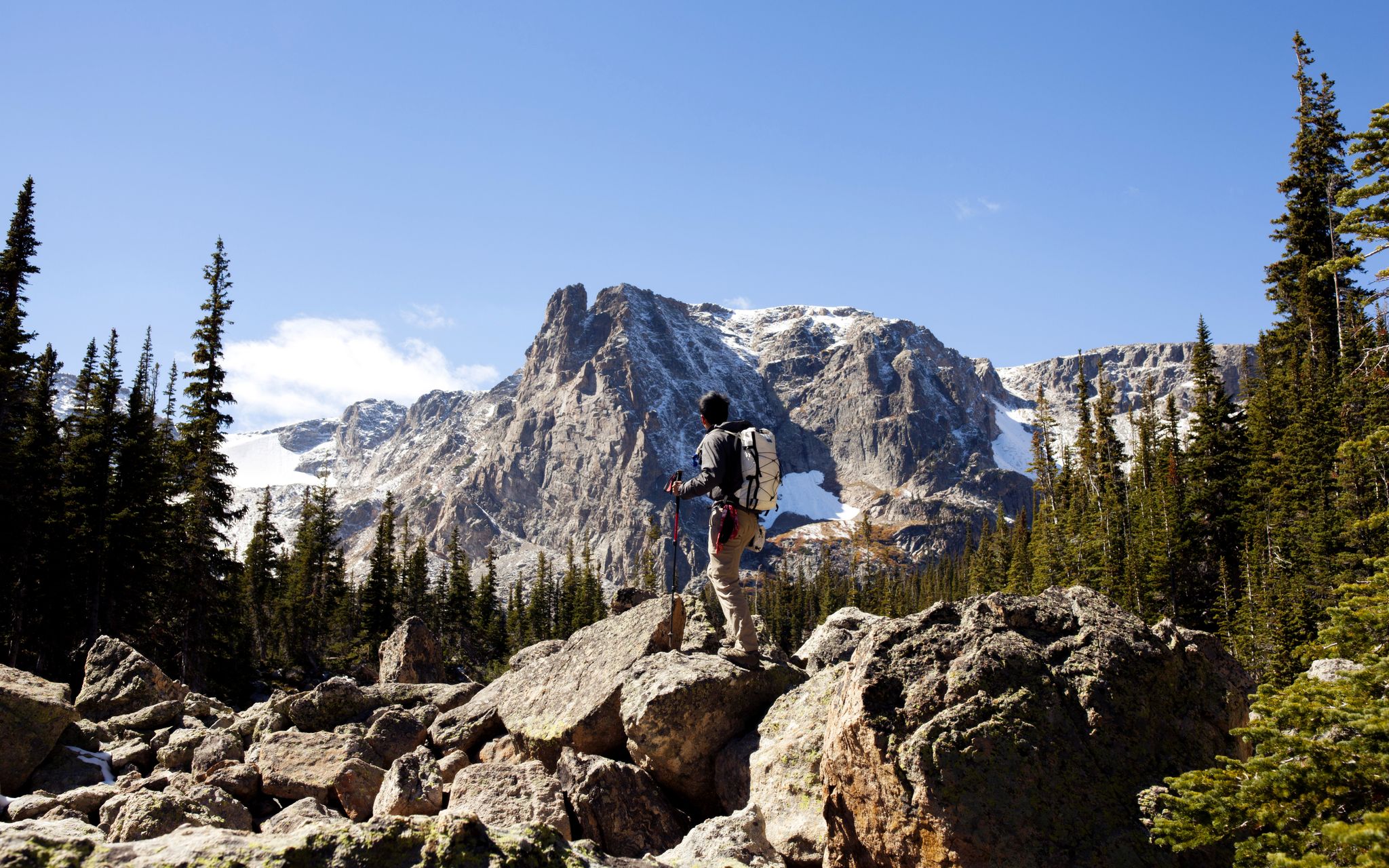
From the mountain peaks to the prairie – Rocky Mountains and Great Plains
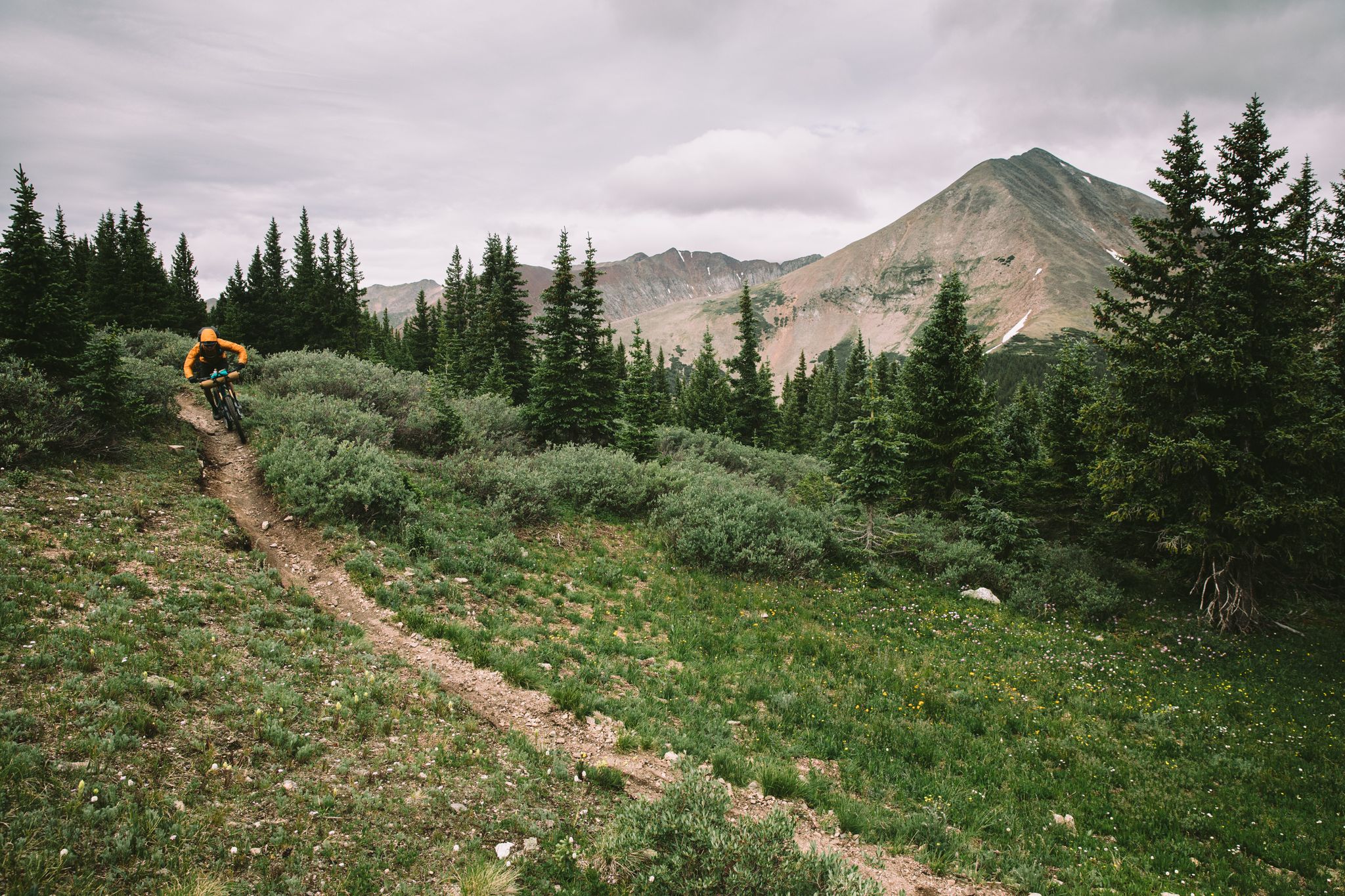
The Colorado Trail — Ten incredible days in the Rocky Mountains
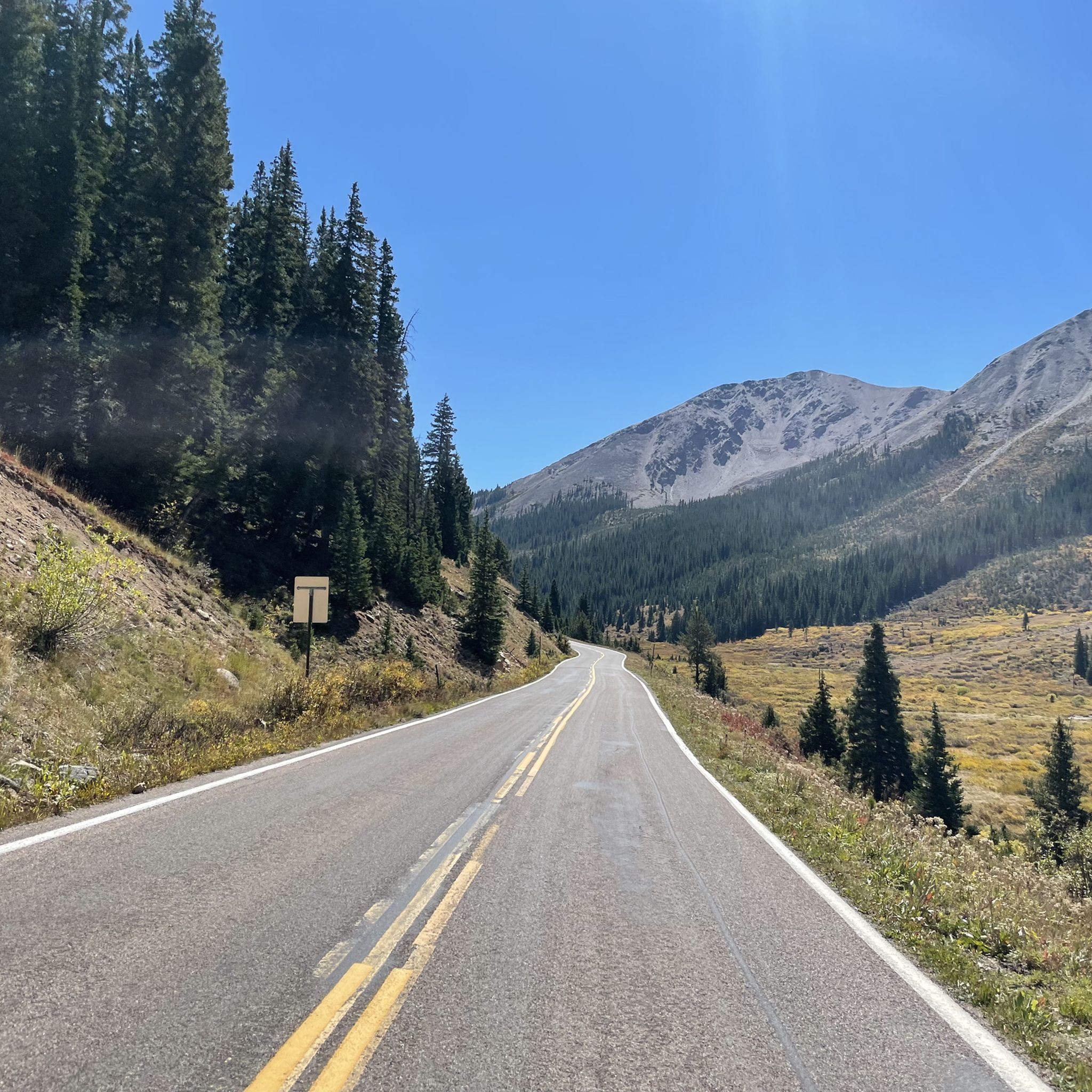
Road Cycling Routes in White River National Forest
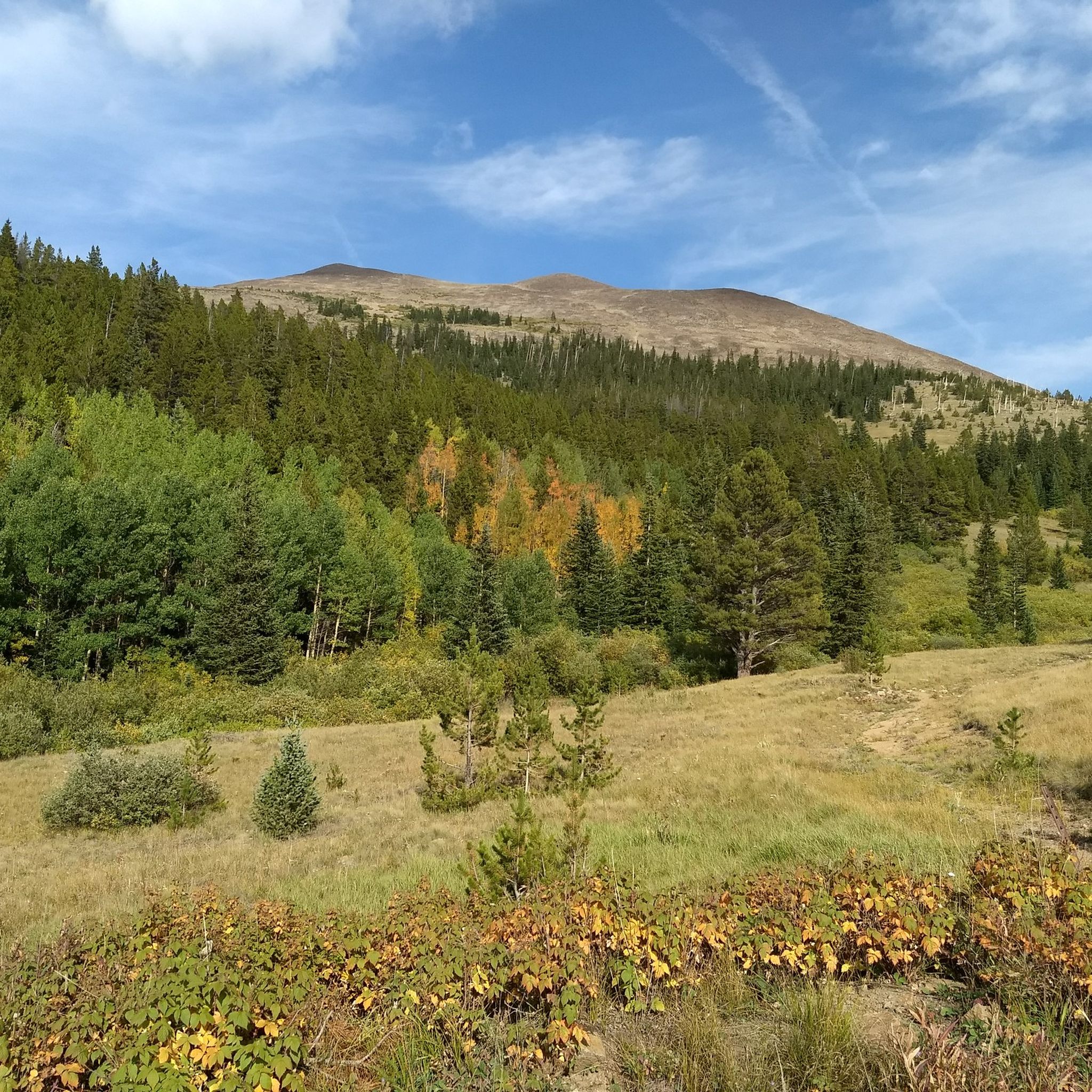
MTB Trails in White River National Forest
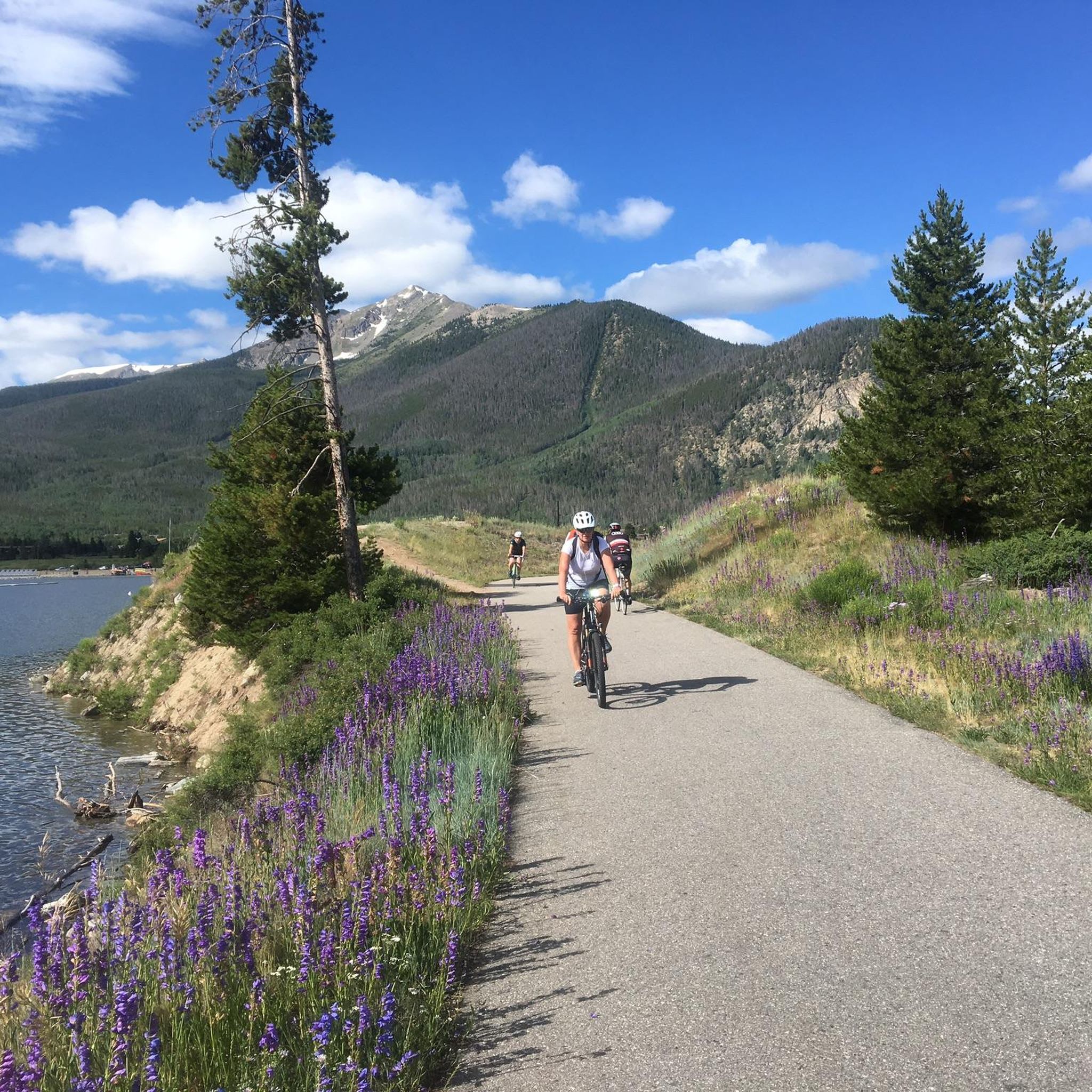
Cycling in White River National Forest
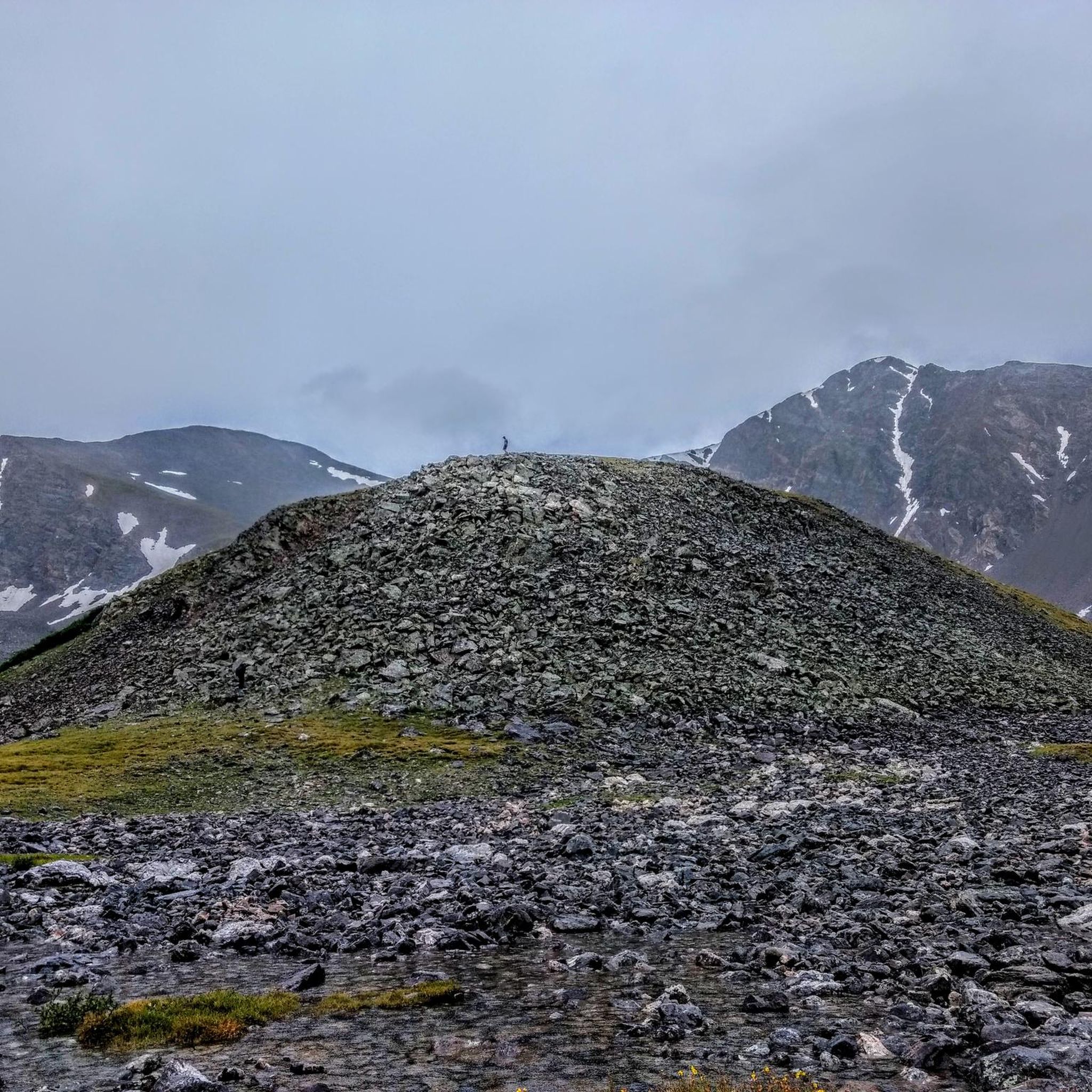
Running Trails in White River National Forest
Gravel biking in White River National Forest
Other adventures in White River National Forest


Tips from the Community

In my opinion, actually more worth seeing than the Maroon Bells.
0
0
A little off the beaten track but with a beautiful panoramic view and conifers in the foreground.
0
0
Especially beautiful in autumn, of course.
0
0

There are not too many campsites along this stretch, but this is offers room to one larger or two (small) tents. The trees offer shade and protection.
1
0
Nestled into the trees, this site fits a 3-person tent. There is a small stream just a few yards north of it.
3
0
After a long climb you reach the summit of the ridge between Peak 5 and 6 which is part of the Tenmile Range. There are sassy chipmunks here that want to steal your food. ;)
3
0
This is a trailhead for the Colorado Trail and the Continental Divide Trail that spans from Mexico to Canada. The ski resort of Copper Mountain is just on the other side of the road, so it is a good location to get on and off the trail, especially to replenish the supplies.
3
0

With a dirt road leading basically all the way to the dam, you can make a run to the lakes as short as you want. Blue Lakes is actually a couple of lakes with the lower, larger lake being the main attraction. There is also a waterfall between the two reservoirs.
0
0
Frequently Asked Questions
How many hiking trails are available in White River National Forest?
White River National Forest offers a vast network of trails, with over 400 hiking routes available. These range from easy strolls to challenging multi-day treks, catering to all experience levels.
Are there easy hiking trails suitable for beginners or families?
Yes, White River National Forest has many easy trails perfect for beginners and families. For example, the Lily Pad Lake Trail is a gentle 3.4-mile path that winds through diverse forest landscapes and is often completed in about 1 hour 31 minutes. There are over 150 easy routes to choose from.
Can I bring my dog on the hiking trails in White River National Forest?
Generally, dogs are allowed on most trails in White River National Forest, but they must be kept on a leash. However, specific wilderness areas or trails, particularly those with sensitive ecosystems or high wildlife activity, may have restrictions. Always check local signage or the specific trail's regulations before heading out with your pet.
What kind of natural attractions or landmarks can I expect to see while hiking?
White River National Forest is rich with natural beauty. You can encounter stunning alpine lakes like Maroon Lake and Crater Lake, dramatic peaks, and lush forests. Waterfalls are also a highlight, such as those found along the Hanging Lake Trail, which leads to a unique lake with water flowing over Bridal Veil Falls, or Spouting Rock Waterfall.
Are there any trails that feature waterfalls?
Absolutely! The Hanging Lake Trail – Glendwood Springs is famous for its unique lake and the beautiful Bridal Veil Falls. Another notable spot is Booth Falls, accessible via the Booth Creek Trail, which offers scenic cascades.
Are there options for circular or loop hikes?
Yes, the forest offers various loop trails for those who prefer not to retrace their steps. While specific loop trails are numerous, a well-known challenging option is the Four Pass Loop, a 28-mile trek providing exceptional views of Maroon Peak, Pyramid Peak, Crater Lake, and Snowmass Lake. Many shorter loops can also be found throughout the forest.
What is the best time of year to go hiking in White River National Forest?
The most popular time for hiking in White River National Forest is typically from late spring through early fall (June to September). During this period, trails are generally clear of snow, wildflowers are abundant, and the weather is pleasant. Autumn also offers spectacular views with vibrant aspen foliage. Some lower elevation trails may be accessible earlier or later in the season.
Is parking available at trailheads, and do I need to pay?
Parking is generally available at most major trailheads throughout White River National Forest. However, popular areas like the Maroon Bells Scenic Area often require reservations for vehicle access or shuttle services, especially during peak season. Some trailheads may have a day-use fee or require a recreation pass. It's advisable to check specific trailhead information before your visit.
Do I need a permit to hike in White River National Forest?
For most day hikes in White River National Forest, a specific hiking permit is not required. However, certain popular areas, especially within designated Wilderness Areas like Maroon Bells-Snowmass Wilderness, may require permits for overnight backpacking or reservations for day-use access (e.g., Maroon Bells Scenic Area). Always check the specific regulations for your chosen trail or area in advance.
What do other hikers say about their experience in White River National Forest?
The hiking experiences in White River National Forest are highly rated by the komoot community, with an average score of 4.6 stars from over 170 reviews. Hikers frequently praise the breathtaking scenery, including the towering peaks and pristine alpine lakes, as well as the diverse ecosystems and well-maintained trails. Many highlight the stunning views of iconic landmarks like the Maroon Bells.
Are there opportunities for wildlife spotting?
Yes, White River National Forest is home to a diverse array of wildlife, offering excellent opportunities for spotting animals. Hikers might encounter elk, deer, bighorn sheep, and various bird species. Early mornings and late evenings are often the best times for wildlife viewing, particularly in quieter areas away from heavily trafficked trails.
What are some notable lakes I can hike to in the forest?
The forest is dotted with many beautiful lakes accessible by trail. Iconic options include Maroon Lake, famous for its reflections of the Maroon Bells, and Crater Lake, both within the Maroon Bells-Snowmass Wilderness. Other notable lakes include Mayflower Lake, accessible via the Mayflower Lake and Lower Continental Falls via Spruce Creek Trail, and the serene Lily Pad Lake.
Can I hike in White River National Forest during winter?
While many trails become snow-covered and challenging in winter, some areas of White River National Forest remain accessible for winter activities like snowshoeing and cross-country skiing. Lower elevation trails or those specifically maintained for winter use can offer beautiful, serene experiences. Always check current conditions and avalanche forecasts, and be prepared with appropriate gear for cold weather and snow.
Most popular routes in White River National Forest
Most popular attractions in White River National Forest

Get inspired with the komoot mobile app


Explore more
Browse the best Hikes in other regions.
