The best cycling routes in Mt. Hood National Forest
4.3
(123)
736
riders
12
rides
Touring cycling in Mt. Hood National Forest is characterized by diverse landscapes, including dense old-growth forests, alpine meadows, and significant water features. The region is dominated by Mount Hood, a dormant volcano, which contributes to varied elevation profiles. Numerous lakes and rivers, such as Trillium Lake and the Sandy River, are prominent features throughout the area. The terrain ranges from paved scenic byways to challenging gravel roads, offering a wide array of touring cycling routes.
Best touring cycling routes in…
Last updated: September 27, 2026
4.0
(1)
6
riders
57.1km
04:47
710m
710m
Hard bike ride. Very good fitness required. Mostly paved surfaces. Suitable for all skill levels.
1
riders
20.1km
01:47
450m
440m
Moderate bike ride. Good fitness required. Mostly paved surfaces. Suitable for all skill levels.

4
riders
30.4km
03:16
780m
780m
Hard bike ride. Very good fitness required. Mostly paved surfaces. Suitable for all skill levels.
3
riders
46.8km
03:53
850m
850m
Hard bike ride. Very good fitness required. Mostly paved surfaces. Suitable for all skill levels.
1
riders
11.7km
00:53
280m
280m
Moderate bike ride. Good fitness required. Mostly paved surfaces. Suitable for all skill levels.
Get access to more routes and recommendations from other explorers.
Already have an account?
Our route recommendations are based on thousands of hikes, rides, and runs completed by other people on komoot.
Start today with a free account
Your next adventure awaits.
Popular around Mt. Hood National Forest

Pacific Crest Trail from Mexico to Canada – 4,200 kilometres of wilderness
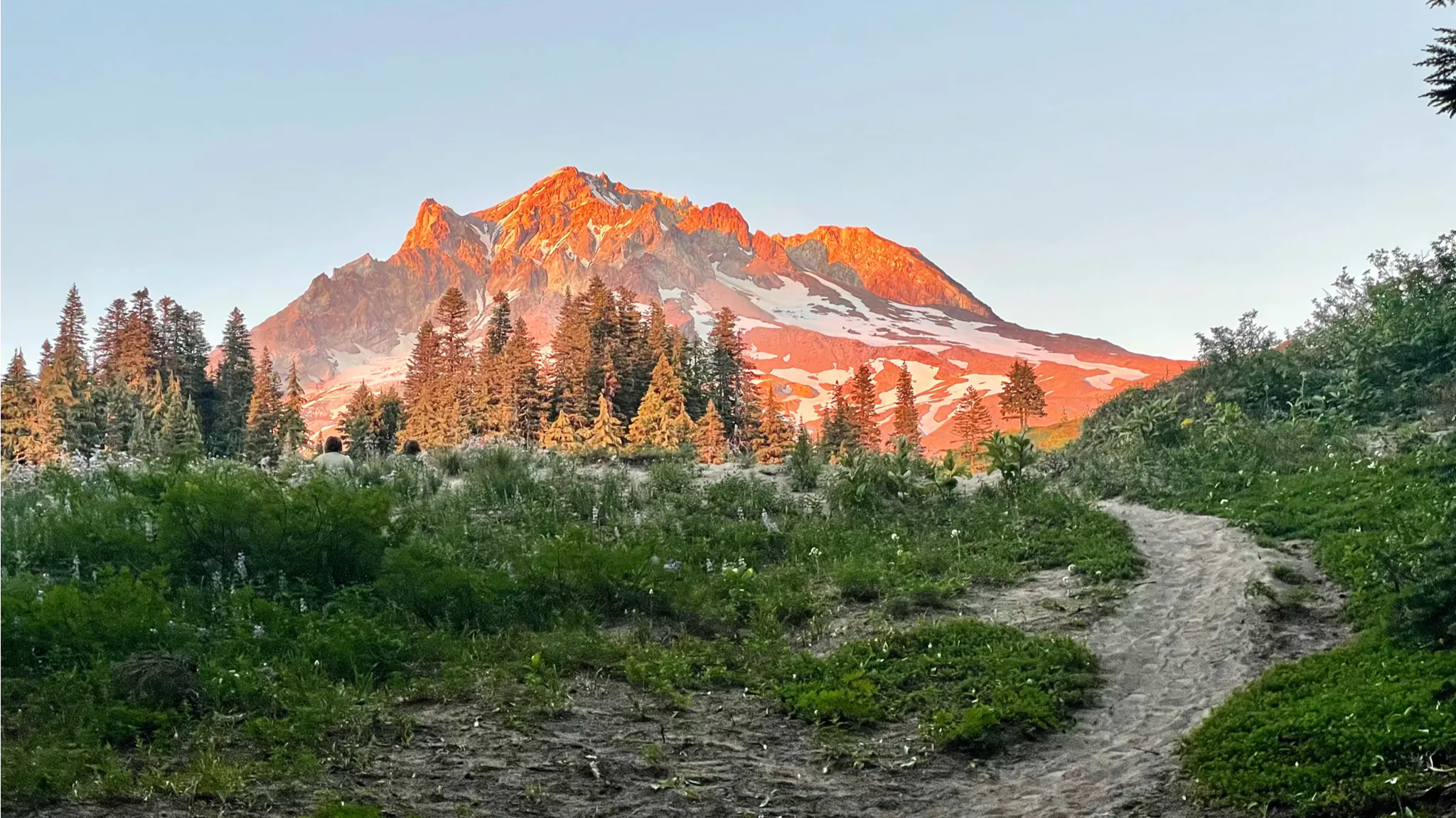
Timberline Trail — A Scenic Mount Hood Adventure
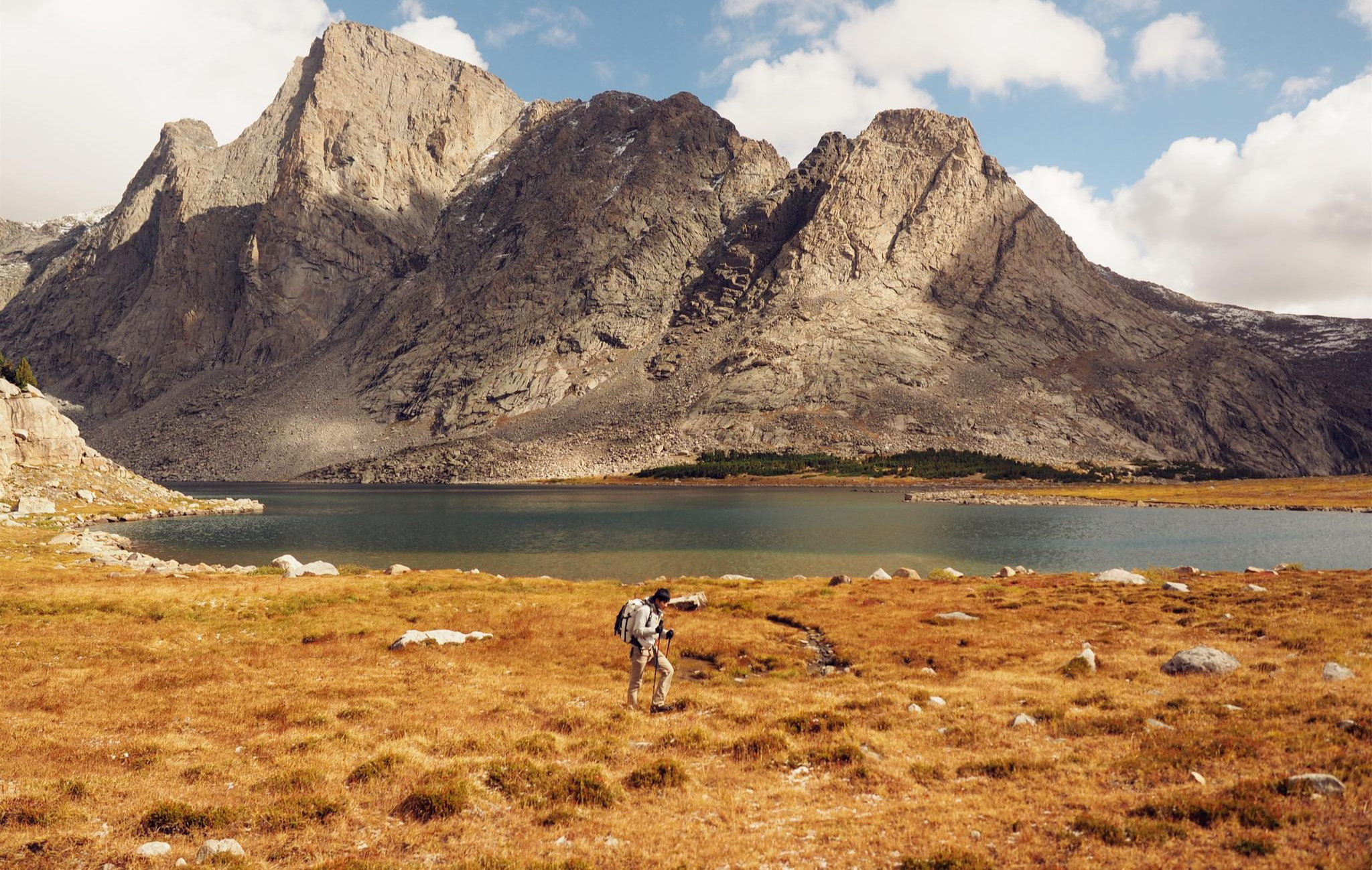
Like in the Wild West – hiking on the Oregon Trail
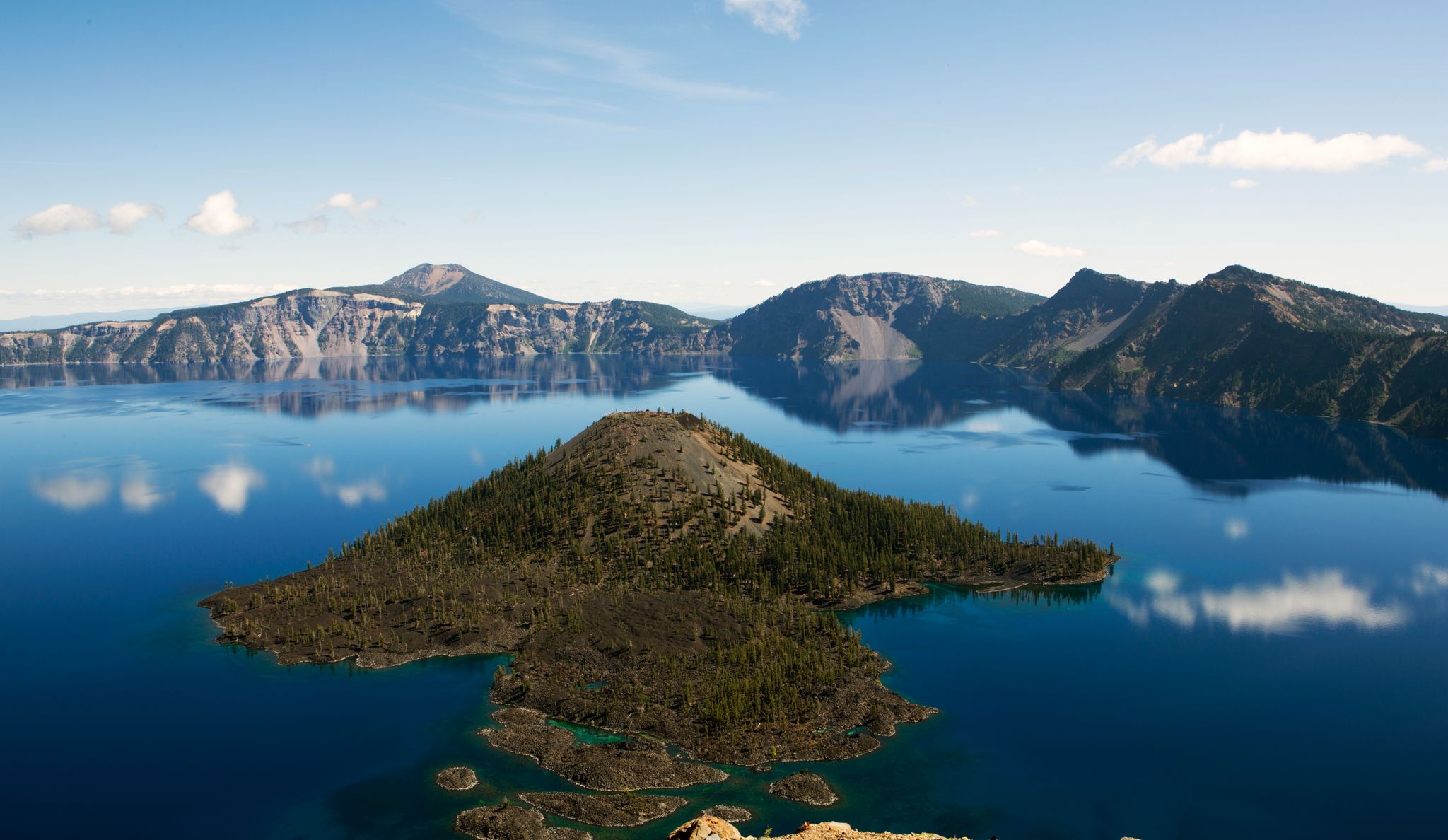
Volcanic peaks and glistening shores – discover Oregon and Washington
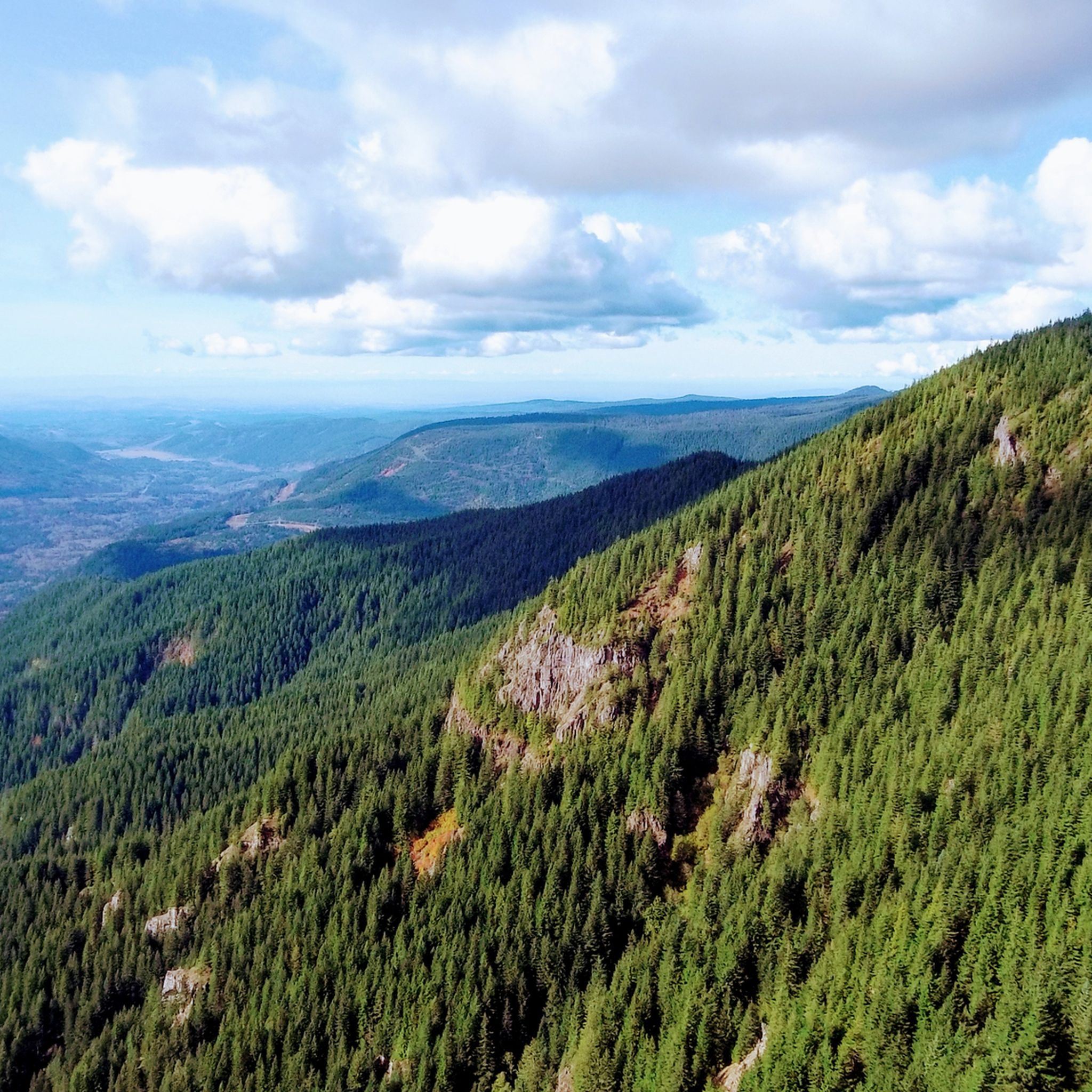
Hiking in Mt. Hood National Forest
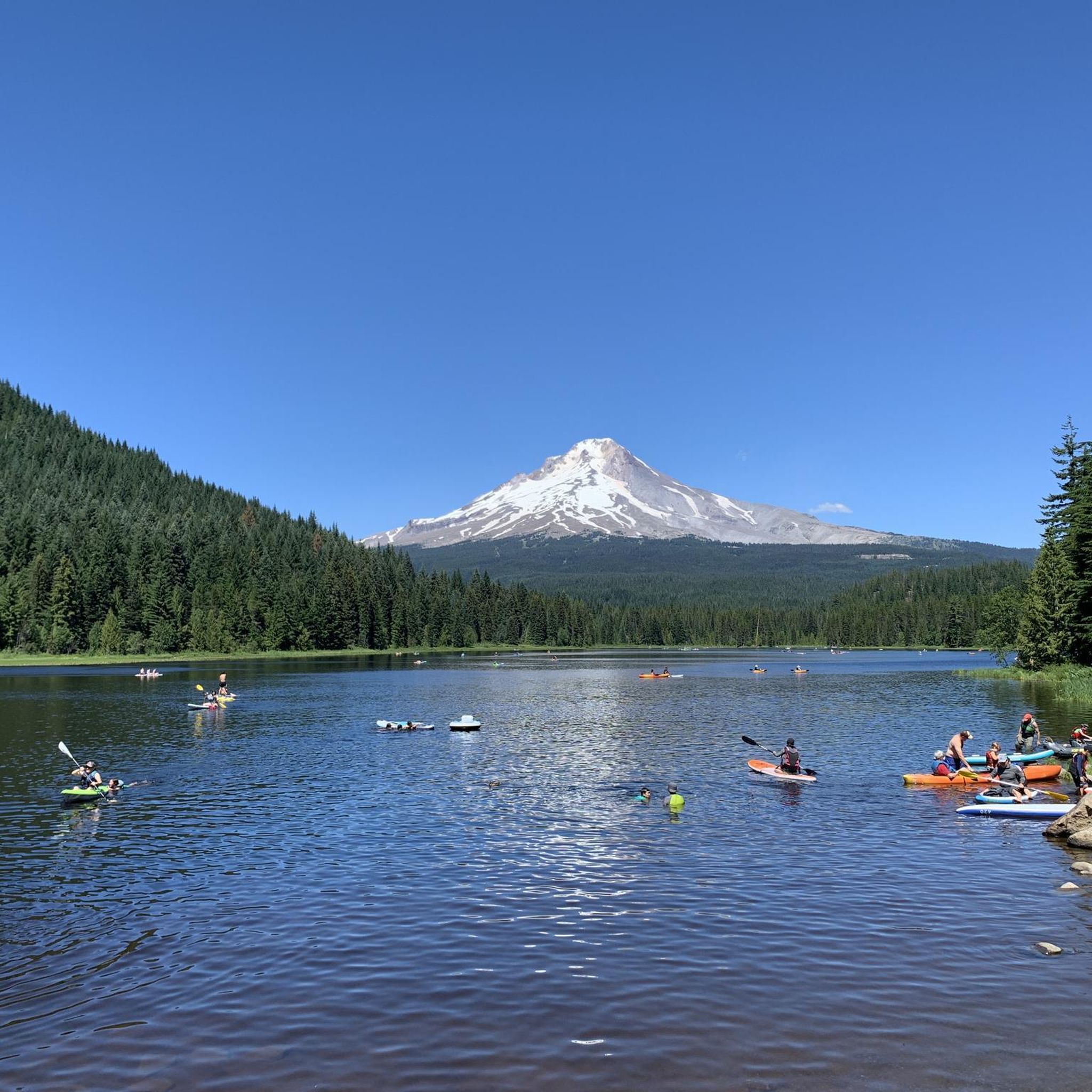
Running Trails in Mt. Hood National Forest
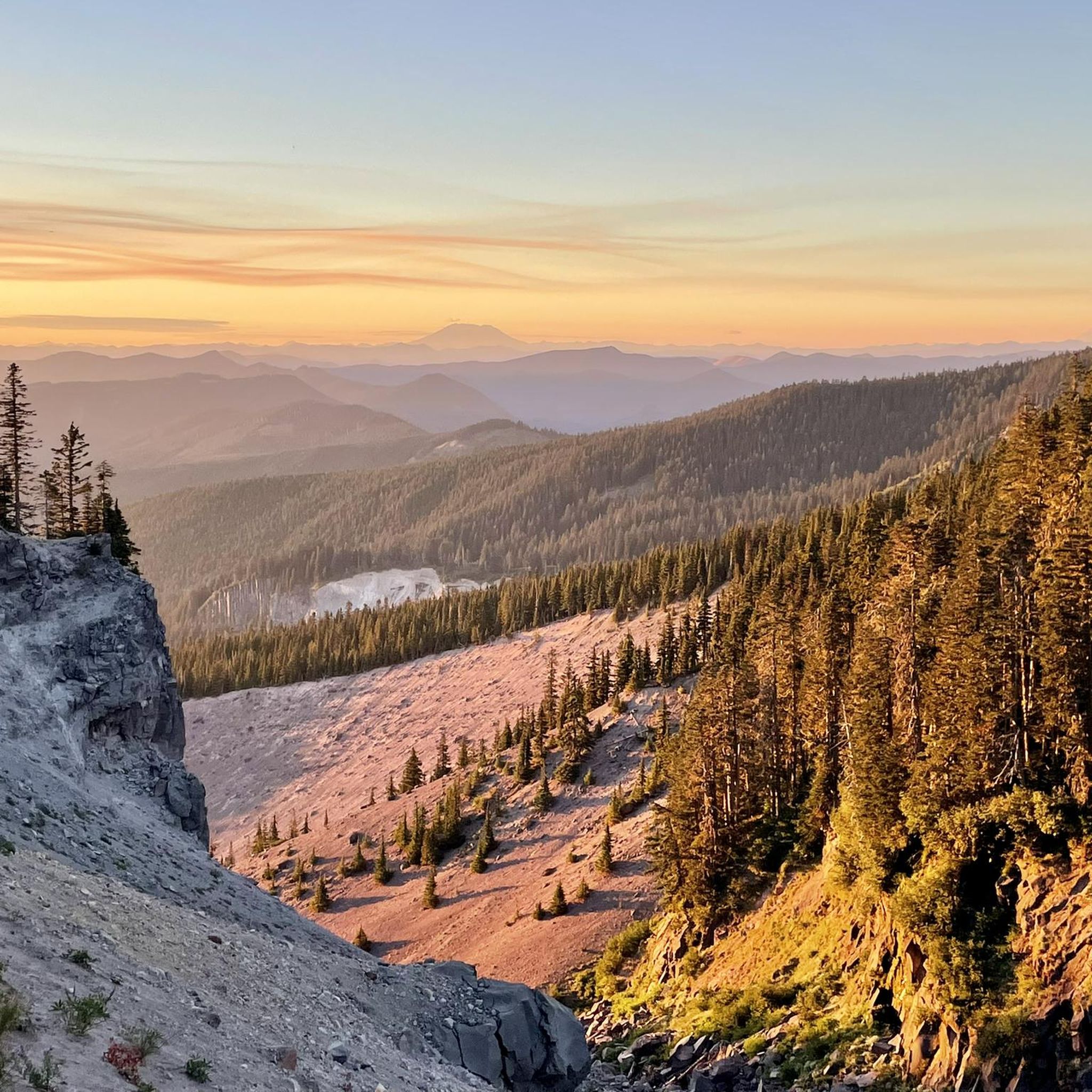
MTB Trails in Mt. Hood National Forest
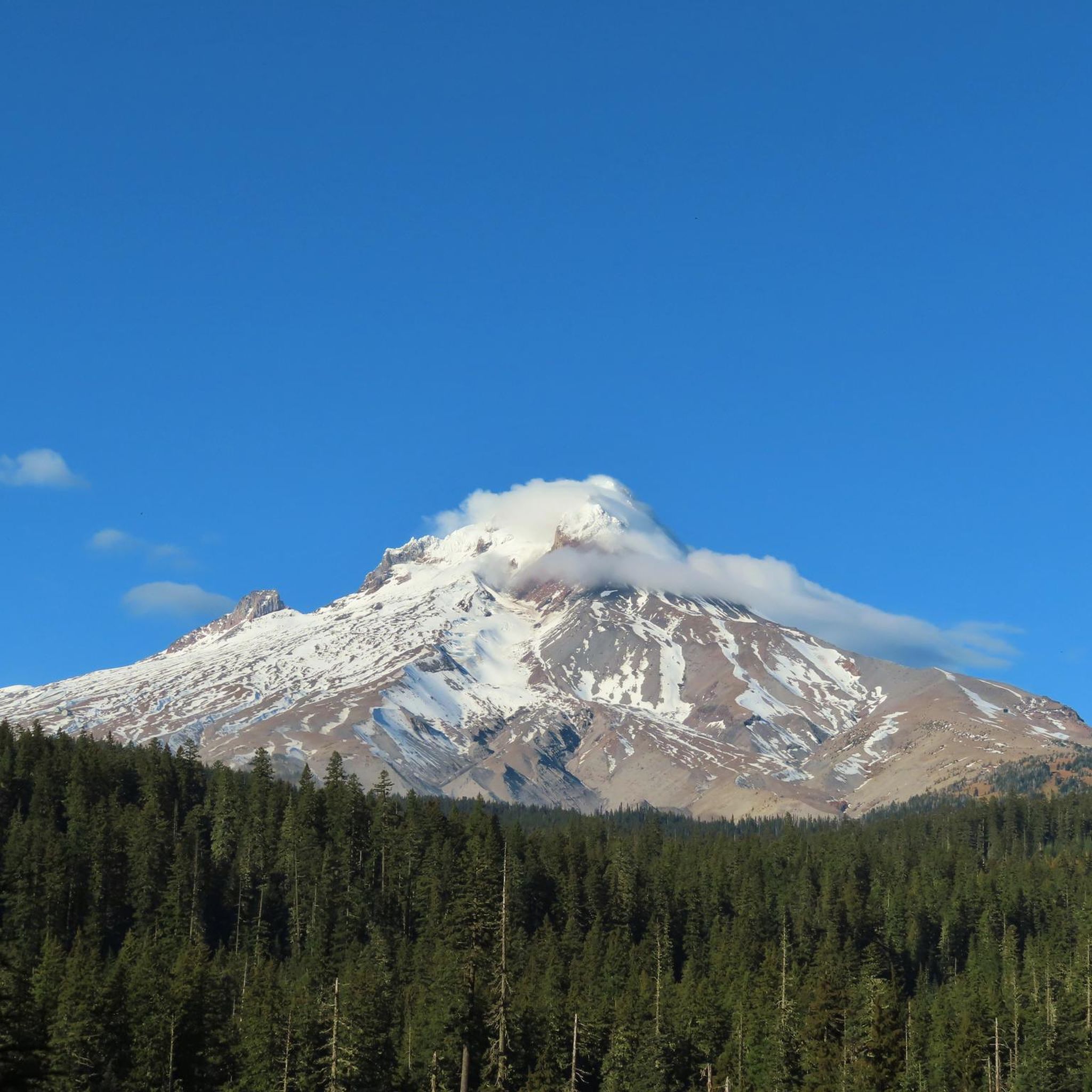
Road Cycling Routes in Mt. Hood National Forest
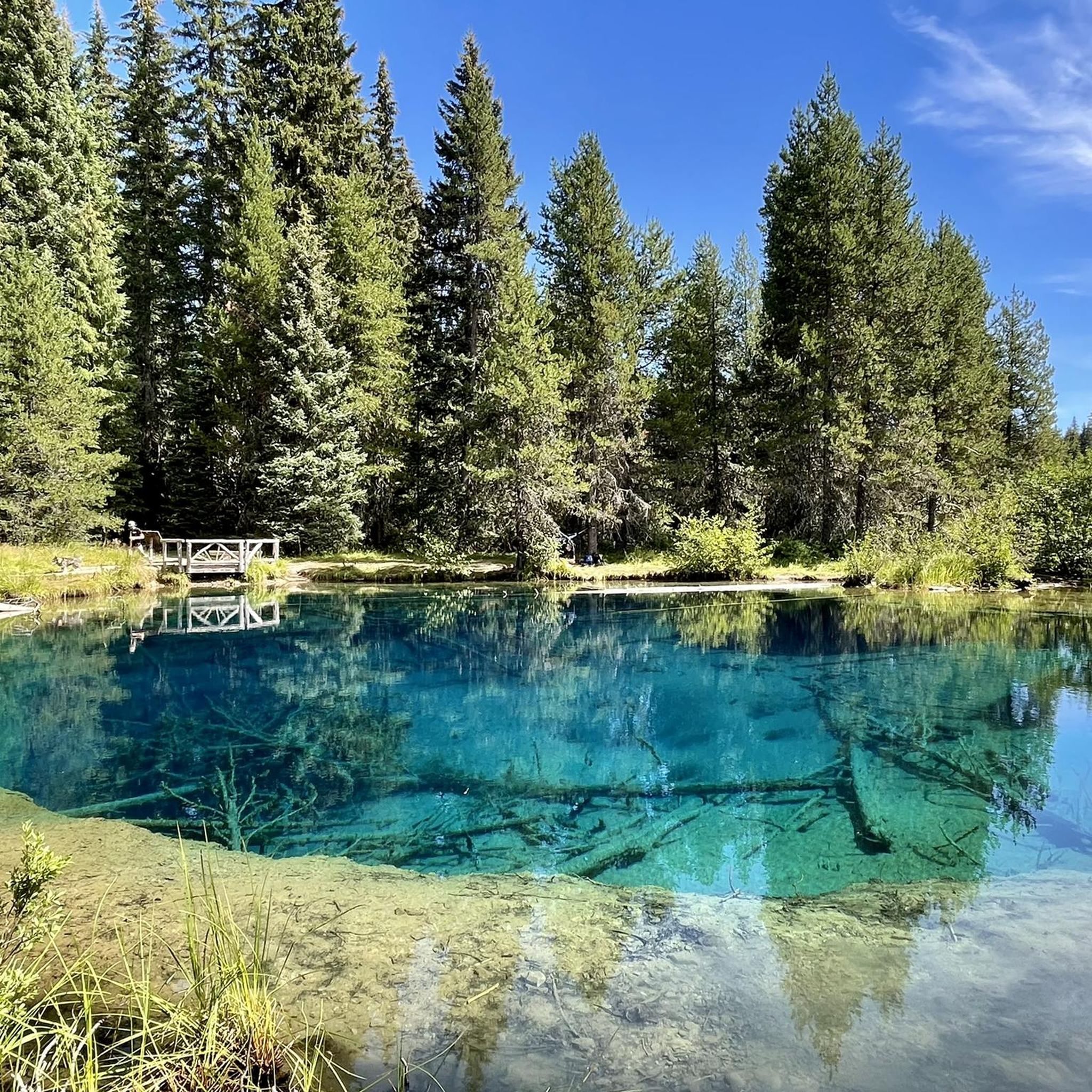
Gravel biking in Mt. Hood National Forest
Other adventures in Mt. Hood National Forest


Tips from the Community

Government Camp is a small mountain village perched at 4,000 feet on the south slope of Mount Hood. It has accommodation, restaurants, and a general store.
0
0

Government Camp is a popular small town for hikers of the Pacific Crest Trail to resupply. There is a general store and a restaurant. The town is also a popular ski town at the base of Mount Hood.
2
0

Timothy Lake is in the shadow of Mt. Hood at an elevation of 3,200 feet. It was created in 1956 when a dam was created on the Clackamas River. Today it's better known for its recreational opportunities like mountain biking, hiking, fishing, camping, and boating.
0
0


A European-style ski resort in winter, a quirky transit point in summer for people who want to visit Mount Hood and Timberline Lodge (location of the original film "The Shining" starring Jack Nicholson). Otherwise difficult to reach by bike because the place is at almost 1200 m.
0
0

Cloud Gap Road is a gradually graded road with switchbacks all the way up to Cloud Gap Inn. The road is unpaved but smooth packed gravel, so a tour bike with some decent tires is recommended. Its a climb all the way up with with a very rewarding summit!
0
0
Cloud Cap Inn is at an elevation of almost 6,000 feet on Mount Hood's northeastern side. It was constructed well over 100 years ago, in 1889, and was Mt. Hood's first permanent resort. Here there is no potable water available, so bring plenty of extra and be alert for signs of altitude sickness. If altitude sickness should occur on your ride, just turn around and go back to the base. The building has been closed to the public since the 1950s, but visitors come to camp for under $20 a night, and it's paid in cash or check via fee tubes.
0
0
Salmon-Huckleberry Wilderness is 62,455 acres in size and has a few notable peaks. this area is mostly dense forest and old-growth forest remain. Explorers can find interesting rock formations, such as cliffs, volcanic dikes, and pinnacles.
0
0
Frequently Asked Questions
How many touring cycling routes are available in Mt. Hood National Forest, and what are their difficulty levels?
Mt. Hood National Forest offers over 50 touring cycling routes. You'll find a wide range of options, including 12 easy routes, 10 moderate routes, and 34 challenging routes, catering to various skill levels and preferences.
What kind of natural features can I expect to see while touring cycling in Mt. Hood National Forest?
The routes in Mt. Hood National Forest showcase diverse natural beauty. You'll cycle through dense old-growth Douglas fir forests, vibrant alpine meadows, and past significant water features like Trillium Lake and Timothy Lake. The iconic Mount Hood, Oregon's highest peak, often serves as a stunning backdrop or a challenging ascent.
Are there any family-friendly touring cycling routes in the area?
While many routes offer challenging terrain, there are options suitable for families looking for a more relaxed experience. Look for routes designated as 'easy' within the forest, which typically feature less elevation gain and smoother surfaces. The region's scenic byways often have shoulders that can accommodate cyclists, though traffic should always be considered.
What are some notable landmarks or attractions I can visit along the touring cycling routes?
Many routes pass by or near significant landmarks. You could cycle towards the historic Timberline Lodge, an architectural marvel on Mount Hood. Other natural attractions include Trillium Lake, known for its picturesque views, and stunning waterfalls like Ramona Falls and Tunnel Falls. For a unique experience, consider visiting Bagby Hot Springs Forest Camp.
Are there any circular touring cycling routes in Mt. Hood National Forest?
Yes, there are several excellent circular routes. For a challenging gravel experience connecting two scenic lakes, try the Frog Lake & Timothy Lake gravel loop. Another popular option is the Still Creek and Pioneer Bridle Trail Loop, which offers varied forest terrain. The Lost Lake Butte loop provides a moderate ride around a scenic area.
What is the best time of year for touring cycling in Mt. Hood National Forest?
The warmer months, typically late spring through early fall, are ideal for touring cycling in Mt. Hood National Forest. During this time, alpine meadows are vibrant with wildflowers, and most roads and trails are clear of snow. However, higher elevation routes, especially those leading to Timberline Lodge, can still have snow well into early summer.
Is public transport available to access touring cycling routes in the area?
Yes, the Mt. Hood Express offers public shuttle services, which include bike trailers. This can be very convenient for point-to-point rides, such as the popular descent from Timberline to town, allowing you to enjoy the downhill without worrying about the return climb.
Are there any touring cycling routes that feature waterfalls?
Yes, the forest is home to several stunning waterfalls. While not all touring cycling routes go directly past them, you can find routes that offer access to areas with waterfalls. For example, the Umbrella and Sahale Falls Loop is a moderate route that takes you near these beautiful cascades.
What do other touring cyclists say about their experience in Mt. Hood National Forest?
The touring cycling routes in Mt. Hood National Forest are highly rated by the komoot community, with an average score of 4.1 stars from over 20 reviews. Cyclists often praise the diverse landscapes, from dense old-growth forests to alpine meadows, and the challenging yet rewarding climbs that offer breathtaking views of Mount Hood.
Are there any challenging climbs for experienced touring cyclists?
Absolutely. For experienced cyclists seeking a significant challenge, the climb up Mount Hood to Timberline Lodge is a notable ascent. This route features an average grade of 5.4% over 15 miles, with an elevation gain of over 4,200 feet from Rhododendron, transitioning from busier highways to quieter roads as you climb.
Can I find accommodation or places to eat near the touring cycling routes?
Yes, the Mt. Hood National Forest is conveniently located near communities like Hood River, Welches, Zigzag, and Government Camp. These towns offer various amenities, including accommodations, dining options, and other services that cater to visitors and outdoor enthusiasts.
Are there specific routes for gravel cycling in Mt. Hood National Forest?
Yes, the area is increasingly popular for gravel cycling. Routes like the Frog Lake & Timothy Lake gravel loop offer demanding terrain and impressive views, combining smooth singletrack with flowing gravel roads. The region provides ample opportunities for those looking for off-pavement adventures.
Most popular routes in Mt. Hood National Forest
Most popular attractions in Mt. Hood National Forest

Get inspired with the komoot mobile app


Explore more
Browse the best Cycling routes in other regions.
