Attractions and Places To See in Superior National Forest - Top 20
Best attractions and places to see in Superior National Forest, a vast expanse of over three million acres in northeastern Minnesota, offers a diverse range of points of interest. This region is characterized by its pristine lakes, dense woodlands, and rich wildlife. It borders Canada, Lake Superior, and Voyageurs National Park, providing a unique natural landscape for exploration.
Best attractions and places to see in Superior National Forest
- The most popular attractions is Temperance River Gorge, a gorge that features a spectacular gorge with waterfalls and deep pools. The Gitchi-Gami State Trail crosses the Temperance River, affording excellent views of the gorge.
- Another must-see spot is Devil's Kettle Falls, a waterfall famous for its unique geological feature where half of the river vanishes into a pothole. The water splits in two at an outcropping of volcanic rock, with one side disappearing into a hole.
- Visitors also love Grand Marais Lighthouse, a man-made monument that stands as a prominent landmark at the entrance to Grand Marais Harbor. This white, square-pyramidal skeletal lighthouse has guided vessels since 1898.
- Superior National Forest is known for its extensive lakes, rivers, mountains, and historical sites. Visitors can explore a variety of natural and cultural attractions throughout the region.
- The attractions in Superior National Forest are appreciated by the komoot community, with 8 upvotes and 34 photos shared by visitors.
Last updated: October 11, 2026
Devil's Kettle Falls
Highlight • Waterfall
Tip by

Temperance River Gorge
Highlight • Gorge
Tip by
Sign up now to discover places like this
Get recommendations on the best single tracks, peaks, & plenty of other exciting outdoor places.
Sioux Hustler Trailhead
Highlight • Trail
When we registered at the office in Ely before heading out, the ranger asked us to report on the trail's status upon our return because, as far as he knew, no one else had hiked it that season. We didn't see anyone the three days we were on the trail and didn't see any recent evidence of trail use.
We lost the trail many times, as it was either covered by beaver ponds or ran over a rocky ridgetop. There were five of us, so when we lost the trail, we posted one at the last known point, and the other four fanned out ahead, looking for blazes on the trees or piles of rocks.
Of course, back at that time, there were no GPS devices; we only had paper maps. However, we kept an almost hourly log of our hike, which, combined with the map, enabled me to reconstruct our route on komoot.
A few years after our hike, the Sioux-Hustler wildfire destroyed the trail from Emerald to Meander Lake.
Here is a link to our hike back in 1970: .
I have uploaded two photos from our trip One is of of us standing at the old trailhead, and the other shows me wading across a stream flooded by a beaver dam.
Tip by
Grand Marais Lighthouse
Highlight • Monument
Tip by

Butterwort Cliffs State Scientific and Natural Area
Highlight • Natural Monument
Alpine butterwort, the namesake of the area, is a carnivorous flowering plant that is endangered in Wisconsin and listed as “of special concern” in Minnesota due to its declining habitat. This plant is carnivorous because it traps small insects that crawl across its sticky, ground-hugging leaves. The insects become stuck, and the plant digests them using specialized enzymes.
Two brown SNA signs mark the location of the SNA, both located just off the shoulder of Highway 61: one at the northeast corner of the SNA and the other at the northwest corner of the property.
Tip by
Sign up for free to discover even more attractions in Superior National Forest.
Already have an account?
Start today with a free account
Your next adventure awaits.
Popular around Superior National Forest
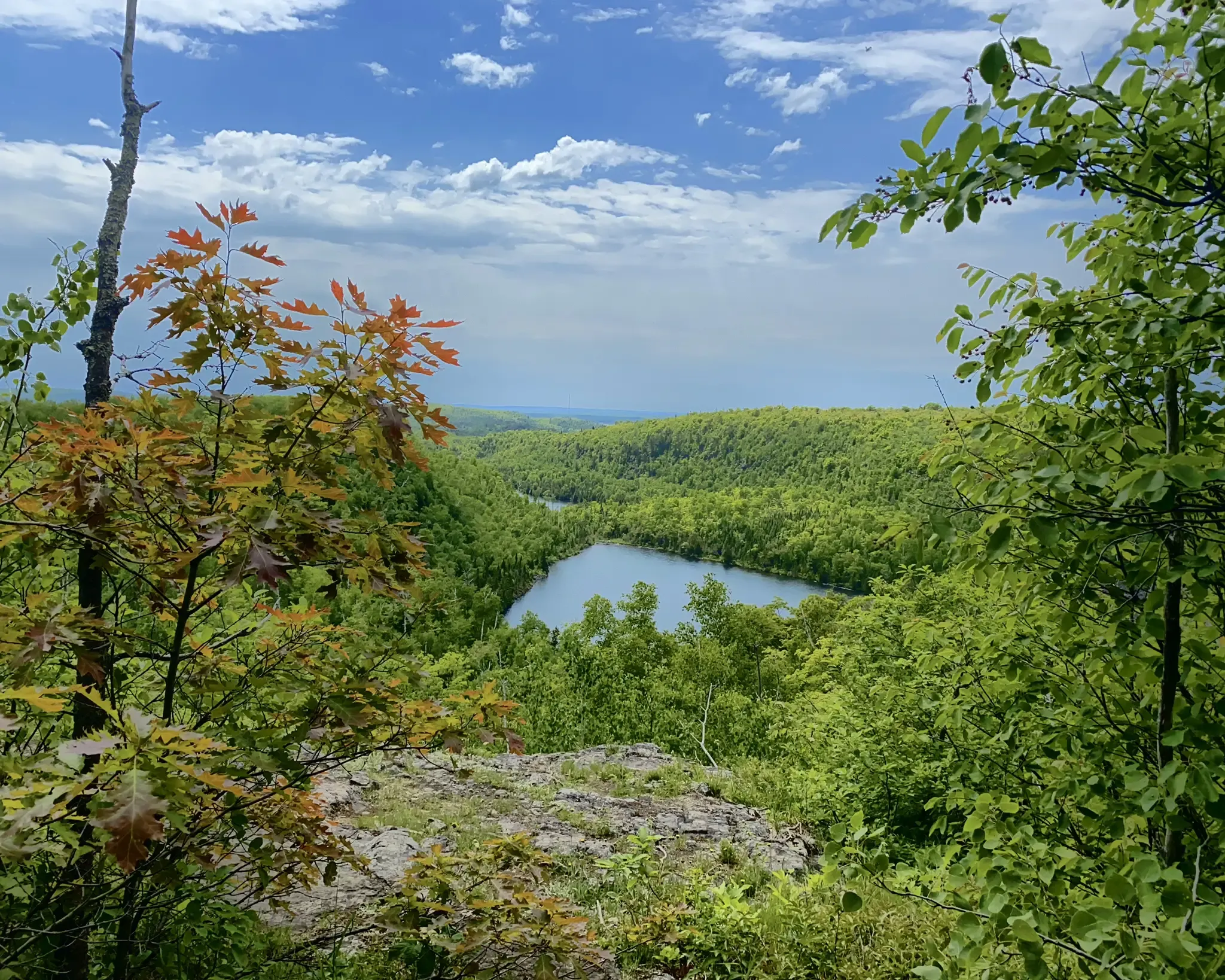
North Country Trail – 4,800 Miles along the edge of northern U.S.
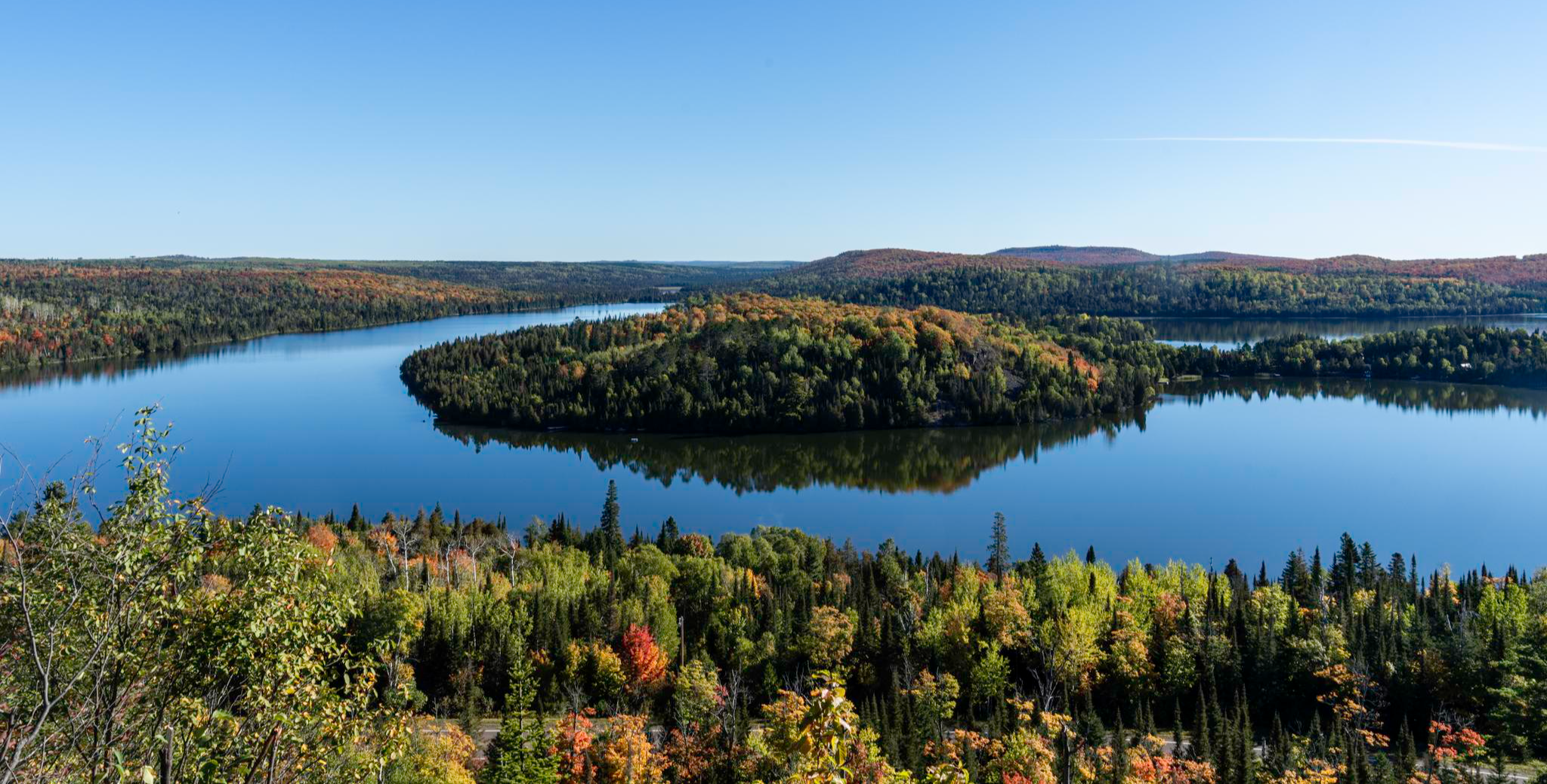
Superior Hiking Trail — Where the forest meets the lake
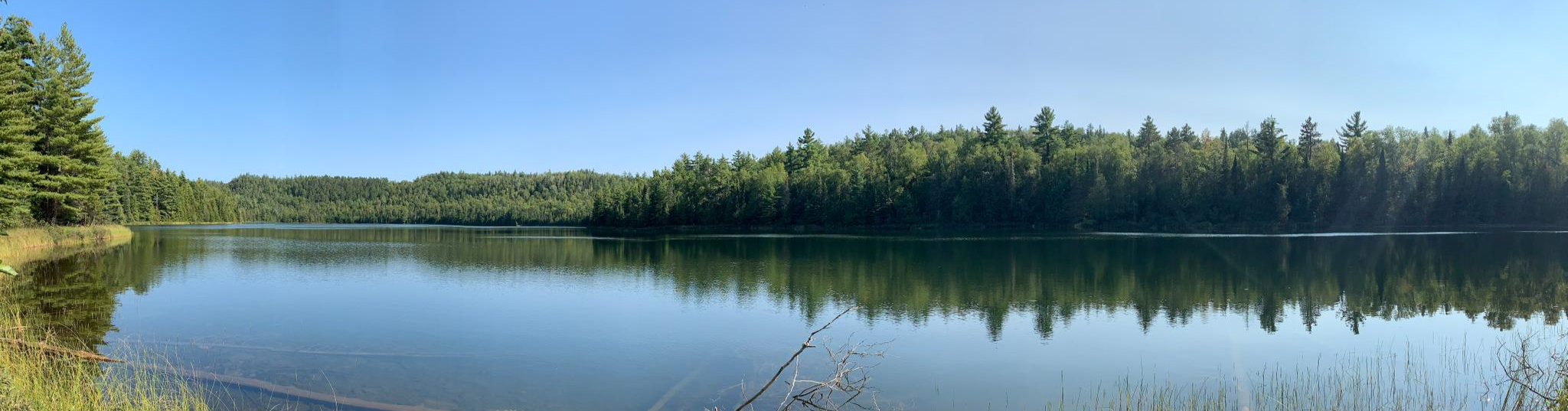
Border Route Trail — A remote Northwoods backpacking challenge
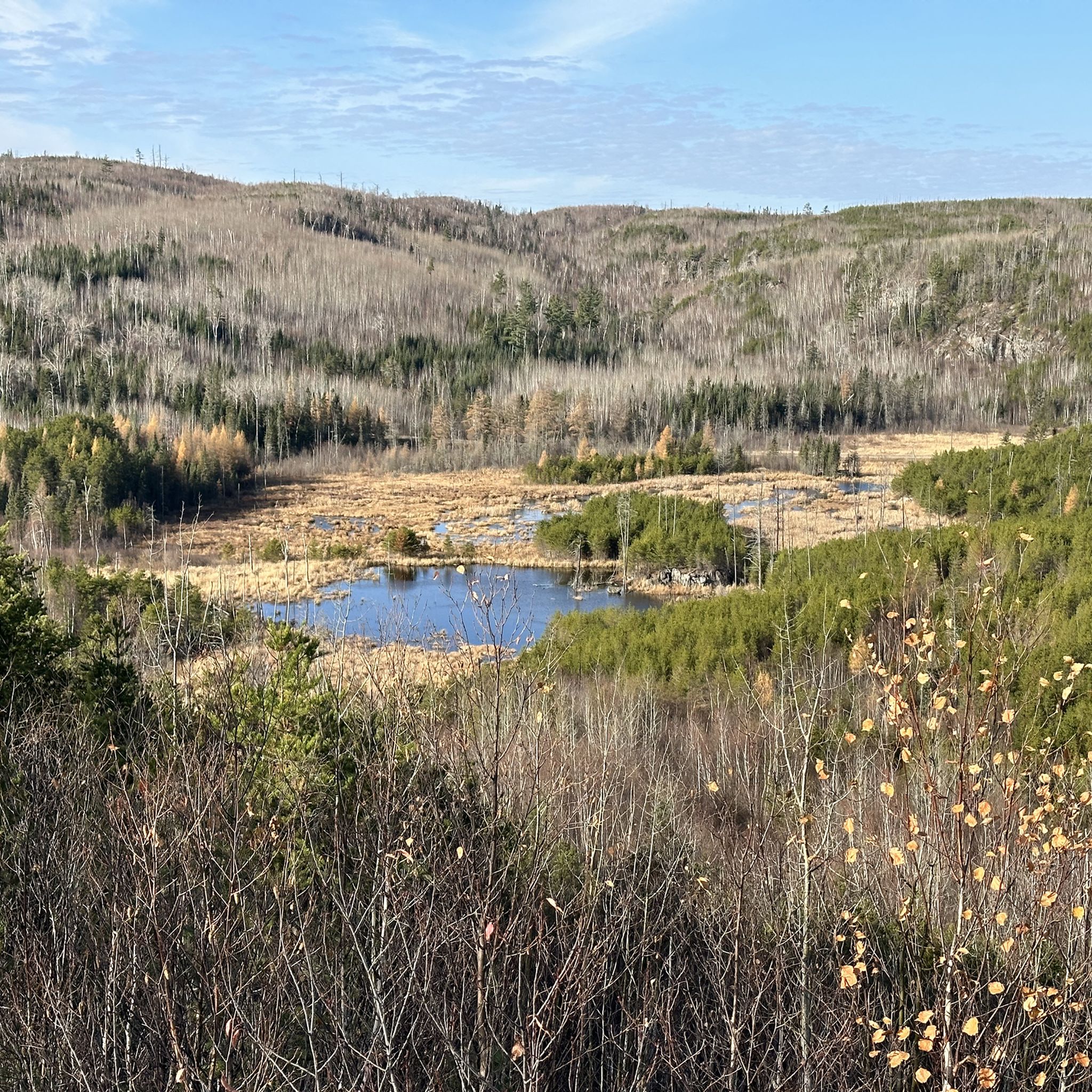
Hiking in Superior National Forest
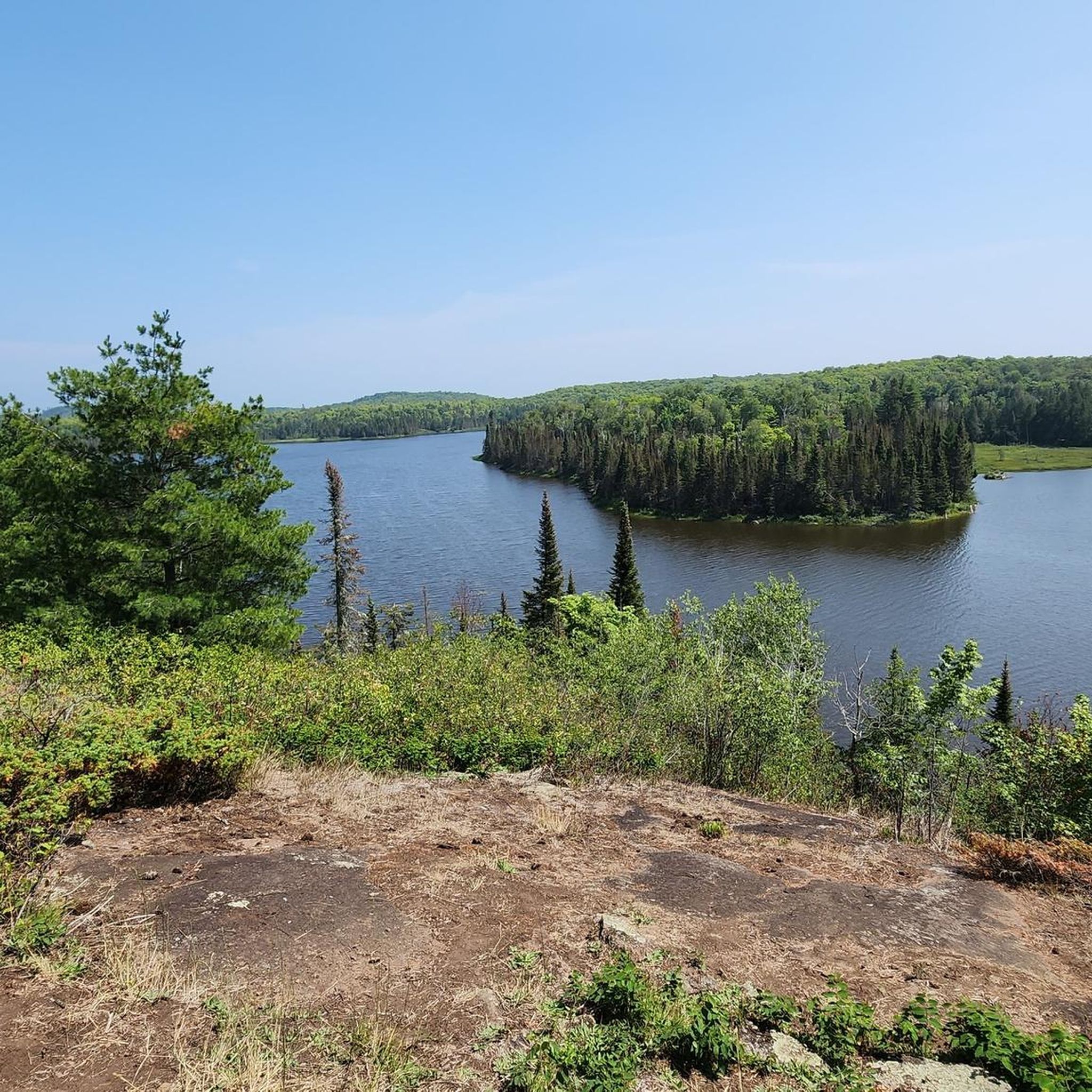
Running Trails in Superior National Forest
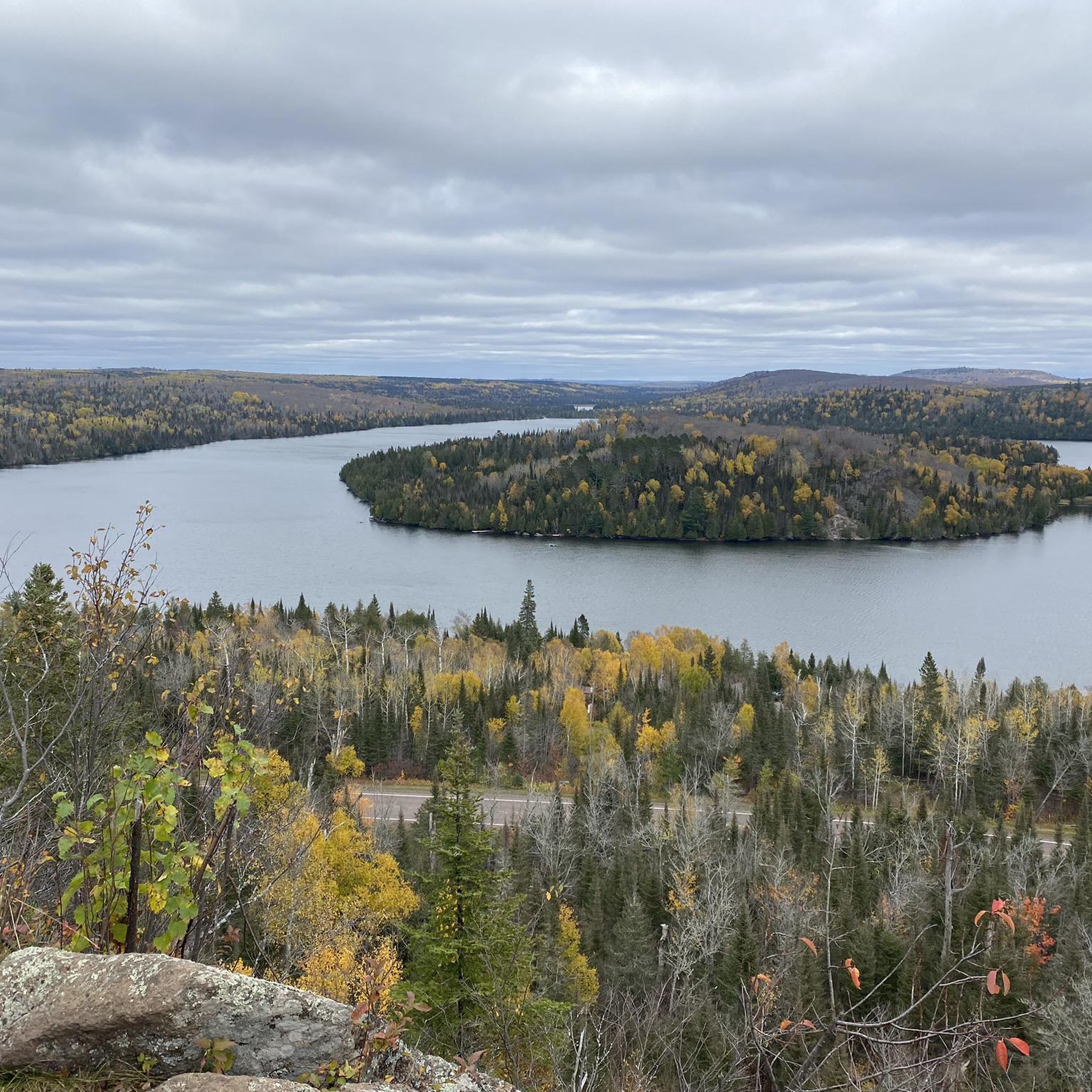
Road Cycling Routes in Superior National Forest
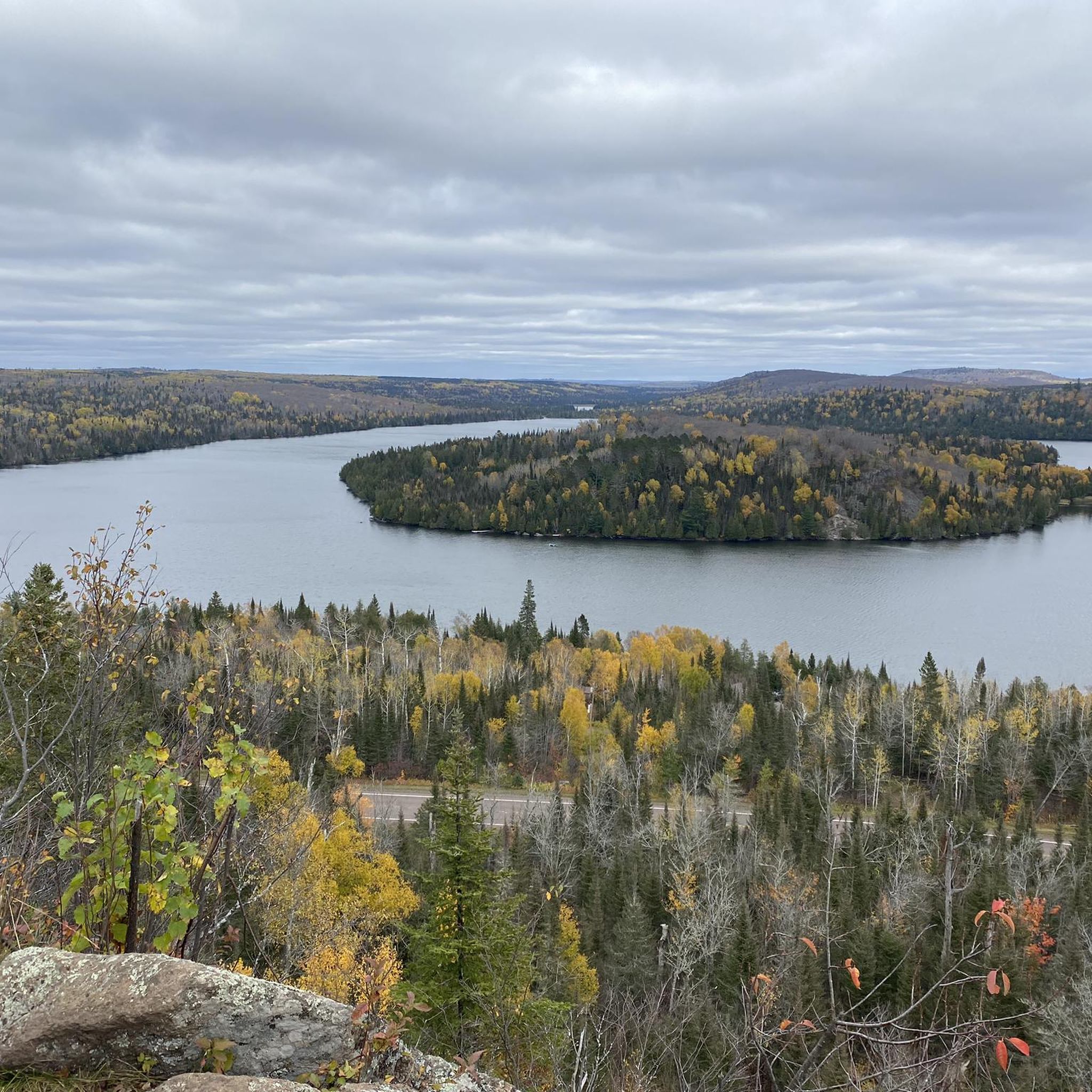
MTB Trails in Superior National Forest
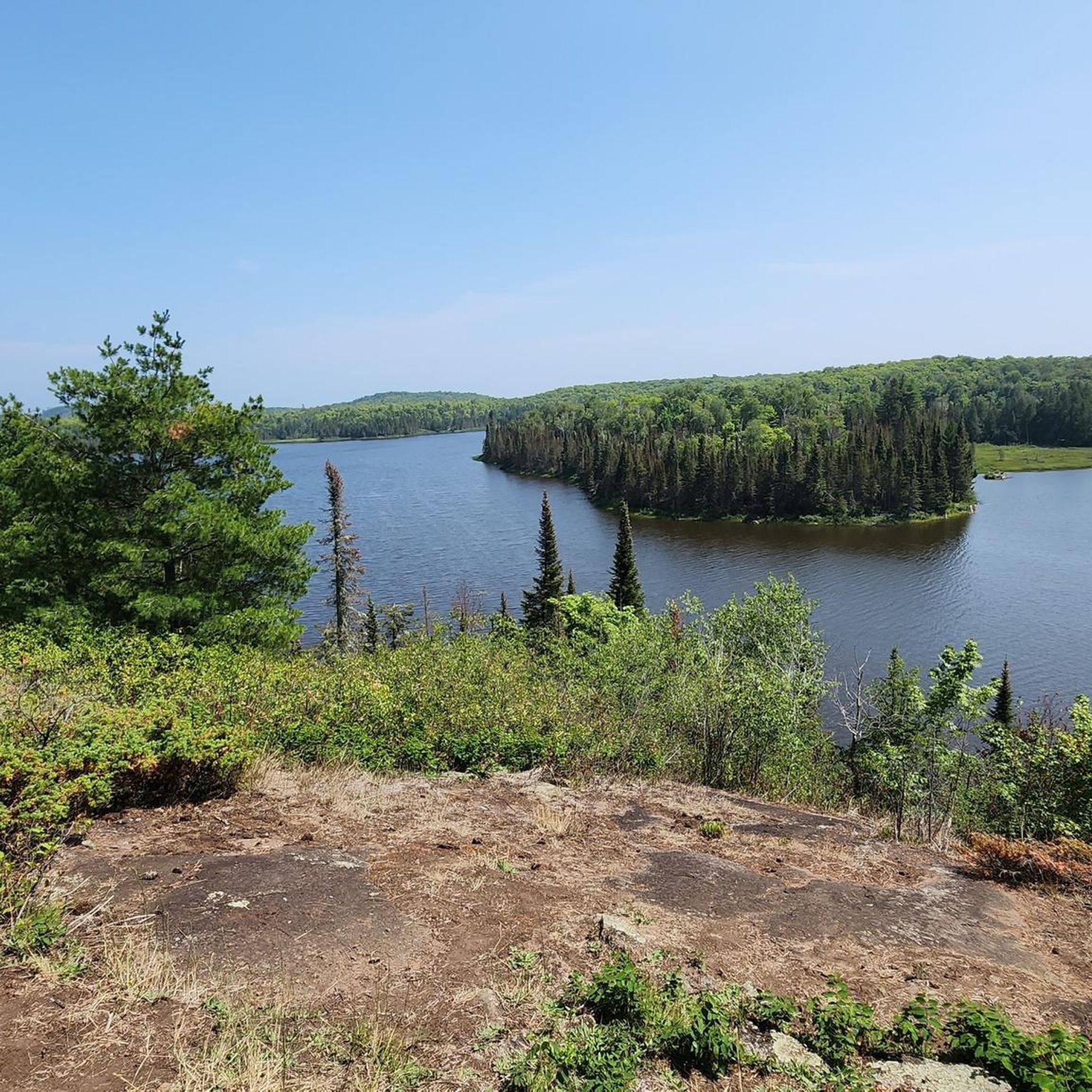
Cycling in Superior National Forest
Other adventures in Superior National Forest


Tips from the Community

There are no designated trails in the Butterwort Cliffs SNA, so exploring the area alone is not recommended. Cascade River State Park occasionally offers interpretive walks through the Butterwort Cliffs Scientific and Natural Area (SNA). Please note that the area is closed from April 1 to July 15 due to its status as a bird sanctuary. It’s just nice to know it's there! Alpine butterwort, the namesake of the area, is a carnivorous flowering plant that is endangered in Wisconsin and listed as “of special concern” in Minnesota due to its declining habitat. This plant is carnivorous because it traps small insects that crawl across its sticky, ground-hugging leaves. The insects become stuck, and the plant digests them using specialized enzymes. Two brown SNA signs mark the location of the SNA, both located just off the shoulder of Highway 61: one at the northeast corner of the SNA and the other at the northwest corner of the property.
0
0

Grand Marais Lighthouse stands as a prominent landmark at the entrance to the harbor of Grand Marais, Michigan, on the southern shore of Lake Superior. This white, square-pyramidal skeletal lighthouse, topped with a red lantern room, was first lit in 1898. Perched on a concrete pier that extends into the vast lake, it has guided countless vessels safely into the protected waters of Grand Marais Bay, a crucial harbor of refuge along a rugged stretch of coastline. Its sturdy construction and enduring presence are a testament to its vital role in maritime navigation and the rich history of the Great Lakes shipping industry.
1
0
When my brothers and I hiked the Sioux-Hustler Trail in late August 1970, the trailhead was farther west on the Echo Trail, just on the other side of the Little Sioux Indian River on Forest Road 1877. When we registered at the office in Ely before heading out, the ranger asked us to report on the trail's status upon our return because, as far as he knew, no one else had hiked it that season. We didn't see anyone the three days we were on the trail and didn't see any recent evidence of trail use. We lost the trail many times, as it was either covered by beaver ponds or ran over a rocky ridgetop. There were five of us, so when we lost the trail, we posted one at the last known point, and the other four fanned out ahead, looking for blazes on the trees or piles of rocks. Of course, back at that time, there were no GPS devices; we only had paper maps. However, we kept an almost hourly log of our hike, which, combined with the map, enabled me to reconstruct our route on komoot. A few years after our hike, the Sioux-Hustler wildfire destroyed the trail from Emerald to Meander Lake. Here is a link to our hike back in 1970: . I have uploaded two photos from our trip One is of of us standing at the old trailhead, and the other shows me wading across a stream flooded by a beaver dam.
3
0

The trailhead can be found off of the Echo Trail (also known as County Road 116), and is sign posted. There is parking for about 15 cars, and a bulletin board at the start of the trail has details about the current conditions, as well as day permits for entering the BWCAW (these are necessary).
0
0
The views from the cliff top are spectacular, but be careful! Visitors have been known to have fallen in and swept to a watery demise.
3
0
The Gitchi-Gami State Trail crosses the Temperance River affording excellent views of the gorge.
3
0
This waterfall splits in two at an outcropping of volcanic rock. The water to the east side of the outcropping plunges into a pool below as expected. However, the water on the west side of the outcropping falls into a hole and disappears from view. Visitors have long wondered where the water on the west side of the waterfall ends. Recently, the Department of Natural Resources' geologists have determined that the water that falls into the hole rejoins the stream just downstream of the falls.
3
0
Frequently Asked Questions
What unique natural features can I explore in Superior National Forest?
The region is home to several distinctive natural features. You can witness the geological marvel of Devil's Kettle Falls, where half of the river vanishes into a pothole. Another must-see is the Temperance River Gorge, featuring spectacular waterfalls and deep pools. The forest also boasts over 2,000 lakes and rivers, including Saganaga Lake, known for its clarity, and the unique Laurentian Divide, where waters flow to both the Arctic and Atlantic Oceans.
What are some popular hiking trails in Superior National Forest?
For hikers, the forest offers a variety of trails. The Oberg Mountain Loop is popular for its stunning fall colors and 360-degree views. The Superior Hiking Trail (SHT) provides a rugged 310-mile path with diverse sections, including the scenic Bean and Bear Lake Loop. For a more challenging wilderness experience, consider the Sioux-Hustler Trail. You can find more options, including easy hikes, in the Easy hikes in Superior National Forest guide.
Are there opportunities for canoeing and kayaking in the area?
Yes, the Boundary Waters Canoe Area Wilderness (BWCAW) is a premier destination for canoeing and kayaking, featuring over 2,000 interconnected lakes, streams, and rivers. It's an ideal spot for multi-day trips with historic portages. Lakes like Saganaga and Trout Lake also offer excellent paddling opportunities.
What historical or cultural sites can I visit in Superior National Forest?
The region has a rich history. The Grand Marais Lighthouse, first lit in 1898, is a prominent landmark. You can also explore the Chik-Wauk Museum and Nature Center on the Gunflint Trail, which details the natural and cultural history, including the Ojibwe people. The Toimi Schoolhouse offers a glimpse into early 20th-century Finnish immigrant education.
What is the best time to visit Superior National Forest for fall colors?
The fall season is particularly spectacular for viewing vibrant foliage. Trails like the Oberg Mountain Loop and areas along the Superior National Forest Scenic Byway are renowned for their brilliant autumn displays. The Laurentian Divide Recreation Area also offers spectacular views during fall foliage.
Are there any family-friendly activities or trails in Superior National Forest?
Many areas are suitable for families. The Bass Lake Trail is known for being scenic and easy. The Chik-Wauk Museum and Nature Center provides educational exhibits for all ages. Additionally, the Easy hikes in Superior National Forest guide lists several routes perfect for families, such as the Leveaux Mountain Loop Trail.
Where can I find the highest point in Minnesota within the forest?
Minnesota's highest natural point, Eagle Mountain, is located within the Superior National Forest. It stands at 2,301 feet and offers stunning views of Lake Superior after a moderate 3.5-mile hike to its summit.
What kind of wildlife can I expect to see in Superior National Forest?
The forest is a haven for diverse wildlife. You might spot moose, gray wolves, black bears, and a variety of bird species, including bald eagles and common loons. The Boundary Waters Canoe Area Wilderness is particularly known for its abundant wildlife viewing opportunities.
Are there cycling routes available near the attractions?
Yes, there are several cycling options. You can find routes for touring bicycles, such as the 'Temperance River Gorge loop from Townhomes 531-538', and road cycling routes, like the 'Temperance River Gorge loop from Poplar River Condos'. For more details, explore the Cycling in Superior National Forest guide and the Road Cycling Routes in Superior National Forest guide.
What is the Superior National Forest Scenic Byway?
The Superior National Forest Scenic Byway is a 54-mile road that winds through uninterrupted forest. It offers scenic views and provides access to various attractions, including the Laurentian Divide, the historic Toimi Schoolhouse, and the White Pine Interpretive Trail.
Can I go fishing in Superior National Forest?
Absolutely. The forest's numerous lakes and rivers are excellent for fishing. The Boundary Waters Canoe Area Wilderness is a popular spot for walleye, northern pike, and smallmouth bass. Trout Lake is another top destination, especially for trout fishing.
Are there any unique viewpoints or overlooks in the forest?
Beyond Eagle Mountain, you can visit Lookout Mountain at the Laurentian Divide Recreation Area for spectacular views, especially during hawk migration. The Skibo Lookout Tower provides sweeping views of 30 miles of forest, and Honeymoon Bluff in the Gunflint Ranger District is also known for its scenic vistas.
Most popular routes in Superior National Forest
Most popular attractions in Superior National Forest

Get inspired with the komoot mobile app


Explore more
Still not found the Highlight you’re looking for? See guides of the top attractions in other regions:
