Top 20 Lakes in Superior National Forest
Best lakes in Superior National Forest offers a sprawling wilderness in northeastern Minnesota, featuring over 2,000 lakes. Many of these lakes are situated within the Boundary Waters Canoe Area Wilderness (BWCAW), a million-acre wilderness area. This region is a destination for water-based recreation, providing opportunities for canoeing, hiking, and fishing. The landscape is characterized by pristine forests, glacial lakes, and streams.
Best lakes in Superior National Forest
- The most popular lakes is McFarland Trailhead, a trail that serves as a starting point for day hikers to explore the Border Route Trail. It includes a parking area, restrooms, and drinking water, and is adjacent to McFarland Campground. The lake is suitable for swimming and fishing, and offers a spot for picnics or overnight stays.
- Another must-see spot is Rose Lake, a lake located on the international border between the United States and Canada within the Boundary Waters. Access is primarily by canoe through portages from Duncan Lake, or by hiking the Border Route Trail or Caribou Rock Trail. Cliffs rise 300 to 400 feet above the lake's surface in many areas along the shoreline.
- Visitors also love Clearwater Lake West Campsite, a facilities highlight. This campsite offers a fire pit on a rock platform with views to the east. It provides several tent pads and a latrine.
- Superior National Forest is known for lakes suitable for paddling, fishing, and wilderness experiences. Visitors can explore a variety of lakes, from those offering extensive paddling routes to secluded fishing spots and those within the Boundary Waters Canoe Area Wilderness.
- The lakes in Superior National Forest are appreciated by the komoot community, with 1 upvote and 4 photos shared.
Last updated: October 11, 2026
McFarland Trailhead
Highlight • Trail
Tip by

Rose Lake
Highlight • Lake
Tip by
Sign up now to discover places like this
Get recommendations on the best single tracks, peaks, & plenty of other exciting outdoor places.
Bryce Breon Trail
Highlight (Segment) • Trail
Tip by
Clearwater Lake West Campsite
Highlight • Rest Area
Tip by
Centennial Ridge Trail
Highlight (Segment) • Trail
The Centennial Trail and the Kekekabic Trail share the same route for the first 1.2 miles from the car parking area. You will find signage along the trail for where to turn in order to complete the Centennial Loop.
Tip by

Sign up for free to discover even more lakes in Superior National Forest.
Already have an account?
Start today with a free account
Your next adventure awaits.
Popular around Superior National Forest
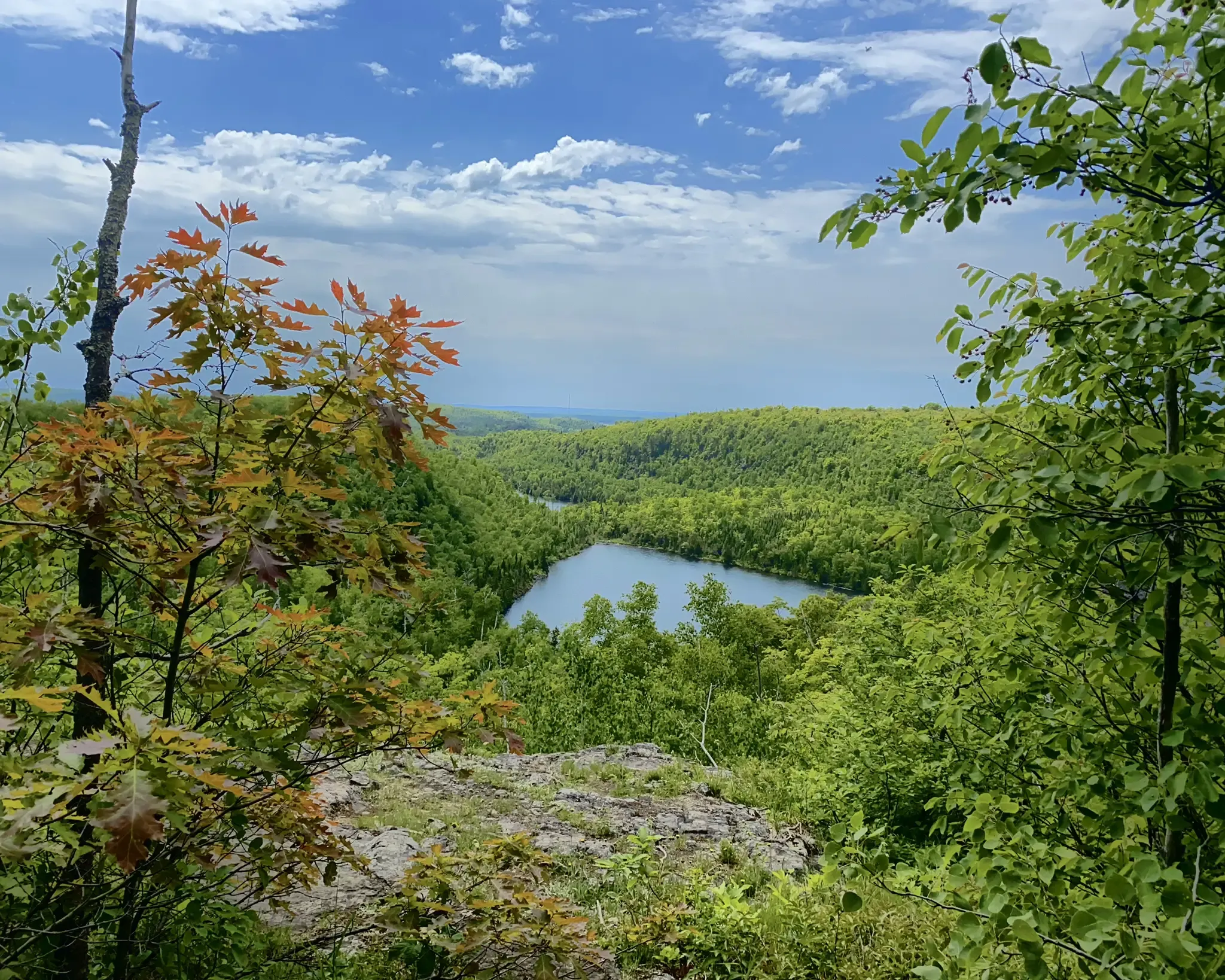
North Country Trail – 4,800 Miles along the edge of northern U.S.
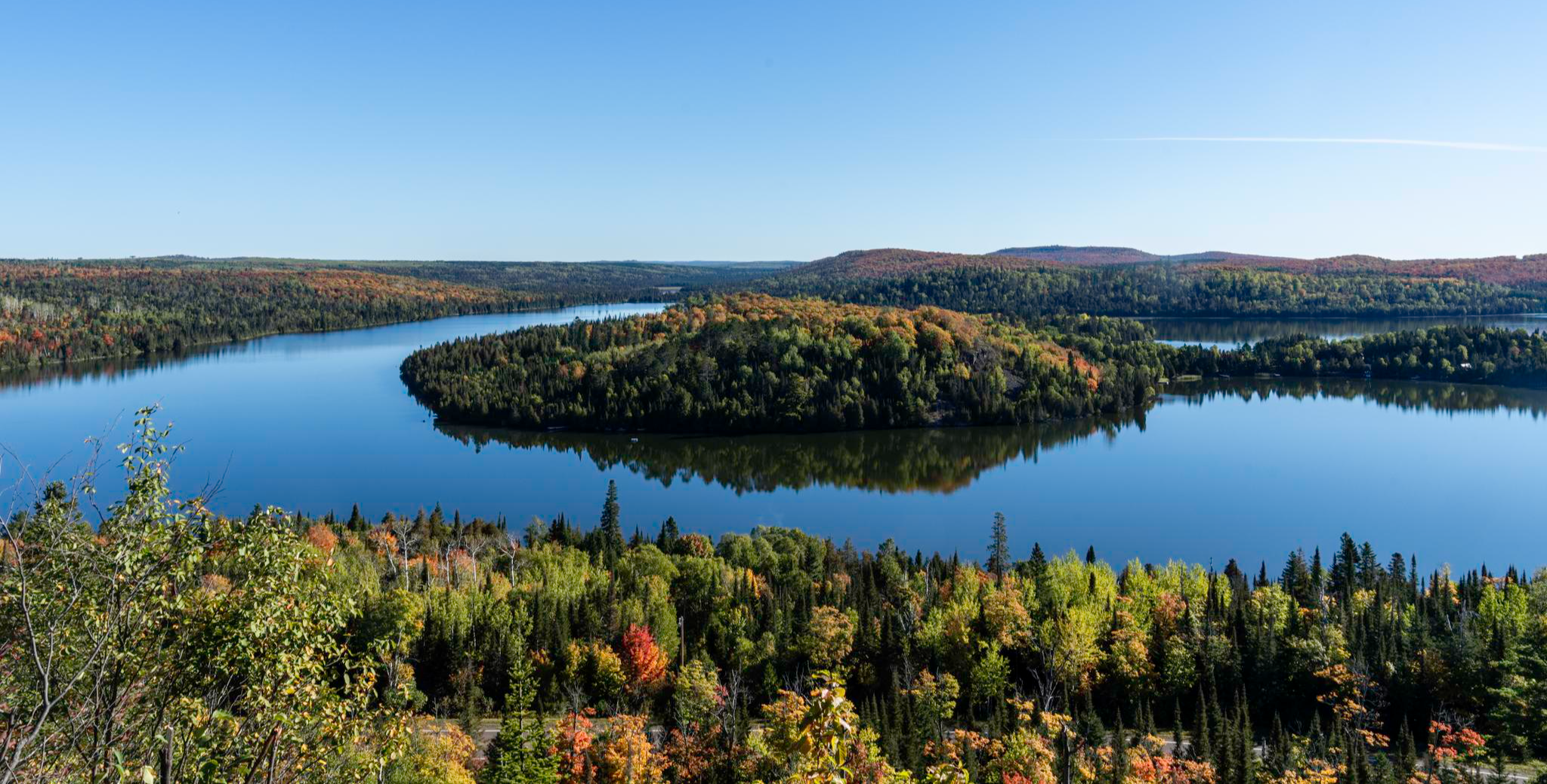
Superior Hiking Trail — Where the forest meets the lake
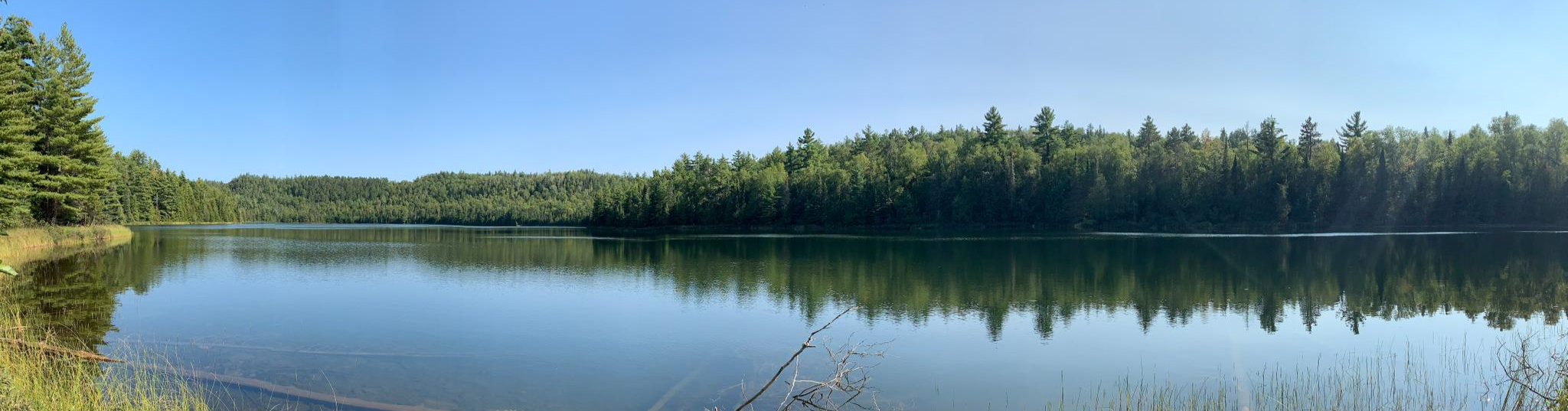
Border Route Trail — A remote Northwoods backpacking challenge
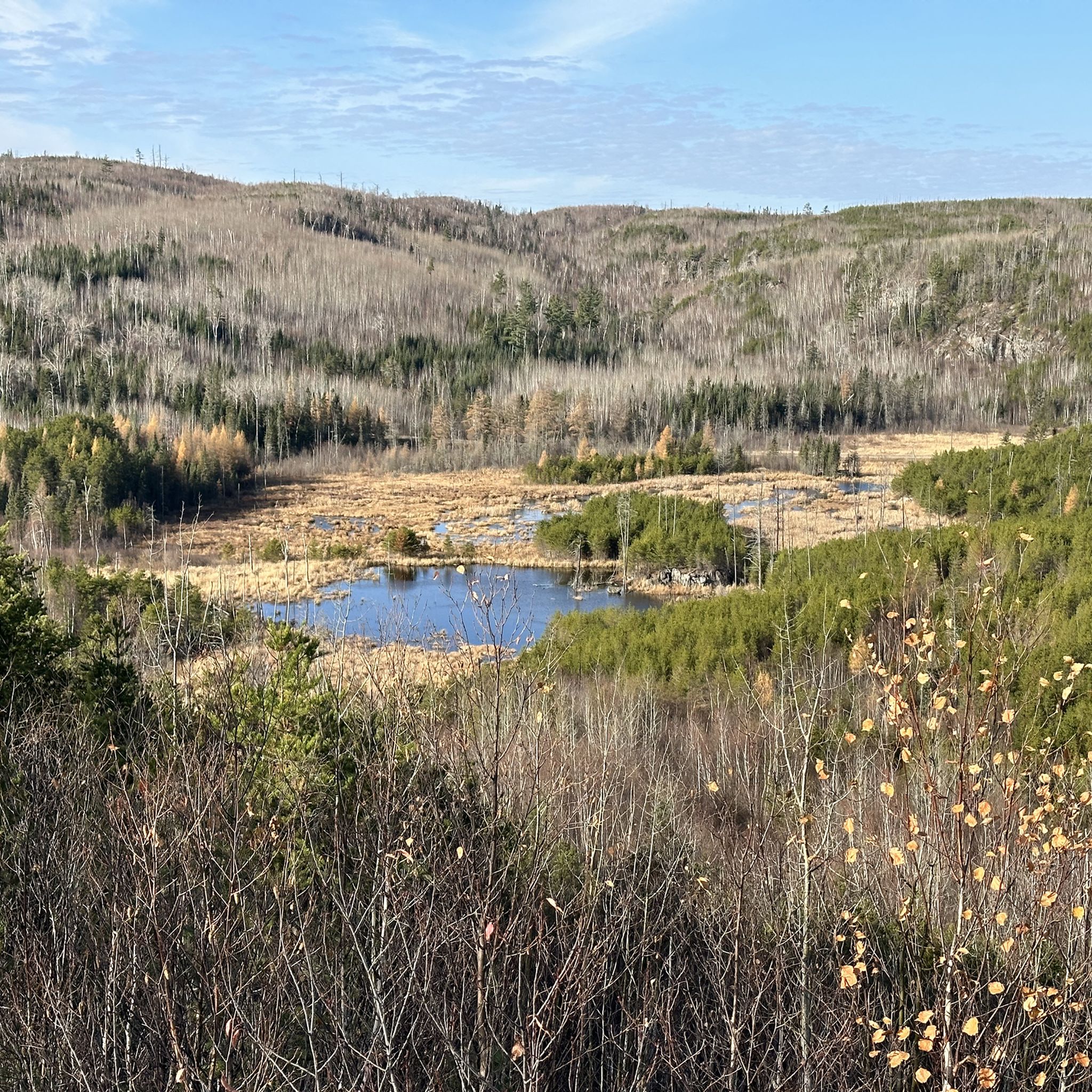
Hiking in Superior National Forest
Running Trails in Superior National Forest
Road Cycling Routes in Superior National Forest
MTB Trails in Superior National Forest
Cycling in Superior National Forest
Other adventures in Superior National Forest


Tips from the Community

This trailhead is a great starting point for day hikers to explore the area on the Border Route Trail (BRT). There is a parking area, restrooms, and drinking water, and it is right next to the McFarland Campground, which has five primitive campsites with tent pads, a fire ring, and a picnic table. The lake is an excellent spot for swimming and fishing and a great spot to stop for a picnic or a comfortable overnight stay. The camping fee is $17 on a first come, first served basis, payable online. Once you occupy your spot, make your payment here: https://yodelportal.com/mndnr/McFarland-Lake.
0
0
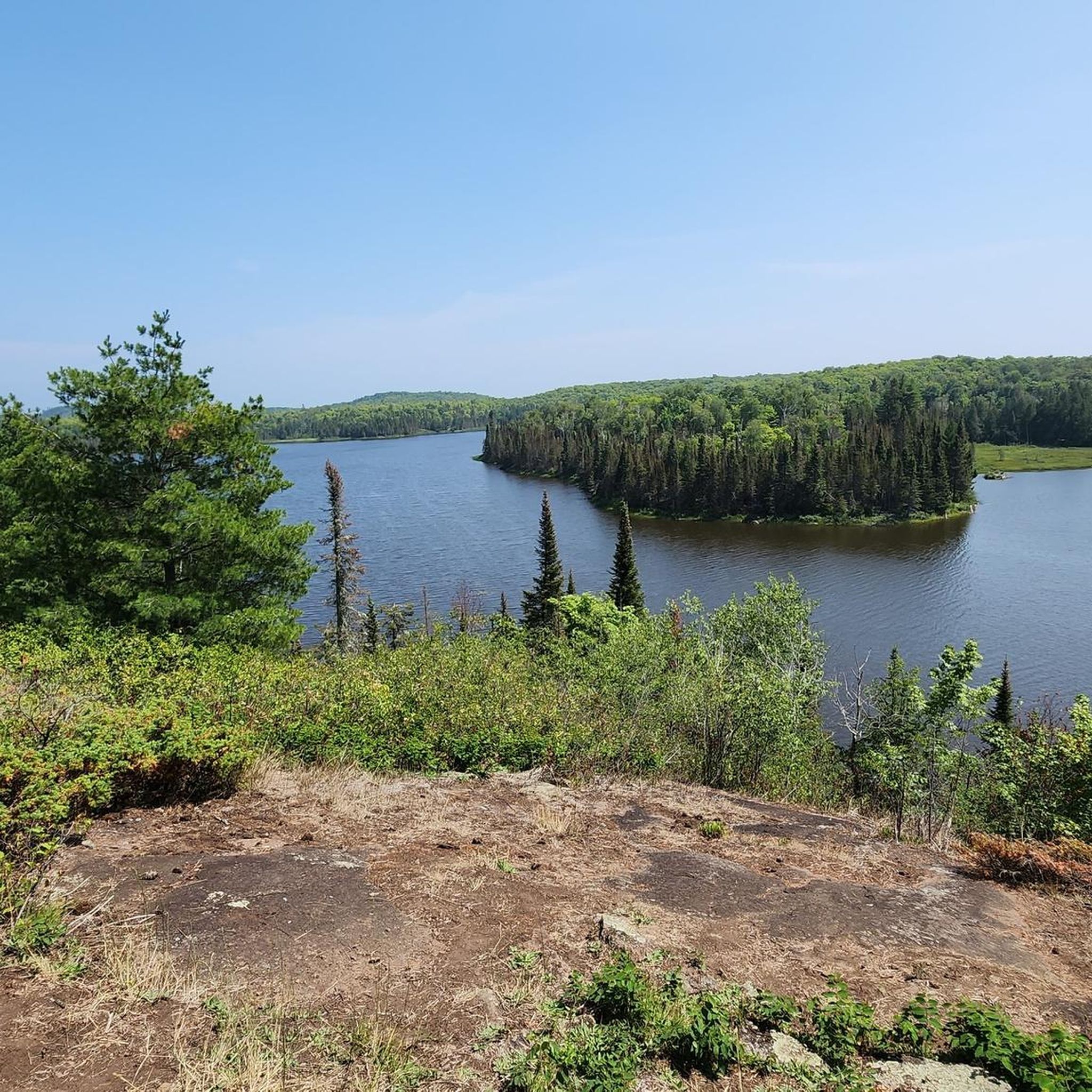
This campsite one of the best on the lake. The fire pit is well-placed on a rock platform high above the lake, offering breathtaking views to the east—perfect to watch the sunrise with a cup of coffee or tea to start your morning. There is a fantastic selection of several tent pads, and the latrine is in an ideal location, just out of the way. If you’re looking to stop for the day, this campsite is an excellent choice. It’s relatively close to the portage to Mountain Lake, so while you're here, you may hear groups passing by on the way to their next adventure.
0
0
This spur trail runs approximately eight miles along the northern banks of Loon Lake, which spans 1,095-acres lake with 14 miles of shoreline. There are some great wooden chairs close to the water, and one designated campsite on the west end close to the shore, making it a perfect spot for a quiet overnight stay. The campsite includes a toilet and a fire grate, and the views across the lake are fantastic.
0
0
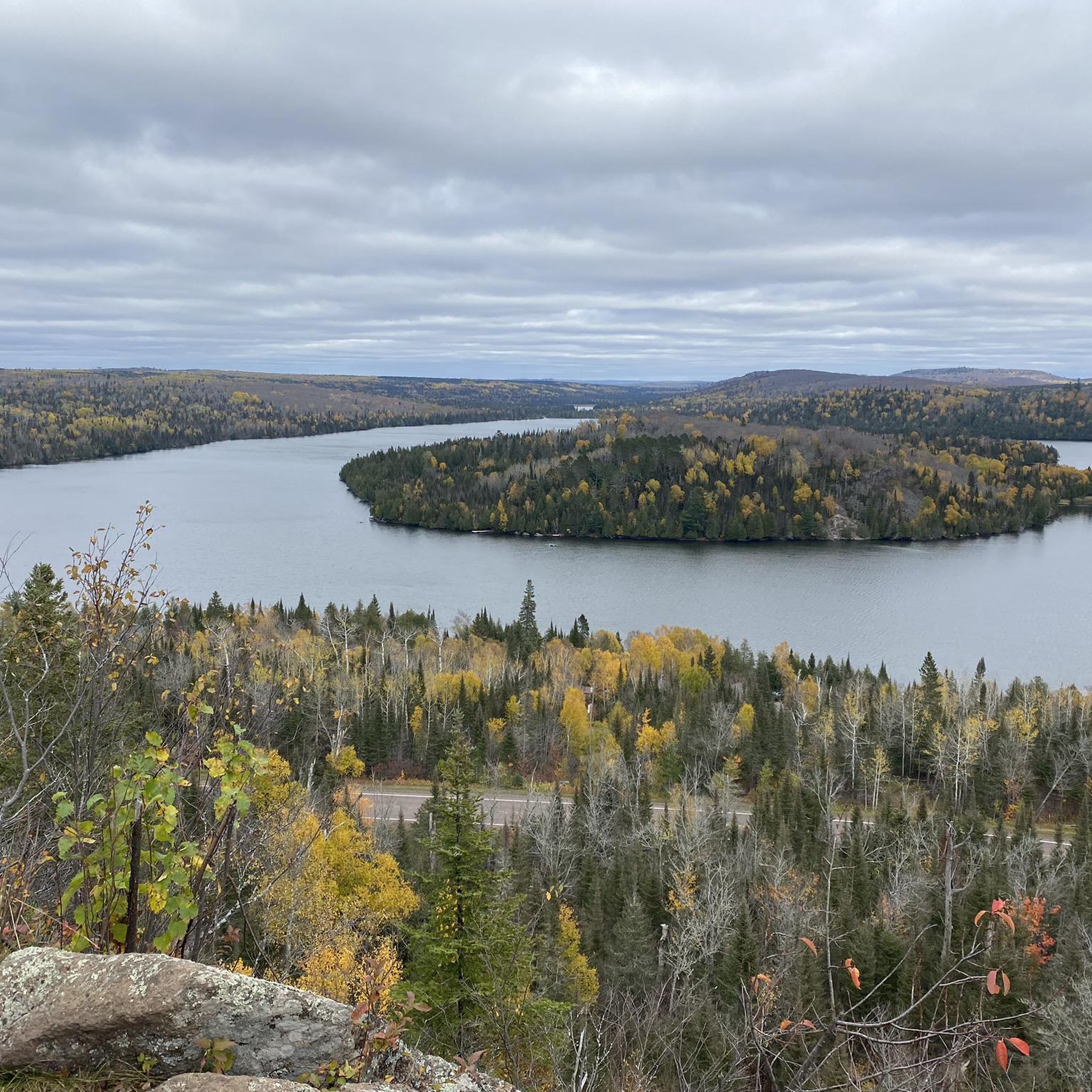
This beautiful lake lies on the international border between the United States and Canada, nestled within the Boundary Waters (BWCAW). The boundary line runs right down the center of the lake instead of following the land, resulting from a treaty establishing the border based on historical canoe routes used by voyageurs. The only access to the lake is by canoe through portages from Duncan Lake, or by hiking the Border Route Trail or Caribou Rock Trail. In many areas along the shoreline, cliffs rise 300 to 400 feet above the lake's surface, formed by hard slates that resist erosion, creating stunning natural scenic overlooks.
0
0

The Centennial Trail was once part of the Port Arthur, Duluth and Western Railroad, and as such there are 14 points of interest along the trail to discover history about the area. There are many small bodies of water along the trail that host beavers, so keep an eye out for them swimming and building their dams. The Centennial Trail and the Kekekabic Trail share the same route for the first 1.2 miles from the car parking area. You will find signage along the trail for where to turn in order to complete the Centennial Loop.
0
0
Frequently Asked Questions
What are some of the most popular lakes for visitors in Superior National Forest?
Visitors frequently enjoy lakes like Rose Lake, known for its stunning wilderness experience and dramatic cliffs, and Pine Lake, a favorite for paddlers and fishing enthusiasts. McFarland Lake is also popular for swimming, fishing, and its nearby campground. These lakes offer diverse experiences from serene paddling to excellent fishing opportunities.
Are there family-friendly lakes in Superior National Forest?
Yes, several lakes are suitable for families. McFarland Lake is an excellent spot for swimming and fishing, with a campground nearby. Rose Lake and Pine Lake are also tagged as family-friendly, offering opportunities for paddling and enjoying nature. Fall Lake has the largest campground in the forest with amenities, making it a comfortable choice for families.
What kind of natural features can I expect to see around the lakes?
The lakes in Superior National Forest are set amidst pristine forests, glacial landscapes, and streams. You can expect to see impressive ridgelines, such as those around Pine Lake rising up to 500 feet, and dramatic cliffs, like the 300 to 400-foot high formations at Rose Lake. Some areas, like near Brule Lake, even feature cascading waterfalls.
Are there hiking trails near the lakes in Superior National Forest?
Absolutely. Many lakes serve as access points or are connected to hiking trails. For instance, McFarland Trailhead is a starting point for the Border Route Trail. You can also access Rose Lake by hiking the Border Route Trail or Caribou Rock Trail. The Astrid Lake Area features seven miles of hiking trails, and a two-mile trail encircles Divide Lake. For more extensive options, you can explore running trails in Superior National Forest, which often pass by lakes.
What outdoor activities can I do near these lakes?
The lakes are ideal for water-based recreation, including canoeing, kayaking, and fishing. Many, like Pine Lake and Brule Lake, are excellent for paddling. Beyond the water, you can find numerous opportunities for hiking, mountain biking, and cycling. For example, you can find cycling routes and MTB trails throughout the forest.
Do I need permits to visit lakes in Superior National Forest, especially in the Boundary Waters Canoe Area Wilderness (BWCAW)?
Yes, permits are required for overnight stays in the BWCAW. Some routes that briefly enter the wilderness area may also require self-issued day-use permits. It's advisable to check specific requirements for your planned activities and locations within the forest, especially for lakes like Rose Lake, Saganaga Lake, and Brule Lake which are within the BWCAW.
Which lakes are best for fishing in Superior National Forest?
The forest offers excellent fishing opportunities. Basswood Lake is a premier destination known for its diverse fish species. Isabella Lake provides a more secluded fishing experience, while Trout Lake, as its name suggests, is a top spot for trout. Pine Lake and Saganaga Lake are also highly recommended for walleye and northern pike.
What is the best time of year to visit the lakes in Superior National Forest?
The best time to visit largely depends on your desired activities. The warmer months (late spring through early fall) are ideal for paddling, hiking, and fishing. The fall offers stunning foliage. While the region is known for water activities, some lakes and areas may also be accessible for winter activities, though specific lake-based winter recreation details should be checked locally.
Are the lakes and trails in Superior National Forest dog-friendly?
Many areas within Superior National Forest are dog-friendly. Specific highlights like Rose Lake, Pine Lake, and Clearwater Lake West Campsite are tagged as dog-friendly. However, it's always best to check specific regulations for the particular trail or lake you plan to visit, especially within the Boundary Waters Canoe Area Wilderness, as rules can vary.
Which lakes offer the best scenic viewpoints?
For breathtaking views, Rose Lake is renowned for its cliffs rising 300 to 400 feet above the water. Pine Lake also offers impressive ridgelines up to 500 feet above the water. The Clearwater Lake West Campsite provides a fire pit on a rock platform with stunning views to the east, perfect for sunrises.
Can I go wild swimming in the lakes of Superior National Forest?
Many lakes in the Superior National Forest are suitable for swimming. McFarland Lake is specifically mentioned as an excellent spot for swimming. The clear waters of many lakes, especially those within the BWCAW, offer refreshing opportunities for a dip, but always be mindful of water safety and local regulations.
Are there opportunities for wildlife viewing around the lakes?
Yes, the Superior National Forest is rich in wildlife. Fourmile Lake is particularly popular for wildlife viewing, with regular sightings of bald eagles, beavers, and waterfowl, and occasional moose. The extensive wilderness areas around lakes like Loon Lake and those within the BWCAW provide ample opportunities to observe diverse flora and fauna.
Most popular routes in Superior National Forest
Most popular attractions in Superior National Forest

Get inspired with the komoot mobile app


Explore more
Still not found your perfect lake in Superior National Forest? Check out the guides of these regions to see even more beautiful places.
