Top 20 Caves in the Allgäu
Best caves in the Allgäu are found within a region characterized by its alpine foothills, deep gorges, and diverse geological formations in Southern Germany. The landscape features a mix of mountains, valleys, and waterways that have carved out unique subterranean and cave-like structures. This area offers opportunities to explore natural crevice caves, dramatic river gorges, and historical grottoes. The Allgäu provides a varied natural environment for outdoor exploration.
Best caves in the Allgäu
- The most popular caves is Wild Maidens'…
Last updated: July 14, 2026
Wild Maidens' Rock Caves
Highlight • Cave
Translated by Google •
Tip by

Marian Grotto Falkenstein
Highlight • Religious Site
Translated by Google •
Tip by

Sign up now to discover places like this
Get recommendations on the best single tracks, peaks, & plenty of other exciting outdoor places.
Sign up for free
Breitenbachklamm Cave Entrance
Highlight • Cave
Translated by Google •
Tip by

Sturmanns Cave
Highlight • Cave
Translated by Google •
Tip by

Hölloch Cave Entrance
Highlight • Cave
Translated by Google •
Tip by

Lourdes Grotto, Scheidegg
Highlight • Religious Site
Translated by Google •
Tip by

Lohweg Grotto
Highlight • Religious Site
Translated by Google •
Tip by

Lourdes Grotto Amtzell
Highlight • Religious Site
Translated by Google •
Tip by

Bittenau Grotto
Highlight • Cave
A footbridge leads from the street to the small grotto with two benches. A few meters above the …
Translated by Google •
Tip by

Robber's Cave near Missen
Highlight • Cave
Translated by Google •
Tip by

Sign up for free to discover even more caves in the Allgäu.
Sign up for free
Already have an account?
Start today with a free account
Your next adventure awaits.
Login or Signup
Popular around Allgäu
Triathlon around Germany
Allgäu Panorama Marathon – Ultra: Two Days Trailrunning-Adventure
Augsburger Jakobsweg – Through Bavarian-Swabia
LechErlebnisWeg – multi-day Tour from Landsberg to Füssen
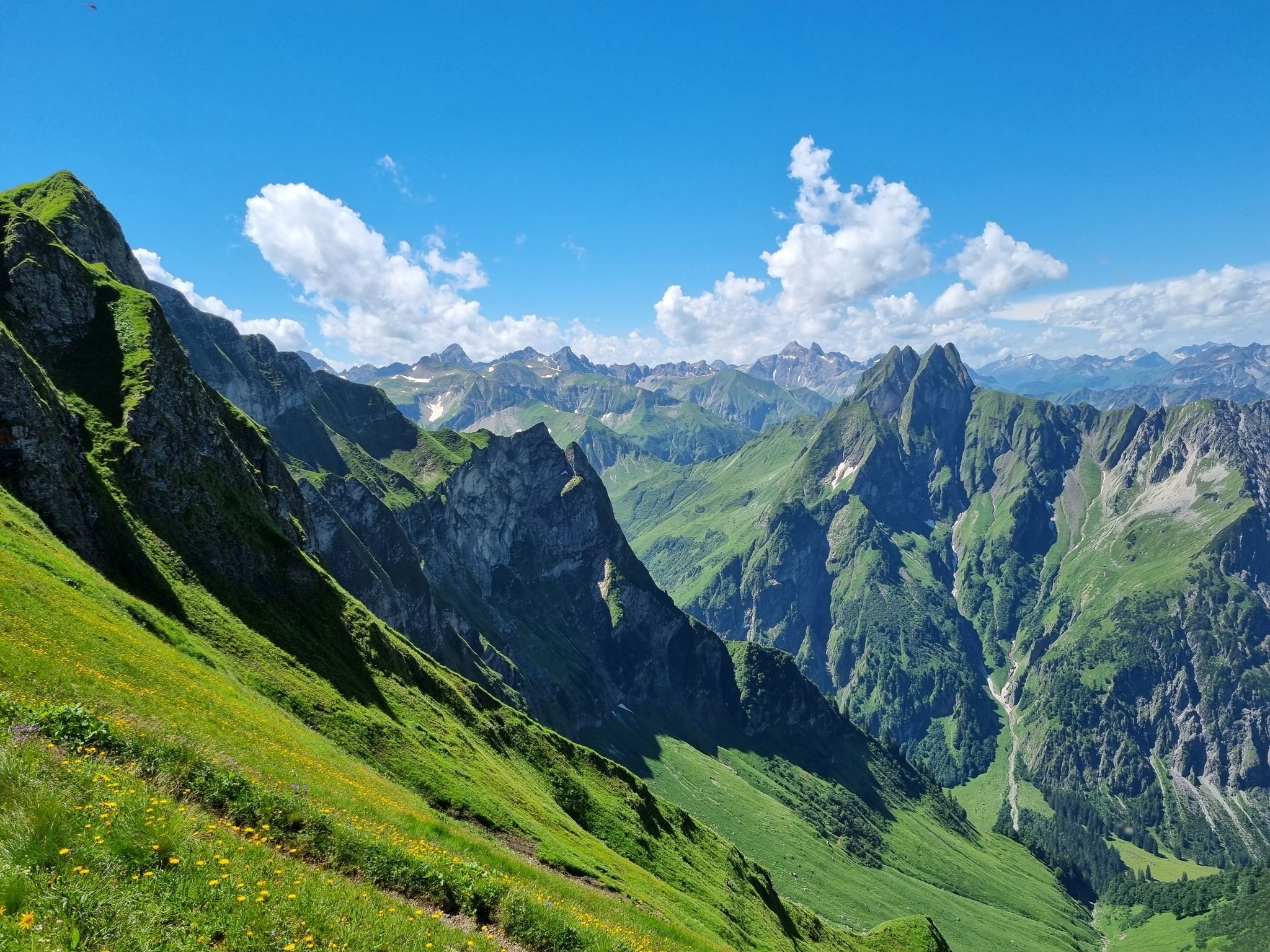
Ibex Tour extended – Crossing the Allgäu Alps
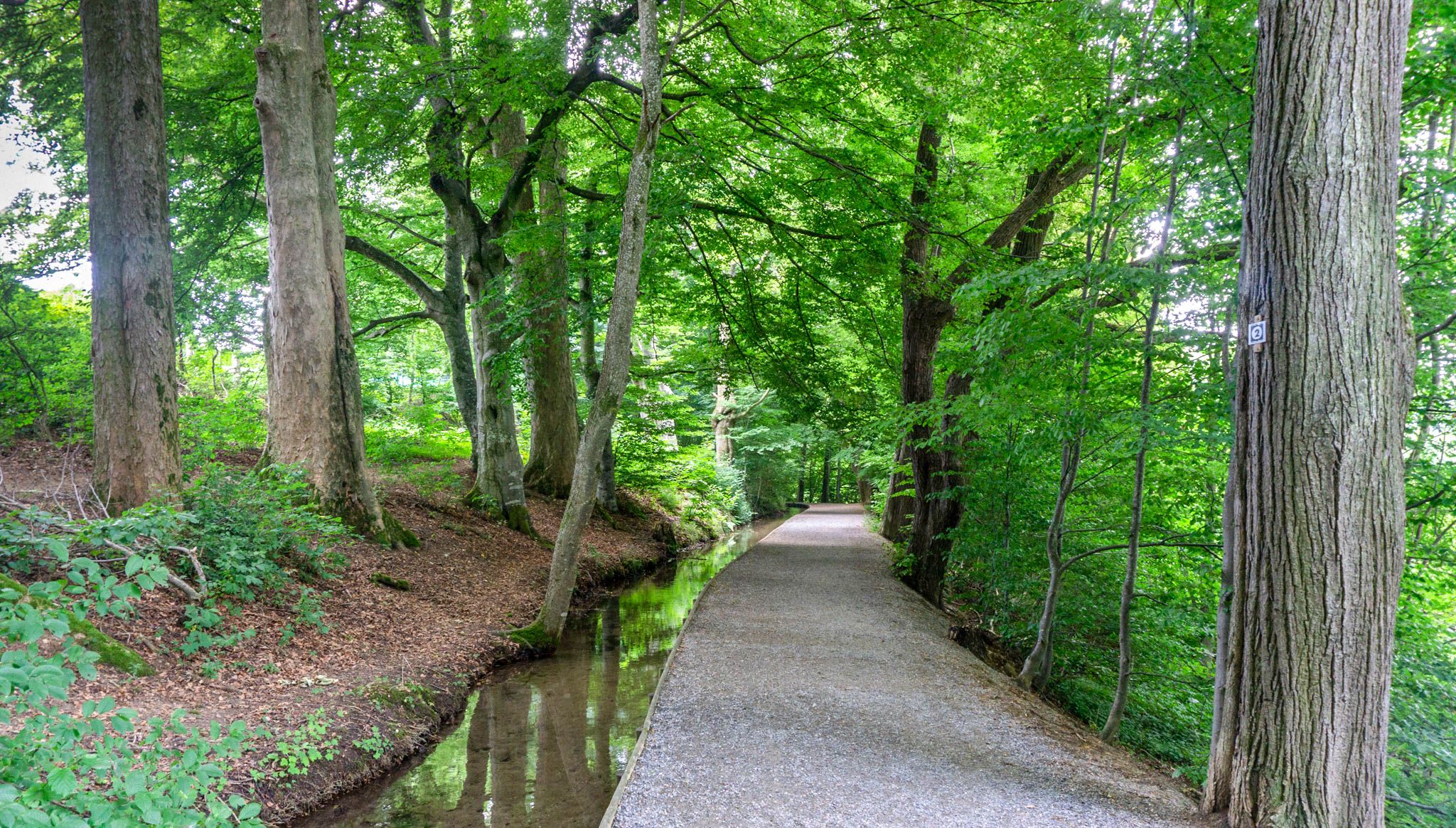
Main-Danube-Lake Constance Trail – Along iconic waters
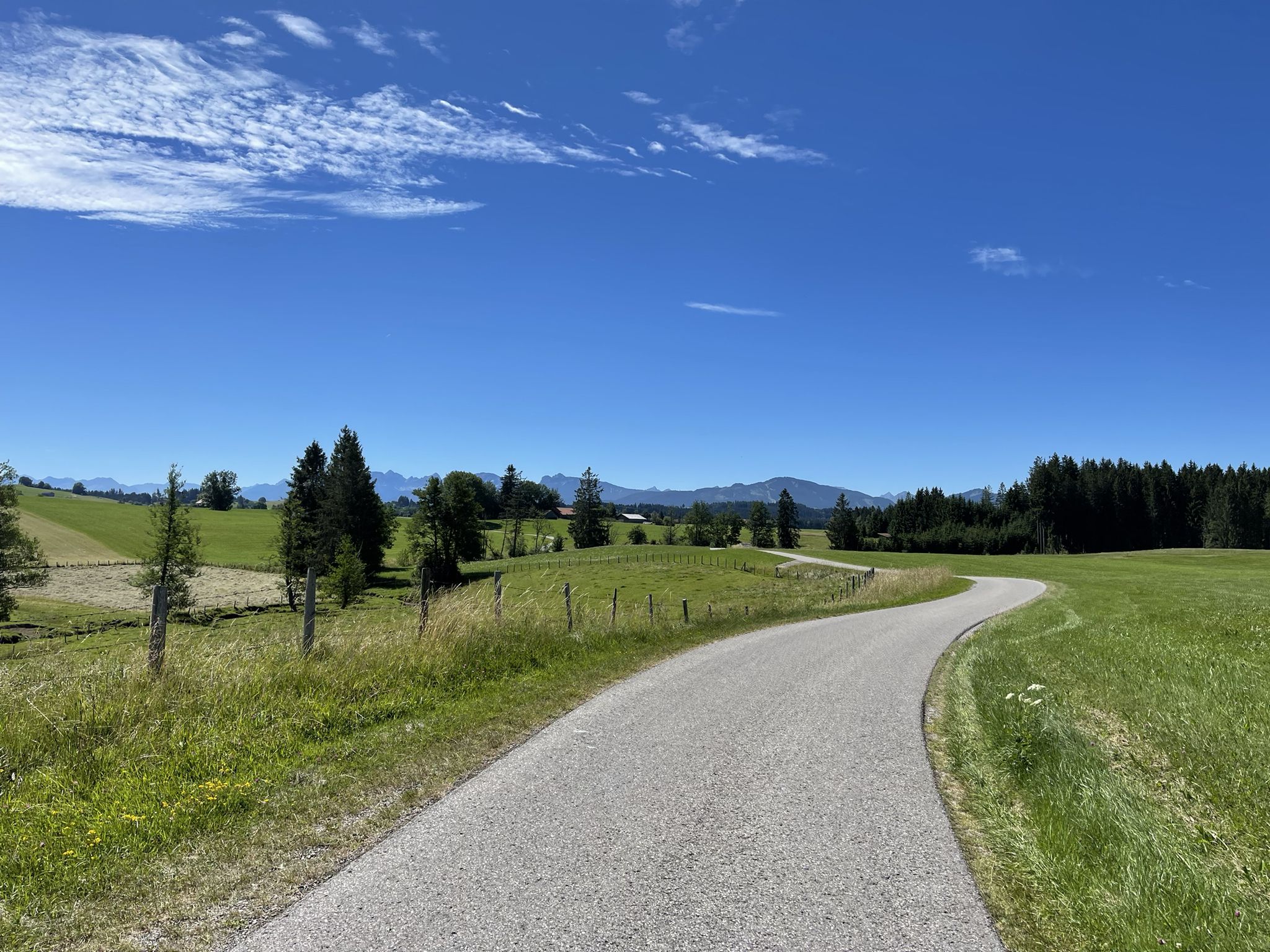
Hike from Augsburg to the Allgäu Alps
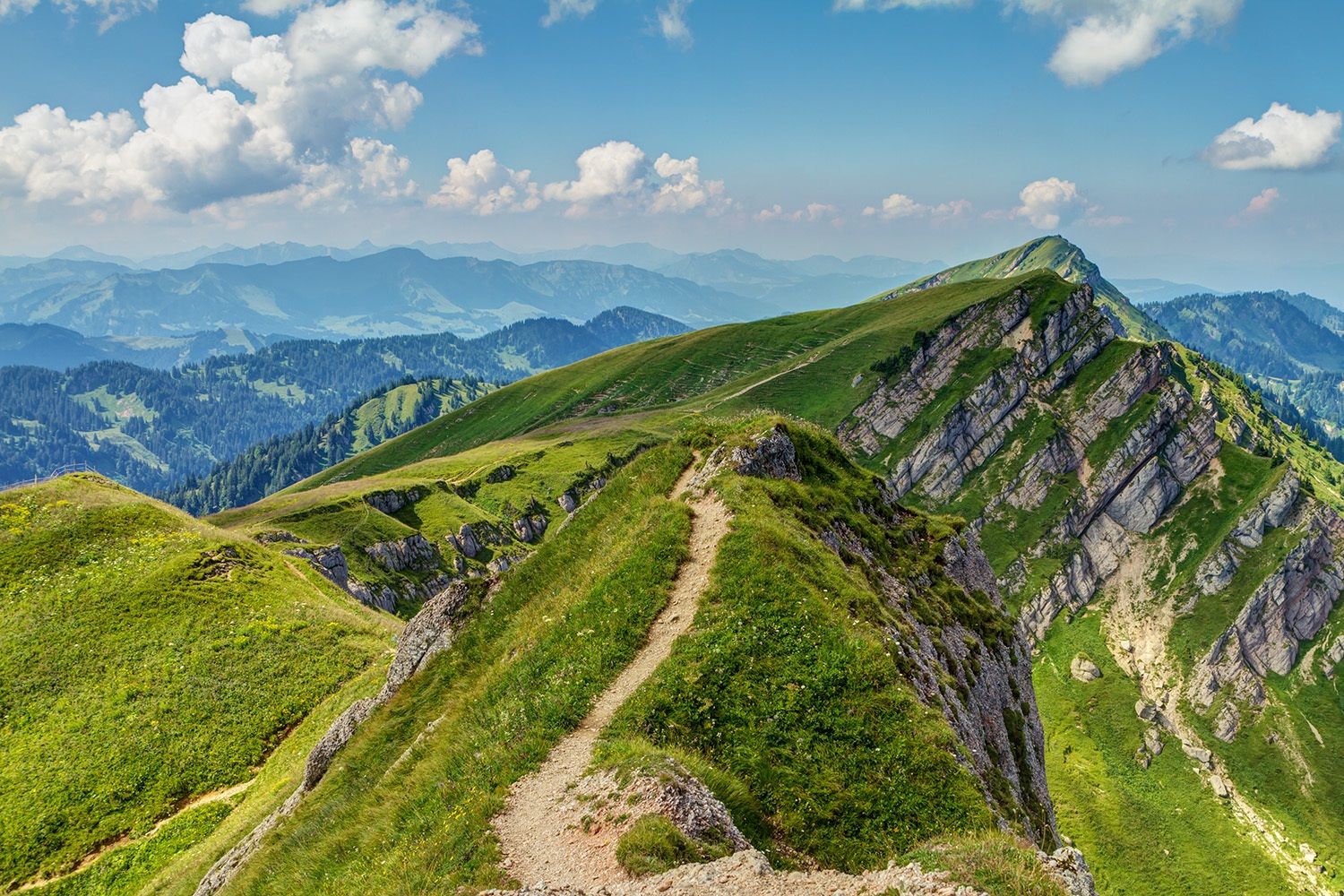
Maximilian Trail in Germany — Lake Constance to Königssee
The Romantic Road – To the Pearls of Southern Germany
The Best of Allgäu – Tour around Oberallgäu
Other adventures in the Allgäu


Tips from the Community

He spearheaded the expansion of the gorge.
1
0

Lourds Grotto on Sonnenstrasse, built in 1897. A glimpse into the small chapel is possible through a hole in the door.
7
0

The Hölloch is the 77-meter-deep entrance shaft into a 12,900-meter-long karst cave. It is not open to tourists. From the top, you can see a few meters into the shaft, but nothing more. The Hölloch is located in the Bavarian part of the Mahdtal valley, in the municipality of Oberstdorf.
6
0

....... In 1955, he celebrated his 60th priestly jubilee with a large turnout from the parish in the Schöllang parish church. In 1961, on the occasion of Pastor Schiebel's 90th birthday, Bavarian Radio broadcast a film about the developer of the Breitach Gorge. Two years later, on February 18, 1963, the beloved Pastor Schiebel passed away. A large congregation of mourners accompanied the deceased pastor on a cold winter day in a snowstorm to the Schöllang castle cemetery, where he was laid to rest. Source: https://www.reichenbach-oberstdorf.de/historisches/johannes-bapt-schiebel.html
0
0
Pastor Johannes Baptist Schiebel A popular pastor and developer of the Breitachklamm gorge, he lived in Reichenbach from 1936 to 1963. Johannes Baptist Schiebel was born on April 29, 1871, the son of Josef and Rosa Schiebel, farmers, in the community of Petersthal in the Kempten district. After attending elementary school in Petersthal and high school in Dillingen, he studied theology there. He was ordained a priest on July 25, 1895, and celebrated his first Holy Sacrifice of the Eucharist in his home parish. In the same year, he became chaplain in Buchenberg near Kempten and, on August 1, 1896, chaplain in Schöllang. From February 1898, Johannes Baptist Schiebel served as a benefice in Oberstdorf, Loretto. On July 16, 1901, he came to Tiefenbach as pastor. As a great nature lover, he soon became aware of the unique natural wonder of the Breitachklamm and strove to make it accessible to the public. After painstaking work, he was able to present the completed plans to the public and find people willing to provide the necessary funds for the road construction. On July 25, 1904, the first blasting operations began, and the passage was completed on May 6, 1905. The opening ceremony took place on June 4, 1905. The pastor's wish thus came to fruition. On November 8, 1908, Schiebel moved to Vorderburg as pastor, where he immediately continued his energetic work. At the age of 51, he transferred to his beloved mountains in Schöllang on February 28, 1922, until his retirement. He founded a tourist association, initiated the introduction of bus service between Oberstdorf and Sonthofen, commissioned the restoration of the church by the painter Alois Haugg from Ottobeuren, and served as chairman of the supervisory board of the Raiffeisen Association from 1923 onwards. For his tireless work for the blessing and well-being of the people and the places where he worked, he was awarded honorary citizenship by the communities of Tiefenbach, Vorderburg, and Schöllang. Pastor Johann Bapt. Schiebel spent his retirement in Reichenbach from 1936 onwards. He celebrated Holy Mass daily and, in 1945, his Golden Jubilee as a priest in the Chapel of St. James. A statue of Our Lady of Fatima has stood on the northern side altar, the Marienaltar, since 1947. Pastor Schiebel established the still popular devotion in honor of Our Lady of Fatima at that time. ......... Source: https://www.reichenbach-oberstdorf.de/historisches/johannes-bapt-schiebel.html
0
0
It began 10,000 years ago The formation of the Breitachklamm The formation of the Breitachklamm began approximately 10,000 years ago, when the melting Breitach Glacier began to saw through the Schrattenkalk of the Engenkopf, and the water slowly ate its way into the rock. In 1905, this miracle of creation, of unique beauty and grandeur, was opened to the public at the suggestion of Tiefenbach pastor Johannes Schiebel. Today, the Breitachklamm near Oberstdorf captivates over 300,000 visitors annually. Source: https://www.breitachklamm.com/wissenswert/geschichte.html
0
0
Commemorative plaque - bronze relief - dedicated to Johann Schiebel, the developer of the gorge, by the Breitach Gorge Association At the tunnel entrance to the Breitach Gorge 🌊🏞⛰, the deepest rocky gorge in Central Europe - Oberstdorf 🇩🇪 / Kleinwalzertal 🇦🇹
0
0

The Virgin Mary appears several times to the young Bernadette of Lourdes. At Mary's command, she seeks and finds water that serves purification and healing. A large number of grottos can be found in the Allgäu region. This chapel was built in 1897.
0
0
Frequently Asked Questions
What types of "caves" can I explore in the Allgäu region?
The Allgäu offers a diverse range of subterranean and cave-like experiences. You can explore the region's only accessible natural crevice cave, the Sturmanns Cave, as well as dramatic river gorges like the Breitachklamm and Starzlachklamm, which provide immersive, cave-like atmospheres. Additionally, there are artificial grottoes, such as the Venus Grotto, and several religious grottos like the Marian Grotto Falkenstein and Lohweg Grotto.
Is there a true natural cave with stalactites in the Allgäu?
The Allgäu region is not known for classic dripstone caves with stalactites and stalagmites. The Sturmanns Cave is the only accessible natural crevice cave, formed by water and rock faults, offering unique geological formations but without stalactites. The Nebelhöhle, a notable dripstone cave, is located in the Swabian Alb, outside the Allgäu region.
What makes the Breitachklamm and Starzlachklamm unique cave-like experiences?
While technically gorges, the Breitachklamm and Starzlachklamm offer profound, cave-like experiences due to their immense depth and narrow, rock-enclosed passages. The Breitachklamm, near Oberstdorf, is one of the deepest rocky gorges in Central Europe, with vertical rock faces up to 150 meters deep. The Starzlachklamm, between Sonthofen and Burgberg, features spectacular narrow passages carved by the Starzlach river, revealing ancient Nummulitic limestone fossils. Both provide dramatic natural spectacles of water's erosive power.
Are the caves and gorges in the Allgäu family-friendly?
Many of the cave-like attractions in the Allgäu are suitable for families. The Wild Maidens' Rock Caves are highlighted as a great destination for children with climbing opportunities. The Breitachklamm and Starzlachklamm gorges have well-maintained hiking trails that are generally accessible for families, though some sections may be challenging for very young children or strollers. Religious grottos like the Lourdes Grotto, Scheidegg and Bittenau Grotto are also considered family-friendly.
Can I bring my dog to the cave attractions in the Allgäu?
Dog policies vary by attraction. For the Sturmanns Cave, it's advisable to check their specific rules regarding dogs. The Breitachklamm generally allows dogs on a leash, but it's always best to confirm current regulations before your visit. For other natural areas and gorges, dogs are often permitted on trails if kept on a leash, but access to specific cave interiors or visitor centers might be restricted.
What is the best time of year to visit the caves and gorges in the Allgäu?
The best time to visit depends on the experience you seek. The gorges, like Breitachklamm and Starzlachklamm, are spectacular year-round. In summer, they offer a cool escape, while in winter, they transform into a magical landscape of ice formations. Natural caves like Sturmanns Cave maintain a consistent cool temperature (4 to 8 degrees Celsius) year-round, making them suitable for exploration in any season, though opening hours may vary. Always check specific attraction opening times before planning your trip.
What should I wear when exploring the caves and gorges in the Allgäu?
When visiting caves and gorges, it's recommended to wear sturdy, non-slip footwear, as paths can be wet and uneven. Even in summer, the temperature inside natural caves like Sturmanns Cave remains cool (4-8°C), so bring an extra layer of clothing. For gorges, waterproof outerwear might be beneficial due to spray from waterfalls. In winter, dress warmly in layers, as temperatures can be very low, especially in the gorges.
Are there hiking trails near the caves and gorges in the Allgäu?
Yes, the Allgäu region offers numerous hiking opportunities around its cave and gorge attractions. For example, the Breitachklamm is part of many easy hikes in the Allgäu, including the 'Breitachklamm Loop Trail'. You can find more hiking routes and detailed information in the Easy hikes in the Allgäu guide.
What other outdoor activities can I do near the Allgäu caves?
Beyond exploring caves and gorges, the Allgäu region provides a wide array of outdoor activities. You can find various cycling routes, such as those listed in the Cycling in the Allgäu guide, or explore running trails detailed in the Running Trails in the Allgäu guide. The region's diverse landscape is ideal for hiking, mountain biking, and enjoying the natural beauty.
What is the Hölloch Cave Entrance and can I explore it?
The Hölloch Cave Entrance is the entry point to a 77-meter-deep shaft of a karst cave, located near Oberstdorf. It is the entrance to the second-longest cave in Germany. However, this cave is not open to tourists. From the top, you can only see a few meters into the shaft, but further exploration is restricted due to its challenging nature and conservation efforts.
Are there any historical or religious grottoes to visit in the Allgäu?
Yes, the Allgäu features several historical and religious grottoes. The Venus Grotto near Schwangau is an artificial stalactite cave at Linderhof Palace, built in the 19th century as a stage for opera. Additionally, there are natural rock formations adapted for religious purposes, such as the Marian Grotto Falkenstein, Lohweg Grotto, and Lourdes Grotto, Scheidegg, often featuring shrines or statues.
What geological features can I observe in the Allgäu's caves and gorges?
The Allgäu's subterranean attractions showcase fascinating geological history. The Sturmanns Cave is a million-year-old crevice cave formed by water and rock faults. The Breitachklamm reveals Cretaceous Schrattenkalk limestone, formed from ancient coral reefs. The Starzlachklamm features Nummulitic limestone with coin-shaped fossils, indicating a tropical shelf sea existed 30 million years ago. These sites offer a glimpse into the Earth's past and the powerful forces of nature.
Most popular routes in the Allgäu
Most popular attractions in the Allgäu

Get inspired with the komoot mobile app


Didn’t find what you were looking for?
Discover more caves in the Allgäu region by region:
