Top 20 Castles around Landkreis München
Best castles around Landkreis München are situated in a region characterized by its proximity to the city of Munich and its blend of historical significance and natural landscapes. This administrative district offers a variety of historical sites, from grand Baroque palaces to medieval fortifications, often set amidst green spaces and along rivers like the Würm. The area provides opportunities for exploring cultural heritage within a diverse environment.
Best castles around Landkreis München
- The most popular castles is New Schleissheim Palace…
Last updated: October 10, 2026
Blutenburg Castle
Highlight • Castle
Translated by Google •
Tip by

New Schleissheim Palace
Highlight • Castle
Translated by Google •
Tip by

Sign up now to discover places like this
Get recommendations on the best single tracks, peaks, & plenty of other exciting outdoor places.
View of Nymphenburg Palace from the Ludwig Ferdinand Bridge
Highlight • Viewpoint
Translated by Google •
Tip by

Schleißheim Palace
Highlight • Castle
Translated by Google •
Tip by

Gerner Bridge on the Nymphenburg Canal
Highlight • Bridge
Located right in the middle of our bike priority route Nymphenburg Palace (RT9).
Schwere-Reiter-Strasse …
Translated by Google •
Tip by

Nymphenburg Palace Park
Highlight • Historical Site
Showing Translation
Tip by

Gut Freiham
Highlight • Historical Site
Construction site.
Translated by Google •
Tip by

Badenburg (Bath House)
Highlight • Historical Site
Showing Translation
Tip by

Munich Residence (Residenz)
Highlight • Historical Site
More information at muenchenunterwegs.de/angebote/muenchen-neu-entdecken
The pedestrian and cycle path leads us past Odeonsplatz and along the Residenz …
Translated by Google •
Tip by

Pan Group Monument (Pan-Denkmal) in Nymphenburg Palace Park
Highlight • Monument
Translated by Google •
Tip by

Sign up for free to discover even more castles around Landkreis München.
Already have an account?
Start today with a free account
Your next adventure awaits.
Popular around Landkreis München

Triathlon 360 – my journey around the world
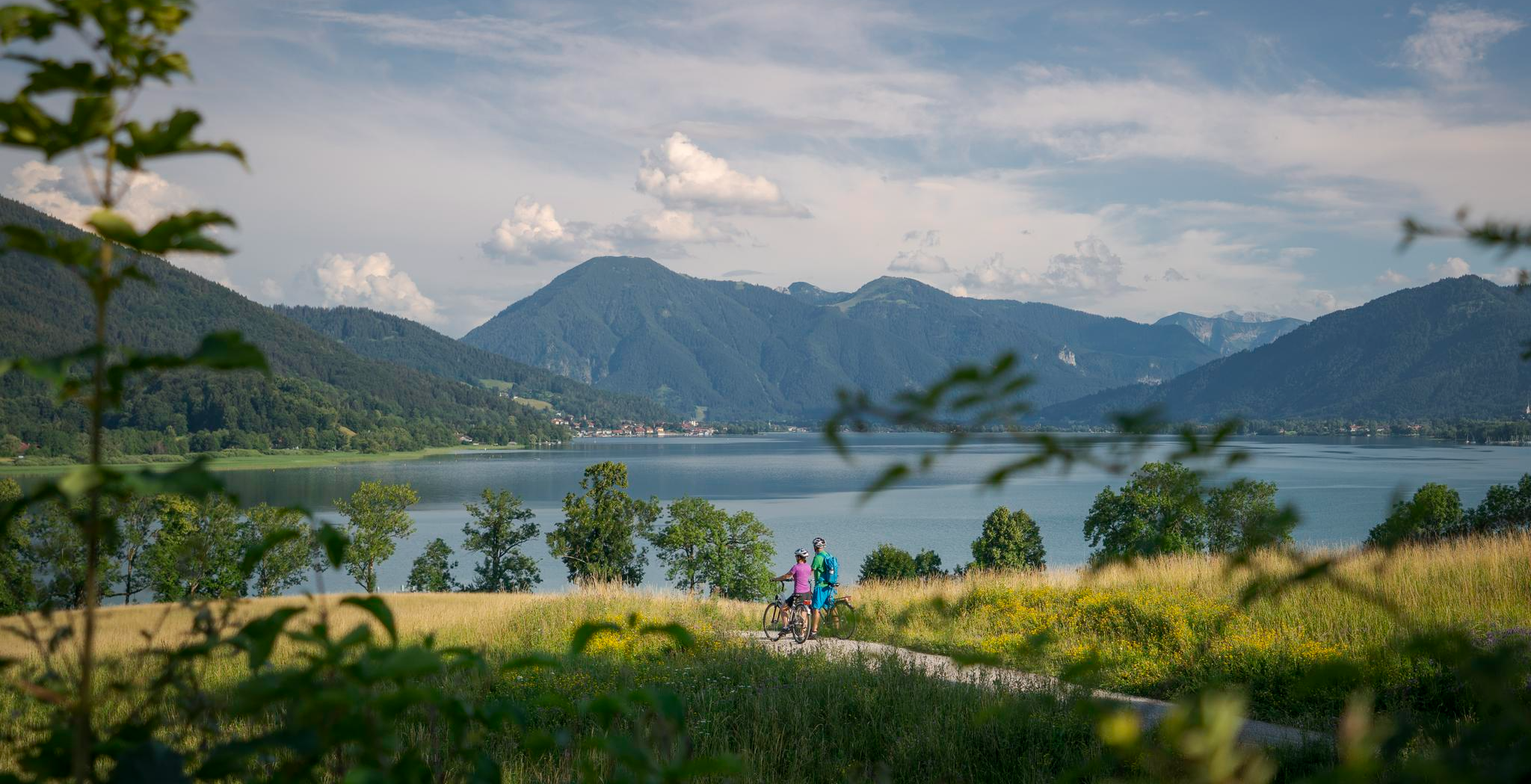
The Munich-Venice Long-Distance Cycle Path – A beautiful Alps crossing
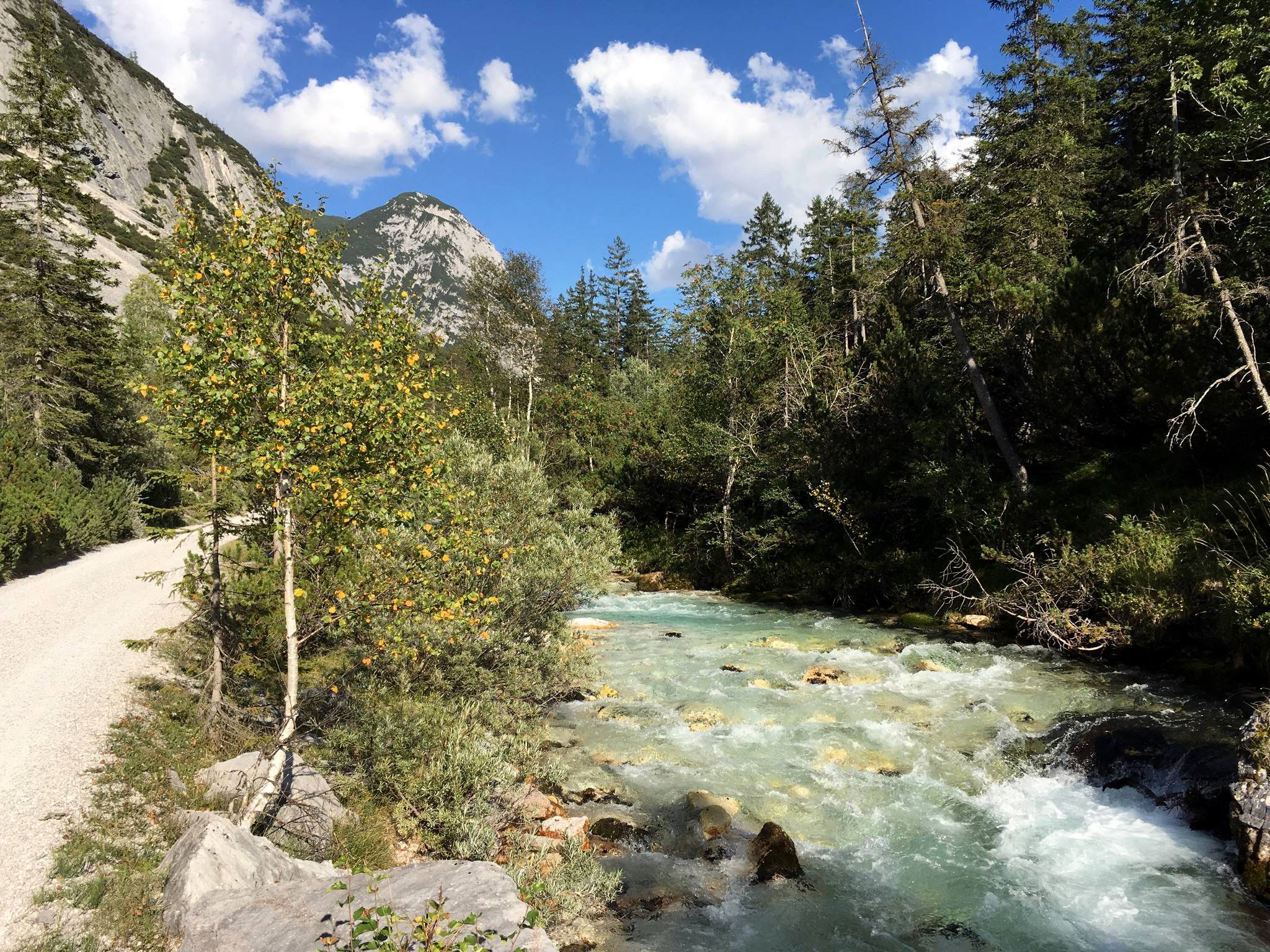
Isar cycle path — From Alpine peaks to the Auenwald (7 stages)
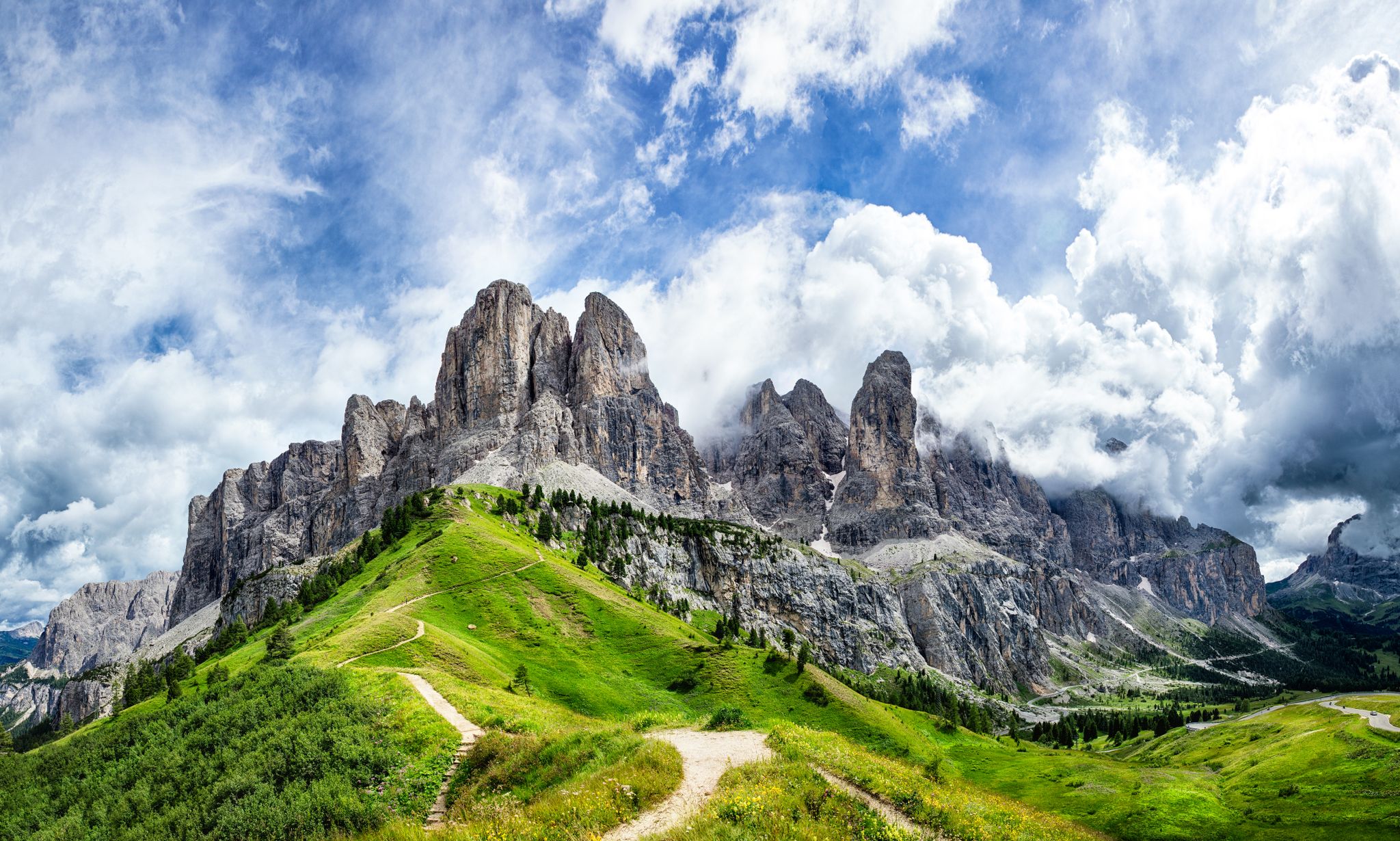
The "Dream Path" hiking trail – From Munich to Venice in 28 stages
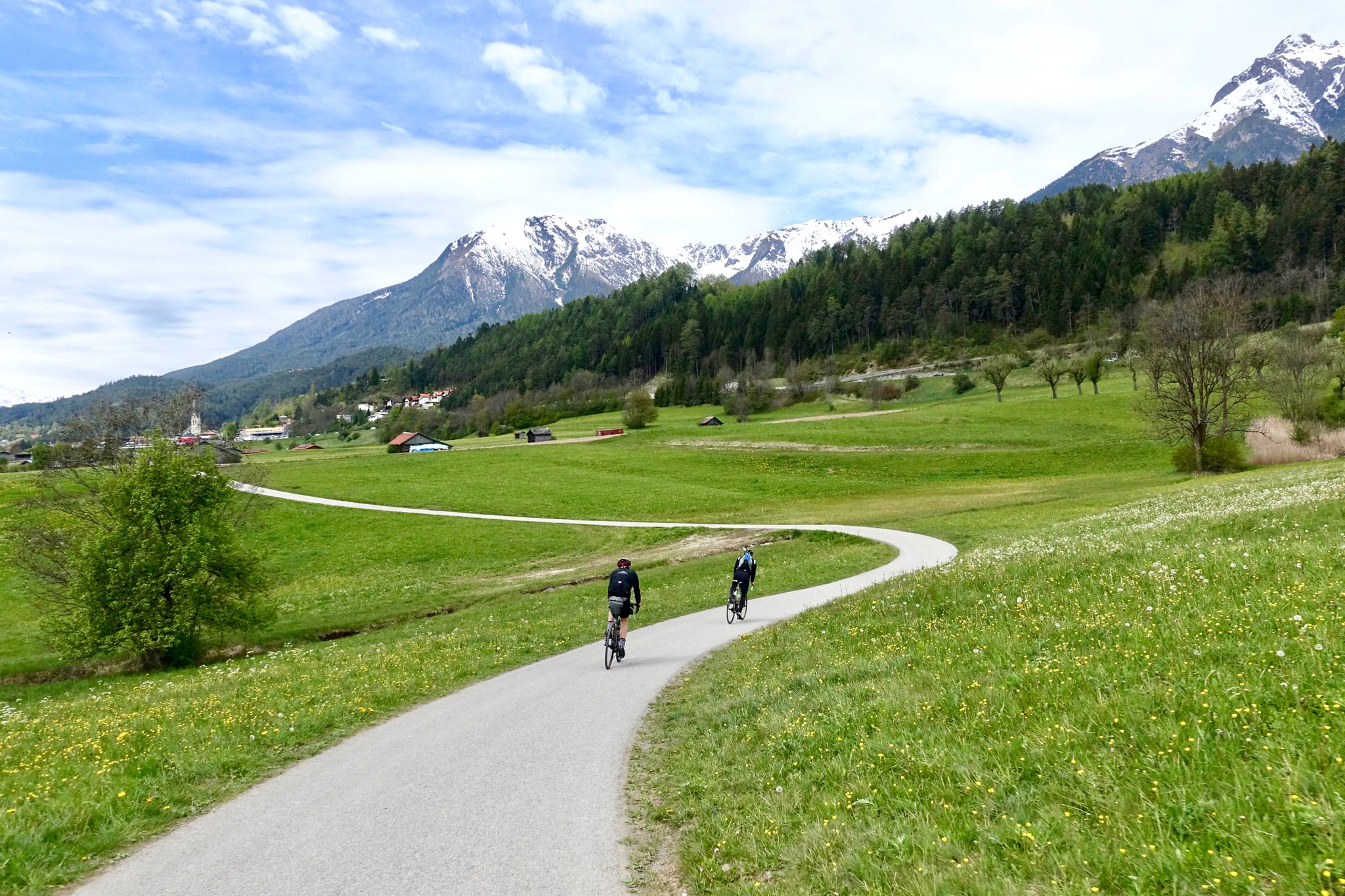
Rando Imperator — a road bike dream with gravel
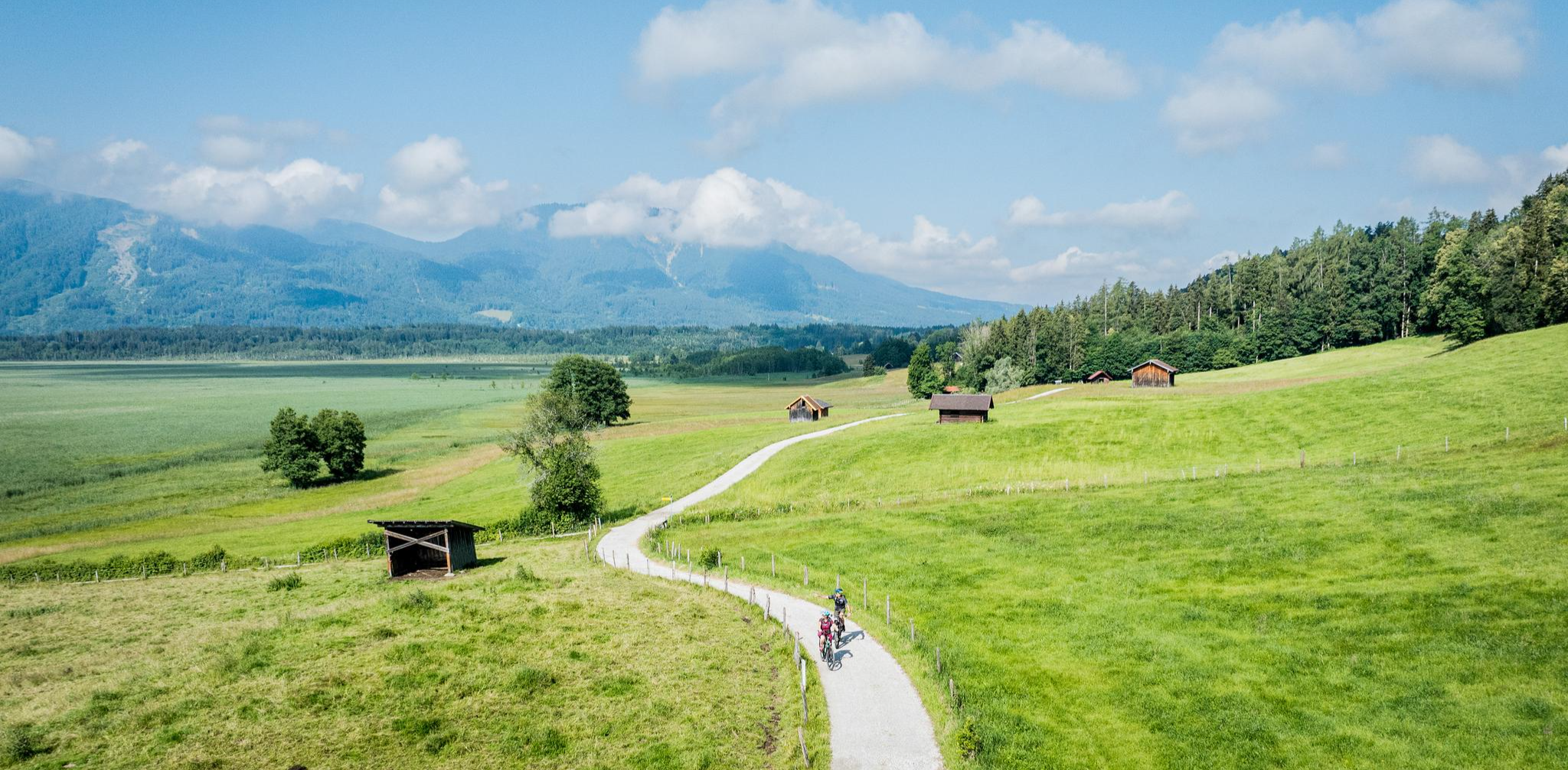
Art and nature by bike – from Munich to the edge of the Alps
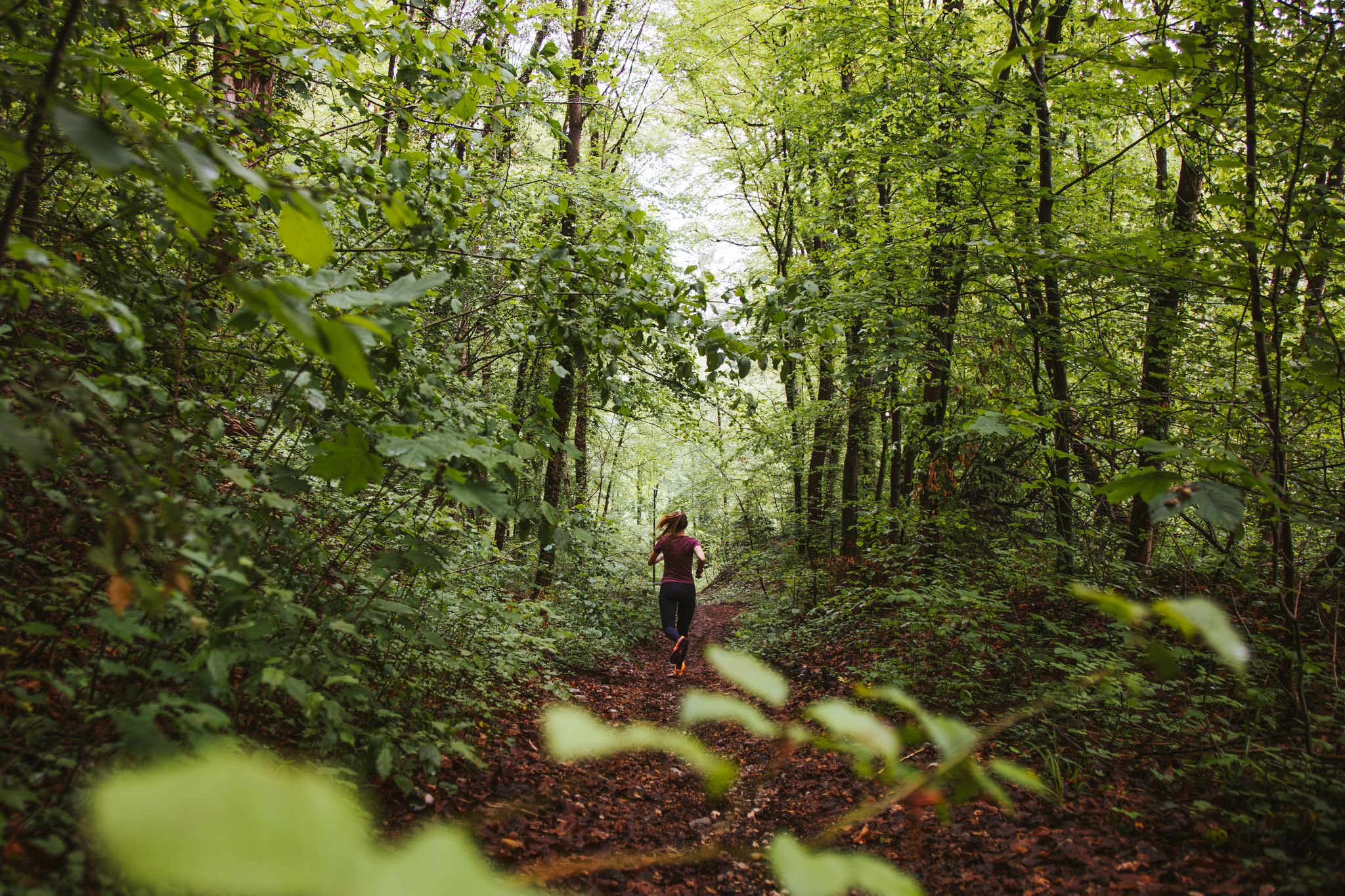
From the river to the forest - Trail Running around Munich with HOKA
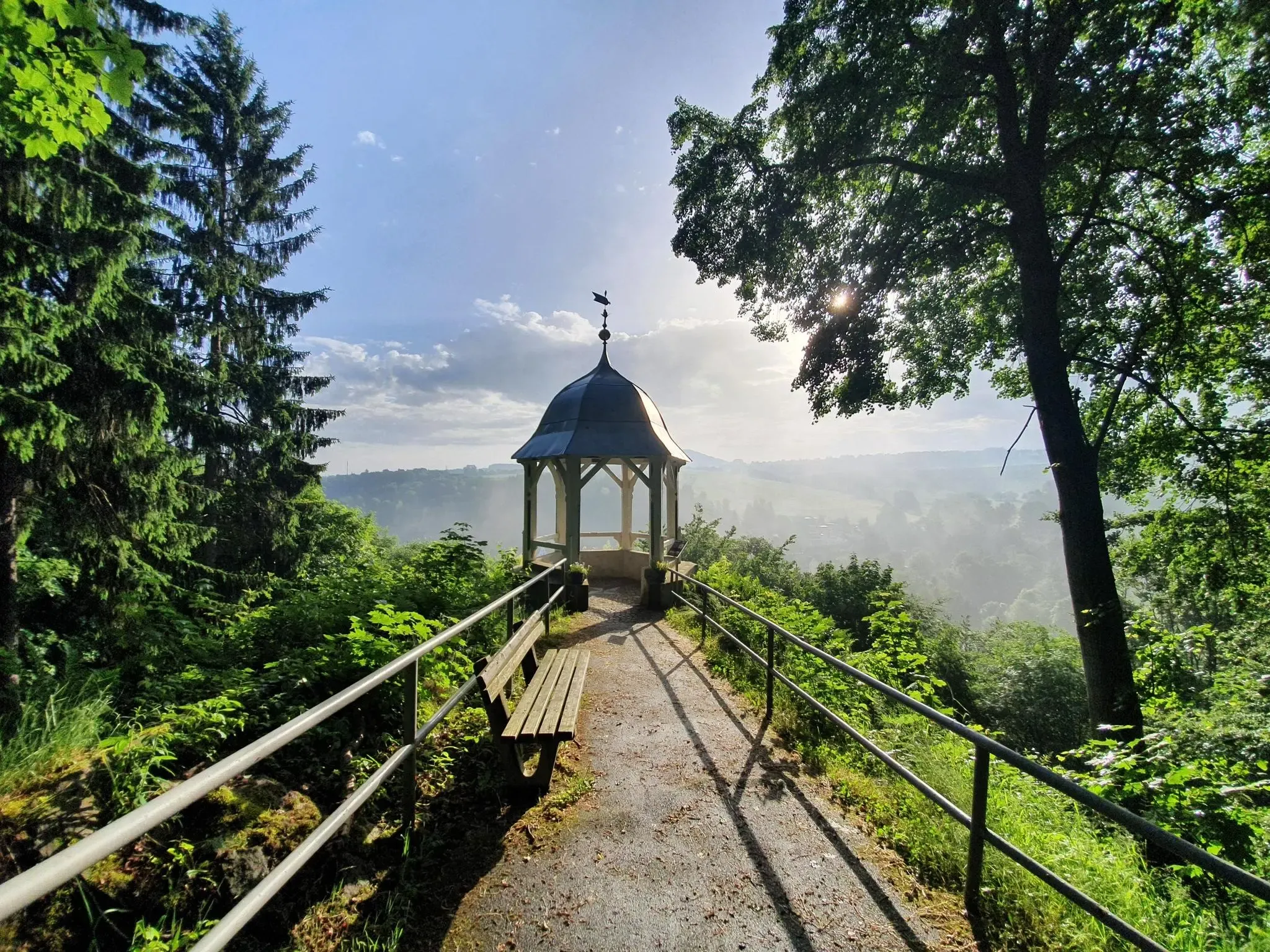
#GoFurther – discover the views of Germany!
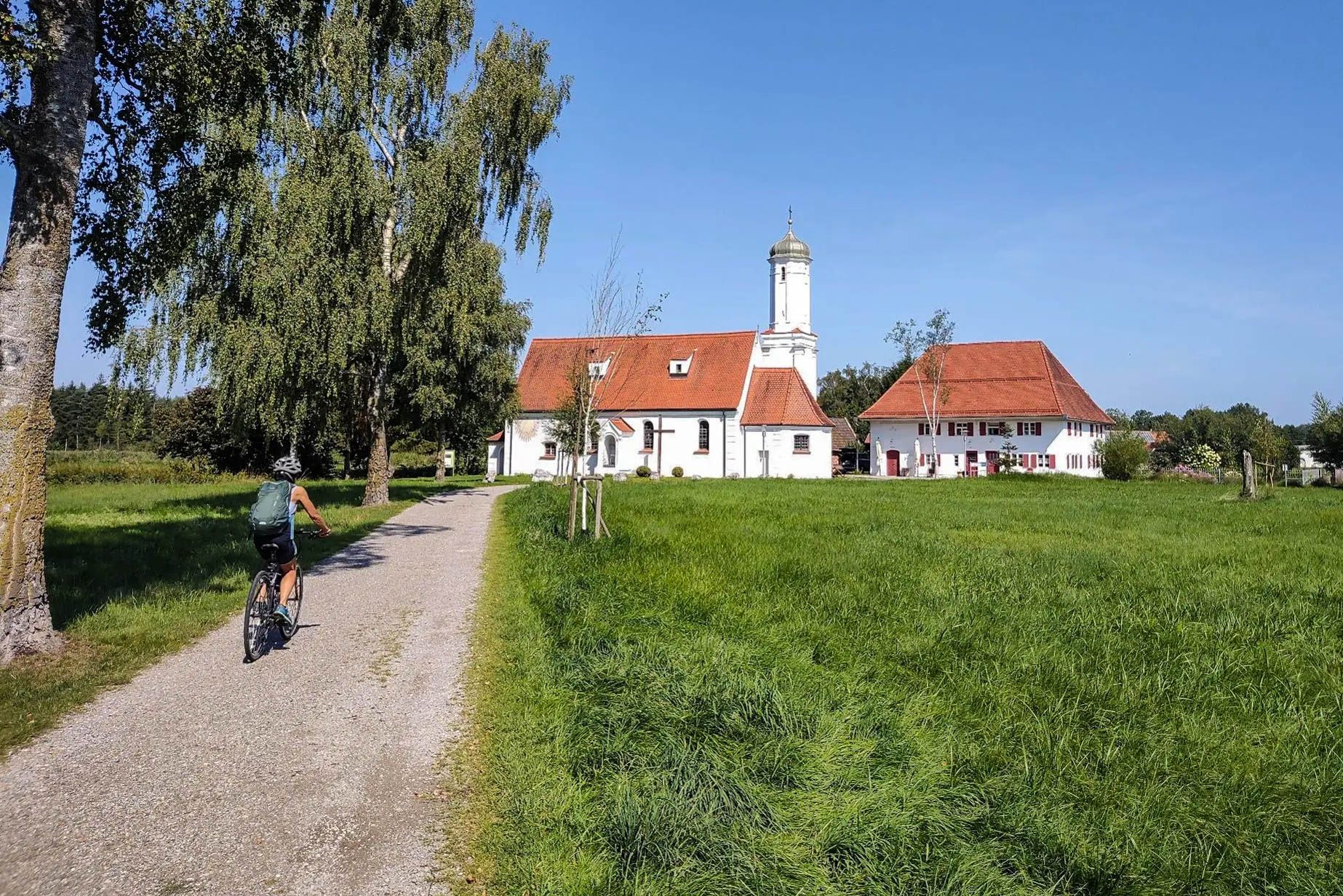
City, country and lake – Munich to Lake Constance by bike
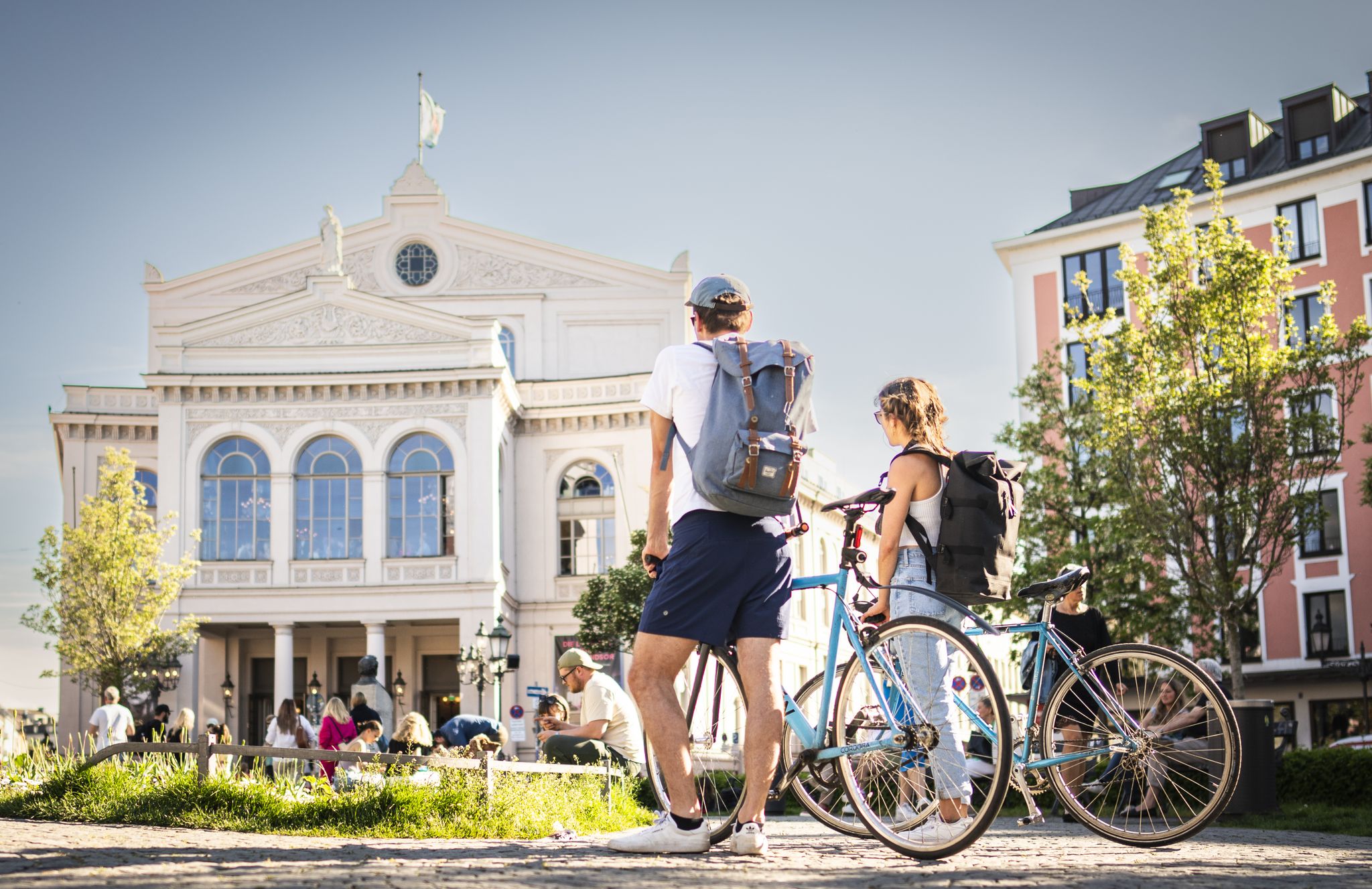
Discover Munich by bike – rides through the Isar metropolis
Other adventures around Landkreis München


Tips from the Community

The Munich Residenz with its Hofgarten. A beautiful place to linger and enjoy the tranquility despite the hustle and bustle of the city around it.
2
0

The Pan group belongs to the remarkable sculptures in the Nymphenburg Palace Park and is a beautiful example of the connection between mythology, art, and landscape design. The group of figures shows the Greek god of nature and shepherds, Pan, who is considered in ancient mythology as a symbol of wilderness, joie de vivre, and the close connection of humans with nature.
9
0
The centerpiece of the Badenburg is the impressive, heated indoor swimming pool. With a length of around 17 meters, it was a technical masterpiece for its time and is among the earliest indoor swimming pools in noble residences. The magnificent furnishings with stucco, tiles, and ornate decorations still convey an impression of the luxurious life at the electoral court today.
10
0

For centuries, the Badenburg at the southeastern end of the Great Lake was the first major building in Europe exclusively dedicated to the purpose of enjoying a comfortable bath. Joseph Effner planned the pleasure palace and built it from 1718 to 1722. In addition to the large bathing hall, which extends over two floors, it also contains a ballroom and an electoral apartment with a bedroom, writing room, and dressing room. The bathing pool, over fifty square meters in size and holding 80,000 liters of water, was unparalleled in its time, not only as a work of art but also in technical terms.
18
0
Removed from time, the goat-god Pan rests on an artificial hill and plays his shepherd's flute, which is now mostly called the Pan flute after him. A billy goat lies next to him, seemingly listening to the sounds. Peter Simon Lamine created the sculpture in 1815 from Carrara marble. The "Pan Monument", as early historians called the group, crowns an artificial spring. It is the outflow of the Great Lake, which pours with a small waterfall into the Teufelsbach, which continues to the northeast.
17
0
The birth of the Bavarian Prince-Elector Max Emanuel from the House of Wittelsbach in 1662 was the occasion for the construction of a palace with a garden in the area between the villages of Neuhausen and Obermenzing as a gift for the young mother, Electorress Henriette Adelaide of Savoy. The foundation stone for the "Schwaigbau zu Nymphenburg" was laid in 1664. The complex was designed as a pleasure palace in the style of Italian country villas; it only became a Baroque palace complex, which could serve as a summer residence and an alternative to the seat of government, the Munich Residenz, a generation later under Max Emanuel. The model for Nymphenburg was the Piedmontese hunting lodge La Venaria, whose architect Amedeo Castellamonte (1613 to 1683) also provided the initial designs for Nymphenburg.
16
0
The view of the castle canal from the Ludwig Ferdinand Bridge on the city side clearly shows the dimensions of the monumental three-winged complex of Nymphenburg Palace. From 1715 to 1918, it was the summer residence of the Electors, then of the Kings of Bavaria from the House of Wittelsbach. Nymphenburg is one of the largest palaces in Germany.
12
0

Seat of the Dukes, Electors, and Kings of Bavaria from the House of Wittelsbach from 1508 to 1918 Largest city palace in Germany
2
0
Frequently Asked Questions
Which castles are highly rated by visitors in Landkreis München?
Visitors to Landkreis München particularly appreciate New Schleissheim Palace, Blutenburg Castle, and Nymphenburg Palace. The komoot community has shared over 1100 photos and given more than 4000 upvotes for the castles in the region, highlighting their popularity.
Are there family-friendly castles around Landkreis München?
Yes, several castles in the region are family-friendly. Blutenburg Castle, for instance, houses the International Youth Library and a Michael Ende Museum, making it engaging for children. New Schleissheim Palace and Nymphenburg Palace also offer extensive grounds and parks suitable for family outings.
What historical periods do the castles in Landkreis München represent?
The castles in Landkreis München showcase a range of historical periods. You can find medieval fortifications like Grünwald Castle and Blutenburg Castle, which features a remarkably preserved late Gothic church. The region is also home to grand Baroque complexes such as New Schleissheim Palace and Nymphenburg Palace, reflecting the opulence of later centuries.
Can I find castles with beautiful gardens or natural surroundings?
Absolutely. New Schleissheim Palace is renowned for its expansive French-style Baroque garden, complete with canals, fountains, and even an artificial waterfall. Nymphenburg Palace boasts a spacious castle park, and Blutenburg Castle is set in an idyllic location by a peaceful lake.
Are there outdoor activities or routes near the castles?
Yes, the region offers various outdoor activities. You can find numerous running, cycling, and hiking routes around Landkreis München. For example, there are several routes for hiking, cycling, and running that pass near these historical sites. You can explore these options on the respective guide pages for hiking, cycling, and running around Landkreis München.
What unique cultural experiences do these castles offer?
The castles provide diverse cultural experiences. New Schleissheim Palace houses a significant collection of Baroque paintings and offers gondola tours on its canal. Blutenburg Castle is home to the world's largest library of children's and youth literature and a museum dedicated to author Michael Ende. Lustheim Palace, part of the Schleissheim complex, features an outstanding collection of early Meissen porcelain.
How can I reach the castles in Landkreis München by public transport?
Many castles in the region are accessible by public transport. For instance, Schleissheim Palace is well-connected, and Nymphenburg Palace is also easily reachable within Munich. It's advisable to check local transport schedules for specific routes to each castle.
Are there cafes or restaurants near the castles?
Yes, you'll often find dining options nearby. Blutenburg Castle has a restaurant and cafe on-site, providing a pleasant stop for visitors. The larger palace complexes like Schleissheim Palace and Nymphenburg Palace also typically have cafes or restaurants within their grounds or in the immediate vicinity.
What is the best time of year to visit the castles in Landkreis München?
The castles are beautiful year-round, but each season offers a different experience. Spring and summer are ideal for enjoying the extensive gardens and parks, with gondola tours available at Schleissheim. Autumn brings vibrant colors to the landscapes surrounding castles like Blutenburg Castle, and some castles host Christmas markets in winter.
Are there any less-known or 'hidden gem' castles worth visiting?
While the main palaces are well-known, exploring the broader Schleissheim Palace Complex, which includes the Old Palace and Lustheim Palace in addition to New Schleissheim Palace, offers a deeper dive into Baroque history. Grünwald Castle, a surviving medieval complex, also provides a glimpse into older fortifications away from the grander palaces.
Can I visit the interiors of the castles, or are they mostly exterior views?
Most major castles in the region offer interior access. New Schleissheim Palace features lavishly decorated interiors, including the Grand Hall and a Baroque painting gallery. Blutenburg Castle has its remarkably preserved late Gothic church and museums. Nymphenburg Palace also allows visitors to explore its opulent rooms. Check individual castle websites for specific opening hours and admission details.
Most popular routes around Landkreis München
Most popular attractions around Landkreis München

Get inspired with the komoot mobile app


Didn’t find what you were looking for?
Explore Landkreis München’s best castles region by region:
Explore more
Looking for the best castles somewhere else? Discover other guides around Landkreis München:
