The 20 Most Amazing Peaks in Gran Canaria
Best mountain peaks in Gran Canaria offer a diverse and rugged landscape, shaped by ancient volcanic activity. The island features prominent geological formations and high summits that provide expansive views. These peaks are significant for their natural beauty and cultural history, including sites important to the indigenous Guanche people. The central mountains form a core part of Gran Canaria's unique terrain.
Best mountain peaks in Gran Canaria
- The most popular mountain peaks is Roque Nublo, a natural monument that is considered the symbol of Gran Canaria. This iconic volcanic monolith stands approximately 80 meters tall and was a sacred mountain for the indigenous Guanche people.
- Another must-see spot is Pico de las Nieves summit, a summit and the highest point of Gran Canaria at 1949 meters. From the summit, visitors can enjoy 360-degree vistas of the island's landscape.
- Visitors also love Tamadaba Peak, a summit and rocky outcrop located at 1443 meters high. It offers beautiful views in all directions and is a part of the Tamadaba Natural Park.
- Gran Canaria is known for its volcanic monoliths, high summits, and ancient craters. The island offers a variety of mountain peaks to see and explore, from easily accessible viewpoints to more challenging hiking destinations.
- The mountain peaks in Gran Canaria are appreciated by the komoot community, with over 1700 upvotes and 1600 photos shared.
Last updated: July 6, 2026
Roque Nublo
Highlight • Natural Monument
Showing Translation
Tip by

Pico de las Nieves summit
Highlight • Summit
Sometimes there is even snow up here, so the summit has its name. Very often it is definitely quite fresh here, pack the windbreaker. Often it is also very cloudy. If you're lucky, the cloud cover is below you, making the view even more spectacular. But it also happens that you are standing up here in a gray cloud soup.
Translated by Google •
Tip by

Sign up now to discover places like this
Get recommendations on the best single tracks, peaks, & plenty of other exciting outdoor places.
Sign up for free
Roque Nublo Cave
Highlight • Cave
Translated by Google •
Tip by

Tamadaba Peak
Highlight • Summit
Translated by Google •
Tip by

View of Roque Nublo
Highlight • Natural Monument
Translated by Google •
Tip by

Sign up for free to discover even more peaks in Gran Canaria.
Sign up for free
Already have an account?
Start today with a free account
Your next adventure awaits.
Login or Signup
Popular around Gran Canaria
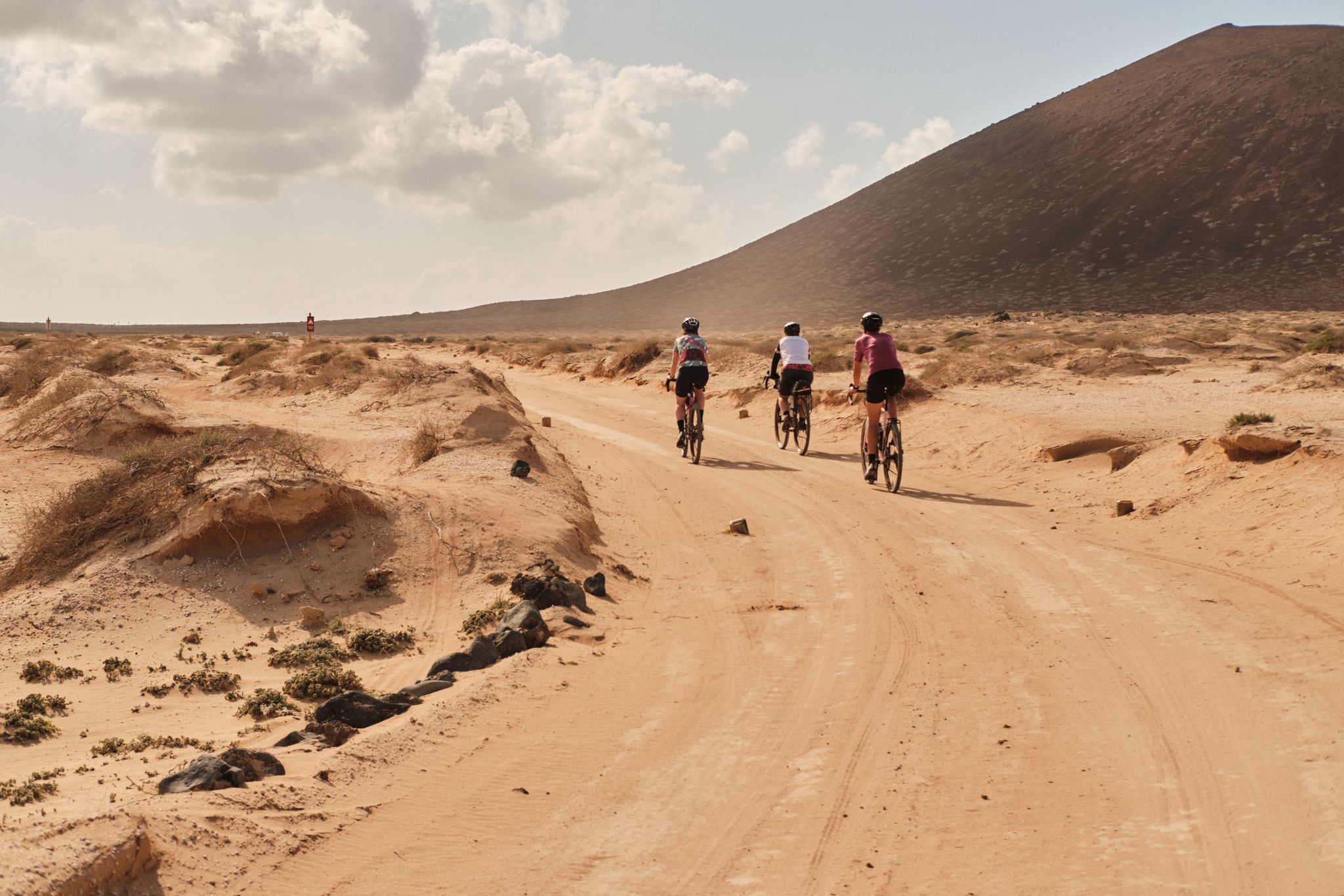
GranGuanche gravel – Komoot women's rally 2023
GranGuanche Audax Trail – my first ultra race on the Canary Islands
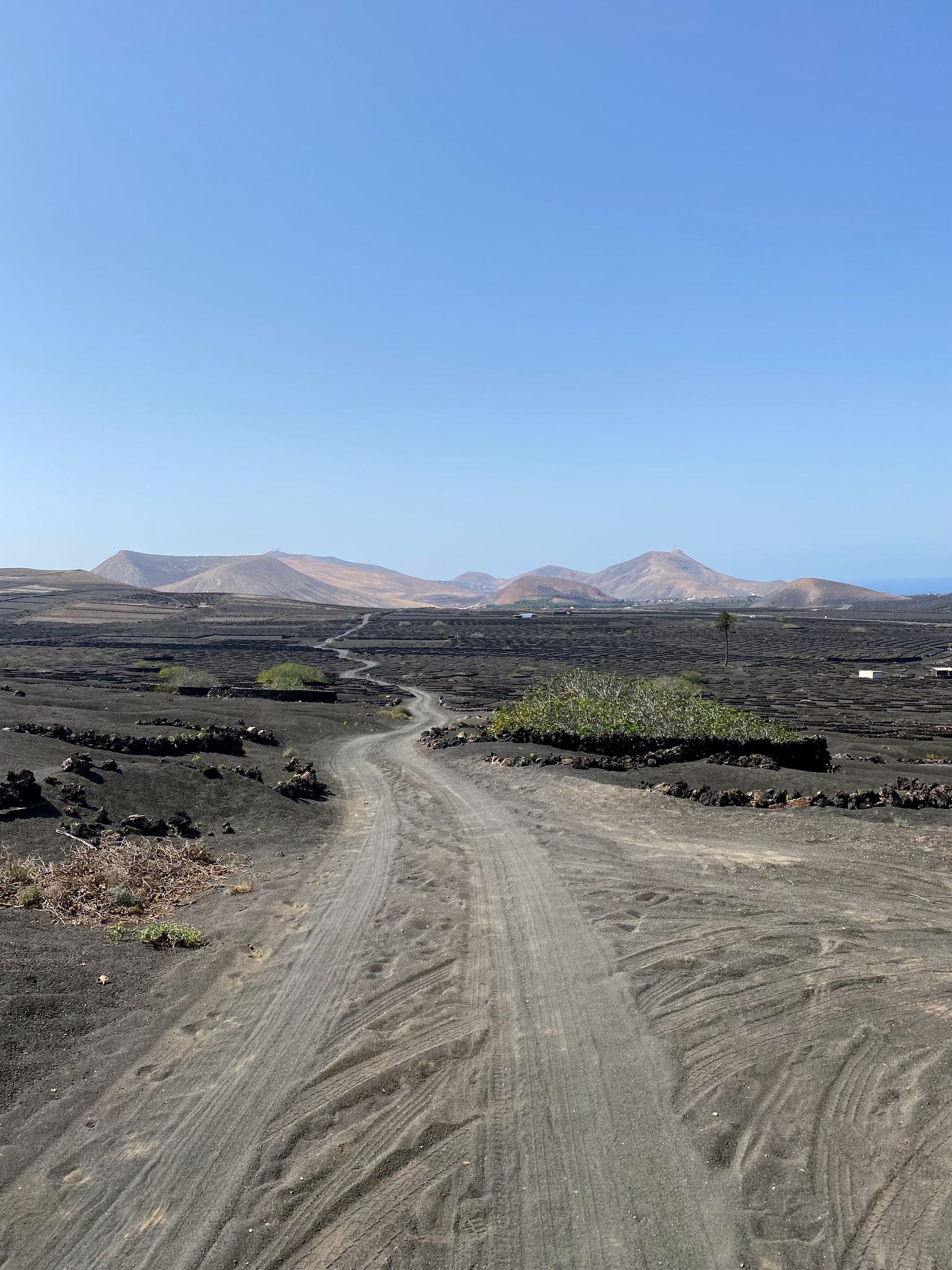
Bikepack in the Canary Islands – surprising adventures in the sun
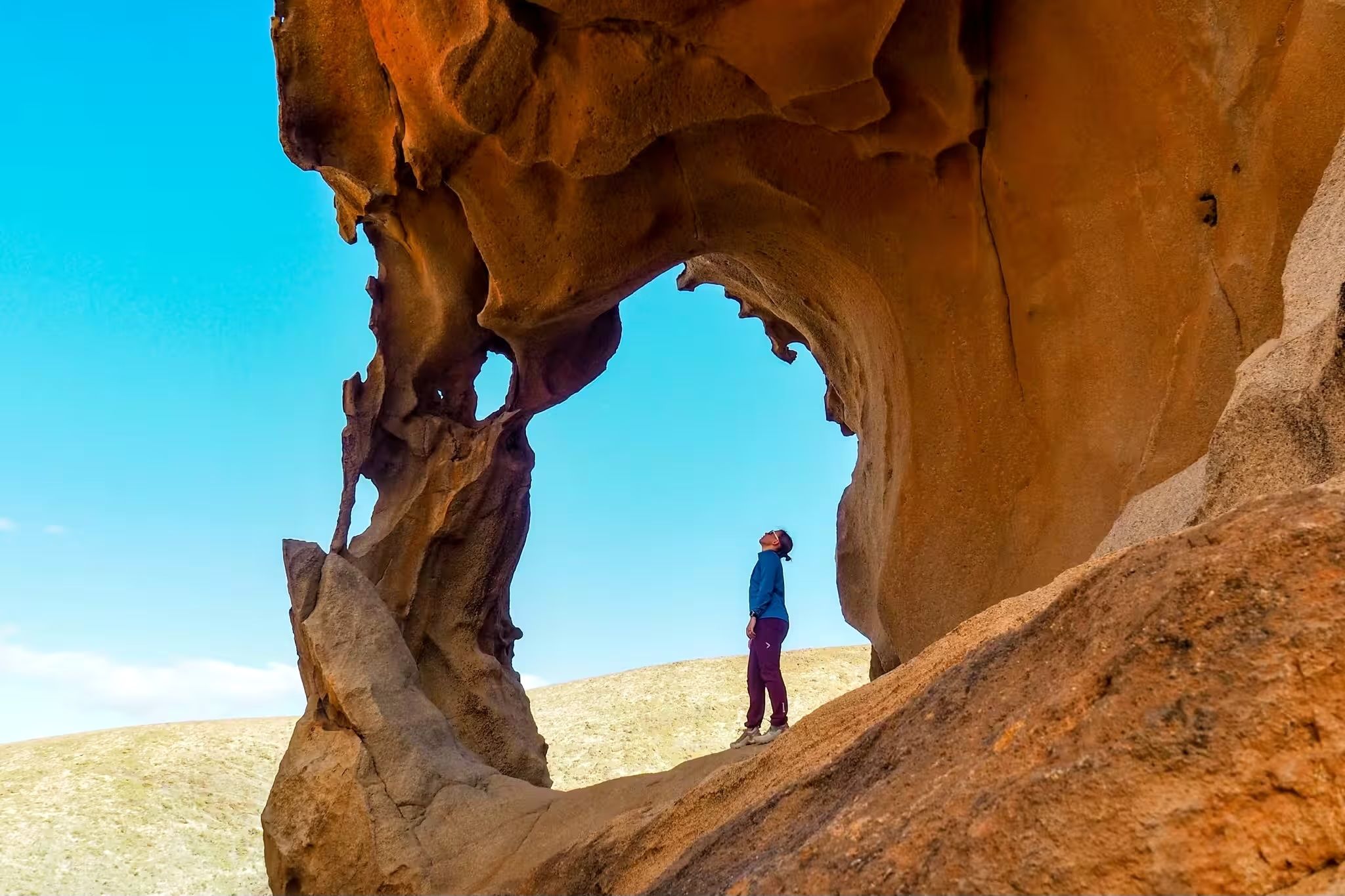
Canary Islands at a slow pace – six hikes immersed in nature
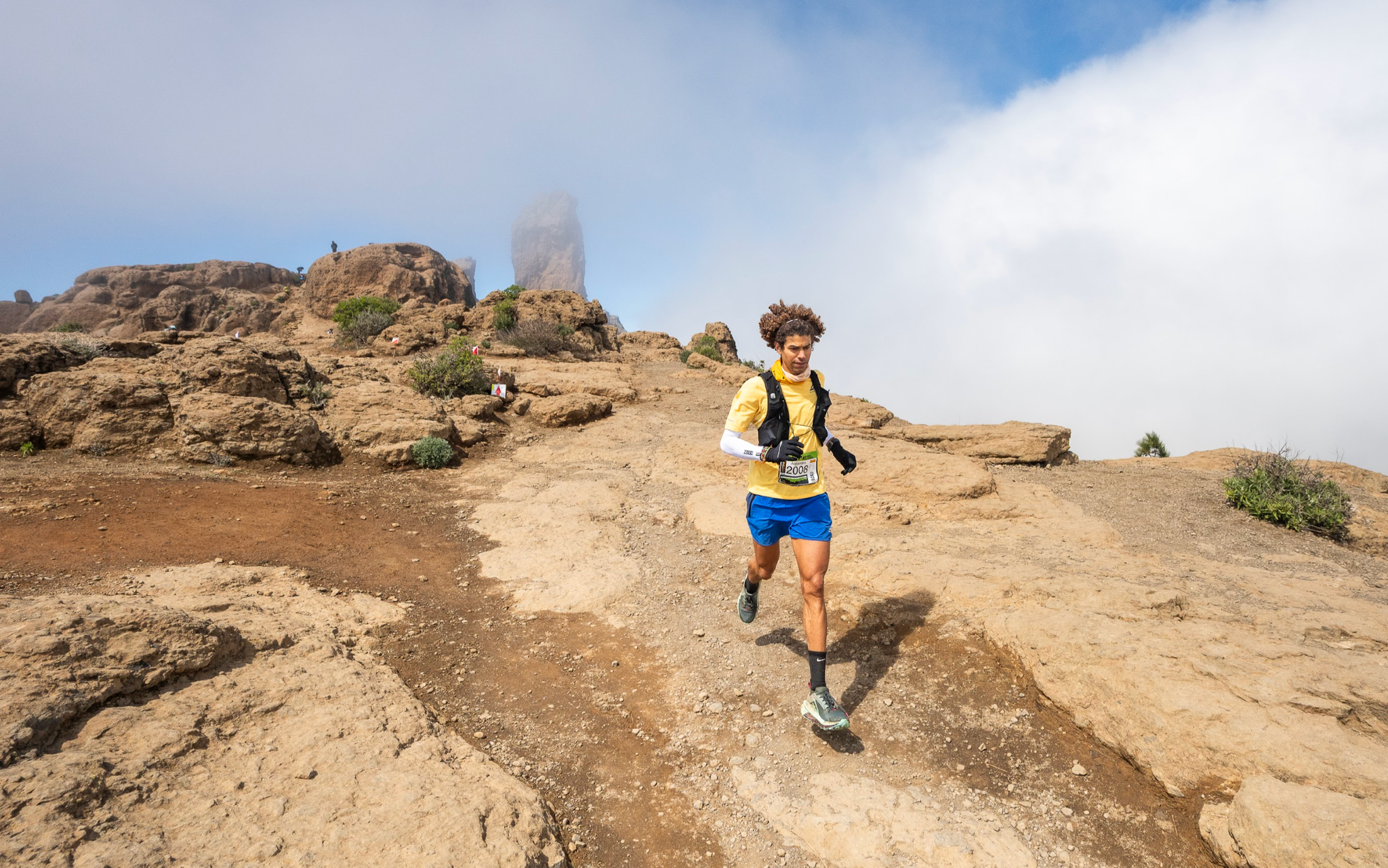
Trail on the Canary Islands – discover the legendary races!
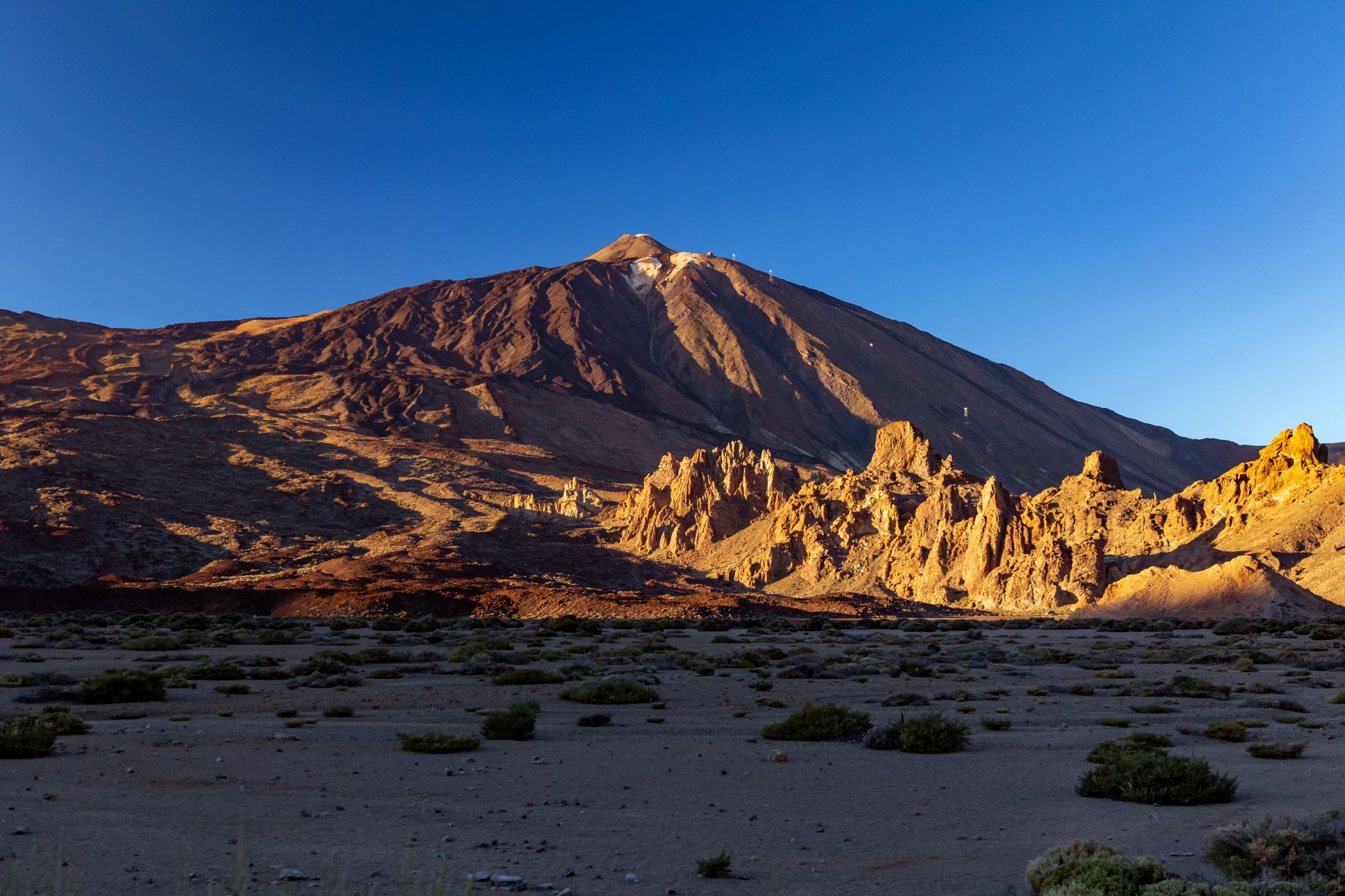
Six fascinating ways to discover the Canary Islands on foot
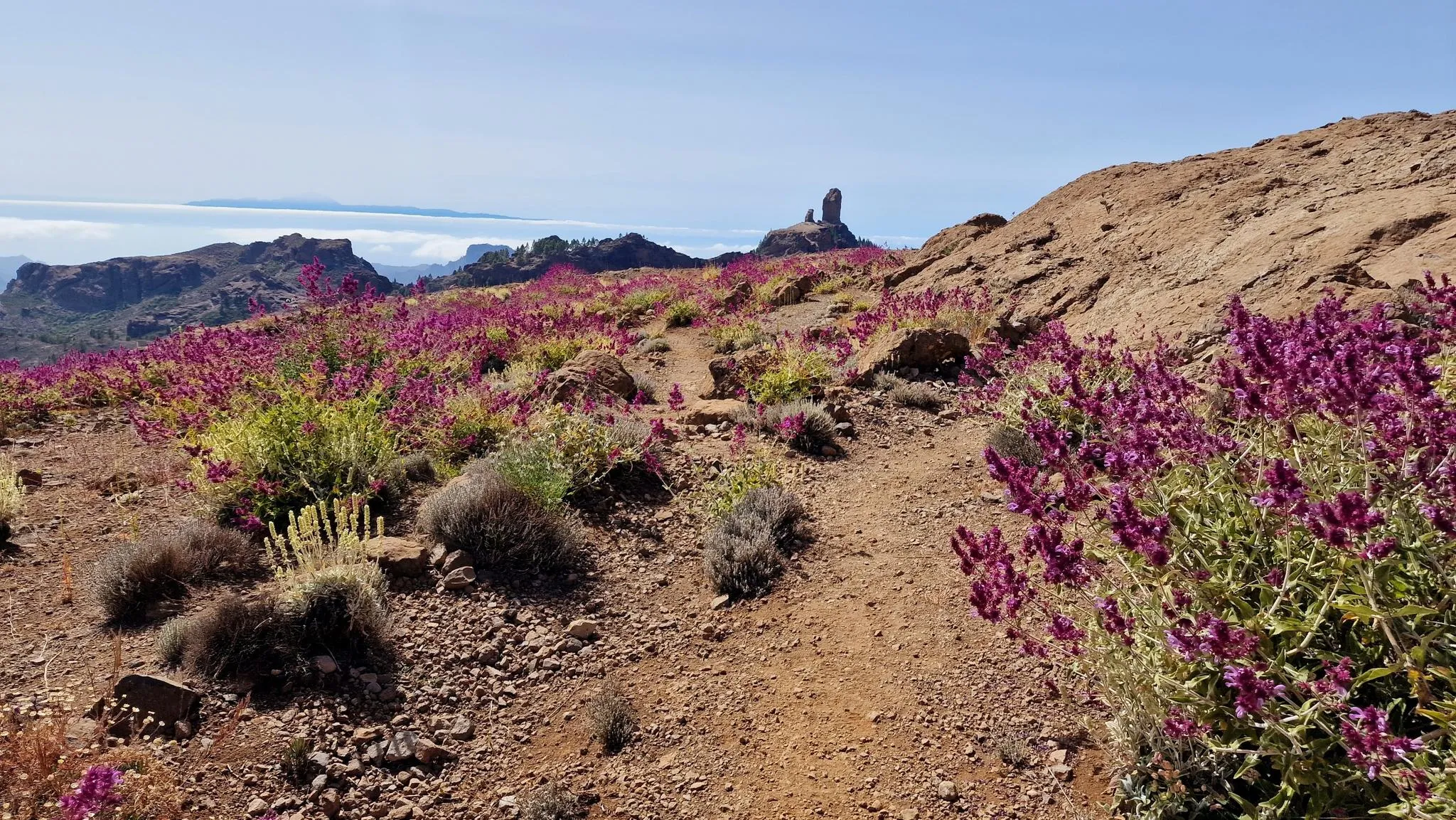
The challenge of the year — Transgrancanaria Classic
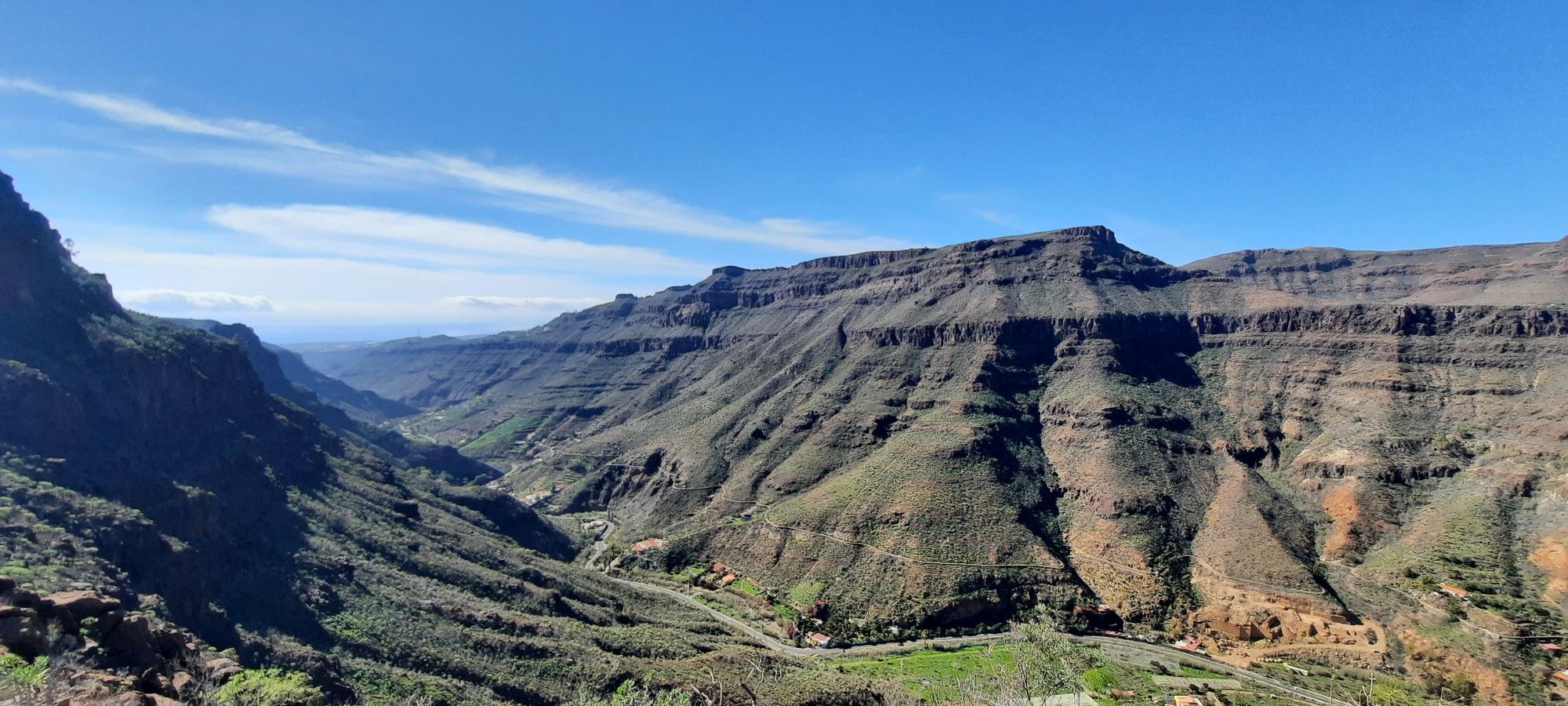
An island of contrasts – crossing Gran Canaria
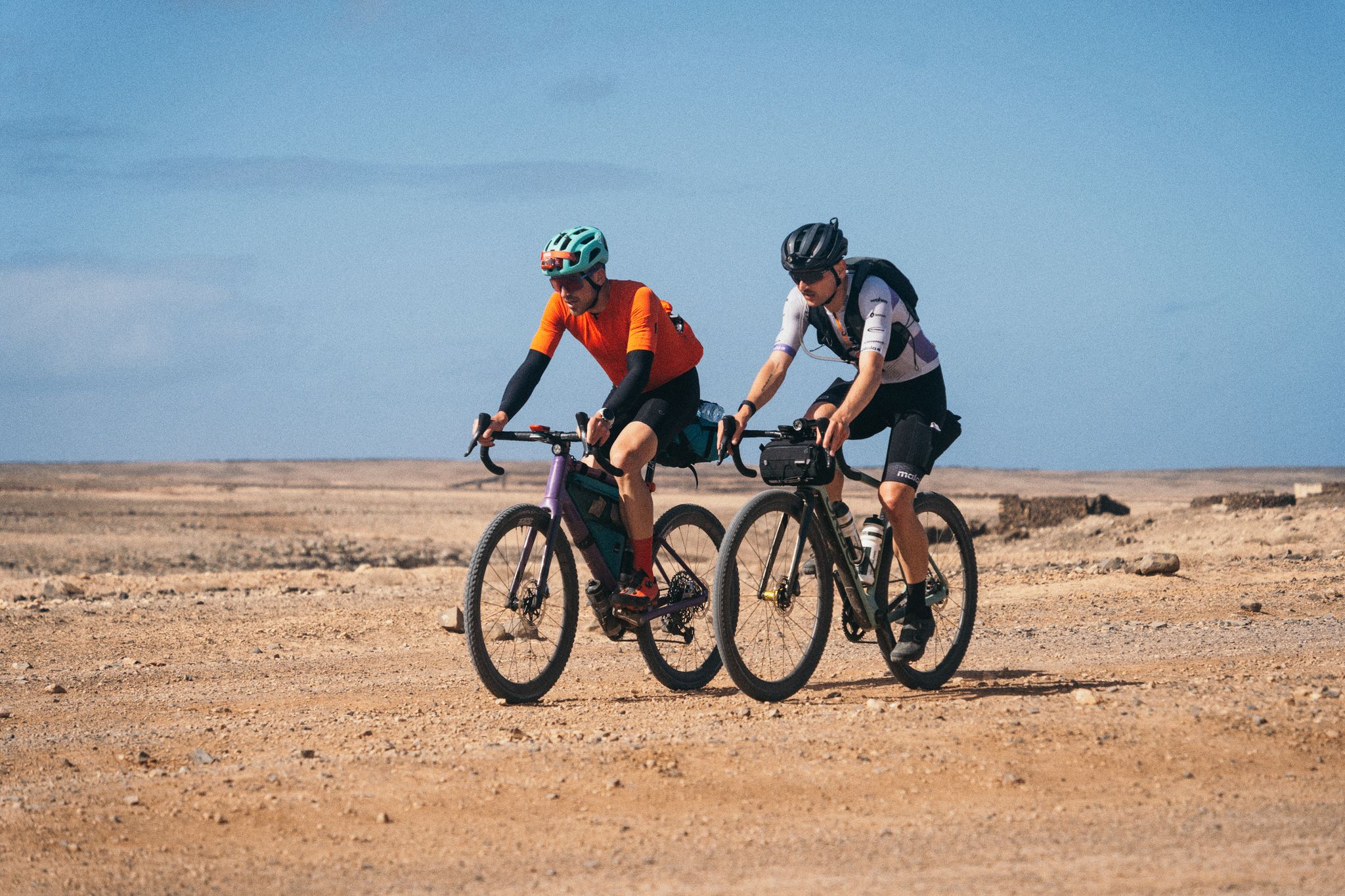
GranGuanche Audax Gravel — five islands in two and a half days
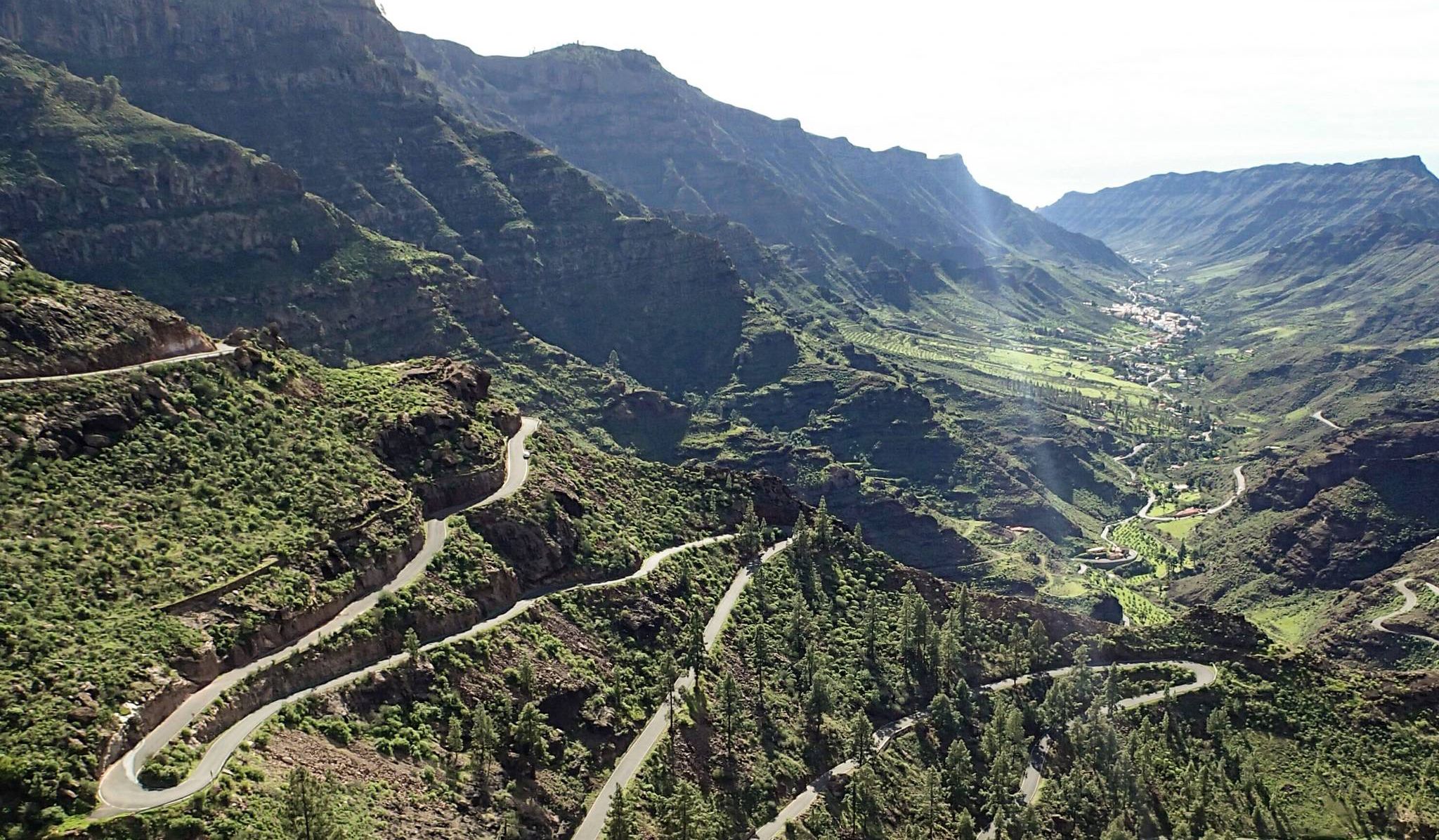
Escape to the south — road cycling in Gran Canaria
Other adventures in Gran Canaria


Tips from the Community


The images don't just show Roque Nublo; for example, the image with the helicopter in the center depicts Bentayga. This rock formation has a completely different, important significance in the heart of Gran Canaria! However, the helicopter adds immense value to the image and also shows the vastness of the scene.
1
0

Impressive place. Must do in Gran Canaria. Beautiful view of the Tenerife volcano looming above the clouds. No need to book entrance if you come via the surrounding hiking trails and not via the more touristy 1.5 km to the rock.
1
0

The climb is definitely worth it - very few people make it here
1
0

An impressive rock formation, the symbol of Gran Canaria. Visits are now limited, and you must book a time slot for the climb on the Gran Canaria website, otherwise you'll be turned away at the start of the hiking trail.
1
0

The ascent to the summit leads through romantic pine forests on well-developed paths. Highly recommended if you want to travel north on Gran Canaria.
1
0

A steep, short but slippery path leads up there. Well worth seeing.
1
0

It is very worthwhile to climb up to Roque Nublo not only to see the rock formation itself, but also to enjoy the spectacular views it offers from above. The sunsets are incredible.
3
1
Frequently Asked Questions
What kind of panoramic views can I expect from Gran Canaria's mountain peaks?
From peaks like Pico de las Nieves summit, you can enjoy stunning 360-degree vistas of the island's rugged landscape, including Roque Nublo, the Caldera de Tejeda, and even the neighboring island of Tenerife and its majestic Teide volcano on clear days. The sunrise and sunset views, often with a 'sea of clouds' below, are particularly sought after. Tamadaba Peak also offers wonderful views in all directions.
Do Gran Canaria's mountain peaks have historical or cultural significance?
Yes, many peaks hold deep historical and cultural importance. Roque Nublo was a sacred mountain and place of worship for the indigenous Guanche people. Roque Bentayga is known as the 'sacred mountain' and holds significant archaeological secrets about Gran Canaria's first settlers, serving as a spiritual axis. Pico de las Nieves summit was historically where snow was collected during colder winters.
Are there easy hiking trails to Gran Canaria's mountain peaks?
Yes, there are options for various fitness levels. The trail to the base of Roque Nublo from the La Goleta parking lot is popular and considered relatively easy to medium difficulty, taking about 1.5-2 hours round trip. Pico de las Nieves summit is easily accessible by car, with only a short walk of about 50 meters to the top. Montaña de Arucas also offers comfortable viewpoints.
What outdoor activities can I do near Gran Canaria's mountain peaks?
The mountainous regions of Gran Canaria are excellent for various outdoor activities. You can find numerous routes for mountain biking, such as the 'Pico de las Nieves and Roque Nublo View Loop', or explore challenging cycling routes like the 'Maspalomas, Presa de la Gambuesa, Ayaguares' ride. For hikers, there are many mountain hikes, including the 'Roque Nublo – View of Roque Nublo loop' and the 'Pico de las Nieves – View of Roque Nublo loop'. You can find more details on these activities in the MTB Trails in Gran Canaria, Mountain Hikes in Gran Canaria, and Cycling in Gran Canaria guides.
When is the best time to visit Gran Canaria's mountain peaks?
The mountain peaks can be visited year-round, but for the best experience, aim for clear days to maximize the panoramic views. While it can be quite fresh and cloudy at higher elevations, especially at Pico de las Nieves summit, you might be lucky enough to witness the spectacular 'sea of clouds' below. Packing a windbreaker is often recommended.
Are there family-friendly mountain walks in Gran Canaria?
Yes, some mountain areas offer suitable options for families. The short walk to the top of Pico de las Nieves summit after driving close to the top is considered family-friendly. Montaña de Arucas also provides comfortable viewpoints and amenities, making it a good choice for a relaxed outing with scenic views.
What makes Morro de la Agujereada unique among Gran Canaria's peaks?
Morro de la Agujereada, situated right next to Pico de las Nieves summit, has recently been identified by some as the true highest point of Gran Canaria, reaching an elevation of 1,956 meters. For experienced hikers and peakbaggers, reaching this 'true summit' provides a unique challenge, often involving an exposed climbing trail with some scrambling and ropes, rewarding them with unparalleled 360-degree views.
What should I consider when planning a trip to Gran Canaria's mountain peaks?
When visiting the mountain peaks, be prepared for varying weather conditions. Even on sunny days, it can be fresh and windy at higher altitudes, so bringing a windbreaker is advisable. Early mornings are often recommended for popular spots like Roque Nublo to avoid crowds. Always check local weather forecasts before heading out.
Are there amenities like cafes or restaurants near the mountain peaks?
While many peaks are in natural, undeveloped areas, some do offer amenities. Montaña de Arucas, for example, has a restaurant and comfortable viewpoints built into its former crater. For other central mountain areas, you might find cafes and restaurants in nearby towns like Tejeda or at popular crossroads such as Cruz de Tejeda.
Beyond the most famous, are there other notable peaks to explore in Gran Canaria?
Absolutely. Tamadaba Peak, located at 1443 meters, offers beautiful views in all directions and is part of the Tamadaba Natural Park. Pico Campanario (1,917 m) is another worthwhile detour, offering great panoramic views including Teide and Pico de las Nieves summit, often with less hustle and bustle.
How accessible are Gran Canaria's mountain peaks by public transport or car?
Pico de las Nieves summit is easily accessible by car, with a road leading close to the summit. For Roque Nublo, there's a parking lot at La Goleta, from which a popular trail leads to its base. Montaña de Arucas is also accessible by car, offering convenient viewpoints. Public transport options to the highest mountain trails might be limited, so checking local bus schedules is recommended if you plan to rely on it.
Most popular routes in Gran Canaria
Most popular attractions in Gran Canaria

Get inspired with the komoot mobile app


Explore more
See even more amazing summits in Gran Canaria with these guides:
