Attractions and Places To See in Latvia - Top 20
Best attractions and places to see in Latvia include a diverse range of historical landmarks, cultural sites, and natural landscapes. This Baltic nation features a rich heritage, evident in its medieval towns and Art Nouveau architecture. Visitors can explore extensive national parks, pristine coastlines, and significant historical monuments. The country offers a variety of experiences, from urban exploration to outdoor adventures.
Best attractions and places to see in Latvia
- The most popular attractions is Kemeri Bog Observation Tower, a viewpoint that offers panoramic views over the high moor with its numerous lakes. This tower provides a unique perspective of the national park's diverse ecosystems.
- Another must-see spot is House of the Blackheads, Riga, a historical site. This building, originally constructed in 1334 for meetings and celebrations, was faithfully restored in 1999 and stands as a highlight of Riga's Old Town.
- Visitors also love Freedom Monument (Brīvības piemineklis), Riga, a 42-meter-high man-made monument. It serves as a powerful symbol of Latvia's independence, honoring soldiers from the Latvian War of Independence.
- Latvia is known for its historical sites, national parks, and unique architectural styles. The country offers a variety of attractions to see and explore, from ancient castles to expansive natural reserves.
- The attractions in Latvia are appreciated by the komoot community, with more than 820 highlights documented and over 560 upvotes, accompanied by more than 460 photos.
Last updated: July 6, 2026
House of the Blackheads, Riga
Highlight • Historical Site
Translated by Google •
Tip by

St. Peter's Church, Riga
Highlight • Religious Site
Translated by Google •
Tip by

Sign up now to discover places like this
Get recommendations on the best single tracks, peaks, & plenty of other exciting outdoor places.
Sign up for free
Riga Old Town (Vecrīga)
Highlight • Historical Site
Translated by Google •
Tip by
Freedom Monument (Brīvības piemineklis), Riga
Highlight • Monument
Translated by Google •
Tip by

Riga Cathedral
Highlight • Religious Site
Translated by Google •
Tip by
Cathedral of the Nativity of Christ, Riga
Highlight • Religious Site
The Nativity of Christ Cathedral (Latvian: Kristus Piedzimšanas pareizticīgo katedrāle, Russian: Христорождественский кафедральный собор), Riga, Latvia was built to a design by Nikolai Chagin and Robert Pflug in a Neo-Byzantine style between 1876 and 1883, with decorations made by the firm of August Volz, during the period when the country was part of the Russian Empire. It is the largest Orthodox cathedral in the Baltic provinces built with the blessing of the Russian Tsar Alexander II on the initiative of local governor-general Pyotr Bagration and bishop Veniamin Karelin. The Nativity of Christ Cathedral is renowned for its icons, some of which were painted by Vasili Vereshchagin. During the First World War German troops occupied Riga and turned its largest Russian Orthodox cathedral into a Lutheran church. In independent Latvia, the Nativity of Christ Cathedral once again became an Orthodox cathedral in 1921. Archbishop Jānis Pommers, a native Latvian, played a key part in the defence of the cathedral, including defence from the Latvian government which was extremely unfriendly to Orthodox Church in the first years of an independent Latvia. In the early 1960s, Soviet authorities closed down the cathedral and converted its building into a planetarium. The cathedral has been restored since Latvia regained independence from the Soviet Union in 1991.
en.wikipedia.org/wiki/Nativity_Cathedral,_Riga
Tip by

Kemeri Bog Observation Tower
Highlight • Viewpoint
Translated by Google •
Tip by
Riga Central Market
Highlight • Monument
In 1997 the market area was added to the UNESCO list of world cultural heritage together with the old town of Riga.
Translated by Google •
Tip by
Bastejkalns Park
Highlight • Natural Monument
Further information is available here: liveriga.com/de/2989-basteiberg.
Translated by Google •
Tip by

Bremen Town Musicians Sculpture (Riga)
Highlight • Monument
Translated by Google •
Tip by

Sign up for free to discover even more attractions in Latvia.
Sign up for free
Already have an account?
Start today with a free account
Your next adventure awaits.
Login or Signup
Popular around Latvia
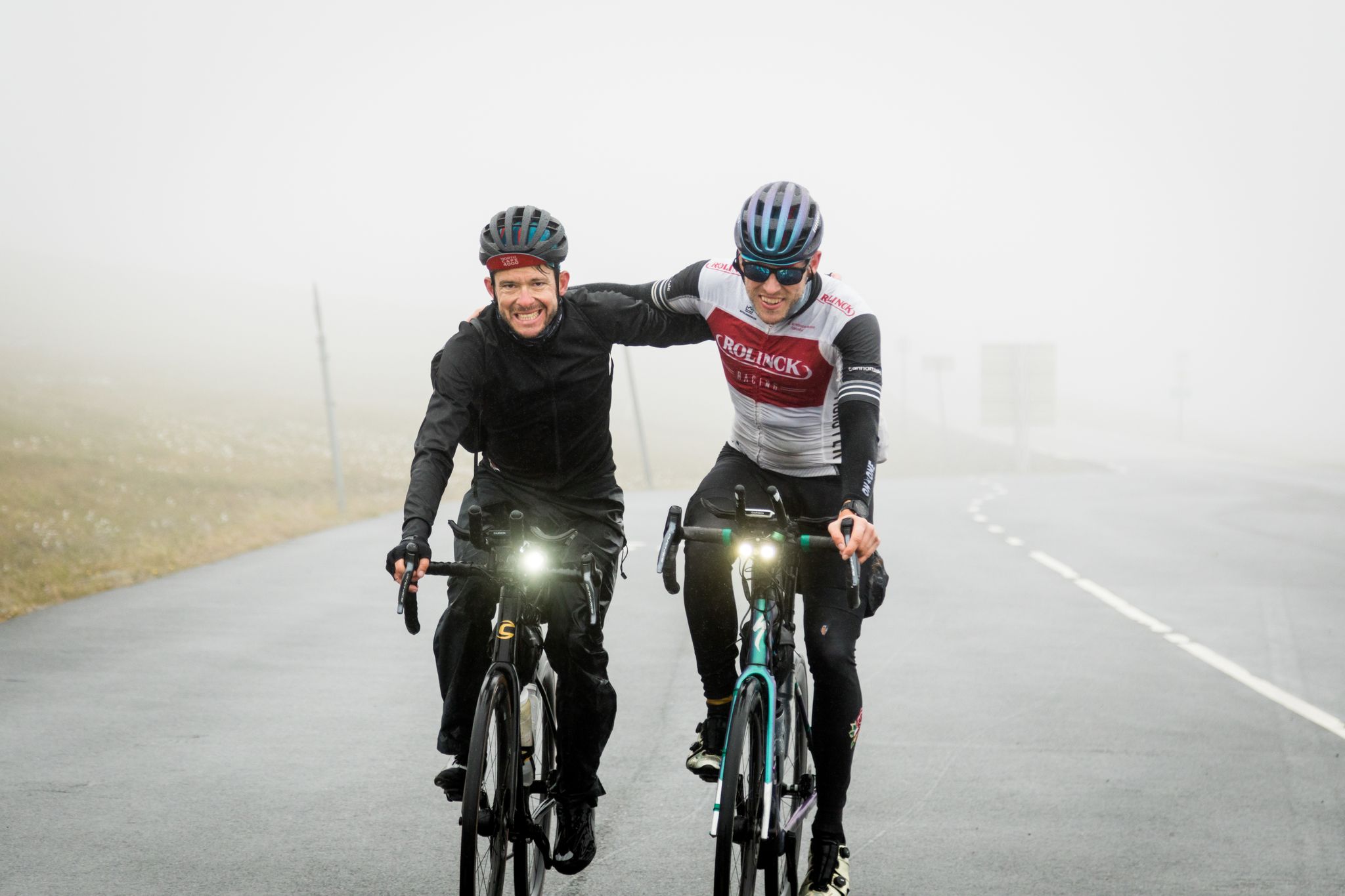
NorthCape4000 – 12 days from Lake Garda to the North Cape

Around the World in 80 Days
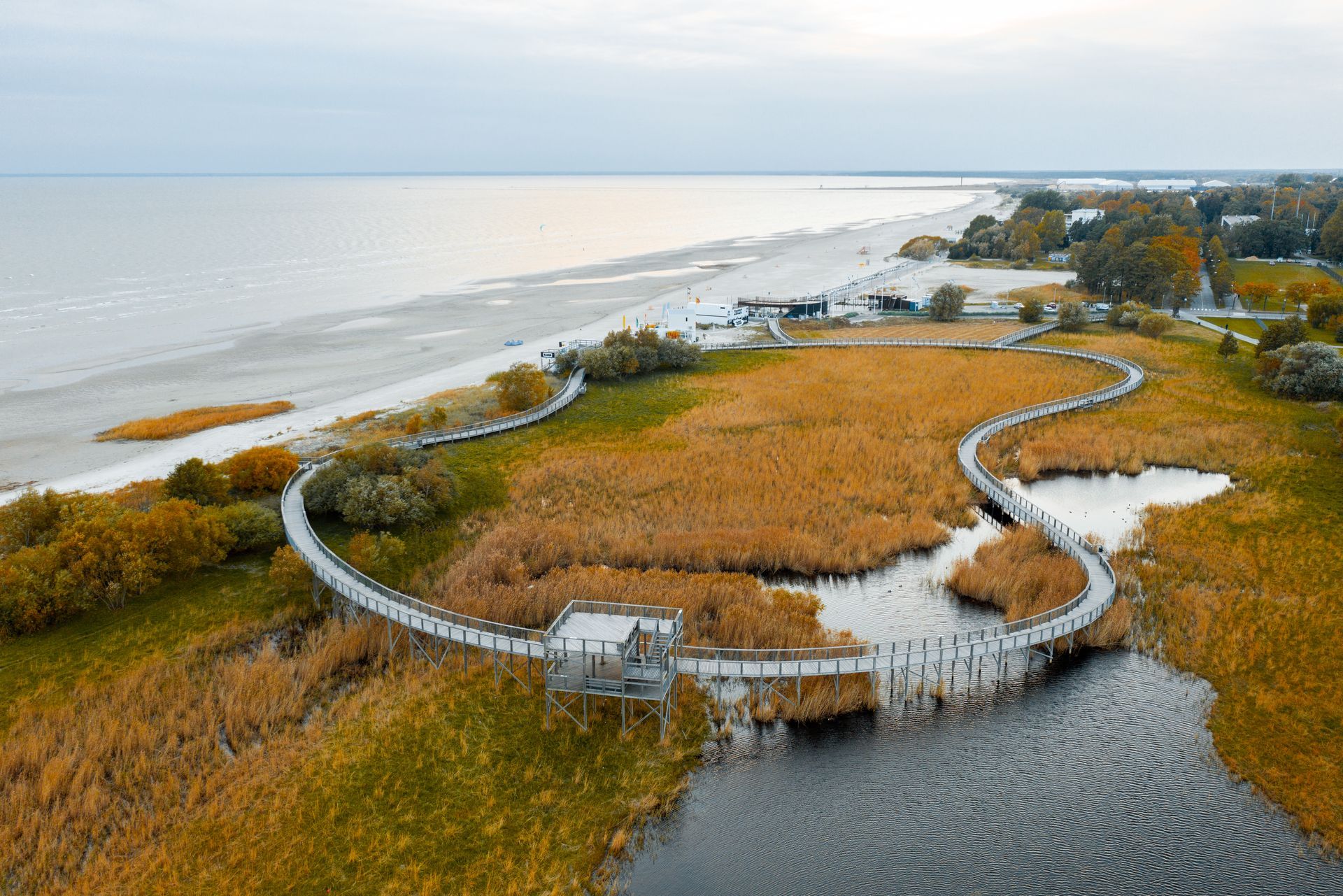
National Cycling Routes of Pärnumaa – Forest Trails, River Valleys and Coastal Roads of Western Estonia
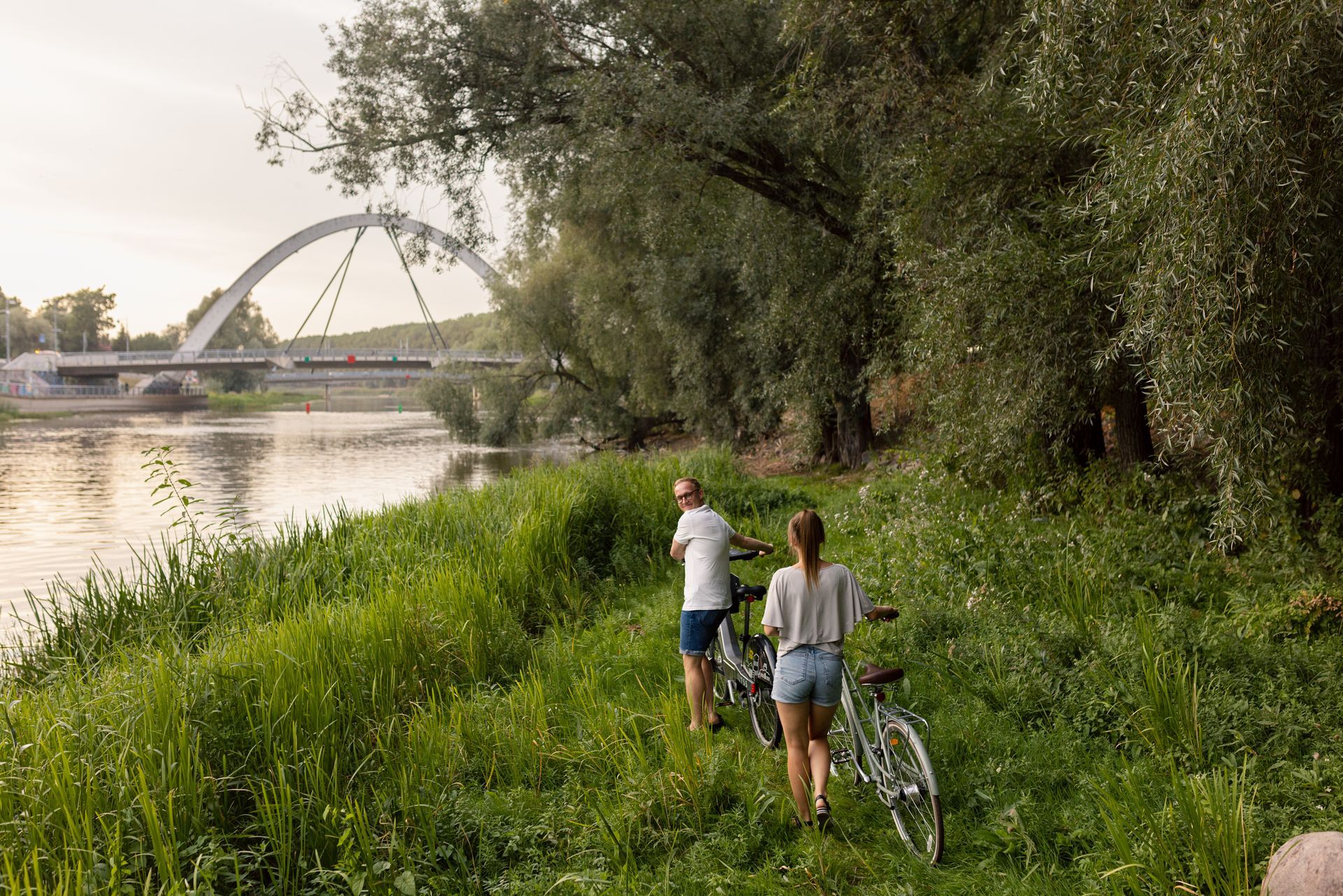
Best of National Cycling Routes in Tartu County & South-Eastern Estonia
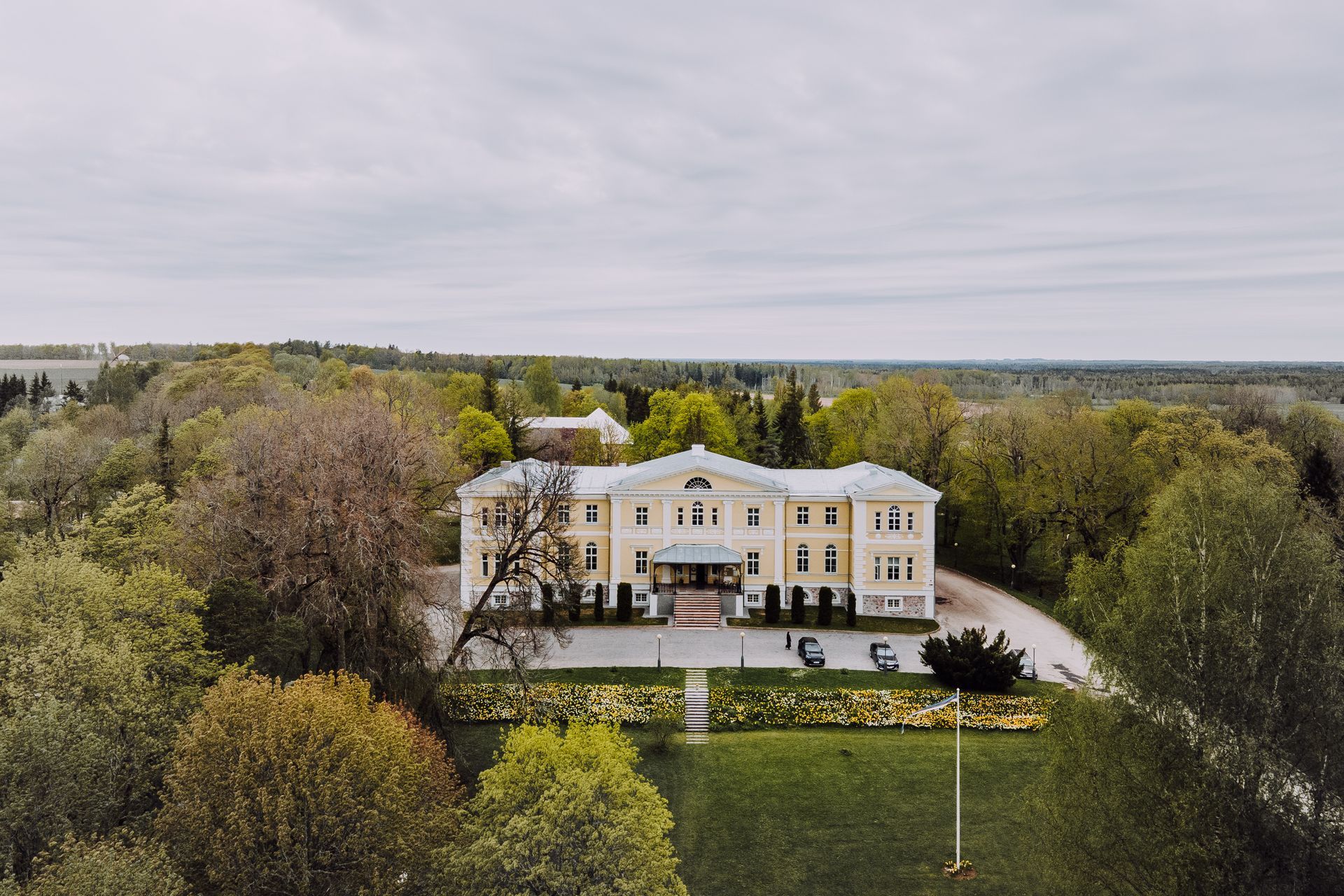
Best of National Cycling Routes in Jõgevamaa, Central & Eastern Estonia – Land of Lakes, Legends & Manors
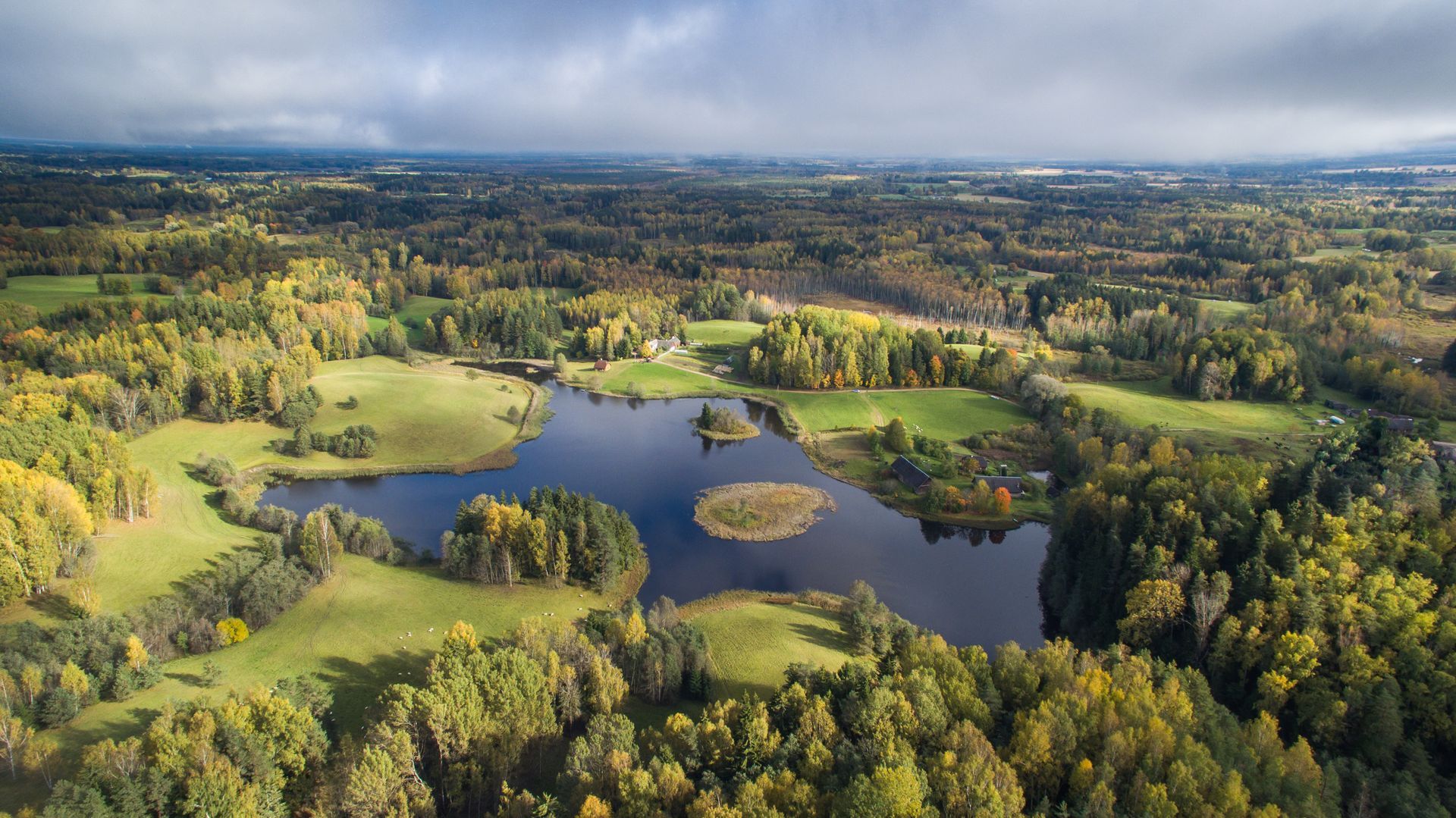
Eurovelo 11 - East Europe Route in Estonia
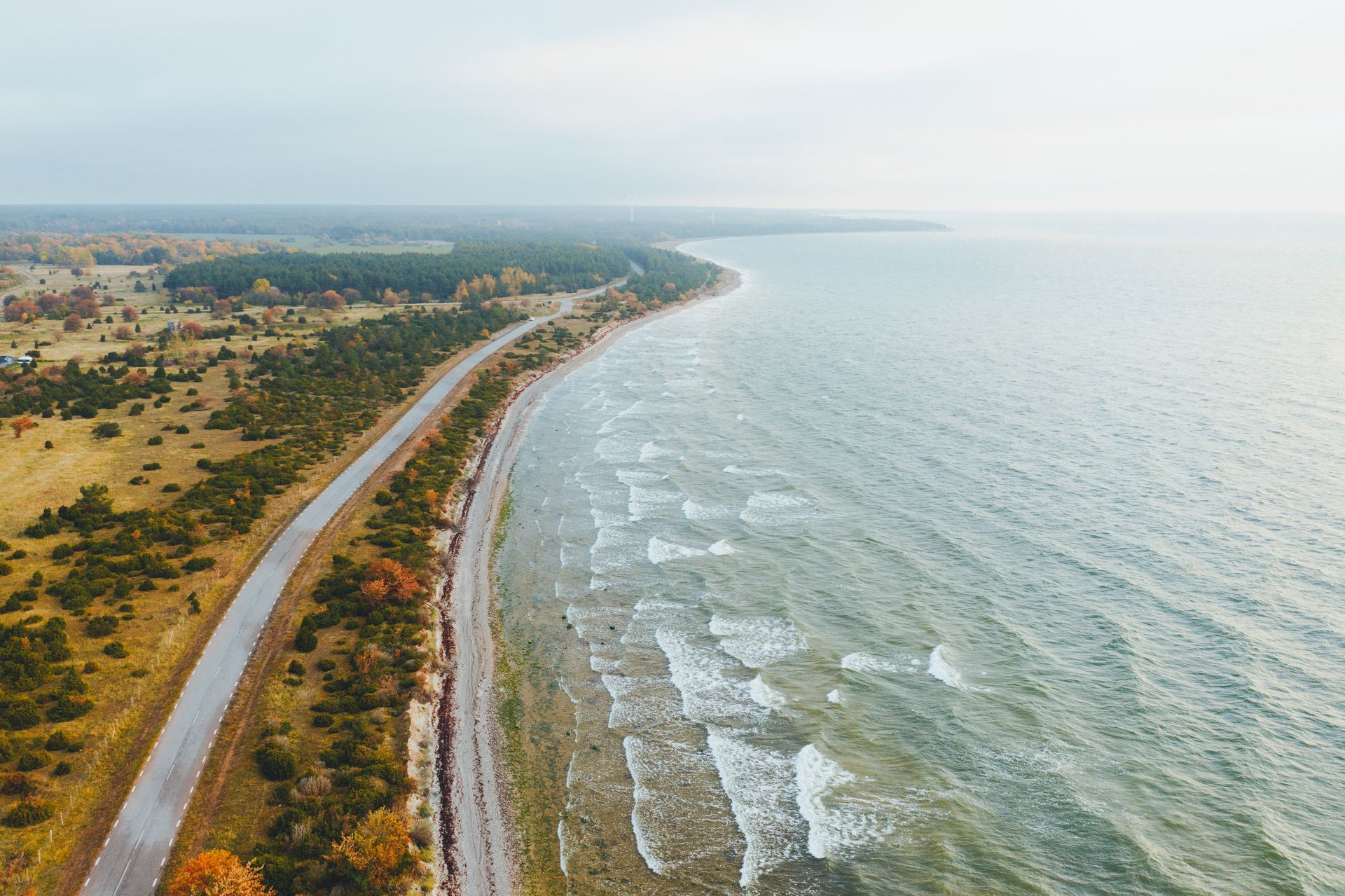
Eurovelo 10 - Baltic Sea Cycle Route in Estonia
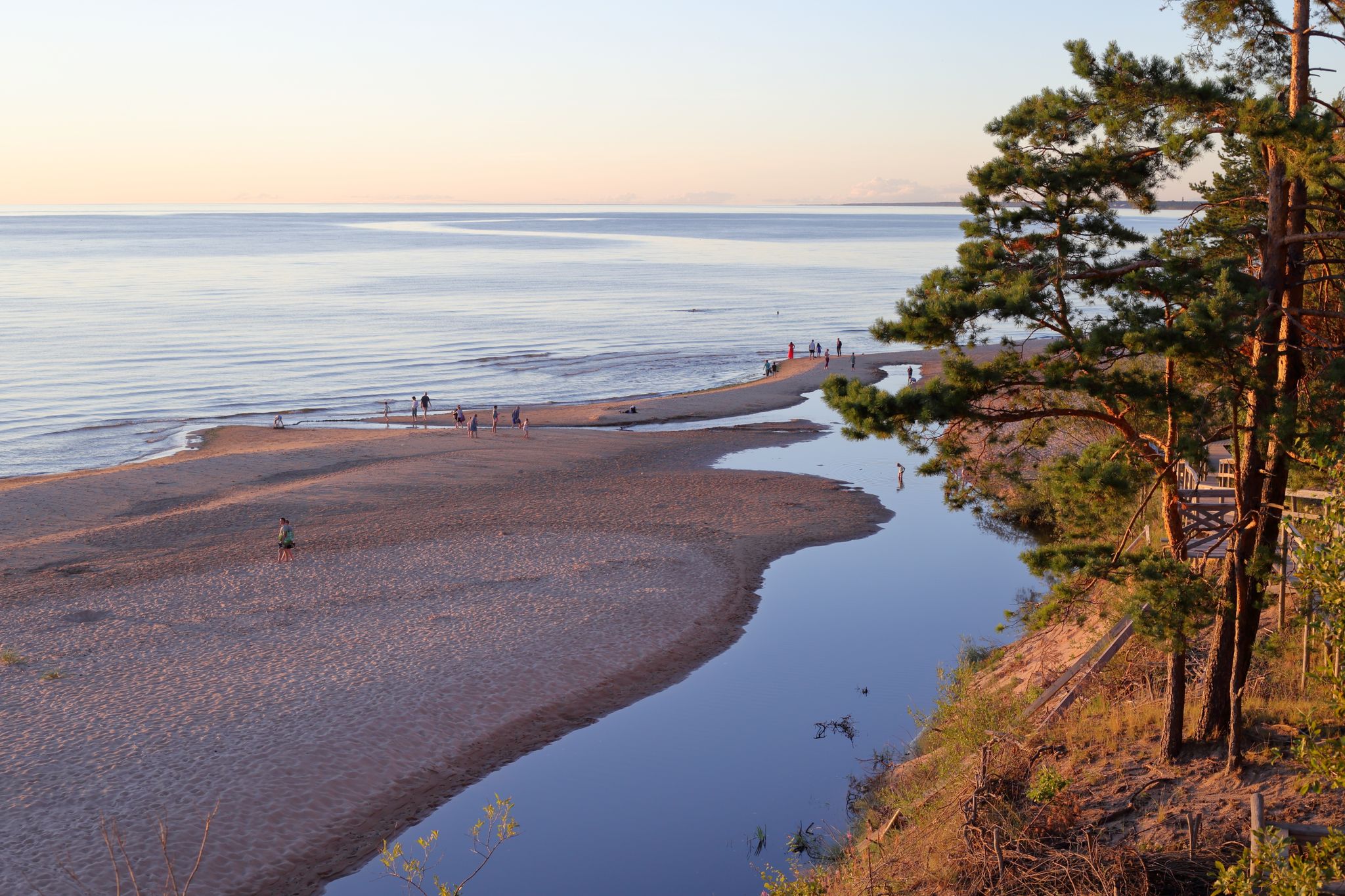
Amber, urban streets and boardwalks – a foray through Latvia
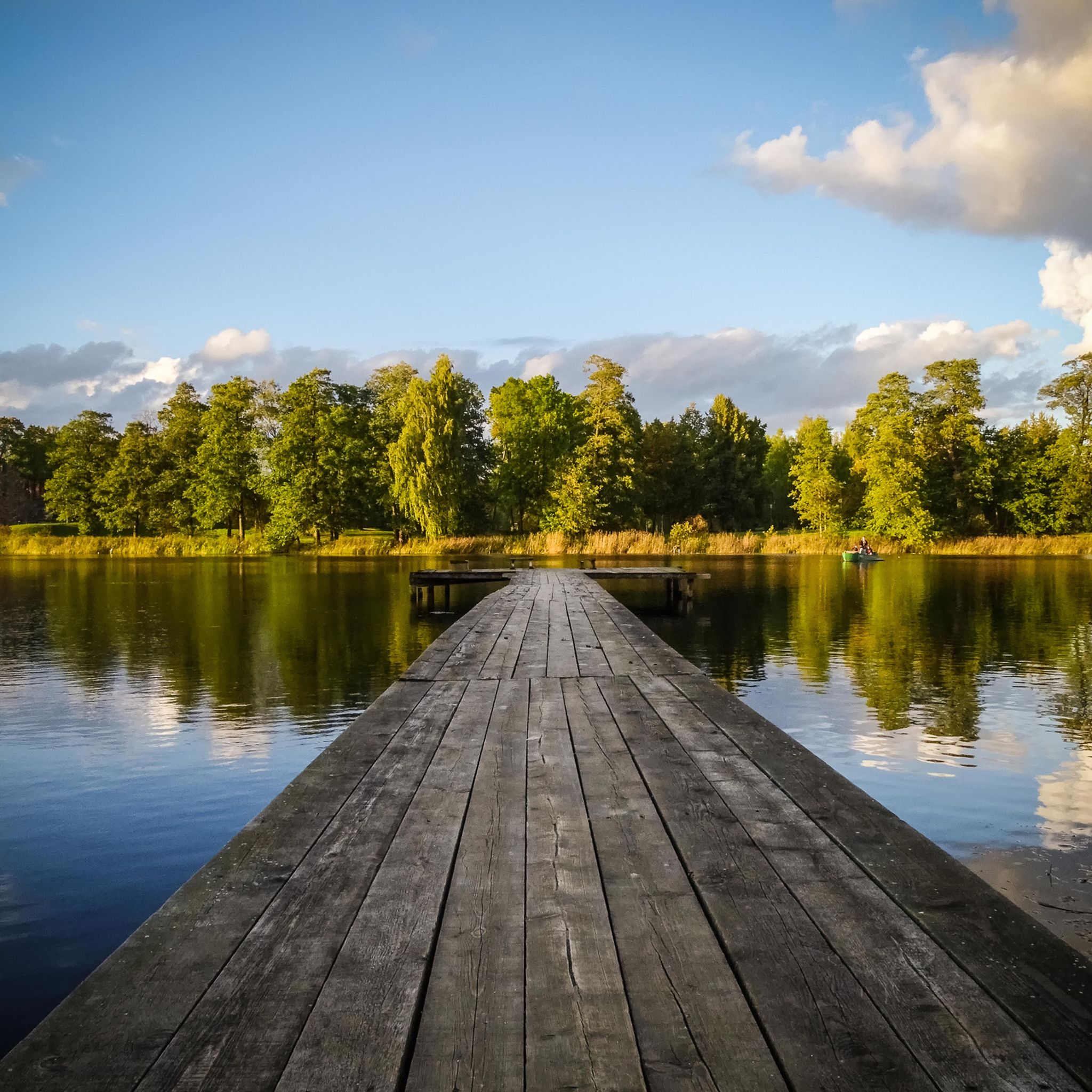
Hiking in Latvia
Running Trails in Latvia
Other adventures in Latvia


Tips from the Community

Be sure to go up the tower. It offers a fantastic view of Riga.
2
0

The observation tower in Ķemeri National Park offers a unique opportunity to see the vast moorland and its numerous lakes from a bird's eye view. The wooden path leads through the mystical landscape of the raised moor, past small bodies of water, moor lenses and gnarled pines that seem like guardians of the moor. The mood varies depending on the time of day: at sunrise, a soft, golden light spreads over the moor, piercing the mist and transforming the surroundings into an almost unreal scene. The tower itself is a highlight in itself and ensures that the impressive views are not only reserved for experienced hikers. It is easily accessible and offers seating to enjoy the view for longer. This place is particularly popular with bird watchers, who have a good overview of the entire landscape from here. However, please observe local regulations and environmental protection to respect this fragile nature.
0
0
Strolling through the streets of Riga's Old Town, you can hardly miss Riga Cathedral. It stands imposingly in the heart of the city and exudes an almost timeless calm. But this place was not always so peaceful. Founded in 1211, the cathedral has seen a lot over the past 800 years - from religious power struggles to remodeling during the various eras that have shaped the city. In the 16th century, when Riga was under the influence of the Reformation, the cathedral lost its central role in Latvia's Catholic Church. But instead of being forgotten, it found new meaning - as a Lutheran cathedral. A symbolic change that had a strong impact on the city and its citizens. Today, when you stand under the impressive Gothic vault, you can feel the layers of history that are literally imposing themselves here. Riga Cathedral is a testament to the architectural fusion of different eras. Here you will see Gothic towers, Baroque decorations and even Art Nouveau elements. This makes a visit a journey through time. The cloister is particularly exciting, which takes you back to the Middle Ages - once a place for religious processions, today a small museum that houses old cannons and other historical artifacts. But the most impressive thing for me is the organ. This massive organ with its 6718 pipes is one of the largest in the world and makes the entire cathedral vibrate. If you have the chance to attend a concert, you will understand why this church is one of the most important in the Baltics, not only architecturally but also acoustically.
4
0
Bastejkalns Park in Riga is a small paradise in the middle of the city. What particularly appealed to me are the different paths that meander through the greenery - ideal for taking a break from the city hustle and bustle. The landscape is varied: rolling hills, a small canal with charming bridges and even small waterfalls that create a relaxing atmosphere. The history of this place gives it a special depth. Where fortifications once stood, you will now find a well-kept park that invites you not only to stroll but also to explore. The bridges and cataracts that lead over the canal are real eye-catchers and offer great photo opportunities. Particularly impressive is the Timm Bridge, which was built in 1900 and gives the park a nostalgic charm. While you are here, you can discover numerous monuments, including the Freedom Monument and the Armitstead Monument, which commemorates the former mayor of Riga. When exploring the park on foot, take time to discover the small details such as the "Peace Dance" sculpture, which give the place a special artistic touch. The park is perfect for a short breather on your tour of the old town or as a starting point for a leisurely boat trip on the canal - if you feel like it.
1
0
The Freedom Monument in Riga, also known as Brīvības piemineklis, is an essential stop for many during a walk through the city. Even from a distance, the 42-meter-high column, crowned by the figure of "Milda" holding three stars in her hands, is impressive. These symbolize the historical regions of Latvia, and as you stand in front of the monument, you can literally feel the history in the air. It is not just the height that is interesting, but also the symbolism that lies in every detail. Milda looks determinedly west, which clearly shows where Latvia has turned its gaze in difficult times. The sculptures on the base tell of the country's determination to fight for freedom and independence. The changing of the guard, which takes place several times a day, also gives the place a solemn atmosphere. What particularly struck me is the calm, almost contemplative mood around the monument, despite its central location. You could spend a long time here, looking at the details of the reliefs and thinking a little about Latvia's eventful history. However, you have to be prepared for the fact that the square is often well attended - especially on sunny days you will meet many people who also want to enjoy the atmosphere. A little tip from me: If you want to experience the monument in peace, the early morning is the best time. Then you have the opportunity to have Milda and the impressive reliefs almost to yourself. A walk from here into the old town is a nice continuation of your tour of discovery.
7
0

The pictures speak for themselves. Incredible view over the moor.
0
1
The pictures speak for themselves.
0
1

You shouldn't miss a visit to the market halls. Lots of fresh fish are on offer. New for us: calamari from the Baltic Sea.
3
1
Frequently Asked Questions
What historical sites should I visit in Latvia?
Latvia boasts a rich history with numerous sites to explore. In Riga, don't miss the beautifully restored House of the Blackheads, a historical landmark originally built in 1334. The Riga Old Town (Vecrīga) itself is a UNESCO World Heritage site, offering cobbled streets and historic architecture. Beyond Riga, consider visiting Rundāle Palace, often called the 'Versailles of the Baltics,' or the Turaida Museum Reserve with its medieval castle and panoramic views of the Gauja River Valley.
Are there any significant natural attractions in Latvia?
Absolutely. Latvia is known for its diverse natural landscapes. Kemeri Bog Observation Tower offers a fantastic view over the high moor with its countless lakes within Ķemeri National Park. Gauja National Park, known as the 'Switzerland of Latvia,' features rolling forests, sandstone cliffs, and the famous Gutman's Cave. Jūrmala is also a popular choice for its long white-sand beaches.
What are some family-friendly attractions in Latvia?
Many attractions in Latvia are suitable for families. In Riga, the House of the Blackheads, Freedom Monument, and Bastejkalns Park are all listed as family-friendly. Outside the capital, the Latvian Ethnographic Open-Air Museum provides an engaging look at historical rural life, and the beaches of Jūrmala offer a relaxing day out for all ages.
What outdoor activities can I do near these attractions?
Latvia offers a variety of outdoor activities. Near many attractions, you can find excellent cycling and hiking opportunities. For example, there are numerous cycling routes in the region, including options like the 'Freedom Monument (Riga) – View of Riga Old Town loop' or the 'Lielupe River Bridge – Riga–Jurmala Cycle Route loop'. For hikers, explore trails like the 'Raven’s ravine & cave – View of Turaida Castle loop' near Sigulda. You can find more details on these and other routes in the Cycling in Latvia and Waterfall hikes in Latvia guides.
Are there any unique cultural experiences in Latvia?
Riga is renowned as the Art Nouveau capital of the world, with over 800 buildings in this distinctive style, particularly on Alberta and Elizabetes Streets. The Latvian Ethnographic Open-Air Museum offers a unique glimpse into traditional Latvian rural life. Additionally, the Mežaparks Open-Air Stage in Riga is a significant cultural venue, hosting the historic Latvian Song Festival.
What is the best time to visit Latvia's attractions?
The best time to visit Latvia's attractions largely depends on your interests. Summer (June to August) offers warm weather ideal for exploring cities, enjoying beaches like Jūrmala, and outdoor activities in national parks. Spring (April-May) and Autumn (September-October) provide milder temperatures and beautiful scenery, such as the fish migration at Ventas Rumba waterfall in spring. Winter (November-March) offers opportunities for winter sports and a festive atmosphere in cities, though some natural sites might be less accessible.
Which attractions in Riga are wheelchair accessible?
Several key attractions in Riga are noted for their accessibility. The House of the Blackheads, Freedom Monument, and Bremen Town Musicians Sculpture are all listed as wheelchair accessible. While exploring Riga Old Town, be aware that some cobbled streets might present challenges, but main thoroughfares are generally manageable.
Where can I find the best viewpoints in Latvia?
For stunning panoramic views, head to the Kemeri Bog Observation Tower, which provides a unique perspective over the high moor. In Riga, the tower of St. Peter's Church offers breathtaking cityscapes. The Turaida Castle in Gauja National Park also provides excellent views of the Gauja River Valley.
Are there any hidden gems or less-known places to visit?
Beyond the main tourist spots, consider exploring the charming town of Kuldīga, known for its picturesque old town and the widest waterfall in Europe, Ventas Rumba. The Karosta area in Liepāja, a former Soviet military base, offers a unique and intriguing historical experience, including the Karosta Prison. Another interesting site is the Līgatne Bunker, a formerly secret Soviet bunker preserved as a museum.
What do visitors enjoy most about Latvia's attractions?
Visitors frequently praise the blend of historical charm and natural beauty. Many enjoy roaming the streets of Riga Old Town, discovering its historic buildings and Art Nouveau architecture. The panoramic views from the Kemeri Bog Observation Tower are often highlighted as spectacular. The historical significance of sites like the Freedom Monument also resonates deeply with visitors.
How can I experience Latvia's natural parks?
Latvia's national parks, such as Gauja and Ķemeri, are best experienced through hiking and exploring their unique ecosystems. In Ķemeri National Park, boardwalks allow you to traverse the Great Ķemeri Bog, especially beautiful at sunrise. Gauja National Park offers extensive hiking trails, canoeing on the Gauja River, and opportunities for wildlife spotting amidst its forests and sandstone cliffs.
What are the main differences between Riga and Sigulda attractions?
Riga, as the capital, is primarily known for its urban historical and cultural attractions, including the Old Town, Art Nouveau architecture, and significant monuments like the Freedom Monument. Sigulda, often called the 'Switzerland of Latvia,' is more focused on natural beauty and outdoor activities, featuring rolling valleys, forests, and castles like Turaida Castle, as well as natural wonders like Gutman's Cave and a bobsled track.
Most popular routes in Latvia
Most popular attractions in Latvia

Get inspired with the komoot mobile app


Didn’t find what you were looking for?
Are you keen on exploring more awesome places nearby? Browse our guides:
Explore more
Still not found the Highlight you’re looking for? See guides of the top attractions in other regions:
