Top 20 Castles in Latvia
Castles in Latvia offer a journey through centuries of history, showcasing diverse architectural styles from medieval fortifications to opulent palaces. These structures are often situated amidst picturesque natural landscapes, including river confluences and national parks. They provide insights into the country's past, reflecting periods of strategic importance and grandeur. Latvia's terrain features a variety of settings for these historical landmarks.
Best castles in Latvia
- The most popular castles is Cēsis New Castle, a castle that is a significant testimony to history. This impressive building stands right next to the entrance to the old castle.
- Another must-see spot is Turaida Castle, a reconstructed 13th-century castle. From its keep, visitors have views of the surrounding forests and the Gauja river.
- Visitors also love Riga Castle, a castle built over 700 years ago. It is now the seat of the Latvian President.
- Latvia is known for medieval ruins, stately palaces, and reconstructed fortresses. These structures offer a glimpse into the country's past, showcasing diverse styles and historical significance.
- The castles in Latvia are appreciated by the komoot community, with 40 highlights and more than 50 photos shared.
Last updated: July 1, 2026
Small Guild (Mazā Ģilde), Riga
Highlight • Historical Site
As you stroll through the streets around the guild, you are quickly surrounded by old facades and charming corners. The atmosphere here is particularly calm, despite the proximity to the bustling old town. A walk through this part of Riga brings with it a little leap back in time, and if you walk carefully through the alleys, you will always find small architectural details that tell the history of the city.
Translated by Google •
Tip by

Turaida Castle
Highlight • Castle
Translated by Google •
Tip by

Sign up now to discover places like this
Get recommendations on the best single tracks, peaks, & plenty of other exciting outdoor places.
Sign up for free
Cēsis New Castle
Highlight • Castle
Translated by Google •
Tip by

Riga Castle and Presidential Residence
Highlight • Castle
When you look at the castle, you can see the mixture of medieval fortress architecture and baroque and classicist elements that make up the charm of the complex. The white towers, the red roofs and the well-kept forecourt invite you to take a stroll. The contrast between the historic facade and the modern political center that the castle is today is particularly impressive.
Interestingly, despite its historical roots, the castle not only serves as a symbolic place to this day, but remains a functioning official residence.
Translated by Google •
Tip by
Interior of Rundāle Palace
Highlight • Historical Site
Translated by Google •
Tip by

Cēsis Castle - Wenden Castle
Highlight • Castle
Built by the Order of the Brothers of the Sword in the first quarter of the 13th century, it replaced a wooden predecessor and after the incorporation of the Order of the Brothers of the Sword into the Teutonic Order under Hermann von Balk, it became the headquarters of the Livonia Mastership. By the beginning of the 15th century, Balk's successors had expanded the castle into a closed four-wing complex with three fortified outer baileys. During the 15th to 17th centuries the complex was besieged, conquered, devastated and damaged several times and finally abandoned after 1703. By that time it had already decayed.
In the 18th century, the owners at the time, the von Wolff family, had a manor house built as a new residence in the area of one of the outer baileys, and from 1812 the Sievers family laid out a landscaped garden in a romantic style. Although the first maintenance measures in 1912 were followed at regular intervals by further maintenance and restoration measures, the castle remained a ruin despite existing reconstruction plans, which is today one of the main tourist attractions of the city of Cēsis.
The complex has been listed as a cultural monument since December 16, 1998 and is one of the best-preserved castle ruins in Latvia. The castle hill called Nussberg, on which the previous wooden structure stood, has also been protected as a monument since the same day (Wikipedia).
Translated by Google •
Tip by
Rundāle Palace Park
Highlight • Castle
Translated by Google •
Tip by
Powder Tower (Svina Tornis), Riga Castle
Highlight • Castle
Translated by Google •
Tip by

Sigulda New Castle
Highlight • Castle
Translated by Google •
Tip by

Krimulda Medieval Castle Ruins
Highlight • Castle
Translated by Google •
Tip by
Sign up for free to discover even more castles in Latvia.
Sign up for free
Already have an account?
Start today with a free account
Your next adventure awaits.
Login or Signup
Popular around Latvia
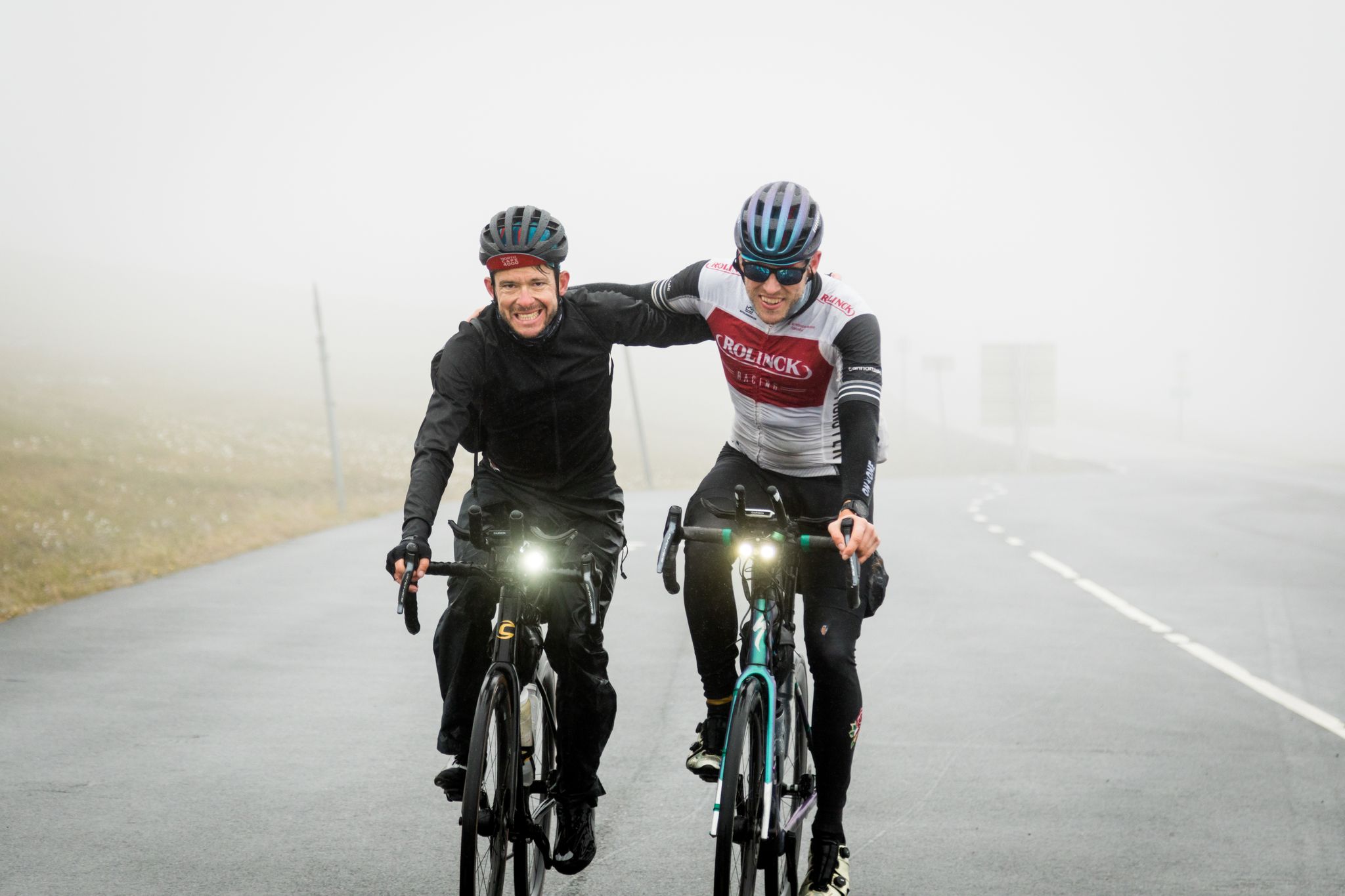
NorthCape4000 – 12 days from Lake Garda to the North Cape

Around the World in 80 Days
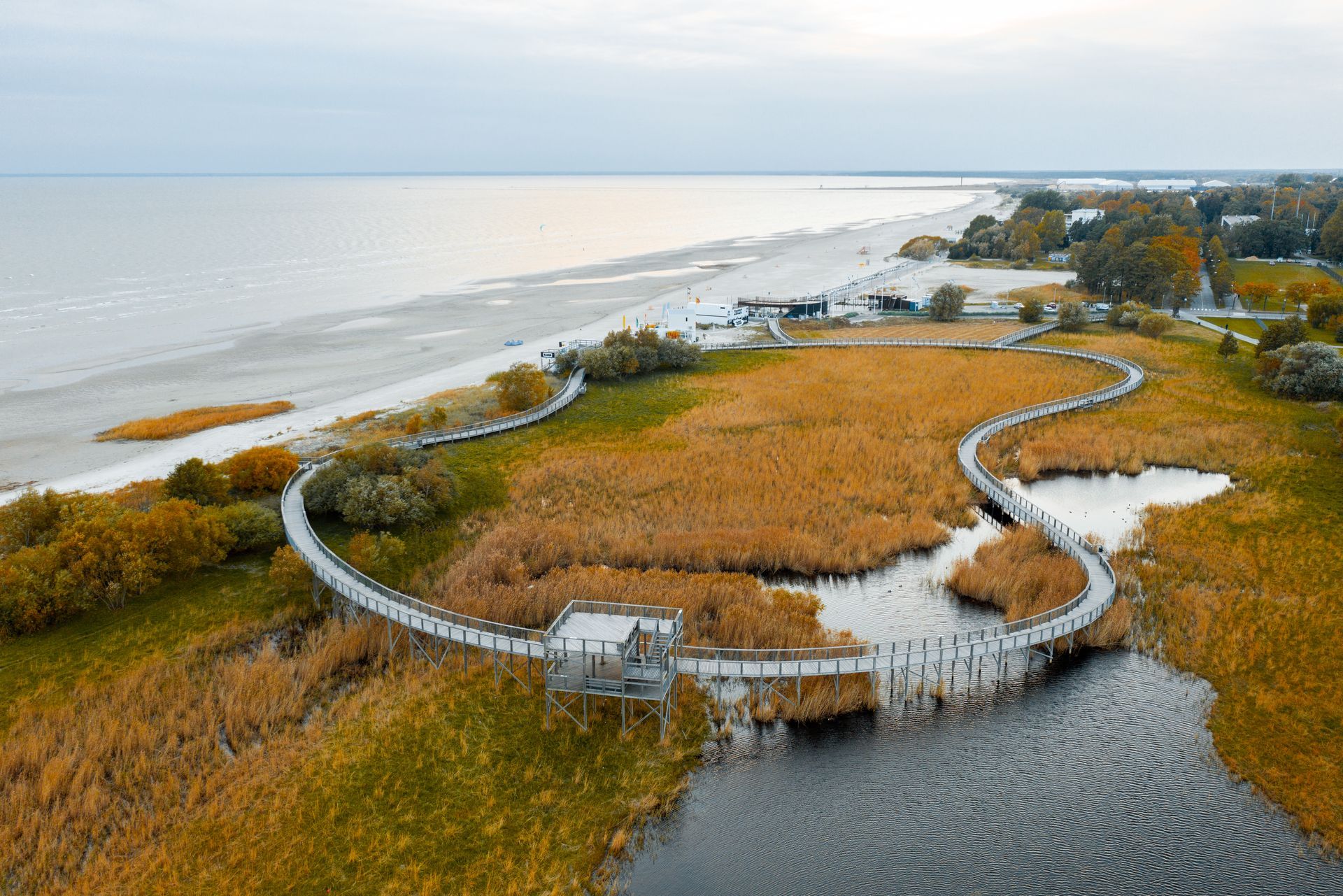
National Cycling Routes of Pärnumaa – Forest Trails, River Valleys and Coastal Roads of Western Estonia
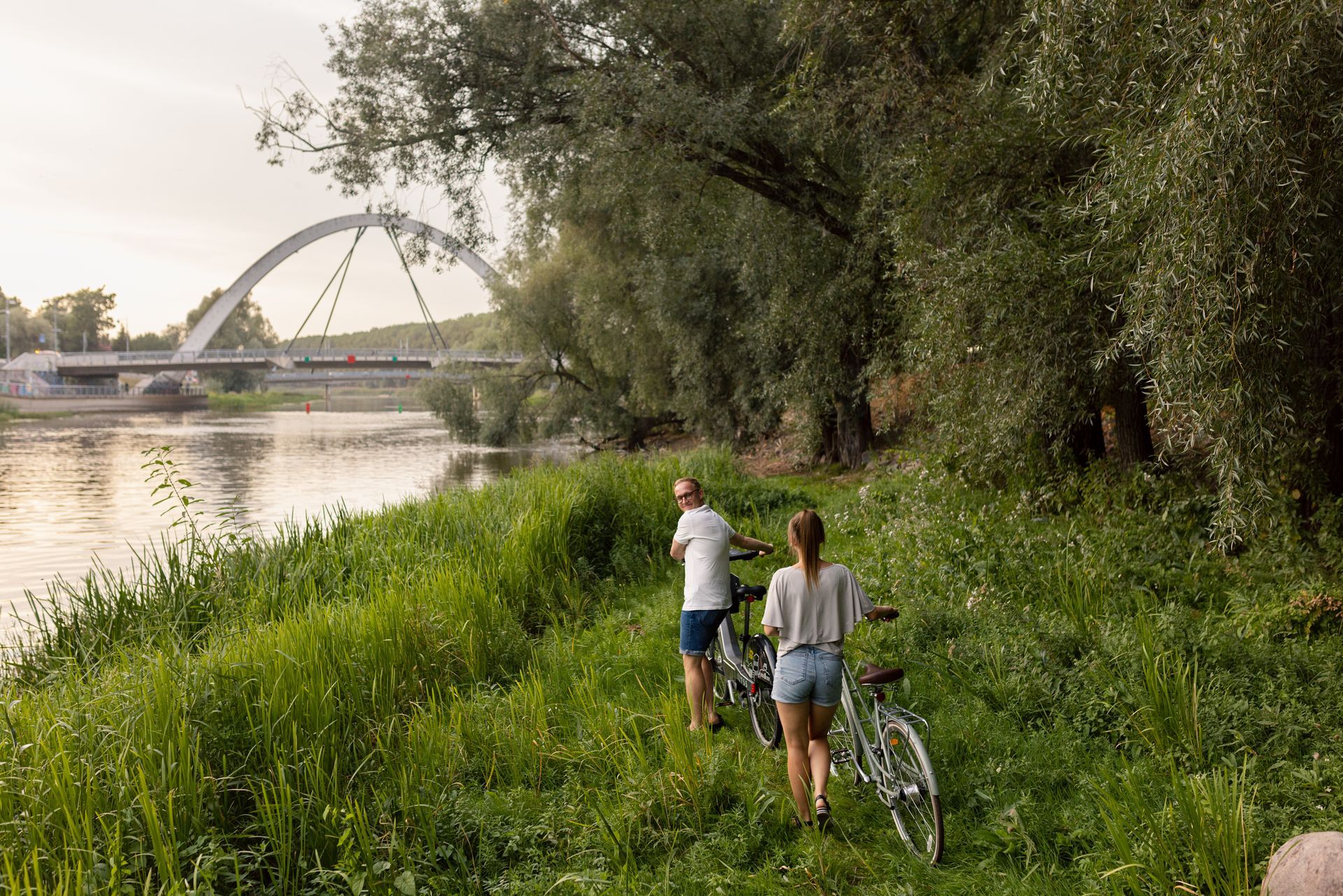
Best of National Cycling Routes in Tartu County & South-Eastern Estonia
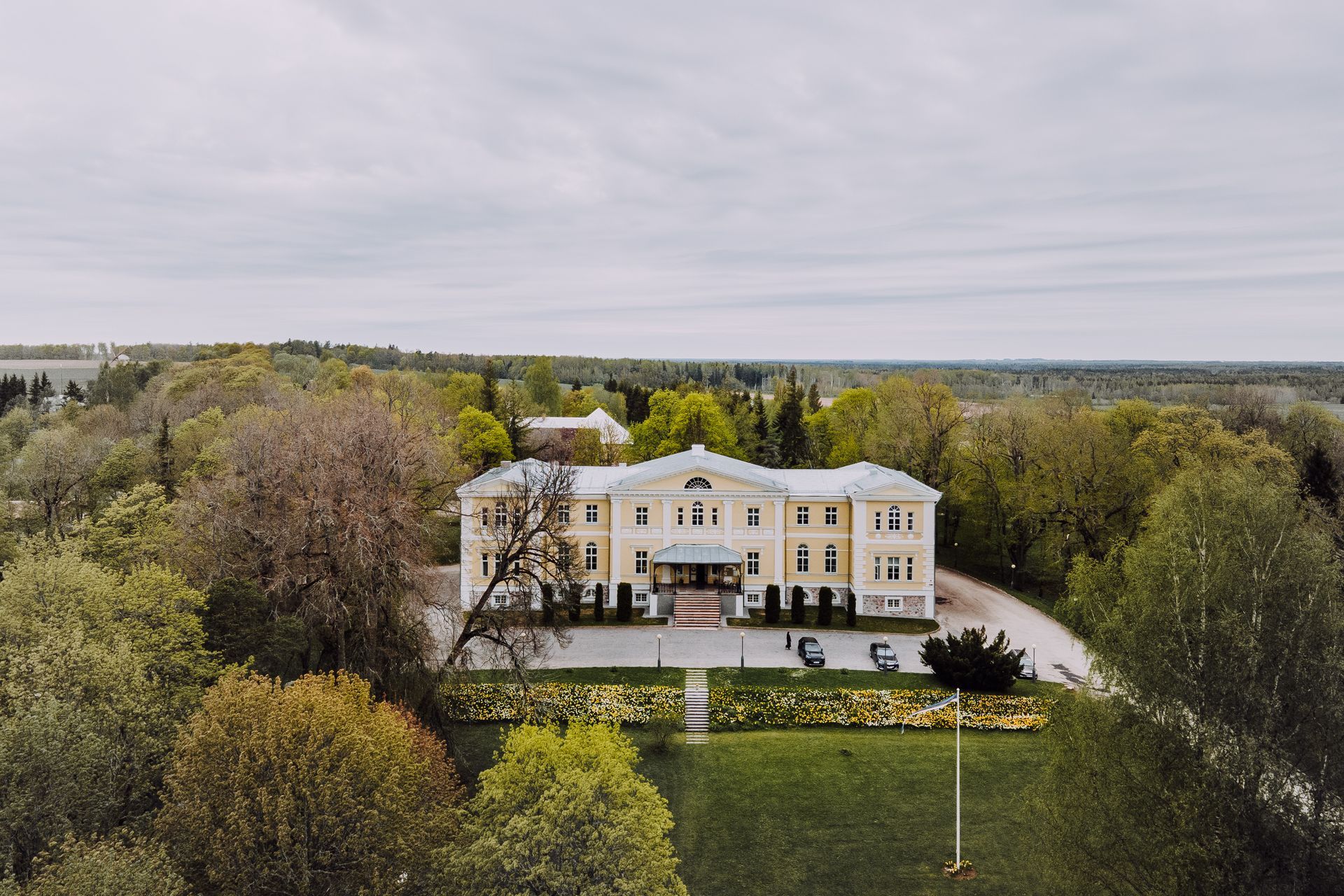
Best of National Cycling Routes in Jõgevamaa, Central & Eastern Estonia – Land of Lakes, Legends & Manors
Eurovelo 11 - East Europe Route in Estonia
Eurovelo 10 - Baltic Sea Cycle Route in Estonia
Amber, urban streets and boardwalks – a foray through Latvia
Hiking in Latvia
Cycling in Latvia
Other adventures in Latvia


Tips from the Community

Especially the diverse playroom with a billiard table from 1770
0
0
Also exciting are the clothes of the castle residents and the well-preserved bathing utensils
0
0

One can't help but be amazed by the many wonderful buildings.
0
0

Today, Riga Castle is the official residence of the President.
1
0
The new castle and the old Teutonic castle, which was built in 1212.
1
0

Cremon/Krimuldas Castle was built shortly after 1250 for representative purposes and to protect and manage the estates of the Archbishop of Riga. It was destroyed in 1601 during the Polish-Swedish War. The estate continued to operate, and Krimuldas Palace was built approximately 200 meters to the west to replace the castle. The southern façade of the palace was restored as an artificial ruin to complement its park.
0
0

We can also recommend the cafe, which can also be booked for festive occasions
0
0

Treyden Castle is the ruin of a bishop's castle of the Archbishopric of Riga, which served as the Livonian Order's castle for several decades. It was built on a high ridge on the edge of the Gauja Valley in the Turaida district of the Livonian city of Sigulda. In the courtyard you can see several buildings that contain interesting exhibits and a lot of history. Everything is very nicely and informatively designed.
2
0
Frequently Asked Questions
What are some other significant castles to visit in Latvia, beyond the most popular ones?
Beyond the well-known Riga Castle, Turaida Castle, and Cēsis New Castle, Latvia offers several other notable castles. Consider visiting Rundāle Palace, a magnificent Baroque palace often called the 'Versailles of Latvia,' known for its lavish interiors and French-style gardens. Bauska Castle is unique with its two distinct sections: a ruined 15th-century Livonian Order fortress and a 16th-century palace. The Sigulda Castle complex includes both medieval ruins and a 19th-century new castle. For a picturesque ruin, Koknese Castle is situated dramatically at a river confluence. If you appreciate younger, unique architecture, Jaunmokas Manor combines Neo-Gothic and Art Nouveau styles.
Are there family-friendly castles in Latvia?
Yes, many castles in Latvia are suitable for families. Turaida Castle, Cēsis New Castle, and Riga Castle are all listed as family-friendly. Rundāle Palace, with its vast gardens, also offers a great experience for all ages. Cēsis Castle, in particular, hosts medieval games and craft workshops during summer, providing an engaging historical experience for children.
What kind of natural features can I expect to see near Latvian castles?
Latvian castles are often set amidst beautiful natural landscapes. For instance, Turaida Castle is located within the picturesque Gauja National Park, offering panoramic views of the Gauja valley from its main tower. Bauska Castle is situated at the scenic confluence of the Mūsa and Mēmele rivers. Koknese Castle, though largely in ruins, has a unique setting at water level due to the Pļaviņas Hydroelectric Station damming the Daugava River. Many castles provide excellent viewpoints of surrounding forests, rivers, and valleys.
What is the best time of year to visit castles in Latvia?
The best time to visit castles in Latvia is generally during the warmer months, from late spring to early autumn (May to September). During this period, the weather is pleasant for exploring castle grounds and gardens, and many sites offer outdoor events and activities. The French-style gardens of Rundāle Palace, for example, are particularly stunning in full bloom. While winter visits can offer a unique, snow-covered charm, some outdoor areas or specific attractions might have reduced hours or accessibility.
Are there any castles in Latvia that are particularly good for history enthusiasts?
Absolutely. For deep historical insights, Cēsis Medieval Castle, one of the oldest and best-preserved castle ruins, offers exploration of high towers and dungeons, with a unique lantern-guided tour revealing 16th-century interiors. Turaida Castle, a reconstructed 13th-century fortress, is part of a museum reserve that delves into medieval history. Bauska Castle is notable for its two distinct periods of construction, including the only Livonian Order fortress designed for firearms, and offers exhibits on courtly life.
Can I find hiking or cycling routes near Latvian castles?
Yes, many castles are situated in areas with excellent outdoor activity opportunities. Near Turaida Castle, you can find hiking routes like the 'Meadows along the Gauja River – Bridge over the Gauja River loop' or the 'Gutman's Cave – Turaida Castle loop'. For cycling, the region around Riga offers various routes. You can explore more options for hiking and cycling in Latvia by visiting the respective guides: Hiking in Latvia and Cycling in Latvia.
How long should I plan for a visit to Cēsis Castle?
To fully experience Cēsis Medieval Castle and its complex, including the Cēsis New Castle and the museum, you should plan for at least 2-3 hours. This allows time to explore the ruins, climb the towers, experience the lantern tour in the Western Tower, and visit the exhibitions in the New Castle. If you visit during summer, you might want to allocate more time for medieval games and workshops in the castle garden.
Is parking available at major Latvian castles like Rundāle Palace?
Yes, parking is generally available at major castle attractions. For example, Rundāle Palace Park is listed as having parking facilities. It's always advisable to check the specific castle's official website for the most current information on parking availability and any associated fees before your visit.
Are there any castles in Latvia that are wheelchair accessible?
While many historic castles, especially medieval ruins, may have limited accessibility due to their age and structure (e.g., stairs, uneven terrain), some sites offer better access. Modernized sections or ground-level areas of palaces like Rundāle Palace may be more accessible. It is recommended to contact specific castles directly to inquire about their current accessibility features and facilities for visitors with mobility needs.
What cultural experiences can I find near Latvian castles?
Many castles are integrated into broader cultural experiences. The Turaida Castle is part of the Turaida Museum Reserve, which includes an 18th-century wooden church and a sculpture park. The Cēsis Castle complex includes the New Castle, which houses a museum on local history, and the castle garden hosts medieval events. Rundāle Palace frequently hosts art exhibitions, concerts, and cultural events, making it a vibrant cultural hub.
Are there any castles that offer unique views or photo opportunities?
Many Latvian castles provide stunning views. The cylindrical main tower of Turaida Castle offers excellent panoramic views across the Gauja valley. The high towers of Cēsis Medieval Castle provide views of the surrounding town. The Great Tower of Bauska Castle offers expansive views of the Mūsa and Mēmele river confluence and the surrounding landscape. These locations are perfect for photography enthusiasts.
What is the difference between Rundāle Palace and Turaida Castle?
Rundāle Palace and Turaida Castle represent different eras and architectural styles. Rundāle Palace is an 18th-century Baroque and Rococo masterpiece, designed by Rastrelli, known for its opulent interiors and formal French gardens. It reflects a period of ducal grandeur. Turaida Castle, on the other hand, is a reconstructed 13th-century medieval fortress, showcasing earlier military architecture and offering insights into the Livonian Order's history, set within a national park. While Rundāle is about lavish court life, Turaida is about medieval defense and regional history.
Most popular routes in Latvia
Most popular attractions in Latvia

Get inspired with the komoot mobile app


Didn’t find what you were looking for?
Explore Latvia’s best castles region by region:
Explore more
Looking for the best castles somewhere else? Discover other guides in Latvia:
