Top 8 Lakes in Hoover Wilderness
Best lakes in Hoover Wilderness are found within a spectacular area bordering Yosemite National Park in California's Sierra Nevada. This region is known for its numerous pristine alpine lakes, making it a destination for outdoor activities. The Hoover Wilderness features rugged terrain, sweeping meadows, and high canyon cliffs. It offers diverse lake basins, including the popular Twenty Lakes Basin and Virginia Lakes Basin.
Best lakes in Hoover Wilderness
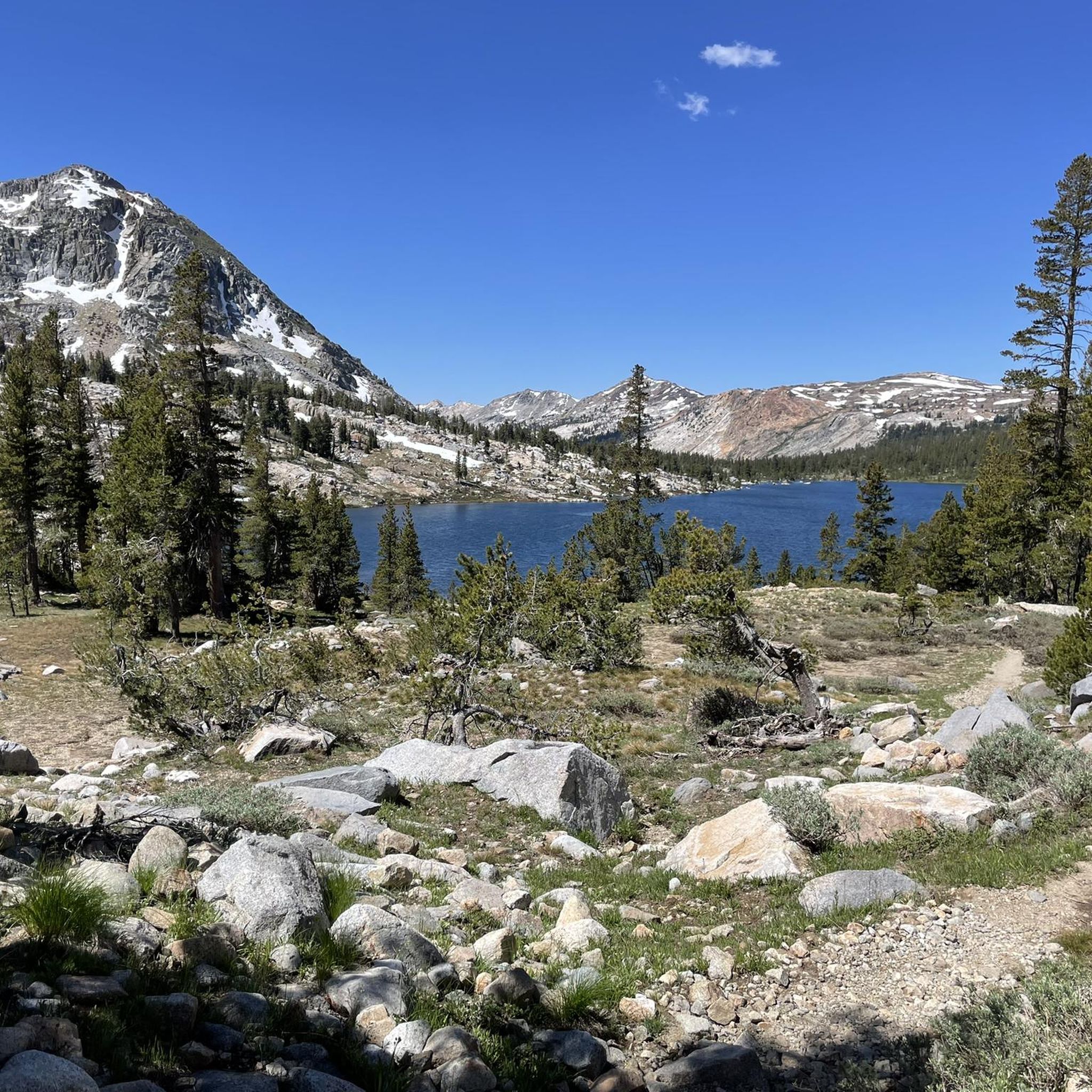
- The most popular lakes is Blue Lake (Hoover Wilderness), a lake that is the first in a series along the Green Creek Trail. It is set in a wooded area and offers views of Black Mountain.
- Another must-see spot is Cooney Lake, an alpine lake that appears to touch the mountain overlooking it. Visitors can expect views of the surrounding peaks.
- Visitors also love Upper Frog Lake, a high-altitude lake within a valley known for its many lakes. This area is part of the Toiyabe National Forest.
- Hoover Wilderness is known for its alpine lakes, interconnected lake systems, and lakes set against colorful peaks. The region offers a variety of lakes suitable for hiking, backpacking, and fishing.
- The lakes in Hoover Wilderness are appreciated by the komoot community, with 4 upvotes and 6 photos shared.
Last updated: October 2, 2026
Blue Lake (Hoover Wilderness)
Highlight • Lake
Tip by

Cooney Lake
Highlight • Lake
Tip by
Sign up now to discover places like this
Get recommendations on the best single tracks, peaks, & plenty of other exciting outdoor places.
Mine Creek Trail
Highlight (Segment) • Trail
Tip by

Upper Frog Lake
Highlight • Lake
Tip by
Lake Helen
Highlight • Lake
Tip by

Sign up for free to discover even more lakes in Hoover Wilderness.
Already have an account?
Start today with a free account
Your next adventure awaits.
Tips from the Community

Blue Lake is the first lake along the Green Creek Trail. It is set in a beautiful wooded area and gives you a great view of Black Mountain. The banks of the lake are a great spot for a break to soak up the beauty of the area.
0
0

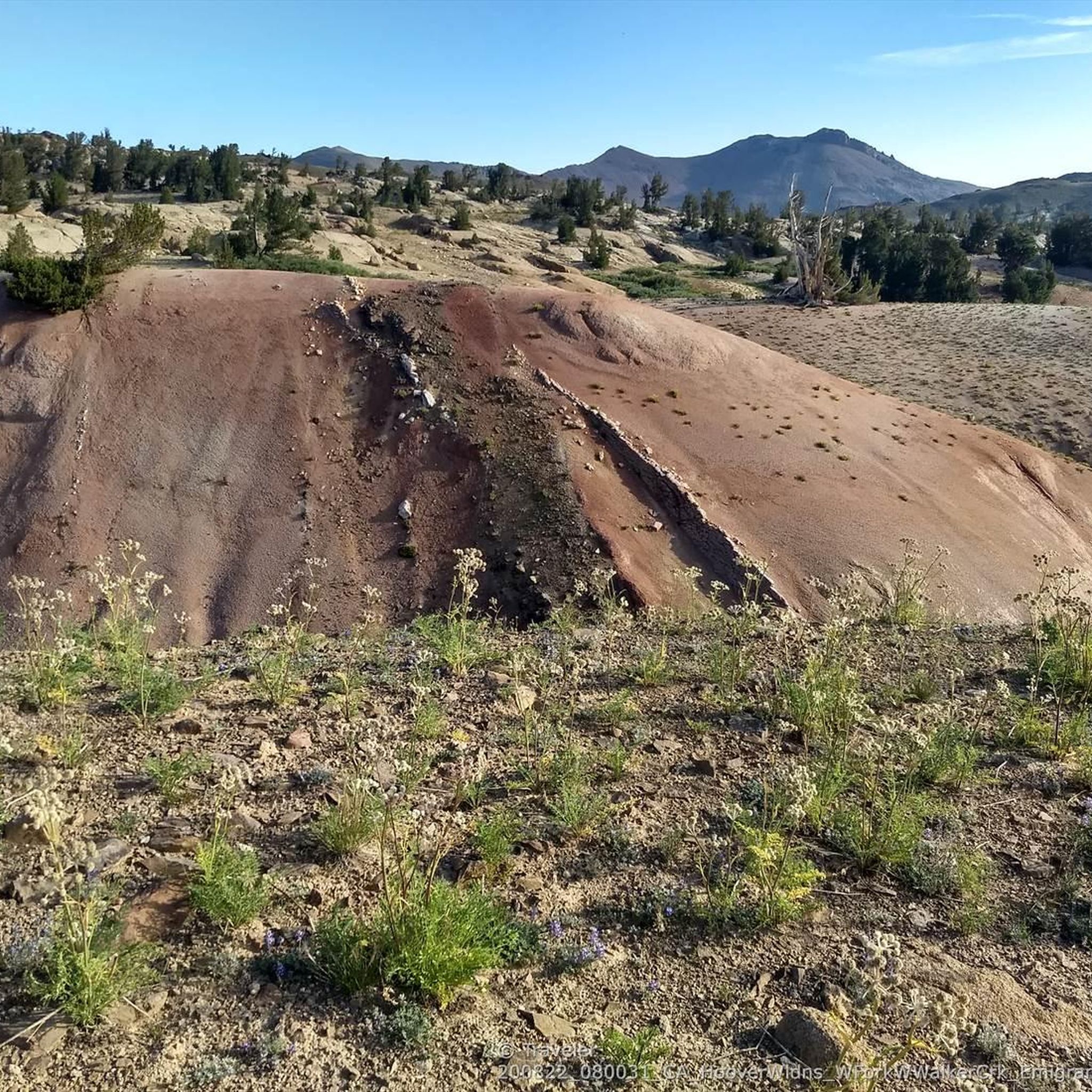
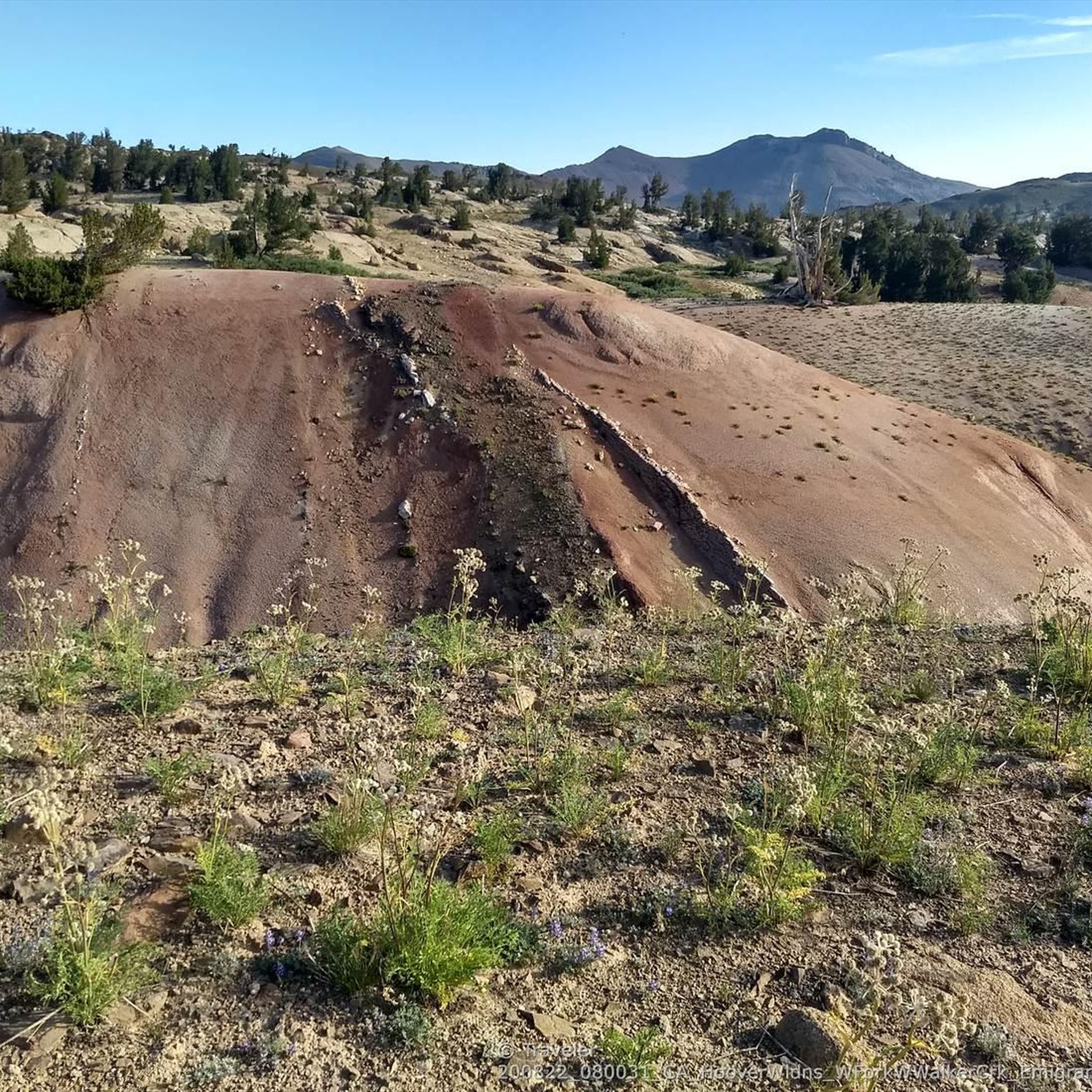
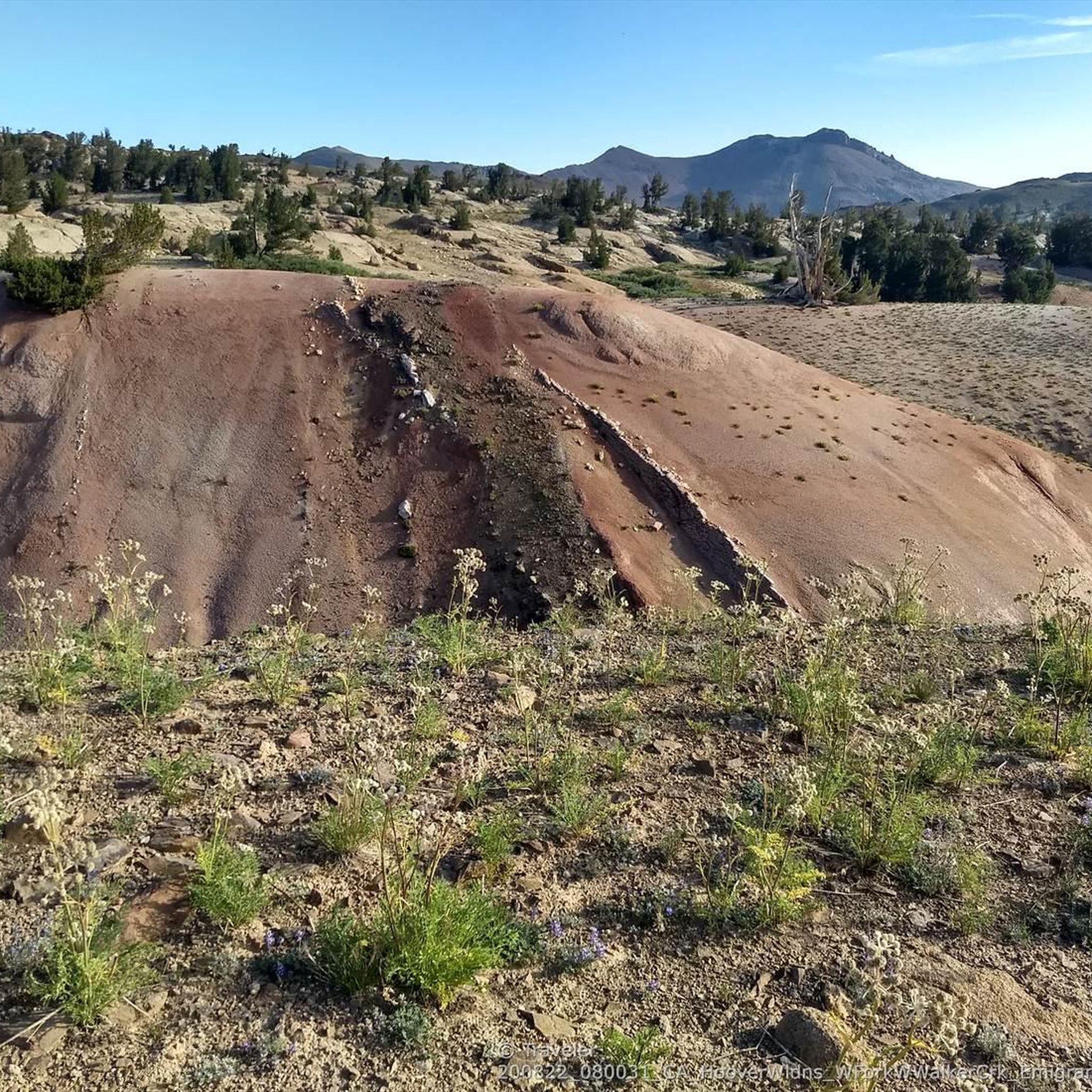
This parking area is just on the side of the highway and can be easily missed. The Mine Creek Trail passes lots of alpine lakes and ends near Maul Lake. It's also dotted with old mining equipment. It's outside Yosemite National Park but has a very similar look to some of the stunning trails inside the park.
1
0

Here is the Frog Lake. This high altitude valley has so many lakes that it has been nicknamed "Big Valley Lakes". The valley is part of the Tolyabe National Forest.
0
0
This second Alpine lake almost touches the mountain that overlooks it. At least that's the impression we get.
0
0
The Blue Lake is the first of a series of three that you will see during this easy hike.
0
0

Beautiful alpine lake at 9.900 feet at the northern end of 20-Lakes Basin, where the trail down Lundy Canyon branches off.
4
0
Frequently Asked Questions
What are some popular lake basins in the Hoover Wilderness?
The Hoover Wilderness is home to several renowned lake basins. The Twenty Lakes Basin is a favorite for its interconnected lakes and an 8.4-mile loop trail. The Virginia Lakes Basin offers stunning mountain scenery and numerous alpine lakes like Cooney Lake and Upper Frog Lake. The Green Creek Canyon area, featuring lakes such as Blue Lake, is known for its beautiful meadows and rushing streams.
When is the best time to visit the lakes in Hoover Wilderness?
The best time to visit the lakes for hiking and backpacking is typically from late June through October, or until the first significant snowfall. During this period, the lakes are usually melted, and trails are accessible.
Are there family-friendly lakes or hikes in the Hoover Wilderness?
Yes, there are options suitable for families. Blue Lake (Hoover Wilderness) is categorized as family-friendly and is the first lake along the Green Creek Trail, which offers an easy hike. The 8.4-mile loop trail in the Twenty Lakes Basin also has minimal elevation gain, making it accessible for many.
What kind of natural features can I expect to see around the lakes?
You can expect to see pristine alpine lakes, rugged granite landscapes, sweeping meadows, and high canyon cliffs. Many lakes, like Cooney Lake, offer impressive views of surrounding peaks such as Mount Warren, Excelsior Mountain, Black Mountain, and Dunderberg Peak. Nutter Lake is noted as a 'tiny jewel' reflecting Page and Gabbro Peaks.
What outdoor activities can I do near these lakes?
The Hoover Wilderness offers a variety of outdoor activities. You can enjoy extensive hiking, with routes like the Twenty Lakes Basin Loop or the Green Creek Trail. Backpacking is popular, especially in areas like the Twenty Lakes Basin and towards Summit Lake. Many lakes are excellent for fishing, stocked with brown, brook, rainbow, and golden trout. For more hiking options, explore the Hiking in Hoover Wilderness guide, or for cycling, see the Cycling in Hoover Wilderness guide.
Are permits required for visiting the lakes in Hoover Wilderness?
Permits are generally required for overnight visits to the Hoover Wilderness. While reservations are often not needed for entry via Lakes Canyon, it's always best to check current regulations for specific areas and overnight stays.
Which lakes are best for fishing in the Hoover Wilderness?
Many lakes in the Hoover Wilderness are excellent for fishing. The Twenty Lakes Basin, in particular, is known for its clear waters where anglers can spot fish up to 20 feet deep. Lakes in this basin are frequently stocked with brown, brook, rainbow, and golden trout.
What are some recommended loop hikes around the lakes?
The Twenty Lakes Basin offers an 8.4-mile loop trail, accessible from Saddlebag Lake, which takes hikers through multiple interconnected lakes with minimal elevation gain. Another popular option is the 6.6-mile loop trail in the Virginia Lakes Basin, which passes by many alpine lakes and offers stunning mountain views. You can find more hiking routes in the Hiking in Hoover Wilderness guide.
Can I swim in the Hoover Wilderness lakes?
While many of the alpine lakes are pristine and inviting, they are typically very cold, even in summer, due to their high elevation and glacier-fed nature. There are no specific regulations prohibiting swimming, but visitors should be prepared for cold water temperatures.
What is the typical difficulty of trails leading to these lakes?
Trails to the lakes in Hoover Wilderness vary in difficulty. Many, like the Twenty Lakes Basin loop, are considered moderate with minimal elevation gain. The Green Creek Trail to Blue Lake is an easy hike. However, some trails, especially those continuing to higher elevations or more remote lakes like Summit Lake, can be more challenging. You can find easy hiking options in the Easy hikes in Hoover Wilderness guide.
Are dogs allowed on trails around the Hoover Wilderness lakes?
Generally, dogs are allowed on trails in the Hoover Wilderness, but they must be kept on a leash. It's always recommended to check specific regulations for the area you plan to visit, especially regarding wilderness areas and national forests, to ensure compliance.
What do visitors enjoy most about the lakes in Hoover Wilderness?
Visitors frequently praise the stunning natural beauty, including the clear alpine waters, rugged mountain backdrops, and peaceful wilderness experience. The opportunity for excellent fishing, diverse hiking trails, and the chance to explore interconnected lake systems like the Twenty Lakes Basin are also highly valued.
Most popular attractions in Hoover Wilderness

Get inspired with the komoot mobile app


Explore more
Still not found your perfect lake in Hoover Wilderness? Check out the guides of these regions to see even more beautiful places.
