Attractions and Places To See around Caneças - Top 20
Attractions and places to see around Caneças primarily highlight its historical significance in Lisbon's water supply, featuring an intricate system of aqueducts and historic fountains. The region is characterized by its natural springs and waterways, which were crucial for the development of the Águas Livres Aqueduct system. Visitors can explore various historical sites and natural features that offer insights into the area's past and provide scenic viewpoints. Public parks also offer green spaces for relaxation and outdoor activities.
Best attractions…
Last updated: July 1, 2026
Eduardo VII Park Viewpoint
Highlight • Viewpoint
Translated by Google •
Tip by

Campo Pequeno Bullring
Highlight • Monument
It …
Translated by Google •
Tip by

Sign up now to discover places like this
Get recommendations on the best single tracks, peaks, & plenty of other exciting outdoor places.
Sign up for free
Águas Livres Aqueduct
Highlight • Monument
Translated by Google •
Tip by

Miradouro do Moinho das Três Cruzes
Highlight • Viewpoint
This famous park is named after British King Edward VII who visited the city in the twentieth century. Parque Eduardo VII is the largest park in the center of Lisbon. The park is built against a hill.
Translated by Google •
Tip by

Panorâmico de Monsanto
Highlight • Viewpoint
Translated by Google •
Tip by
Sign up for free to discover even more attractions around Caneças.
Sign up for free
Already have an account?
Start today with a free account
Your next adventure awaits.
Login or Signup

Tips from the Community

Eduardo VII Park stretches like a large green ribbon up the hill, offering plenty of space to breathe with its lawns and paths. From the top, you have a stunning view across Avenida da Liberdade all the way down to the Tagus River. Perfect for a quiet break, a picnic, or a relaxing stroll in nature right in the heart of Lisbon.
4
1

The Miradouro do Moinho das Três Cruzes, also known as Miradouro do Calhau, is a little-known natural spot located in the Parque Recreativo do Calhau, in the parish of São Domingos de Benfica, Lisbon. It is located on the northeast face of the Serra de Monsanto, giving it an elevated position surrounded by vegetation.
3
0
The Free Waters Aqueduct (Aqueduto das Águas Livres) is one of Lisbon's most impressive engineering works and a symbol of Portuguese Baroque architecture. It was built in the 18th century by order of King João V, who financed the project through taxes on basic goods such as meat, wine, and oil. The original design was the work of architect Antonio Canevari, with the participation of Carlos Mardel and other engineers.
7
0
Eduardo VII Park is one of Lisbon's most iconic green spaces, located just north of Marquis of Pombal Square and Avenida da Liberdade. It's an ideal place to stroll, relax, and enjoy spectacular views of the city.
9
0

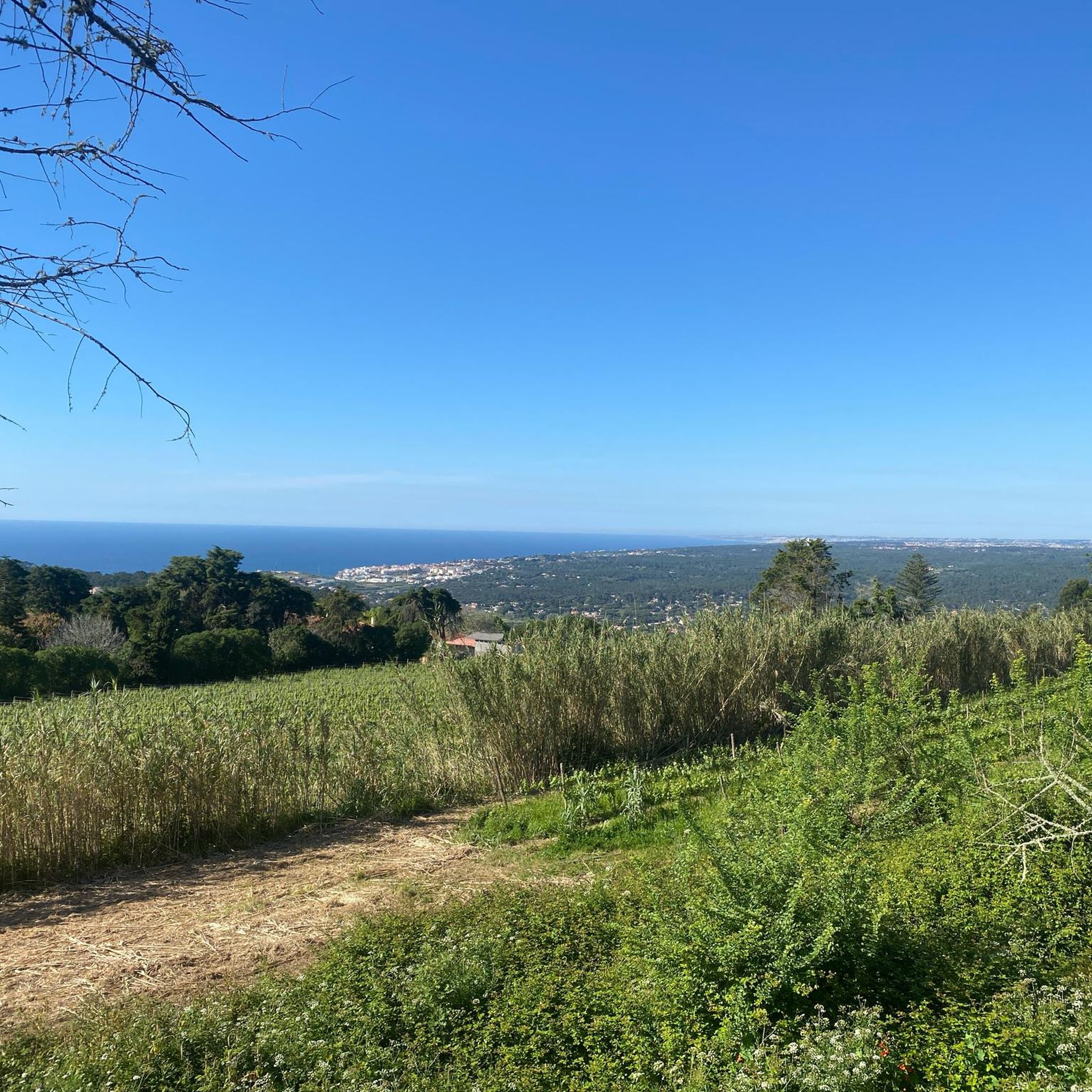
One of the beautiful views over Lisbon
0
1

Lisbon's central park was named as a tribute to the English monarch Edward VII, who visited Lisbon in 1903, five centuries after the Anglo-Portuguese Alliance. It ascends one of the city's hills and provides a wonderful view from the top. It's made up of symmetrical box hedging and a variety of plants, most of them found inside a cool and heated greenhouse from the 1930s, which is filled with exotic species from tropical climates. This greenhouse is one of the most important green spaces in Lisbon, considered an authentic living museum, with its small lakes and waterfalls, statuary, and hundreds of species of plants.
6
0

Built in 1892, the square is known for its neo-Moorish architecture and its capacity to hold up to 9,000 spectators. A former bullring now transformed into a shopping mall, it is also used for events such as concerts and shows.
5
0

Avoid rush hour traffic when running.
1
0
Frequently Asked Questions
What historical sites related to water supply can I explore in Caneças?
Caneças is renowned for its historical role in Lisbon's water supply. You can explore several branches of the impressive 18th-century Aqueduto das Águas Livres, particularly the section at Fontainhas (Quinta do Macário). The parish is also home to numerous historic fountains, such as Fonte das Fontainhas, the oldest, featuring a covered wash house and a public park, and Fonte dos Castanheiros, known for its attractive architectural design.
Are there any significant viewpoints or scenic spots around Caneças?
While Caneças itself offers local charm, the broader area provides several notable viewpoints. You can visit Eduardo VII Park Viewpoint, one of Lisbon's most iconic green spaces offering spectacular city views. Another excellent spot is Miradouro do Moinho das Três Cruzes, located in Parque Recreativo do Calhau, which provides elevated views of part of Lisbon amidst vegetation. The Águas Livres Aqueduct also offers great perspectives from its top.
What natural features are prominent in Caneças?
The natural landscape of Caneças is largely defined by its abundant springs and waterways, which were historically crucial for the Águas Livres Aqueduct system. The Ribeira das Águas Livres is a key natural water source. Additionally, public parks, such as the one adjacent to Fonte das Fontainhas, offer green spaces for relaxation and outdoor activities.
What kind of outdoor activities can I do near Caneças?
The area around Caneças is great for various outdoor activities. You can find numerous routes for jogging, hiking, and gravel biking. For instance, there are moderate running loops from Odivelas and Casal de Cambra. Hikers can enjoy easy trails like the loop from Monumento Natural de Carenque. For more adventurous cyclists, there are challenging gravel biking routes like the Old House of Fonteireira loop. You can find detailed guides for these activities at Running Trails around Caneças, Hiking around Caneças, and Gravel biking around Caneças.
Are there any family-friendly attractions in the Caneças area?
Yes, several attractions in the wider Caneças area are suitable for families. Eduardo VII Park Viewpoint is a large green space perfect for strolls and relaxation. The Campo Pequeno Bullring, now a shopping mall and event venue, can also be an interesting visit for families. The public park surrounding Fonte das Fontainhas in Caneças provides a pleasant spot for picnics and gatherings.
What is the Águas Livres Aqueduct and where can I see it near Caneças?
The Águas Livres Aqueduct is an impressive 18th-century engineering marvel vital for supplying water to Lisbon. Caneças is significant because it hosts several branches of this aqueduct, notably the section at Fontainhas (Quinta do Macário). This demonstrates the aqueduct's extensive reach and its historical importance to the region.
What are some other notable historic fountains in Caneças besides Fonte das Fontainhas?
Beyond Fonte das Fontainhas, Caneças boasts several other historic fountains. These include Fonte dos Passarinhos, inaugurated in 1934 with a rustic setting, and Fonte dos Castanheiros (1931), known for its unique architectural design with robust columns adorned with pebbles and ceramic fragments. Other significant fountains are Fonte de Castelo de Vide, Fonte do Ouro, and Fonte das Piçarras, each with its own history and charm.
What do visitors particularly enjoy about the attractions around Caneças?
Visitors appreciate the blend of historical significance and natural beauty. The grandeur of the Águas Livres Aqueduct is often highlighted as impressive, offering great views. Green spaces like Eduardo VII Park are loved for their relaxing atmosphere and spectacular city panoramas. The historical context of Caneças's water supply system and its charming fountains also captivate many.
Are there any cultural events or unique local heritage aspects in Caneças?
Caneças occasionally hosts cultural events, such as the 'Festival Bilha De Aço em Caneças,' offering local entertainment. The parish also has a unique cultural heritage tied to the history of 'aguadeiros' (water carriers) and washerwomen who relied on its numerous fountains for centuries, reflecting a significant part of local life and tradition.
Where can I find green spaces for relaxation in Caneças?
Caneças offers pleasant green spaces for relaxation, particularly the public park adjacent to Fonte das Fontainhas. This park provides a tranquil setting for picnics and gatherings, surrounded by the historical charm of the fountain and its covered wash house.
Is there a specific historical marker in Caneças?
Yes, Caneças features a Marco de delimitação, a boundary marker from 1880. This marker signifies the former limits of the Belém municipality, offering an interesting historical geographical reference point for those interested in the region's past administrative divisions.
Most popular attractions around Caneças

Get inspired with the komoot mobile app


Explore more
Still not found the Highlight you’re looking for? See guides of the top attractions in other regions:
