Attractions and Places To See around Gilmerton/Inch - Top 20
Attractions and places to see around Gilmerton/Inch, located southeast of Edinburgh city center, feature a mix of historical sites, natural green spaces, and local points of interest. The area provides access to significant landmarks and offers various outdoor exploration opportunities. Visitors can discover both ancient historical structures and expansive natural parklands. These neighborhoods present distinct draws for those exploring the wider Edinburgh locality.
Best attractions and places to see around Gilmerton/Inch
- The most popular attractions is Arthur's Seat, a…
Last updated: July 15, 2026
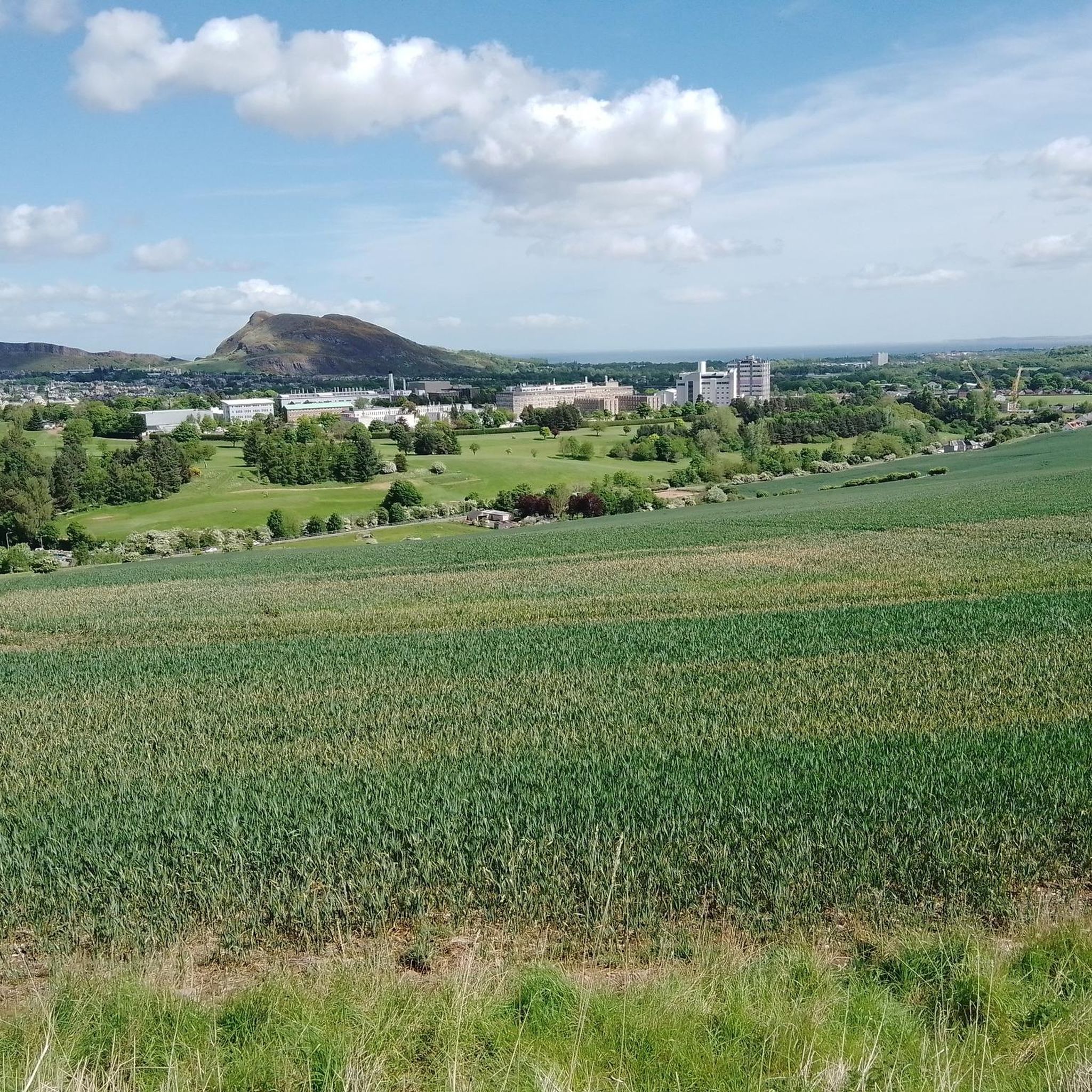
Arthur's Seat
Highlight • Summit
Tip by

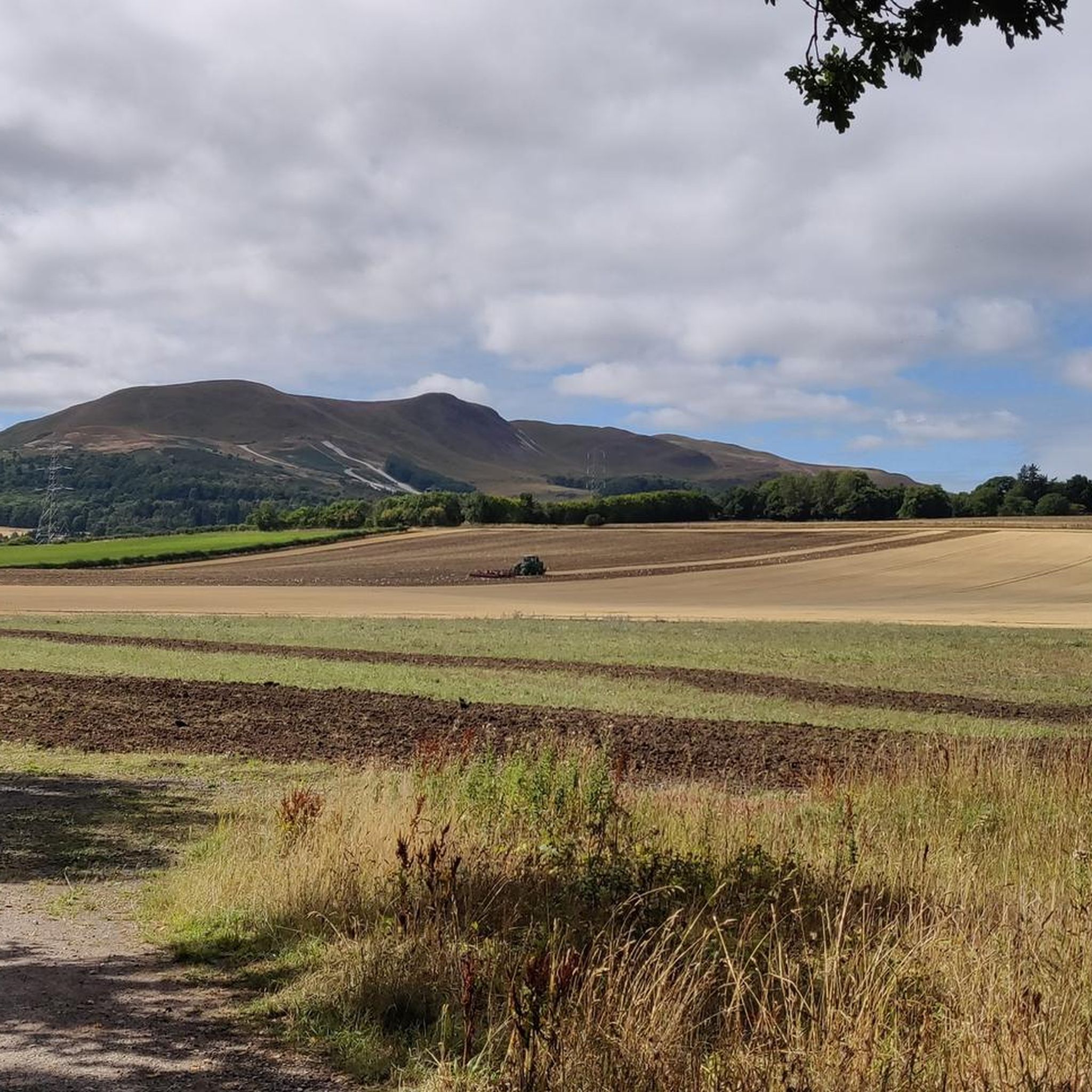
Carnethy Hill
Highlight • Natural Monument
Tip by

Sign up now to discover places like this
Get recommendations on the best single tracks, peaks, & plenty of other exciting outdoor places.
Sign up for free
Scott Monument
Highlight • Viewpoint
Translated by Google •
Tip by

Corstorphine Hill Tower
Highlight • Viewpoint
Tip by

Royal Mile
Highlight • Viewpoint
Tip by
Sign up for free to discover even more attractions around Gilmerton/Inch.
Sign up for free
Already have an account?
Start today with a free account
Your next adventure awaits.
Login or Signup
Tips from the Community

This is how some 200 years ago, bookworms began: "In that lovely district of merry England, which is watered by the River Don, there was in ancient times a great wood... Here dwelt... the fabulous Dragon of Wantley; here were fought several of the bloodiest battles during the Rose Civil Wars..." Through translations, Scott's fame on the British Isles soon spread throughout Europe, even to the New World. The author, who continued to publish his books anonymously, with the reference "By the Author of Waverley," naturally rejoiced in his hiding place over the success – until, by chance, it was revealed that he, Walter Scott, was the author. The honors in Scotland were endless. The toast Lord Meadowbank made at a banquet held in Scott's honor in 1827 remains valid in Scotland to this day: "The beauties of our country... and the fame of our ancestors have been carried by him beyond the shores of this island, to the ends of the earth. He has... immortalized the name of Scotland..." (Text from https://www.deutschlandfunk.de/250-geburtstag-des-schriftstellers-wie-sir-walter-scott-den-100.html )
0
0

To climb to the top of the tower, you must climb 287 steps, which are divided into four levels, where you can pause and rest if you wish. As you continue up the spiral staircase, the climb becomes increasingly challenging as the walls become narrower and the steps become unstable. Although the climb may seem endless and a bit tiring, the effort will be worth it once you reach the top. Here, you'll be able to enjoy some of the best views of Edinburgh. Simply stunning views. If you don't suffer from claustrophobia or have a condition that prevents you from climbing to the top of the Scott Monument, we highly recommend climbing to the top to enjoy the breathtaking views. https://www.introducingedinburgh.com/scott-monument
5
0
The history of the monument, and much more, is told in the monument's museum hall on the first floor. Visitors can learn more about Scott himself, his eventful life, his legacy in international literature, and the monument built in his honor. Audio points allow visitors to listen to excerpts from his writings. https://www.edinburghmuseums.org.uk/venue/scott-monument
3
1
The Scott Monument is one of Edinburgh's most iconic landmarks, a must-see for visitors and locals alike. Dedicated to Sir Walter Scott, it is one of the greatest monuments to a writer in the world.
3
1
This is how some 200 years ago, bookworms began: "In that lovely district of merry England, which is watered by the River Don, there was in ancient times a great wood... Here dwelt... the fabulous Dragon of Wantley; here were fought several of the bloodiest battles during the Rose Civil Wars..." Through translations, Scott's fame on the British Isles soon spread throughout Europe, even to the New World. The author, who continued to publish his books anonymously, with the reference "By the Author of Waverley," naturally rejoiced in his hiding place over the success – until, by chance, it was revealed that he, Walter Scott, was the author. The honors in Scotland were now endless. The toast Lord Meadowbank made at a banquet held in Scott's honor in 1827 remains valid in Scotland to this day: "The beauties of our country... and the fame of our ancestors have been carried by him beyond the shores of this island, to the ends of the earth. He has... immortalized the name of Scotland..." (Text from https://www.deutschlandfunk.de/250-geburtstag-des-schriftstellers-wie-sir-walter-scott-den-100.html )
8
0

The beating heart of Edinburgh's Old Town, the Royal Mile is much more than just a street - it is the lively centre of the Scottish capital, lined with historic buildings, hidden alleyways and a variety of shops, restaurants and pubs. Stretching majestically from Edinburgh Castle to Holyrood Palace, this ancient path is a journey through Scotland's rich history and an essential part of any Edinburgh exploration. Strolling along the Royal Mile is like turning the pages of a living history book. Each step reveals a new layer of the past, from the proud towers of Edinburgh Castle, which tell tales of kings and queens, intrigue and battle, to the magnificent Holyrood Palace, the official residence of the British monarchy in Scotland. The street itself, which is divided into different sections - Castlehill, Lawnmarket, High Street, Canongate and Abbey Strand - offers a fascinating mix of the medieval and the modern. You'll find everything from traditional Scottish souvenir shops selling kilts and whisky to contemporary galleries and cafes hidden in historic buildings. A visit to the Royal Mile is also a cultural experience. Throughout the year, numerous events and festivals take place here, transforming the street into a stage for artists from all over the world. Whether it's the famous Edinburgh International Festival or the lively Fringe Festival, the Royal Mile is always at the centre of the action. But the Royal Mile is more than just sightseeing and shopping. It's a place to linger, enjoy a coffee in one of the many cafes, watch the hustle and bustle or listen to the buskers playing Scottish tunes. It's a place where history comes alive and you can feel the real Edinburgh. For those who want to delve deeper into history, the numerous museums and historical sites along the Royal Mile provide an endless source of learning and wonder. From the imposing St. Giles' Cathedral to the fascinating Museum of Edinburgh, every step tells a story.
3
0
As I pedal my mountain bike, I feel the stress of everyday life slipping away. The way up is peppered with corners that invite you to linger. But my destination is clear: the Corstorphine Hill Tower, a monument to Sir Walter Scott that rises majestically at the top of the hill. I can't wait to get to the tower, which is said to have incredible views over Edinburgh. But before I reach the top, I remember the words of those who value this place: respect nature, leave no trace and do not disturb the wildlife. As I drive through the vast deciduous forests that cover most of the hill, I can't help but enjoy the tranquility that surrounds me. The hill, a local nature reserve and a geologically and geomorphologically significant site, tells stories from times long past. The hill's doleritic composition, formed by glacial movements, adds another layer of intrigue. I reach the tower shortly after the first rays of sun kiss the top of the hill. The sight that greets me is breathtaking. The city of Edinburgh lies at my feet, nestled in the greenery that makes this hill so special. I take a moment to enjoy the silence and the view before heading back. The descent is a rush - the cool morning air brushes against my face as I navigate the paths, always careful not to erode or disturb other visitors.
2
0

The street with different names runs through the old town.
7
1
Frequently Asked Questions
What historical sites can I explore in Gilmerton and Inch?
The area offers a rich history. You can explore the mysterious Gilmerton Cove, an underground network of tunnels (though currently closed). Nearby, Inch House, dating back to 1617, is now an adult education and community center within Inch Park. While slightly outside Gilmerton/Inch, Liberton Tower (c. 1450) and Liberton House (c. 1600) are also notable historical buildings. Further afield, St Giles' Cathedral in Edinburgh's Old Town is a significant historical and religious site.
Are there any parks or green spaces in Gilmerton/Inch?
Yes, Inch Park is a significant green space in the Inch area, featuring tree-lined paths, green parkland, copses, and woodland borders. The Braid Burn runs through its northern edge, and the park is home to various wildlife. It also offers facilities for sports and a play area. For more information, you can visit the Edinburgh Council website.
What kind of wildlife can I spot in the area?
In Inch Park, you can observe various wildlife, including flocks of Swallows and House Martins. The Braid Burn, which flows through the park, is clean enough to support small fish and other aquatic life. The park's floral meadows and woodland borders also provide habitats for local species.
Are there family-friendly attractions in Gilmerton and Inch?
Yes, several attractions are suitable for families. Inch Park offers a play area and open spaces for children to enjoy. While not directly in Gilmerton/Inch, the Scott Monument is considered family-friendly, offering a climb to viewing platforms. St Giles' Cathedral is also listed as family-friendly.
What walking and cycling routes are available near Gilmerton and Inch?
The area offers various routes for outdoor enthusiasts. For road cycling, you can find routes like the 'Scenic Farm Pathway – Rosslyn Chapel loop from Gilmerton' which is an easy 18.6 km ride. For more options, explore the Road Cycling Routes around Gilmerton/Inch guide. There are also mountain biking trails, such as the 'Stone Tunnel – Old Railway Path loop from Gilmerton Dykes', an easy 23.7 km trail. Discover more in the MTB Trails around Gilmerton/Inch guide.
Where can I find mountain hiking trails near Gilmerton/Inch?
For mountain hiking, you can access trails that lead to prominent summits. A moderate 4.2 km hike is the 'Salisbury Crags – Arthur's Seat loop from Edinburgh'. Another option is the 'Caerketton Hill loop from Fairmilehead', an easy 5.2 km trail. You can find more detailed routes in the Mountain Hikes around Gilmerton/Inch guide.
Are there any wheelchair-accessible paths or attractions?
The Scott Monument is listed as wheelchair accessible, offering access to its base and potentially lower levels. For outdoor paths, Inch Park generally features accessible paths, though specific accessibility details for all areas should be verified on site.
What is the story behind Gilmerton Cove?
Gilmerton Cove is a unique and mysterious underground network of hand-carved tunnels and chambers. Its origins are debated, with theories ranging from an 18th-century blacksmith's dwelling to a secret meeting place for the Knights Templar or Covenanters. It was opened to the public in 2003 but has been closed since the COVID-19 pandemic.
What do visitors enjoy most about the attractions near Gilmerton/Inch?
Visitors frequently praise the commanding views from summits like Arthur's Seat, which offers panoramas across Edinburgh and the Firth of Forth. The expansive views over the Pentlands, Edinburgh, and beyond from Carnethy Hill are also highly appreciated. Many enjoy the historical significance and impressive architecture of sites like St Giles' Cathedral and the iconic Scott Monument.
Can I visit Inch House?
Inch House, located within Inch Park, dates back to 1617. It now serves as a popular adult education and community center. While you can appreciate its historical exterior and location within the park, access to its interior is typically for those participating in educational or community activities.
Are there any hidden gems or lesser-known spots worth visiting?
Beyond the well-known sites, the historical significance of Gilmerton as a former coal mining village offers a glimpse into its industrial past. While currently closed, the mysterious Gilmerton Cove is certainly a unique 'hidden gem' with its intriguing underground network. Exploring the quieter paths of Inch Park can also reveal peaceful spots and local wildlife away from the main city bustle.
Most popular routes around Gilmerton/Inch
Most popular attractions around Gilmerton/Inch

Get inspired with the komoot mobile app


Explore more
Still not found the Highlight you’re looking for? See guides of the top attractions in other regions:
