Attractions and Places To See around Kemback, Pitscottie And Blebo - Top 20
Attractions and places to see around Kemback, Pitscottie And Blebo offer a blend of historical sites, natural features, and cultural points of interest in Fife, Scotland. The area encompasses the villages of Kemback, Pitscottie, and Blebo, each contributing to the region's character. Visitors can explore ancient church ruins, historic bridges, and woodlands with trails for various outdoor activities. The landscape includes features like Kemback Waterfall and Clatto Hill, providing views and natural beauty.
Best attractions and places to see around…
Last updated: August 25, 2026
St Andrews Cathedral Ruins
Highlight • Historical Site
Tip by

Alexander Selkirk Statue
Highlight • Monument
Tip by

Sign up now to discover places like this
Get recommendations on the best single tracks, peaks, & plenty of other exciting outdoor places.
Sign up for free
St Andrews War Memorial
Highlight • Monument
Translated by Google •
Tip by

World Golf Museum
Highlight • Monument
Tip by
St Salvator's Chapel
Highlight • Religious Site
Translated by Google •
Tip by
Sign up for free to discover even more attractions around Kemback, Pitscottie And Blebo.
Sign up for free
Already have an account?
Start today with a free account
Your next adventure awaits.
Login or Signup
Popular around Kemback, Pitscottie And Blebo
Tips from the Community

Saint Andrew, to whom this former church—whose ruins still serve as a picturesque backdrop—was dedicated, belongs to the circle of the twelve apostles whom Jesus Christ called to follow him. However, in biblical accounts, he is usually somewhat overshadowed by his far more famous brother, Saint Peter. The Gospels present the calling of the two brothers in different ways. According to the Gospel of John (John 1:40-42), Andrew is called first (together with another unnamed disciple). Later, he tells his brother that he has found the Messiah. In Scotland, however, Saint Andrew is particularly venerated, as he is the patron saint of the country, and the X-shaped white "St. Andrew's Cross," on which he was executed, forms the Scottish national flag against a blue background. The feast day of Saint Andrew is celebrated on November 30th in all major Christian denominations.
0
0

Admission was free - really worth seeing!
0
0

It's astonishing how "new" the graves, or rather the inscriptions on the gravestones, are, given that the church was abandoned during the Scottish Reformation in the 16th century. There are at least inscriptions from recent years. We set out to find the oldest date possible, although we were far from able to verify all of them. On a wall inscription in the east, toward the old bell tower, we found 1708, and on a nearby gravestone, 1712. We didn't find any older ones, or some were weathered and unreadable.
1
0

St Andrews Cathedral is the ruin of a cathedral in the Scottish town of St Andrews in the council area of Fife. The complex, located near the North Sea shore near St Andrews Castle in the historic centre of St Andrews, was central to the development of the town and its status as the Christian centre of Scotland.[1] Numerous buildings are individually listed and the entire complex is classified as a Scheduled Monument.[2] It is one of the Guardianship Monuments of Historic Scotland.[3] St Andrews Cathedral is not to be confused with the Cathedral Church of St Andrew in Inverness.
1
0
As a memorial to the many dead, such memorials - usually called "war memorials" in English - are still very important today. "Now, Lord, you let your servant depart in peace, as you have said..." says the so-called "Hymn of Simeon" (Luke's Gospel, Chapter 2, Verse 29). However, the people commemorated here did not depart in peace, but became victims of war and tyranny. This is why the term "dead soldiers' memorial" is now sometimes used in German instead of the previously most common "war memorial". However, such a war memorial, which one encounters so often on the road, regardless of nationality, language and name, is always a testimony - still significant and current today - to the horror of war and tyranny. They all have two essential functions, and this for each generation anew: -1- Commemorate and remember the victims -2- Remind people to keep the peace
0
0
This place of worship in St Andrews, with its high tower that clearly towers over the surrounding area, would make you think of a church rather than a chapel. It was not dedicated to one of the many people we venerate as blessed or saints and ask for their heavenly intercession with God. Rather, it was dedicated to the incarnate Son of God, Jesus Christ, the Redeemer and Savior ("Saint Salvator").
0
0
In the ARD series "Classics of World Literature", Tilman Spengler pays tribute to famous writers in one of his film contributions - each lasting a quarter of an hour - and introduces the culturally interested viewer to their literary work. One episode of the series deals with DANIEL DEFOE (1660 to 1731) and the character he invented, ROBINSON CRUSOE, whose name will be far more familiar to many people than that of his literary creator. This monument is dedicated to Alexander Selkirk, the person whose real life fate inspired Defoe to create Crusoe. This article (in German) can be found in the ARD media library under the following link: https://www.ardmediathek.de/video/klassiker-der-weltliteratur/daniel-defoe-adventures-of-robinson-crusoe/ard-alpha/Y3JpZDovL2JyLmRlL3ZpZGVvL2Q0MzYwOGY0LTdkNTUtNDlmMC05OGUyLTgwMWQ0Njg1NmU2Yg
2
0

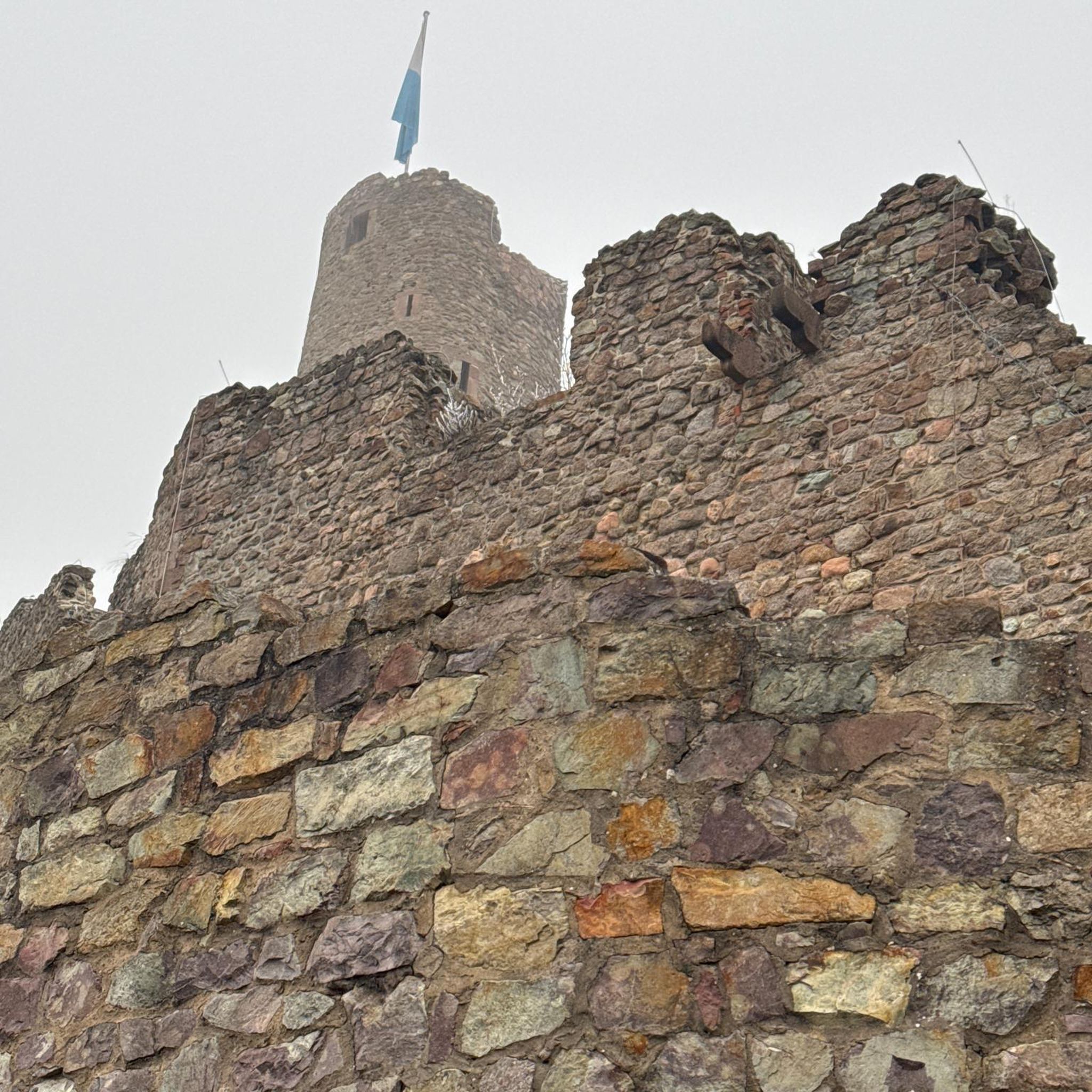
The biggest church ever built in Scotland, the Cathedral of St Andrews is now a fantastic ruin a stone's throw from the sea. Built in 1158, it was the heart of Scotland's Catholicism but fell into disuse after the Scottish Reformation in the 16th century. The ruins are stunning, and well worth exploring.
3
0
Frequently Asked Questions
What historical sites can I explore in the Kemback, Pitscottie, and Blebo area?
The region is rich in history. You can visit the ruins of an older church from 1244 and the present Kemback Parish Church, dating back to 1582, in Kemback. Pitscottie features an 18th-century bridge over the Ceres Burn and was historically a meeting place for Covenanters. Nearby, you can also explore significant sites like the St Andrews Cathedral Ruins, once Scotland's largest church, and St Andrews Castle, which served as a palace, fortress, and prison.
Are there natural attractions to visit in Kemback, Pitscottie, and Blebo?
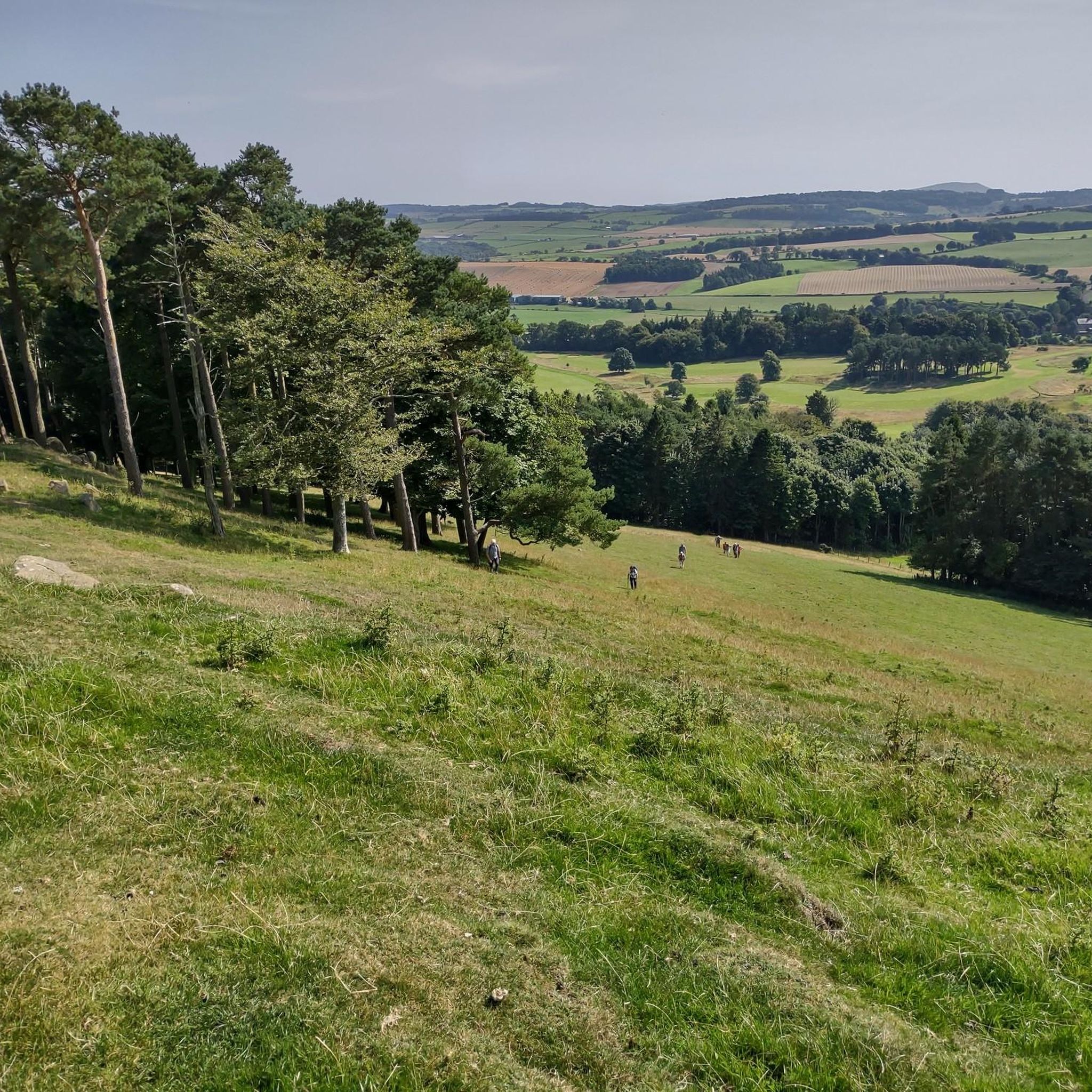
Yes, the area offers several natural highlights. In Kemback, you can find the lovely Kemback Waterfall, which feeds into the Ceres Burn. Kemback Woods provides a mixed woodland environment with various paths and trails. From Kemback Woods or Blebocraigs, you can access Clatto Hill, which offers spectacular views of the surrounding landscape.
What outdoor activities are available near Kemback, Pitscottie, and Blebo?
The region is excellent for outdoor enthusiasts. Kemback Woods offers trails for mountain biking, e-biking, hiking, and trail running. You can find numerous routes for different activities. For hiking, explore easy trails like the 'Staircase – Kemback Church Car Park loop from Pitscottie'. Cyclists can enjoy routes such as the 'St Andrews Cathedral Ruins – St Andrews West Sands loop from Dairsie'. Mountain bikers have options like the 'Clatto Reservoir – Kame Burn Wooden Bridge loop from Cupar'. You can find more details on these and other routes in the easy hikes, cycling, and MTB trails guides.
Are there any family-friendly attractions around Kemback, Pitscottie, and Blebo?
Families can enjoy several attractions in the vicinity. The St Andrews Cathedral Ruins and St Andrews Castle offer engaging historical exploration. The Alexander Selkirk Statue, commemorating the inspiration for Robinson Crusoe, is also a point of interest. Additionally, the World Golf Museum provides interactive displays that children often enjoy, alongside its historical exhibits.
Where can I find scenic views in the Kemback, Pitscottie, and Blebo region?
For spectacular views, head to Clatto Hill, which is accessible via public footpaths from Blebocraigs and Kemback Woods. The ruins of St Andrews Castle also offer magnificent sea views from its coastal location.
What is the historical significance of Pitscottie village?
Pitscottie holds historical importance as a center for flax spinning in the 1820s. It was also the home of Robert Lindsay of Pitscottie, who authored a significant early vernacular prose history of Scotland. The village's moor was a notable meeting place for Covenanters in the late 17th century, often used for field preachings.
Can I find any unique historical landmarks in Blebo?
Blebo offers a few unique historical points of interest. In Blebocraigs village, you can spot a charming Victorian post box and a red telephone box, which sometimes serves as an information board. Historically, Blebocraigs also had several sandstone quarries, with some disused 'caves' (mine entrances) remaining, though their stability should be noted. Blebo Mills was an ancient site for corn, meal, and flax mills, with remnants of its water control system still visible.
Are there opportunities for walking or hiking in Kemback Woods?
Yes, Kemback Woods is an excellent spot for walking and hiking. It features various paths and trails suitable for different activity levels, providing a pleasant mixed woodland environment. You can also reach Clatto Hill from here, which offers rewarding views.
What are some lesser-known historical points of interest in Kemback?
Beyond the church ruins, Kemback was home to a former Transatlantic Radiophone Station from 1927 to the 1950s. This site was a critical, 'ULTRA secret' communication link during WWII, connecting to New Jersey, USA. While only a metal gate remains, its historical significance is notable. The Kemback Bridge is also described as a 'cute wee thing' and a historical part of the village's infrastructure.
Are there any memorials or monuments in the area?
Yes, in Kemback, you'll find a World War I memorial in the shape of a Celtic cross within the graveyard of Kemback Parish Church. Nearby, the Alexander Selkirk Statue commemorates the real-life inspiration for Daniel Defoe's Robinson Crusoe. Additionally, the St Andrews War Memorial serves as a significant tribute to those who became victims of war.
What do visitors enjoy most about the attractions around Kemback, Pitscottie, and Blebo?
Visitors particularly appreciate the rich history and stunning architecture of sites like the St Andrews Cathedral Ruins and St Andrews Castle, often noting their impressive scale and coastal locations. The interactive displays at the World Golf Museum are also a popular highlight, especially for families. The natural beauty of areas like Kemback Waterfall and the trails in Kemback Woods are also highly valued for outdoor activities.
Most popular routes around Kemback, Pitscottie And Blebo

Get inspired with the komoot mobile app


Explore more
Still not found the Highlight you’re looking for? See guides of the top attractions in other regions:
