Attractions and Places To See around Lowca - Top 20
Attractions and places to see around Lowca include a blend of historical sites and natural landscapes. Located in Cumbria, the village offers access to the Cumbrian coast and the Lake District. The area features Roman history and industrial heritage, alongside views of the Solway Firth. It serves as a base for exploring coastal features and inland natural wonders.
Best attractions and places to see around Lowca
- The most popular attractions is St Bees South Head, a natural monument that marks the most westerly point of northern England. This headland rises 90 meters from the sea and is the first landmark on Wainwright's Coast to Coast walk.
- Another must-see spot is Fleswick Bay, a natural monument and designated Heritage Coast. This stretch of coastline is known for its red sandstone cliffs and as a haven for hikers.
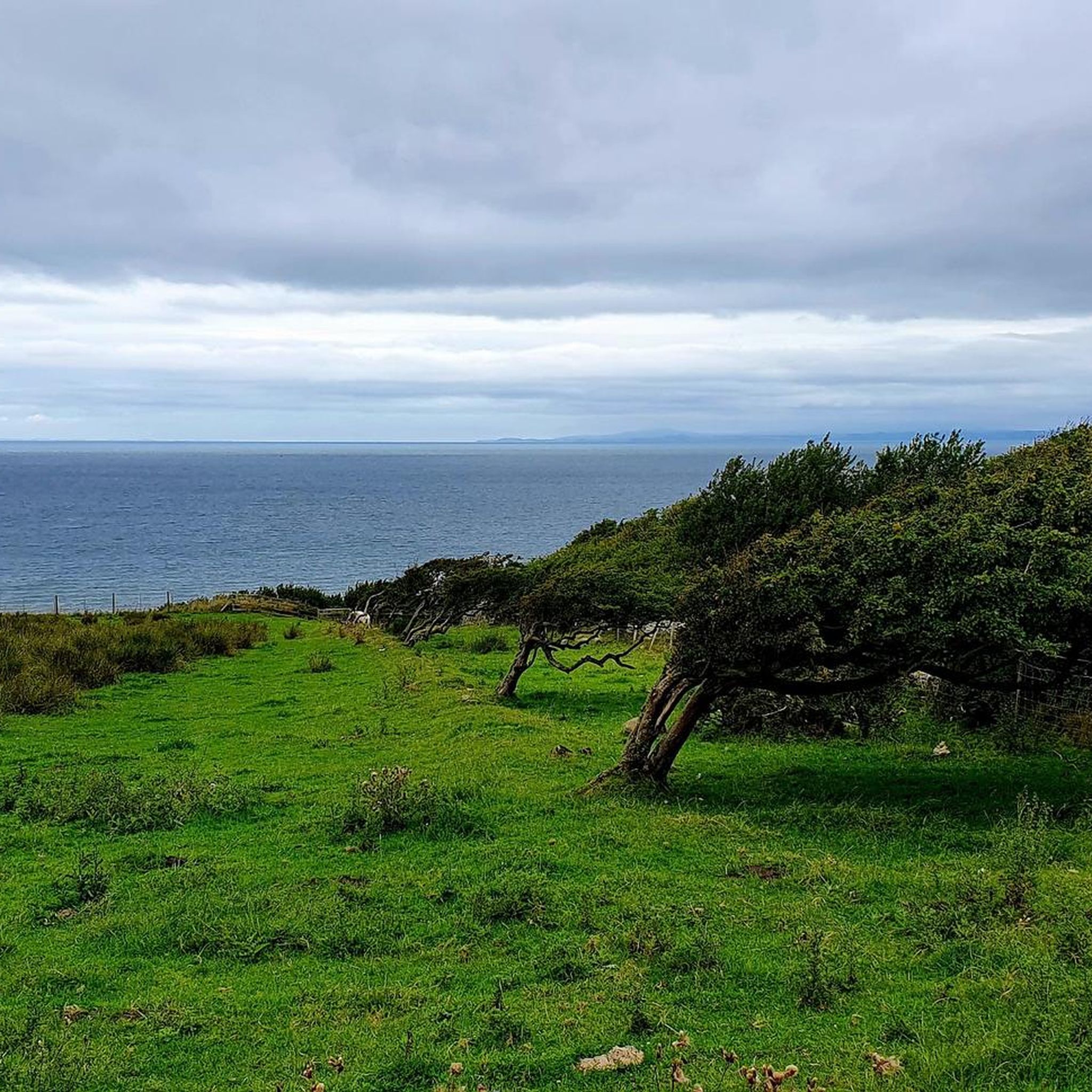
- Visitors also love St Bees North Head, the highest point on the northwest coast of England. From its clifftop paths, there are views to the sea and the fells of Lakeland, and it hosts abundant birdlife.
- Lowca is known for its coastal viewpoints, historical sites, and natural monuments. The area offers a variety of attractions to see and explore, from ancient Roman history to significant natural landscapes.
- The attractions around Lowca are appreciated by the komoot community, with 15 upvotes and 3 photos shared.
Last updated: July 2, 2026
River Derwent
Highlight • Natural
Translated by Google •
Tip by

Whitehaven Harbour
Highlight • Settlement
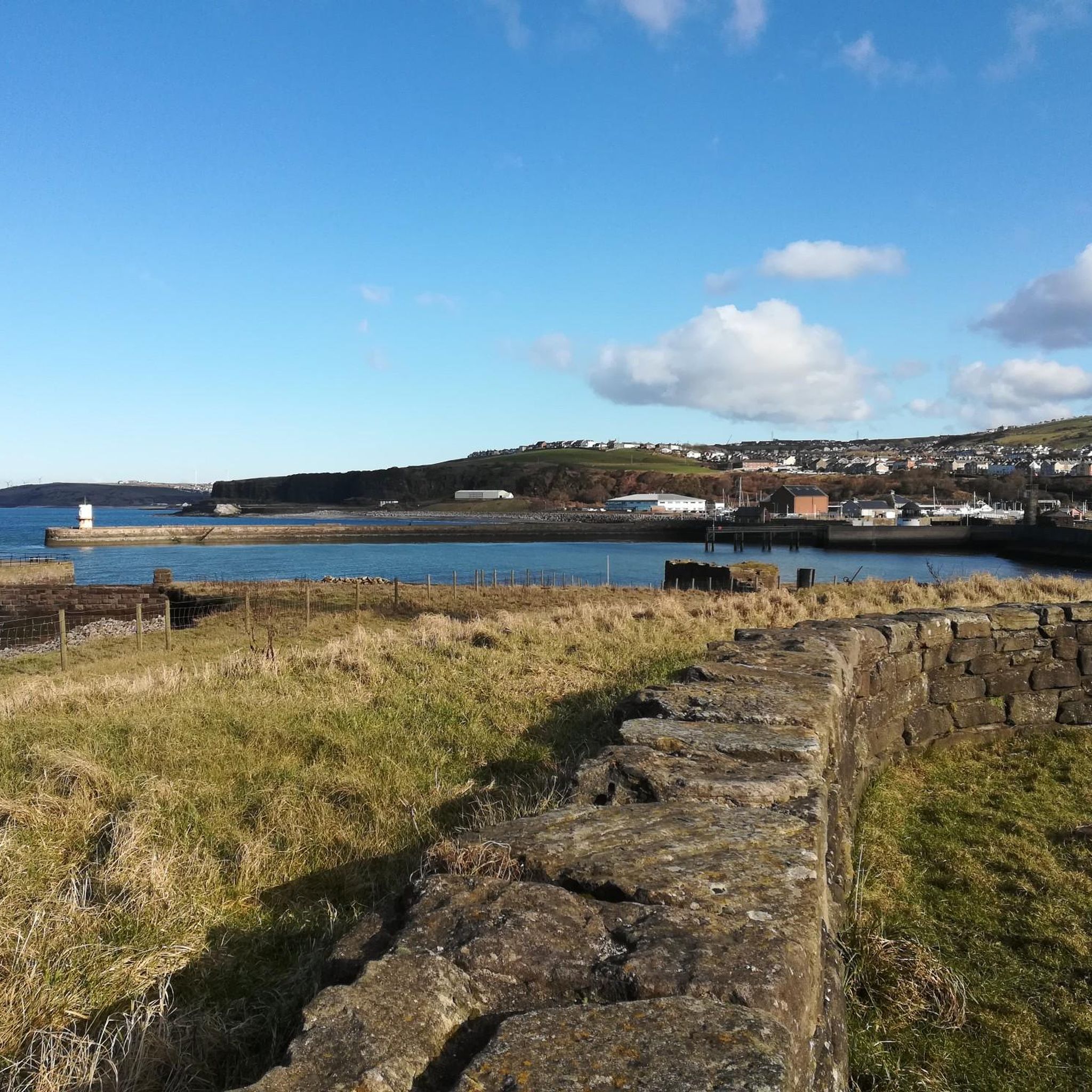
Interestingly, Whitehaven Harbour was the site of one of the last attempted invasions of Britain when John Paul Jones (no, not the Led Zeppelin bassist) landed 30 armed men here on 23rd April 1778.
Tip by

Sign up now to discover places like this
Get recommendations on the best single tracks, peaks, & plenty of other exciting outdoor places.
Sign up for free
St Bees South Head
Highlight • Beach
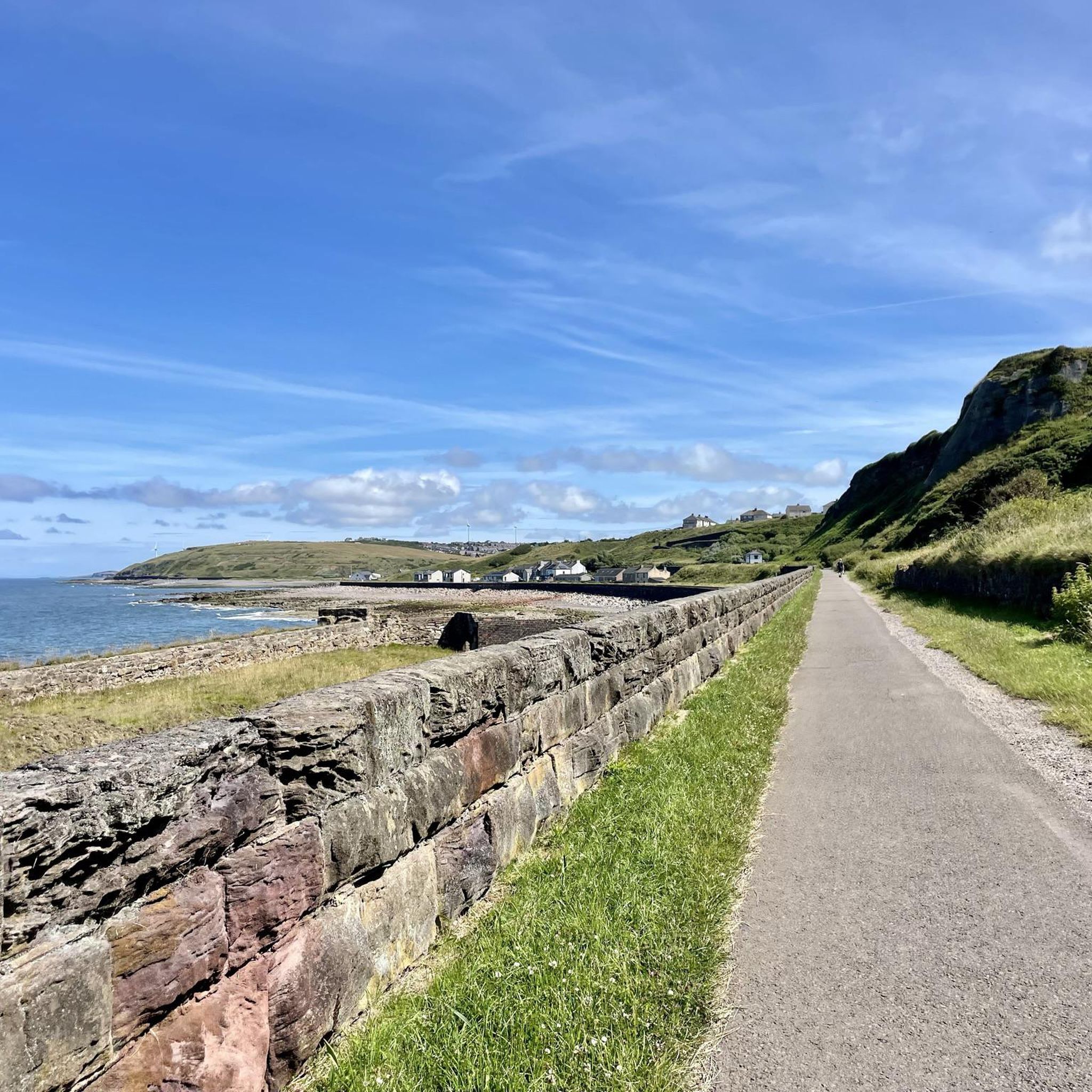
The South Head, often known as Tomlin, is not as dramatic as its sibling, but it is still a fine viewpoint in its own right. It is the first landmark of note on Wainwright's Coast to Coast from St Bees to Robin Hood's Bay.
Tip by
Fleswick Bay
Highlight • Natural Monument
Tip by

St Bees North Head
Highlight • Climb
Birdlife is abundant, with many nesting species. A lighthouse stands proud on the headland, whilst the cliffs also host rock climbers, with many bolted routes.
Tip by
Sign up for free to discover even more attractions around Lowca.
Sign up for free
Already have an account?
Start today with a free account
Your next adventure awaits.
Login or Signup
Tips from the Community

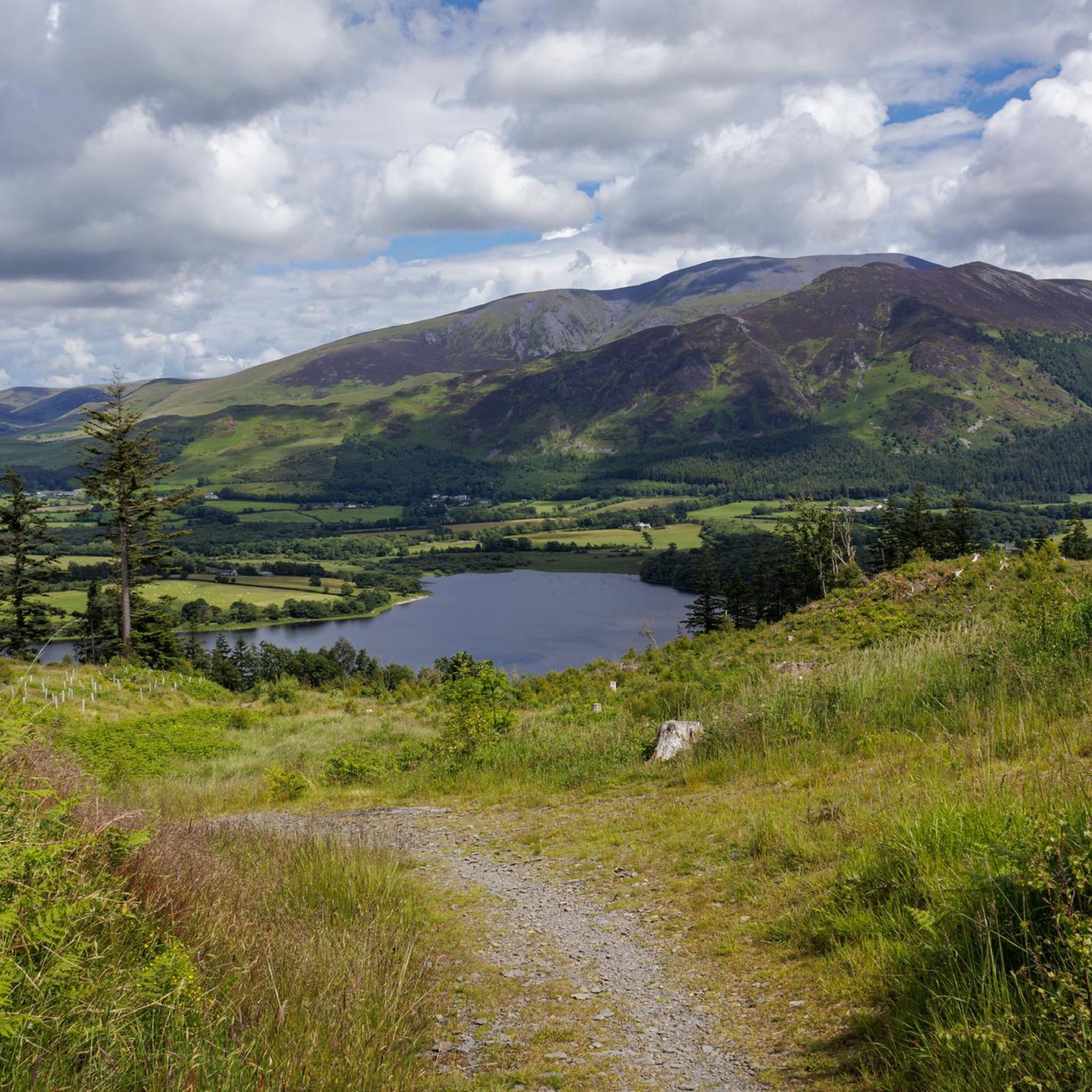
The River Derwent in Cumbria is one of the most iconic rivers in Northwest England, with a course that is both geographically and culturally significant. Rising at Sprinkling Tarn in the highlands of the Lake District, the river flows north through the Borrowdale valley, crossing Derwentwater and Bassenthwaite Lake. It then turns west, passing through Cockermouth—where William Wordsworth grew up—and empties into the Irish Sea at Workington.
9
0


I had a lovely breakfast sandwich and a cup of tea at the half way (ish) point on my Workington to St Bees Cumbria Coastal Way section at a café called Anna's Bar & Kitchen on Whitehaven Harbour, right on the Millennium Promenade.
1
0

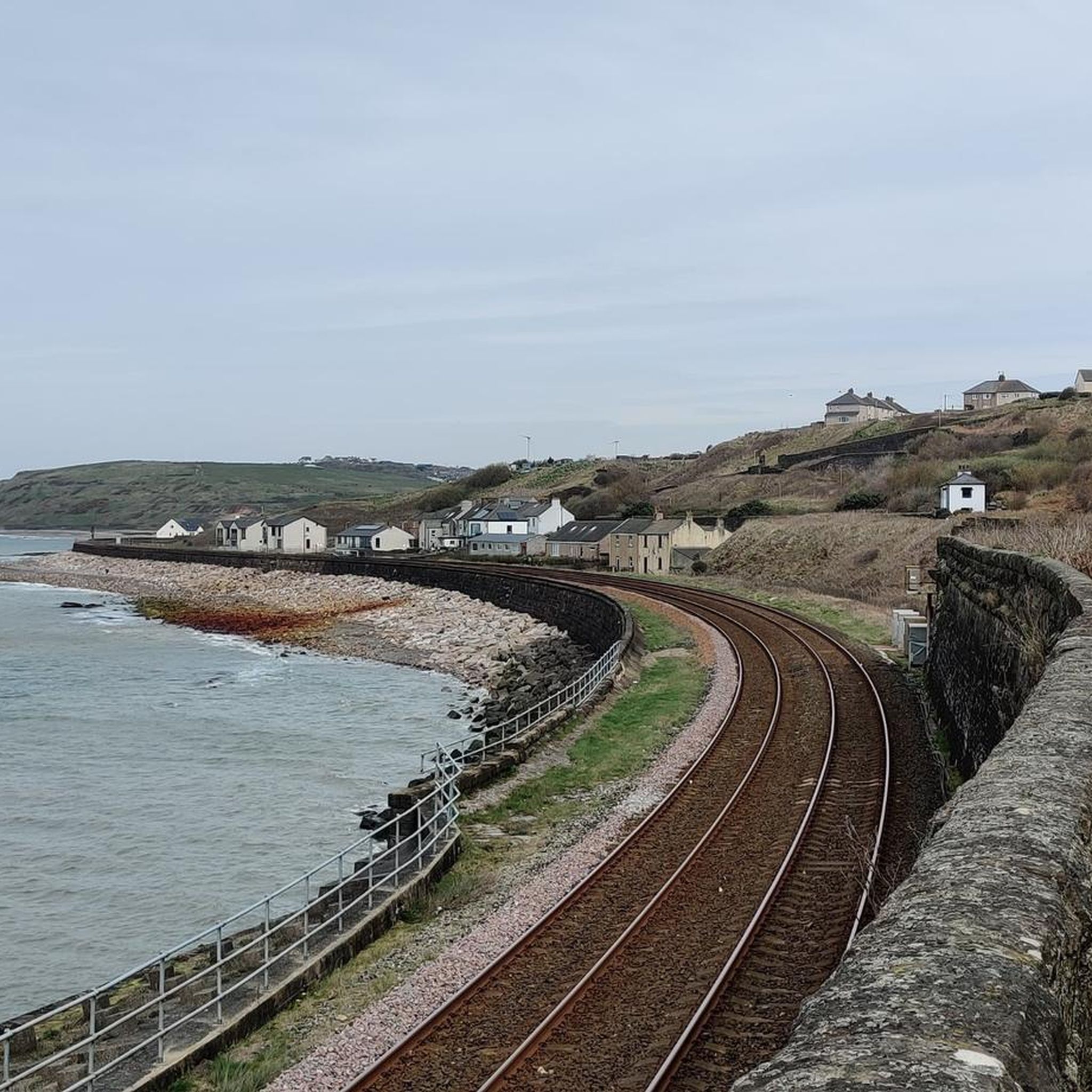
The red sandstone is impressive.
1
0

St Bees North Head is the highest point on the north west coast of England, rising to 295 feet (90 m) above sea level. From its clifftop paths are huge views west to the sea and east to the fells of Lakeland. It is part of the only western stretch of Heritage Coast between Wales and Scotland. Birdlife is abundant, with many nesting species. A lighthouse stands proud on the headland, whilst the cliffs also host rock climbers, with many bolted routes.
2
0
In 17th-century England, only Bristol and London were busier ports than Whitehaven and it continued to be an important coal port well into the 20th century. Today Cumbria's largest coastal settlement is an attractive town with many amenities. Interestingly, Whitehaven Harbour was the site of one of the last attempted invasions of Britain when John Paul Jones (no, not the Led Zeppelin bassist) landed 30 armed men here on 23rd April 1778.
1
0
St Bees North and South Head (collectively referred to as St Bees Head) make up the most westerly point of northern England and rise some 295 (90 m) feet from the sea. The South Head, often known as Tomlin, is not as dramatic as its sibling, but it is still a fine viewpoint in its own right. It is the first landmark of note on Wainwright's Coast to Coast from St Bees to Robin Hood's Bay.
1
0

Flowing 66 miles (106 km) from Derwent Mouth to Bleaklow, the Derwent is a picturesque river. In the 18th century, the river played an important role in the Industrial Revolution as its water-powered Richard Arkwright's Cromford Mill, the first water-powered cotton spinning mill in the world. The river also provides important habitats for varied wildlife as it flows through the Peak District and its foothills.
2
0
Frequently Asked Questions
What historical sites can I explore near Lowca?
Lowca and its surroundings are rich in history. You can visit the site of the Roman fort Gabrocentum, which dates back to AD 128-138, and the nearby St Bridget's Church with its ancient ties. Just south of Lowca, Whitehaven Harbour offers a glimpse into its past as one of England's busiest ports, and you can explore the town's amenities. Moresby Hall, a Grade 1 Historic building, also stands nearby.
Where can I find stunning coastal views and natural monuments?
For breathtaking coastal scenery, head to St Bees South Head and St Bees North Head. These form the most westerly point of northern England, rising 90 meters above the sea, offering expansive views of the Solway Firth and the Lakeland fells. Fleswick Bay, a designated Heritage Coast, is also known for its dramatic red sandstone cliffs and as a haven for hikers.
Are there family-friendly attractions around Lowca?
Yes, several attractions cater to families. Whitehaven Harbour is a pleasant place for a stroll with amenities. The Lake District Coast Aquarium in Maryport features marine creatures, and the Lake District Wildlife Park near Keswick offers an engaging experience with animals. For a unique historical insight, the Derwent Pencil Museum in Keswick is also a great option.
What kind of outdoor activities can I do near Lowca?
Lowca is an excellent base for outdoor adventures. You can enjoy coastal walks along St Bees Head and Fleswick Bay. The nearby Lake District National Park offers numerous hiking trails around lakes like Buttermere, Crummock Water, and Ennerdale Water. For mountain biking, explore routes like the 'View of Pillar – Ennerdale Water Lakeside Path loop' or the 'View of Derwent Water – Loweswater loop'. You can find more details on these activities in the easy hikes, MTB trails, and running trails guides.
Where can I experience the natural beauty of the Lake District near Lowca?
The Lake District National Park is a short distance from Lowca, offering verdant mountain ridges and serene lakes. You can visit Buttermere and Crummock Water for tranquil walks, or explore the iconic River Derwent, which flows through the park. Whinlatter Forest also provides opportunities for outdoor activities like high ropes courses.
Are there any birdwatching opportunities in the area?
Yes, St Bees Head is renowned for its abundant birdlife. It hosts England's only colony of black guillemots at Fleswick Bay, as well as puffins and terns. The clifftop paths of St Bees North Head are an excellent spot for observing various nesting species.
What cultural attractions are available in nearby towns?
In Cockermouth, you can visit the National Trust's Wordsworth House and Garden, the childhood home of William and Dorothy Wordsworth. Whitehaven offers The Beacon Museum and The Rum Story, detailing the history of rum. For performing arts, Kirkgate Arts in Cockermouth and the Carnegie Theatre & Arts Centre in Workington host various events.
Can I find easy walking routes near Lowca?
Yes, there are several easy walking routes. Options include the 'Whitehaven Harbour – King Pit Memorial loop' and the 'Waggon Way Coastal Path – Wetherspoon Whitehaven loop' from Whitehaven. These routes offer pleasant strolls with manageable distances. For more details, refer to the Easy hikes around Lowca guide.
What is the significance of the <a href="https://www.komoot.com/highlight/1100645" target="_blank" rel="noopener">River Derwent</a>?
The River Derwent is one of the most iconic rivers in Northwest England. It rises in the Lake District, flows through Derwentwater and Bassenthwaite Lake, and passes through Cockermouth, William Wordsworth's childhood home, before emptying into the Irish Sea. Historically, it played a crucial role in the Industrial Revolution, powering Richard Arkwright's Cromford Mill.
What do visitors particularly enjoy about the attractions near Lowca?
Visitors appreciate the blend of historical significance and stunning natural landscapes. The dramatic coastal views from St Bees Head, the unique red sandstone cliffs of Fleswick Bay, and the rich history of places like Whitehaven Harbour are frequently highlighted. The area's appeal also lies in its position as a gateway to the wider Lake District and Cumbrian coast.
Are there any unique industrial heritage sites to visit?
Lowca itself has a significant industrial past, notably for producing 245 locomotives and its involvement in mining, steel, and brickworks. While specific sites within Lowca may be less accessible, you can explore the broader industrial heritage at Honister Slate Mine, which offers a unique visitor experience related to the region's mining history.
Where can I find a lighthouse near Lowca?
A prominent lighthouse stands proudly on St Bees North Head. This landmark is part of the highest point on the northwest coast of England and offers fantastic views of the sea and the fells of Lakeland.
Most popular attractions around Lowca

Get inspired with the komoot mobile app


Explore more
Still not found the Highlight you’re looking for? See guides of the top attractions in other regions:
