The best walks and hikes around St. Bees
4.4
(238)
2,981
hikers
30
hikes
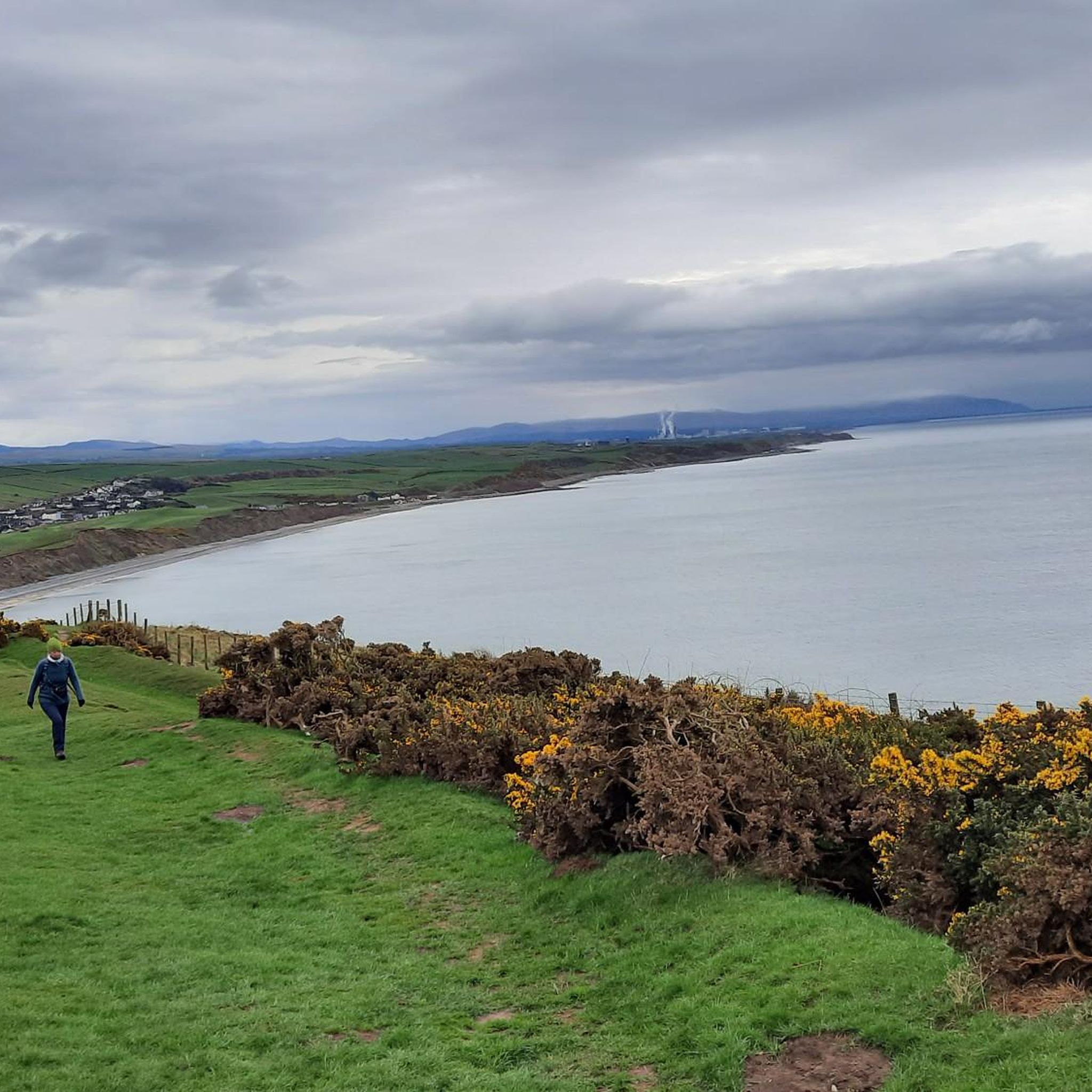
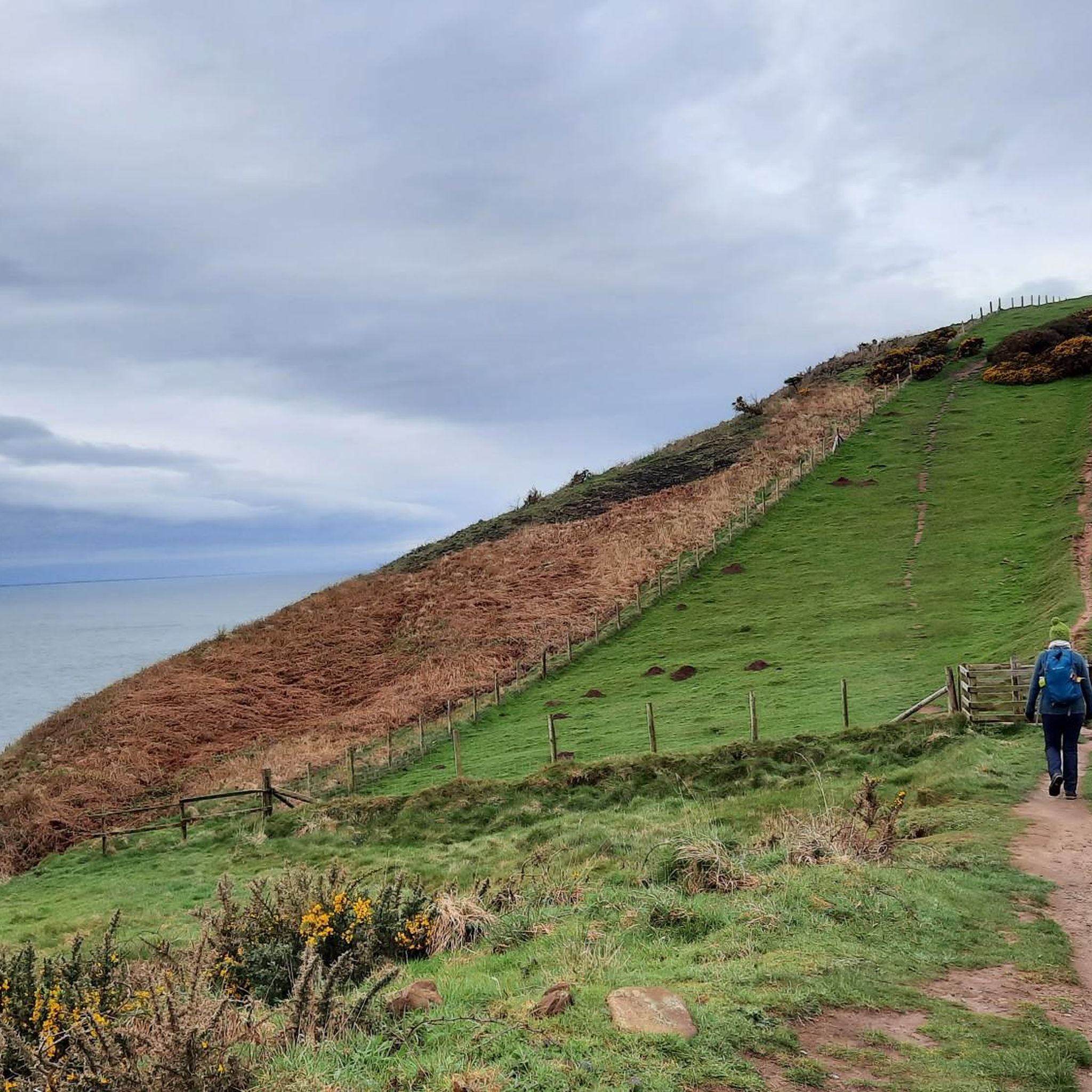
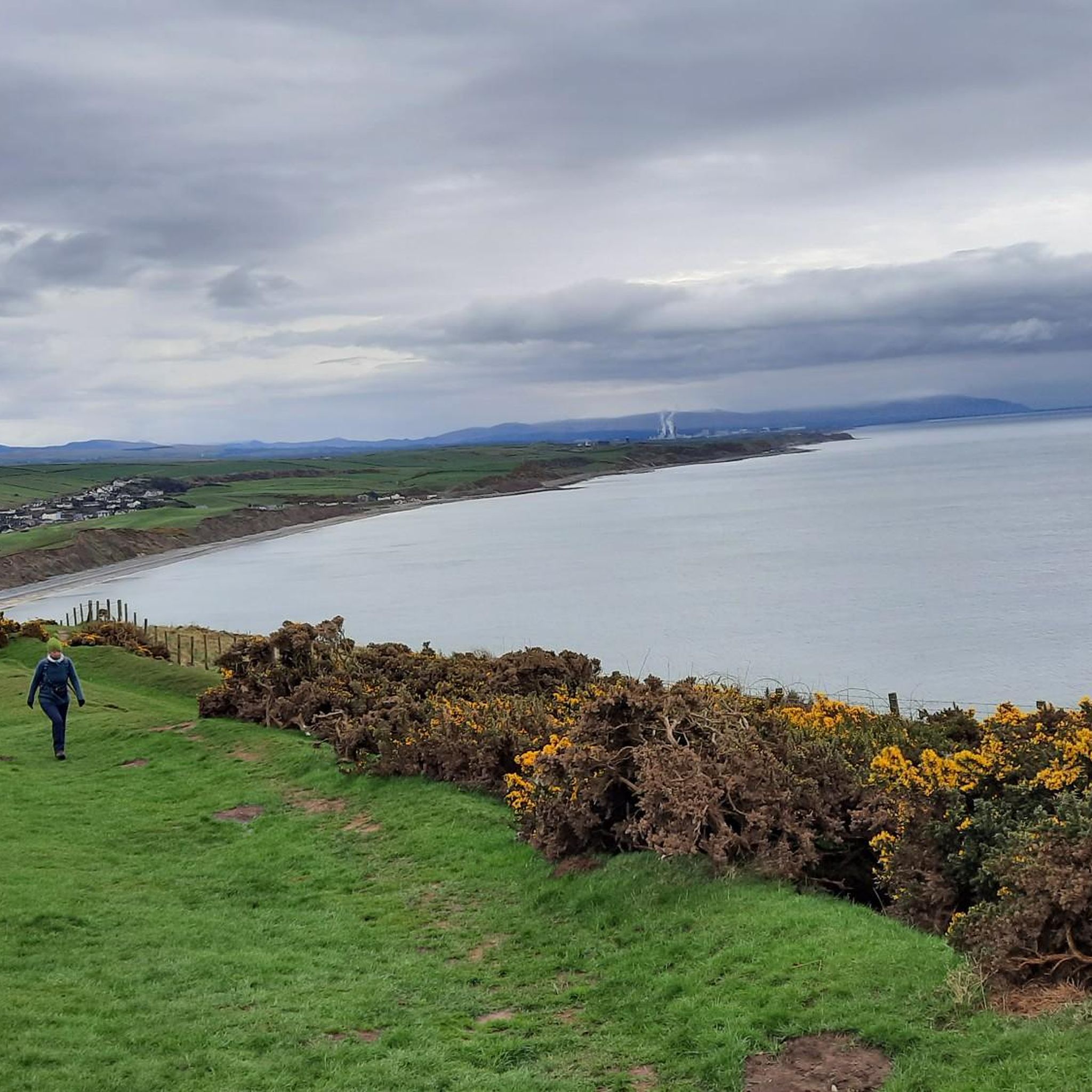
Hiking around St. Bees offers diverse coastal and rural landscapes in Cumbria. The region is characterized by dramatic red sandstone bluffs, notably St. Bees Head, which forms the most westerly point of Northern England with cliffs reaching over 300 feet. Below these cliffs, a mile-long sandy beach provides a contrast to the rugged headland. This area is also home to an important seabird colony, designated as a Site of Special Scientific Interest.
Best hiking trails around St. Bees
- The most popular hiking route is St Bees Headland & Lighthouse loop, a 8.7 miles (14.0 km) trail that takes 3 hours 47 minutes to complete. This moderate route offers expansive views over the Irish Sea from the clifftops.
- Another top favourite among local hikers is St Bees South Head – Fleswick Bay loop from St. Bees, a moderate 4.6 miles (7.4 km) path. This trail leads along the coastal path, providing access to Fleswick Bay and views of the red sandstone cliffs.
- Local hikers also love the St Bega Statue – Sea Thrift South of Seacote loop from St. Bees, a 2.7 miles (4.4 km) trail leading through coastal scenery, often completed in about 1 hour 9 minutes.
- Hiking around St. Bees is defined by coastal paths, dramatic red sandstone cliffs, and sandy beaches. The network of trails offers options for various ability levels, from easy strolls to more challenging clifftop walks.
- The routes in St. Bees are highly rated by the komoot community with an average score of 4.6 stars from over 50 reviews. More than 600 hikers have used komoot to explore St. Bees's varied terrain.
Last updated: September 1, 2026
4.4
(17)
111
hikers
14.0km
03:47
190m
190m
Moderate hike. Good fitness required. Easily-accessible paths. Suitable for all skill levels.
4.7
(14)
106
hikers
7.86km
02:13
170m
170m
Moderate hike. Good fitness required. Easily-accessible paths. Suitable for all skill levels.

Sign up for free
3.0
(2)
50
hikers
4.37km
01:09
40m
40m
Easy hike. Great for any fitness level. Easily-accessible paths. Suitable for all skill levels.
4.8
(4)
17
hikers
4.95km
01:25
120m
120m
Easy hike. Great for any fitness level. Easily-accessible paths. Suitable for all skill levels.
5.0
(2)
31
hikers
6.69km
01:43
30m
30m
Easy hike. Great for any fitness level. Easily-accessible paths. Suitable for all skill levels.
Get access to more routes and recommendations from other explorers.
Sign up for free
Already have an account?
Our route recommendations are based on thousands of hikes, rides, and runs completed by other people on komoot.
Start today with a free account
Your next adventure awaits.
Login or Signup
Popular around St. Bees
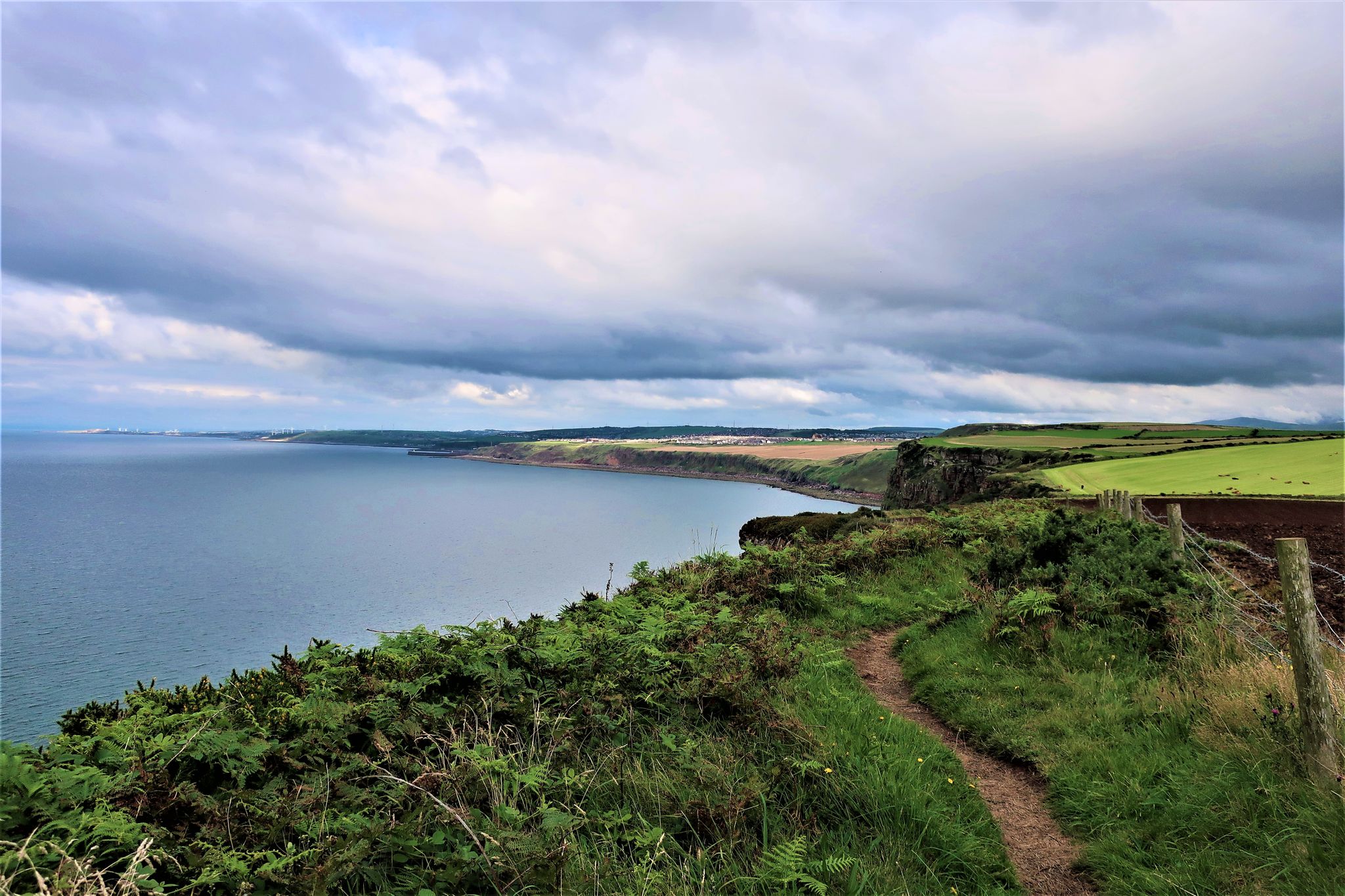
The Cumbria Coastal Way — Hike vibrant estuaries and historic coastline

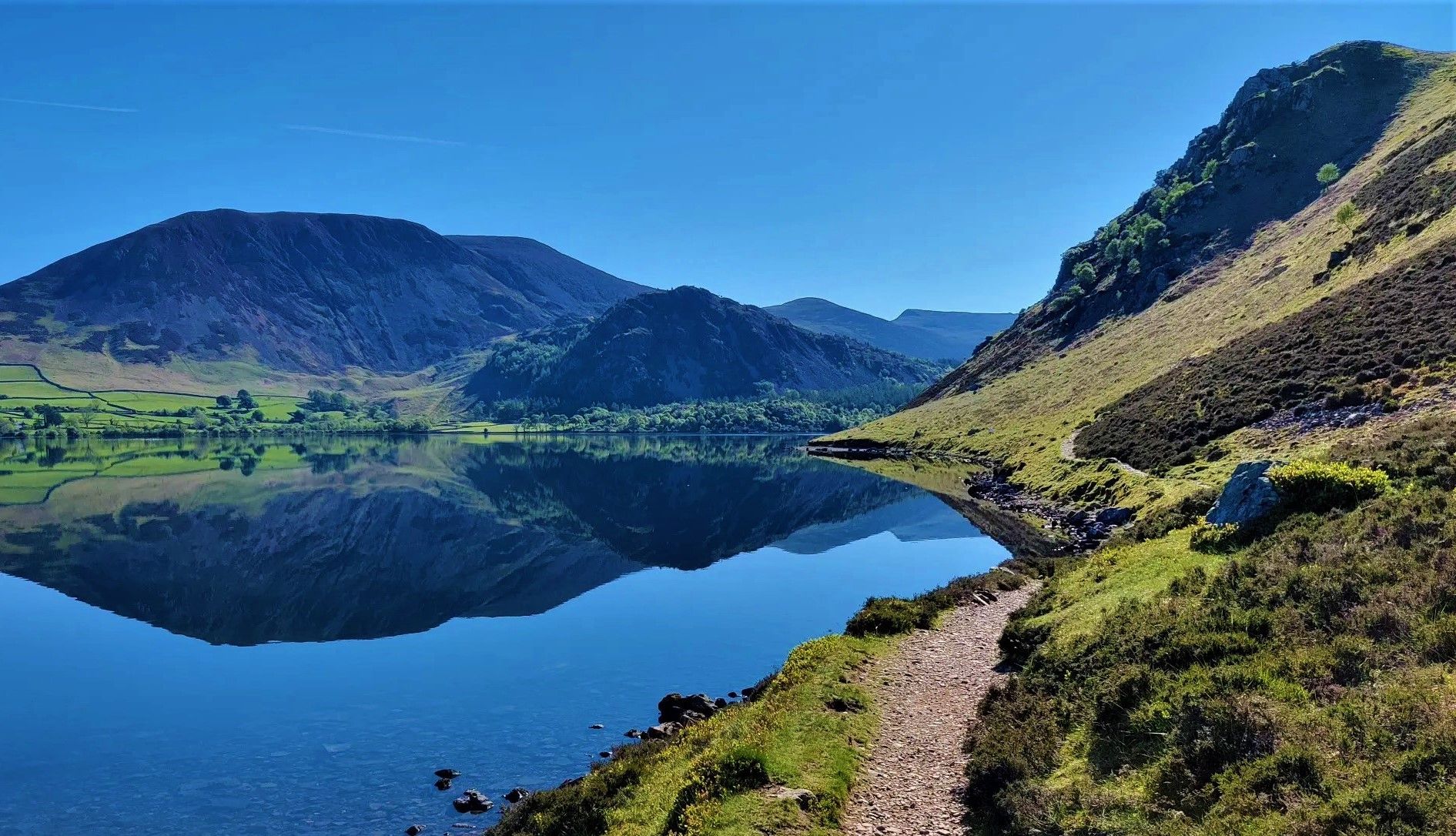
St Bega's Way and Back — A pilgrimage hike from coast to mountains
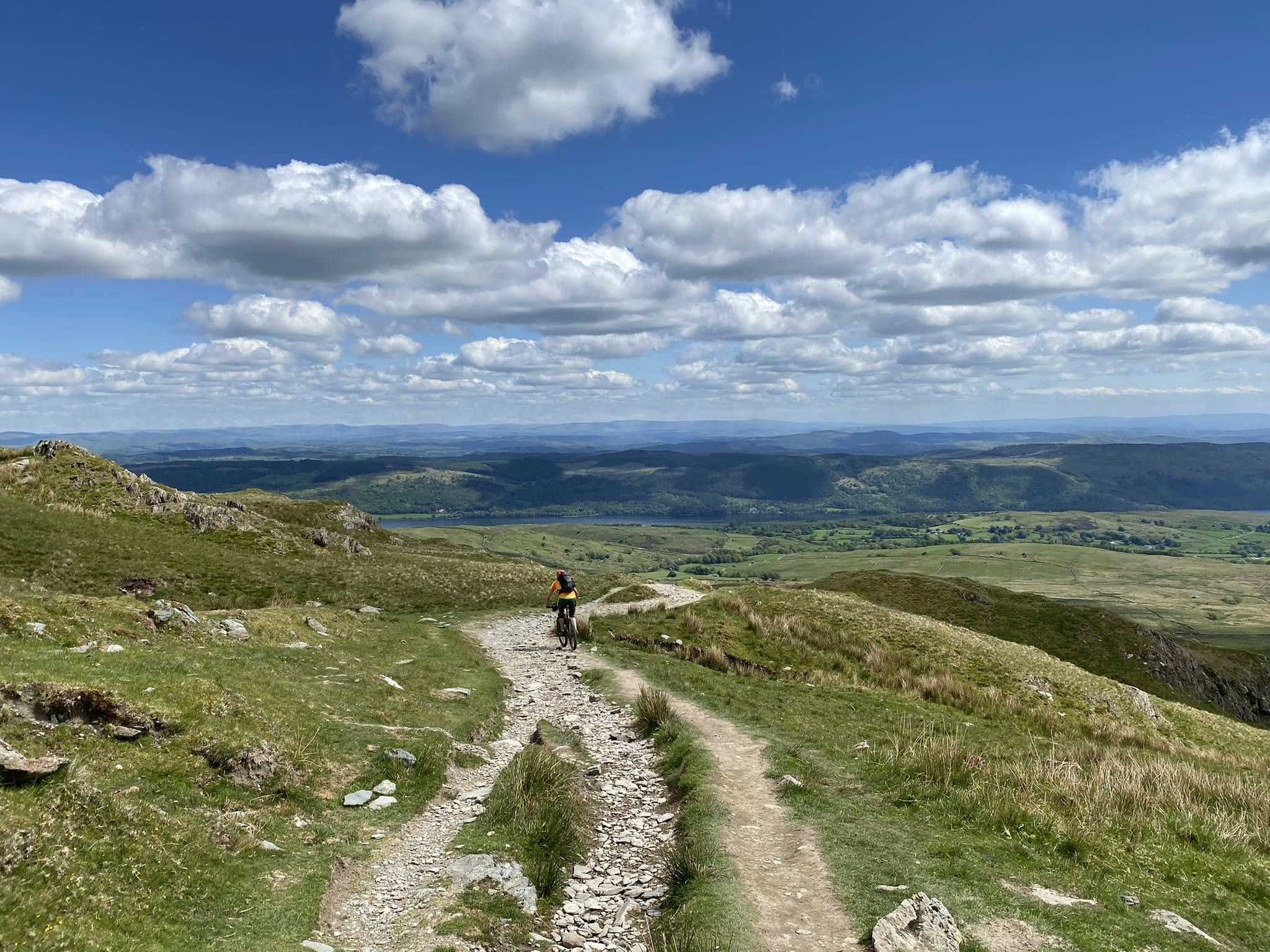
Wainwright's Coast to Coast — Hike the width of England in 13 stages
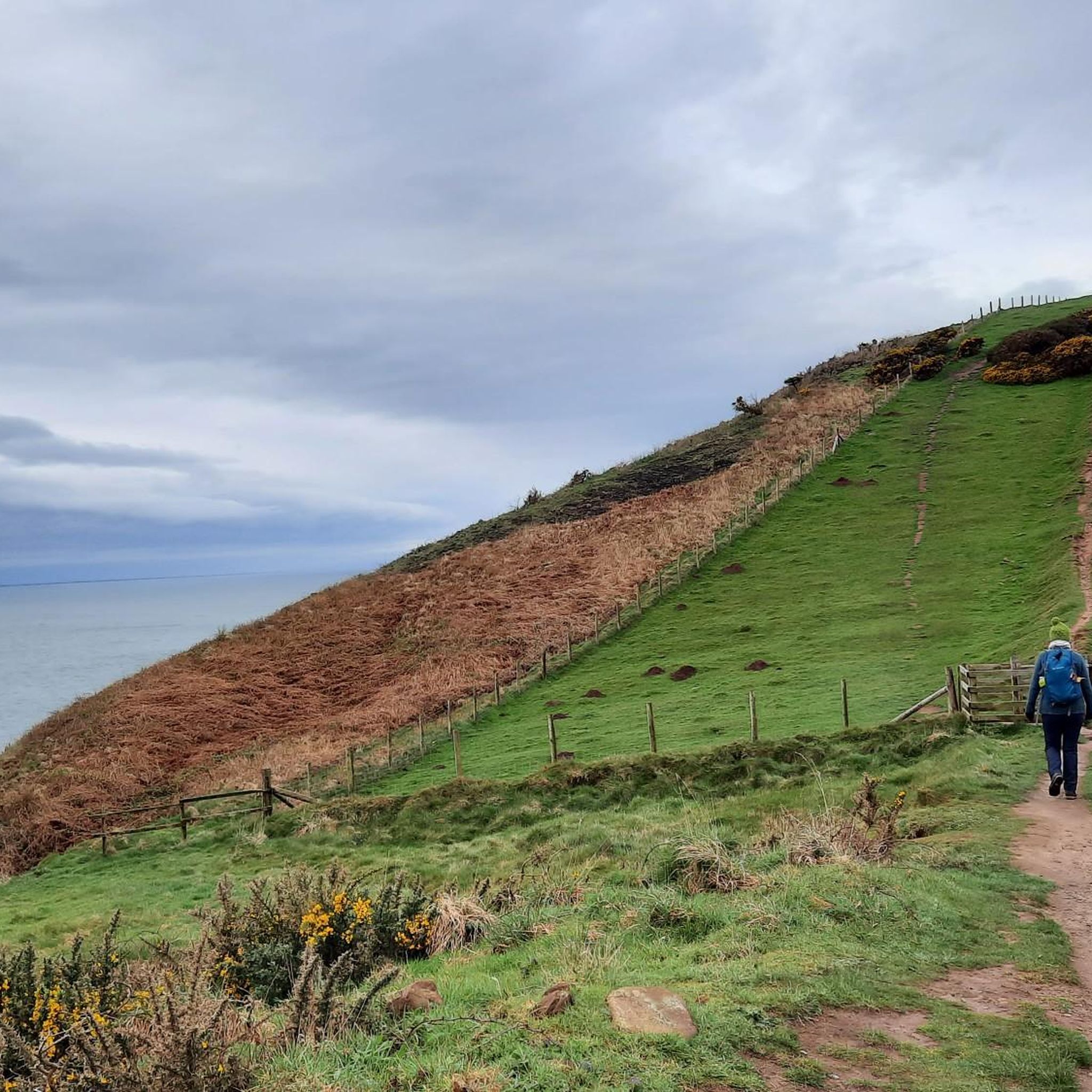
Tim Woodcock's Coast to Coast off-road route – Lakes, Dales and Moors
Road Cycling Routes around St. Bees
Cycling around St. Bees
Running Trails around St. Bees
MTB Trails around St. Bees
Other adventures around St. Bees


Tips from the Community


beautiful bench with a view of Scotland
0
0
In clear visibility, the Isle of Man in the Irish Sea is very well visible.
0
0


The sandstone from this still existent, working quarry has been were used since the 18th century to built e.g. Carlisle Castle, Carlisle Cathedrale, Furness Abbey, the Liverpool Docks and was also shipped to the United States & Canada.
0
0

Make sure to stop off at the RSPB viewing points on the cliffs for a sea spotting session
1
0


Amazing place and to have a pint watching the sun set
1
0
Frequently Asked Questions
How many hiking trails are available around St. Bees?
St. Bees offers a diverse range of hiking opportunities with over 30 trails. These include coastal paths, clifftop walks, and routes exploring the village's surroundings. Approximately 20 of these routes are considered easy, while 14 are moderate, catering to various fitness levels.
What kind of terrain can I expect on hikes in St. Bees?
Hiking in St. Bees features varied terrain, from dramatic red sandstone cliffs and rugged headlands to expansive sandy beaches. You'll find well-trodden coastal paths, some with significant elevation changes offering panoramic views, and gentler routes through the village and along the shore. The area is known for its unique red sandstone geology.
Are there any circular walks in St. Bees?
Yes, St. Bees is well-suited for circular walks. Popular options include the St Bees Headland & Lighthouse loop, which offers expansive views over the Irish Sea, and the St Bees South Head – Fleswick Bay loop, leading to a secluded bay. The Parish Council has also developed several local circular routes utilizing public footpaths and sections of the England Coast Path.
What natural features or landmarks can I see while hiking in St. Bees?
St. Bees Head is a prominent natural feature, being the most westerly point of Northern England with towering cliffs. It's also home to an important RSPB Nature Reserve, where you can observe a large seabird colony. Other notable sights include the historic St. Bees Lighthouse and the mile-long sandy St. Bees Beach. Further afield, you might encounter highlights like Ennerdale Water or Seascale Beach.
Are there any easy, family-friendly hiking routes in St. Bees?
Absolutely. St. Bees offers several easy routes suitable for families. The St Bega Statue – Sea Thrift South of Seacote loop is an easy 4.4 km trail through coastal scenery. Another gentle option is the St Bees Lighthouse – St Bees North Head loop, which is just under 5 km. These routes are generally less strenuous and provide beautiful views without significant climbs.
What do other hikers say about the trails in St. Bees?
The hiking trails in St. Bees are highly regarded by the komoot community, holding an average rating of 4.6 stars from over 50 reviews. Hikers frequently praise the dramatic coastal scenery, the well-maintained paths, and the opportunity to spot diverse seabirds. Many appreciate the variety of routes, from challenging clifftop walks to more relaxed beach strolls.
Is St. Bees a good starting point for long-distance trails?
Yes, St. Bees is famously the starting point for several significant long-distance walking trails. Most notably, it marks the beginning of Wainwright's iconic 182-mile Coast to Coast Walk. The King Charles III England Coast Path also follows the cliff edge from Whitehaven through St. Bees, and the Cumbria Coastal Way passes through the area.
Where can I find parking for St. Bees walks?
Parking is generally available in St. Bees village, particularly near the beach and promenade areas, which serve as common starting points for many local walks. Specific car parks are often signposted, especially for visitors accessing the coastal paths and the beach.
Can I reach St. Bees trailheads using public transport?
St. Bees has a railway station on the scenic Cumbrian Coast Line, making it accessible by train. The station is conveniently located within the village, allowing easy access to many of the local trailheads and the beach, including the start of the Coast to Coast Walk.
What is the best time of year to go hiking in St. Bees?
St. Bees offers enjoyable hiking year-round, but spring and summer (April to September) are particularly popular. During these months, the weather is generally milder, and the seabird colonies at St. Bees Head are most active, offering excellent wildlife viewing opportunities. Autumn can also be beautiful with changing colors, though coastal paths can be exposed to stronger winds.
Are there any viewpoints along the hiking trails in St. Bees?
Many trails in St. Bees offer spectacular viewpoints, especially along St. Bees Head. From the clifftops, you can enjoy panoramic views over the Irish Sea, often seeing the Isle of Man on clear days. The lighthouse area also provides excellent vistas. Inland, highlights like Lank Rigg Summit and Grike Summit Cairn offer elevated perspectives of the surrounding Cumbrian landscape.
Where can I find more information about St. Bees village?
For more details about the village of St. Bees, including local amenities and attractions, you can visit the official tourism website: visitlakedistrict.com.
Most popular routes around St. Bees
Most popular attractions around St. Bees

Get inspired with the komoot mobile app


Explore more
Browse the best Hikes in other regions.
