Top 20 Castles around Floh-Seligenthal
Best castles around Floh-Seligenthal are situated in the Thuringian Forest region, known for its natural landscapes and historical significance. The area features a mix of dense forests and rolling hills, providing a backdrop for various historical sites. Floh-Seligenthal serves as a base for exploring these cultural landmarks. The region offers opportunities for outdoor activities combined with historical exploration.
Best castles around Floh-Seligenthal
- The most popular castles is Ruins of Liebenstein Castle, a castle that features an informative ruin and…
Last updated: July 7, 2026
Altenstein Castle
Highlight • Castle
Translated by Google •
Tip by

Ruins of Liebenstein Castle
Highlight • Castle
In front of the ruin is a large fairground where seasonal events take place.
Translated by Google •
Tip by

Sign up now to discover places like this
Get recommendations on the best single tracks, peaks, & plenty of other exciting outdoor places.
Sign up for free
Rock Theatre Bad Liebenstein
Highlight • Natural Monument
Translated by Google •
Tip by

Wilhelmsburg Castle, Schmalkalden
Highlight • Castle
Translated by Google •
Tip by

Tenneberg Castle
Highlight • Castle
Translated by Google •
Tip by

Sign up for free to discover even more castles around Floh-Seligenthal.
Sign up for free
Already have an account?
Start today with a free account
Your next adventure awaits.
Login or Signup
Popular around Floh-Seligenthal
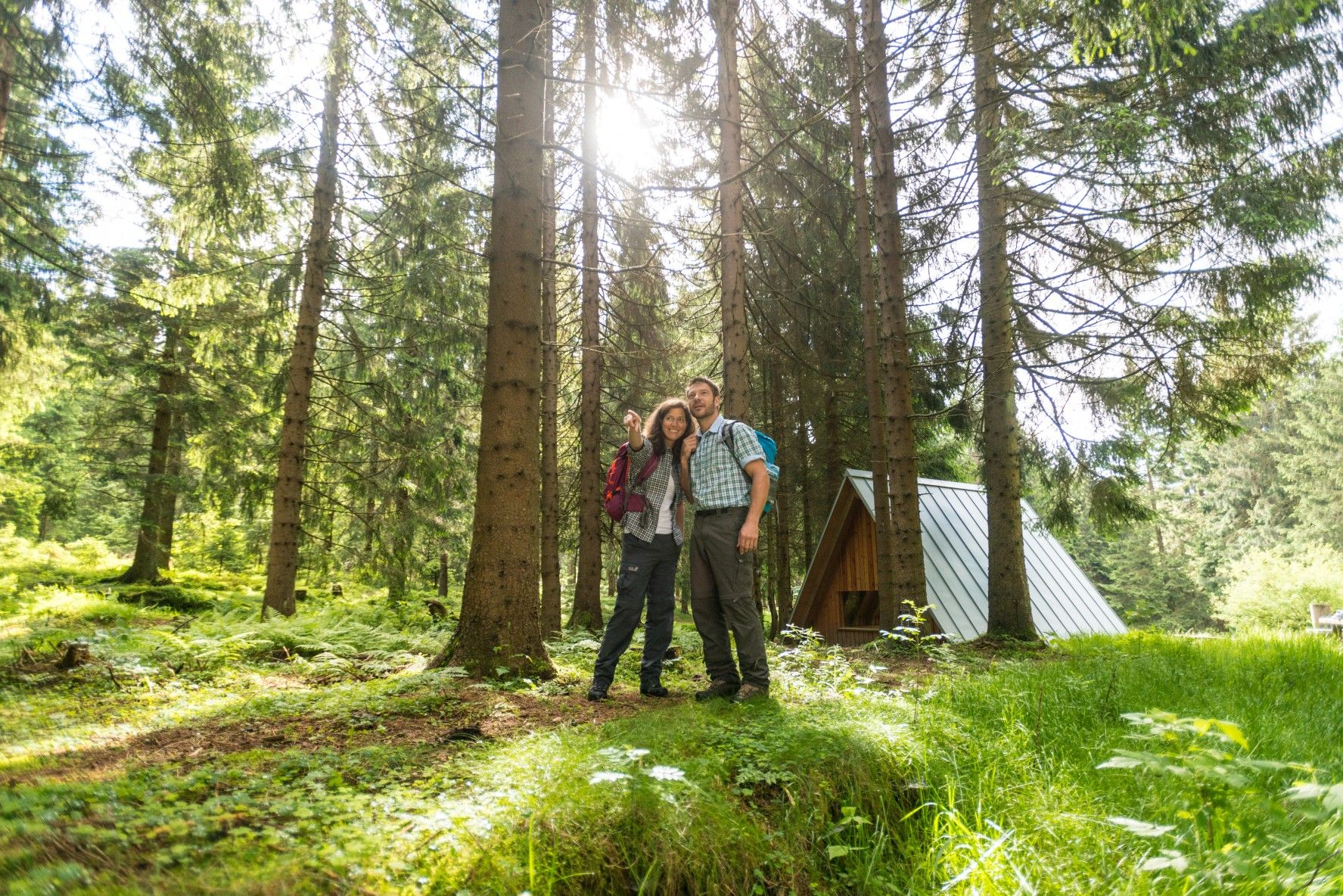
The Rennsteig — Thuringia's most beautiful hiking route
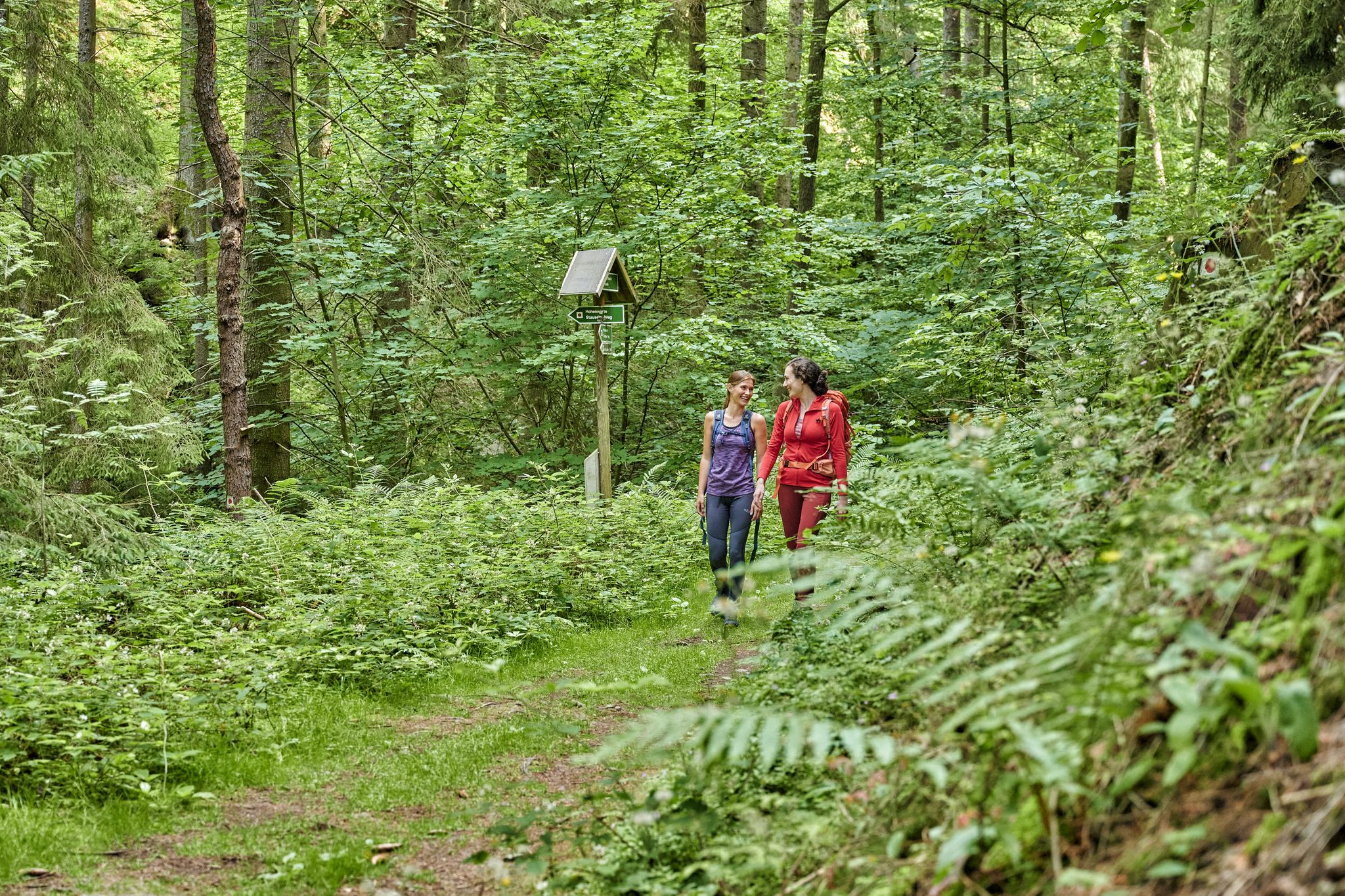
Long distance hiking trails in the Thuringian Forest
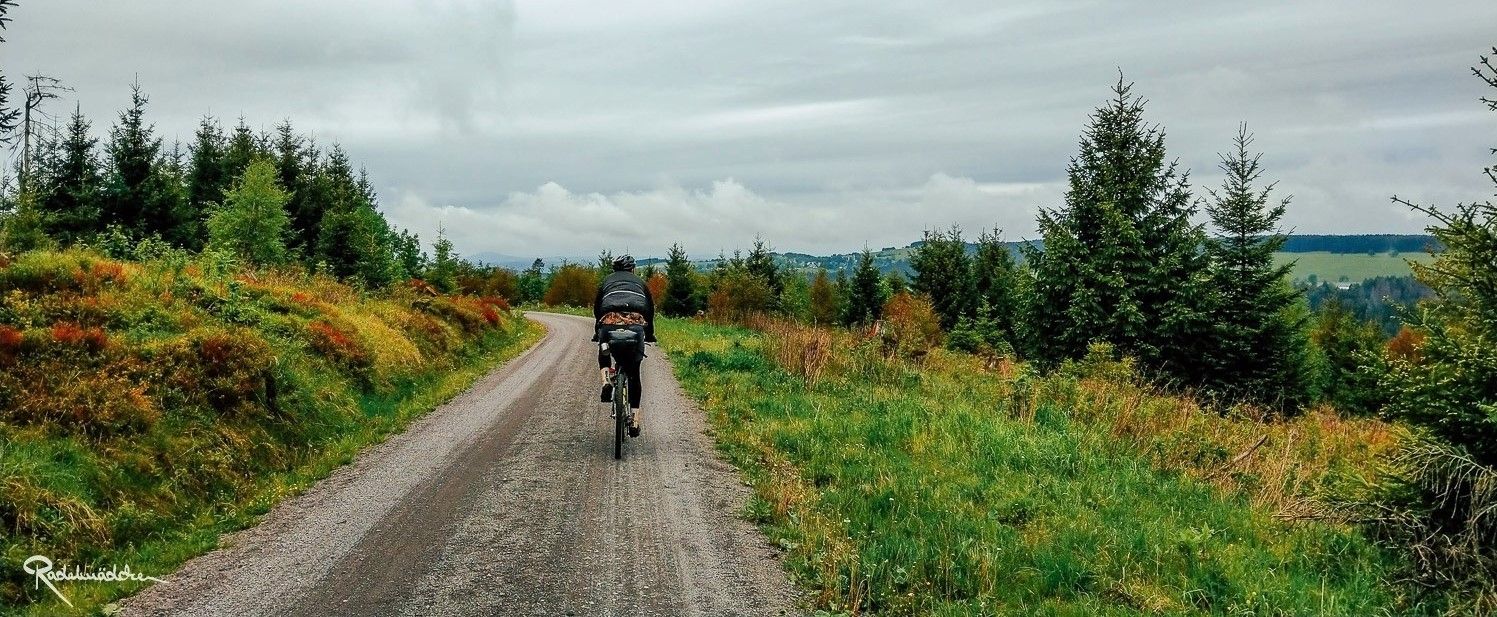
Ride the Rennsteig Cycle Path on your gravel bike – Thuringian Highlands
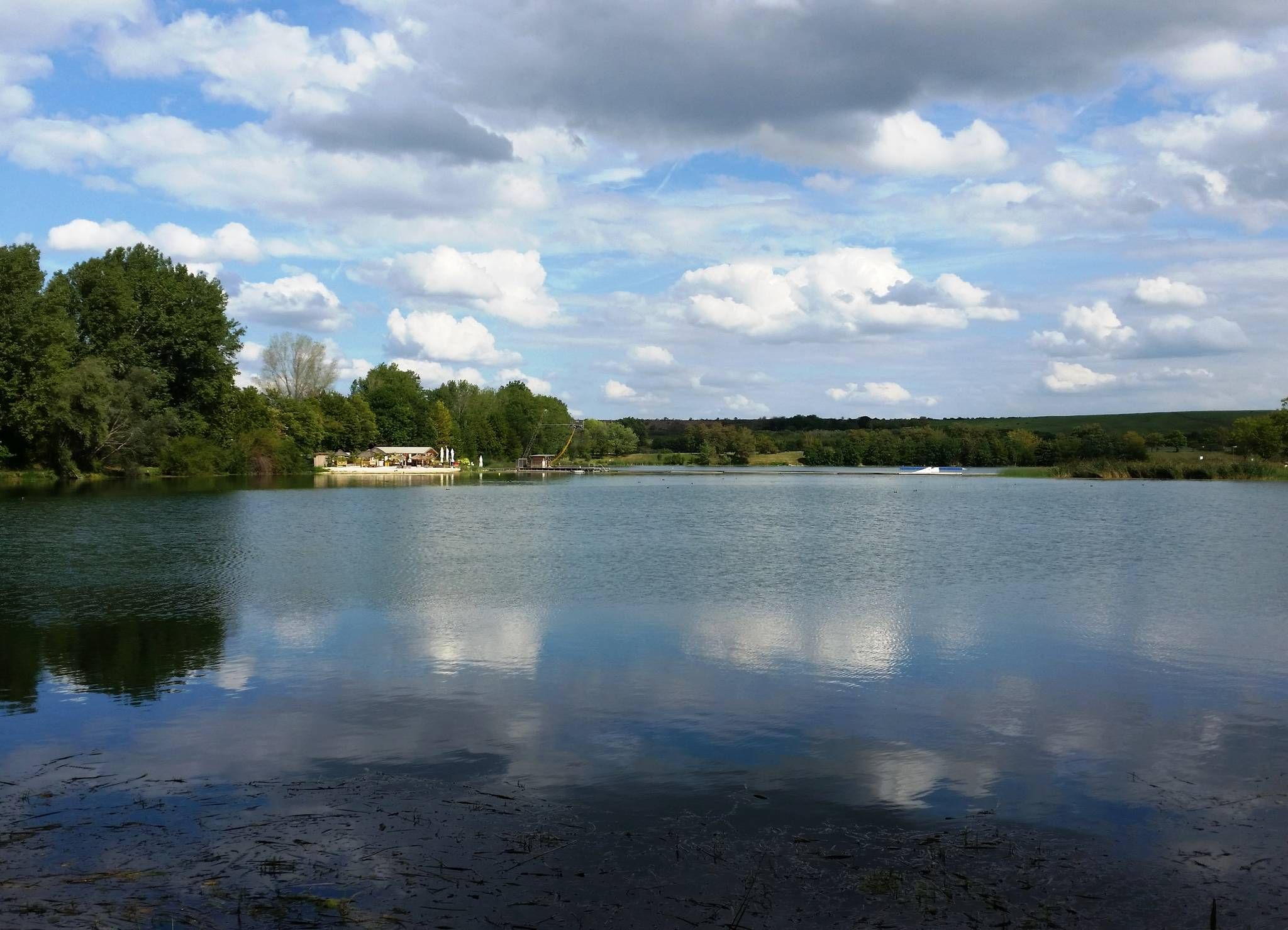
The most popular swimming spots in Thuringia
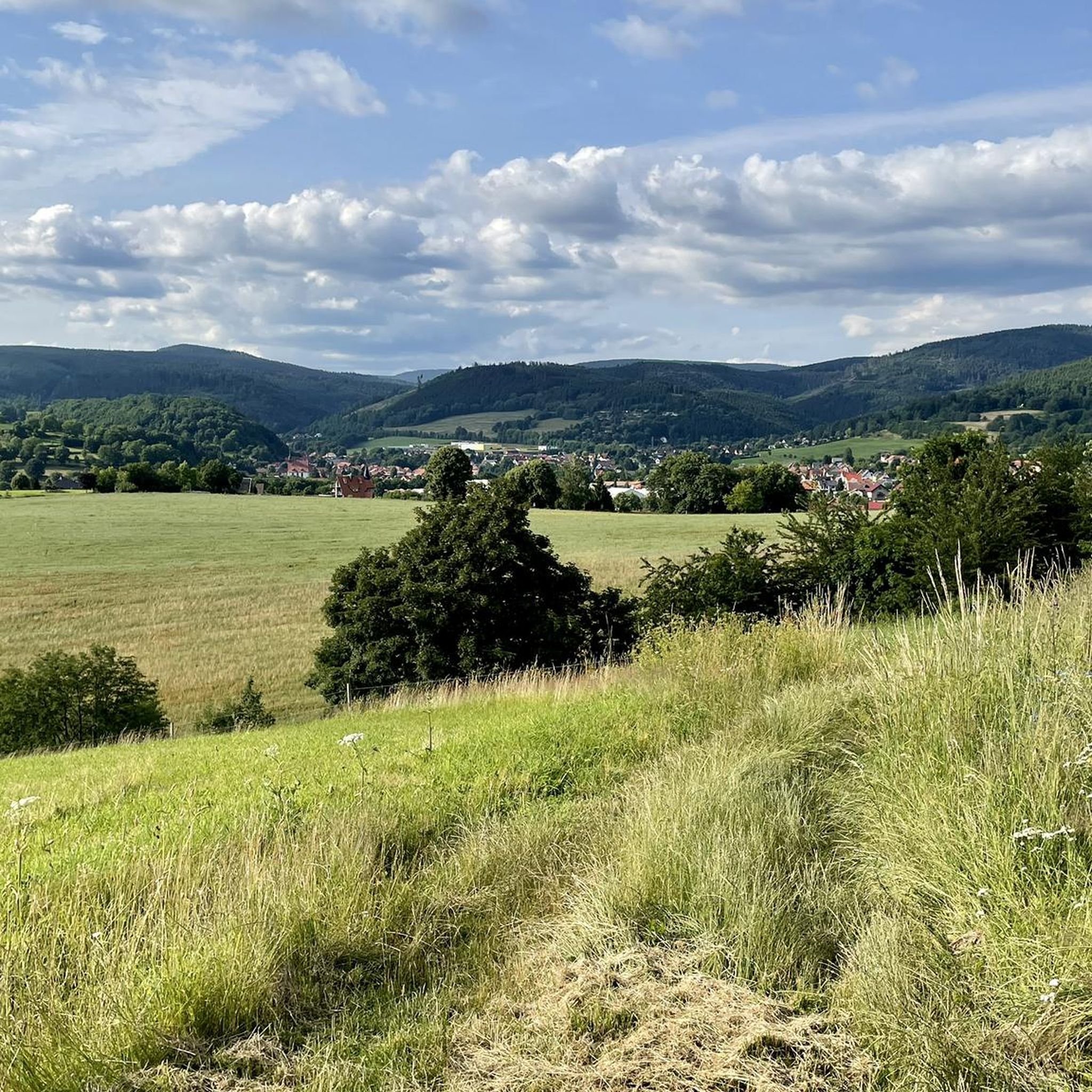
Hiking around Floh-Seligenthal
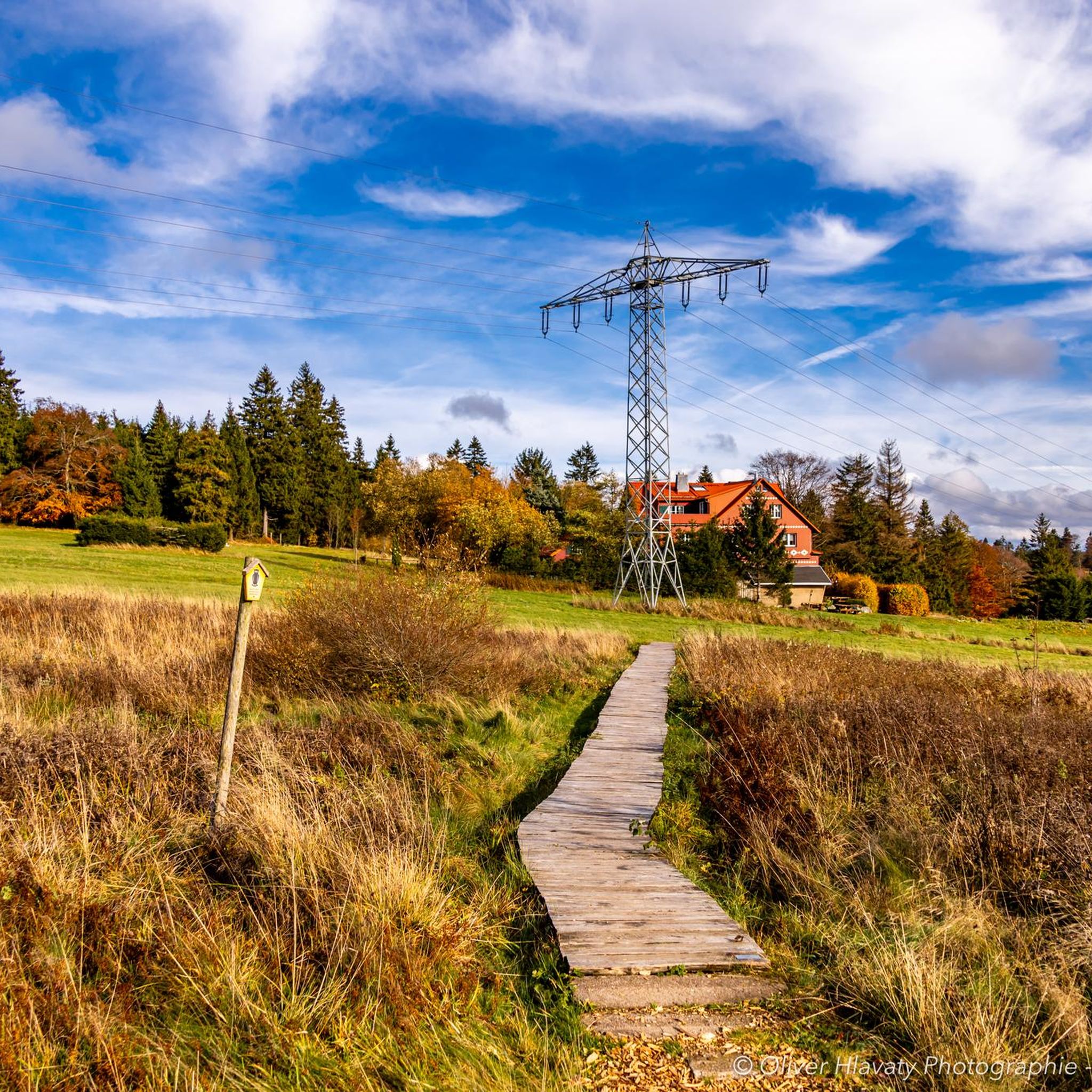
Road Cycling Routes around Floh-Seligenthal
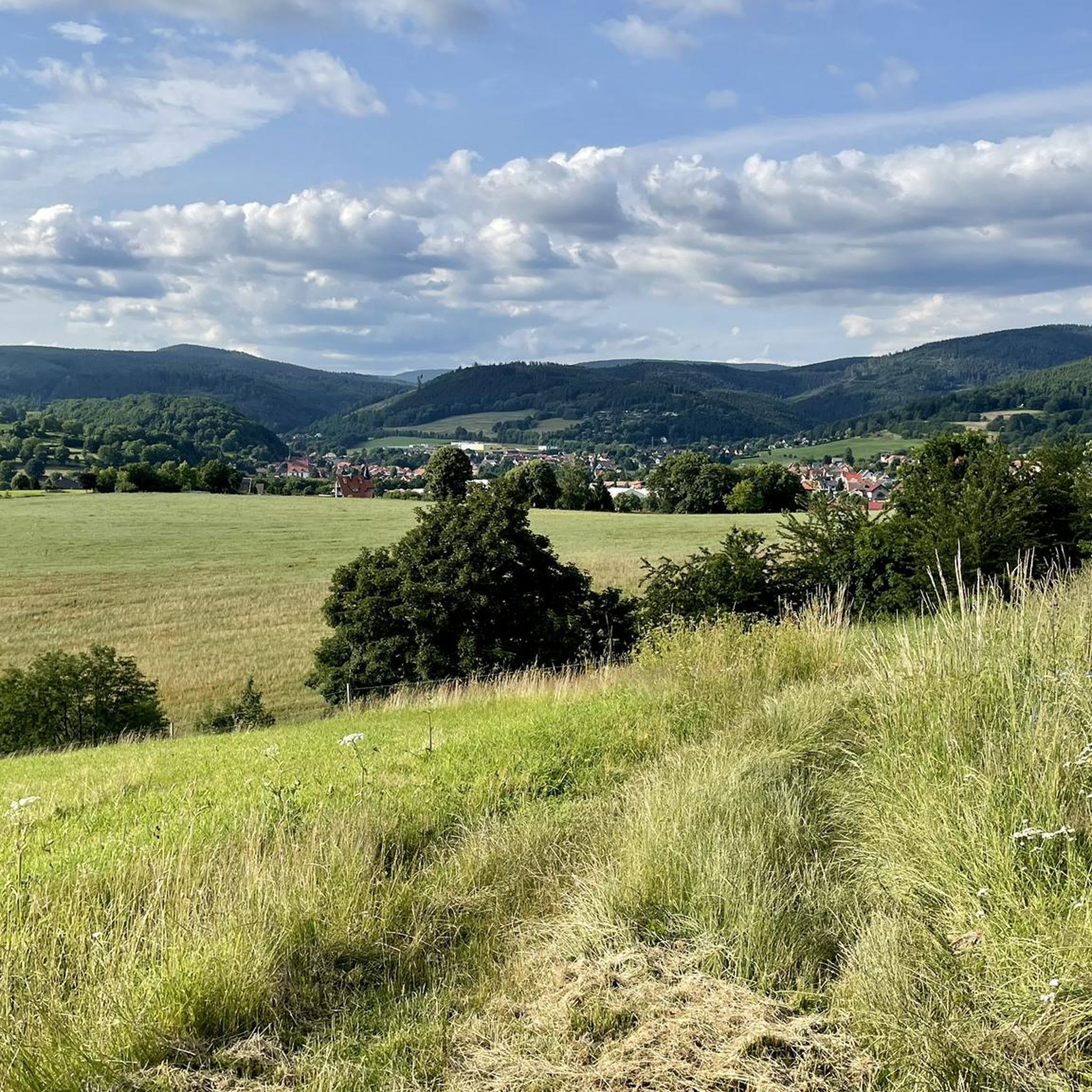
Cycling around Floh-Seligenthal
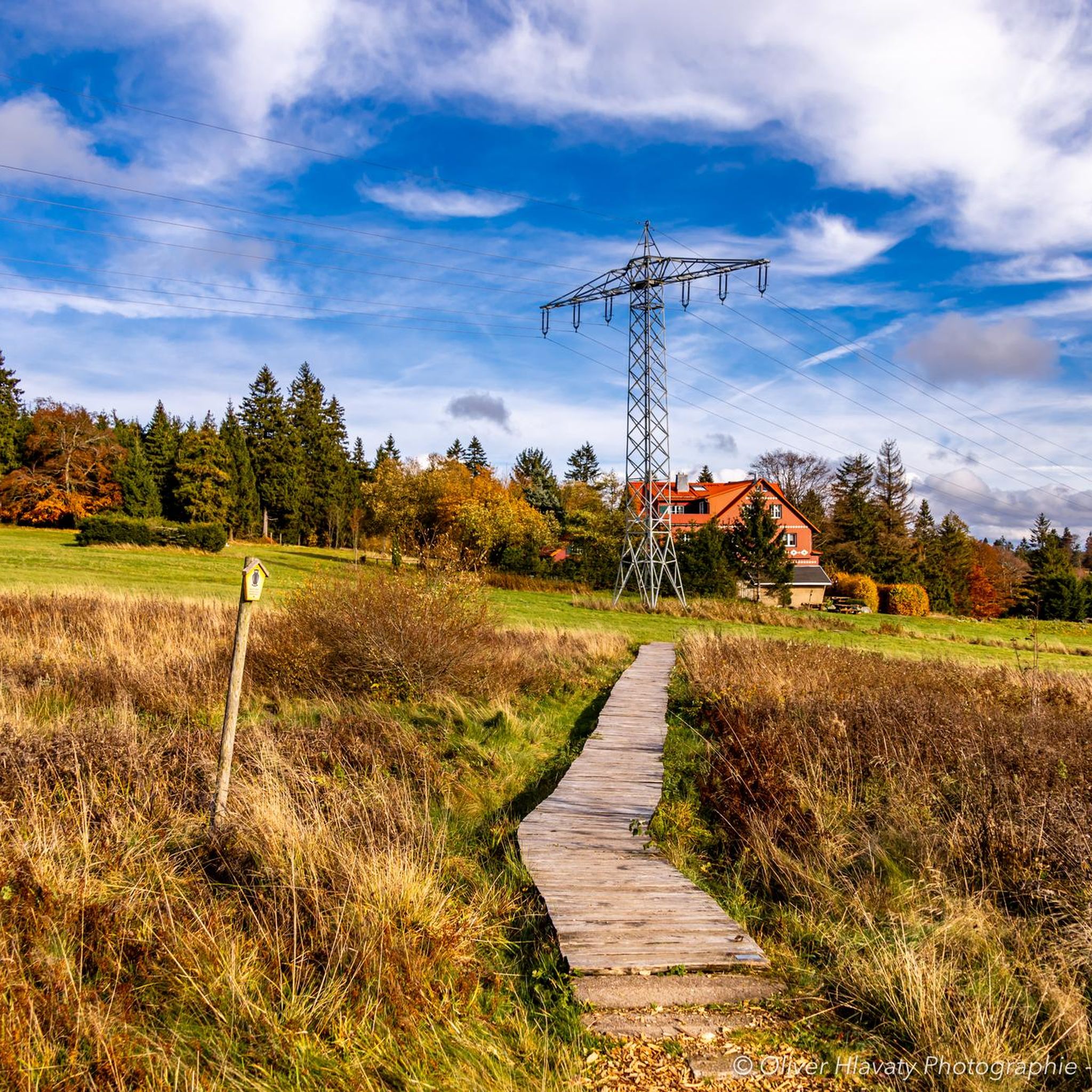
Running Trails around Floh-Seligenthal
MTB Trails around Floh-Seligenthal

Gravel biking around Floh-Seligenthal
Other adventures around Floh-Seligenthal


Tips from the Community

The Liebenstein castle ruins tower high above the city. Currently closed for renovation work.
9
0

Is below the castle ruins.
3
0

Around 1860, the dukes of Meiningen and their guests used the inner courtyard for the performance of plays.
4
0

New permanent exhibition: The Schmalkaldic League - beginning of the schism. Made interesting with short films in which Duchess Elisabeth von Rochlitz tells her story and thoughts. But children don't miss out either. There are stations where small tasks and puzzles can be solved. As in any museum, you have to bring your time, which is worth it.
8
0

Around 1860, the dukes of Meiningen used the niche in the rocks to stage plays while they spent their summers at nearby Altenstein Castle. The path to the Felsentheater is still partly paved with stones, so that it could also be used with carriages. An immense effort was made here for a theater in the middle of the forest as a summer pleasure.
8
0
The castle was probably built in the High Middle Ages by the Lords of Frankenstein, who resided near Bad Salzungen, as an outpost. After it passed to the Wettin dynasty, the Lords vom Stein zu Altenstein received the castle as a fief and rebuilt it. Hermann vom Stein oversaw its expansion in the Renaissance style around 1599. Around 1800, under the influence of Romanticism, efforts began to restore the now ruined complex. The Dukes of Saxe-Meiningen appreciated its appearance within sight of the landscaped park surrounding their summer residence, Altenstein Castle. (Source: Information panel of the Thuringian Castles and Gardens Foundation)
9
0

A very beautiful castle, with a beautiful view. The visit is free of charge, but you are welcome to leave a donation at the entrance to the tower.
9
0

High above the town of Waltershausen and visible from afar, Tenneberg Castle sits enthroned on the 400 m high castle hill. Thuringian landgraves built the former castle with its horseshoe-shaped floor plan at the end of the 12th century. Over the centuries, Tenneberg has seen many lords and fundamental renovations. It was the court and administrative seat, hunting lodge and summer residence of the Gotha dukes as well as the military center of the former Tenneberg district. Its architecture primarily reflects the architectural styles of the Renaissance and the Baroque. Three baroque rooms are preserved today, of which the ballroom with paintings by the Gotha court painter Johann Heinrich Ritter is the most magnificent. The romantic, arcade-decorated small castle courtyard with the castle café is particularly attractive. Today, the castle is actually a large local history museum, which is known far beyond the country's borders, above all for its extensive doll exhibition. Source: https://www.tourismus-thueringer-wald.de/burgen-und-schloesser/schloss-tenneberg
3
0
Frequently Asked Questions
Are there family-friendly castles to visit around Floh-Seligenthal?
Yes, several castles in the region are suitable for families. For example, the Ruins of Liebenstein Castle features an observation tower and a large fairground for seasonal events. Altenstein Castle offers extensive park grounds for strolling, and Wilhelmsburg Castle, Schmalkalden, has interactive exhibits for children, making history engaging.
Which castles offer good viewpoints or scenic surroundings?
The Ruins of Liebenstein Castle provides a great all-round view from its observation tower. Additionally, the Terraced Gardens at Altenstein Castle offer beautiful views of the castle and the surrounding landscape, perfect for a leisurely stroll.
Can I find parking facilities at the castles?
Yes, parking is available at some locations. For instance, Altenstein Castle is noted to have parking facilities, making it convenient for visitors arriving by car.
What historical significance do the castles around Floh-Seligenthal hold?
The castles in this region are rich in history. Wilhelmsburg Castle, Schmalkalden, is particularly significant as one of Germany's best-preserved original Renaissance castles, known for its role in the Schmalkaldic League during the Reformation. Tenneberg Castle, a former medieval spur castle, now serves as a museum showcasing local history and the Waltershausen doll industry.
Are there any cafes or places to eat near the castles?
While not all castles have on-site dining, Tenneberg Castle is listed as having a cafe, offering a convenient spot for refreshments during your visit.
What outdoor activities can I combine with a castle visit in the Floh-Seligenthal area?
The region around Floh-Seligenthal, part of the Thuringian Forest, offers various outdoor activities. You can find numerous cycling routes, including road cycling and gravel biking. For example, explore routes like the 'Hundsrück Tunnel – Trusetal Waterfall loop' for cycling or the 'Wallbach Valley – Werratal Cycle Path loop' for gravel biking. You can find more details on these and other routes in the Cycling around Floh-Seligenthal guide or the Gravel biking around Floh-Seligenthal guide.
Are dogs allowed at the castle sites?
Some castle sites are dog-friendly. For instance, visitors have noted that the Ruins of Liebenstein Castle is a beautiful place where you can walk with your dog.
What do visitors enjoy most about the castles in this region?
Visitors frequently appreciate the historical insights and the scenic beauty. The informative nature of the Ruins of Liebenstein Castle and its observation tower are highly rated. The well-kept grounds and magnificent architecture of Altenstein Castle and its park are also popular for leisurely strolls.
Are there any castles that are particularly well-preserved?
Yes, Wilhelmsburg Castle, Schmalkalden, stands out as one of the best-preserved original Renaissance castles in Germany. It features largely intact overall complexes, magnificent wall paintings, stucco work, and original room structures.
What is the best season to visit the castles around Floh-Seligenthal?
While castles can be visited year-round, spring and autumn offer pleasant temperatures for exploring the outdoor grounds and parks, such as those at Altenstein Castle. Summer is also popular, especially for events at sites like the Ruins of Liebenstein Castle. Winter visits can offer a unique, serene atmosphere, though some facilities or outdoor areas might have limited access.
Are there any castles that are less crowded or considered hidden gems?
While specific crowd levels can vary, exploring castles slightly off the main tourist paths can offer a more tranquil experience. Tenneberg Castle, with its museum focus on local history and the doll industry, might offer a quieter, more unique visit compared to larger, more widely known sites.
Most popular routes around Floh-Seligenthal
Most popular attractions around Floh-Seligenthal

Get inspired with the komoot mobile app


Explore more
Looking for the best castles somewhere else? Discover other guides around Floh-Seligenthal:
