Nationalpark Berchtesgaden
Nationalpark Berchtesgaden
The 20 Most Amazing Peaks in Nationalpark Berchtesgaden
Best mountain peaks in Nationalpark Berchtesgaden are found within Germany's only Alpine national park, a region characterized by its dramatic limestone massifs and deep valleys. This area offers a diverse range of alpine experiences, from accessible viewpoints to demanding high-alpine traverses. The park's geography includes iconic peaks, vast karst plateaus, and glacial features. It provides varied terrain for exploration, making it a notable destination for mountain enthusiasts.
Best mountain peaks in Nationalpark Berchtesgaden
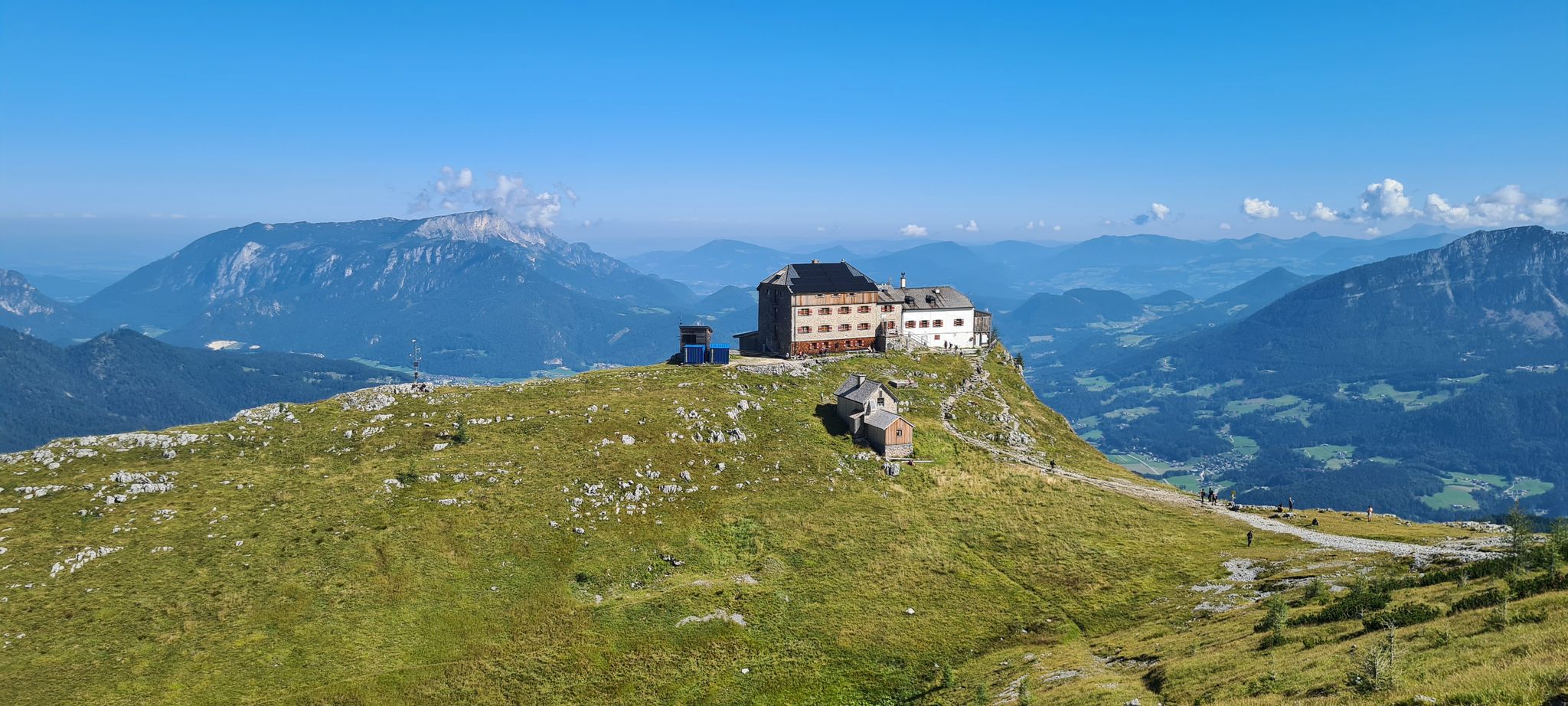
- The most popular mountain peaks is Watzmann Hocheck Summit, a summit that offers views back to the Watzmannhaus, Jenner, or Königssee. This summit is accessible to those with sure-footedness and includes a via ferrata section.
- Another must-see spot is Jenner Summit Viewpoint, a viewpoint with great panoramic views. The summit of the Jenner is relatively easy to reach, offering expansive vistas of the surrounding mountains.
- Visitors also love Eagle's Nest, a man-made monument and viewpoint. Located on a secondary peak of the Hoher Göll, it provides a significant panoramic view.
- Nationalpark Berchtesgaden is known for its iconic massifs, accessible viewpoints, and challenging alpine terrain. Visitors can explore a variety of mountain peaks, from high-alpine traverses to more gentle summit approaches.
- The mountain peaks in Nationalpark Berchtesgaden are appreciated by the komoot community, with over 2500 upvotes and more than 2500 photos shared.
Last updated: July 19, 2026
Jenner Summit Viewpoint
Highlight • Viewpoint
Translated by Google •
Tip by

Archenkanzel
Highlight • Viewpoint
Translated by Google •
Tip by

Sign up now to discover places like this
Get recommendations on the best single tracks, peaks, & plenty of other exciting outdoor places.
Sign up for free
Eagle's Nest
Highlight • Monument
de.m.wikipedia.org/wiki/Kehlstein
Translated by Google •
Tip by

Schneibstein Summit (2,276 m)
Highlight • Summit
Translated by Google •
Tip by

Watzmann Hocheck Summit
Highlight • Summit
Translated by Google •
Tip by

Sign up for free to discover even more peaks in Nationalpark Berchtesgaden.
Sign up for free
Already have an account?
Start today with a free account
Your next adventure awaits.
Login or Signup
Popular around Nationalpark Berchtesgaden
Ruperti Trail – Hike from Austria's Bohemian Forest to the Carnic Alps
North Alpine Trail 01 – Hike across Austria in 49 days
6 days in the Steinernes Meer – hiking over waves of rock
Alpine Crossing — 9 days across the Alps to Lienz
The National Natural Landscapes in Bavaria
Lovely bike tours in Berchtesgaden National Park
Up and around Germany’s mighty Watzmann peak
Accessible hiking tours in Berchtesgaden National Park
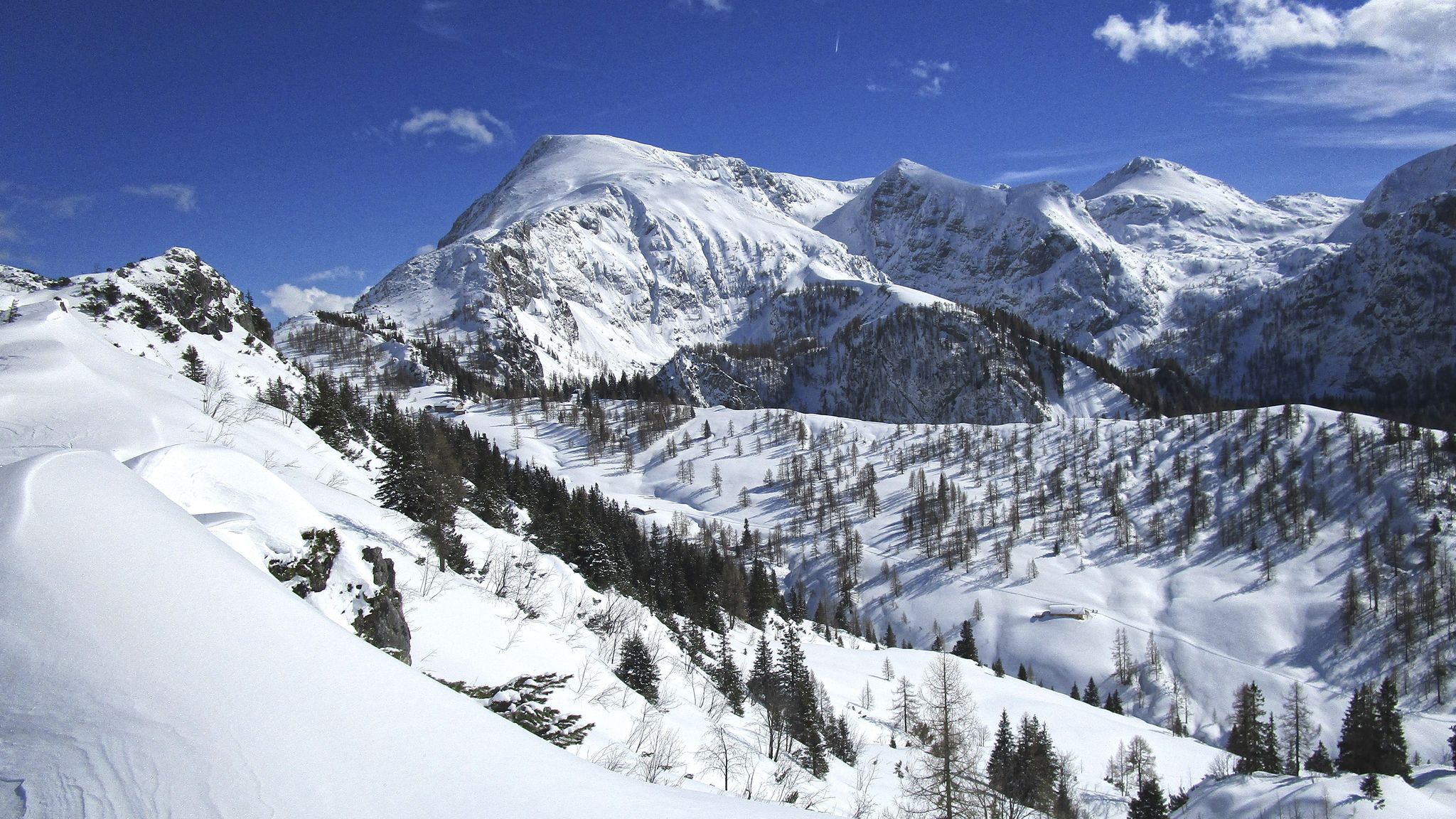
Winter adventures – snowshoeing in Berchtesgaden
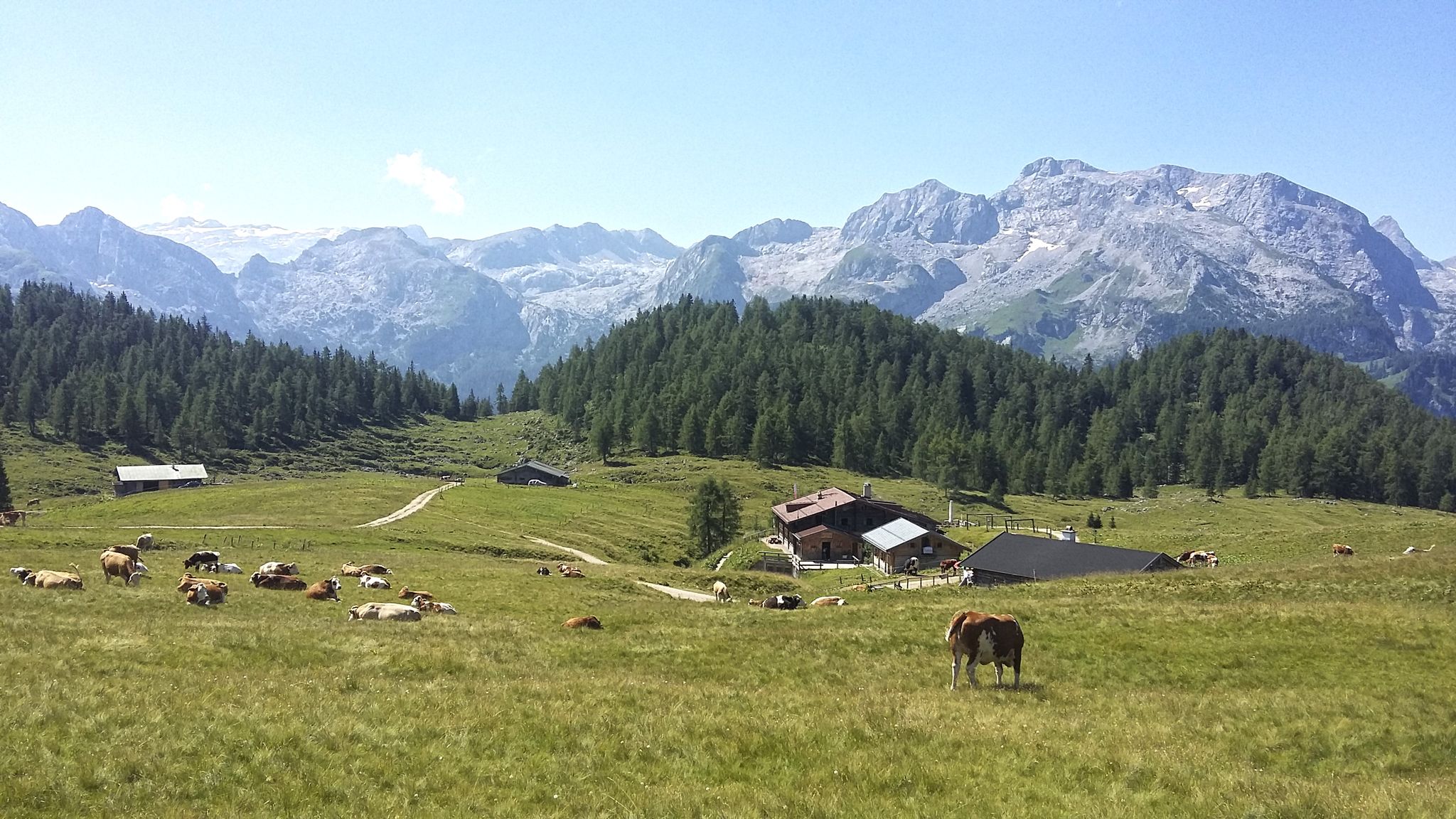
Wonderful hiking Tours in Berchtesgaden National Park in Bavaria
Other adventures in Nationalpark Berchtesgaden


Tips from the Community

The 2276-meter-high Schneibstein has two summit crosses because it lies precisely on the border between Germany and Austria. The summit is a spacious plateau, perfect for a break and admiring the mountain scenery. It is easily accessible, yet far less crowded than the nearby Jenner.
3
0


A summit with a beautiful view and two summit crosses, as the border between Germany and Austria runs up here.
4
0

A beautiful summit plateau! Here you have a great all-round view, which you can enjoy while taking a break on the meadow.
4
0

The Kehlstein is 1879 m above sea level. NHN high secondary peak of the Hoher Göll in the Berchtesgaden Alps. The Kehlstein is known for the Kehlsteinhaus, which was built between 1937 and 1938 just below its summit. https://de.m.wikipedia.org/wiki/Kehlstein
10
0

Turn around every now and then as you climb - the Watzmannhaus quickly becomes smaller. From the intermediate summit it becomes a little flatter. Here it is also worth walking towards the left edge and looking down towards the small Watzmann. The golden Christ cross shines at the summit. On the way to Hocheck we noticed the confusing waymarking. There is actually a reasonable climb over long stretches, which is accurately categorized as T3. However, the red and white path markings repeatedly pointlessly send the hiker to the left into more difficult terrain. The recommendation would be not to attach too much weight to the path markings, but rather to look for the main path and follow it.
6
0

The Jenner is a 1874m high mountain that can be easily reached on foot via a blue route. From the summit cross you have a great view of the Königssee in good weather. From the Hinterbrand car park to the Jenner, it takes about 2-3 hours to hike.
8
1
Frequently Asked Questions
Which mountain peaks in Nationalpark Berchtesgaden offer the most challenging experiences for experienced mountaineers?
For experienced mountaineers seeking a challenge, the Watzmann Hocheck Summit is part of the demanding Watzmann Traverse, a classic Alpine tour. The Watzmann-Ostwand (East Face) is also the highest east face in the Eastern Alps, presenting a significant challenge for expert climbers. The Hochkalter, with its surrounding Blaueis glacier, offers hardcore scrambling and exposed ridge walks. The Steinernes Meer plateau, with peaks like Selbhorn and Schönfeldspitze, provides challenging multi-day treks through rugged alpine terrain.
Are there any mountain peaks in Nationalpark Berchtesgaden that are particularly accessible for visitors seeking panoramic views without strenuous climbs?
Yes, Jenner Summit Viewpoint is highly accessible thanks to its cable car, offering breathtaking panoramic views of Lake Königssee, the Watzmann massif, and the surrounding mountains without a strenuous ascent. Another accessible viewpoint is Eagle's Nest, located on a secondary peak of the Hoher Göll, which provides significant panoramic vistas.
What unique natural features can I discover among the mountain peaks of Nationalpark Berchtesgaden?
The region boasts several unique natural features. The Hochkalter is notable for being surrounded by the Blaueis, the northernmost glacier in the Alps. The Steinernes Meer (Stone Sea) is a vast, high karst plateau characterized by its lunar-like landscape of grey limestone, featuring some 800 identified caves and the renowned Funtensee, known as Germany's coldest spot. The Watzmann massif itself, with its distinctive silhouette, is an iconic natural landmark.
Are there family-friendly mountain routes or activities available in Nationalpark Berchtesgaden?
While many peaks require surefootedness, the Jenner Mountain offers accessible via ferrata routes like the Schützensteig, which is suitable for children and provides a gentle introduction to protected climbing. For easy hikes, you can explore routes mentioned in the Easy hikes in Nationalpark Berchtesgaden guide, such as the St. Bartholoma Circuit Trail or the Tour to the Obersee, which are barrier-free.
What is the best time of year to visit the mountain peaks in Nationalpark Berchtesgaden?
The best time to visit largely depends on your desired activity. Summer (June to September) is ideal for hiking and mountaineering, offering pleasant temperatures and open trails. For those interested in winter activities or experiencing the snow-covered landscape, winter hiking is possible, but requires appropriate gear and awareness of safety conditions. The unique Funtensee on the Steinernes Meer plateau is particularly fascinating in colder months due to its extreme temperatures.
Which mountain peaks offer significant historical or cultural interest?
The Eagle's Nest, located on a secondary peak of the Hoher Göll, is a man-made monument and historical site built between 1937 and 1938, offering a unique blend of history and panoramic views. The Watzmann massif also carries local legends, with the Watzmannfrau and Watzmannkinder being part of a tale where a cruel king and his family were turned to stone.
Where can I find stunning viewpoints of Lake Königssee and the Watzmann massif?
For incredible views of Lake Königssee and the Watzmann massif, the Jenner Summit Viewpoint is an excellent choice, easily accessible by cable car. Another fantastic spot is Archenkanzel, which offers a spectacular view down to Königssee. The Gotzenalm, while not a peak itself, provides a rustic mountain hostel and stunning views, particularly of the Watzmann East Face and Königssee from the Feuerpalven viewpoint.
Are there multi-day hiking opportunities among the mountain peaks?
Yes, the Steinernes Meer (Stone Sea) plateau is ideal for multi-day hut-to-hut adventures. It features an extensive network of alpine huts like the Riemannhaus, Ingolstädter Haus, and Kärlingerhaus (near Funtensee), allowing for challenging treks through its unique geological landscape. The Watzmann Traverse is also a multi-day tour for experienced mountaineers.
What kind of outdoor activities, besides hiking, can I do near the mountain peaks in Nationalpark Berchtesgaden?
Beyond hiking, you can enjoy various outdoor activities. The region offers excellent opportunities for running, with routes like the Panorama Behind Mitterkaseralm loop, as detailed in the Running Trails in Nationalpark Berchtesgaden guide. Gravel biking is also popular, with routes such as the View of Königssee and Watzmann loop, which you can find in the Gravel biking in Nationalpark Berchtesgaden guide.
Which mountain peaks are known for their unique geological formations?
The Steinernes Meer (Stone Sea) is a prime example, characterized by its vast, high karst plateau of grey Dachstein limestone. This area is famous for its rugged, lunar-like landscape and numerous karst features, including around 800 identified caves. The presence of the Blaueis glacier near the Hochkalter also represents a significant geological feature as the northernmost glacier in the Alps.
What is the highest peak located entirely within Germany in this region?
The Mittelspitze (2,713 m), part of the Watzmann massif, holds the distinction of being the highest peak located entirely within Germany. It is a prominent feature of the Berchtesgaden Alps and offers challenging ascents for mountaineers.
Are there any mountain huts available for overnight stays or as base camps for longer tours?
Yes, several mountain huts serve as important base camps and offer overnight stays. The Watzmannhaus is a popular base for Watzmann ascents. In the Steinernes Meer, you'll find an extensive network of alpine huts such as the Riemannhaus, Ingolstädter Haus, and Kärlingerhaus, which are essential for multi-day hut-to-hut adventures across the plateau. The Blaueishütte also serves as a base for climbing the Hochkalter.
Most popular routes in Nationalpark Berchtesgaden
Most popular attractions in Nationalpark Berchtesgaden

Get inspired with the komoot mobile app


Explore more
See even more amazing summits in Nationalpark Berchtesgaden with these guides:
