Wald- Und Heidelandschaft Östlich Von Bodenwöhr Und Bruck I. D. Opf.
Wald- Und Heidelandschaft Östlich Von Bodenwöhr Und Bruck I. D. Opf.
The best cycling routes in Wald- Und Heidelandschaft Östlich Von Bodenwöhr Und Bruck I. D. Opf.
4.4
(2626)
11,171
riders
261
rides
Touring cycling in Wald- Und Heidelandschaft Östlich Von Bodenwöhr Und Bruck I. D. Opf. offers routes through a diverse landscape characterized by sand pine forests, dwarf shrub heaths, and sand grasslands. This protected nature reserve, a former military training area, features a mosaic of open and forested habitats, including nutrient-poor sandy areas and wet depressions. The region is part of the Naturpark Oberer Bayerischer Wald, providing a network of trails suitable for exploring its unique biodiversity.
Best touring cycling routes…
Last updated: October 8, 2026
4.6
(66)
246
riders
Hard bike ride. Good fitness required. You may need to push your bike for some segments of this route.
4.6
(55)
207
riders
Moderate bike ride. Good fitness required. Mostly paved surfaces. Suitable for all skill levels.

4.6
(38)
134
riders
36.6km
02:41
270m
270m
Moderate bike ride. Good fitness required. Mostly paved surfaces. Suitable for all skill levels.
4.8
(37)
105
riders
43.0km
02:53
340m
340m
Moderate bike ride. Good fitness required. Mostly paved surfaces. Suitable for all skill levels.
4.4
(41)
93
riders
34.7km
02:41
160m
160m
Moderate bike ride. Good fitness required. Mostly paved surfaces. Suitable for all skill levels.
Get access to more routes and recommendations from other explorers.
Already have an account?
Our route recommendations are based on thousands of hikes, rides, and runs completed by other people on komoot.
Start today with a free account
Your next adventure awaits.
Popular around Wald- Und Heidelandschaft Östlich Von Bodenwöhr Und Bruck I. D. Opf.
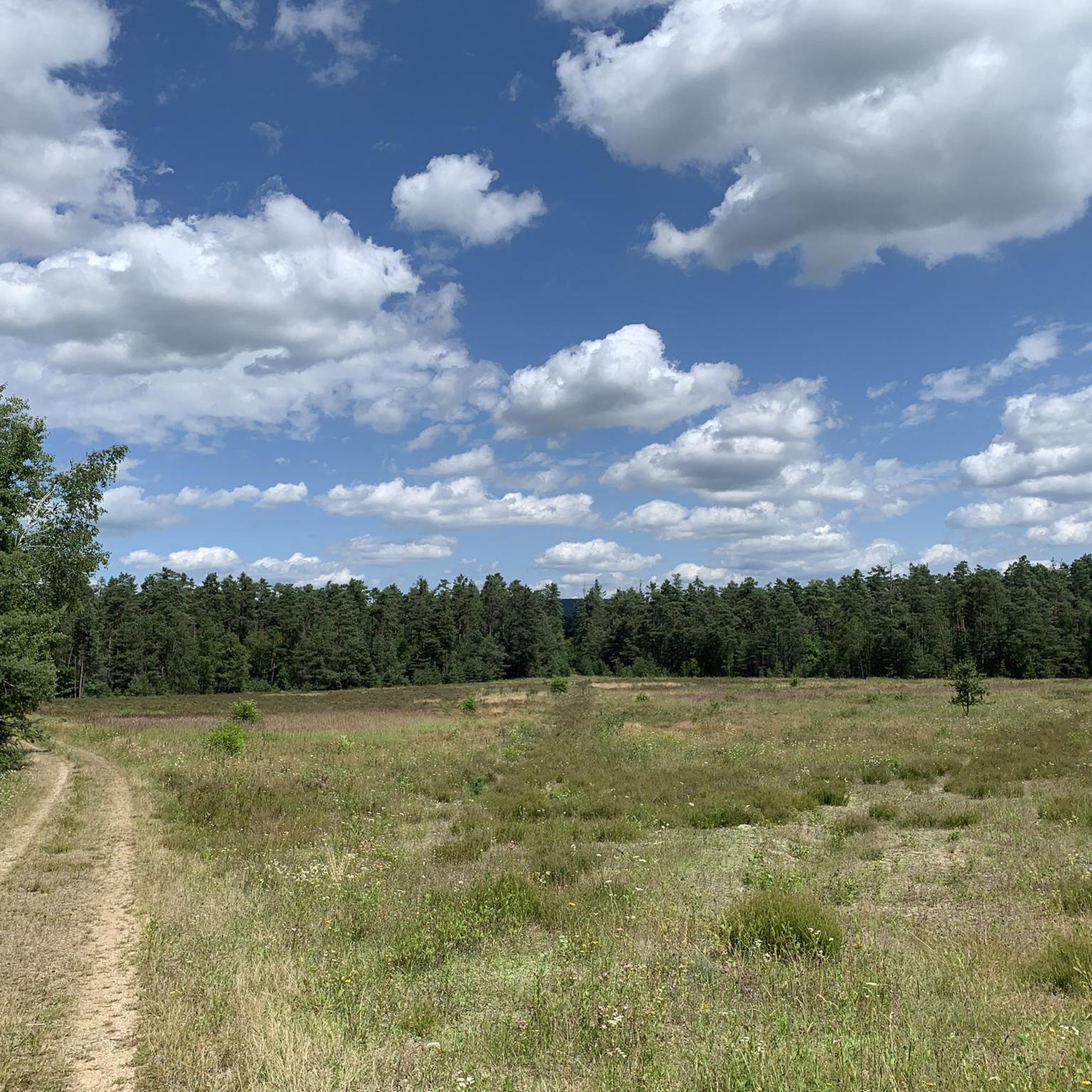
Hiking in Wald- Und Heidelandschaft Östlich Von Bodenwöhr Und Bruck I. D. Opf.
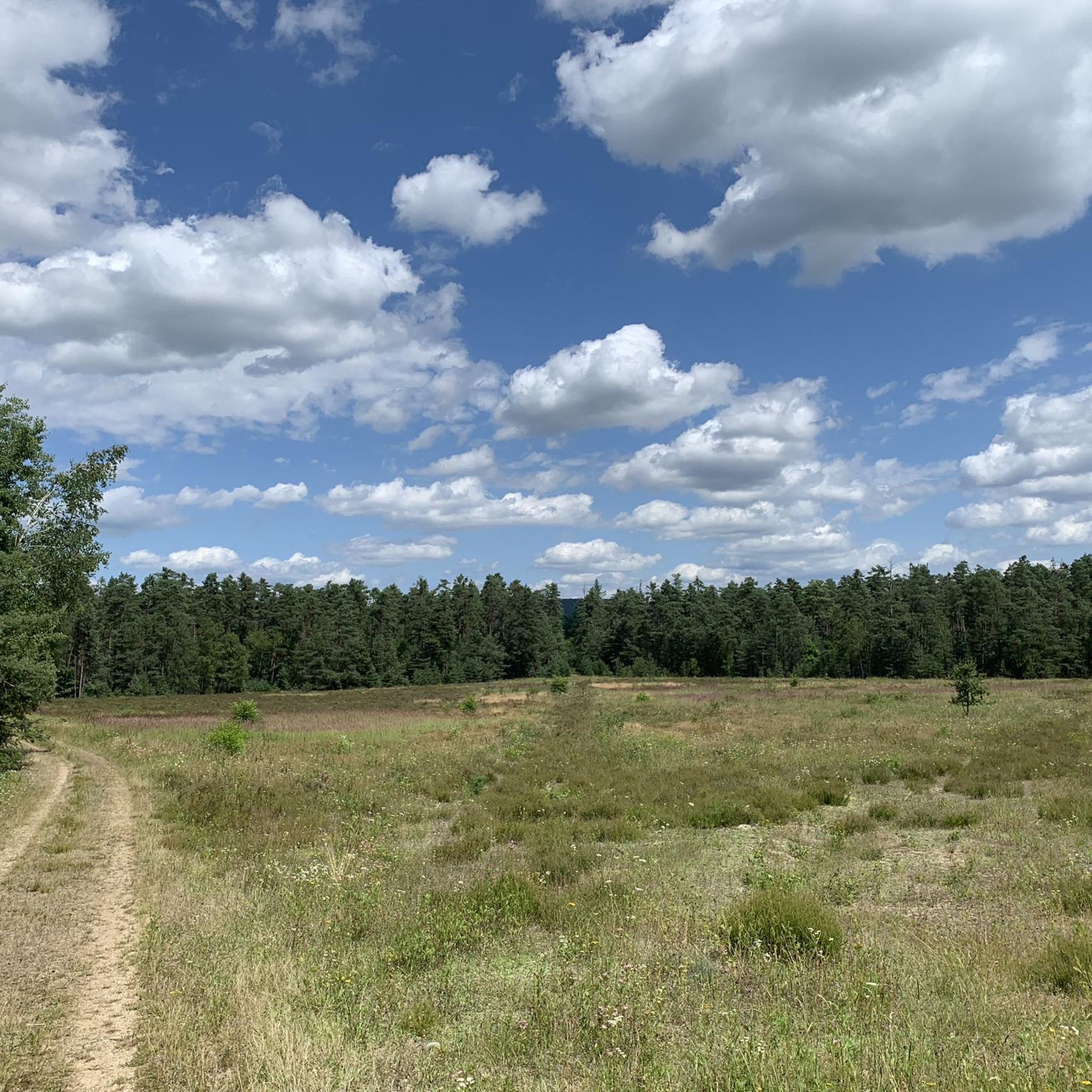
MTB Trails in Wald- Und Heidelandschaft Östlich Von Bodenwöhr Und Bruck I. D. Opf.
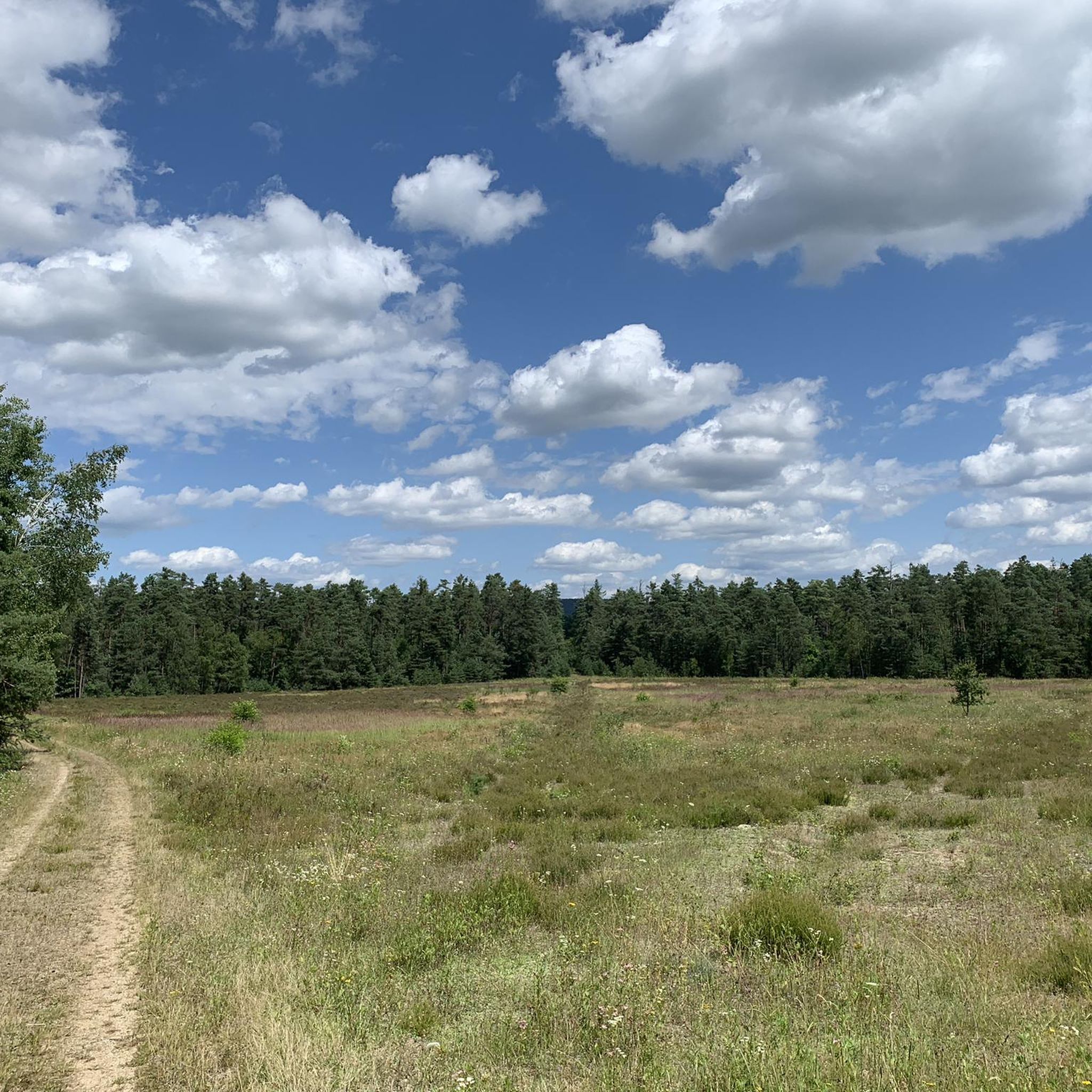
Road Cycling Routes in Wald- Und Heidelandschaft Östlich Von Bodenwöhr Und Bruck I. D. Opf.
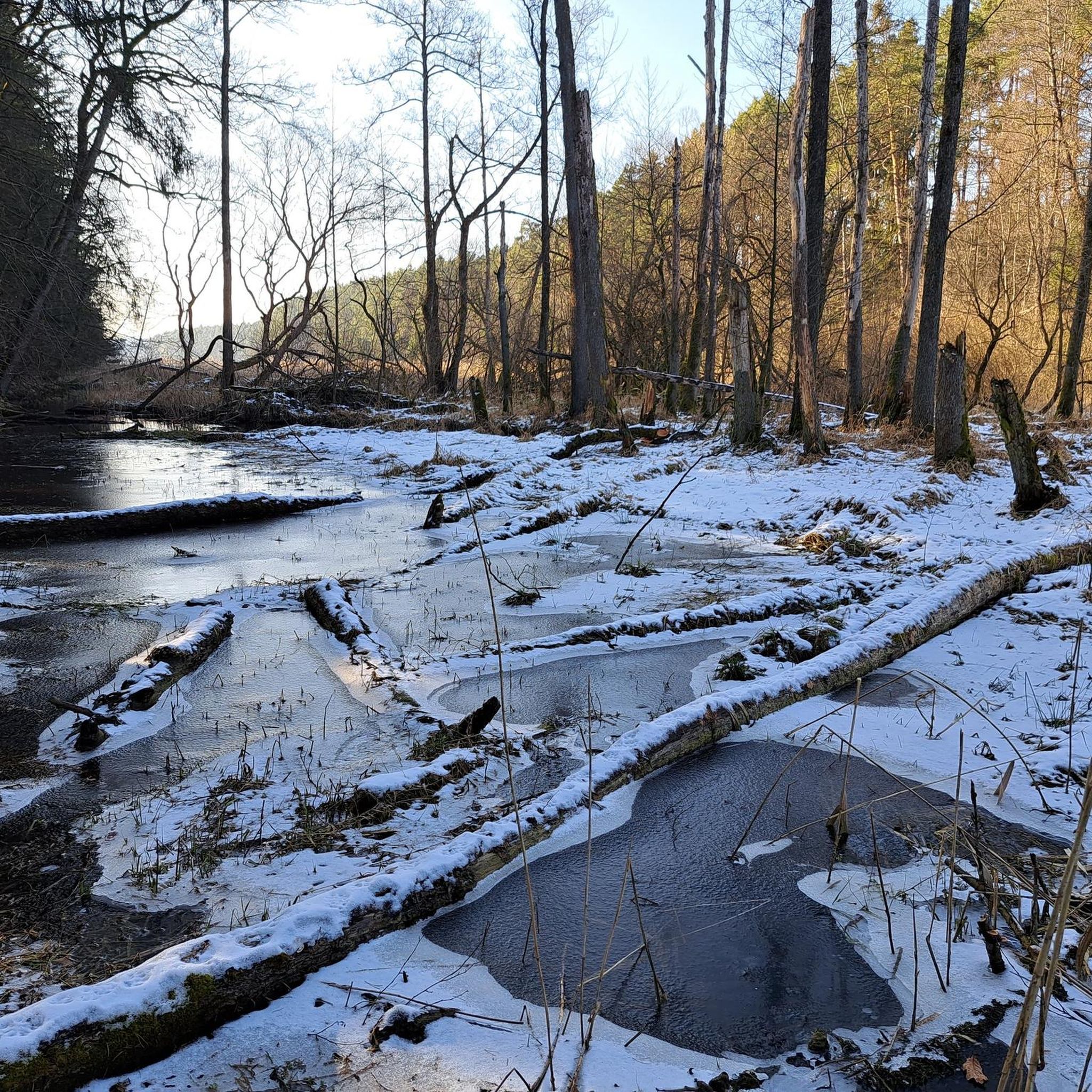
Running Trails in Wald- Und Heidelandschaft Östlich Von Bodenwöhr Und Bruck I. D. Opf.

Gravel biking in Wald- Und Heidelandschaft Östlich Von Bodenwöhr Und Bruck I. D. Opf.
Tips from the Community

A beautiful bike path around the lake 🏖🚴♂️🚣♂️🏊♂️🏝
0
0

So we drove all the way up to have a look. The signage up there is rather modest and in a few places access is prohibited for unauthorized persons. There is a monastery tavern and a monastery garden up there on the mountain, which are obvious. The view from the top down into the Regental is rather difficult.
0
0

The Regentalradweg, highly recommended. Great landscape.
1
0

Quiet spot in the middle of the forest.
0
0

Wonderful sections of trail in a magnificent area
1
0
Wonderful sections of the route in a magnificent area
1
0

The wooden sphere is certainly a highlight on the lake. Personally, however, it wouldn't be worth €13 entrance fee for me (as of May 2026)
1
0
the wooden ball is visible from some places
1
0
Frequently Asked Questions
How many touring cycling routes are available in the Wald- Und Heidelandschaft Östlich Von Bodenwöhr Und Bruck I. D. Opf. region?
There are over 260 touring cycling routes available in the Wald- Und Heidelandschaft Östlich Von Bodenwöhr Und Bruck I. D. Opf. region, offering a wide variety of options for different skill levels and preferences.
What makes the Wald- Und Heidelandschaft Östlich Von Bodenwöhr Und Bruck I. D. Opf. unique for touring cyclists?
This region is a designated nature reserve, characterized by a unique mosaic landscape of sand pine forests, dwarf shrub heaths, sand grasslands, and wet depressions. Its history as a former military training ground has preserved its open character, fostering a rare biodiversity. Cyclists can enjoy tranquil routes through these varied habitats, offering a deep immersion in nature.
What is the best time of year for touring cycling in this region?
The best time for touring cycling in the Wald- Und Heidelandschaft Östlich Von Bodenwöhr Und Bruck I. D. Opf. is generally from spring through autumn. During these seasons, the weather is most favorable for outdoor activities, allowing you to fully appreciate the diverse flora and fauna of the nature reserve. Spring brings blooming heaths, while autumn offers beautiful forest colors.
What do other cyclists say about the touring routes here?
The touring cycling routes in Wald- Und Heidelandschaft Östlich Von Bodenwöhr Und Bruck I. D. Opf. are highly rated by the komoot community, with an average score of 4.4 stars from over 2,500 reviews. Cyclists often praise the diverse and picturesque landscape, the tranquility of the nature reserve, and the well-suited paths for cycling tours.
Are there routes suitable for beginners or less experienced touring cyclists?
Yes, the region offers a good selection of routes for beginners. There are 86 easy touring cycling routes available, providing gentle terrain and manageable distances for those new to touring cycling or looking for a relaxed ride.
Can I find challenging touring cycling routes in the Wald- Und Heidelandschaft Östlich Von Bodenwöhr Und Bruck I. D. Opf.?
Absolutely. For experienced touring cyclists seeking a challenge, there are 51 difficult routes in the area. One such route is the Regen Bridge in Stefling – View of the Regen Valley loop from Bodenwöhr Nord, which covers 51.3 km with significant elevation changes, offering rewarding views of the Regen Valley.
Are there any circular touring cycling routes available?
Yes, many of the touring cycling routes in the region are designed as loops, allowing you to start and end at the same point. Examples include the View of Reichenbach Monastery – View of Walderbach Abbey loop from Bodenwöhr Nord, which offers scenic views of historic abbeys, and the Lake Steinberger – Lake Steinberg loop from Bodenwöhr Nord, leading through varied terrain around local lakes.
What natural features or landmarks can I expect to see along the touring cycling routes?
The routes traverse a diverse landscape featuring sand pine forests, dwarf shrub heaths, and sand grasslands. You might encounter wet depressions and observe specialized flora and fauna. Several routes also offer views of significant water bodies and historical sites, such as the Regen Valley, Reichenbach Monastery, Walderbach Abbey, and various lakes like Lake Steinberger, Lake Murner, and Hammersee.
Are there routes that pass by lakes or water bodies?
Yes, the region's 'Wald & Wasser' theme is well-represented in its cycling routes. You can enjoy tours around several lakes, including the Lake Steinberger – Lake Steinberg loop from Bodenwöhr Nord, the View of Lake Murner – View of Lake Hammersee loop from Bodenwöhr Nord, and the Boardwalk at Neubäuer See – View of Hammersee loop from Bodenwöhr Nord, which also features a boardwalk.
Is the Wald- Und Heidelandschaft Östlich Von Bodenwöhr Und Bruck I. D. Opf. accessible by public transport for cyclists?
While specific public transport connections directly into the heart of the nature reserve for cyclists can be limited, the towns of Bodenwöhr and Bruck i. d. Opf. often serve as regional hubs. It's advisable to check local bus or train schedules for connections to these towns and then plan your cycling route from there. Some regional services may allow bicycles, but this should be confirmed in advance.
Where can I park my car when visiting for a cycling tour?
Designated parking areas are typically available at the entry points to the nature reserve or in nearby towns like Bodenwöhr and Bruck i. d. Opf. Look for signs indicating cyclist parking or general visitor parking. It's always a good idea to arrive early, especially on weekends, to secure a spot.
Are there any specific regulations or permits required for cycling in this nature reserve?
As a designated nature reserve and former military training area, there may be specific regulations to protect the sensitive environment and rare species. Generally, cyclists are expected to stay on marked paths and trails. While no specific permits are usually required for general cycling, it's always recommended to respect signage and local conservation rules. For detailed information on the protected area, you can refer to the official Wikipedia page: Naturschutzgebiet Wald- und Heidelandschaft östlich von Bodenwöhr und Bruck i. d. OPf.
Are the touring cycling routes in Wald- Und Heidelandschaft Östlich Von Bodenwöhr Und Bruck I. D. Opf. suitable for families?
Many of the easy and moderate routes are suitable for families, especially those that are circular and pass by lakes or offer gentle terrain. These routes provide a great opportunity for children and adults to enjoy nature together. Always check the route's distance and elevation profile on komoot to ensure it matches your family's capabilities.
Most popular routes in Wald- Und Heidelandschaft Östlich Von Bodenwöhr Und Bruck I. D. Opf.

Get inspired with the komoot mobile app


Explore more
Browse the best Cycling routes in other regions.
