Attractions and Places To See in Elbdeichhinterland - Top 11
Best attractions and places to see in Elbdeichhinterland include a blend of significant natural landscapes and cultural sites within the Prignitz district of Brandenburg, Germany. The region is integral to the UNESCO Elbe River Floodplain Biosphere Reserve, offering diverse wildlife and extensive cycling routes. Visitors can explore pristine wetlands, historical landmarks, and charming villages. The area provides opportunities for nature observation, cycling, and hiking along the Elbe River.
Best attractions and places to see in Elbdeichhinterland
- The most popular attractions…
Last updated: July 5, 2026
Elbe Cycle Route in the Brandenburg Elbe River Landscape Biosphere Reserve
Highlight (Segment) • Cycleway
Translated by Google •
Tip by

Müggendorf Stork Nest
Highlight • Natural
Translated by Google •
Tip by

Sign up now to discover places like this
Get recommendations on the best single tracks, peaks, & plenty of other exciting outdoor places.
Sign up for free
Elberadweg Between Wittenberge and Müggendorf
Highlight (Segment) • Cycleway
Translated by Google •
Tip by

Nature Stop Old Ferry Dock Wahrenberg
Highlight • Viewpoint
Translated by Google •
Tip by

Müggendorf Village on the Elbe
Highlight (Segment) • Settlement
Translated by Google •
Tip by
Sign up for free to discover even more attractions in Elbdeichhinterland.
Sign up for free
Already have an account?
Start today with a free account
Your next adventure awaits.
Login or Signup
Tips from the Community

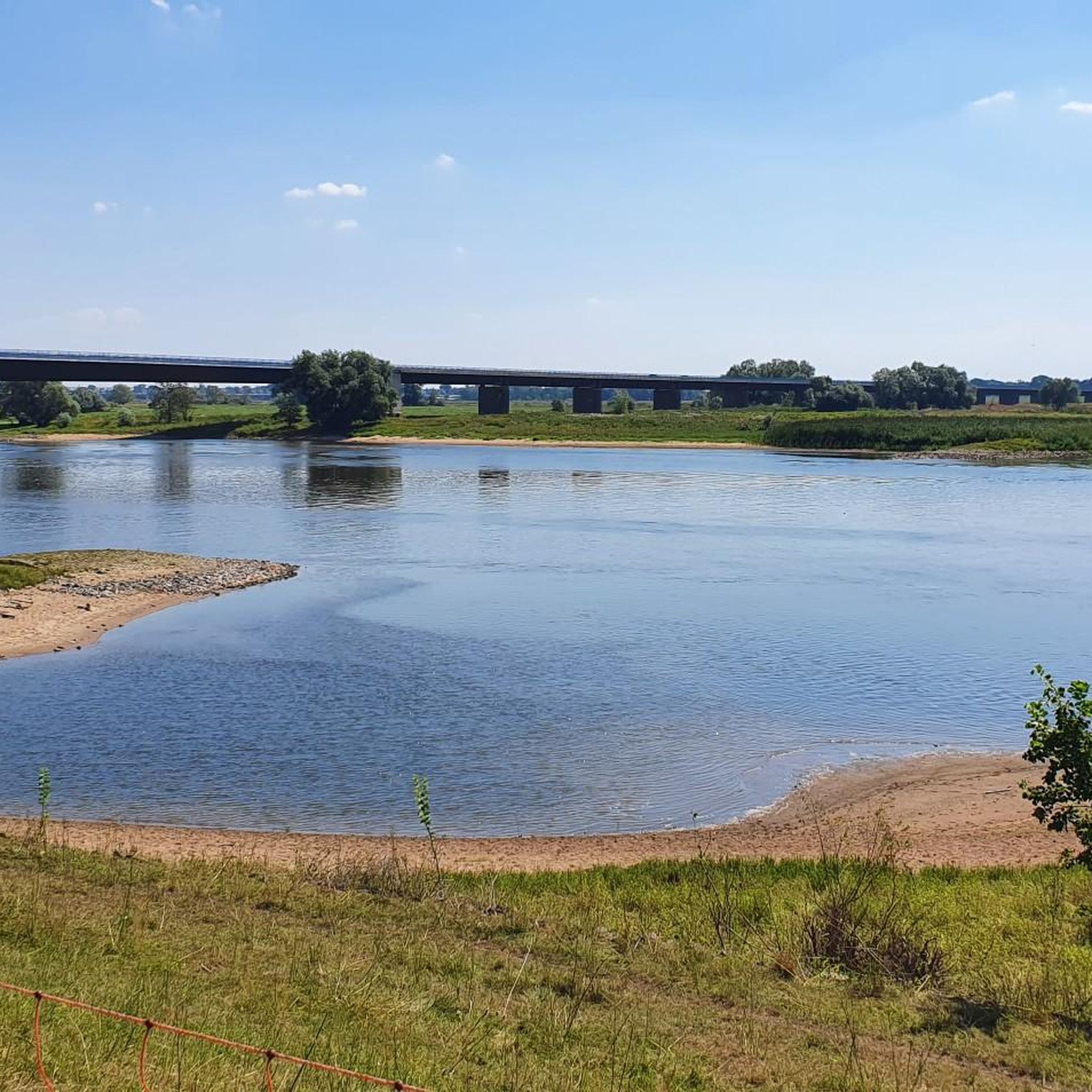
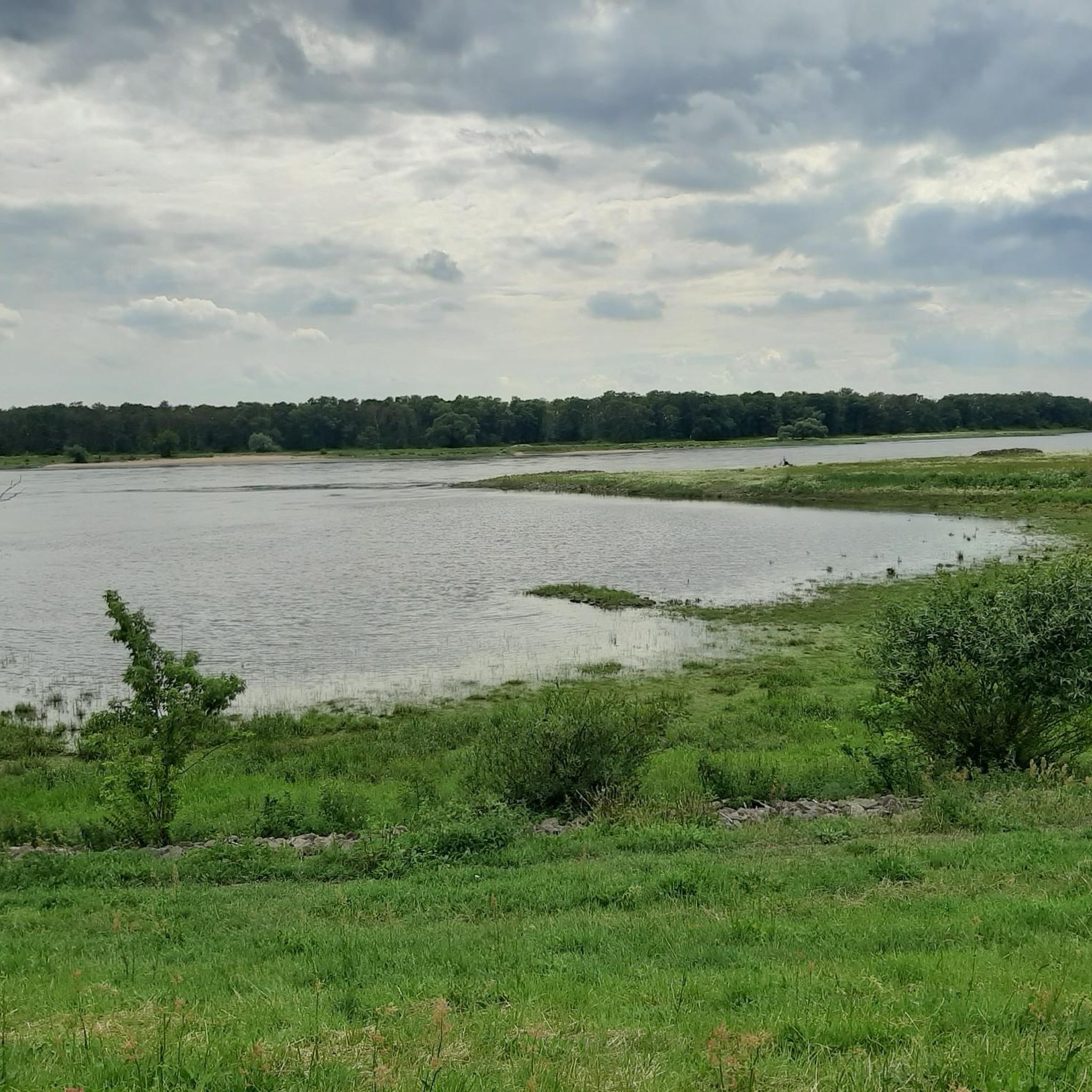
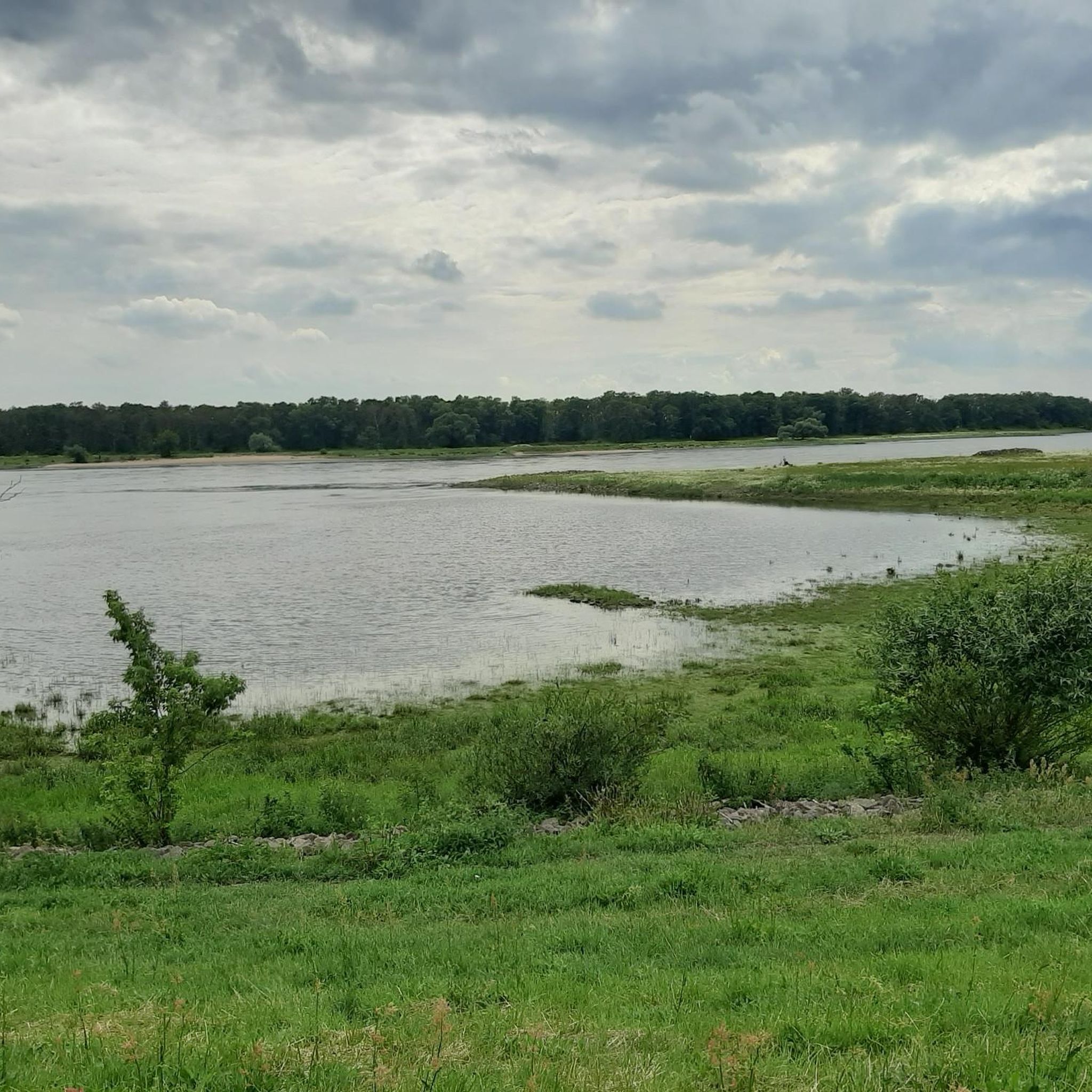
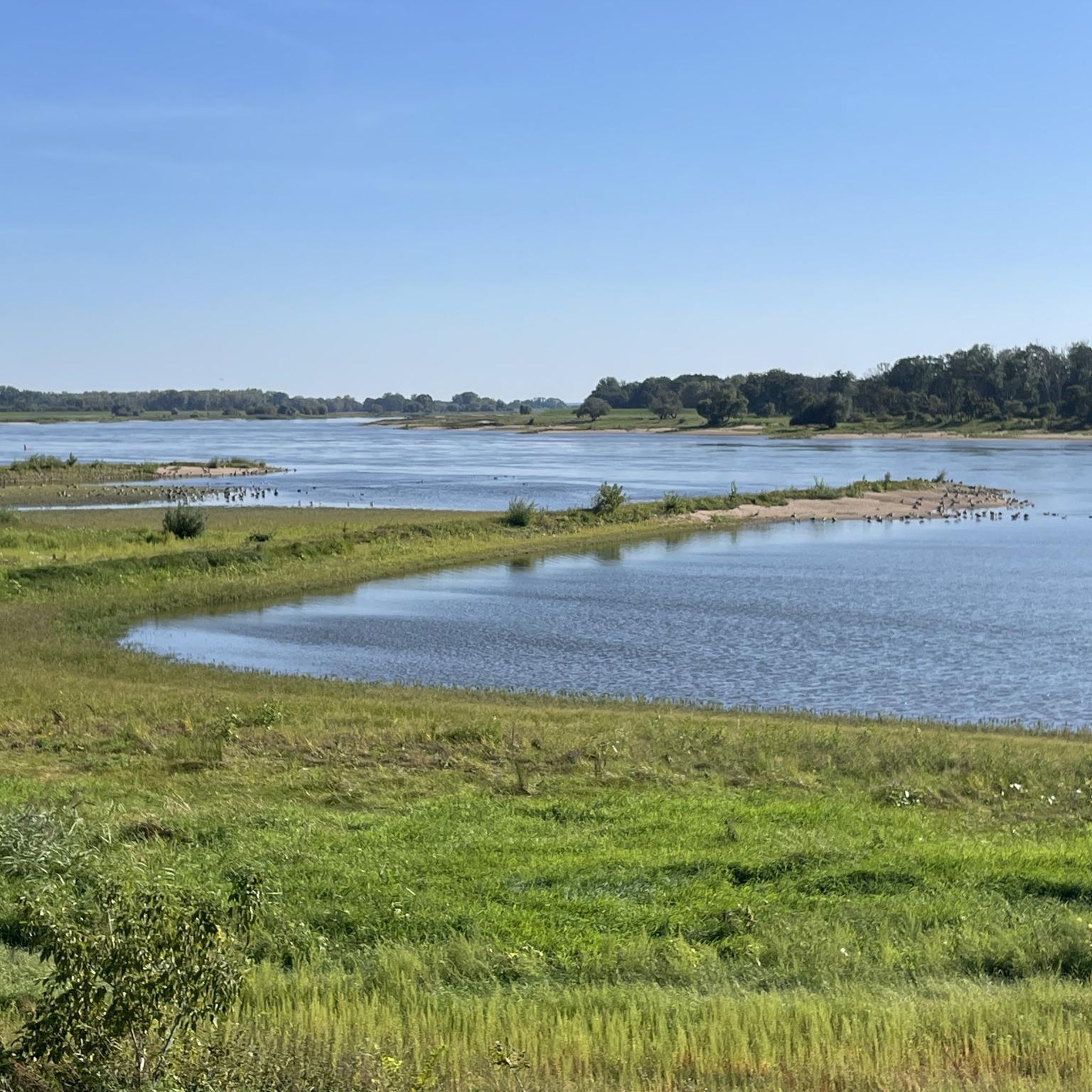
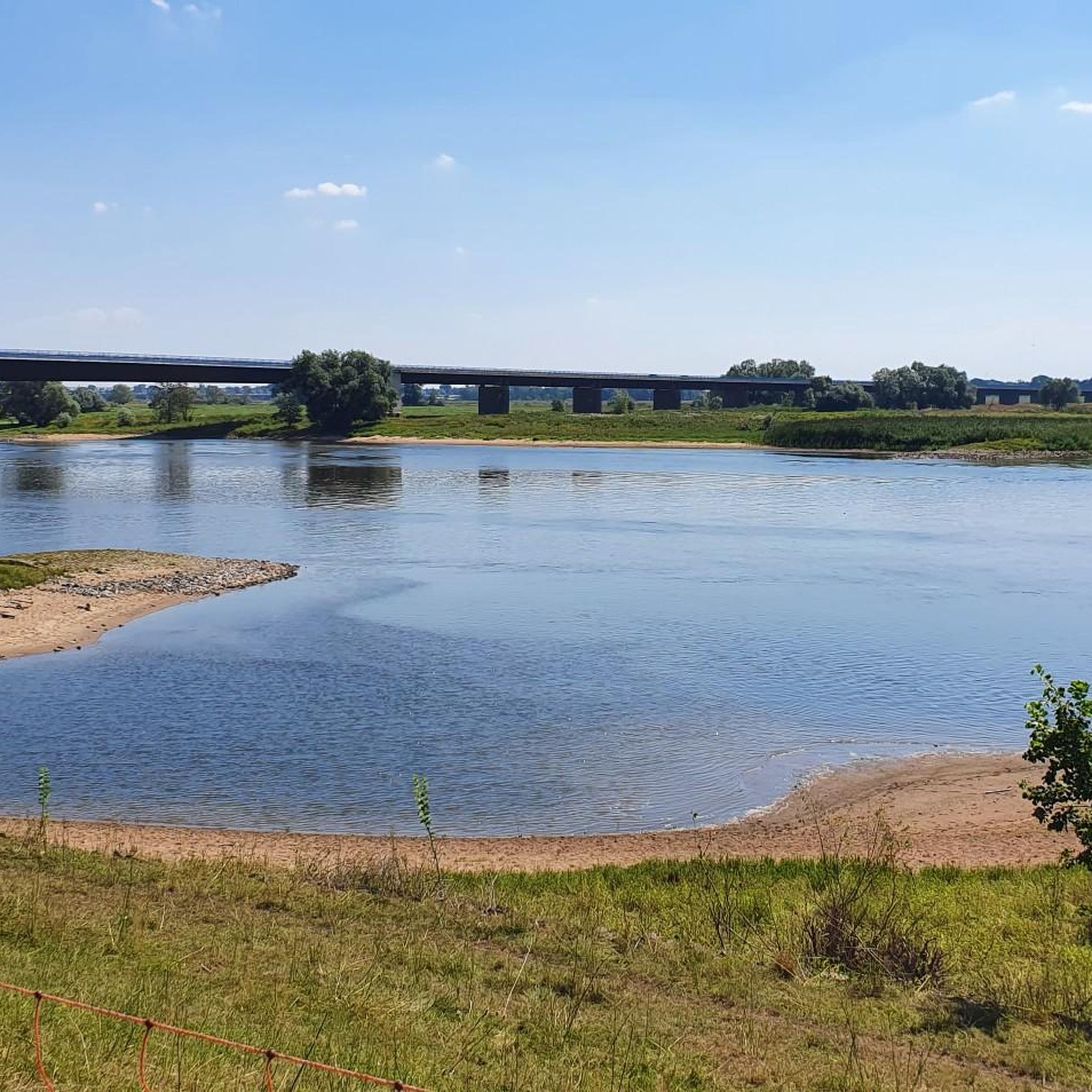
A beautiful section, from the Elbe dike you have a great view of the Elbe and Elbe meadows.
1
0

Very nice little village on the Elbe cycle path.
1
0
Easily navigable dike cycle path (even if “only” gravel) and beautiful nature.
1
0
The Elbe cycle path is a very beautiful and varied river cycle path. Absolute driving recommendation!
1
0

The first written mention of the place is found in 1523 in the spelling Muggendorpe, then in 1542 as Muckendorff.[4] Around 1800 the place belonged to the Perleberg district of the province of Prignitz; part of the Kurmark of the Mark Brandenburg. In an 1804 description of this landscape, the village was given as having 118 inhabitants. Among them were eleven full farmers, two Kossäten and two shepherds. In addition, there were 24 fireplaces, the residents were in Cumlosen and the address was Perleberg. The "Gecousins von Möllendorf" were named as owners.
0
0

Lovingly designed gardens at the pretty houses directly at the pond. Simply a feast for the eyes
6
0
A nice little place right on the Elbe and a popular photo motif
4
0

The breakpoints in nature are always worth a stop, information about the Elbe floodplain area is usually displayed on boards.
1
0
Frequently Asked Questions
What natural features can I explore in Elbdeichhinterland?
Elbdeichhinterland is a significant part of the UNESCO Elbe River Floodplain Biosphere Reserve, offering pristine wetlands, white sandy beaches, and wooded hills. You can observe diverse wildlife, including various bird species, Elbe beavers, otters, and wild boars. The region also features the Rambower Moor and the notable confluence of the Gnevsdorfer Vorfluter and the Elbe.
Are there opportunities for cycling in Elbdeichhinterland?
Yes, the region is exceptionally well-suited for cycling. It's home to sections of the popular Elbe Cycle Path, such as the Elbe Cycle Route in the Brandenburg Elbe River Landscape Biosphere Reserve and the scenic Elberadweg Between Wittenberge and Müggendorf. These routes often run on top of the dike, offering great views of the Elbe and its natural areas. For more cycling options, you can explore various cycling routes in Elbdeichhinterland.
What historical landmarks can I visit in the region?
The Prignitz region, which includes Elbdeichhinterland, features historical sites like Plattenburg Castle. You can also visit the Lenzen Border Tower, a former watchtower that now serves as a tourist information center and offers views over the Elbtalaue. In Wittenberge, explore the neo-Gothic brick Protestant Church and the Steintor (Stone Gate), dating back to around 1403.
Where can I observe wildlife, especially storks?
The UNESCO Elbe River Floodplain Biosphere Reserve is rich in wildlife. For stork observation, the Stork Village Rühstädt is renowned as the European Stork Village. It's a prime location to see many stork pairs, particularly between April and September. You might also spot storks at places like the Müggendorf Stork Nest.
Are there family-friendly activities or places to visit?
Many natural breakpoints along the Elbe Cycle Path, such as the Nature Stop Old Ferry Dock Wahrenberg, are family-friendly and offer informative insights into the local nature. Observing storks in Rühstädt or at the Müggendorf Stork Nest is also a memorable experience for families. The tranquil rural setting and opportunities for nature observation make it an ideal place for family outings.
What kind of hiking experiences can I find?
Elbdeichhinterland offers numerous footpaths for hiking and walking, allowing you to experience the diverse landscapes of the Elbe valley. You can explore pristine wetlands, wooded hills, and observe animals. The region's focus on natural resource restoration ensures a serene environment for nature walks.
What do visitors particularly enjoy about the Elbe Cycle Route in this area?
Visitors frequently praise the Elbe Cycle Route for its well-maintained paths, often running on top of the dike, which provide spectacular views of the Elbe and its meadows. Many appreciate the tranquility, the vastness of the landscape, and the opportunities for nature observations, including storks, herons, and geese. The route also passes through nice villages with breakpoints for rest.
Are there any unique cultural sites or art installations?
Beyond historical landmarks, the region showcases bronze sculptures by renowned artist Bernd Streiter. His most famous piece, "Charon," can be found at the Elbe dike near Café "Elbeglück." The Prignitzer Kleinbahnmuseum Lindenberg is another cultural institution in the area.
What is the best time of year to visit Elbdeichhinterland?
The period between April and September is particularly good for visiting, especially if you wish to observe storks, as many pairs reside in the region during these months. Generally, spring, summer, and early autumn offer pleasant weather for cycling, hiking, and enjoying the natural landscapes.
How can I experience the Elbe River directly?
The Elbe River itself is a dominant feature, and you can experience it through various water activities. Boat trips and canoe adventures are possible, allowing you to explore the river from a different perspective and appreciate the efforts to restore its natural resources and surrounding swamplands.
Are there any charming villages worth visiting along the Elbe?
Yes, there are several charming villages. Müggendorf Village on the Elbe is a small settlement directly on the Elbe, popular for its picturesque setting and as a pleasant break spot during bike rides. Rühstädt, known for its storks, is another village with lovingly designed gardens and a beautiful atmosphere.
What are some options for longer bike tours in the area?
For longer bike tours, you can explore various routes, such as the "View of Lake Arendsee loop from Wahrenberg" (70.7 km) or the "Neuwerben Weir – View of Havelberg loop from Wittenberge" (77.1 km). These are part of the broader road cycling routes in Elbdeichhinterland, offering diverse distances and difficulties.
Is Elbdeichhinterland accessible by public transport?
While the region is primarily rural, some towns like Wittenberge are accessible by public transport. However, to fully explore the natural areas and attractions, cycling is often the most convenient and recommended way to get around, especially along the well-developed Elbe Cycle Path.
Most popular routes in Elbdeichhinterland

Get inspired with the komoot mobile app


Explore more
Still not found the Highlight you’re looking for? See guides of the top attractions in other regions:
