The best cycling routes in Metro Vancouver Regional Parks
4.6
(1767)
23,561
riders
461
rides
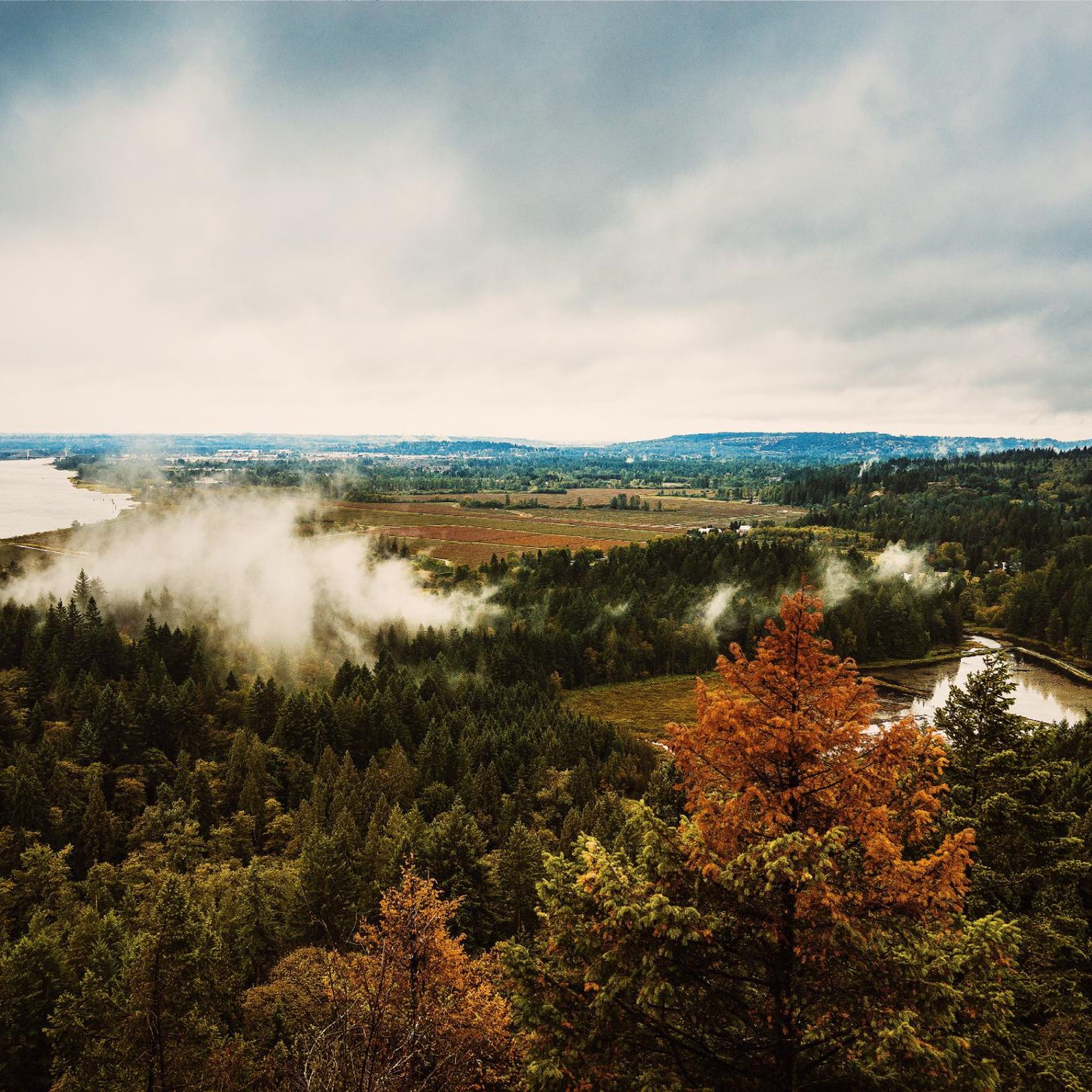
Touring cycling in Metro Vancouver Regional Parks offers diverse landscapes across nearly 14,000 hectares, encompassing 24 regional parks and five greenways. The region features extensive trail networks, including multi-use paths along rivers and coastlines, through dense forests, and connecting urban areas. Terrain varies from flat, car-free routes along dykes and wetlands to challenging road climbs with significant elevation gains in mountainous areas. The park system provides a range of environments suitable for different cycling levels, from coastal plains to forested…
Last updated: July 23, 2026
4.6
(12)
99
riders
44.3km
03:44
50m
50m
Moderate bike ride. Good fitness required. Mostly paved surfaces. Suitable for all skill levels.
4.7
(6)
85
riders
Moderate bike ride. Good fitness required. Mostly paved surfaces. Suitable for all skill levels.

Sign up for free
4.5
(11)
54
riders
40.8km
02:40
310m
310m
Moderate bike ride. Good fitness required. Mostly paved surfaces. Suitable for all skill levels.
5.0
(2)
60
riders
Moderate bike ride. Good fitness required. Mostly paved surfaces. Suitable for all skill levels.
4.3
(15)
30
riders
Moderate bike ride. Good fitness required. Mostly paved surfaces. Suitable for all skill levels.
Get access to more routes and recommendations from other explorers.
Sign up for free
Already have an account?
Our route recommendations are based on thousands of hikes, rides, and runs completed by other people on komoot.
Start today with a free account
Your next adventure awaits.
Login or Signup
Popular around Metro Vancouver Regional Parks
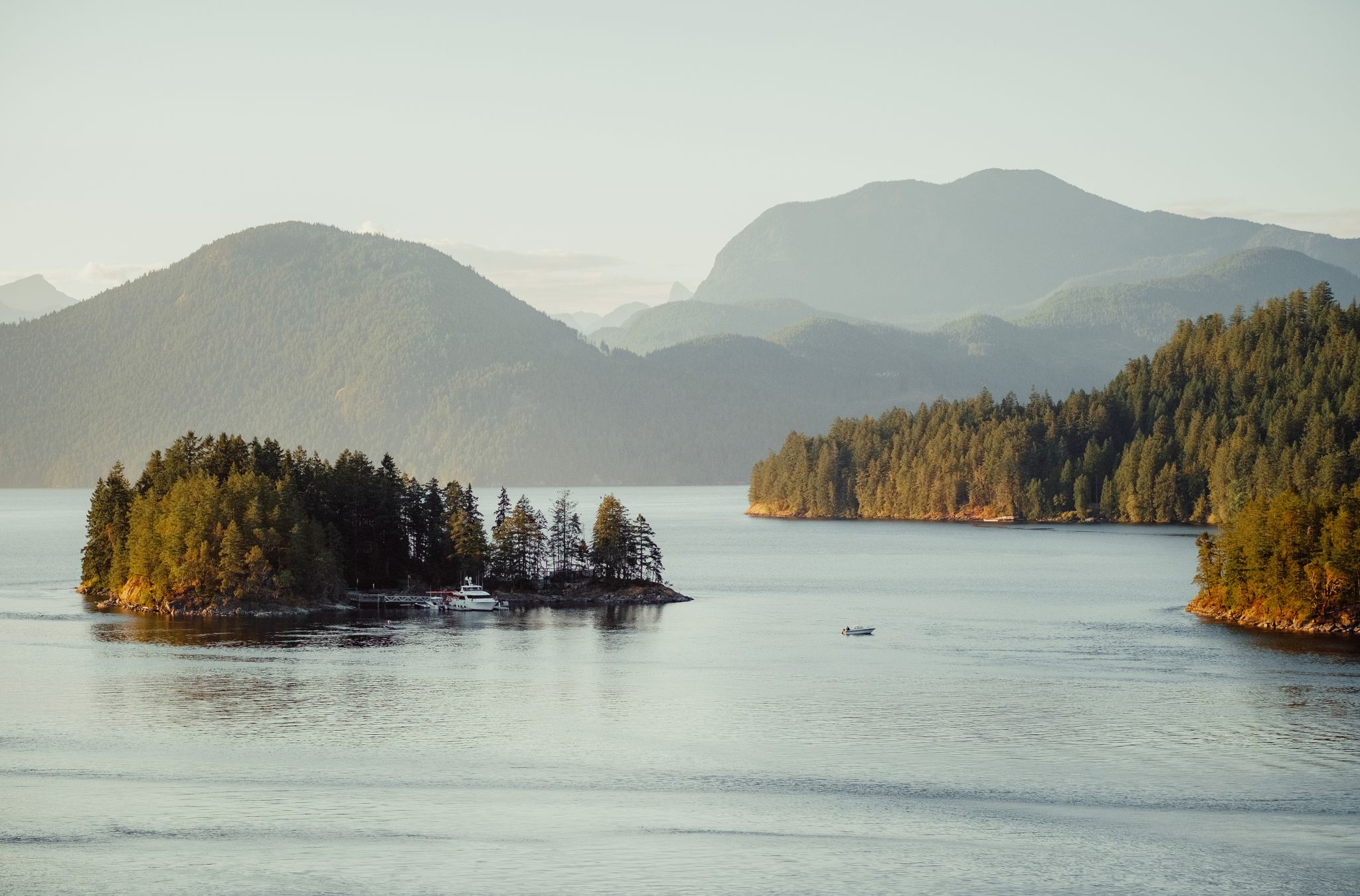
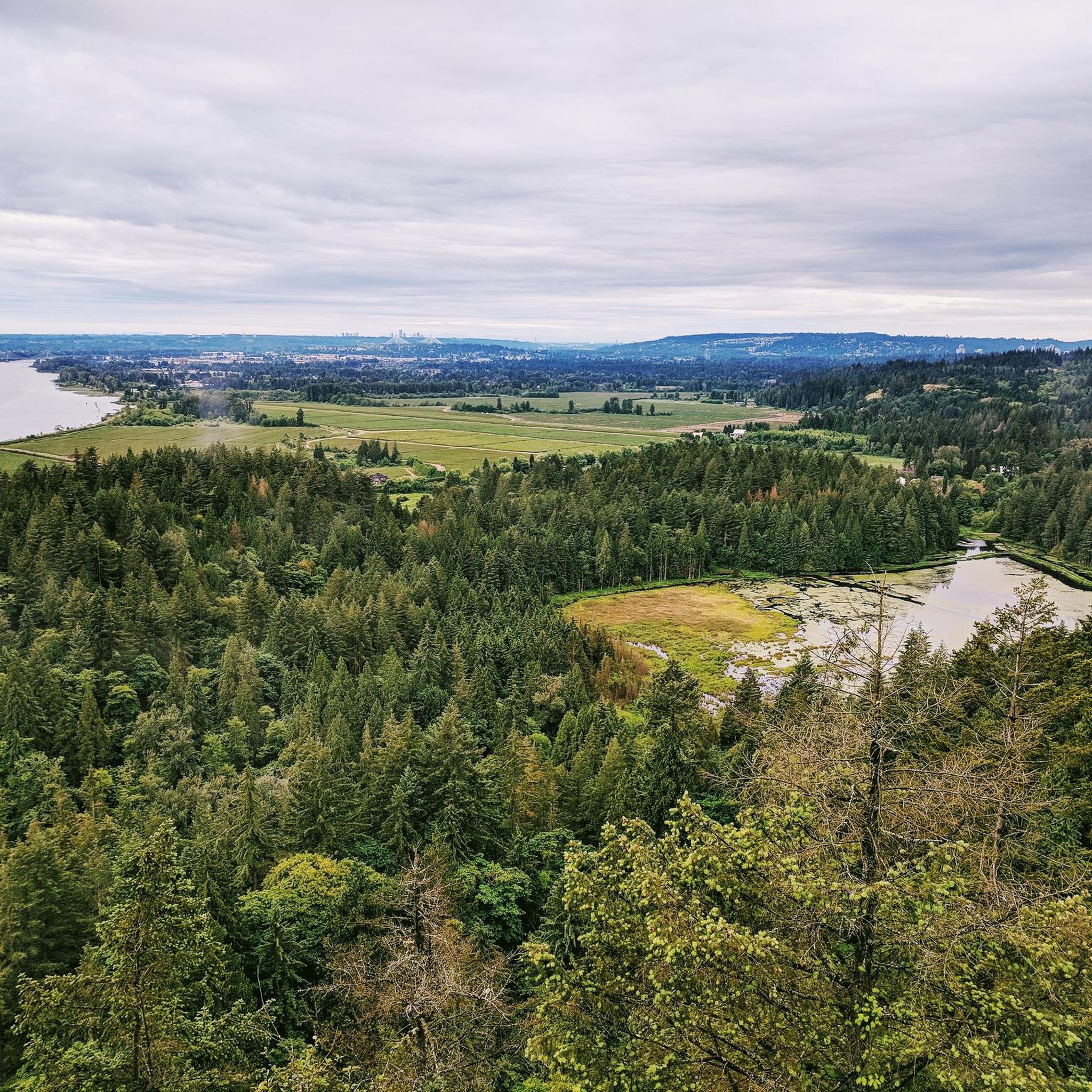
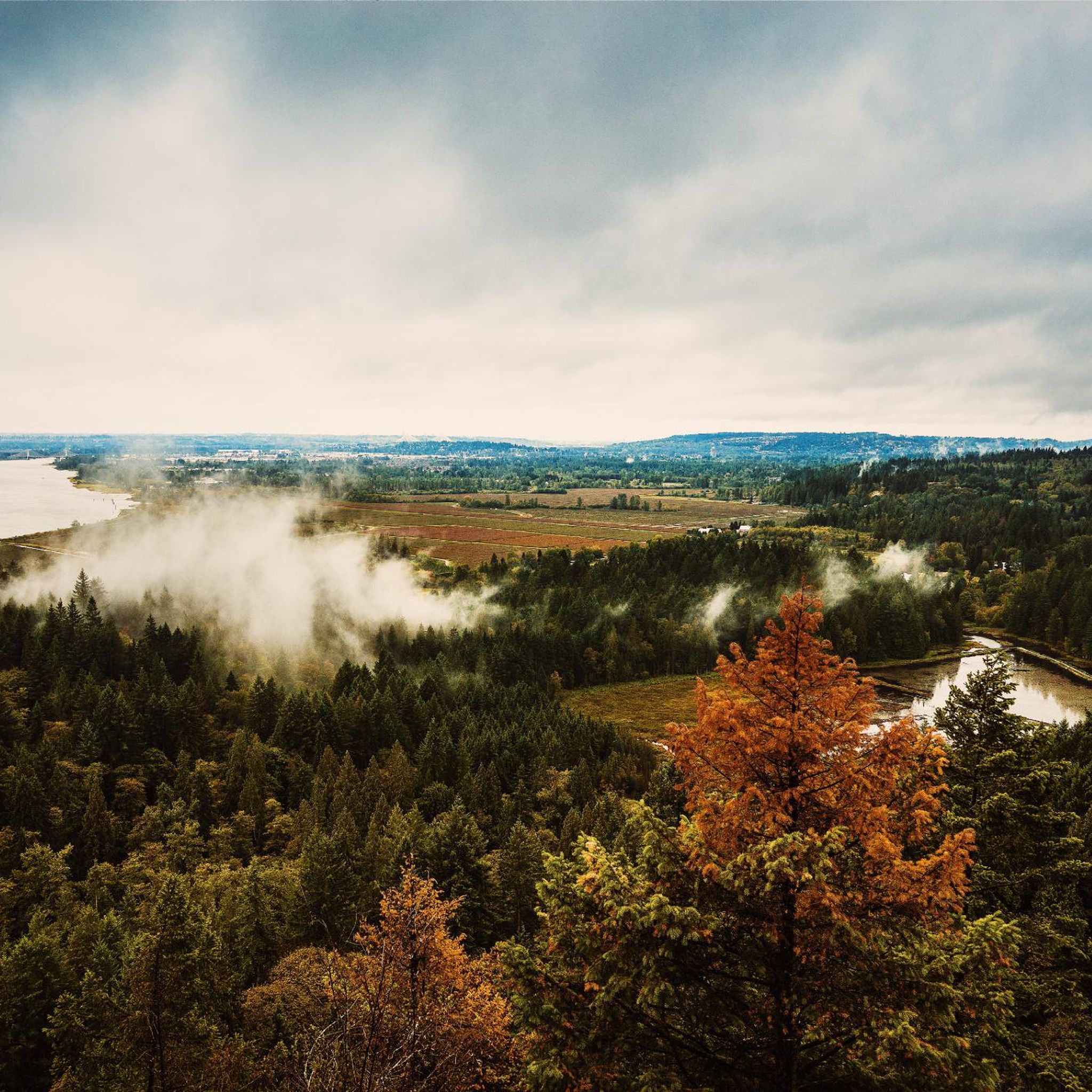
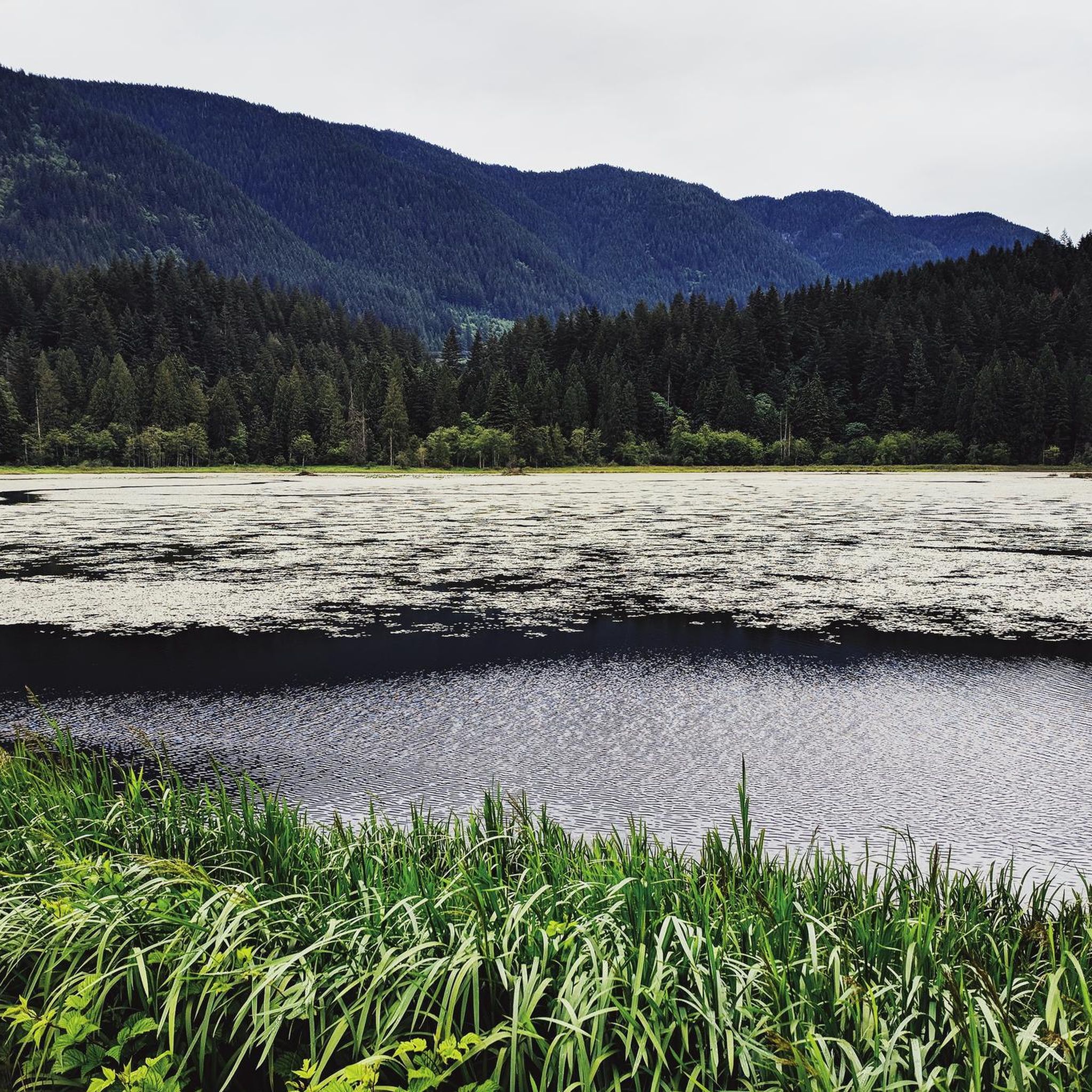

Other adventures in Metro Vancouver Regional Parks

Tips from the Community

So need to use a gravel bike ? Would it be too challenge with road bike?
0
0

Also known as the Harry Jerome Sports Centre, you can play volleyball here and the indoor cycling track has an incredible banked wooden oval. If it's open, the velodrome is well worth a step inside to see the cycling track if nothing else.
0
0
The tin soldier was revealed in 2000 and moved to the pier in 2001, and a time capsule was placed inside it upon its construction. The soldier was modeled after a Royal Engineer, and while it was apparently intended to represent kindness and inclusion, many have instead seen it as a monument to colonisation. In 2025, Brandon Gabriel used light projection to turn the soldier into an indigenous Salish Welcome Figure.
0
0

This 27-hectare park in Vancouver's Cedar Cottage neighbourhood has so much to offer it's no wonder that it is the heart of the neighbourhood. You'll find the usual park offerings like picnic area, playground, and sports fields but there's also Trout Lake in the middle of the park, 2 concession stands, hiking & biking trails, an indigenous medicine garden, and the Trout Lake Community Centre which has it's own wide range of amenities.
0
0

Boundary Bay Dyke Trail is a long, flat route along the shoreline, with uninterrupted views across mudflats and the open water. Its wide gravel surface is ideal for walking and cycling, with plenty of benches and access points along the way. Set along a major migratory route, the trail is especially known for birdlife and beautiful, expansive coastal scenery.
1
0
Beach Grove Park is a lovely mix of open lawns with pockets of mature trees, with flat, well-kept paths that wind through the park, connecting playgrounds, sports courts, picnic areas, and off-leash spaces. Its laid-back, neighbourhood feel makes it a convenient spot for a quick stroll or casual time outdoors.
0
0

Central Park is a 90-hectare park located on the border of Vancouver and Burnaby. The park’s most popular attraction is its well-preserved temperate rainforest, but it also offers outdoor swimming pools, sports fields, picnic areas, playgrounds, tennis courts, and a handful of small ponds.
0
0

Smooth gravel. Beautiful views of Boundary Bay and Mount Baker.
0
0
Frequently Asked Questions
How many touring cycling routes are available in Metro Vancouver Regional Parks?
Metro Vancouver Regional Parks offers a wide selection of touring cycling routes, with over 500 options available. These routes cater to various skill levels, including more than 200 easy routes and nearly 250 moderate routes.
What types of terrain can I expect on touring cycling routes in Metro Vancouver Regional Parks?
The region provides diverse terrain for touring cyclists. You'll find everything from flat, car-free paths along river dykes, such as the Pitt River Regional Greenway, to challenging road climbs with significant elevation gains like the Mount Seymour Road Climb. Many routes also feature multi-use trails through lush forests and along scenic coastlines.
What do other touring cyclists enjoy about the routes in Metro Vancouver Regional Parks?
The touring cycling routes in Metro Vancouver Regional Parks are highly rated by the komoot community, with an average score of 4.5 stars from over 1,700 reviews. Cyclists often praise the extensive greenways, diverse forest paths, and scenic waterfront routes, highlighting the variety and natural beauty of the area.
Are there touring cycling routes suitable for beginners or families in Metro Vancouver Regional Parks?
Yes, many routes are ideal for beginners and families. The Mud Bay Park – Boundary Bay Gravel Path loop from Tsawwassen is a moderate option that follows a gravel path along Boundary Bay, offering open coastal views. The Pitt River Regional Greenway is another excellent choice, being a flat, car-free route along the Fraser and Pitt River dykes, perfect for a serene ride.
Are there challenging touring cycling routes for experienced cyclists?
For experienced cyclists seeking a challenge, the region offers routes with significant elevation. While not a specific komoot tour in the provided data, the Mount Seymour Road Climb is a well-known local challenge, featuring a 12 km road climb with 920m elevation gain and gradients over 10% in sections, rewarding riders with panoramic views.
Can I find touring cycling routes with waterfront views?
Absolutely. Many routes in Metro Vancouver Regional Parks offer stunning waterfront views. The English Bay Beach – Lions Gate Bridge loop from Production Way–University provides extensive waterfront and urban park scenery. The Boundary Bay Trail and routes along the Fraser and Pitt Rivers also offer picturesque coastal and river views.
Are there touring cycling routes that go through forests or green spaces?
Yes, the regional parks are rich in forests and green spaces. Pacific Spirit Regional Park offers excellent cycling access through lush forests. The Seymour Demonstration Forest also features a car-free, paved multi-use trail winding through a beautiful forested area, providing a tranquil riding experience.
What natural attractions can I see while touring cycling in Metro Vancouver Regional Parks?
Beyond the cycling itself, you can explore various natural attractions. Consider visiting Kennedy Falls, or the Ancient Cedar Tree in Lynn Headwaters Regional Park. For coastal beauty, Centennial Beach is a great stop. Many parks also protect wetlands and provide critical habitats for wildlife, offering opportunities for observation.
Are there any interesting landmarks or points of interest along the touring cycling routes?
Yes, the region features several notable landmarks. You might encounter the impressive Capilano Suspension Bridge, the Seymour River Suspension Bridge, or the Cleveland Dam. For unique infrastructure, the Tynehead Pedestrian Overpass is a 5.6 km paved bridge that supports cycling and connects to park trails.
Are there any circular touring cycling routes in Metro Vancouver Regional Parks?
Yes, several routes are designed as loops, offering a convenient way to explore. Examples include the English Bay Beach – Lions Gate Bridge loop from Production Way–University and the Mud Bay Park – Boundary Bay Gravel Path loop from Tsawwassen. These circular routes allow you to start and end at the same point, making logistics easier.
What is the best time of year for touring cycling in Metro Vancouver Regional Parks?
The Metro Vancouver Regional Parks are generally enjoyable for touring cycling from spring through fall, when the weather is milder and drier. Summer offers the warmest temperatures and longest daylight hours. While some routes are accessible year-round, be prepared for cooler, wetter conditions in winter, especially on unpaved trails or higher elevations.
Are there opportunities for wildlife viewing on Metro Vancouver touring bike trails?
Yes, the regional parks are crucial habitats for a wide range of wildlife. Routes along the Fraser and Pitt River dykes, and especially the Boundary Bay Trail, are known for birdwatching opportunities. Keep an eye out for various bird species, and occasionally other small animals, particularly in the quieter, forested sections of parks like Pacific Spirit Regional Park.
Most popular routes in Metro Vancouver Regional Parks
Most popular attractions in Metro Vancouver Regional Parks

Get inspired with the komoot mobile app


Explore more
Browse the best Cycling routes in other regions.
