Lindisfarne National Nature Reserve
Lindisfarne National Nature Reserve
Attractions and Places To See in Lindisfarne National Nature Reserve - Top 12
Best attractions and places to see in Lindisfarne National Nature Reserve, located on Holy Island, offers a unique blend of natural beauty and historical significance. This diverse reserve features 3,500 hectares of shifting sands, extensive dunes, saltmarshes, intertidal mudflats, and rocky shores, supporting a wide array of flora and fauna. It is internationally important for its wintering bird populations and is home to ancient cultural sites like Lindisfarne Priory and Lindisfarne Castle. The reserve provides opportunities to explore both natural…
Last updated: September 25, 2026
Emmanuel Head Navigation Beacon
Highlight • Monument
Tip by

Lindisfarne Causeway
Highlight • Bridge
Tip by

Sign up now to discover places like this
Get recommendations on the best single tracks, peaks, & plenty of other exciting outdoor places.
Lindisfarne Causeway
Highlight • Structure
Tip by

Holy Island Causeway Emergency Refuge Tower
Highlight • Structure
Tip by

Budle Bay
Highlight • Viewpoint
Tip by

Sign up for free to discover even more attractions in Lindisfarne National Nature Reserve.
Already have an account?
Start today with a free account
Your next adventure awaits.
Popular around Lindisfarne National Nature Reserve
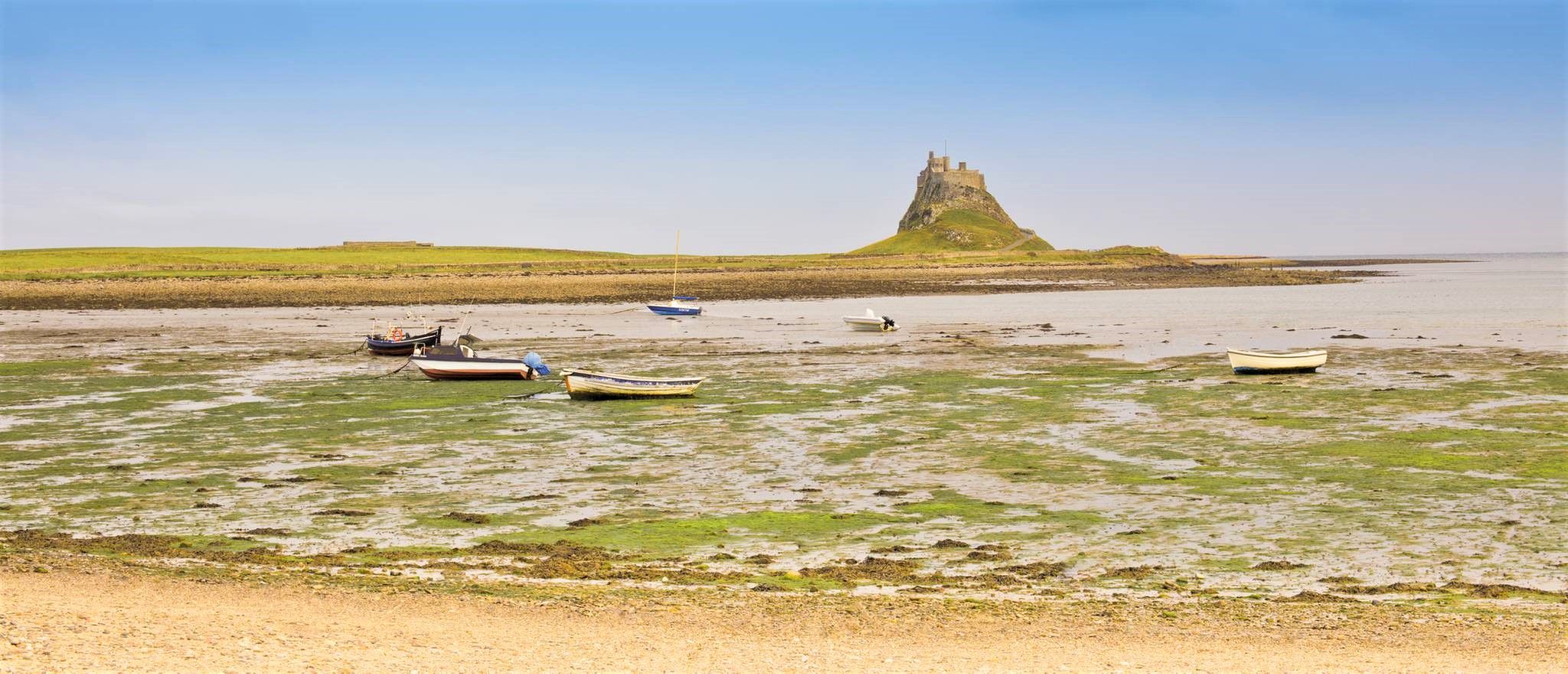
St Oswald's Way — Hike Northumberland's heavenly coast and wild heart
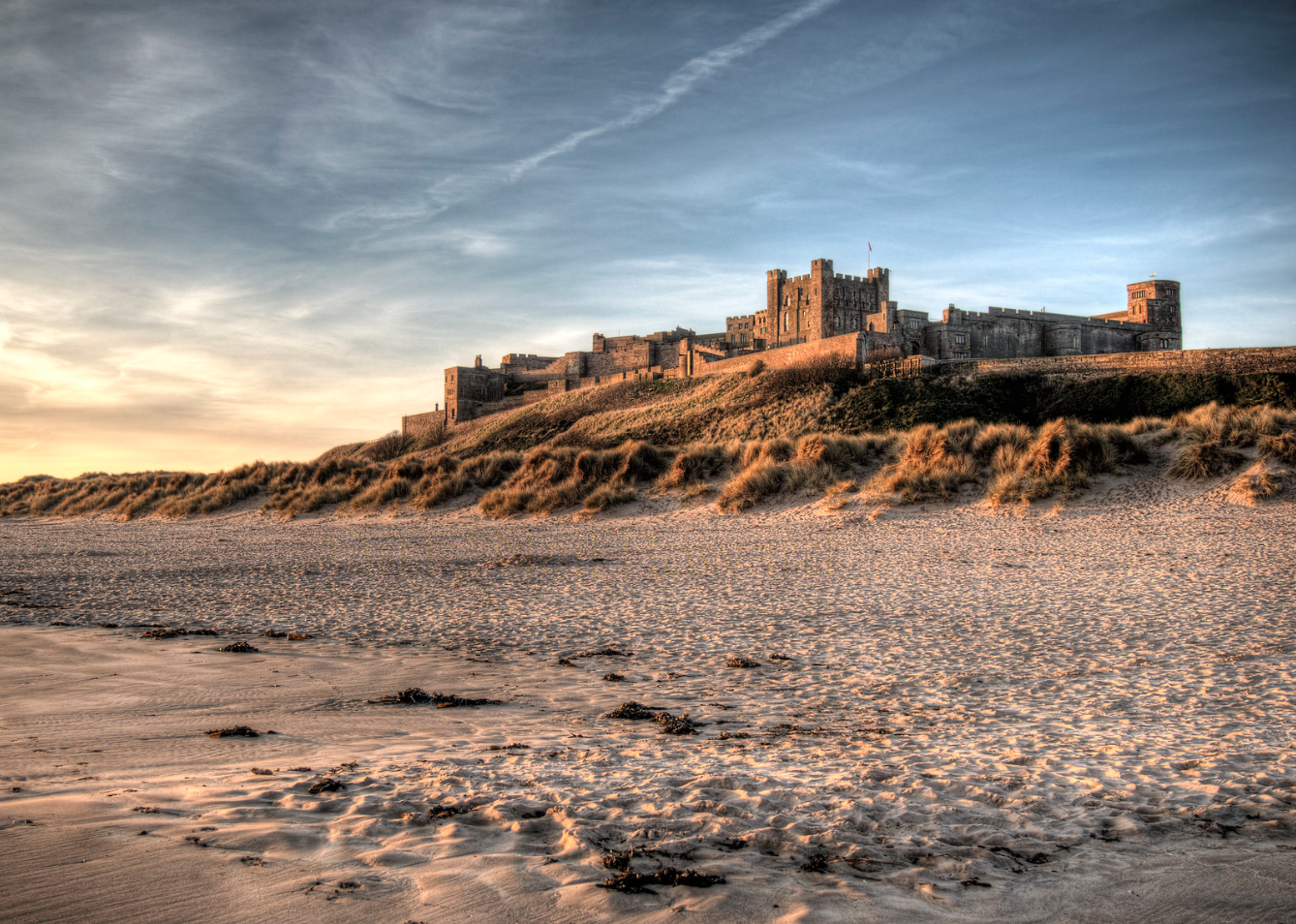
Coast and Castles – cycle in the footsteps of legends and kings
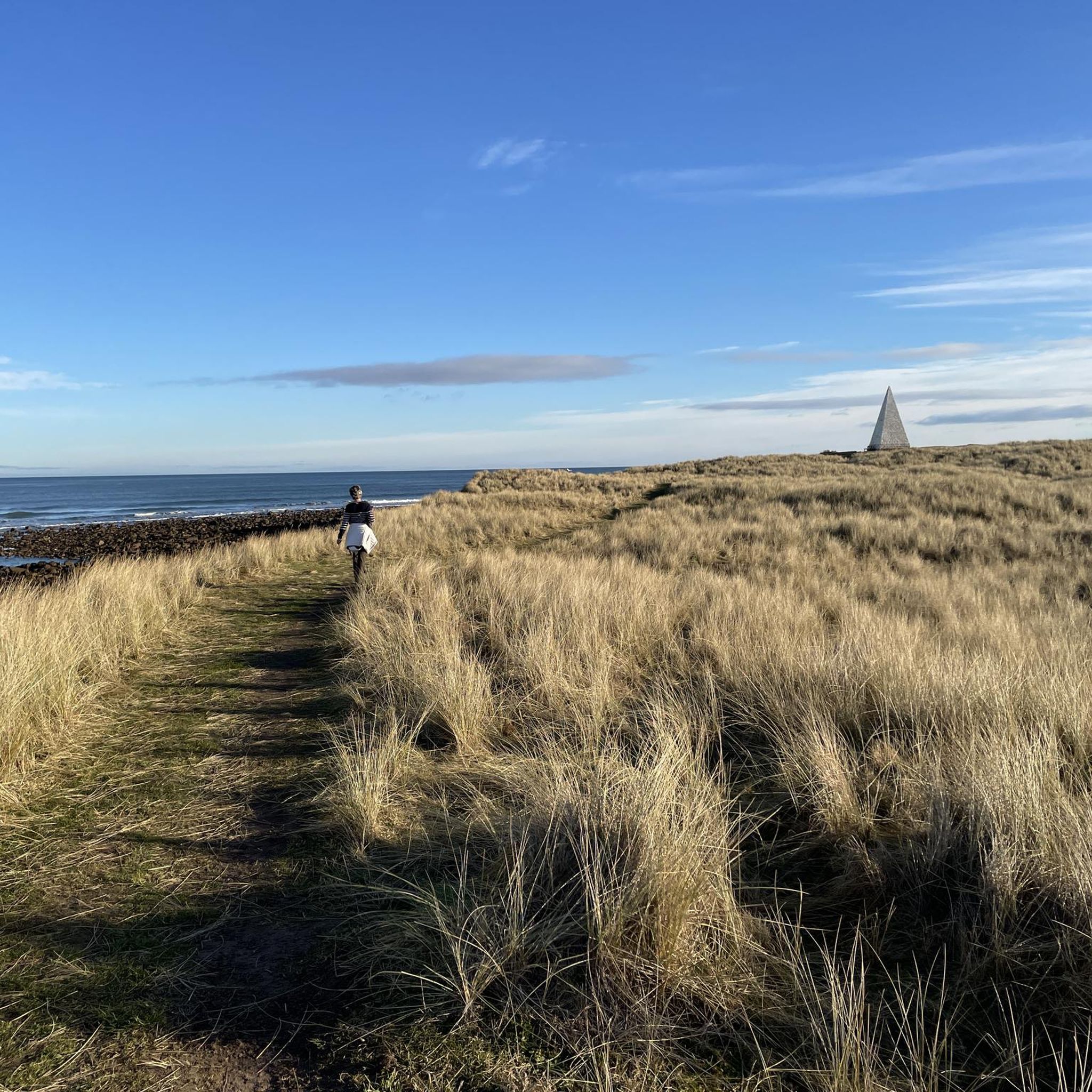
Hiking in Lindisfarne National Nature Reserve
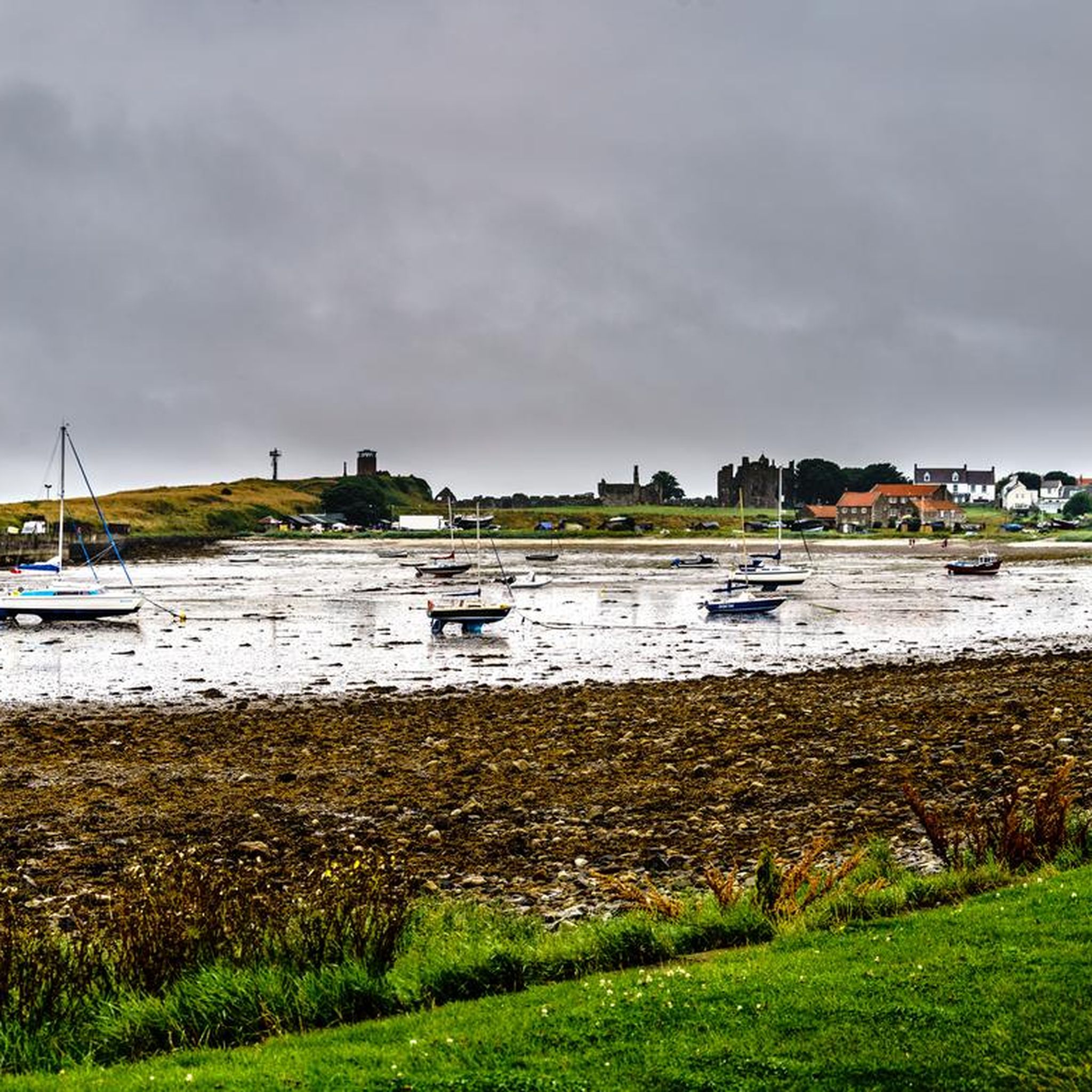
Running Trails in Lindisfarne National Nature Reserve
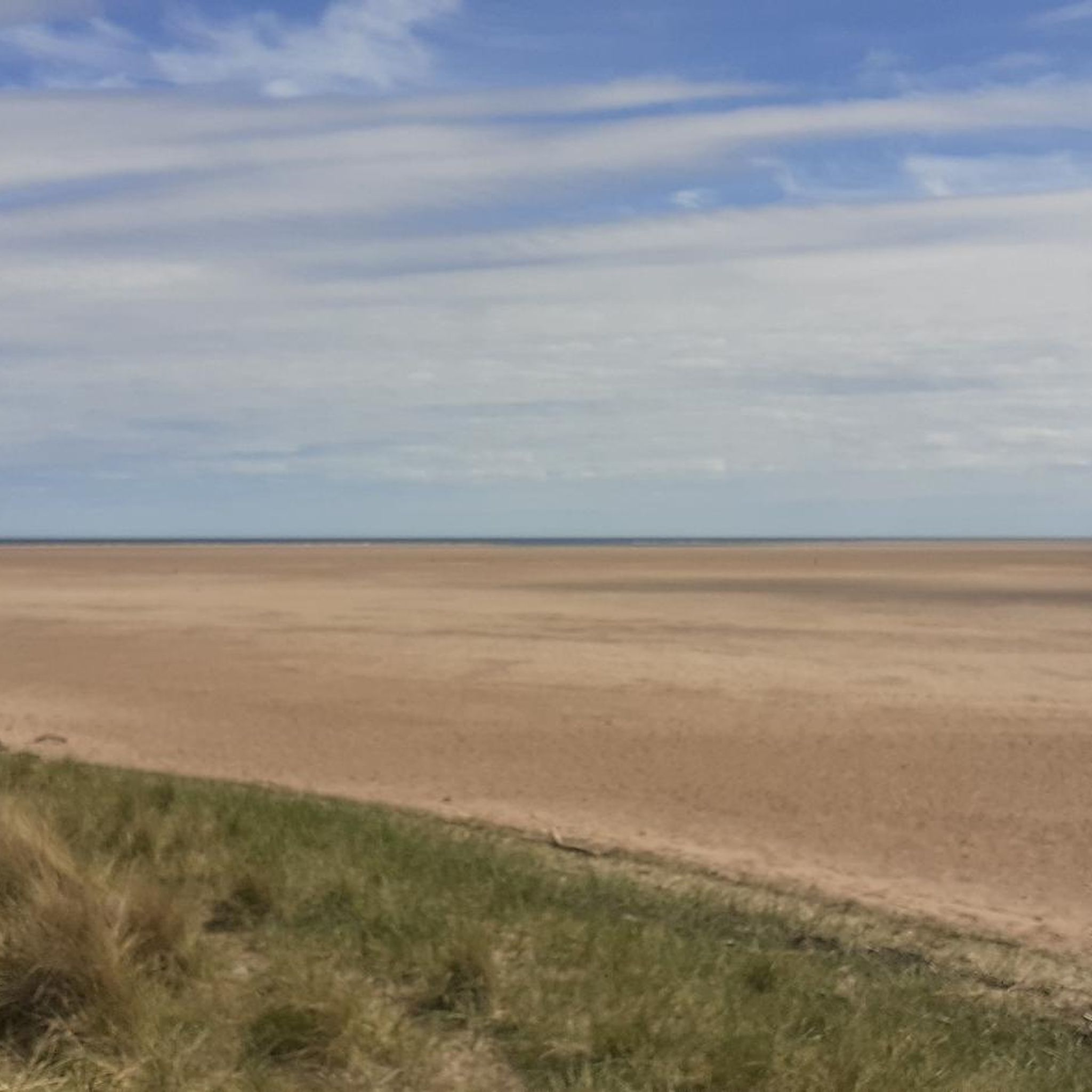
Road Cycling Routes in Lindisfarne National Nature Reserve
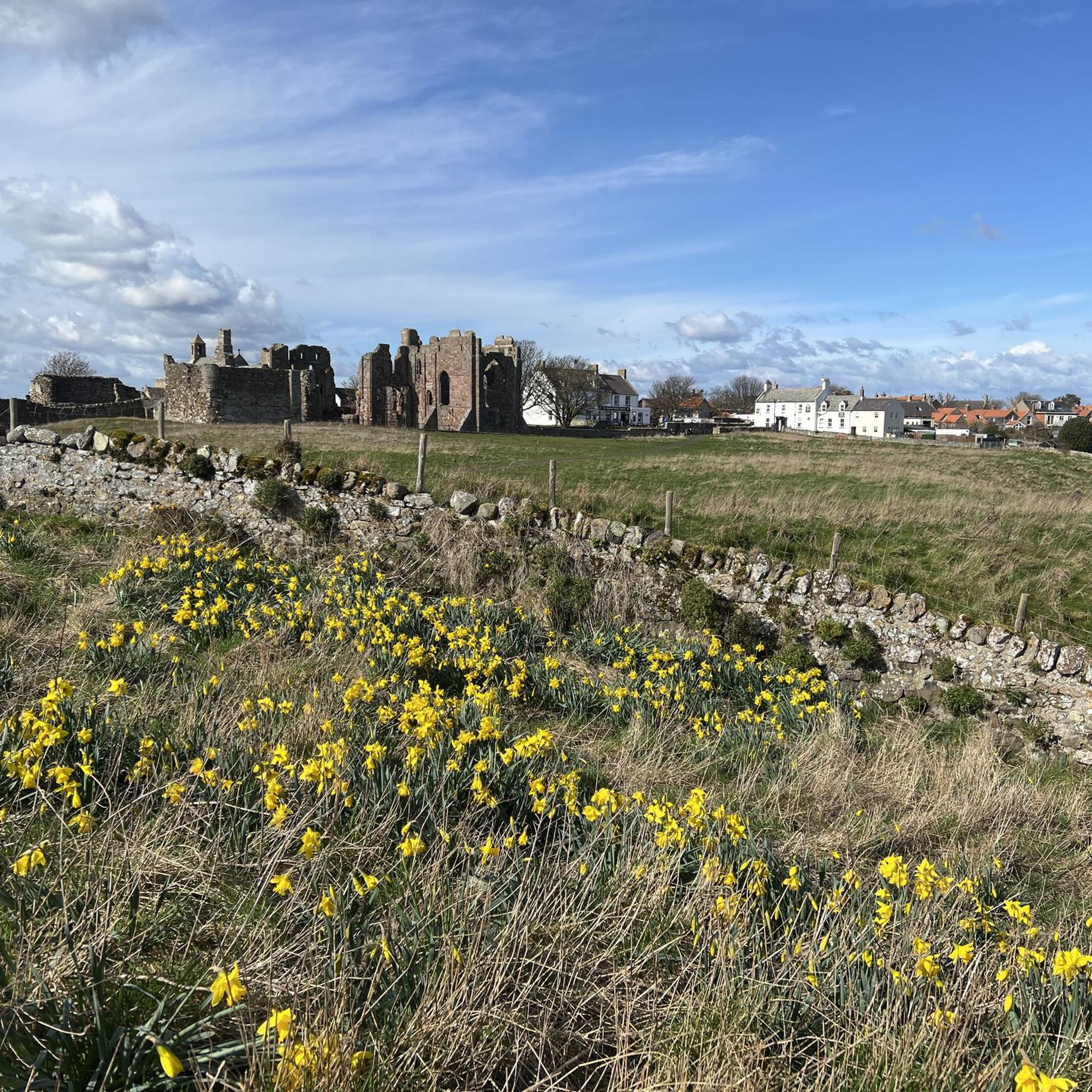
MTB Trails in Lindisfarne National Nature Reserve
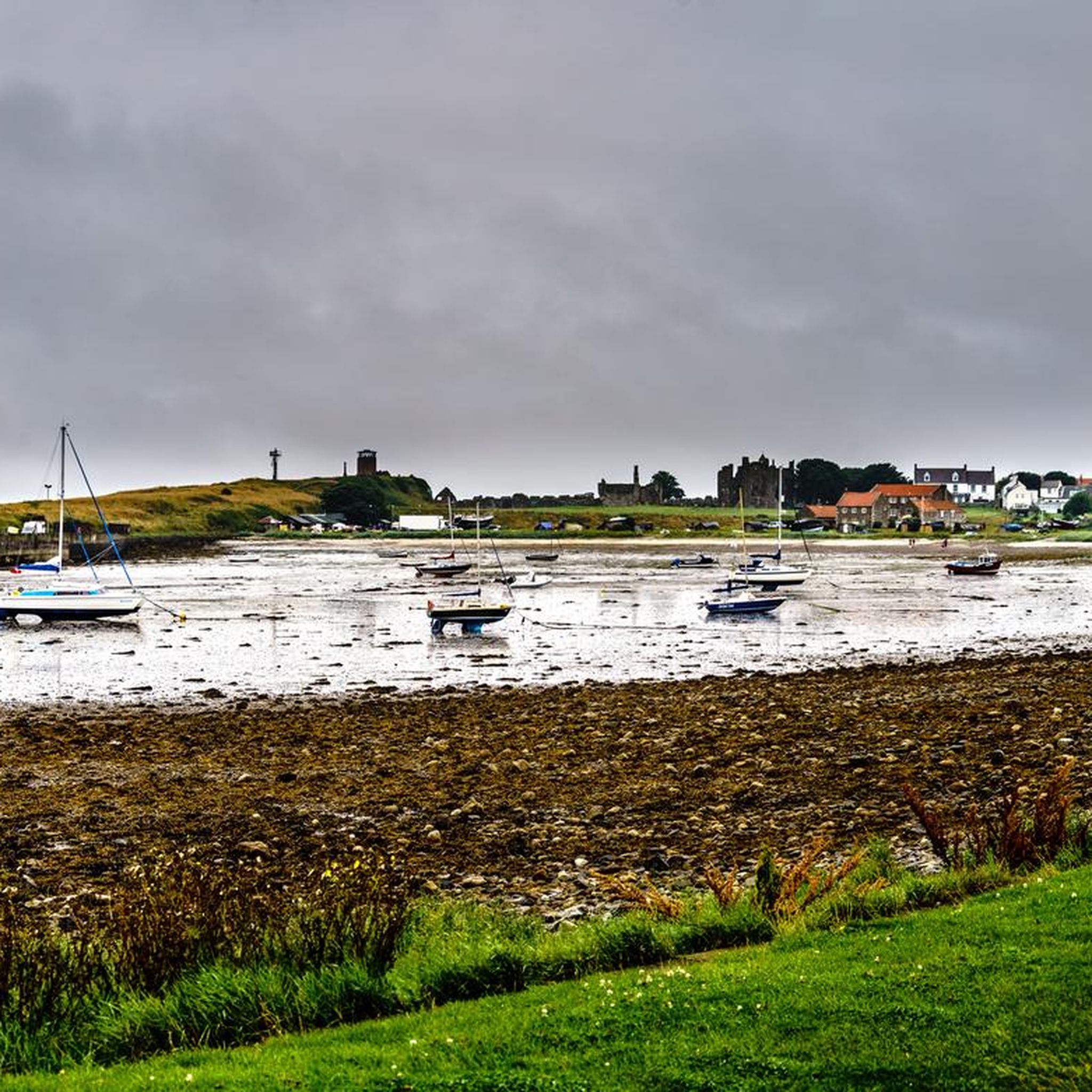
Cycling in Lindisfarne National Nature Reserve
Other adventures in Lindisfarne National Nature Reserve


Tips from the Community

The Lindisfarne Causeway is an adventure in itself! Driving (or walking) across the tidal road to Holy Island feels magical – like heading into another world. At low tide, the road stretches out across the sands with incredible views of the sea and sky, while at high tide it disappears completely under the water. The tide tables are essential, but that’s part of the fun – it makes visiting Holy Island feel even more special and unique. There’s also the Pilgrim’s Path across the sands if you fancy something a bit more adventurous on foot. A truly unforgettable way to arrive at such a historic and beautiful place!
0
0
Emmanuel Head is one of those quirky, unexpected gems on Holy Island. The stark white pyramid looks almost out of place at first, but it’s actually steeped in history – built in 1810, it’s the oldest surviving daymark in England. Sailors would have used it as a navigational aid to guide them safely around the island’s treacherous coast, long before modern lighthouses and GPS. The walk out there is lovely, with wide-open views across the dunes, sea and Lindisfarne Castle in the distance. Standing by it, with seabirds wheeling overhead and the waves rolling in, you really get a sense of the island’s long connection with the sea. A peaceful, slightly off-the-beaten-path highlight – and a great photo stop too!
0
0

The crossing of the tidal causeway to Lindisfarne starts here. The England Coast Path, St Cuthbert's Way and St Oswald's Way long-distance trails also follow this route. The Northumberland Coast Path doesn't officially cross to Holy Island, but it's a nice detour to add if you don't mind the extra distance. Crossing takes about two hours on foot, so it's really important to check the tides before starting. Ideally, start about two hours before low tide to give yourself the maximum crossing time. The tide comes in quicker than you can run, so don't chance it.
2
1
I am informed that the emergency tower on the causeway to Holy Island is referred to locally as 'the idiot tower.' Apparently in the summer season the tower lives up to its name about once a month. Try to avoid being a tower occupant, having an expensive rescue or endangering your safety by noting the tide times and following the crossing guidance given on the Northumberland County Council website: https://holyislandcrossingtimes.northumberland.gov.uk/ The Belvue Guesthouse also has great information for crossing the causeway and for walking the pilgrims route across the sand. For the causeway crossing see here: https://holy-island.uk/crossing-holy-islands-causeway-and-what-you-need-to-know/#:~:text=The%20road%20is%20about%203,depending%20on%20traffic%20and%20conditions Please follow the guidance.
2
0
I am informed that the emergency tower on the causeway to Holy Island is referred to locally as 'the idiot tower.' Apparently in the summer season the tower lives up to its name about once a month. Try to avoid being a tower occupant, having an expensive rescue or endangering your safety by following the guidelines on the Northumberland Coast AONB website or the excellent write up given by the Bellvue Guesthouse Web site. Links are given below; Northumberland AONB: https://www.northumberlandcoastaonb.org/pilgrims-way/ Bellvue Guesthouse: https://holy-island.uk/how-to-walk-the-pilgrims-way-to-holy-island-minding-tide-times/ Tide times and further crossing guidance is given on the Northumberland County Council website: https://holyislandcrossingtimes.northumberland.gov.uk/ Please follow the guidance.
1
0
The daymark on Emmanuel Head is a visual aid for boats navigating these waters. It's also a great target for a coastal run around the island. Look out for dolphins and seals out to sea.
1
0

Budle Bay is a square-shaped bay extending 1 mile wide along the North Sea coast of Northumberland, England. Positioned between Bamburgh and Lindisfarne, it features Budle Point on the eastern end. The bay is notable for its association with Bamburgh Castle Golf Club, the Northumberland Coast Path, and St Oswald's Way. Waren Burn and Ross Low are streams that converge into the bay, forming Budle Water as they flow eastward. The area is part of the Lindisfarne National Nature Reserve and is significant in geological conservation. The bay's geological composition includes limestone, Alston Formation rocks, and the quartz-microgabbro of the Whin Sill. Blown sand deposits shape the landscape, with Ross Links on one side. Historically, Budle Bay had a seaport named Waren, which operated until the early 20th century.
1
0

Pilgrims Coffee and Cake cafe at Lindisfarne makes a great stop. Careful on the sandy road when crossing the causeway. Breathtaking scenery on the crossing.
0
0
Frequently Asked Questions
What natural features and wildlife can I expect to see in Lindisfarne National Nature Reserve?
The reserve is characterized by 3,500 hectares of shifting sands, extensive dunes, saltmarshes, intertidal mudflats, and rocky shores. It is internationally important for its wintering bird populations, attracting tens of thousands of birds and geese, including light-bellied Brent geese and pink-footed geese. You can also spot grey seals, and occasionally common seals, in the waters and on the rocks. The dunes support diverse flora, including 11 species of orchid and the rare Lindisfarne helleborine.
What historical sites are there to explore on Holy Island?
Holy Island is rich in history. You can visit the dramatic 16th-century Lindisfarne Castle, offering panoramic views. The ruins of Lindisfarne Priory are central to the island's history as a cradle of Celtic Christianity. The St Cuthbert's Cross, located on a small island accessible at low tide, commemorates the prominent English saint. You can also find remnants of 19th-century Lime Kilns and a World War II gun emplacement.
How do I access Holy Island, and what should I know about the Lindisfarne Causeway?
The only land access to Holy Island is via the Lindisfarne Causeway, a tidal road. It is crucial to check tide times before planning your visit, as the causeway is submerged at high tide. The England Coast Path and St. Cuthbert's Way long-distance trails also follow this route.
Are there family-friendly activities or attractions in the reserve?
Yes, several spots are suitable for families. The Lindisfarne Causeway itself can be an adventure, and exploring the unique fishermen's sheds made from upturned boats at the harbour is interesting. Budle Bay offers a beautiful beach environment, and the general exploration of the island's natural beauty and historical sites can be engaging for all ages.
What are some popular walking or hiking routes near the attractions?
Lindisfarne National Nature Reserve offers various walking opportunities. You can find easy hikes like the "Lindisfarne Castle – Holy Island loop" or the "Ruins of Lindisfarne Priory – Lindisfarne Castle loop." For more moderate options, consider the "Lindisfarne Nature Trail" or the "Holy Island Circular Trail." You can explore these and more in the Easy hikes in Lindisfarne National Nature Reserve and Hiking in Lindisfarne National Nature Reserve guides.
Can I bring my dog to Lindisfarne National Nature Reserve?
Many areas of Lindisfarne National Nature Reserve are dog-friendly, particularly the beaches and walking paths. However, due to the sensitive wildlife and ground-nesting birds, it's essential to keep dogs under close control, preferably on a lead, especially during nesting seasons or in designated nature conservation areas. Always check local signage for specific restrictions.
What is the best time of year to visit Lindisfarne National Nature Reserve for wildlife viewing?
The reserve is internationally important for its wintering bird populations, making autumn and winter excellent times for birdwatching, when tens of thousands of birds and geese arrive. Spring and summer offer opportunities to see diverse flora, including orchids, and attract moths and butterflies. Seals can often be spotted year-round.
Where can I find unique viewpoints or spots for photography?
The Emmanuel Head Navigation Beacon offers excellent opportunities for spotting seals and dolphins, as well as views of the coastline. St Cuthbert's Cross is another good spot for observing seals and offers a unique perspective of the island. The harbour area provides views of Lindisfarne Castle, Bamburgh Castle, and the Farne Islands. The Links and North Holy Island Beaches offer remote and beautiful coastal scenery.
What marine life can be found around Holy Island?
The waters and rocky shores around Holy Island are home to grey seals, with common seals occasionally sighted. The intertidal zones are abundant with marine life such as winkles, limpets, mussels, and barnacles. You might also find fossilized remains of crinoids, known as "St. Cuthbert's Beads," on the storm beach.
Are there options for cycling or mountain biking in the area?
Yes, there are routes suitable for mountain biking in the wider Lindisfarne National Nature Reserve area. Examples include longer loops like "Seahouses Harbour – Craster Harbour loop" or "View of Holy Island – Berwick Coastal Path loop." You can find more details in the MTB Trails in Lindisfarne National Nature Reserve guide.
How long does it typically take to explore the main attractions on Holy Island?
Exploring the main attractions on Holy Island, such as Lindisfarne Castle, Lindisfarne Priory, and the village, can take a full day, especially if you wish to walk to viewpoints like Emmanuel Head or St Cuthbert's Cross. Remember to factor in the tidal causeway crossing times, which require careful planning for both arrival and departure.
What makes Budle Bay a significant place to visit?
Budle Bay, located between Bamburgh and Lindisfarne, is a square-shaped bay that is part of the National Nature Reserve. It is significant for geological conservation, featuring limestone, Alston Formation rocks, and the quartz-microgabbro of the Whin Sill. It's also a beautiful spot for its beach and natural environment.
What is the Emmanuel Head Navigation Beacon and what can I see there?
The Emmanuel Head Navigation Beacon is a distinctive white pyramid that serves as a daymark for ships. It's a popular spot for visitors and offers excellent opportunities to observe marine wildlife, with many reporting sightings of dolphins and seals off the coast.
Most popular routes in Lindisfarne National Nature Reserve

Get inspired with the komoot mobile app


Explore more
Still not found the Highlight you’re looking for? See guides of the top attractions in other regions:
