Studland And Godlingston Heath National Nature Reserve
Studland And Godlingston Heath National Nature Reserve
Attractions and Places To See in Studland And Godlingston Heath National Nature Reserve - Top 3
Best attractions and places to see in Studland And Godlingston Heath National Nature Reserve include a rich tapestry of natural beauty, diverse wildlife, and historical sites. Located on the Isle of Purbeck in Dorset, this area features extensive heathland, unspoiled sandy beaches, and iconic chalk formations. It is known for its unique flora, all six native British reptile species, and evidence of prehistoric human activity.
Best attractions and places to see in Studland And Godlingston Heath National Nature Reserve
- The…
Last updated: May 8, 2026
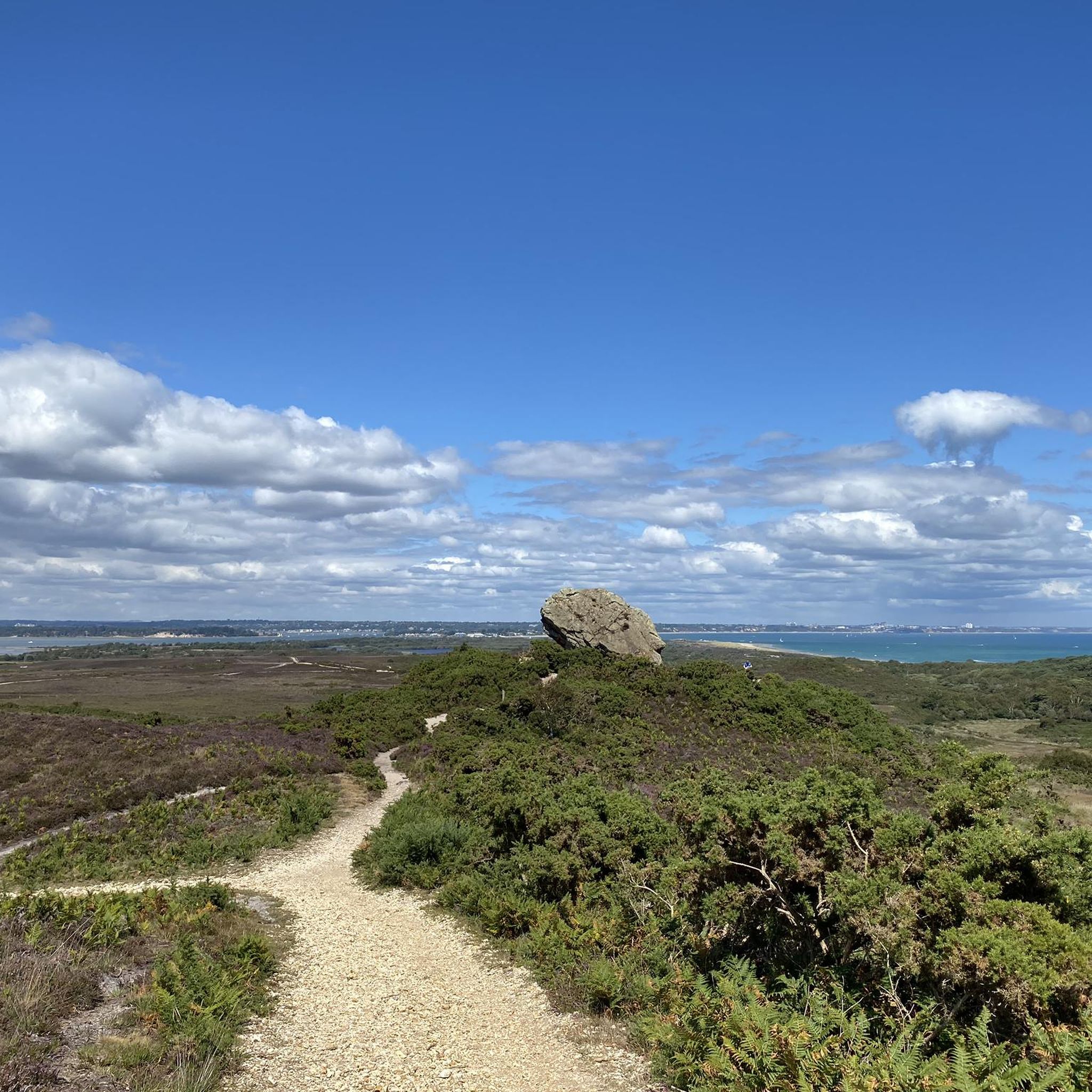
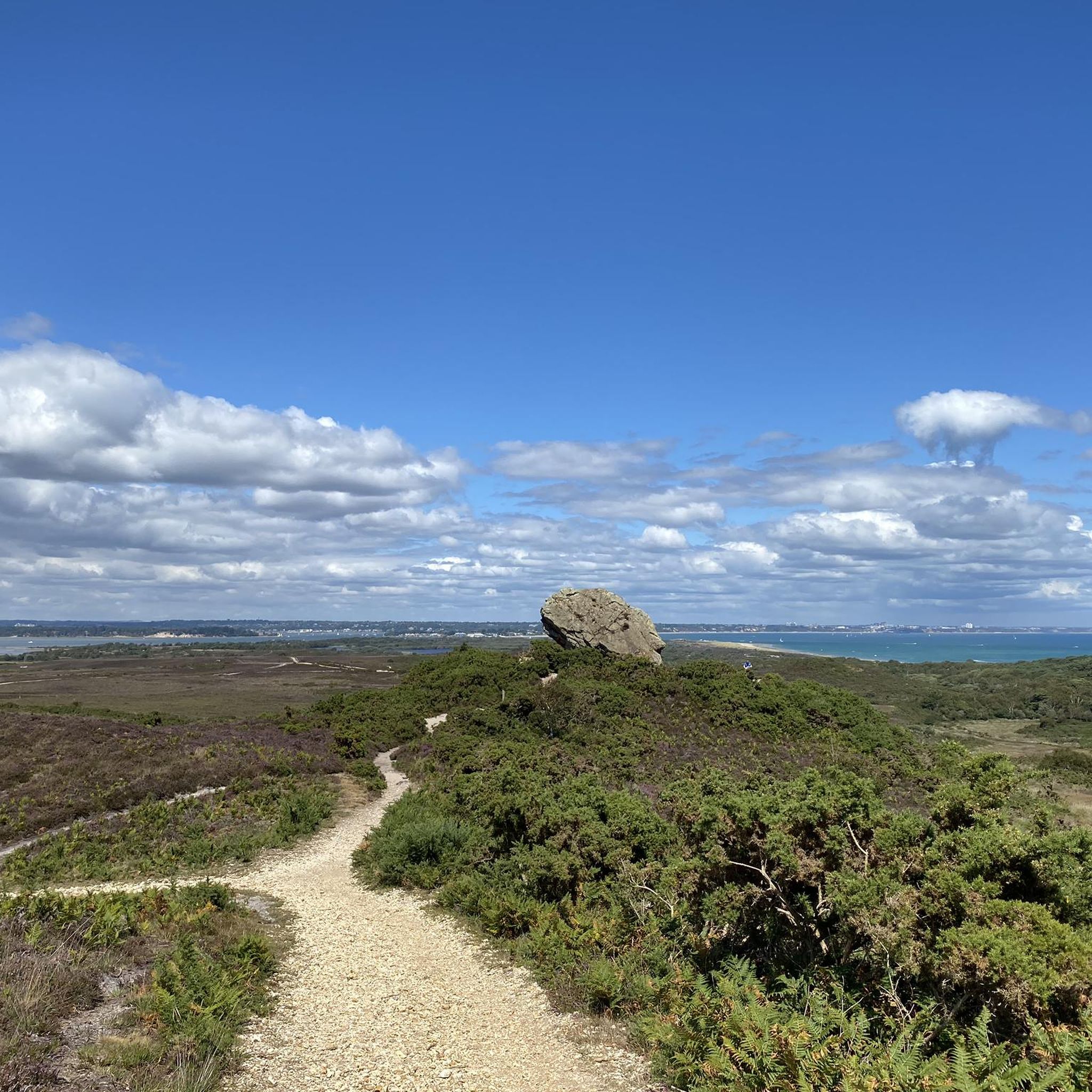
Agglestone Rock
Highlight • Natural Monument
Tip by

Godlingston Heath
Highlight • Natural Monument
Tip by
Sign up now to discover places like this
Get recommendations on the best single tracks, peaks, & plenty of other exciting outdoor places.
Sign up for free
Shell Bay Beach
Highlight • Beach
Tip by

Heathland Trails and Bridleways Near Poole Harbour
Highlight (Segment) • Trail
Tip by

Godlingston Heath
Highlight (Segment) • Forest
Tip by

Sign up for free to discover even more attractions in Studland And Godlingston Heath National Nature Reserve.
Sign up for free
Already have an account?
Start today with a free account
Your next adventure awaits.
Login or Signup
Popular around Studland And Godlingston Heath National Nature Reserve
Running Trails in Studland And Godlingston Heath National Nature Reserve
MTB Trails in Studland And Godlingston Heath National Nature Reserve
Hiking in Studland And Godlingston Heath National Nature Reserve
Cycling in Studland And Godlingston Heath National Nature Reserve
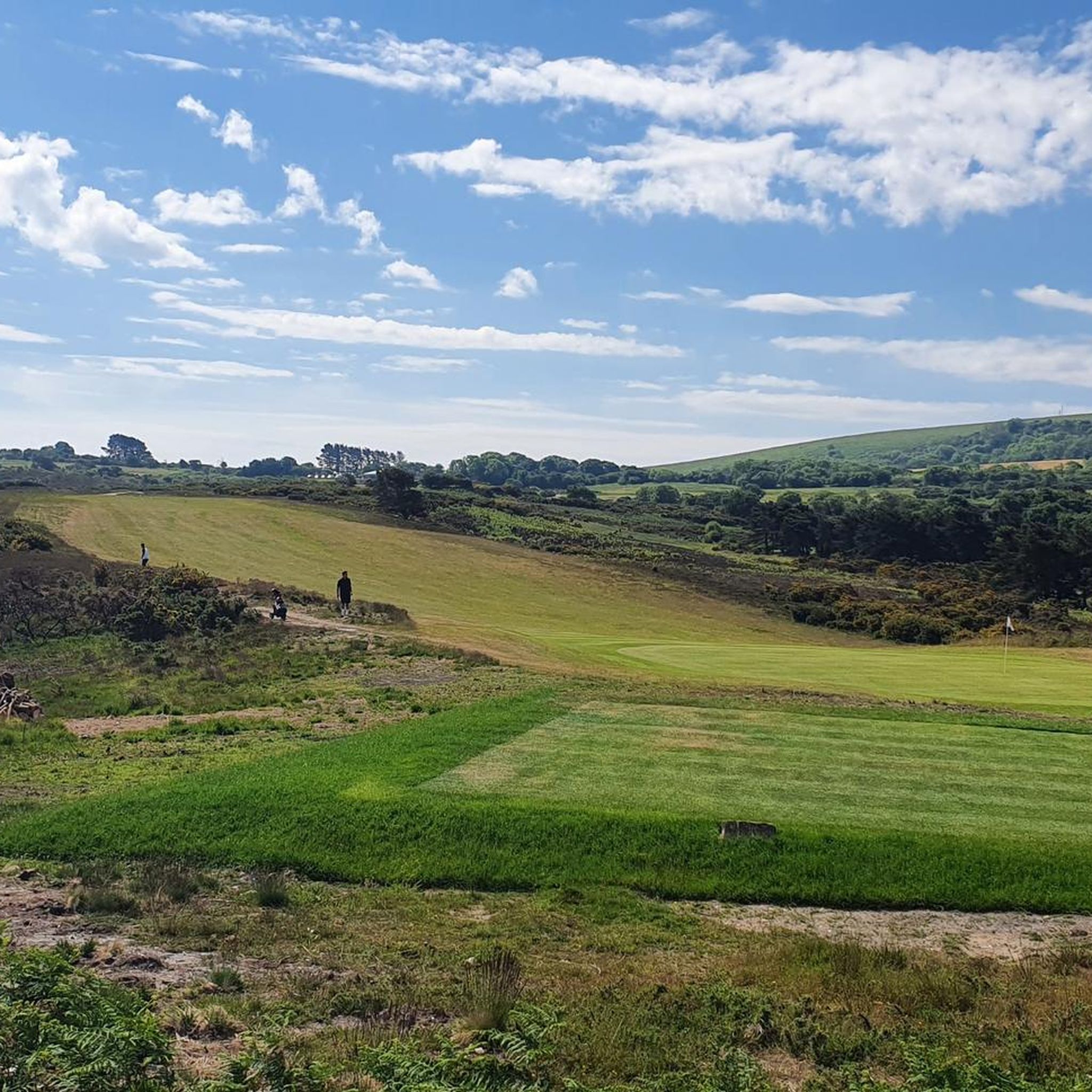
Road Cycling Routes in Studland And Godlingston Heath National Nature Reserve
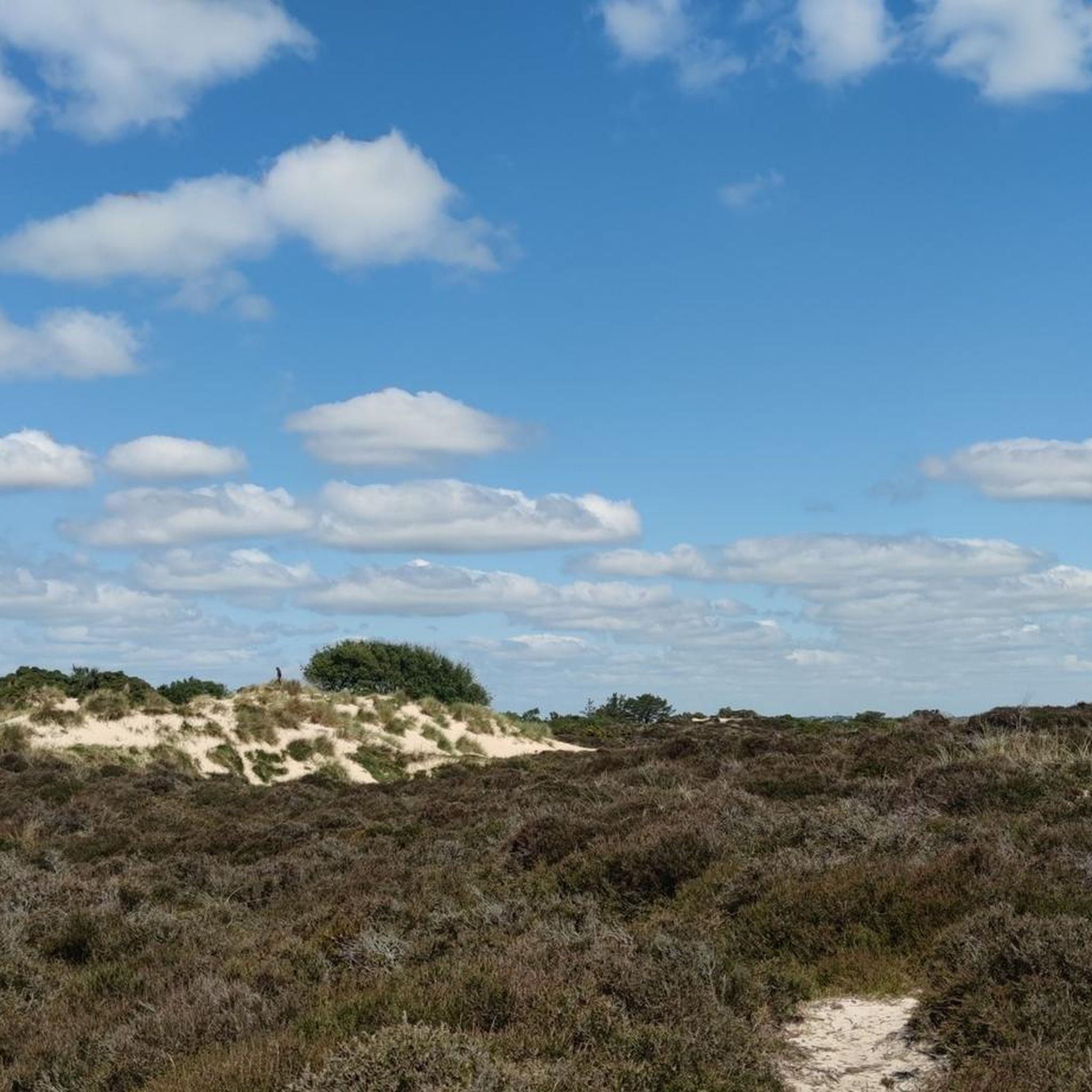
Gravel biking in Studland And Godlingston Heath National Nature Reserve
Tips from the Community

Formerly an "anvil" shape with a flat top, in 1970 it fell on one end and one side, leaving the top at an angle of about 45°.
0
0

Dogs permitted off lead on beach and dunes between 1st October and 31st March. Must be on lead between April and September.
0
0

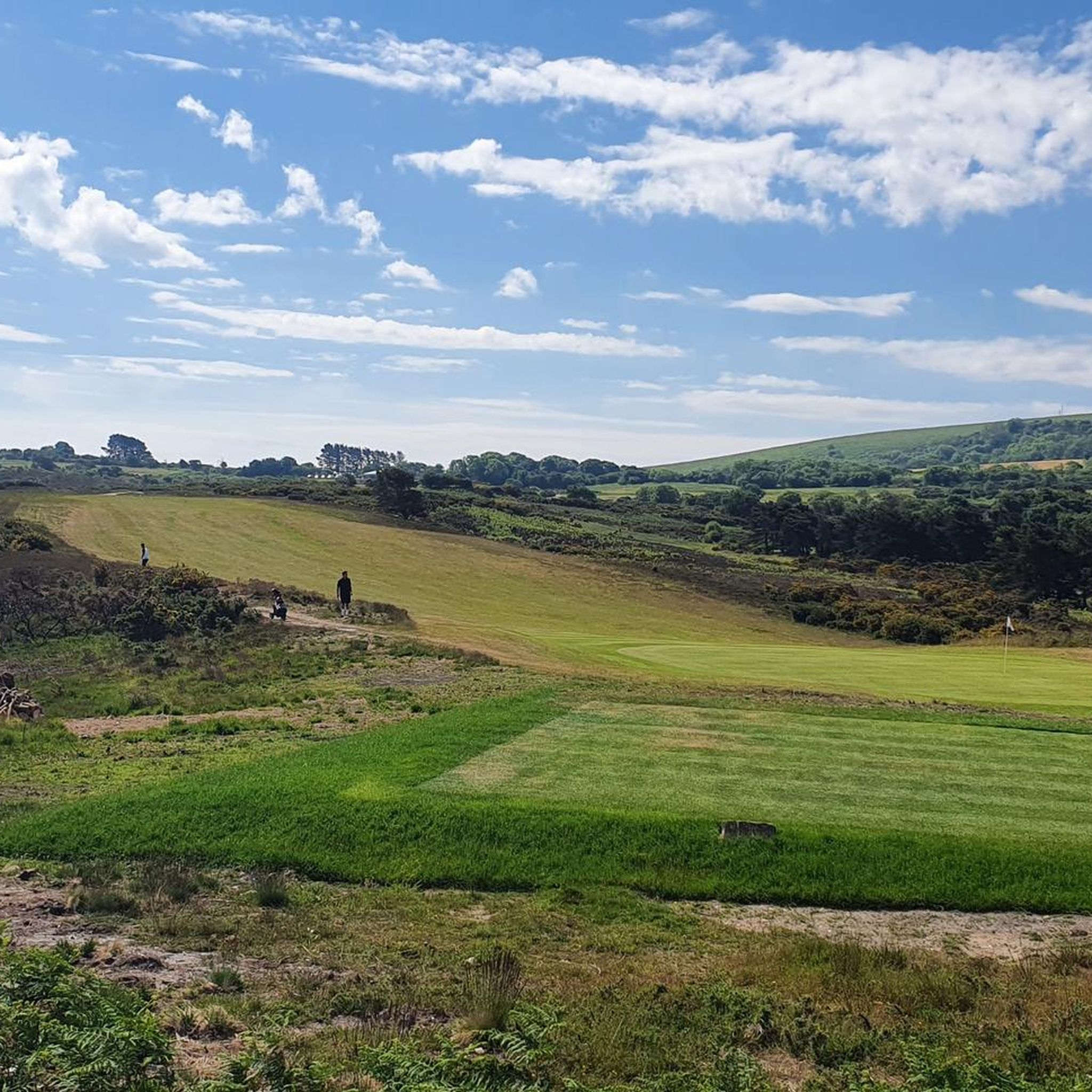
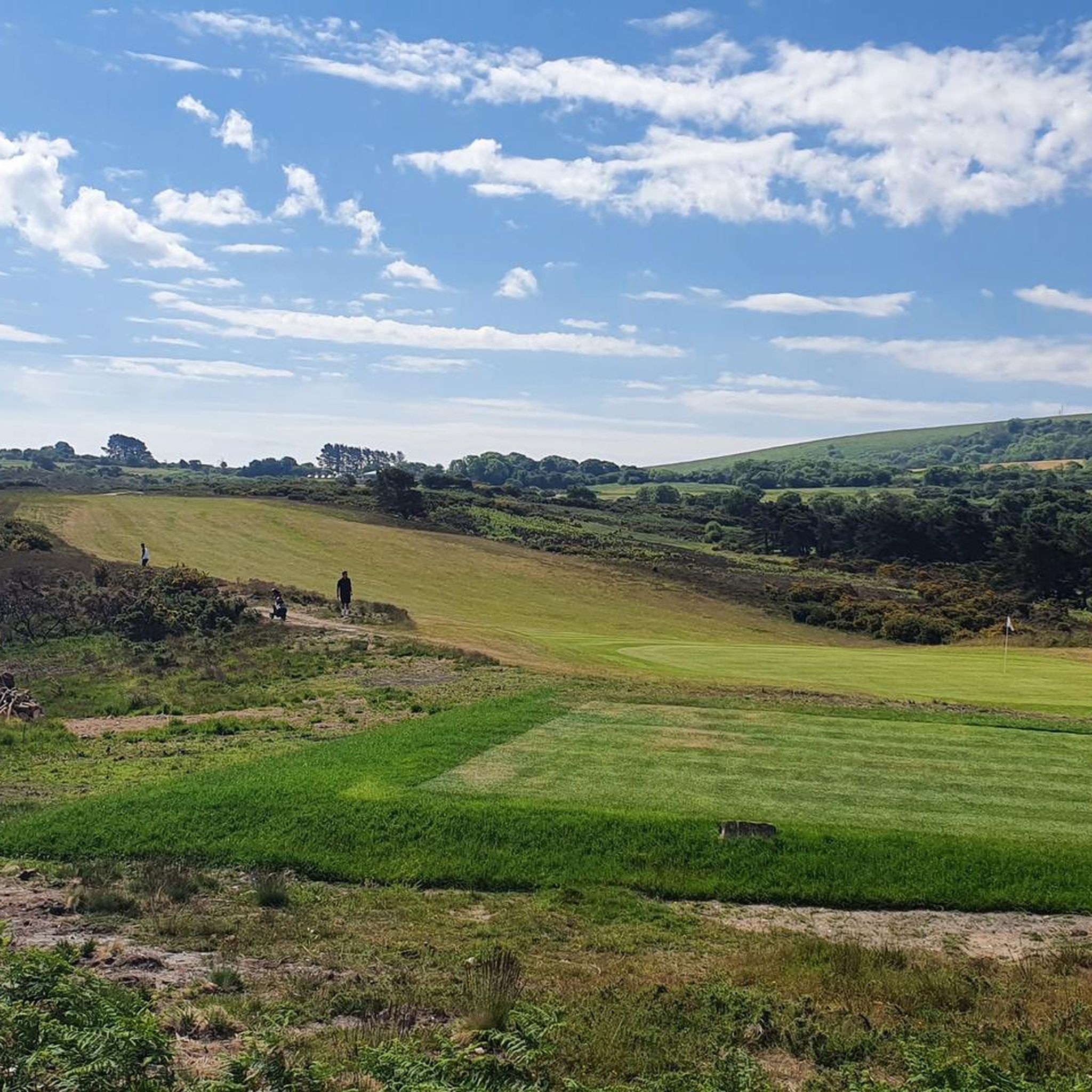
Godlingston Heath is a significant area of lowland heathland located near the village of Studland in Dorset, England. It is a key part of the larger Studland and Godlingston Heath National Nature Reserve, and more recently, has been incorporated into the UK's first "super" nature reserve, the Purbeck Heaths National Nature Reserve. A Fragment of a Vanishing Landscape Lowland heathland is a rare and threatened habitat in the UK, with a significant amount having been lost over the past two centuries. Godlingston Heath is one of the largest and most important remaining tracts of this habitat. It's not a "natural" landscape in the sense of a primeval forest; its current form is the result of thousands of years of human activity, including woodland clearance for farming and the use of the land for grazing and fuel. This has created an acidic, nutrient-poor soil that is perfect for the specialized plant life found there. A Haven for Wildlife Godlingston Heath is a designated Site of Special Scientific Interest (SSSI) due to its remarkable biodiversity. The mosaic of dry and wet heath, acid grassland, and small patches of woodland provides a home for a wide variety of species, many of which are rare or endangered. It is particularly renowned for being a stronghold for all six of the UK's native reptile species: Sand lizard: This is a particularly important site for the sand lizard, which is one of the UK's rarest reptiles. Smooth snake: This elusive and rare reptile also thrives in the heathland environment. Common lizard Slow worm Grass snake Adder
0
0
also known as the "Devil's Anvil," is a large, distinctive sandstone block located on a conical hill on Godlingston Heath near the village of Studland in south Dorset, England. This impressive rock, weighing approximately 400 tonnes, is a popular landmark and a local curiosity. Local legends offer a more dramatic explanation for the rock's existence. The most famous myth says the Devil, standing on The Needles on the Isle of Wight, hurled the massive rock with the intention of hitting Corfe Castle, Bindon Abbey, or Salisbury Cathedral. However, his aim was poor, and the rock landed short of its target, where it now sits. Before it toppled over in 1970, the rock had a flat top and an anvil-like shape, which led to its nickname "the Devil's Anvil." Some folklore also suggests that the rock was a holy stone or a Druidical altar.
0
0


Godlingston Heath is located above the village of Studland and provides spellbinding views of Studland Bay. It's known for the mysterious Agglestone, a huge, 400-tonne sandstone formation that's pretty hard to miss in the heart of the heath. There's wildlife to spot too: keep your eyes peeled for Dartford Warblers and sand lizards in the bushy gorse. Bear in mind that the heathland can be muddy after wet weather.
0
0
The mysterious Agglestone Rock is an iron-rich, 400-tonne, sandstone rock formation nestled at the heart of Godlingston Heath. It's not known exactly how it came to stand in its current location and is shrouded in myths and legend. One story goes that it was hurled across from the Isle of Wight's Needles by the Devil. This explains the name Agglestone, which may mean 'Devil's Anvil'. It's also thought to have been a Druid's altar.
1
0

Plenty of good trails, making up a particularly scenic part of the National Cycle Network route 2, with some fine views over Poole Harbour.
0
0
Frequently Asked Questions
What unique natural landmarks can I explore in Studland and Godlingston Heath?
The reserve is home to several distinctive natural features. You can visit Agglestone Rock, a mysterious 400-tonne sandstone formation with local legends, offering views of Studland Bay. Further along the coast, the iconic Old Harry Rocks, part of the Jurassic Coast World Heritage Site, provide stunning vistas of the chalk stacks.
Where can I find sandy beaches suitable for families in the reserve?
Studland Bay offers four miles of unspoiled sandy beaches. Shell Bay Beach is a particularly idyllic spot for swimming and paddling. Knoll Beach is another popular choice, featuring a designated naturist area and generally good facilities for families.
What kind of wildlife can I expect to see in Studland and Godlingston Heath?
The reserve is a crucial habitat for all six native British reptile species, including the rare sand lizard and smooth snake, especially visible in spring. Birdwatchers can spot the rare Dartford warbler, as well as overwintering wildfowl like pochard and teal around Little Sea. The area also teems with insect life, including 20 species of dragonfly and damselfly.
Are there historical sites to visit within the reserve?
Yes, the reserve holds historical significance. You can find ancient burial mounds (tumuli) dating back to pre-Roman times throughout the heathland. In Studland village, the well-preserved St Nicholas Parish Church offers a glimpse into Norman architecture. Fort Henry is another notable historical site within Studland Bay.
What are the best walking routes in Studland and Godlingston Heath?
Numerous walking trails crisscross the reserve. You can explore the extensive lowland wet and dry heath of Godlingston Heath, which offers panoramic views. Coastal routes along Studland Bay provide stunning sea views, and paths through the ecologically important sand dunes are also popular. Many trails are suitable for various fitness levels.
Can I bring my dog to the beaches in Studland Bay?
Yes, dogs are permitted on the beaches and dunes in Studland Bay. At Shell Bay Beach, for example, dogs are allowed off-lead between October 1st and March 31st. During the peak season (April to September), dogs must be kept on a lead. Always check local signage for specific restrictions.
What activities are available for children in Studland and Godlingston Heath?
The reserve is excellent for families. Children can enjoy paddling and swimming at the sandy beaches of Studland Bay. Wildlife spotting, particularly looking for reptiles in spring or birds around Little Sea, can be an engaging activity. Exploring the sand dunes and walking the various trails also offers adventure for younger visitors.
What is the best time of year to visit Studland and Godlingston Heath?
Spring (April and May) is ideal for wildlife spotting, as reptiles emerge from hibernation and many bird species are active. Summer offers perfect conditions for beach activities and water sports. Autumn brings beautiful colours to the heathland, while winter is excellent for observing overwintering wildfowl around Little Sea.
Are there cycling routes available in the reserve?
Yes, there are several cycling opportunities. The reserve features well-maintained gravel paths, such as the Gravel Path on Cycle Route 2, which winds through Godlingston Heath and the dunes, offering coastal views. For more extensive rides, you can find various cycling routes in the area, including those listed in the Cycling in Studland And Godlingston Heath National Nature Reserve guide.
What kind of terrain can I expect on the trails?
The terrain is diverse, ranging from soft sand on the beaches and dunes to the more rugged, sometimes muddy, paths across the lowland wet and dry heath of Godlingston Heath. Some trails, like the Gravel Path on Cycle Route 2, offer stable, year-round surfaces suitable for walkers and cyclists.
What do visitors enjoy most about Studland and Godlingston Heath National Nature Reserve?
Visitors frequently praise the stunning panoramic views, especially from spots like Agglestone Rock and Godlingston Heath. The unspoiled sandy beaches, like Shell Bay Beach, are highly valued for their natural beauty and family-friendly atmosphere. The diverse wildlife and peaceful heathland walks are also major draws for those seeking a connection with nature.
Are there opportunities for running or jogging in the area?
Yes, the reserve offers excellent opportunities for running and jogging. You can find various routes that take you through the heathland, along coastal paths, and past landmarks like Old Harry Rocks. For detailed options, explore the Running Trails in Studland And Godlingston Heath National Nature Reserve guide, which includes routes of varying distances and difficulties.
Most popular routes in Studland And Godlingston Heath National Nature Reserve

Get inspired with the komoot mobile app


Explore more
Still not found the Highlight you’re looking for? See guides of the top attractions in other regions:
