Lower Derwent Valley National Nature Reserve
Lower Derwent Valley National Nature Reserve
The best MTB trails in Lower Derwent Valley National Nature Reserve
3.7
(24)
97
riders
17
rides
Mountain bike trails in Lower Derwent Valley National Nature Reserve traverse a flat, ecologically intact floodplain river valley. The landscape is characterized by extensive flood meadows, pastures, and woodlands, with the meandering River Derwent as a central feature. While not a destination for challenging off-road mountain biking, the area provides routes suitable for casual cycling on shared-use paths and quiet lanes.
Best mountain bike trails in Lower Derwent Valley National Nature Reserve
- The most popular mountain bike trail is Wheldrake…
Last updated: July 22, 2026
3
riders
34.4km
01:57
60m
60m
Easy mountain bike ride. Great for any fitness level. Suitable for all skill levels.
3
riders
Easy mountain bike ride. Great for any fitness level. Suitable for all skill levels.

Sign up for free
3.0
(1)
7
riders
25.7km
01:18
40m
40m
Easy mountain bike ride. Great for any fitness level. Suitable for all skill levels.
4.0
(2)
6
riders
19.3km
01:10
30m
30m
Easy mountain bike ride. Great for any fitness level. Suitable for all skill levels.
5.0
(1)
2
riders
15.5km
01:02
30m
30m
Easy mountain bike ride. Great for any fitness level. Suitable for all skill levels.
Get access to more routes and recommendations from other explorers.
Sign up for free
Already have an account?
Our route recommendations are based on thousands of hikes, rides, and runs completed by other people on komoot.
Start today with a free account
Your next adventure awaits.
Login or Signup

Tips from the Community

Cracking woods located up a 1.5-mile backroad out of Wheldrake. Nice and quiet, dominated by Corsican pine, Scots pine, larch, and patches of spruce and fir, interspersed with oak and birch stands, and flowering rhododendron bushes in May. Apparently also home to a giant sequoia, which I missed when I trotted around it, so will need to go back for another look...
0
0


Lots of signage on this route. Some directional and some informative.
0
0

A fallen tree was blocking the whole cycle path this morning. It is reported that it came down yesterday in the late afternoon. Great care is required; it can be navigated with difficulty.
0
0

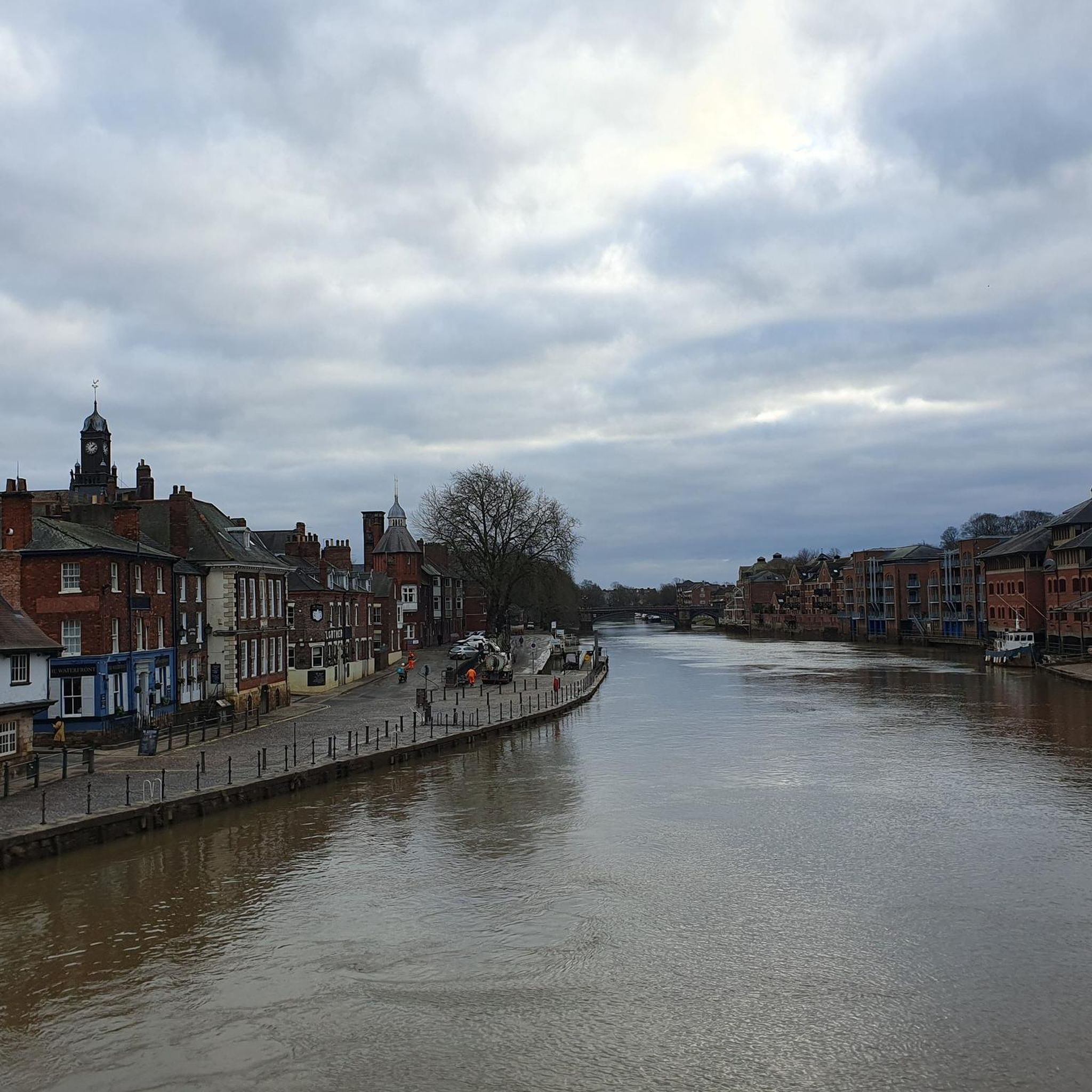
Excellent veggie breakfast served until 3pm.
0
0

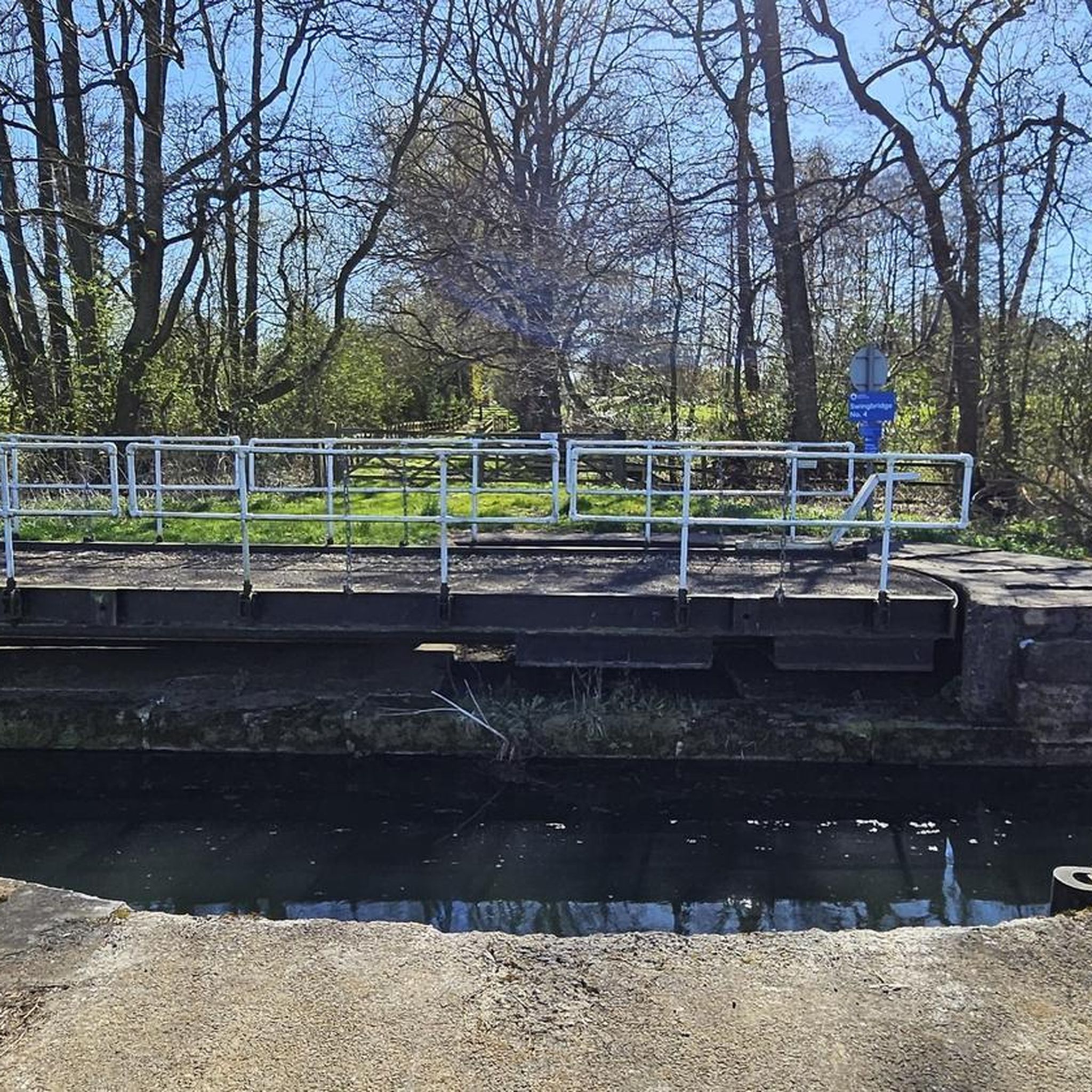
The first of 5 disused locks between the canal head and Coat's Bridge. Although the next 4 (Silburn, Giles, Sandhill and Coat's Locks) are derelict, Top Lock's principal structure is relatively intact, and the lock gates and manual and hydraulic gearing mechanisms have been restored to traditional design.
2
0
Frequently Asked Questions
What kind of mountain biking can I expect in the Lower Derwent Valley National Nature Reserve?
The Lower Derwent Valley National Nature Reserve is characterized by a flat, ecologically intact floodplain river valley. Mountain biking here is generally limited to casual cycling on shared-use paths and quiet lanes on the periphery of the reserve. It is not a destination for challenging off-road mountain biking or technical trails.
Are there dedicated mountain biking trails in the Lower Derwent Valley National Nature Reserve?
The Lower Derwent Valley National Nature Reserve is primarily managed for its sensitive wildlife and rare floodplain habitats, not for dedicated mountain biking trails. While some general cycling is possible on shared paths, those seeking specific mountain biking trails with varied terrain and challenging sections should consider the Upper Derwent Valley in the Peak District National Park instead.
How many mountain bike routes are available in the Lower Derwent Valley National Nature Reserve?
There are approximately 19 mountain bike routes available in the Lower Derwent Valley National Nature Reserve area. These routes are predominantly easy to moderate in difficulty, reflecting the flat terrain of the region.
What is the typical terrain and difficulty level of mountain bike routes here?
The terrain in the Lower Derwent Valley National Nature Reserve is generally flat, consisting of flood meadows, pastures, and woodlands. The routes are classified as easy to moderate, with no difficult trails. You can expect gentle paths suitable for casual cycling rather than technical mountain biking.
Are there any family-friendly mountain bike routes in the Lower Derwent Valley National Nature Reserve?
Yes, many of the routes in the Lower Derwent Valley National Nature Reserve are suitable for families due to their flat terrain and easy to moderate difficulty. For example, the Solar System Cycle Route – Solar System Cycleway loop from Skipwith is an easy 17.2 miles (27.7 km) path that follows a dedicated cycleway, making it a good option for families.
Can I bring my dog on the mountain bike trails?
While dogs are generally welcome in many outdoor areas, the Lower Derwent Valley National Nature Reserve is a sensitive wildlife area, especially for ground-nesting birds. It's crucial to keep dogs under close control, preferably on a lead, to avoid disturbing wildlife. Always check local signage for specific restrictions on individual paths or areas within the reserve.
What natural features or viewpoints can I expect to see along the routes?
The Lower Derwent Valley National Nature Reserve is renowned for its internationally important birdlife, rare floodplain meadows, and diverse ecosystem. Along the routes, you can expect to see the meandering River Derwent, extensive flood meadows, and woodlands. It's an excellent area for nature observation and birdwatching, with opportunities to spot species like lapwing, redshank, and curlew, especially during autumn and winter.
What is the best time of year to go mountain biking in the Lower Derwent Valley National Nature Reserve?
The best time to visit depends on your priorities. Spring offers views of marsh marigold and cuckooflower, while summer brings Ragged Robin, Greater Burnet, Meadowsweet, and Marsh Orchids. Autumn and winter are excellent for birdwatching, with over 40,000 ducks, geese, and waders. However, be aware that the area is a floodplain, so paths may be wet or muddy, especially after heavy rain or during winter flooding.
Are there circular mountain bike routes available?
Yes, many of the mountain bike routes in the Lower Derwent Valley National Nature Reserve are circular. Examples include the Wheldrake Wood – Caffè Valeria loop from Wheldrake (21.5 miles) and the Melbourne Arms – Allerthorpe Common loop from Allerthorpe (15.9 miles).
Where can I find parking or access routes by public transport?
Specific parking information for individual trailheads is best found on the detailed route pages on komoot. For public transport, options may be limited directly within the nature reserve. It's advisable to research local bus services to nearby villages like Wheldrake, Skipwith, or Allerthorpe, and plan your route from there.
What do other mountain bikers say about the routes in Lower Derwent Valley National Nature Reserve?
The routes in the Lower Derwent Valley National Nature Reserve are highly rated by the komoot community, with an average score of 3.7 stars from over 20 reviews. Mountain bikers often praise the quiet woodlands, open meadows, and the opportunity for peaceful, casual cycling in a natural setting.
Are there any cafes or pubs near the mountain bike routes?
While the nature reserve itself is largely undeveloped to protect its environment, you can find cafes and pubs in the nearby villages. For example, the Scoreby Lane – The Balloon Tree Café loop from Dunnington specifically mentions a café, and other villages like Wheldrake, Skipwith, and Allerthorpe will likely offer amenities.
Most popular routes in Lower Derwent Valley National Nature Reserve

Get inspired with the komoot mobile app


Explore more
Browse the best MTB trails in other regions.
