Lower Derwent Valley National Nature Reserve
Lower Derwent Valley National Nature Reserve
The best traffic-free bike rides in Lower Derwent Valley National Nature Reserve
4.6
(228)
2,575
riders
162
rides
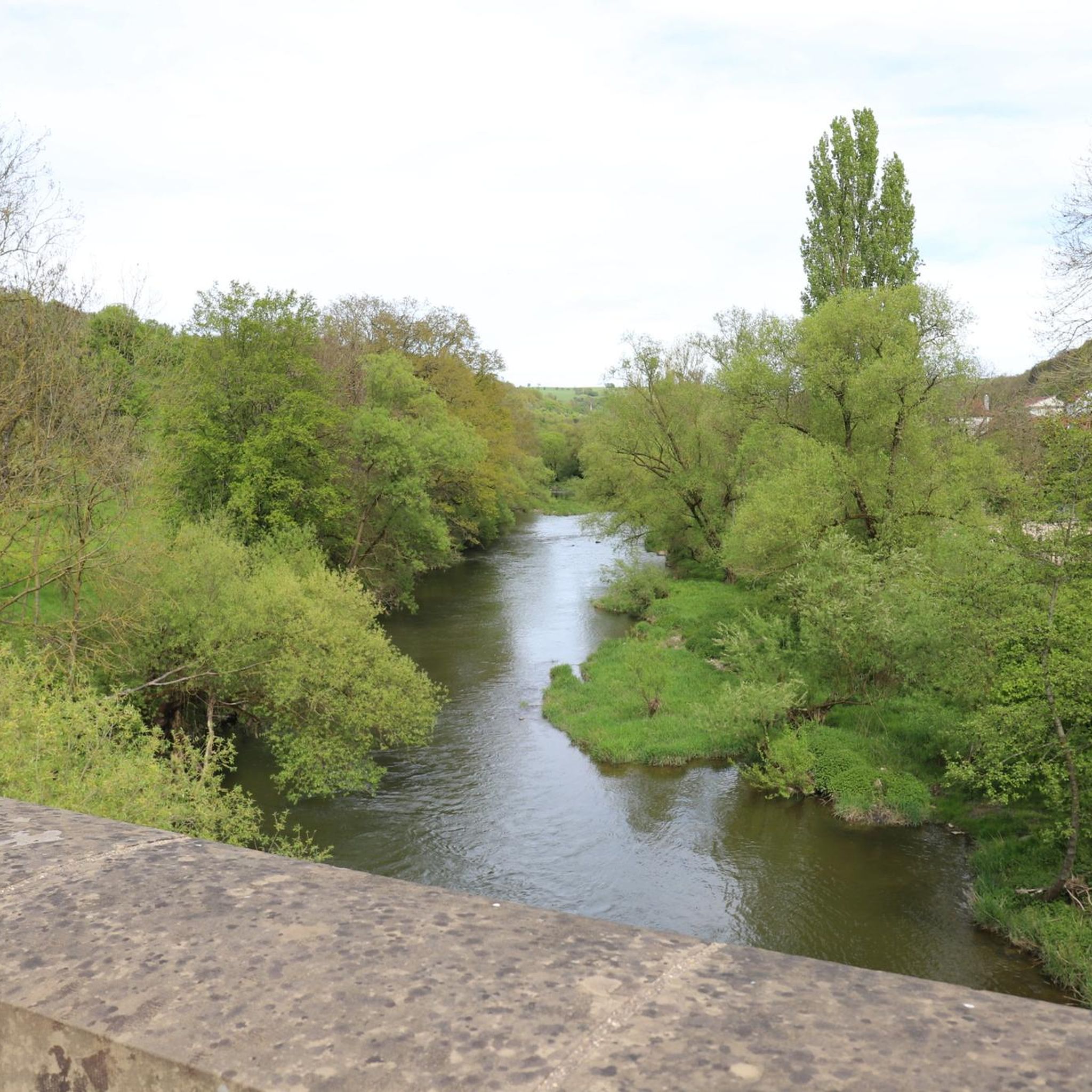
No traffic touring cycling routes in Lower Derwent Valley National Nature Reserve are characterized by a generally flat topography, shaped by the meandering River Derwent and Foss Beck rivers. The landscape features tranquil grasslands, lush flood meadows, and peaceful woodlands, providing diverse and scenic backdrops for cycling. The reserve is globally significant for its ecologically rich flood plain meadows. This accessible terrain makes it well-suited for touring cycling, offering routes across a network of paths.
Best no traffic touring cycling…
Last updated: May 13, 2026
7
riders
29.1km
01:41
90m
90m
Easy bike ride. Great for any fitness level. Mostly paved surfaces. Suitable for all skill levels.
3
riders
34.0km
01:55
70m
70m
Easy bike ride. Great for any fitness level. Mostly paved surfaces. Suitable for all skill levels.

Sign up for free
3
riders
12.9km
00:46
20m
20m
Easy bike ride. Great for any fitness level. Mostly paved surfaces. Suitable for all skill levels.
3
riders
30.3km
01:45
30m
30m
Easy bike ride. Great for any fitness level. Mostly paved surfaces. Suitable for all skill levels.
4.0
(1)
2
riders
30.0km
02:00
30m
30m
Easy bike ride. Great for any fitness level. Mostly paved surfaces. Suitable for all skill levels.
Get access to more routes and recommendations from other explorers.
Sign up for free
Already have an account?
Our route recommendations are based on thousands of hikes, rides, and runs completed by other people on komoot.
Start today with a free account
Your next adventure awaits.
Login or Signup
Popular around Lower Derwent Valley National Nature Reserve
Tips from the Community

A large wire figure of a man in a bobble hat sitting on top of the bridge, with a fishing rod hanging out over the River Ouse, on the end of his line he has caught the 'Flying Scotsman' train which used to run on the railway line that used this bridge – now decommissioned. It is part of the Sustrans route 65 cycle way. Source: https://artuk.org/discover/artworks/fisher-of-dreams-324103
0
0

Don't visit in winter. Very good chance it will be under water, or sludge after the River Ouse floodwaters have receded. Bearing that in mind, YCC and the keepers do a pretty good job of maintaining the park. The park was created in memory of employees of Rowntree's who died in the First World War, and was opened on 16 July 1921 by local entrepreneur and philanthropist Joseph Rowntree. Upon their purchase in 1919, the 17 acres of land cost £1,500. The park now covers an area of 25 acres, with it being extended in 1926/7 with the purchase of Clementhorpe allotments, and further in 2000 with the purchase of Butcher Terrace football fields. The gates at the riverbank entrance are eighteenth-century and were given by the company as a memorial to the people of York who died in the Second World War. There are further commemorative plaques on the dovecote. https://en.wikipedia.org/wiki/Rowntree_Park
1
0

Excellent veggie breakfast served until 3pm.
0
0
Links the village of Bielby to the road running between Melbourne and Allerthorpe. The disused Coat's Lock is immediately adjacent just to the north of the bridge, and the bridge was Grade II listed in 2010.
1
0
Carries Church Road which runs from Melbourne to Thornton. Grade II listed since 1987.
1
0
Foggathorpe station closed to passengers in 1954 but was retained for summer excursions until at least 1957. The station remained open for goods traffic until 1964. The North Eastern Railway nameboards survived throughout the station's life and the stationmaster's house was demolished in the early 1970s.
1
0
Holme Moor railway station was a station on the Selby to Driffield Line in the East Riding of Yorkshire serving the village of Holme-on-Spalding-Moor. It opened as Holme (Yorks) on 1 August 1848 and was renamed Holme Moor on 1 July 1923. It closed on 20 September 1954.
1
0
Frequently Asked Questions
How many no traffic touring cycling routes are available in Lower Derwent Valley National Nature Reserve?
There are over 160 no traffic touring cycling routes in the Lower Derwent Valley National Nature Reserve, offering a wide range of options for cyclists looking for peaceful rides. Approximately 74 of these are rated easy, 78 moderate, and 14 difficult, ensuring choices for various skill levels.
What kind of terrain can I expect on no traffic touring routes in the Lower Derwent Valley NNR?
The Lower Derwent Valley NNR is characterized by a generally flat topography, shaped by the River Derwent and Foss Beck. You'll primarily encounter riverside paths, tranquil grasslands, lush flood meadows, and peaceful woodlands. Many routes are suitable for road bikes with sturdier tires, and gravel bikes are also well-suited for the varied surfaces.
Are there any family-friendly no traffic cycling routes in the Lower Derwent Valley NNR?
Yes, the flat and traffic-free nature of many routes makes them ideal for families. An excellent option for a relaxed family outing is the Church Bridge – Coat's Bridge and Lock loop from Thornton, which is rated easy and covers just under 13 km, perfect for younger riders or those seeking a shorter, gentle ride.
What are the best times of year to go touring cycling in the Lower Derwent Valley NNR?
Spring and summer offer pleasant conditions for cycling, with the flood plain meadows boasting diverse plant species in late June. Autumn and winter are also popular, especially for birdwatching, as over 40,000 ducks, geese, and waders congregate. Be prepared for potentially wetter conditions during these months, as the area is known for its flood plains.
Can I spot wildlife along the no traffic touring cycling routes?
Absolutely. The Lower Derwent Valley NNR is a haven for wildlife. Cyclists often spot internationally important populations of wintering wildfowl and breeding wading birds. Keep an eye out for otters, lapwing, redshank, curlew, marsh harriers, hobbies, and peregrines. Designated viewing areas are available to protect sensitive wildlife while allowing public enjoyment.
Are there any circular no traffic touring routes available?
Yes, many of the no traffic routes in the area are circular, allowing you to start and finish at the same point. For example, the View of Wheat Fields – Burnby Hall Gardens loop from Thornton is an easy 29 km circular route that offers scenic views and a pleasant ride.
What do other touring cyclists enjoy most about cycling here?
The komoot community highly rates the Lower Derwent Valley NNR, with an average score of 4.59 stars. Reviewers often praise the peaceful, traffic-free environment, the beautiful riverside scenery, and the abundance of wildlife. The flat terrain is frequently highlighted as a major plus for relaxed touring.
Are there any specific regulations or access points for cycling within the National Nature Reserve?
While much of the NNR lacks public rights of way to protect its sensitive wildlife, specific trails and designated viewing areas allow for public enjoyment. It's always best to stick to marked paths. For more detailed information on access and byelaws, you can consult official sources like gov.uk.
Are there any longer no traffic touring routes for more experienced cyclists?
For those looking for a longer, yet still easy, no traffic ride, consider the York Racecourse – Naburn Railway Bridge loop from Wheldrake. This route spans nearly 35 km and offers a rewarding journey through the scenic landscape without significant elevation changes.
Are there any routes that pass by the Pocklington Canal?
Yes, some cycling routes in the Lower Derwent Valley NNR lead through or alongside waterways, including the Pocklington Canal, adding another element of interest to your ride. These sections often provide tranquil waterside paths, perfect for a peaceful touring experience.
Are there any routes near Melbourne or Wheldrake?
Yes, you can find excellent no traffic touring routes near these villages. For instance, the Melbourne Arms – Bubwith Old Station loop from Thornton is an easy 30 km route starting near Melbourne. Another option is the York Racecourse – Naburn Railway Bridge loop from Wheldrake, which begins in Wheldrake.
What is the typical length of no traffic touring bike trails in the Lower Derwent Valley?
The lengths of no traffic touring trails vary, catering to different preferences. You can find shorter, easy routes around 12-15 km, such as the Church Bridge – Coat's Bridge and Lock loop from Thornton. There are also longer options, like the Celandines and Daffodils – Easter Bunny Bench loop from Breighton, which is an easy 30 km ride, providing ample choice for your touring adventure.
Most popular routes in Lower Derwent Valley National Nature Reserve

Get inspired with the komoot mobile app


Explore more
Browse the best Cycling routes in other regions.
