Lower Derwent Valley National Nature Reserve
Lower Derwent Valley National Nature Reserve
The best traffic-free bike rides in Lower Derwent Valley National Nature Reserve
4.4
(156)
6,973
riders
222
rides
Road cycling in Lower Derwent Valley National Nature Reserve offers routes through a predominantly flat landscape characterized by tranquil floodplains, expansive meadows, and peaceful woodlands. The region is shaped by the meandering River Derwent and Foss Beck, providing a serene environment for no traffic road cycling routes. This area is recognized for its ecologically intact floodplain river valleys, featuring diverse habitats that contribute to a quiet and scenic cycling experience. The terrain is generally level, making it accessible for various…
Last updated: May 13, 2026
5.0
(1)
13
riders
38.3km
01:53
70m
70m
Moderate road ride. Great for any fitness level. Some segments of this route may be unpaved and difficult to ride.
6
riders
22.2km
01:00
60m
60m
Easy road ride. Great for any fitness level. Mostly well-paved surfaces and easy to ride.

Sign up for free
5
riders
21.9km
01:24
20m
20m
Moderate road ride. Great for any fitness level. Some segments of this route may be unpaved and difficult to ride.
6
riders
18.0km
00:42
20m
20m
Easy road ride. Great for any fitness level. Mostly well-paved surfaces and easy to ride.
3
riders
60.9km
02:49
330m
330m
Moderate road ride. Good fitness required. Mostly well-paved surfaces and easy to ride.
Get access to more routes and recommendations from other explorers.
Sign up for free
Already have an account?
Our route recommendations are based on thousands of hikes, rides, and runs completed by other people on komoot.
Start today with a free account
Your next adventure awaits.
Login or Signup
Popular around Lower Derwent Valley National Nature Reserve
Tips from the Community

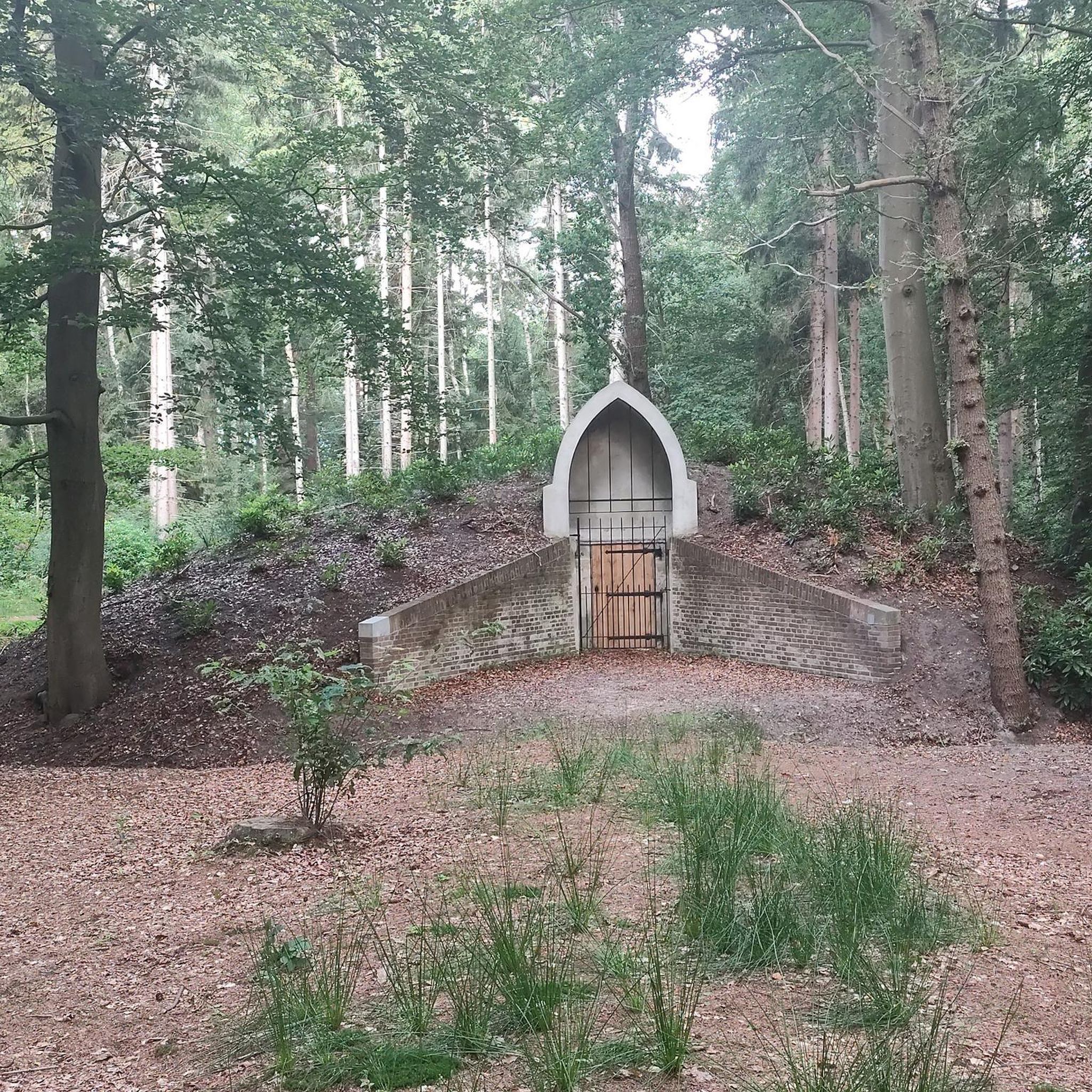
Parking for several cars, picnic benches a little bit shabby and decayed as of autumn 2025.
1
0
Very quiet road from Huggate to Millington runs through the bottom of Millington Dale. Handy as a routeing option for connecting up public footpaths and bridleways.
1
0

You could read Eric Gee's 1983 "Bishopthorpe Palace: An Architectural History", but Eric never had the tinterweb in 1983. We do >>> https://historicengland.org.uk/listing/the-list/list-entry/1166705?section=official-list-entry, https://en.wikipedia.org/wiki/Bishopthorpe_Palace
1
0
Built in 2001 for over £4m, the York Millennium Bridge is a pedestrian and cycle bridge over the River Ouse in York, England. It connects New Walk to Terry Avenue, south of the city centre, and is part of a popular circular walking route. The bridge was designed to shorten the walking and cycling routes for people in the South Bank area of the city to the University of York and the city centre. If you are a pedestrian, then keep your wits about you. Cyclists will not give you any room and will not slow down either.
1
0
Don't visit in winter. Very good chance it will be under water, or sludge after the River Ouse floodwaters have receded. Bearing that in mind, YCC and the keepers do a pretty good job of maintaining the park. The park was created in memory of employees of Rowntree's who died in the First World War, and was opened on 16 July 1921 by local entrepreneur and philanthropist Joseph Rowntree. Upon their purchase in 1919, the 17 acres of land cost £1,500. The park now covers an area of 25 acres, with it being extended in 1926/7 with the purchase of Clementhorpe allotments, and further in 2000 with the purchase of Butcher Terrace football fields. The gates at the riverbank entrance are eighteenth-century and were given by the company as a memorial to the people of York who died in the Second World War. There are further commemorative plaques on the dovecote. https://en.wikipedia.org/wiki/Rowntree_Park
1
0

Nice traffic free alternative. Nice also to escape thebheat
0
0

Frequently Asked Questions
How many no traffic road cycling routes are available in Lower Derwent Valley National Nature Reserve?
There are over 200 dedicated no traffic road cycling routes in the Lower Derwent Valley National Nature Reserve area. These routes cater to various skill levels, with 65 easy, 150 moderate, and 9 more challenging options available.
What is the terrain like for road cycling in the Lower Derwent Valley NNR?
The Lower Derwent Valley National Nature Reserve is characterized by its predominantly flat landscape, making it ideal for road cycling. You'll find level paths through expansive floodplains, meadows, and woodlands. While the routes are generally smooth, some surfaces might be gritty, and paths within the NNR can become muddy or slippery after wet weather. Road bikes with wider tires (28-30mm or more) are often recommended for comfort and stability.
Are there any easy, traffic-free road cycling routes suitable for beginners?
Yes, the area offers several easy, traffic-free routes perfect for beginners. An excellent option is The Natterjack loop from Wheldrake, which covers approximately 18 km with minimal elevation gain, offering a gentle introduction to the reserve's quiet paths.
What natural features or landmarks can I expect to see along the cycling routes?
The routes wind through a landscape rich in natural beauty. You'll encounter the tranquil waterways of the River Derwent and Foss Beck, lush meadows, and peaceful woodlands. In spring and summer, the meadows burst with wildflowers like marsh marigold and cuckooflower. The area is also a haven for diverse wildlife, particularly birds, making it a designated Special Protection Area (SPA) and Ramsar site.
What do other road cyclists enjoy most about cycling in Lower Derwent Valley National Nature Reserve?
The komoot community highly rates the cycling experience here, with an average score of 4.5 stars from 155 ratings. Cyclists frequently praise the area's peaceful, traffic-free environment, the flat and accessible terrain, and the abundant wildlife. Many appreciate the opportunity for serene rides through beautiful natural landscapes.
Are there any circular road cycling routes in the area?
Yes, many of the routes are circular, allowing you to start and end at the same point. For example, the moderate Whisk Café – Allerthorpe Country Park Café loop from Cottingwith offers a substantial 44.7 km circular ride, while the easier Burnby Hall Gardens – Allerthorpe Common loop from Thornton is a 22.2 km circular option.
Is the Lower Derwent Valley NNR suitable for family-friendly cycling?
Yes, the predominantly flat and traffic-free nature of many routes makes the Lower Derwent Valley NNR very suitable for family cycling. The level paths and quiet environment provide a safe and enjoyable experience for riders of all ages. Routes like The Natterjack loop from Wheldrake are particularly good for families due to their easy difficulty and shorter distance.
What is the best time of year to go road cycling in the Lower Derwent Valley NNR?
Spring and summer are particularly rewarding for cycling in the Lower Derwent Valley NNR. During these seasons, the meadows are vibrant with wildflowers, and the weather is generally more favorable. However, the NNR's paths can become muddy, soft, and slippery after wet weather, so checking conditions and considering wider tires or a hybrid bike is advisable, especially outside of drier periods.
Are there any restrictions or permits required for cycling within the National Nature Reserve?
It's important to be aware that much of the NNR lacks public rights of way to protect its unique wildlife and maintain traditional management practices. Cyclists should adhere to marked routes and guidelines to minimize disturbance to the sensitive ecosystem, especially ground-nesting birds. Designated viewing areas are provided for public enjoyment. For official information on the reserve, you can visit the East Riding of Yorkshire's National Nature Reserves page.
Where can I find parking for these no traffic road cycling routes?
While specific parking details vary by route starting point, many routes in the Lower Derwent Valley NNR area begin from villages or trailheads that offer public parking facilities. For instance, routes starting from Cottingwith or Wheldrake often have nearby parking options. Always check the route details on komoot for specific parking recommendations for your chosen tour.
Are there cafes or pubs along the no traffic road cycling routes?
Yes, some routes are designed to pass by or near local amenities. For example, the Whisk Café – Allerthorpe Country Park Café loop from Cottingwith explicitly includes a café in its name, suggesting a convenient stop. Many villages in the surrounding area also offer pubs and cafes where you can refuel during or after your ride.
Most popular routes in Lower Derwent Valley National Nature Reserve

Get inspired with the komoot mobile app


Explore more
Browse the best Road cycling routes in other regions.
