Don Edwards San Francisco Bay National Wildlife Refuge
Don Edwards San Francisco Bay National Wildlife Refuge
The best road cycling routes in Don Edwards San Francisco Bay National Wildlife Refuge
4.7
(693)
24,817
riders
511
rides
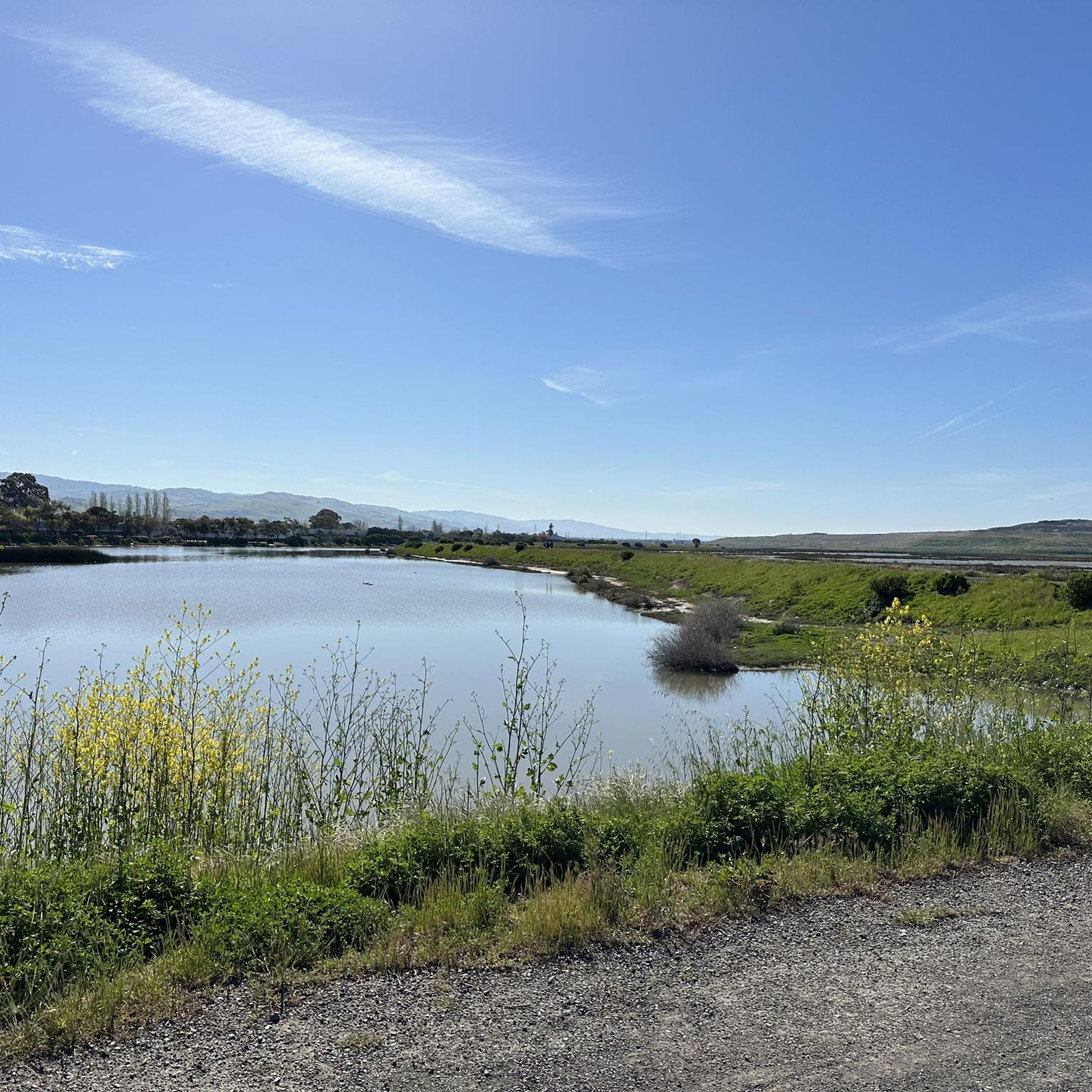
Road cycling routes in Don Edwards San Francisco Bay National Wildlife Refuge traverse a unique landscape of salt ponds, tidal marshes, and mudflats. The terrain is predominantly flat, with some gentle slopes, making it accessible for various fitness levels. Cyclists will find a network of paved paths, compacted gravel, and compacted dirt levees. This extensive trail system offers opportunities to explore the San Francisco Bay's diverse habitats and observe abundant wildlife.
Best road cycling routes in Don Edwards San Francisco…
Last updated: September 29, 2026
3
riders
74.5km
03:00
130m
130m
Moderate road ride. Good fitness required. Mostly well-paved surfaces and easy to ride.
4.0
(4)
34
riders
28.1km
01:19
50m
50m
Easy road ride. Great for any fitness level. Mostly well-paved surfaces and easy to ride.

7
riders
89.3km
04:31
130m
130m
Moderate road ride. Good fitness required. Some segments of this route may be unpaved and difficult to ride.
6
riders
Moderate road ride. Good fitness required. Some segments of this route may be unpaved and difficult to ride.
6
riders
9.44km
00:27
10m
10m
Moderate road ride. Great for any fitness level. Some segments of this route may be unpaved and difficult to ride.
Get access to more routes and recommendations from other explorers.
Already have an account?
Our route recommendations are based on thousands of hikes, rides, and runs completed by other people on komoot.
Start today with a free account
Your next adventure awaits.
Popular around Don Edwards San Francisco Bay National Wildlife Refuge
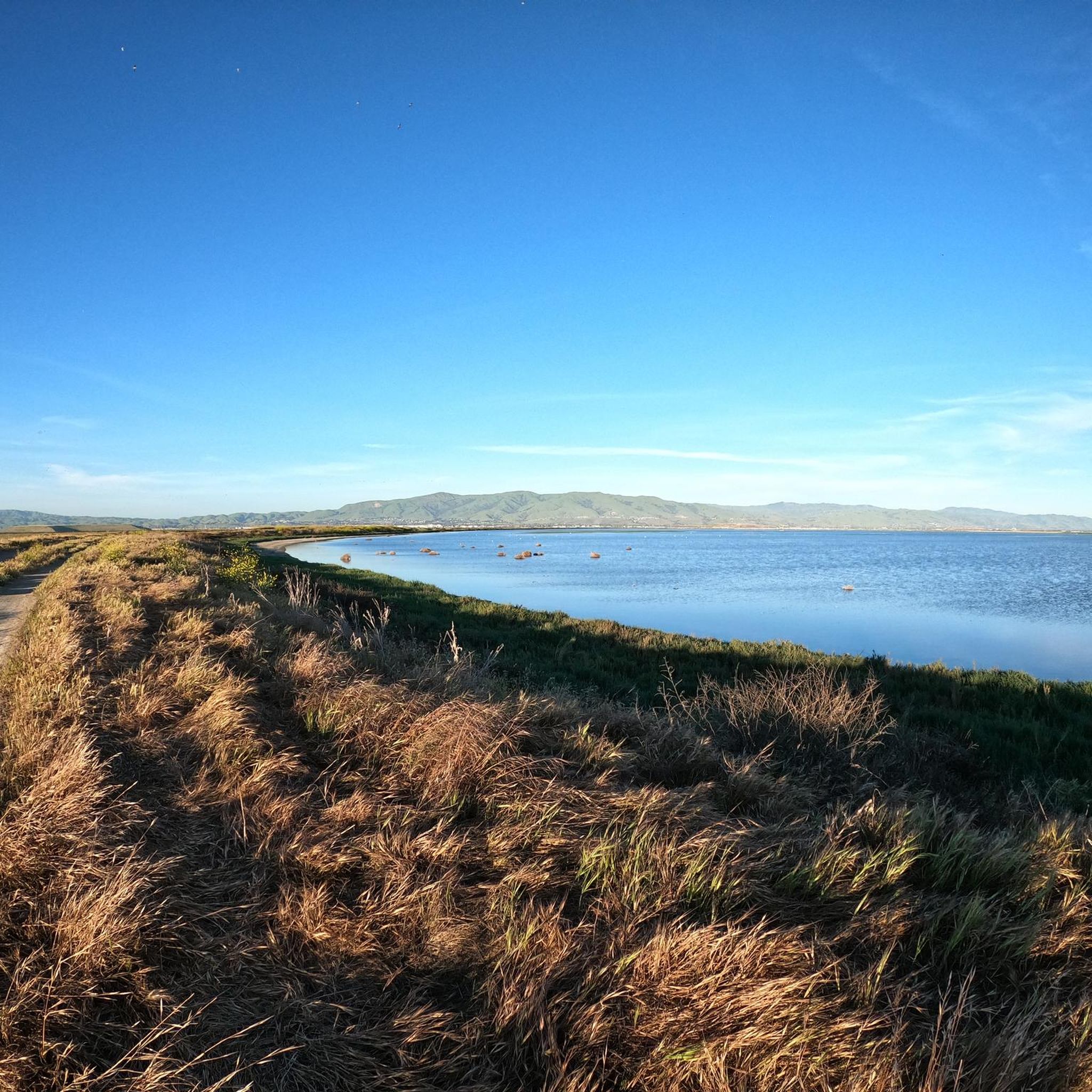
Running Trails in Don Edwards San Francisco Bay National Wildlife Refuge
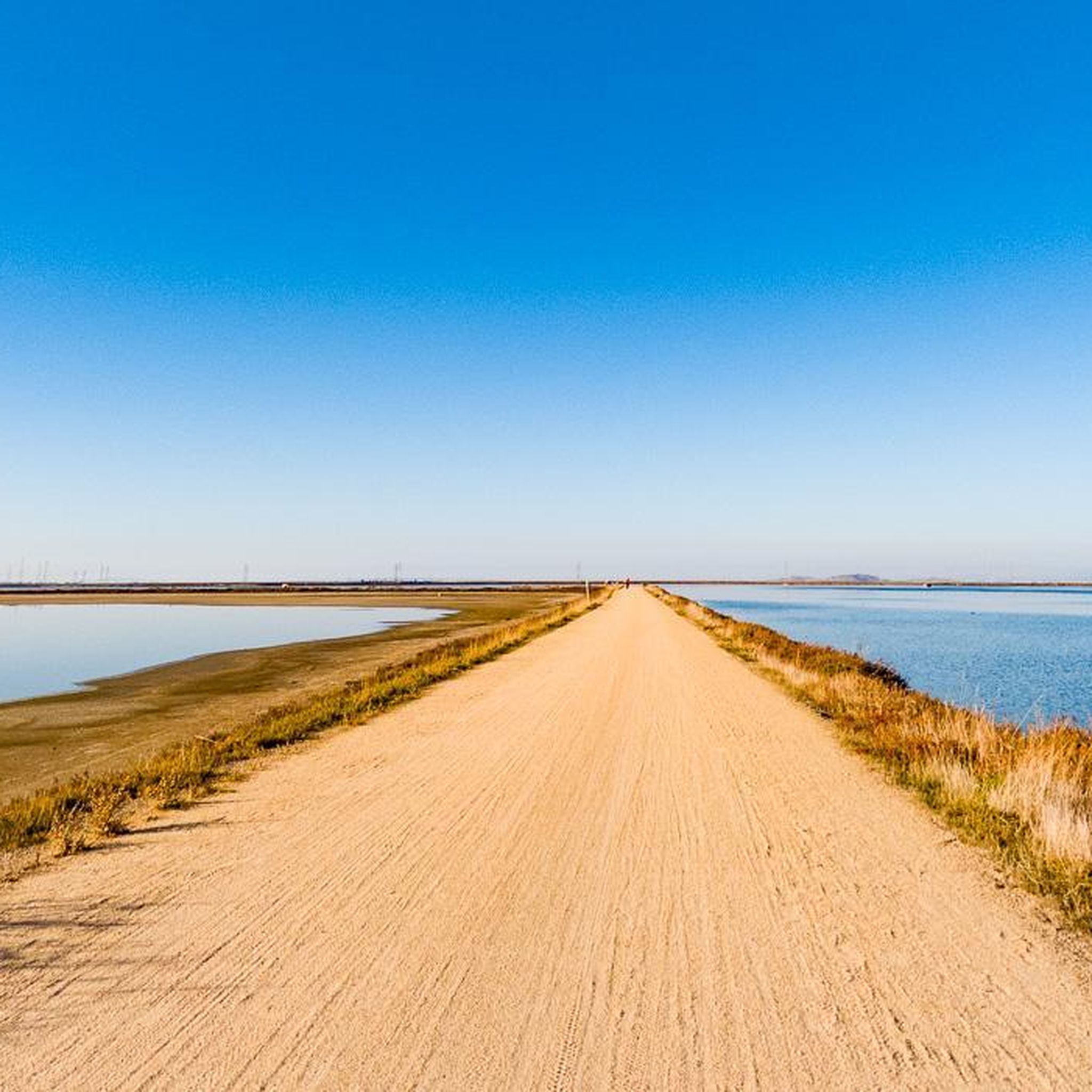
Hiking in Don Edwards San Francisco Bay National Wildlife Refuge
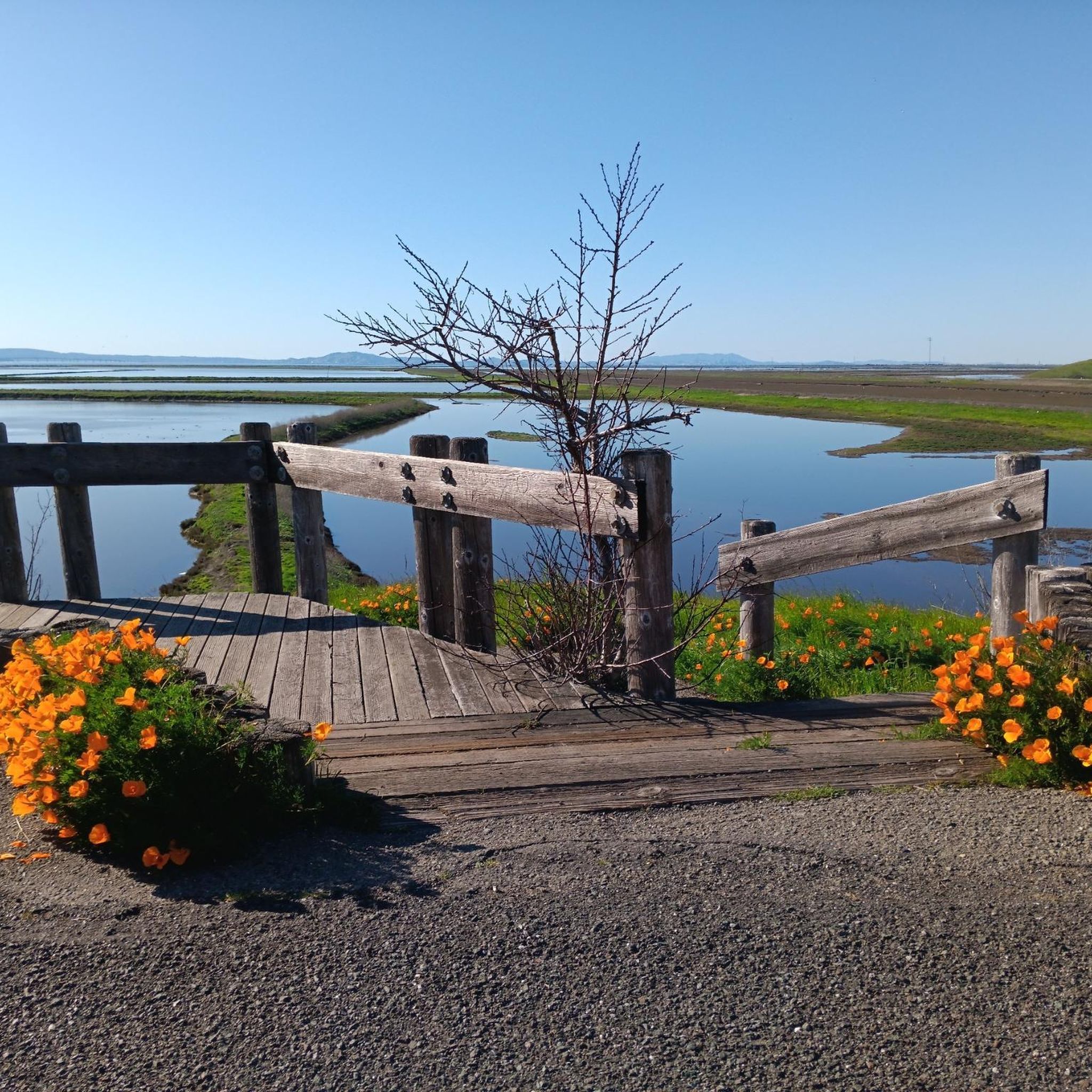
Cycling in Don Edwards San Francisco Bay National Wildlife Refuge
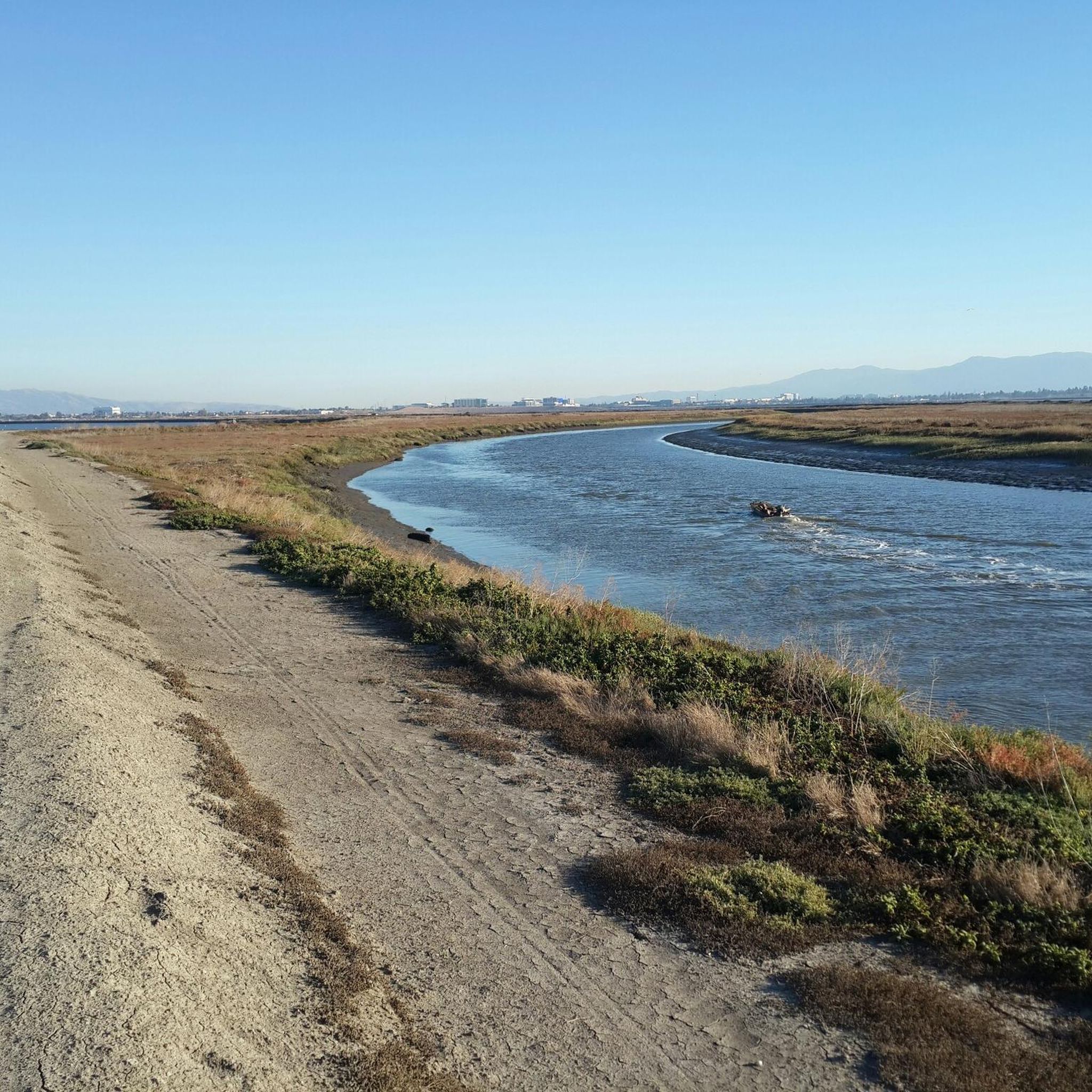
Gravel biking in Don Edwards San Francisco Bay National Wildlife Refuge
MTB Trails in Don Edwards San Francisco Bay National Wildlife Refuge
Tips from the Community

This creek starts in the foothills of the Santa Cruz mountains, running almost four miles to get to this point, where it flows into wetlands that eventually merge with San Francisco Bay.
0
0

The San Francisco Bay Trail is a flat, paved trail that runs along the border of the bay. It is a great place for a run because it is traffic free and has great views.
0
0

The Dumbarton Bridge is the shortest and southernmost bridge across the San Francisco Bay. At 1.6 miles you can cross the water with nice views over the bay. Just keep an eye out for potholes, especially on the east side, as the road conditions aren't the best. That being said there was ongoing road works the last time I was in the area so hopefully things are improving.
0
0
The San Francisco Bay Trail consists of over 350 miles of interconnected trails around the eponymous bay. This section, between the urban sprawl and evaporation bonds for salt mining, won't win any awards for its scenic views. However, it is a nice separate trail that allows you to ride away from road traffic.
0
0
The slow-moving, almost still water and wetlands between you and Bair Island Ecological Preserve make up Smith Slough.
0
0
This creek starts in the foothills of the Santa Cruz mountains, running almost four miles to get to this point, where it flows into wetlands leading into San Francisco Bay.
0
0

Bair Island, part of the Don Edwards San Francisco Bay National Wildlife Refuge, is a marsh area spanning 3,000 acres and includes three islands — the Inner, Middle and Outer Islands. This area is vital as an ecological wetland, offering habitat for numerous harbor seals and an essential stopover for migratory birds along the Pacific Flyway. The Inner Island Trail is a lovely section of the San Francisco Bay Trail, offering a chance to enjoy a beautiful stroll where you'll see plenty of waterfowl and stunning views of the bay.
0
0

On a clear day you can see San Francisco and Oakland cityscapes. You also have views of the peaks, Mt Hamilton, Mt Diablo and if really clear you can see Mt Tam.
0
0
Frequently Asked Questions
How many road cycling routes are available in Don Edwards San Francisco Bay National Wildlife Refuge?
There are over 500 road cycling routes available in the Don Edwards San Francisco Bay National Wildlife Refuge. These routes cater to various skill levels, with more than 240 considered easy and over 210 moderate.
What kind of terrain can I expect on road cycling routes in the refuge?
The refuge offers a diverse range of surfaces for road cycling, including paved paths, compacted gravel, and compacted dirt levees. The terrain is predominantly flat, with some gentle slopes, making it accessible for various fitness levels.
Are there road cycling routes suitable for families or beginners?
Yes, the refuge is very family-friendly. Many routes feature flat terrain and easy surfaces, ideal for beginners and families. For example, the Roadbike loop from Alviso is an easy 8.8-mile trail through marshlands, perfect for a shorter ride.
What are some notable natural features or attractions to see while cycling?
While cycling, you can experience the refuge's unique salt ponds, tidal marshes, and mudflats. Keep an eye out for the vibrant colors of the salt evaporation ponds. You might also spot various bird species, as the refuge is a critical stop along the Pacific Flyway. Highlights like the Bayfront Salt Marsh and the Former salt ponds – Alviso wetlands offer excellent viewing opportunities.
Are e-bikes permitted on the trails?
Yes, e-bikes are permitted on roads and trails within the Don Edwards San Francisco Bay National Wildlife Refuge where traditional bicycles are allowed. This provides greater accessibility for cyclists of varying abilities to explore the refuge.
What is the best time of year to go road cycling in the refuge?
The refuge offers good cycling conditions year-round. However, spring and fall are particularly rewarding for wildlife viewing, especially migratory birds. Summers can be warm, so early mornings or late afternoons are often preferred. Winters are generally mild, but it's always wise to check local weather conditions before heading out.
Are there any loop routes for road cycling?
Yes, there are several loop routes available. A popular option is the Dumbarton Bridge – Dumbarton Bridge loop from Salt Evaporators, an easy 20.3-mile path that provides a smooth ride around the salt evaporators. Another is the Moffett Boulevard Bike Bridge – Baylands Bike Path loop from 20, a moderate 27.4-mile route.
Where can I park my car when visiting the refuge for cycling?
The refuge has visitor centers in Fremont and Alviso, which typically offer parking facilities. These centers can also provide maps and additional information to help you plan your ride. It's advisable to check the official refuge website for specific parking locations and any current advisories.
What do other road cyclists enjoy most about cycling in Don Edwards San Francisco Bay National Wildlife Refuge?
The area is highly rated by the komoot community, with an average score of 4.7 stars from over 600 reviews. Cyclists often praise the flat, accessible terrain, the unique views of the salt ponds and bay, and the abundant opportunities for birdwatching and wildlife spotting along the trails.
Are there any specific rules or permits required for cycling in the refuge?
Generally, no special permits are required for cycling on designated trails within the refuge. However, it's always recommended to respect wildlife, stay on marked paths, and adhere to all refuge regulations. For detailed information on rules and any potential closures, you can visit the official U.S. Fish & Wildlife Service website for the refuge: fws.gov/refuge/don-edwards-san-francisco-bay/visit-us.
Can I access the refuge using public transport with my bike?
While direct public transport options specifically designed for bikes to the refuge's trailheads might be limited, some regional transit services may allow bikes. It's best to check with local public transport providers like VTA (Santa Clara Valley Transportation Authority) or AC Transit for their bike-on-bus or bike-on-train policies and routes that connect near the refuge's entry points.
Most popular routes in Don Edwards San Francisco Bay National Wildlife Refuge
Most popular attractions in Don Edwards San Francisco Bay National Wildlife Refuge

Get inspired with the komoot mobile app


Explore more
Browse the best Road cycling routes in other regions.
