The best gravel rides in Bajo Guadalquivir
4.1
(22)
710
riders
110
rides
Gravel biking in Bajo Guadalquivir is characterized by its flat topography, shaped by the Guadalquivir River and its extensive marshlands. The region features a network of unpaved agricultural roads and tracks, ideal for gravel cyclists. Riders can explore routes through vast rice fields, olive groves, and cereal fields. These paths offer a mix of smooth surfaces and more rugged sections, providing varied terrain for different preferences.
Best gravel bike trails in Bajo Guadalquivir
- The most popular gravel bike trail is…
Last updated: May 11, 2026
4.0
(1)
10
riders
Moderate gravel ride. Good fitness required. Mostly paved surfaces. Suitable for all skill levels.
3.5
(2)
14
riders
51.6km
03:16
190m
190m
Moderate gravel ride. Good fitness required. Mostly paved surfaces. Suitable for all skill levels.

Sign up for free
4.0
(1)
17
riders
46.3km
03:06
110m
110m
Moderate gravel ride. Good fitness required. Mostly paved surfaces. Suitable for all skill levels.
4.0
(1)
10
riders
Moderate gravel ride. Good fitness required. Mostly paved surfaces. Suitable for all skill levels.
6
riders
52.4km
03:21
170m
170m
Moderate gravel ride. Good fitness required. Mostly paved surfaces. Suitable for all skill levels.
Get access to more routes and recommendations from other explorers.
Sign up for free
Already have an account?
Our route recommendations are based on thousands of hikes, rides, and runs completed by other people on komoot.
Start today with a free account
Your next adventure awaits.
Login or Signup
Other adventures in Bajo Guadalquivir

Tips from the Community


The Barqueta Bridge spans the Guadalquivir River. It is one of the main access routes to the northern part of Isla de la Cartuja and is located near the Science and Technology Park, as well as the Isla Mágica theme park. It connects La Cartuja with La Resolana and with the old town near the Monastery of San Clemente.
1
0

For me, the best way to get to Seville is through its history…
1
0

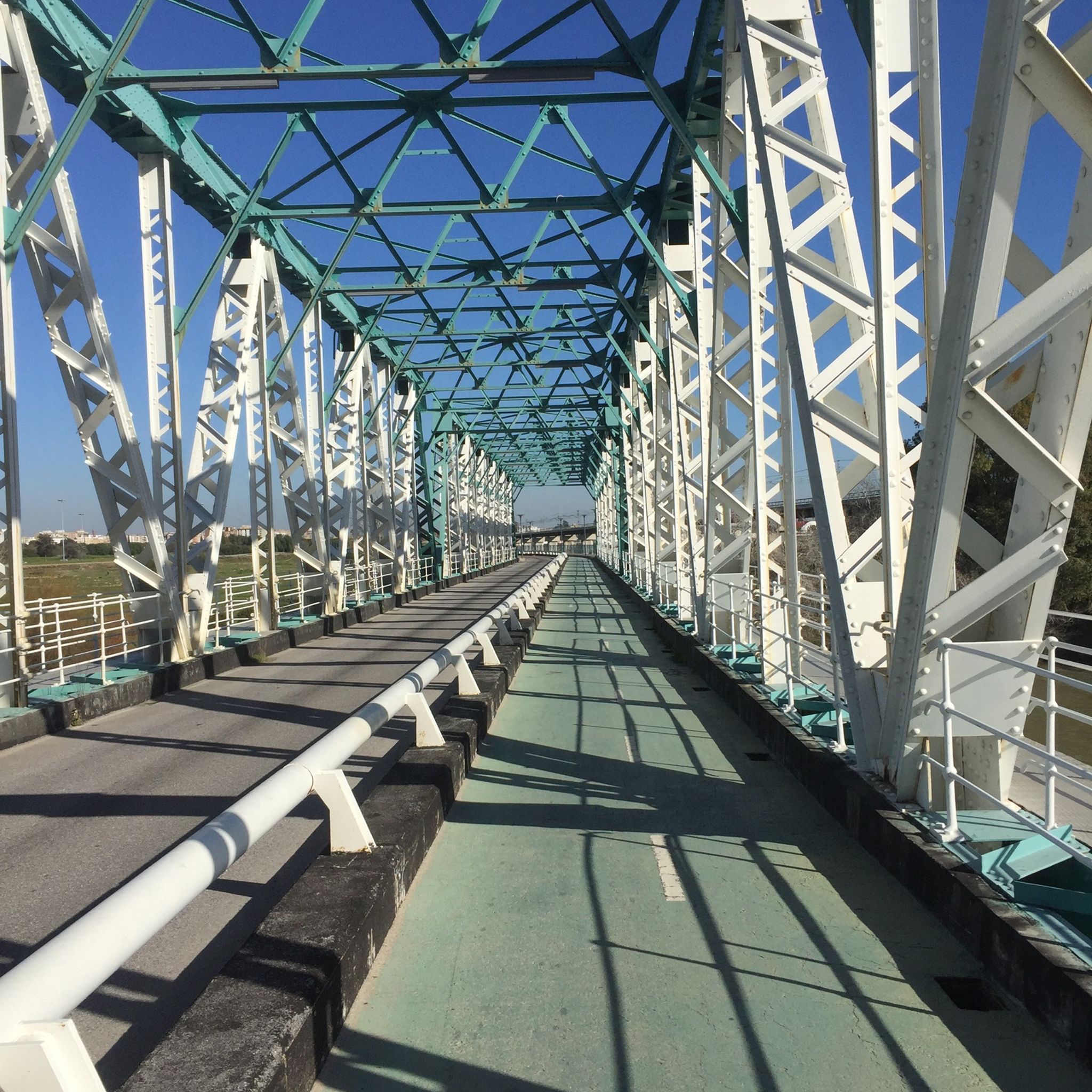
Iron bridge that connects the town of Seville with San Juan de Aznalfarache by bicycle.
2
0

The best option to go up to Aljarafe and the Merida highway area
1
1

View of the Edificio Torretriana, an administrative building of the Junta de Andalucia, built in 1993. It is known for its unique circular shape and color (a yellow tint).
9
0
Guillena is a small town located in the province of Seville known for its rich history, diverse landscape and beautiful architecture. The historic centre of the town retains much of its original charm and contains impressive buildings such as the church of Nuestra Señora de la Granada, the monastery of Santa Clara and the palace of the Counts of Torreblanca and the Sierra Norte de Sevilla, a large natural area that offers many possibilities. Guillena is also an important centre for agriculture and livestock, with the production of olive oil, wine and citrus fruits, and a rich gastronomy with traditional dishes such as gazpacho and salmorejo.
9
0

Frequently Asked Questions
How many gravel bike trails are there in Bajo Guadalquivir?
Bajo Guadalquivir offers a wide selection of gravel biking routes, with over 120 trails available for exploration. These routes cater to various skill levels, from easy to difficult.
What is the overall difficulty level of gravel biking in Bajo Guadalquivir?
The region provides a good mix of difficulties. You'll find 11 easy routes, 86 moderate routes, and 29 more challenging trails. This variety ensures there's something for every gravel biker, from beginners to experienced riders.
What do other gravel bikers enjoy most about gravel biking in Bajo Guadalquivir?
The area is highly rated by the komoot community, with an average score of 4.1 stars from more than 20 reviews. Riders often praise the unique marshland ecosystems, the scenic Guadalquivir riverbanks, and the extensive network of unpaved agricultural roads that offer a visual feast of diverse landscapes.
When is the best time of year for gravel biking in Bajo Guadalquivir?
The mild climate of the Bajo Guadalquivir region makes it suitable for gravel biking throughout much of the year. Spring and autumn generally offer the most pleasant temperatures, while winter can also be a good option with cooler, often sunny days. Summers can be very hot, so early morning or late afternoon rides are recommended during this season.
Are there any circular gravel bike routes in the region?
Yes, many gravel routes in Bajo Guadalquivir are designed as loops, allowing you to start and finish at the same point. For example, the Estadio Olímpico de Sevilla – Ruta del Agua Trail loop from Estadio Olímpico and the Green Corridor of Seville – Corredor del Pudio loop from Cartuja are popular circular options.
Are there family-friendly gravel biking options in Bajo Guadalquivir?
The generally flat topography of the Bajo Guadalquivir region, especially through its marshlands and agricultural fields, makes many routes suitable for families. Look for the 'easy' rated trails, which often follow quiet, unpaved tracks away from traffic, providing a safe and enjoyable experience for all ages.
Where can I find scenic viewpoints or natural attractions along the trails?
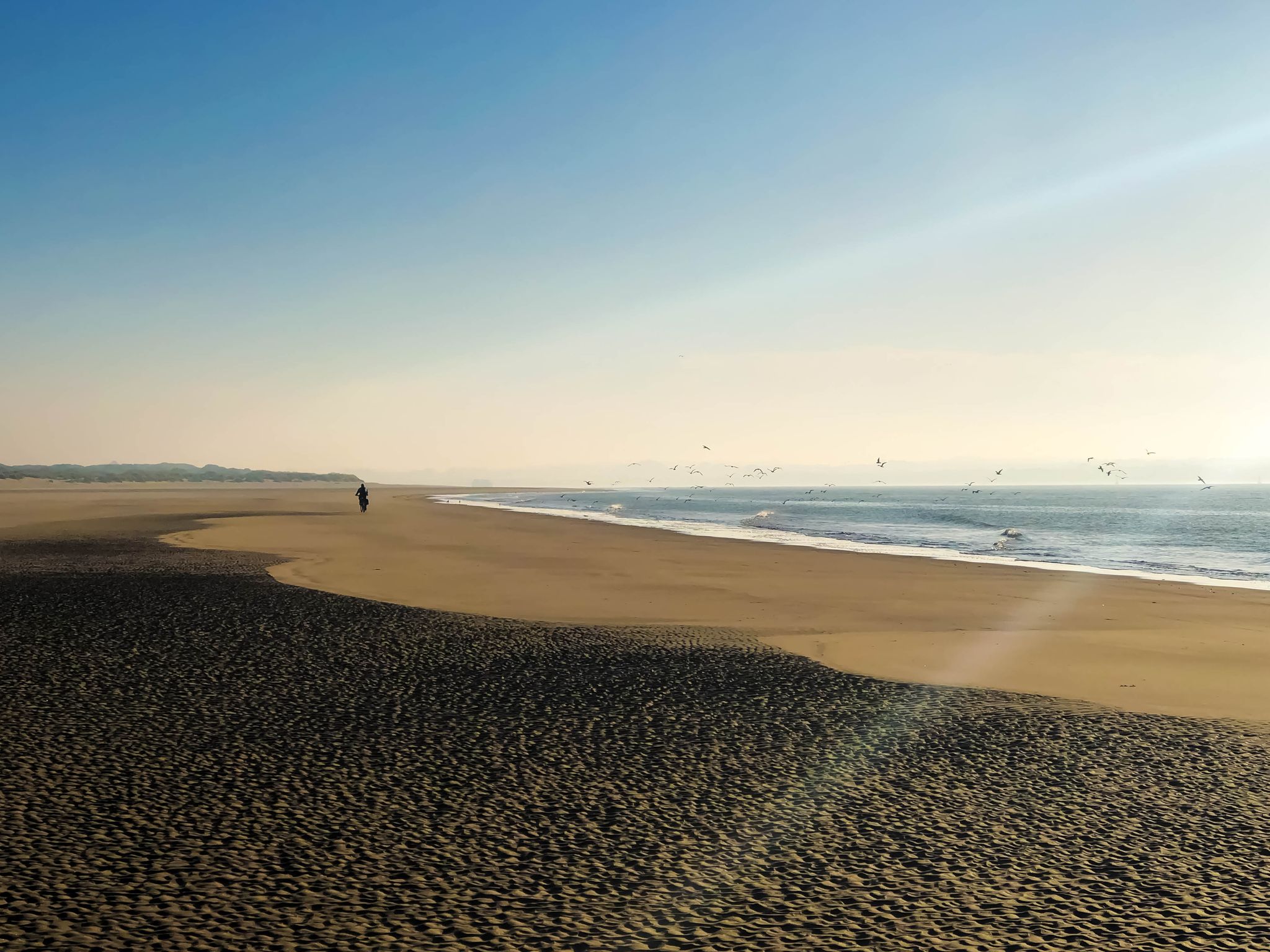
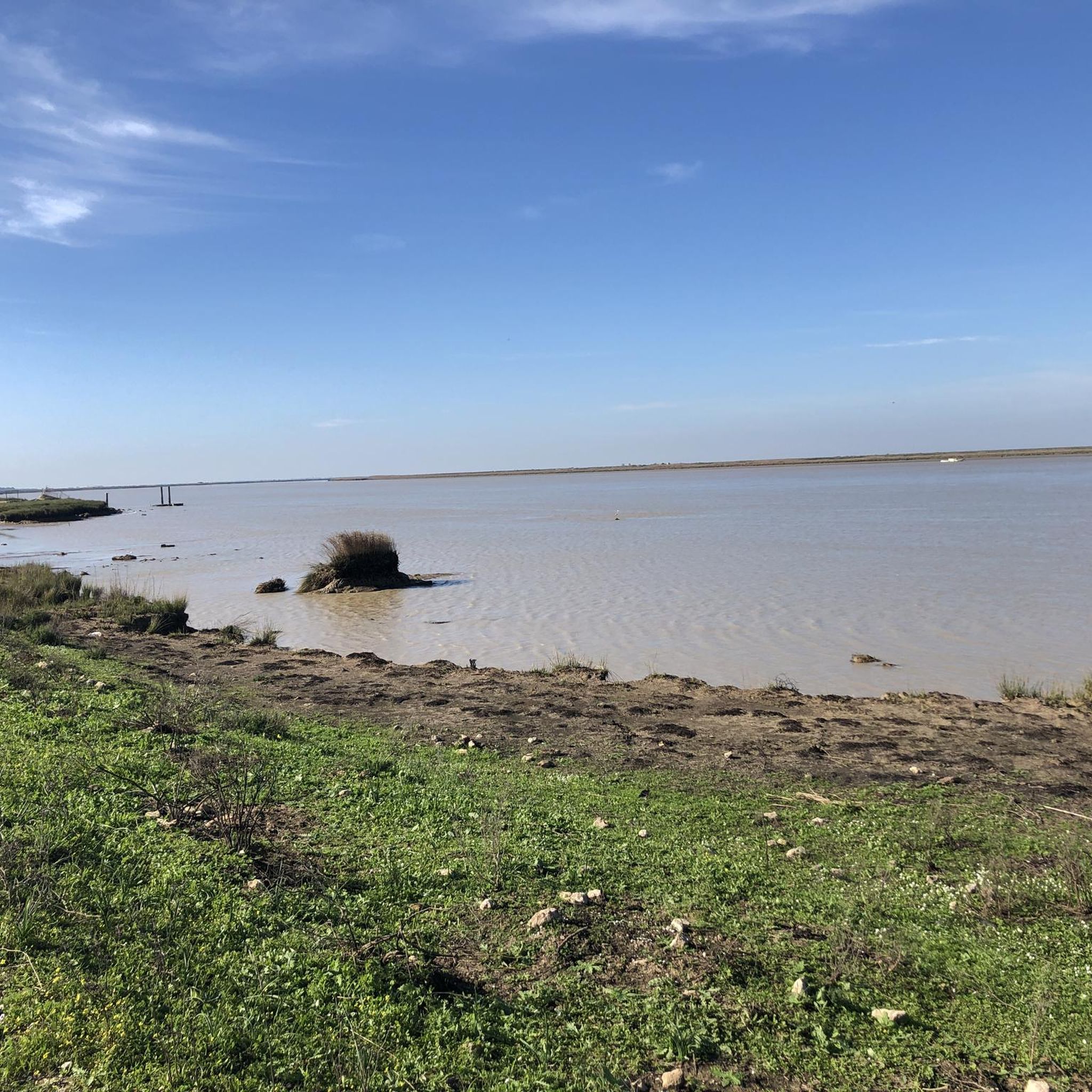
The region is rich in natural beauty. You can ride along the Guadalquivir River, explore the extensive Doñana Marshes, or visit the Brazo del Este Natural Area, known for birdwatching. Many routes traverse vast rice fields and olive groves, offering picturesque views of the agricultural landscape.
Are there routes that pass through historical sites?
Absolutely. The region is steeped in history. The Vía de la Plata – Amphitheatre of Italica loop from Cartuja is a prime example, leading you through areas of historical significance. Many routes also pass through traditional towns and villages with their own cultural landmarks.
Is public transport available to access gravel bike trails in Bajo Guadalquivir?
Yes, some areas within Bajo Guadalquivir, particularly those closer to Seville, benefit from public transport links that can help you access trailheads. The region's established cycling infrastructure, including greenways, also connects various points, making it easier to reach starting locations.
Where can I park my car when starting a gravel bike ride?
Many of the loop routes, such as those starting 'from Cartuja' or 'from Estadio Olímpico', imply accessible starting points where parking might be available. When planning your ride, check the specific route details on komoot for information on recommended starting locations and potential parking facilities.
Are there places to stop for food or drinks along the gravel routes?
Yes, gravel biking routes in Bajo Guadalquivir often lead through or near charming villages and towns like Los Palacios y Villafranca, Las Cabezas de San Juan, and Lebrija. These offer excellent opportunities to experience local gastronomy, grab a coffee, or refuel during your ride.
What kind of terrain can I expect on gravel bike trails in Bajo Guadalquivir?
You can expect a diverse range of unpaved surfaces. The region is characterized by flat topography with extensive marshlands and agricultural lands, meaning you'll encounter quiet dirt roads, gravel tracks, and paths through rice fields, olive groves, and cereal fields. The terrain can vary from smooth sections to more rugged parts.
Can I combine gravel biking with birdwatching in this region?
Definitely! The Bajo Guadalquivir region, particularly areas like the Brazo del Este Natural Area and the marshlands, is a prime location for birdwatching. You can often spot flamingos and other migratory birds, especially during sunrise or sunset, making it a perfect combination for nature enthusiasts.
Most popular routes in Bajo Guadalquivir
Most popular attractions in Bajo Guadalquivir

Get inspired with the komoot mobile app


Explore more
Browse the best Gravel rides in other regions.
