The best family-friendly hikes and walks in Bajo Guadalquivir
4.3
(868)
6,701
hikers
384
hikes
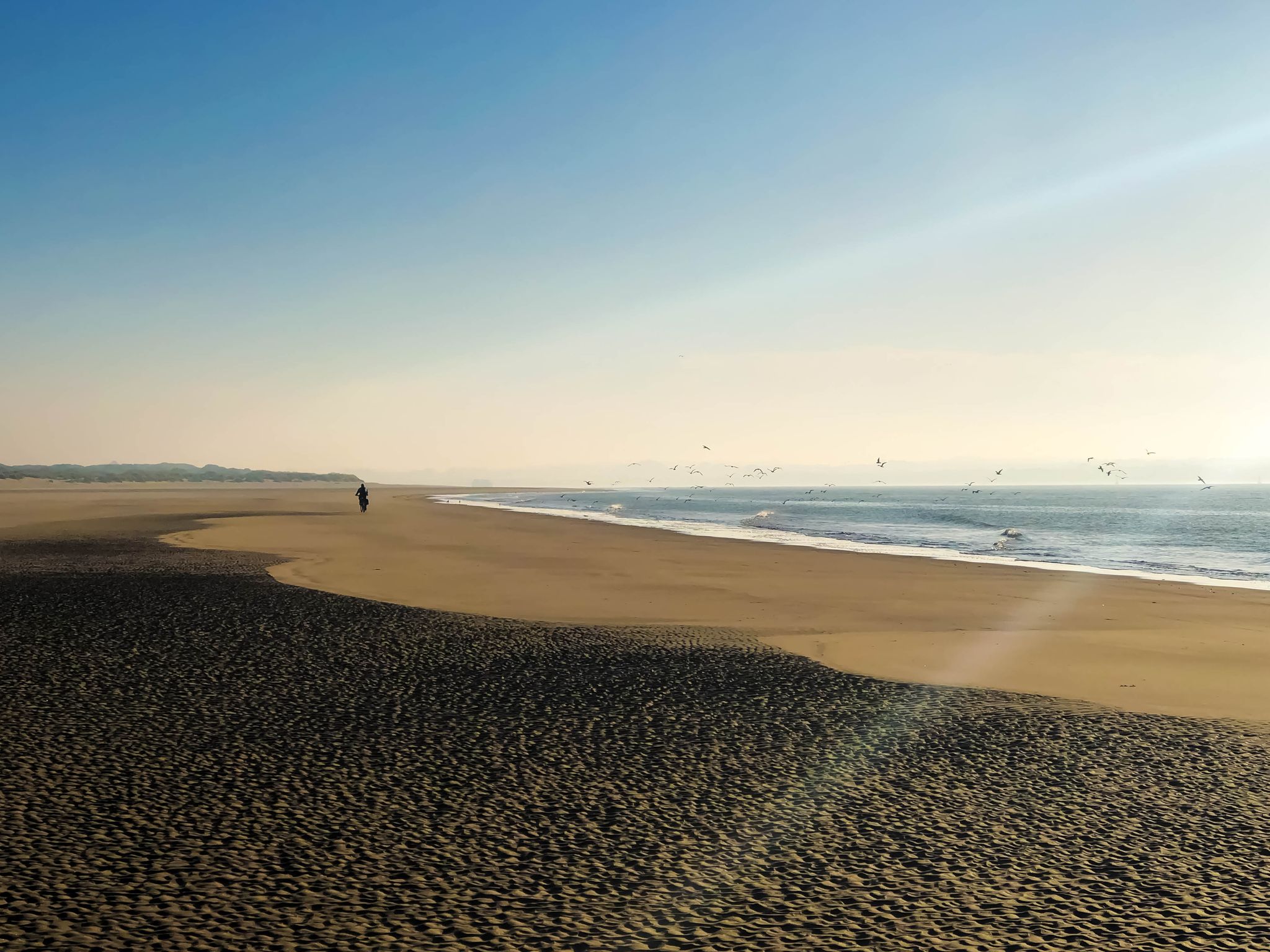
Family friendly hiking trails in Bajo Guadalquivir traverse a landscape shaped by the Guadalquivir River and its extensive marshlands. This region features vast wetland ecosystems, including the Guadalquivir Marshes and the Brazo del Este, alongside agricultural lands and riparian forests. The terrain is generally flat, with gentle elevations along riverbanks and coastal areas, making it suitable for accessible walks. The area also serves as a buffer zone for Doñana National Park, contributing to its diverse natural features.
Best family friendly…
Last updated: May 18, 2026
10
hikers
Moderate hike. Good fitness required. Easily-accessible paths. Suitable for all skill levels.
4.7
(6)
112
hikers
15.2km
03:53
60m
60m
Moderate hike. Good fitness required. Easily-accessible paths. Suitable for all skill levels.

Sign up for free
30
hikers
Easy hike. Great for any fitness level. Easily-accessible paths. Suitable for all skill levels.
4.3
(3)
25
hikers
Moderate hike. Good fitness required. Easily-accessible paths. Suitable for all skill levels.
4.5
(2)
12
hikers
Moderate hike. Good fitness required. Easily-accessible paths. Suitable for all skill levels.
Get access to more routes and recommendations from other explorers.
Sign up for free
Already have an account?
Our route recommendations are based on thousands of hikes, rides, and runs completed by other people on komoot.
Start today with a free account
Your next adventure awaits.
Login or Signup
Popular around Bajo Guadalquivir
Other adventures in Bajo Guadalquivir

Tips from the Community

You can spend an eternity here, it never gets boring. The square was built in 1929 and has space for many hundreds of visitors without seeming crowded. In a semicircle, all the federal states of Spain are presented alphabetically, very photogenic. In the middle, there is a fountain, and at its edge, a larger covered area where flamenco dancers like to show their skills.
0
0

A place full of history and romance! The Plaza de España in Seville is one of my favorite places – the neo-Mudéjar architecture, the romantic canals, and the lively atmosphere remind me of the era of Spanish grandeur. Visiting the Plaza de España during Seville's famous "Feria de Abril" festival is highly recommended.
4
0

A truly impressive tower. It was actually a minaret before being converted into a bell tower after the Christian reconquest of Spain.
5
0

The Plaza de España is a spectacle of light and majesty. Located within María Luisa Park, this square was designed by the great Sevillian architect Aníbal González as an emblematic space for the 1929 Ibero-American Exposition.
7
0
Mateos Gago Street is a semi-pedestrian street located in the old town of Seville, in the Santa Cruz neighborhood. It begins at Plaza de la Virgen de los Reyes, next to Seville Cathedral and the Giralda, and ends at Fabiola Street, near the Bellver Museum. This street is known for its vibrant atmosphere and numerous bars, restaurants, and shops. It is a popular spot for both tourists and locals, offering stunning views of the Giralda and easy access to several historical sites.
12
0
The Giralda Tower is the bell tower of Seville Cathedral and one of the city's most iconic monuments. Originally built as the minaret of the Great Mosque of Seville during the reign of the Almohad dynasty, the tower was transformed into a bell tower after the Christian reconquest.
12
0
Seville Cathedral, also known as the Cathedral of Saint Mary of the See, is one of the largest Gothic cathedrals in the world. Built on the site of a former mosque, its construction began in 1401 and was completed in 1507. Some highlights include: La Giralda: The bell tower, originally a minaret of the mosque, is one of Seville's most recognizable symbols. Royal Chapel: Houses the remains of several monarchs, including Ferdinand III of Castile. Main Altarpiece: Considered one of the largest altarpieces in Christendom, with an impressive collection of sculptures and reliefs. The cathedral also houses a rich art collection, including works by Murillo and Goya.
13
0

Tourist Office The Costurero de la Reina (Queen's Sewing Machine) is a charming neo-Mudéjar building in the Parque de María Luisa in Seville. It was built in 1893 by Juan Talavera y de la Vega as a small tower for the guardhouse of the Palacio de San Telmo. The building, which is shaped like a small hexagonal castle, is famous for the fact that, according to legend, María de las Mercedes, the future wife of King Alfonso XII, spent much of her time there sewing. Today, the Costurero de la Reina serves as Seville's Tourist Information Office.
8
0
Frequently Asked Questions
How many family-friendly hiking trails are available in Bajo Guadalquivir?
The Bajo Guadalquivir region offers a wide variety of family-friendly hiking trails. You'll find over 230 easy routes perfect for families, alongside many moderate options for those seeking a bit more adventure.
What kind of landscapes can we expect on family hikes in Bajo Guadalquivir?
Family hikes in Bajo Guadalquivir showcase diverse landscapes, from the vast Guadalquivir Marshes with their unique wetlands and rice fields, to lush agricultural lands and riparian forests along the Guadalquivir River. You can also explore coastal areas and paths that serve as buffer zones for the renowned Doñana National Park.
Are there any circular routes suitable for families?
Yes, there are several excellent circular routes. For example, the easy The Beach – Playa de Sanlúcar de Barrameda loop from Sanlúcar de Barrameda offers a pleasant coastal walk. Another option is the moderate From Coria del Rio promenade to La Isleta quarry - circular along the banks of the Guadalquivir River, which follows the riverbanks.
Can we spot any wildlife on these family-friendly trails?
Absolutely! The region is a paradise for wildlife spotting, especially birdwatching. In areas like the Guadalquivir Marshes and Brazo del Este, you might see flamingos, herons, and spoonbills. The Guadiamar Green Corridor and areas near Doñana National Park also offer chances to observe various bird species and, if you're lucky, even some terrestrial animals like deer.
Are there any specific attractions or landmarks to look out for along the routes?
Many trails offer views of interesting landmarks. You can often see the historic Guadalquivir River itself, and various bridges like the Bridge over the Guadalquivir River or the San Juan Bridge. The Doñana Marshes are a significant natural highlight. For a pleasant stroll, consider the Carlos De Mesa Promenade along the Guadalquivir River.
What is the best time of year to go hiking with family in Bajo Guadalquivir?
Spring and autumn are generally the most pleasant seasons for family hiking in Bajo Guadalquivir. The temperatures are milder, and the natural landscapes are vibrant. Summers can be very hot, so if you hike during this time, it's best to go early in the morning or late in the afternoon and choose shorter, shaded routes.
Are there any easy coastal walks suitable for families?
Yes, the region offers lovely coastal walks. The The Beach – Playa de Sanlúcar de Barrameda loop from Sanlúcar de Barrameda is an easy option, perfect for a family stroll along the shore. Another great choice is the moderate Playa de Sanlúcar de Barrameda – Playa de la Jara loop from Sanlúcar de Barrameda, offering beautiful sea views.
What do other hikers say about the family-friendly trails in Bajo Guadalquivir?
The family-friendly trails in Bajo Guadalquivir are highly regarded by the komoot community, with an average rating of 4.25 out of 5 stars from over 800 reviews. Hikers often praise the region's diverse natural beauty, the accessibility of many paths, and the opportunities for birdwatching and enjoying peaceful riverside or coastal environments.
Are there options for public transport to reach some trailheads?
While many trailheads are accessible by car, some towns and starting points within the Bajo Guadalquivir region are served by local bus routes. It's advisable to check specific local transport schedules for the area you plan to visit, especially for routes starting from larger towns like Coria del Río or Sanlúcar de Barrameda.
Are dogs allowed on the family-friendly hiking trails?
Many trails in Bajo Guadalquivir are dog-friendly, especially those in open natural areas and along riverbanks. However, it's always recommended to keep your dog on a leash, particularly in protected natural areas or where wildlife is present, and to check for any specific local regulations or signage at the trailhead.
Are there any urban or semi-urban family walks available?
Yes, for a blend of nature and urban exploration, consider routes like the moderate San Jerónimo Footbridge – Alamillo Bridge loop from Estadio Olímpico. This route offers a pleasant walk along the river, connecting different parts of the city with natural elements, suitable for families looking for an accessible outing.
Most popular routes in Bajo Guadalquivir
Most popular attractions in Bajo Guadalquivir

Get inspired with the komoot mobile app


Explore more
Browse the best Hikes in other regions.
