The best road cycling routes in Bajo Guadalquivir
4.3
(214)
10,384
riders
237
rides
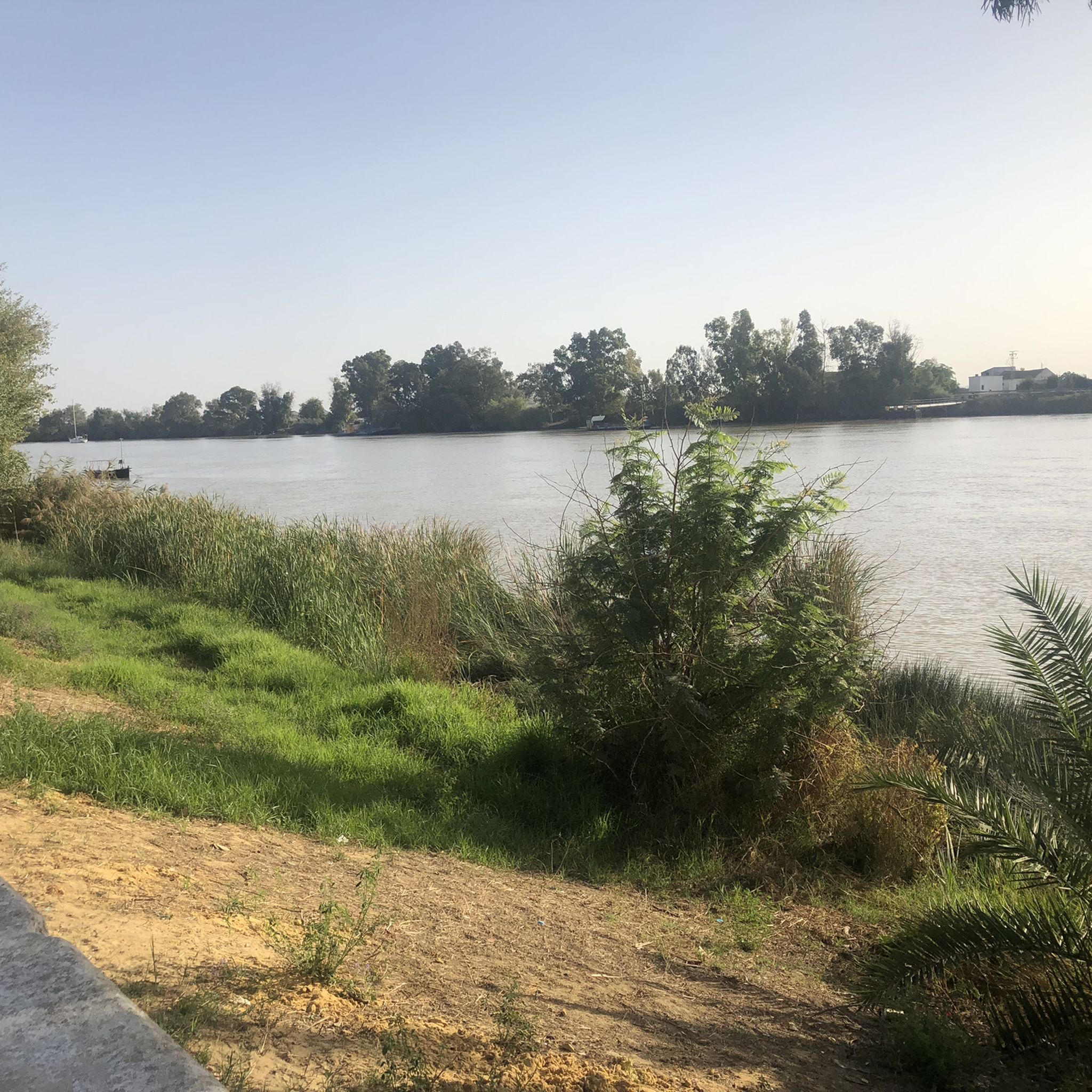
Road cycling in Bajo Guadalquivir is characterized by its predominantly flat to gently undulating terrain, shaped by the Guadalquivir River and its extensive marshlands. The region features vast agricultural lands, including rice fields, olive groves, and vineyards, providing varied backdrops for rides. Cyclists can expect routes along riverbanks and through open fields, with some areas offering short climbs. This landscape supports a range of road cycling experiences, from consistent long-distance rides to routes connecting historical towns.
Best road cycling routes…
Last updated: May 16, 2026
5.0
(1)
45
riders
56.7km
02:32
160m
160m
Moderate road ride. Good fitness required. Mostly well-paved surfaces and easy to ride.
4.8
(10)
457
riders
58.9km
02:33
340m
340m
Moderate road ride. Good fitness required. Mostly well-paved surfaces and easy to ride.

Sign up for free
5.0
(3)
305
riders
Moderate road ride. Good fitness required. Some segments of this route may be unpaved and difficult to ride.
5.0
(1)
41
riders
Moderate road ride. Good fitness required. Some segments of this route may be unpaved and difficult to ride.
22
riders
101km
04:25
730m
730m
Moderate road ride. Good fitness required. Mostly well-paved surfaces and easy to ride.
Get access to more routes and recommendations from other explorers.
Sign up for free
Already have an account?
Our route recommendations are based on thousands of hikes, rides, and runs completed by other people on komoot.
Start today with a free account
Your next adventure awaits.
Login or Signup
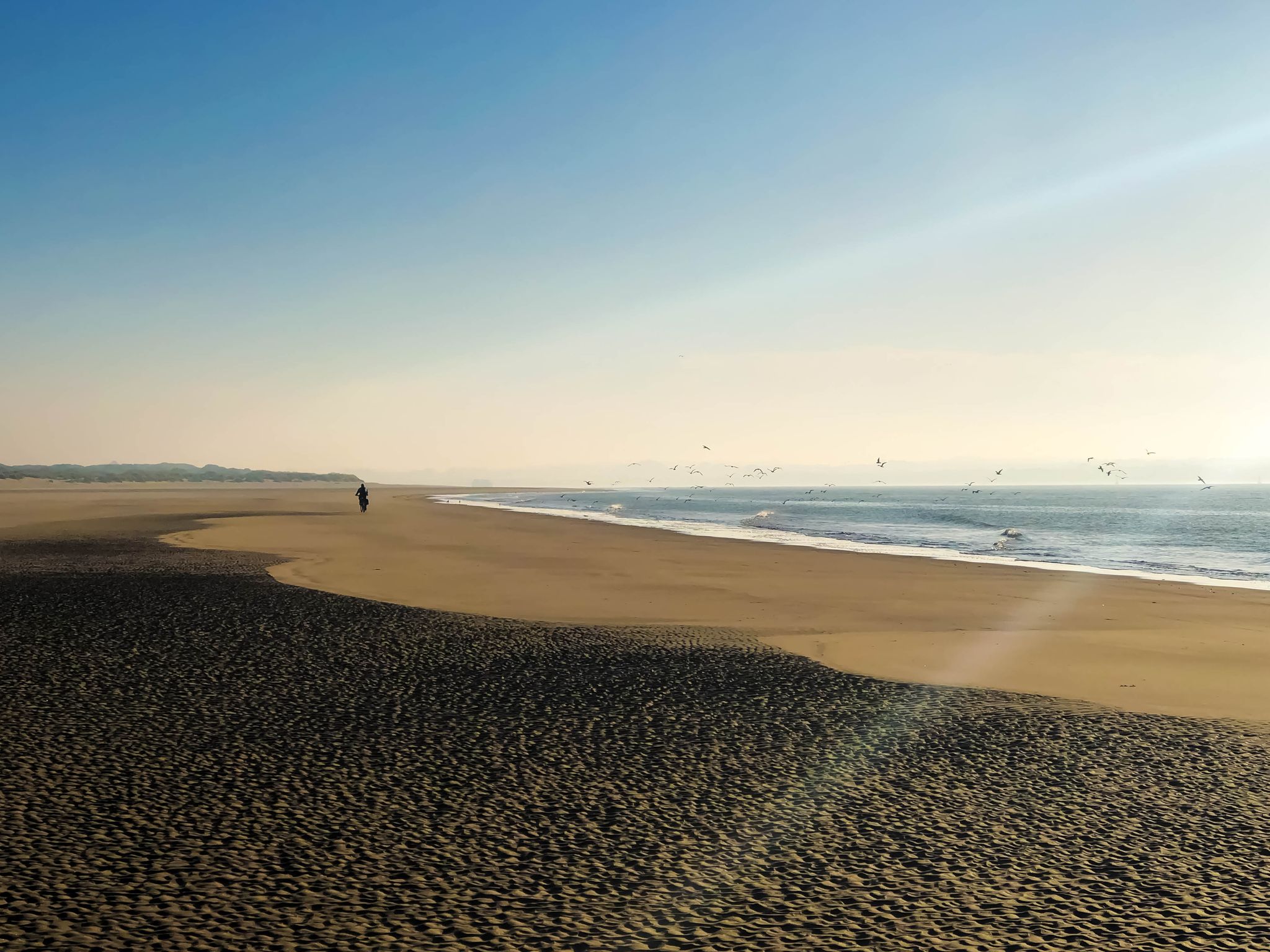
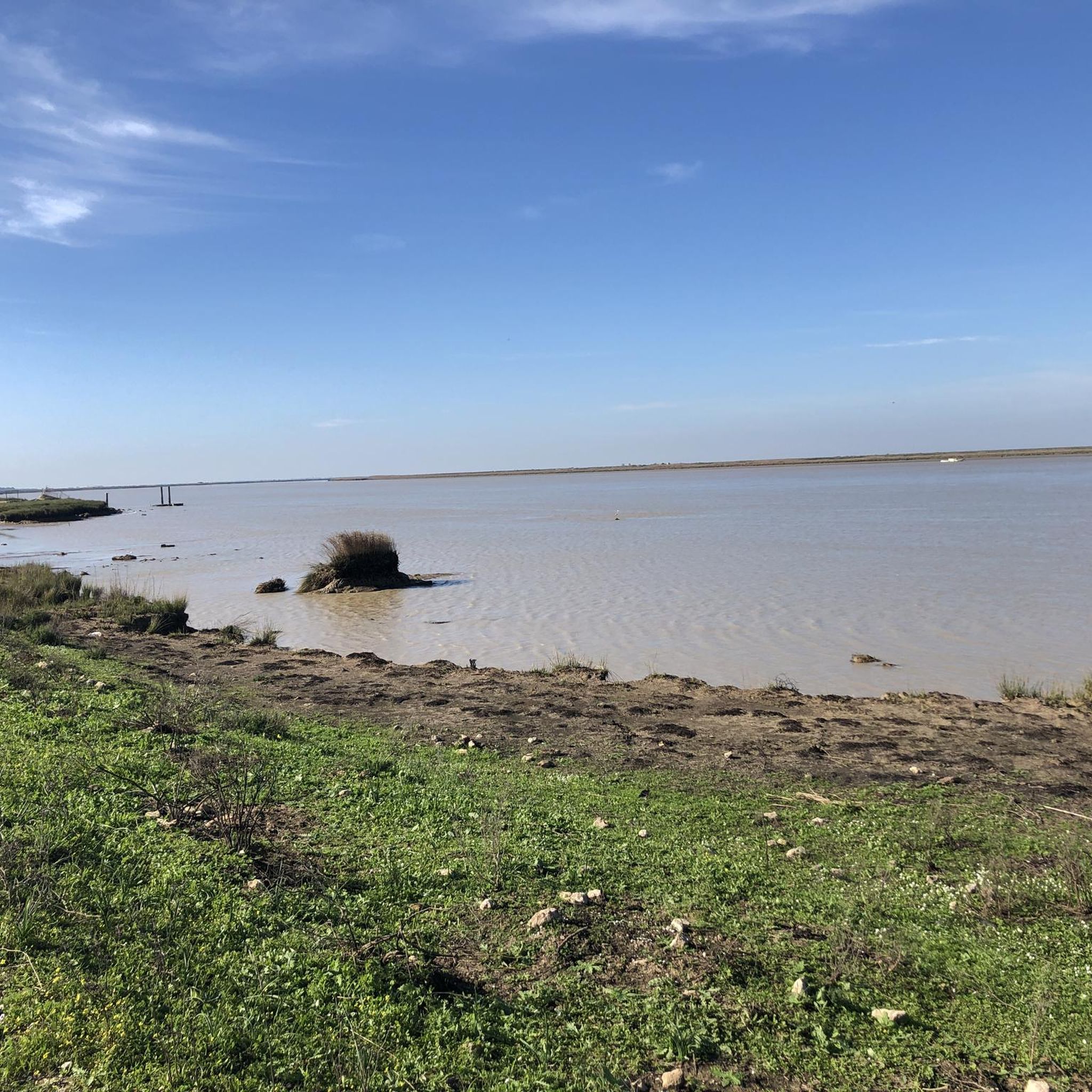
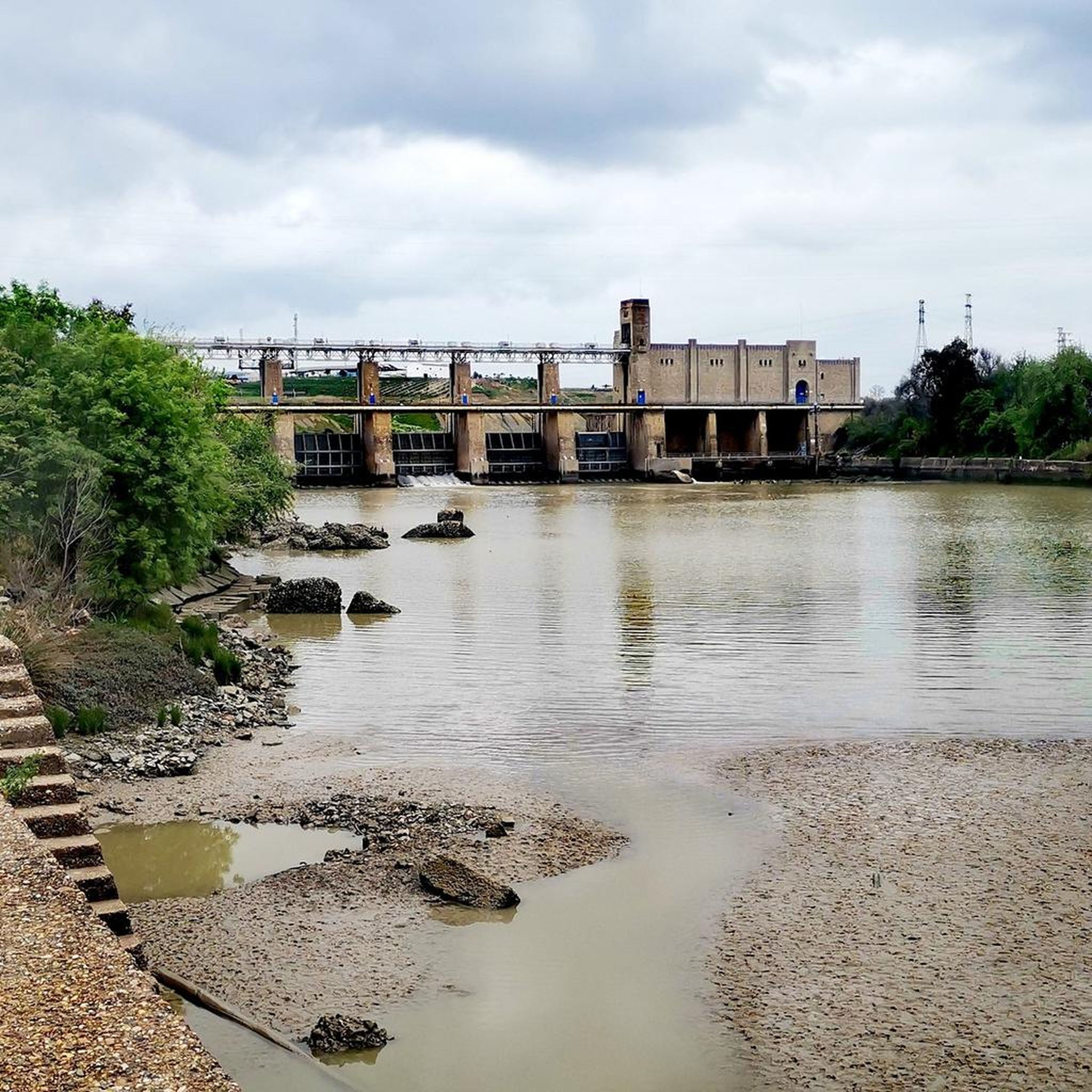
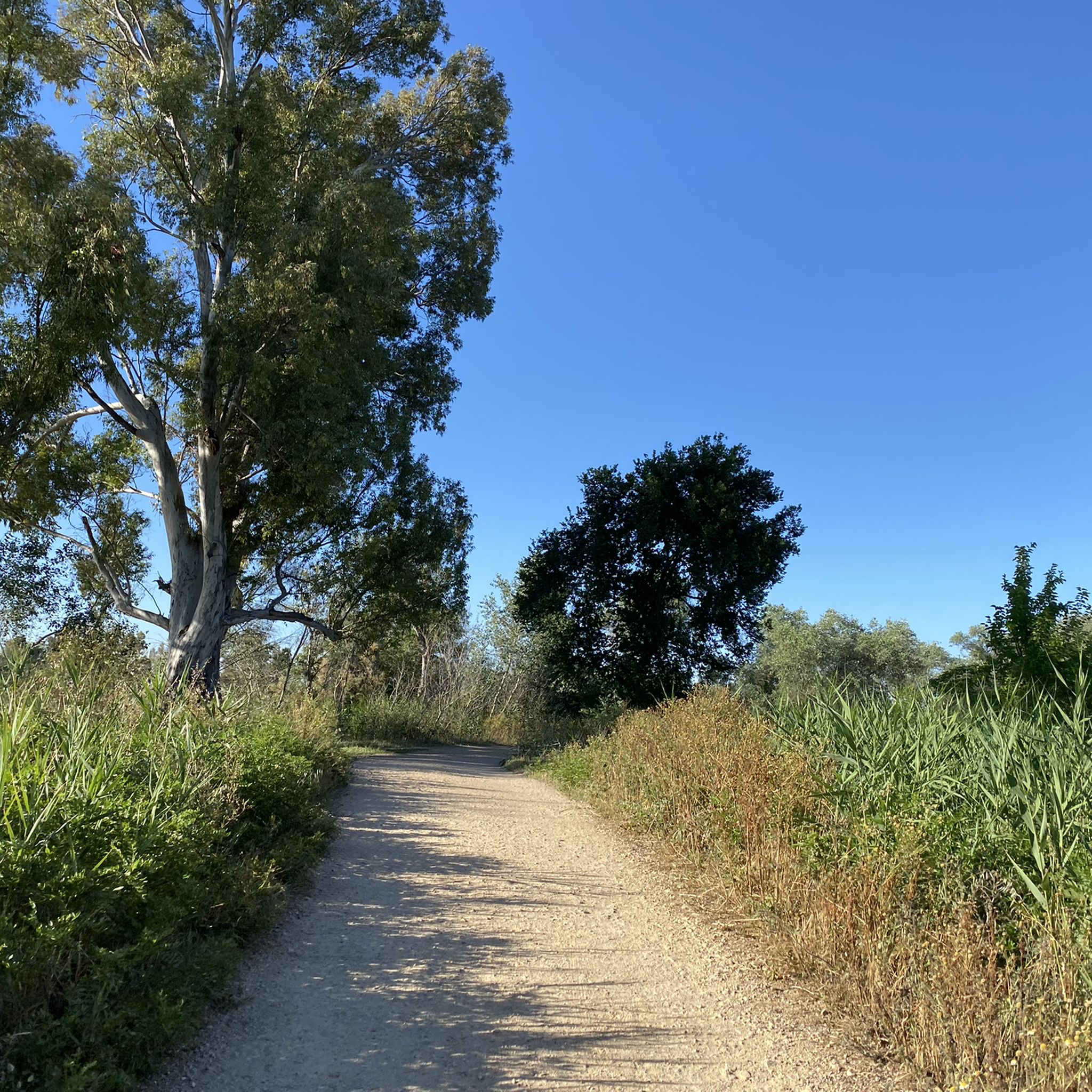

Other adventures in Bajo Guadalquivir

Tips from the Community

The Barqueta Bridge spans the Guadalquivir River. It is one of the main access routes to the northern part of Isla de la Cartuja and is located near the Science and Technology Park, as well as the Isla Mágica theme park. It connects La Cartuja with La Resolana and with the old town near the Monastery of San Clemente.
1
0

Spectacular views of the promenade and the sunset
0
0

very nice and pretty
0
1


finally someone with something in mind🤣
0
0


Isabel II Bridge area next to San Jorge Castle.
15
0
Frequently Asked Questions
What kind of terrain can I expect on road cycling routes in Bajo Guadalquivir?
The Bajo Guadalquivir region is primarily characterized by its flat to gently undulating terrain, influenced by the Guadalquivir River and its extensive marshlands. You'll find vast agricultural lands, including rice fields, olive groves, and vineyards, offering varied backdrops. While much of the area is flat, some routes may include short climbs for those seeking a bit more challenge.
How many road cycling routes are there in Bajo Guadalquivir?
There are over 240 road cycling routes available in Bajo Guadalquivir on komoot. These routes cater to various skill levels, with 92 easy, 137 moderate, and 20 difficult options.
Are there any circular road cycling routes in the region?
Yes, Bajo Guadalquivir offers several circular road cycling routes. A popular option is the From Sanlúcar de Barrameda to Rota – circular, which is 35.2 miles (56.7 km) long and offers coastal views. Another is the Train and Miniature Train Tracks – Alamillo Bridge loop from Cartuja, a shorter 14.7 miles (23.7 km) route through urban and riverside landscapes.
What natural features or landmarks can I see along the cycling routes?
Road cycling routes in Bajo Guadalquivir often feature the meandering Guadalquivir River and its extensive marshlands, known as Las Marismas, with their 'endless rice fields.' You might also encounter riparian vegetation, offering birdwatching opportunities. Notable landmarks include the Bridge over the Guadalquivir River and the San Juan Bridge. The region also acts as a gateway to Doñana National Park, allowing for balanced and harmonious landscapes.
What is the best time of year for road cycling in Bajo Guadalquivir?
The Bajo Guadalquivir region generally experiences mild winters and hot summers. Spring and autumn are typically ideal for road cycling, offering pleasant temperatures and less extreme weather. During these seasons, you can comfortably enjoy the flat agricultural lands and riverbanks without the intense heat of summer.
Are there any family-friendly road cycling routes?
While specific 'family-friendly' designations for road cycling can vary, the predominantly flat terrain of Bajo Guadalquivir makes many routes accessible for families with older children or those comfortable with longer distances. The region's dedicated rural bikeways ('Via Verdes') and quiet country roads offer safer environments away from heavy traffic. Look for routes with minimal elevation gain and shorter distances for a more relaxed family experience.
Can I find routes that connect historical towns or cultural sites?
Yes, many road cycling routes in Bajo Guadalquivir connect charming historical towns and villages such as Lebrija, Las Cabezas de San Juan, Los Palacios y Villafranca, and Coria del Río. These towns offer opportunities for cultural stops, including visits to historic churches and local artisan workshops, enriching your cycling experience beyond the natural landscapes.
What do other road cyclists enjoy most about the routes in Bajo Guadalquivir?
The road cycling routes in Bajo Guadalquivir are highly rated by the komoot community, with an average score of 4.3 stars from over 230 reviews. Cyclists often praise the predominantly flat and varied terrain, the scenic views along the Guadalquivir River and through agricultural lands, and the opportunities to explore charming towns and natural areas like the Doñana Marshes.
Are there options for challenging road cycling routes in the region?
While much of the Bajo Guadalquivir region is flat, there are routes that incorporate gently undulating roads and some short climbs for those seeking more challenge. For example, the Las Pajanosas – Triana Bridge loop from Cartuja is a moderate 36.8 miles (59.2 km) path that includes varied terrain with some elevation gain, passing through rural areas and urban fringes.
Are there places to stop for food or drinks along the routes?
Yes, many routes pass through or near towns and villages where you can find cafes, restaurants, and shops. The region offers a rich cultural and gastronomic experience, allowing cyclists to savor local products and traditional dishes. Planning your route to include stops in places like Lebrija or Las Cabezas de San Juan can enhance your ride with local flavors.
Is it possible to access cycling routes using public transport?
The Bajo Guadalquivir region has various towns and cities that are connected by public transport, including bus and train services. While specific bike carriage policies vary by operator, it is often possible to combine cycling with public transport to reach starting points or return from end points. Checking local transport provider websites for their bike policies is recommended.
Are there any specific permits required for cycling in Bajo Guadalquivir?
Generally, no specific permits are required for road cycling on public roads and designated bikeways in the Bajo Guadalquivir region. However, if your route takes you into protected natural areas, such as parts of the Doñana National Park, it's always advisable to check for any specific regulations or access restrictions that might apply.
Most popular routes in Bajo Guadalquivir
Most popular attractions in Bajo Guadalquivir

Get inspired with the komoot mobile app


Explore more
Browse the best Road cycling routes in other regions.
