The best gravel rides around Lake Washington
3.9
(16)
252
riders
16
rides
Gravel biking around Lake Washington offers diverse terrain, from urban parks and natural reserves to waterfront paths. The region is characterized by its large glacial lake, varied elevation changes, and a network of trails that blend paved sections with gravel. This landscape provides a mix of flat stretches and climbs, catering to different skill levels.
Best gravel bike trails around Lake Washington
- The most popular gravel bike trail is Cross Kirkland Corridor – Sammamish River Trail loop from Kirkland, a 39.7 miles (63.9 km) trail that takes 3 hours 59 minutes to complete. This difficult route features an elevation gain of over 650 meters.
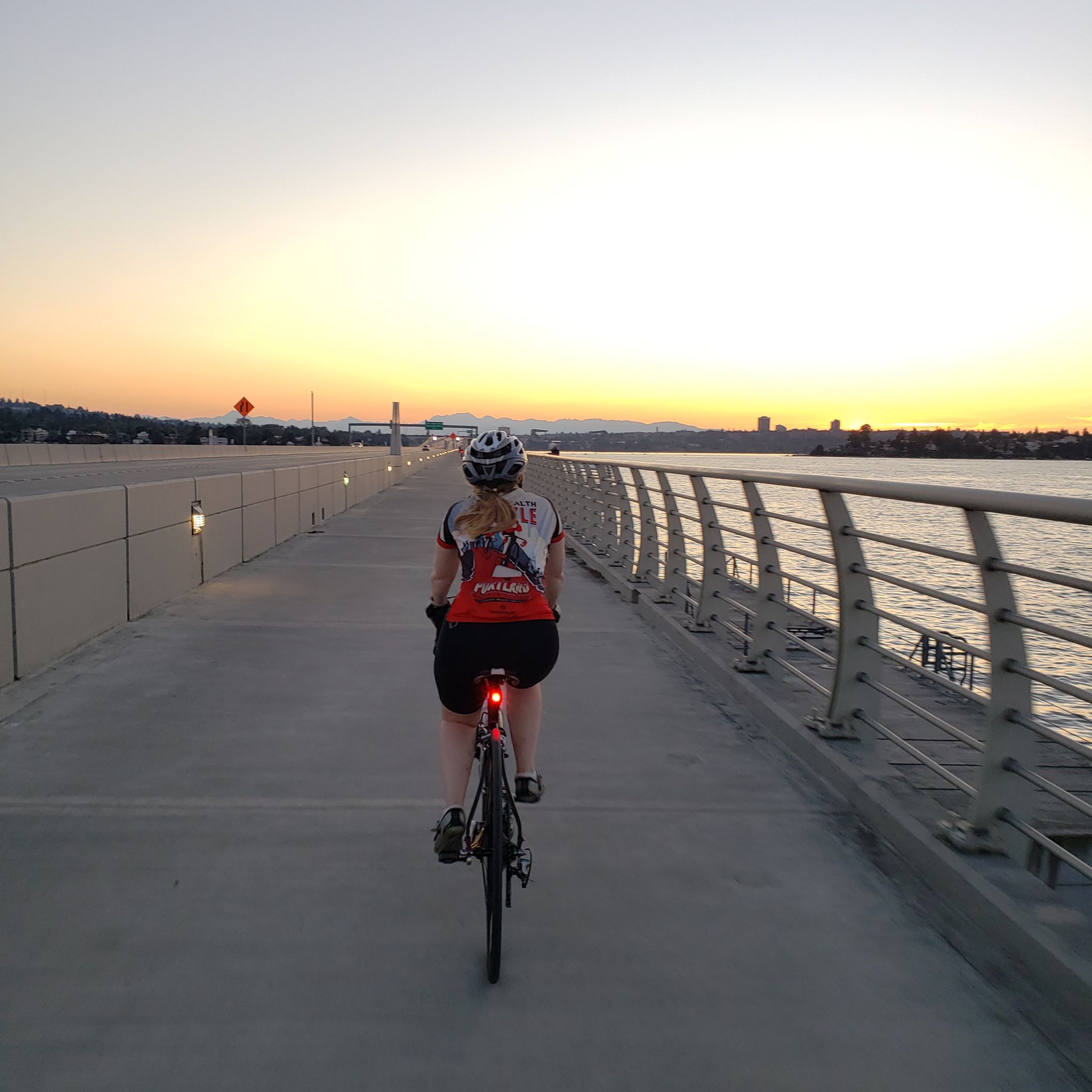
- Another top favourite among local gravel bikers is 520 Bridge View Park – East Channel Bridge loop from Mount Baker, a difficult 55.5 miles (89.4 km) path. This route includes sections on the 520 bridge, offering panoramic views of Lake Washington.
- Local gravel bikers also love the Cross Kirkland Corridor – Bent Nails Art Installation loop from Juanita High School, a 19.1 miles (30.7 km) trail leading through parkland and urban views, often completed in about 2 hours 27 minutes.
- Gravel biking around Lake Washington is defined by waterfront paths, urban green spaces, and river corridors. The network offers options for different ability levels, from moderate loops to more challenging, longer routes.
- The routes in Lake Washington are highly rated by the komoot community with an average score of 3.7 stars from over 15 reviews. More than 200 gravel bikers have used komoot to explore Lake Washington's varied terrain.
Last updated: October 1, 2026
5.0
(1)
63
riders
63.6km
03:58
660m
660m
Hard gravel ride. Very good fitness required. Mostly paved surfaces. Suitable for all skill levels.
4.7
(3)
32
riders
Moderate gravel ride. Good fitness required. Mostly paved surfaces. Suitable for all skill levels.

16
riders
Moderate gravel ride. Good fitness required. Mostly paved surfaces. Suitable for all skill levels.
1.0
(1)
4
riders
Easy gravel ride. Great for any fitness level. Mostly paved surfaces. Suitable for all skill levels.
5.0
(2)
42
riders
57.5km
03:47
260m
260m
The 520 Bridge View Park loop from Spring District offers a truly unique gravel biking experience, blending urban connectivity with stunning natural beauty. You'll ride across the world's longest floating bridge on the SR 520 Trail, with 11 dedicated viewpoints to soak in expansive vistas of Lake Washington, the Seattle skyline, and even Mount Rainier on a clear day. Expect a mix of smooth paved sections and "mostly pebble roads," providing a diverse and engaging ride for those who enjoy varied terrain.
This moderate 35.6-mile (57.3 km) loop, with 846 feet (258 metres) of elevation gain, typically takes around 2 hours and 49 minutes to complete. While the SR 520 Trail portion is generally easy, the overall route includes more challenging sections, particularly a hilly start near Redmond. Ensure your gravel bike is ready for mixed surfaces and that you have the fitness for some sustained climbs.
What makes this route a standout is its impressive engineering and the sheer number of scenic overlooks. It's a top favorite among local gravel bikers for its blend of urban and natural landscapes, connecting the Spring District to a broader network of trails. This loop is perfect for those seeking a substantial ride with high visual payoff and a unique perspective on the Bellevue area.
Get access to more routes and recommendations from other explorers.
Already have an account?
Our route recommendations are based on thousands of hikes, rides, and runs completed by other people on komoot.
Start today with a free account
Your next adventure awaits.
Tips from the Community

Lovely, though parking can be a bit challenging at peak times😀
0
0

This 316-acre park provides a peaceful hiking experience through a century-old second-growth forest, offering ample shade amidst lush greenery. It includes a playground, picnic area, and trails suitable for hiking, running, and biking.
0
0

Saint Edward State Park is a 326-acre park that is part of the Washington State Park System and used to be a Catholic seminary. There are several miles of trails that are open to hikers and cyclists and cut through the beautiful green woodlands.
0
0
This 42-mile trail is wide and flat, offering views of the river through lush greenery throughout. It is designed to connect different cities, providing a non-motorized trail for recreation and transportation.
0
0

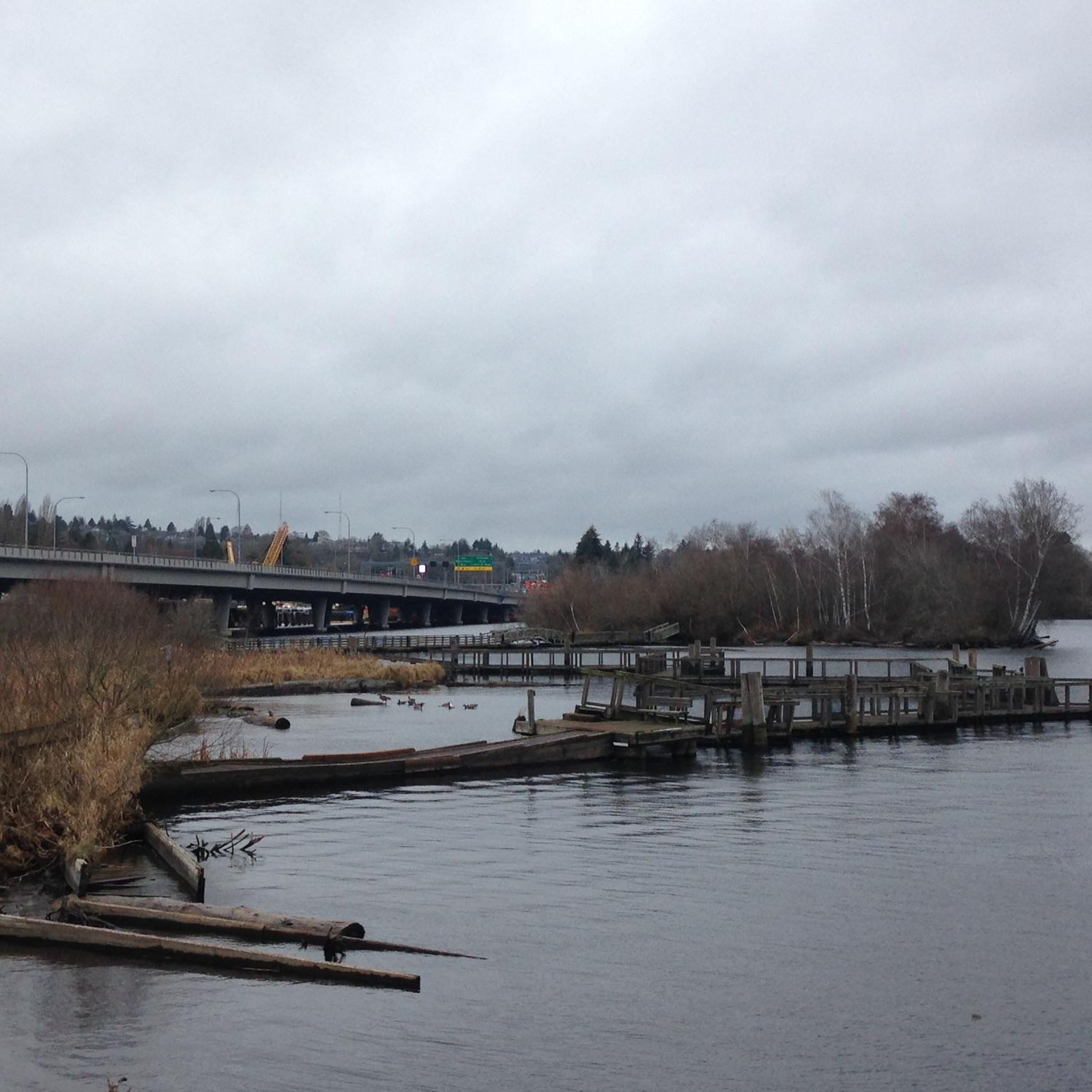
This small park sits right on top of the bridge, with a privillege view of the river, the bridge and the mountains in the background. Worth taking a break to sit in one of the benches just to enjoy the view.
0
0
Cross Kirkland Corridors is a paved path through Kirkland with a mix of parkland and urban scenery. Expect minimal traffic and enjoy a pleasant ride. At this point, there is a steep shortcut to Northeast 60th Street.
0
0

Kirkland Rotary Central Station is a restored former railroad station along the Cross Kirkland Corridor, preserving its historic charm while serving as a community hub. The station features interpretive signs highlighting Kirkland's rail history, making it a great stop for history buffs or anyone exploring the trail. Its rustic design and surrounding greenery create a nostalgic yet vibrant atmosphere, perfect for a quick rest or photo opportunity.
0
0

one of the best commuting paths in Seattle. Great way to go East/West across the city to avoid the hills
0
0
Frequently Asked Questions
What kind of terrain can I expect on gravel bike trails around Lake Washington?
Gravel biking around Lake Washington offers a diverse mix of terrain. You'll find urban parks, natural reserves, and waterfront paths. The routes often blend paved sections with gravel, featuring varied elevation changes from flat stretches to challenging climbs. This includes segments on floating bridges and along river corridors, providing a dynamic riding experience.
Are there gravel biking routes suitable for beginners or families?
Yes, there are options for various skill levels. While some routes are more challenging, you can find easier gravel paths. For instance, the Cross Kirkland Corridor – Bent Nails Art Installation loop from Juanita High School is a moderate 30.7 km route that leads through parkland and urban views, which might be suitable for those looking for a less strenuous ride. The region has 3 easy and 12 moderate tours out of 21 total.
What are some scenic viewpoints or landmarks I can see while gravel biking around Lake Washington?
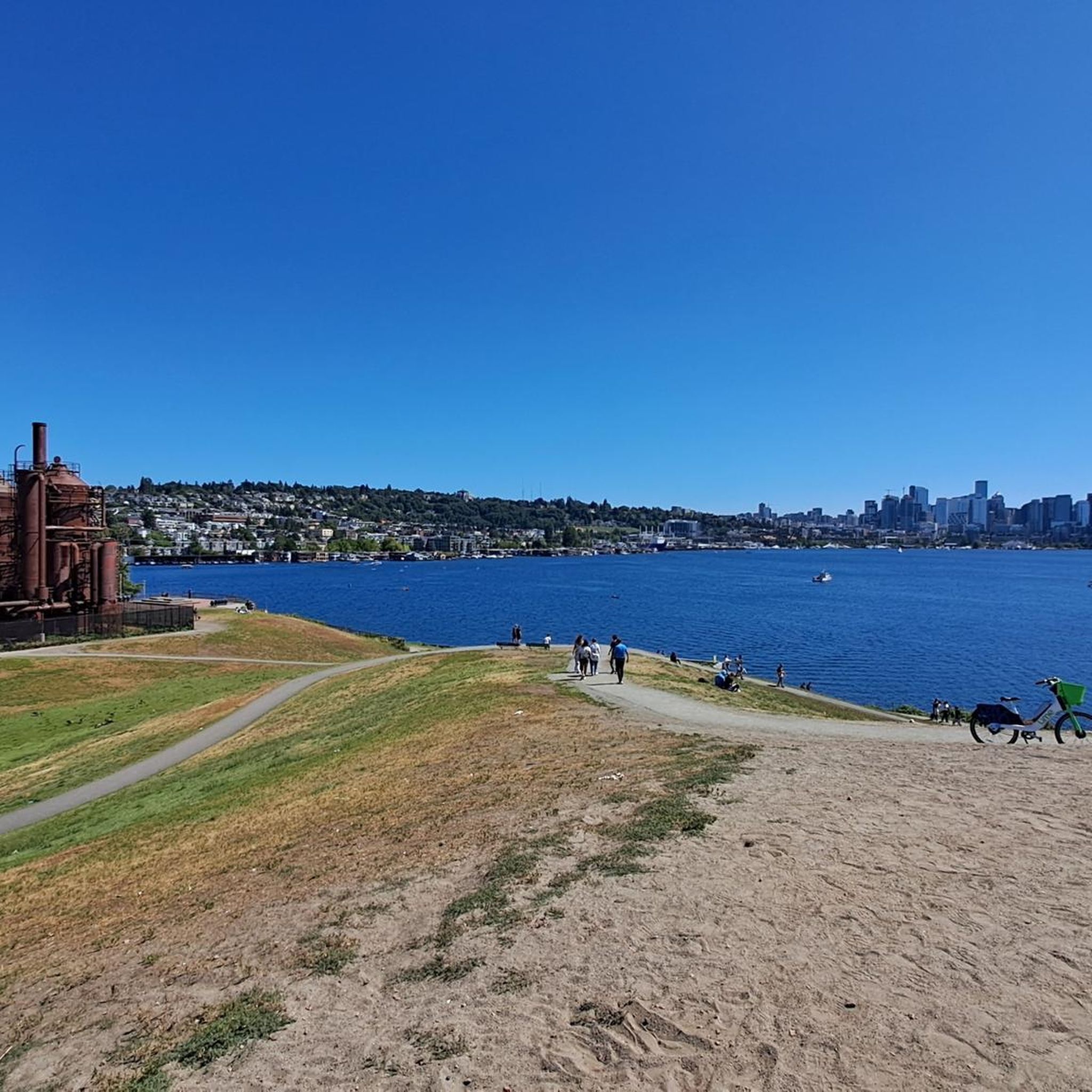
The Lake Washington area is rich with scenic spots. You can enjoy panoramic views of the lake from the 520 bridge, which is part of routes like the 520 Bridge View Park – East Channel Bridge loop from Mount Baker. Other notable landmarks and parks include Gas Works Park with its unique industrial architecture and city views, Seward Park at the south end of the lake, and the Burke-Gilman Trail which offers pleasant views along the northern lakefront.
Can I connect different trails to create a longer ride?
Absolutely. The Lake Washington area features a well-connected network of trails. The Burke-Gilman Trail and the Sammamish River Trail, for example, allow for seamless connections, enabling you to extend your rides and experience a wider range of scenery, from urban settings to natural river corridors. Many routes incorporate sections of these interconnected paths.
Are there any dog-friendly gravel biking trails in the Lake Washington area?
While specific regulations for dogs on gravel trails can vary by park or trail section, many of the multi-use paths around Lake Washington are generally dog-friendly, provided dogs are kept on a leash. It's always best to check the specific rules for individual parks or trail segments you plan to visit, such as Marymoor Park, which is known for its off-leash dog park, though specific gravel sections may have different rules.
What do other gravel bikers enjoy most about riding in Lake Washington?
The komoot community highly rates the gravel biking experience around Lake Washington, with an average score of 3.7 stars from over 15 reviews. Riders often praise the diverse terrain, the blend of urban and natural scenery, and the opportunity to experience unique features like the floating bridges. The variety of routes, from moderate loops to more challenging, longer rides, is also a frequently appreciated aspect.
Are there any circular gravel biking routes around Lake Washington?
Yes, many of the gravel biking routes around Lake Washington are designed as loops. For example, the Sammamish River Trail – Cross Kirkland Corridor loop from Bellevue Downtown is a moderate 36.1 km circular route. The classic Lake Washington Loop itself, while incorporating some paved sections, offers a scenic 55-mile ride that circles the entire lake, providing a comprehensive tour of the region.
What are some of the more challenging gravel biking routes in the area?
For experienced gravel bikers seeking a challenge, routes like the 520 Bridge View Park – East Channel Bridge loop from Mount Baker offer a difficult 89.4 km path with significant elevation gain. Another demanding option is the Cross Kirkland Corridor – Sammamish River Trail loop from Kirkland, a difficult 63.9 km trail with over 650 meters of elevation gain. These routes often feature a mix of gravel fire roads, power line access roads, and varied terrain.
Where can I find parking for gravel bike trails around Lake Washington?
Parking is generally available at various parks and trailheads around Lake Washington. Many of the larger parks like Marymoor Park, Seward Park, and Gene Coulon Memorial Beach Park offer designated parking areas. For routes starting in urban centers like Kirkland or Bellevue, public parking garages or street parking might be available, though it's always advisable to check local regulations and availability beforehand.
Are there any cafes or places to eat near the gravel bike trails?
Given the urban and suburban nature of many routes around Lake Washington, you'll find numerous cafes, restaurants, and eateries conveniently located near the trails, especially in municipalities like Kirkland, Bellevue, Redmond, and Seattle. Areas along the Burke-Gilman Trail and Cross Kirkland Corridor often have accessible options for a quick coffee or a meal.
What is the best time of year to go gravel biking around Lake Washington?
The Pacific Northwest generally offers good biking conditions from spring through fall. While gravel biking is possible year-round, the drier months from late spring to early autumn (May to October) typically provide the most pleasant weather, with less rain and milder temperatures, making for more comfortable rides and better trail conditions. Winter riding is possible but may involve wetter, muddier sections.
How many gravel bike trails are available in the Lake Washington region?
There are over 20 gravel bike tours available around Lake Washington, catering to a range of abilities. This includes 3 easy, 12 moderate, and 6 difficult routes, ensuring there's a suitable option for almost every gravel biker.
Most popular routes around Lake Washington
Most popular attractions around Lake Washington

Get inspired with the komoot mobile app


Explore more
Browse the best Gravel rides in other regions.
