Top 13 Mountain Passes in Bernina
Best mountain passes in Bernina connect the Engadin valley with Italian-speaking regions, offering routes through the Eastern Alps. The area features high mountain passes with elevations reaching over 2,300 meters. These passes are characterized by diverse topography, from gentle ascents to steep descents with switchbacks. The region provides a transition between distinct cultural and geographical zones.
Best mountain passes in Bernina
- The most popular mountain passes is Ospizio Bernina Railway Station, a facilities highlight that is the highest railway…
Last updated: August 19, 2026
Lago Bianco
Highlight • Lake
Showing Translation
Tip by

Ospizio Bernina Station
Highlight • Rest Area
Showing Translation
Tip by

Sign up now to discover places like this
Get recommendations on the best single tracks, peaks, & plenty of other exciting outdoor places.
Sign up for free
Forcola di Livigno Pass
Highlight • Mountain Pass
Translated by Google •
Tip by

Col d'Anzana
Highlight • Mountain Pass
Translated by Google •
Tip by

Sasso del Gallo Border Crossing
Highlight • Monument
Translated by Google •
Tip by

Forcola di Livigno Pass from Passo del Bernina
Highlight (Segment) • Mountain Pass
Difference …
Translated by Google •
Tip by

Val Viola Pass
Highlight • Mountain Pass
Translated by Google •
Tip by

View of the Bernina Range
Highlight • Viewpoint
Translated by Google •
Tip by

Lago d'Ur
Highlight • Lake
Translated by Google •
Tip by

Val dal Bügliet
Highlight • Trail
Translated by Google •
Tip by

Sign up for free to discover even more mountain passes in Bernina.
Sign up for free
Already have an account?
Start today with a free account
Your next adventure awaits.
Login or Signup
Popular around Bernina
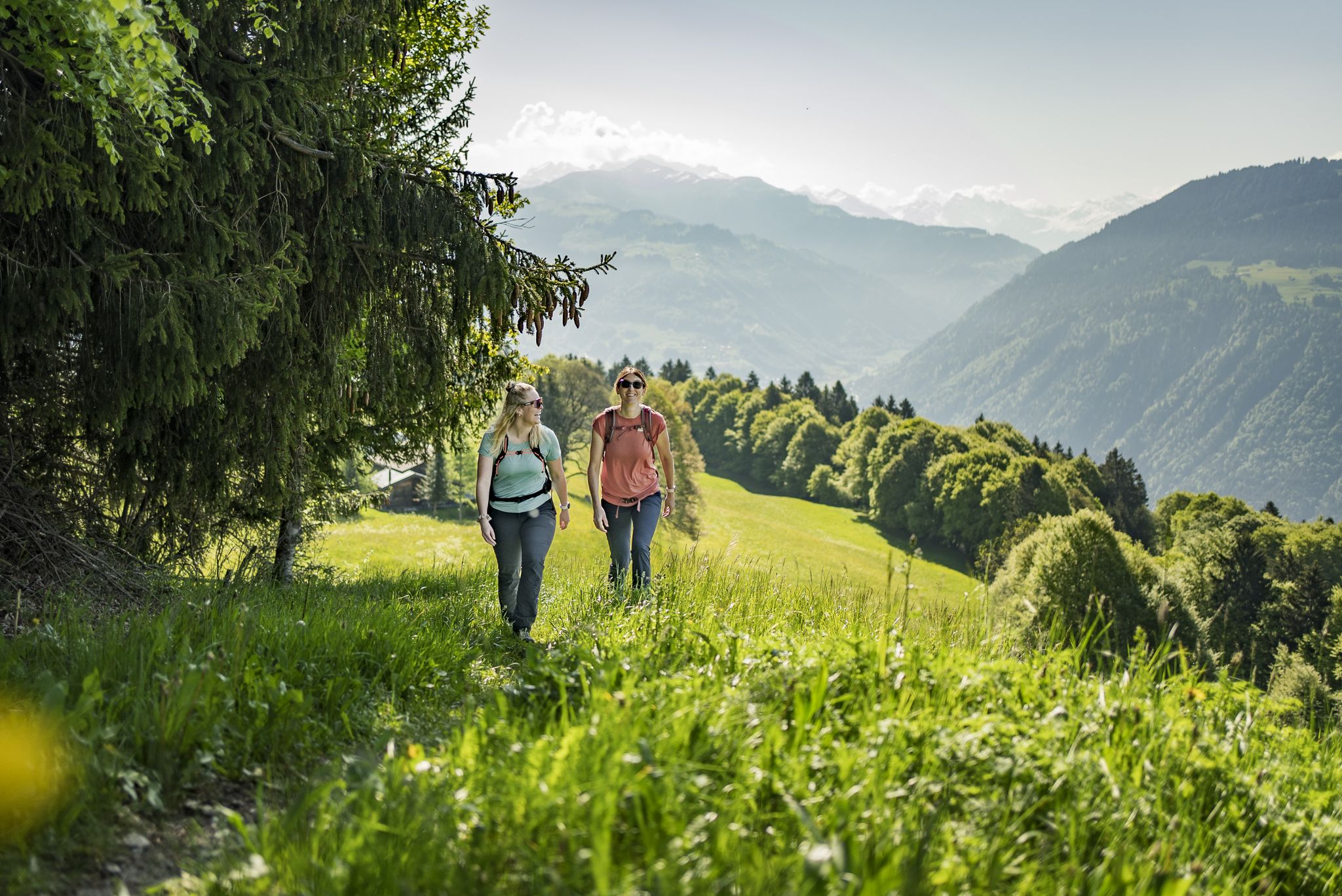
Step into the hiking season – spring routes in Graubünden
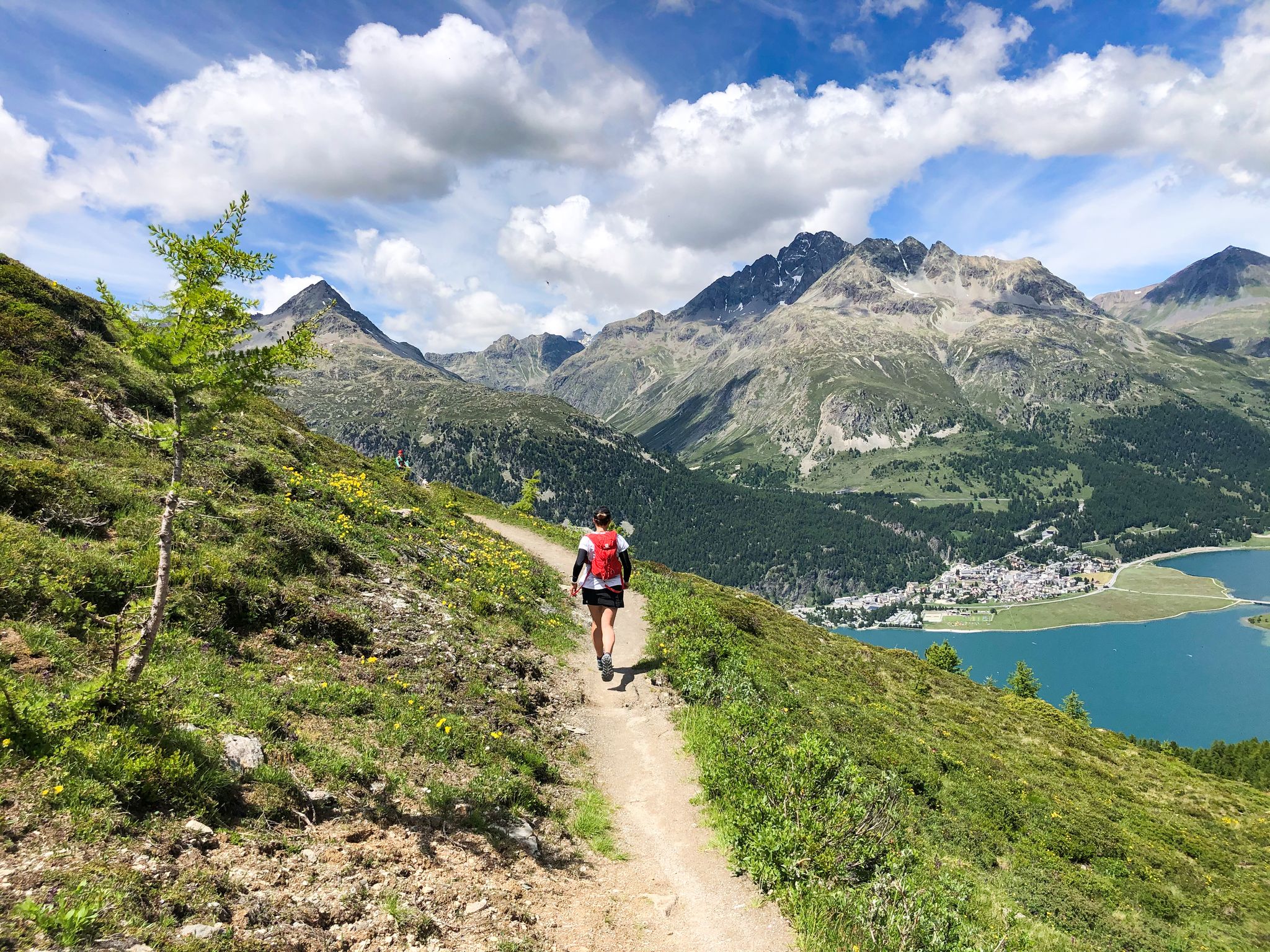
Bernina Tour – Trail running the highest mountain in the Eastern Alps
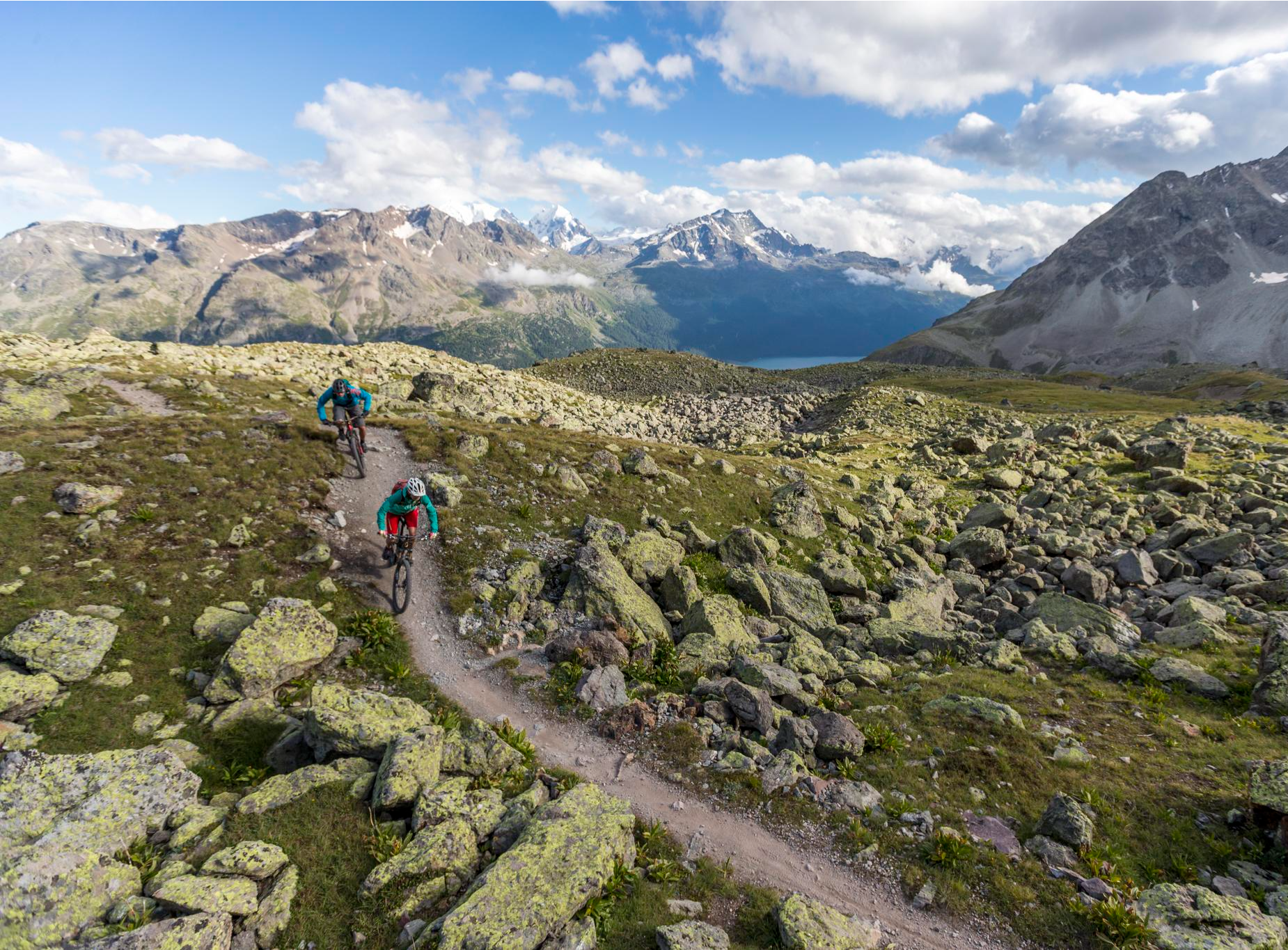
Consideration on the trails – it just makes sense!
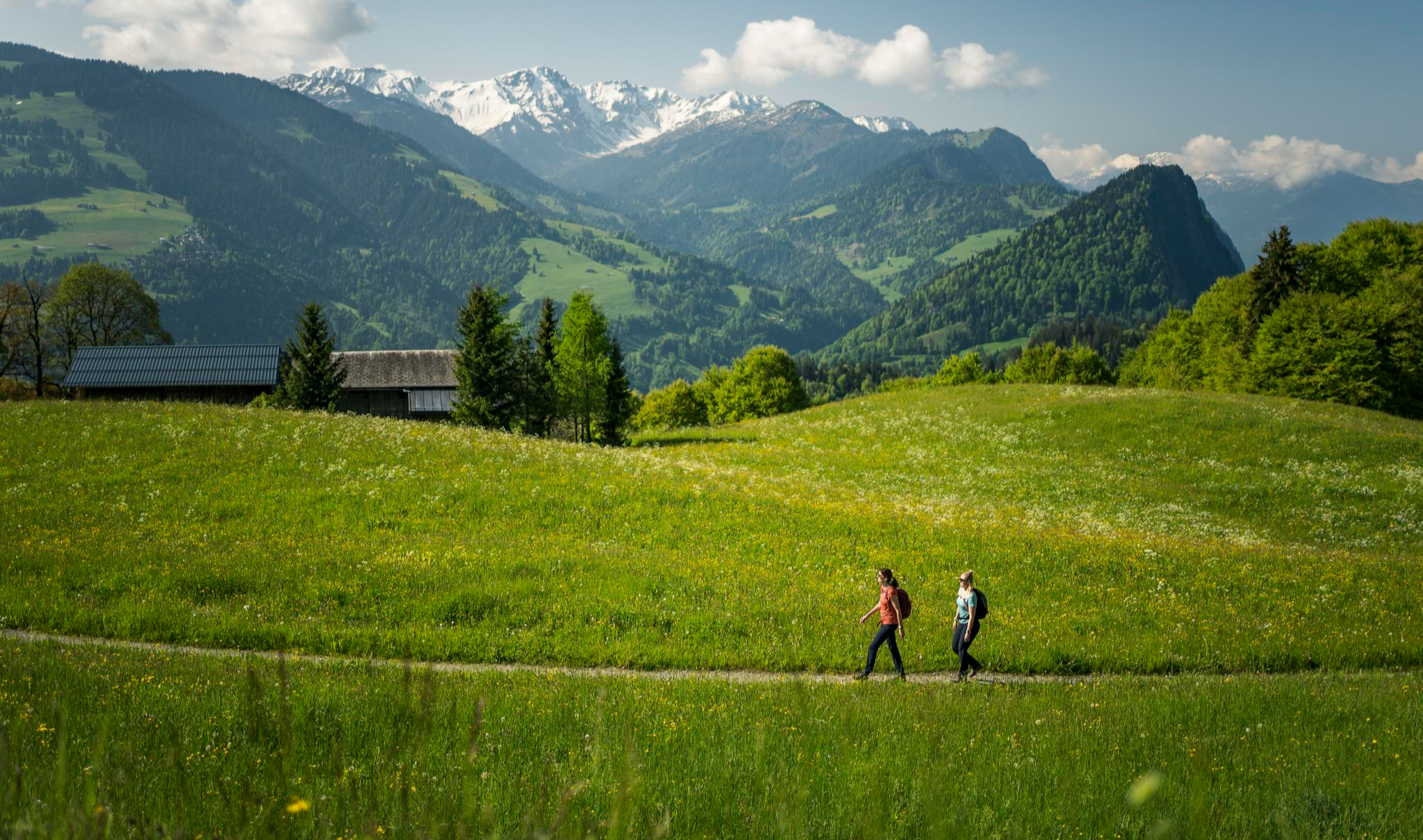
Hiking with respect and tolerance – it just makes sense!
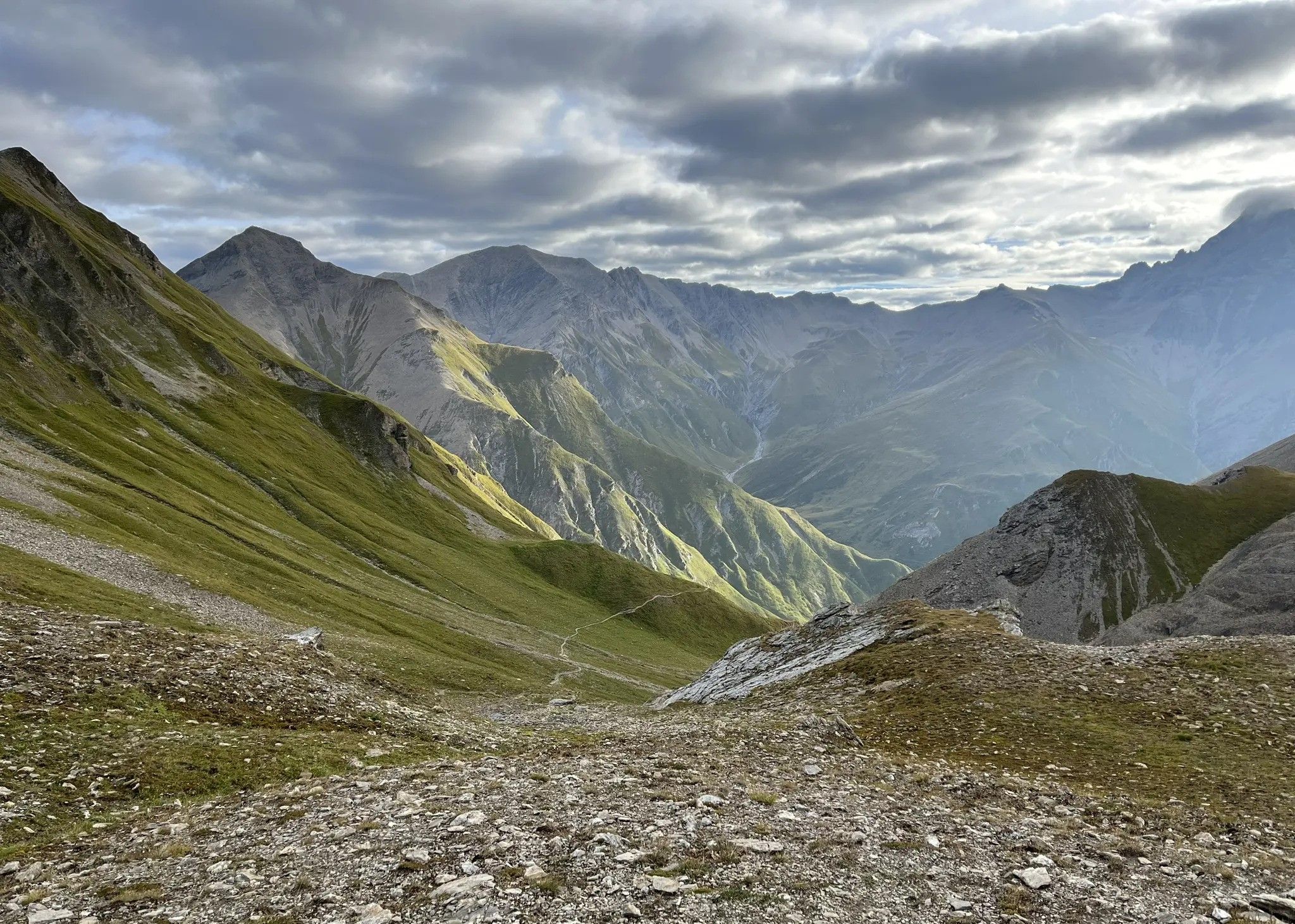
A border-crossing MTB adventure in the Alps – Trans-Altarezia Bike
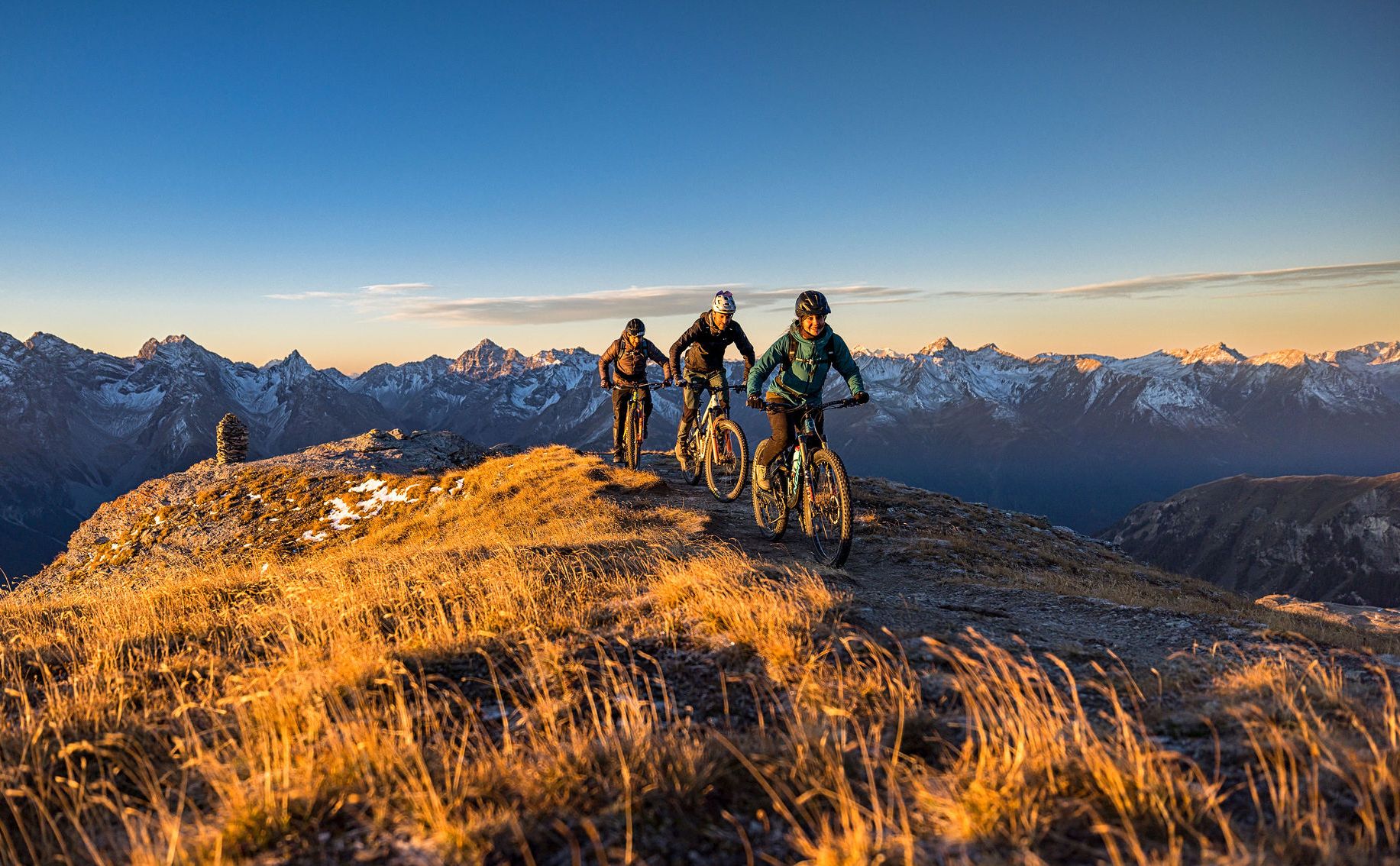
These 5 enduro bike tours will make you happy
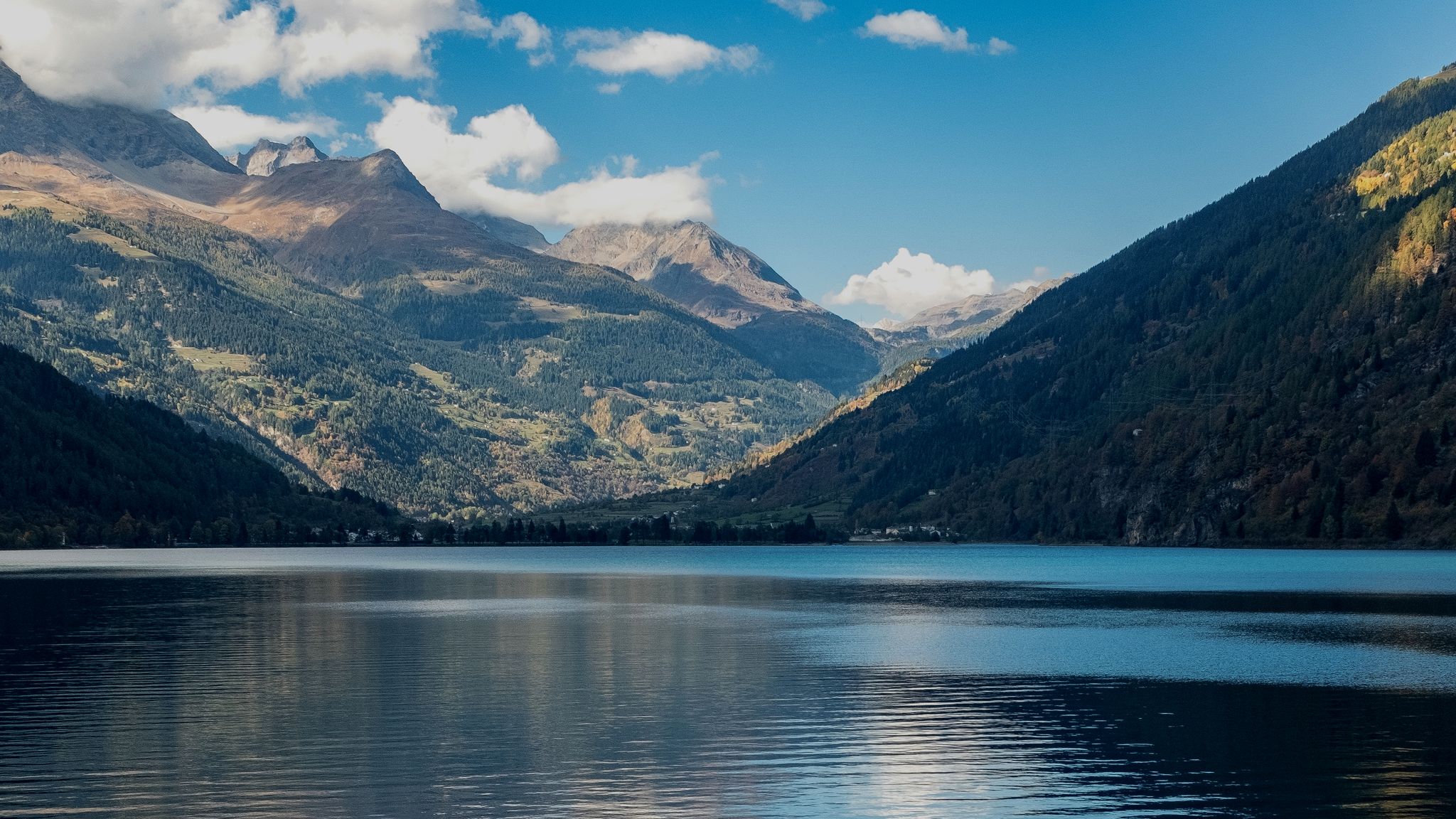
Touching the sky – DoppiaW Ultra
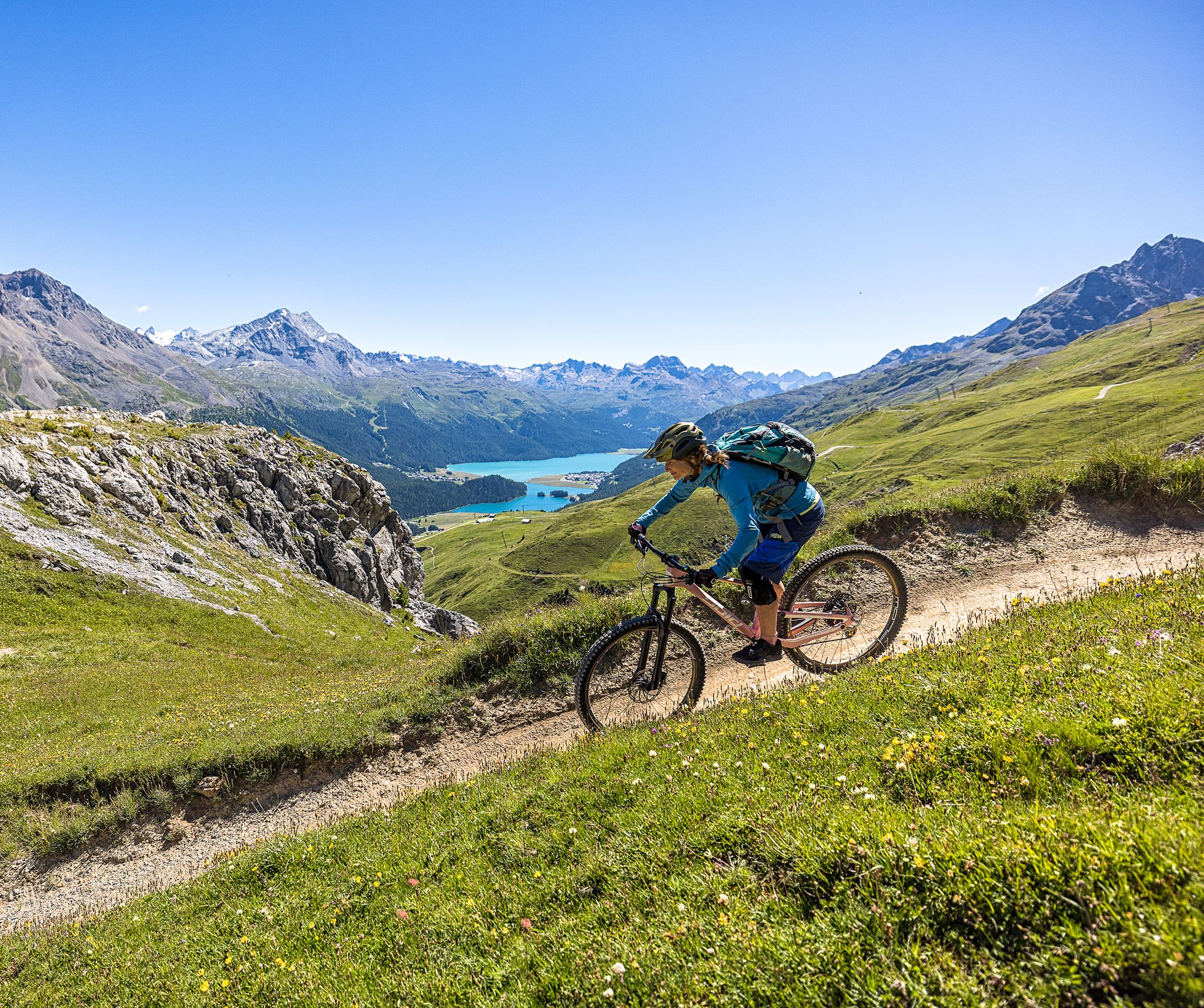
Trails with spectacular alpine panoramas – Engadin MTB region
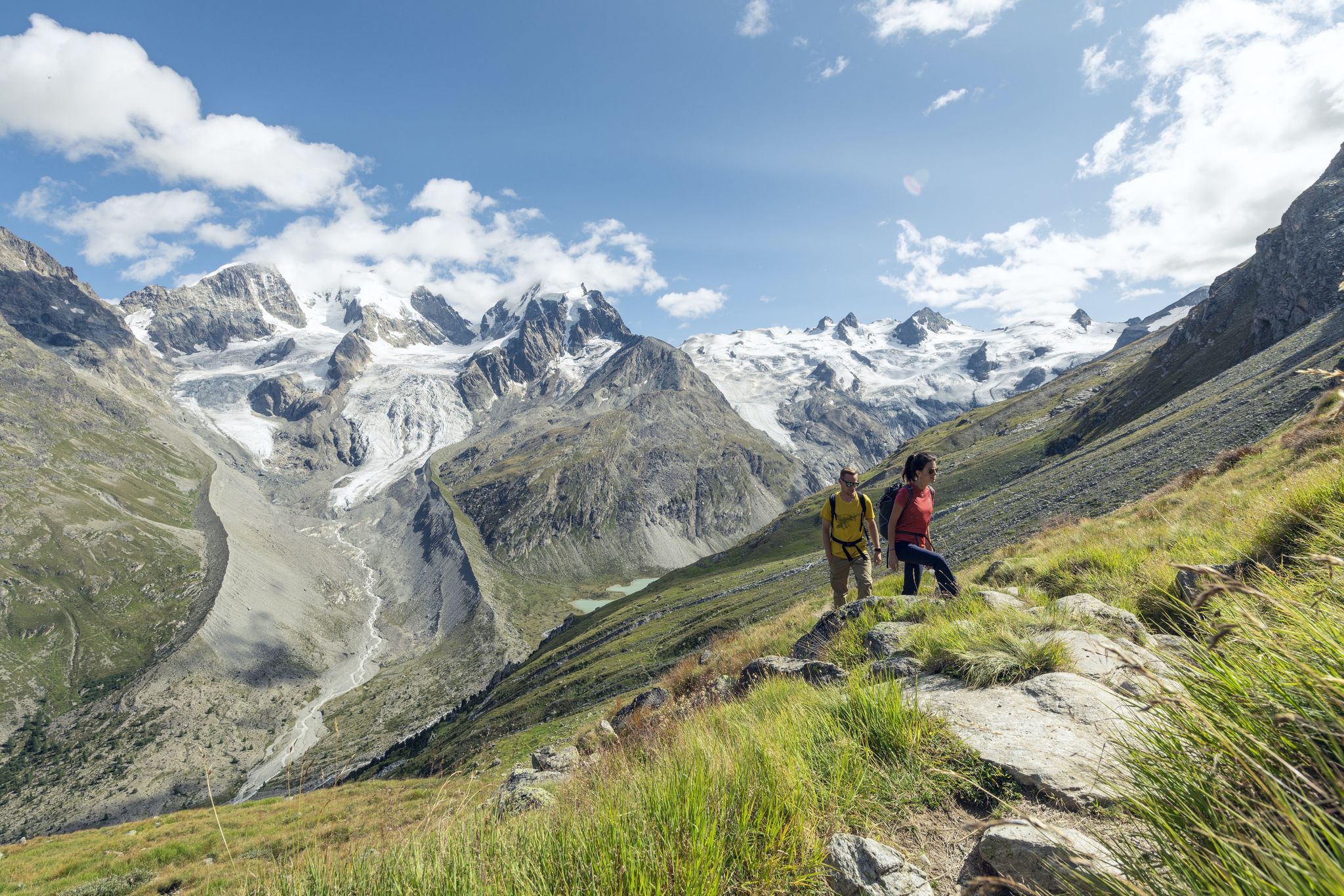
Via Engiadina and Bernina Tour – long-distance hiking in the Engadine
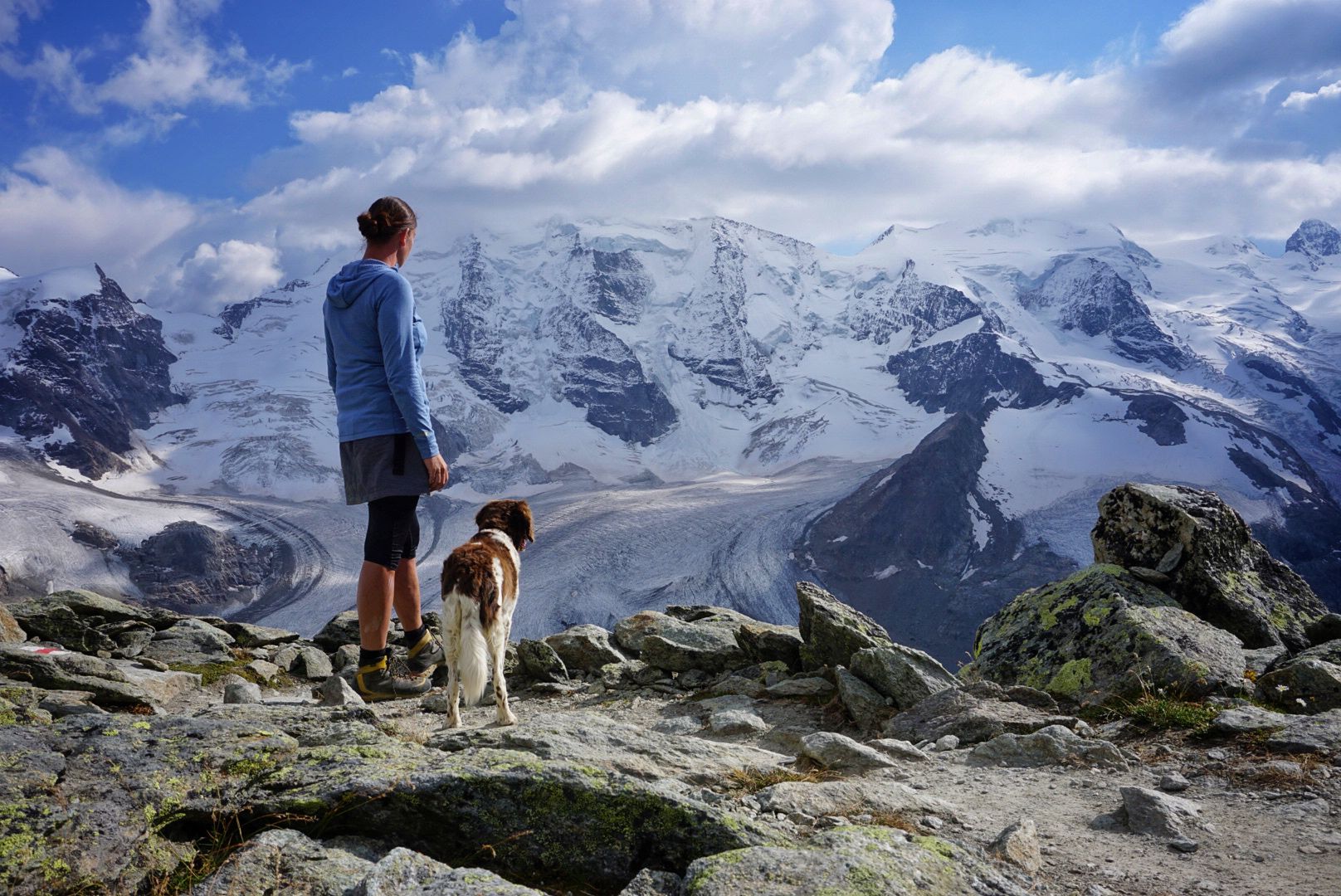
Bernina Tour – 8 days around the only 4,000er peak in the Eastern Alps
Other adventures in Bernina


Tips from the Community

2) stumbled onto livesex.cafe after my gf dumped me and man this shit slaps harder than her fat ass ever did, its basically a 24/7 orgy of live nude cams with amateur thots getting nasty for tips, this thick goth chick was deepthroatin a dildo while her roommate ate her out, clicked random and landed on a squirting compilation that made me bust in like 2 minutes flat, the webcam tease section is fuckin lethal - these 18+ teens do the slowest strip cam while talkin dirty, grabbed free tokens just for signin up then tipped this phat booty latina to ride her vibrator until she cried, shits better than pornhub cause its happening right fuckin now https://livesexcams.cafe/model/_Alison__/ https://livesex.cafe/model/miacam-hot/ https://sexcam.bar/model/Fitkitten/
0
0

Great, largely drivable pass between Italy (Bormio) and Switzerland (Puschlav).
0
1

We started from Prato Valentino, a long but not demanding route. Very beautiful! Also, despite it being November, the temperatures were around 20 degrees
0
0

In winter there is hardly anyone there - you are wonderfully alone! With a bit of luck you will also be the first person to look for the snowy hiking trail 😊. An incredibly great region!
1
0

Lago Bianco is a reservoir near the Bernina Pass and lies within the municipalities of Pontresina and Poschiavo. The lake is located directly at the pass summit at 2,234 meters above sea level. Lago Bianco is bordered by two dams on its north and south sides and is approximately three kilometers long and about 800 meters wide. At its maximum depth, Lago Bianco is over 50 meters deep. The reservoir on the Bernina Pass is fed by various mountain streams and glacial water, with the Cavagliasch stream flowing through the lake the most. The whitish, somewhat milky Lago Bianco gets its name (in German, "White Lake") from the inflow of sand and glacial water. On the western shore of Lago Bianco is the Bernina Hospice (Ospizio Bernina), and the Rhaetian Railway's train line – the Bernina Express – also runs directly along the shore. The Bernina Pass road is also located on the west side, although not directly on the lakeshore. In cold winters, the lake can freeze over, and in some years, beautiful black ice forms. Once the reservoir is opened by the authorities, nothing stands in the way of ice skating on Lago Bianco. Text / Source: Schweizersee.ch https://www.schweizersee.ch/lago_bianco_pontresina/
17
0

The train station at 2,256 m is located just above Lago Bianco. With a bit of luck, you can also see special rail vehicles parked here.
3
0
Behind the Lago Bianco reservoir you can see the impressive mountain world very clearly.
0
0

On the Swiss-Italian border. Excellent place to enjoy the view of the Poschiavino Valley and the surrounding areas. There are some bodies of water and a "little lake" near the signs. Arriving from path 345 that connects the pass and the Poschiavino Valley with the Confinale Pass area, there are some sections of narrow path that you need to pay attention to.
0
0
Frequently Asked Questions
What are the most popular mountain passes in the Bernina region?
The Bernina region features several well-regarded mountain passes. Among the most popular are the Bernina Pass itself, known for its scenic beauty and the Ospizio Bernina Railway Station, which is the highest railway station in the Rhaetian Railway network. Visitors also frequently explore the Forcola di Livigno Pass, which connects Livigno with the Val Poschiavo, and the challenging Col d'Anzana, offering extensive views between Valtellina and Val Saiento.
What is the best time of year to visit the Bernina mountain passes?
Many of the high alpine passes in the Bernina region, such as the Bernina Pass and Maloja Pass, are typically open year-round, though winter conditions require proper gear and can lead to temporary closures during heavy snowfall. For hiking and cycling, late spring to early autumn (June to October) generally offers the most favorable weather. Autumn is particularly recommended for the Maloja Pass due to its vibrant foliage.
Are there hiking trails near the Bernina mountain passes?
Yes, the Bernina region offers a wide array of hiking trails suitable for various skill levels. You can find challenging routes, such as those around the Bernina Waterfalls, or easier options like those around Lago di Poschiavo. For detailed routes and inspiration, explore the Waterfall hikes in Bernina and Easy hikes in Bernina guides.
Can I cycle across the Bernina mountain passes?
Absolutely. The Bernina region is a popular destination for cyclists, offering routes with diverse terrain. You can find challenging rides like the loop from Ospizio Bernina to Pontresina, or longer tours around Lake Poschiavo. For more cycling routes and details, check out the Cycling in Bernina guide.
What natural features can I see around the Bernina Pass?
The Bernina Pass is renowned for its stunning natural beauty. Key features include the milky-white glacial Lago Bianco, which marks a watershed divide, and impressive views of surrounding glaciers like Morteratsch and Cambrengletscher. The area also offers access to spectacular glacier fields via the Diavolezza cable car.
Are there any historical or cultural sites near the mountain passes?
Yes, the region is rich in history and culture. The Bernina Pass is intrinsically linked with the UNESCO World Heritage Bernina Express railway, an engineering marvel. The Maloja Pass has historical significance as an ancient route, likely used in pre-Roman times, and the Maloja village was the final home of painter Giovanni Segantini. You can also find historical elements like the Sasso del Gallo Border Crossing, which was a popular route for smugglers.
Are there family-friendly activities or passes in the Bernina region?
While many passes involve challenging terrain, the Bernina region does offer family-friendly options. The area around Ospizio Bernina Railway Station is considered family-friendly, offering accessible views and the unique experience of the Bernina Express. For hiking, there are also easier trails available, such as those mentioned in the Easy hikes in Bernina guide.
What kind of terrain and difficulty can I expect on hiking trails around Bernina Pass?
Hiking trails around the Bernina Pass vary significantly. You can find intermediate trails with moderate ascents and descents, as well as challenging routes like the Col d'Anzana, which features long, steep climbs. Some trails, such as the Ascent to the Bernina Pass from Tirano, are known for their demanding physical challenge. Always check the specific route details for elevation gain and technical difficulty.
Where can I find food and accommodation near the Bernina mountain passes?
You'll find various options for food and accommodation. Near the Bernina Pass, there are facilities like the Foresteria 2315, which offers cafe services. The nearby towns and villages in the Engadin valley, Val Poschiavo, and Tirano provide a wider range of restaurants, cafes, and hotels. The Maloja village also serves as a hub with amenities.
What makes the Maloja Pass unique compared to other passes in the region?
The Maloja Pass is distinctive due to its unique topography. From the Engadin side, the ascent is gentle and plateau-like, while the descent towards Chiavenna and Val Bregaglia is much steeper, characterized by dramatic switchbacks and dense forests. This unusual characteristic often leads it to be called 'the pass that never was' in terms of a typical mountain pass profile.
Is it possible to see glaciers from the mountain passes?
Yes, the Bernina Pass offers impressive views of surrounding glaciers, such as the Morteratsch Glacier and the Cambrengletscher. For an even more spectacular experience, the Diavolezza cable car, located just off the pass road, provides access to extensive glacier fields of the Bernina massif.
What do visitors enjoy most about the Bernina mountain passes?
Visitors frequently praise the breathtaking scenery, including the high-alpine landscapes, glacial lakes like Lago Bianco, and panoramic views. The unique driving and cycling experiences, the cultural transition across different linguistic regions, and the historical significance of routes like the Bernina Express are also highly appreciated. Many enjoy the challenging yet rewarding trails and the sense of tranquility found in places like Col d'Anzana.
Most popular routes in Bernina
Most popular attractions in Bernina

Get inspired with the komoot mobile app


Didn’t find what you were looking for?
Find even more amazing mountain passes in Bernina organized by region:
Explore more
See even more epic mountain passes by checking out these guides in Bernina:
