Top 20 Natural Monuments in Catalonia
Best natural monuments in Catalonia showcase a diverse landscape, ranging from rugged coastlines and volcanic terrain to extensive wetlands and high mountain peaks. The region's geography includes the Mediterranean coast, the Pyrenees foothills, and unique geological formations. Catalonia offers a variety of natural features, including maritime-terrestrial parks, volcanic landscapes, river deltas, and mountain ranges. These areas provide opportunities to explore distinct ecosystems and significant natural landmarks.
Best natural monuments in Catalonia
- The most popular natural monuments is Matagalls (1697 m)…
Last updated: August 20, 2026
Aiguamolls de l'Empordà Natural Park Trail
Highlight (Segment) • Trail
Translated by Google •
Tip by

Sant Jeroni Summit
Highlight • Summit
Translated by Google •
Tip by

Sign up now to discover places like this
Get recommendations on the best single tracks, peaks, & plenty of other exciting outdoor places.
Sign up for free
Monumental Cascade, Parc de la Ciutadella
Highlight • Monument
Antoni Gaudí had a small, hidden task during construction. However, his lizards are visible next to the "Aquarium" entrance.
Translated by Google •
Tip by

Castell Beach
Highlight • Beach
Translated by Google •
Tip by

Cap de Creus Lighthouse
Highlight • Monument
Formerly, the tower served to guard …
Translated by Google •
Tip by

Cypresses Viewpoint
Highlight • Viewpoint
Translated by Google •
Tip by

Miramar Gardens
Highlight • Viewpoint
Translated by Google •
Tip by
Pi d'en Xandri
Highlight • Natural Monument
Translated by Google •
Tip by
Lake Sant Maurici
Highlight • Lake
Translated by Google •
Tip by

Magic Fountain of Montjuïc
Highlight • Monument
Translated by Google •
Tip by
Sign up for free to discover even more natural monuments in Catalonia.
Sign up for free
Already have an account?
Start today with a free account
Your next adventure awaits.
Login or Signup
Popular around Catalonia

Triathlon 360 – my journey around the world
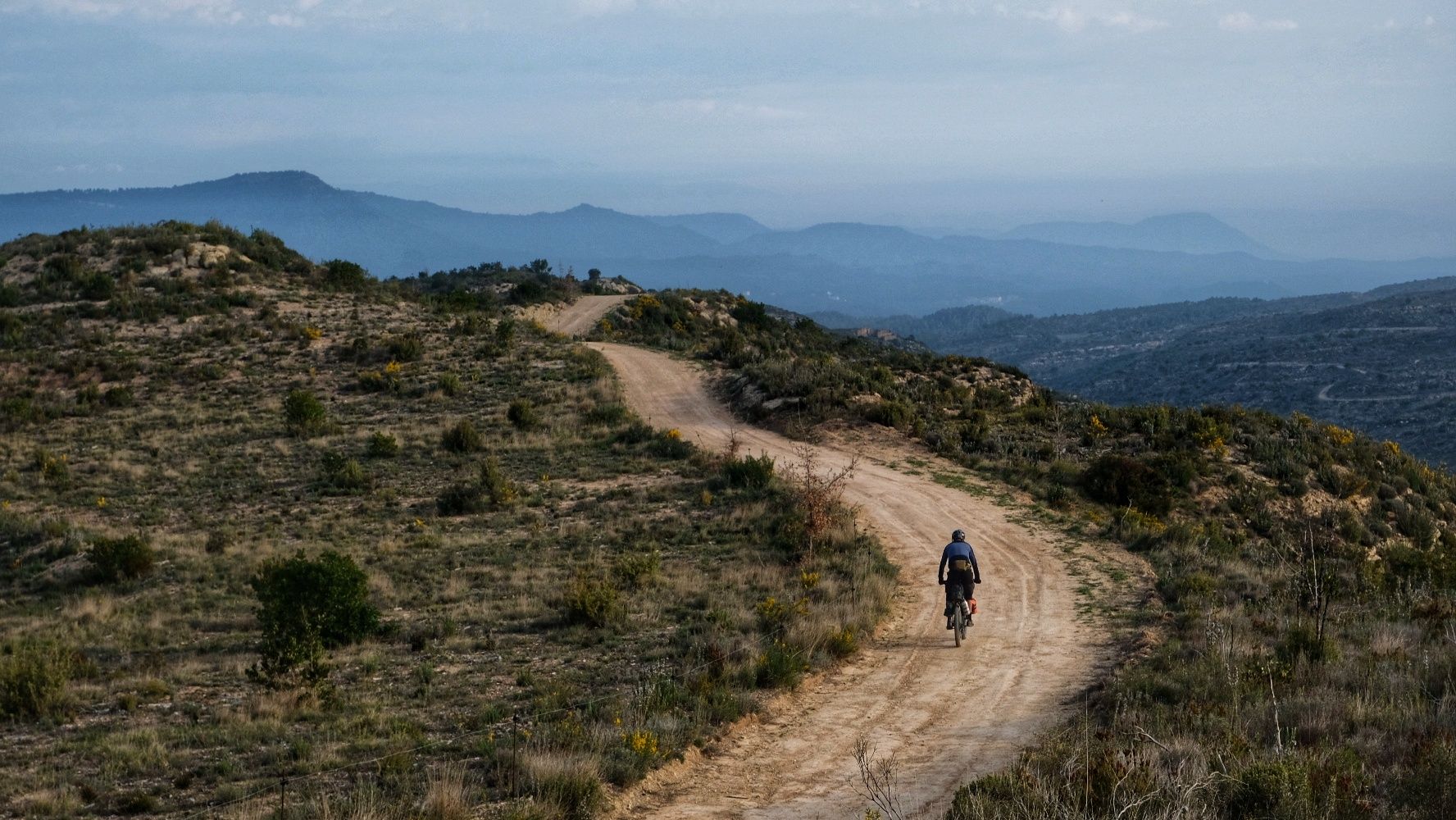
European Divide Trail — 7,600 km across the continent
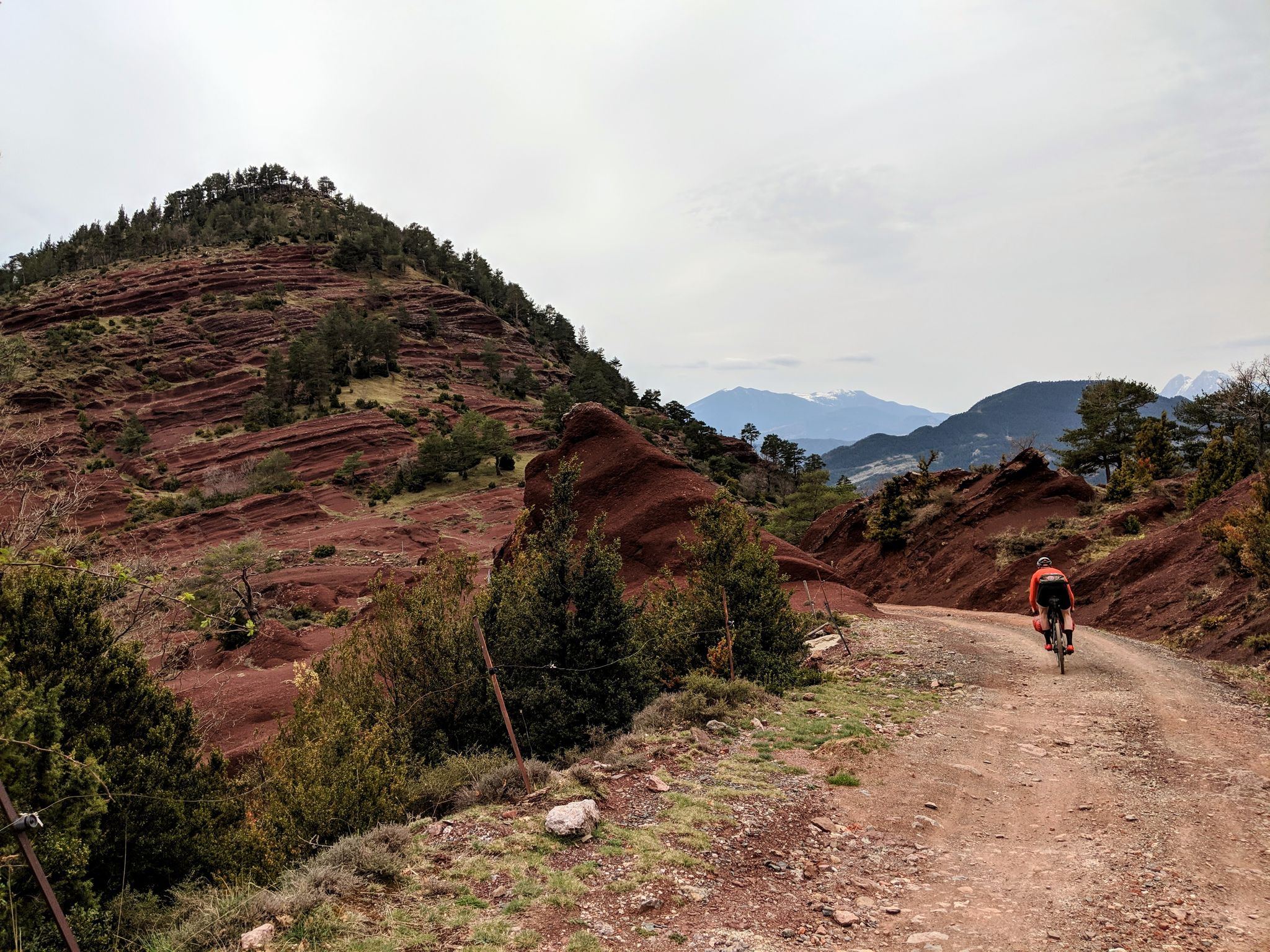
Catalunya Trail — Bikepacking in the Pyrenees
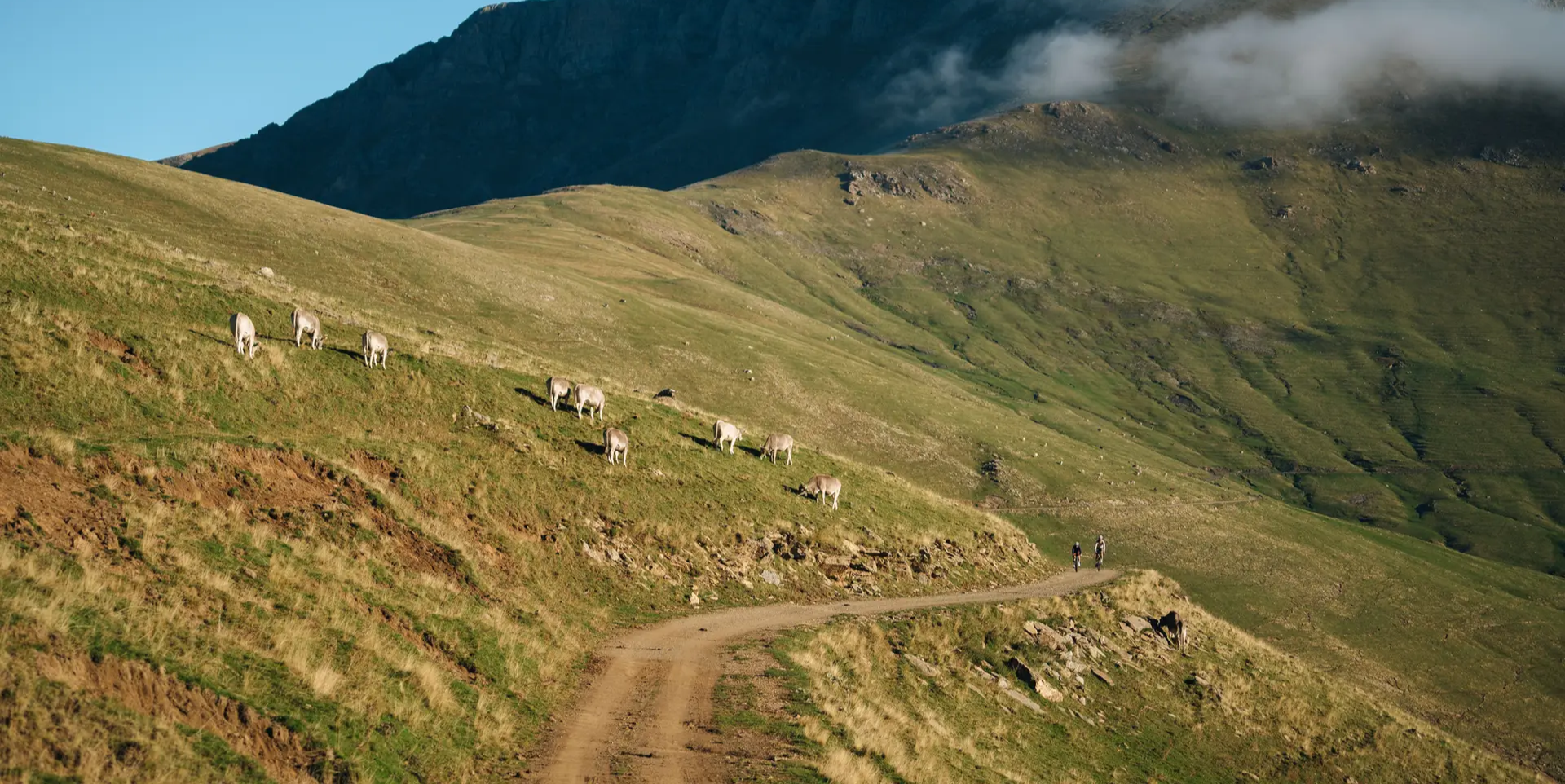
Grand Tour of Catalonia Gravel – your bikepacking adventure
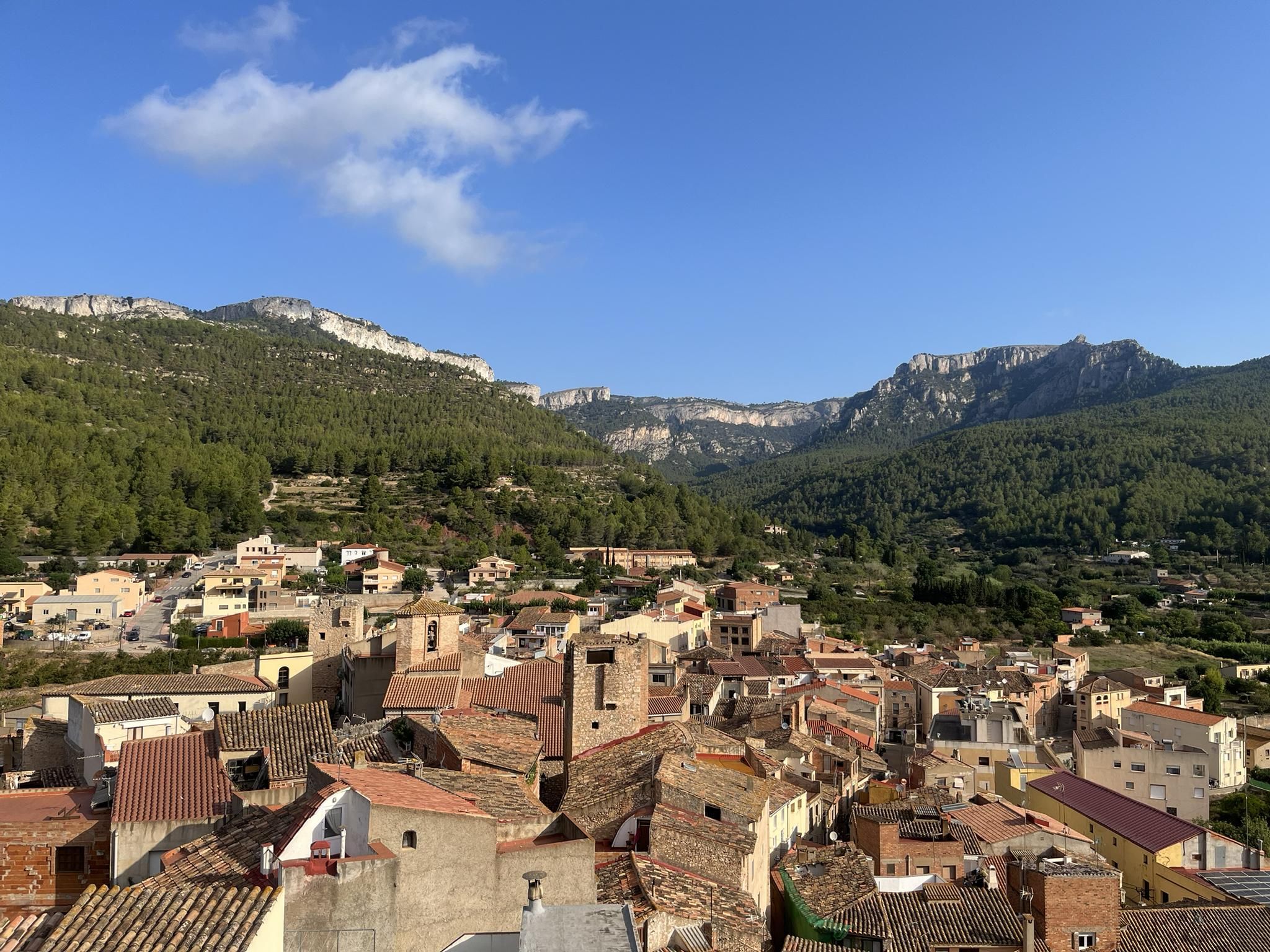
From Cambrils to the Ebro Delta - Camí del Vent (GR 192)
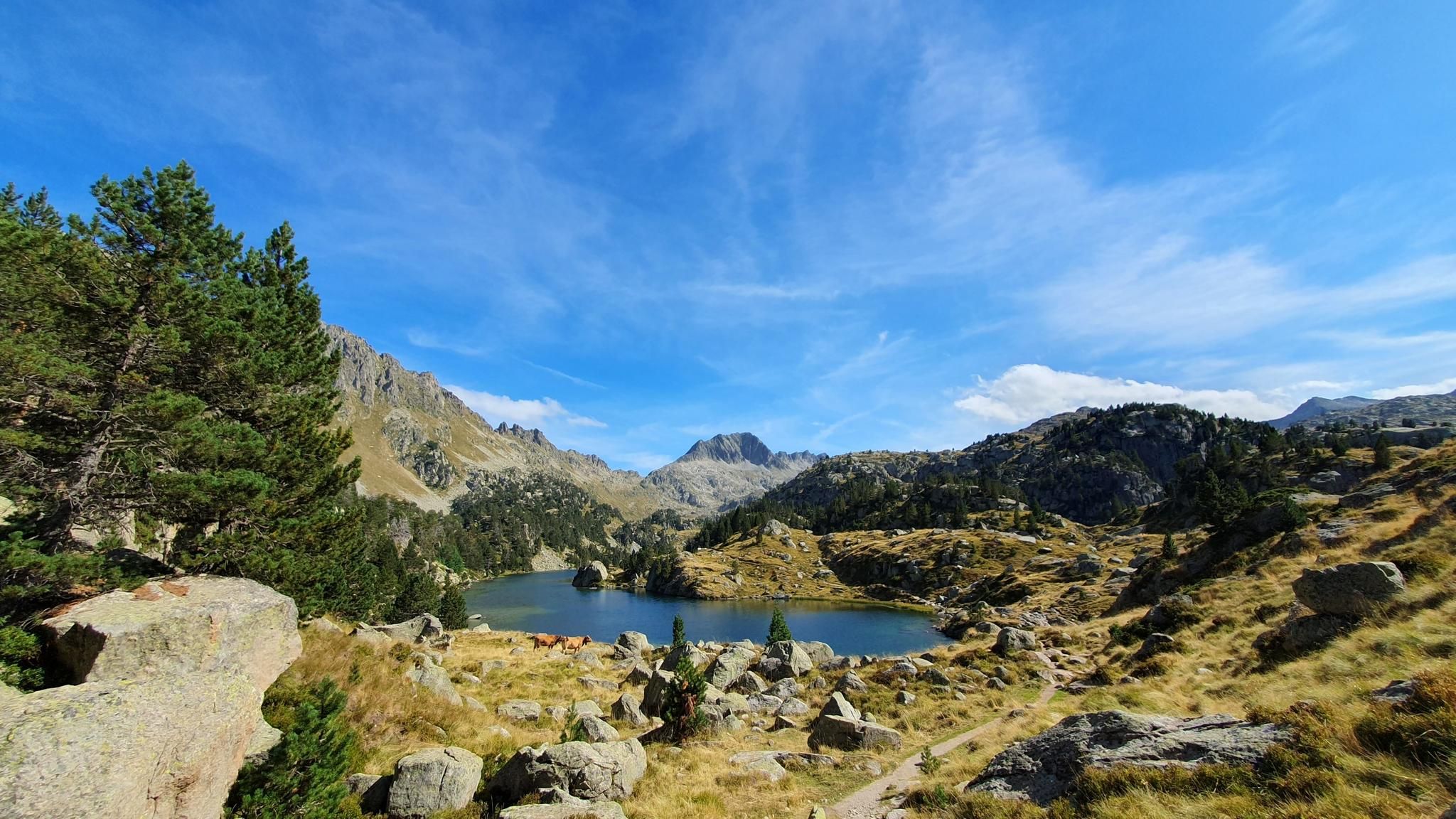
100 miles in paradise - Discover the Val d'Aran by UTMB
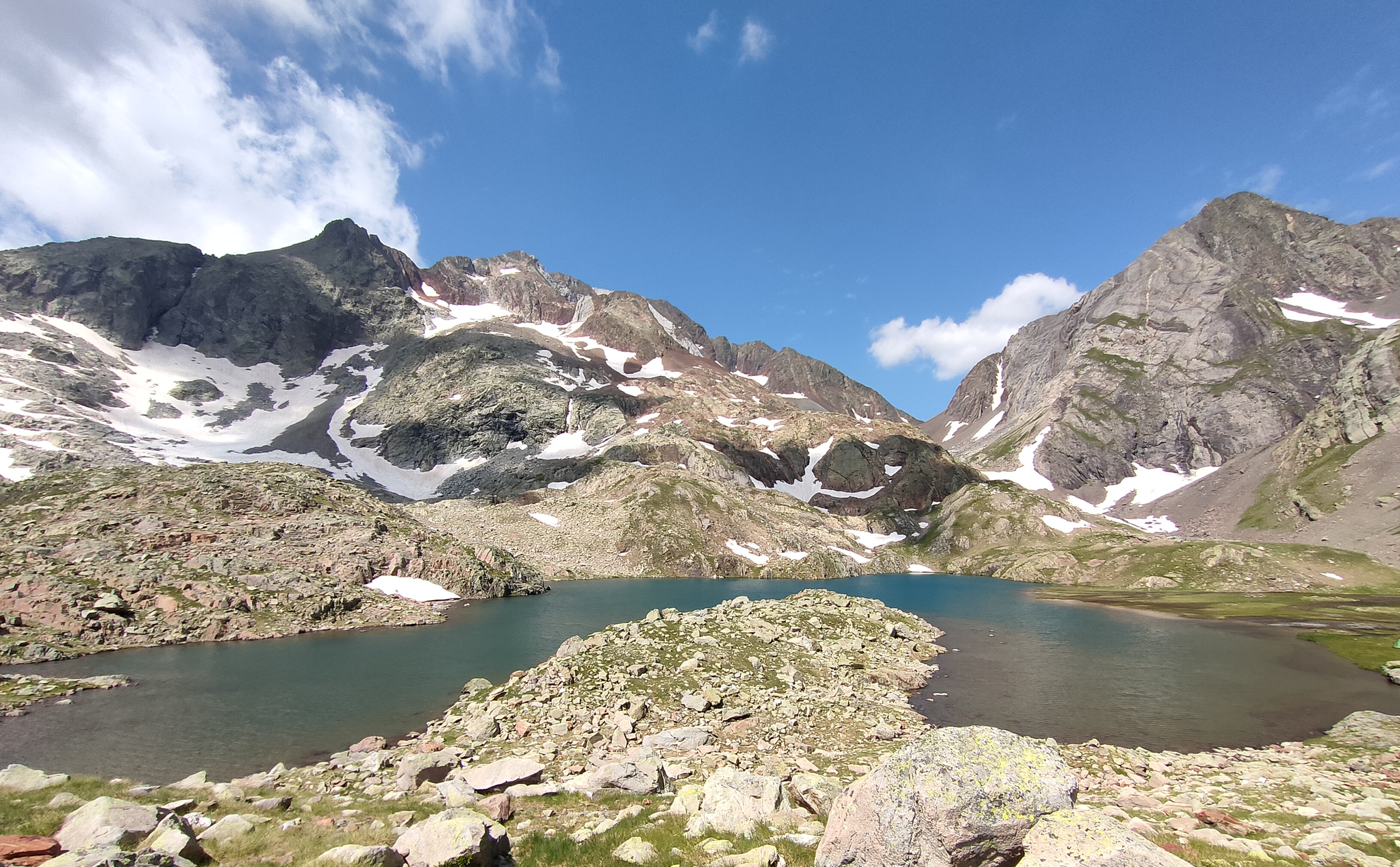
Panoramic Pyrenees – 15 hikers' peaks of over 3,000 metres
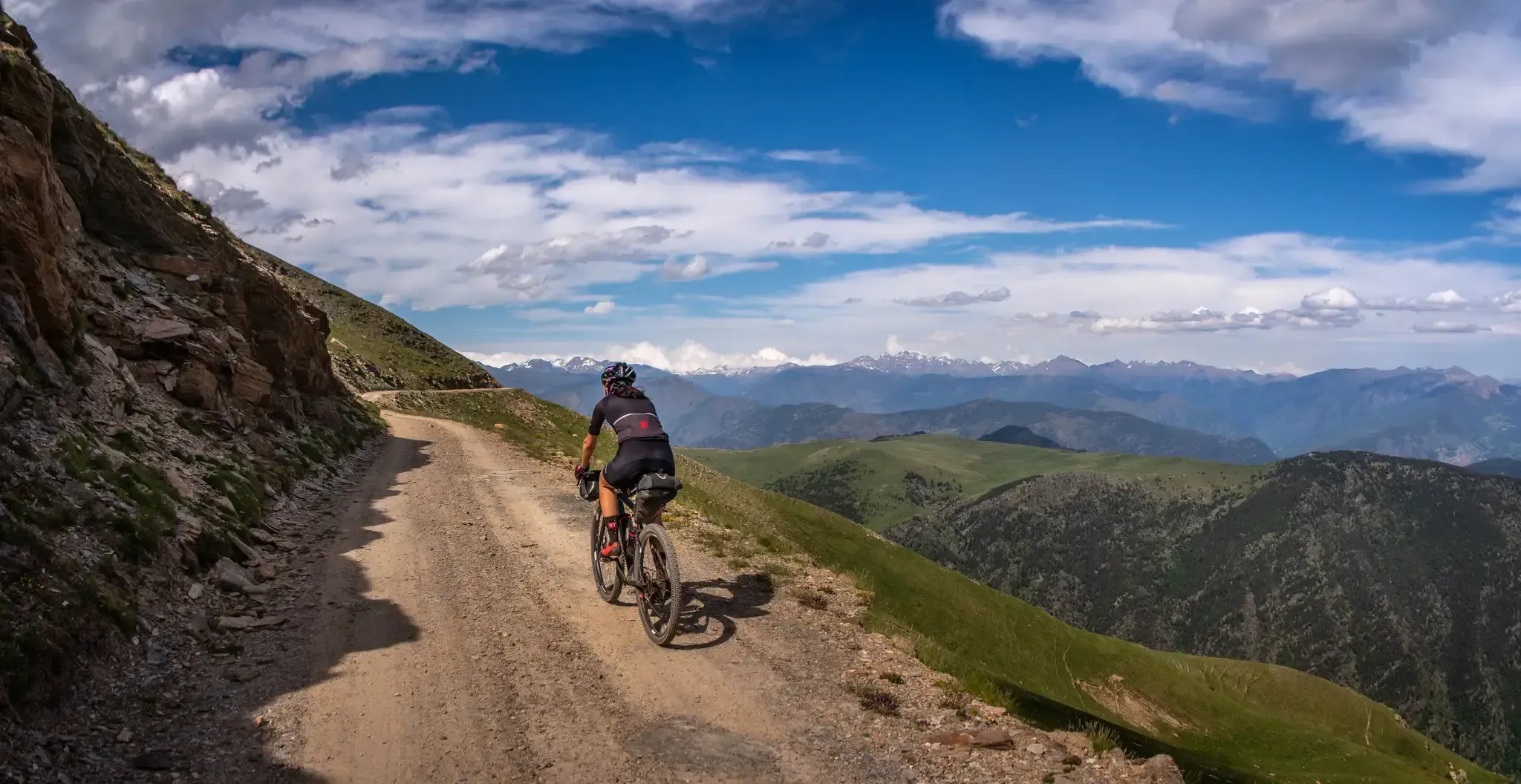
Pedals de Foc – An adventure through the Catalan Pyrenees
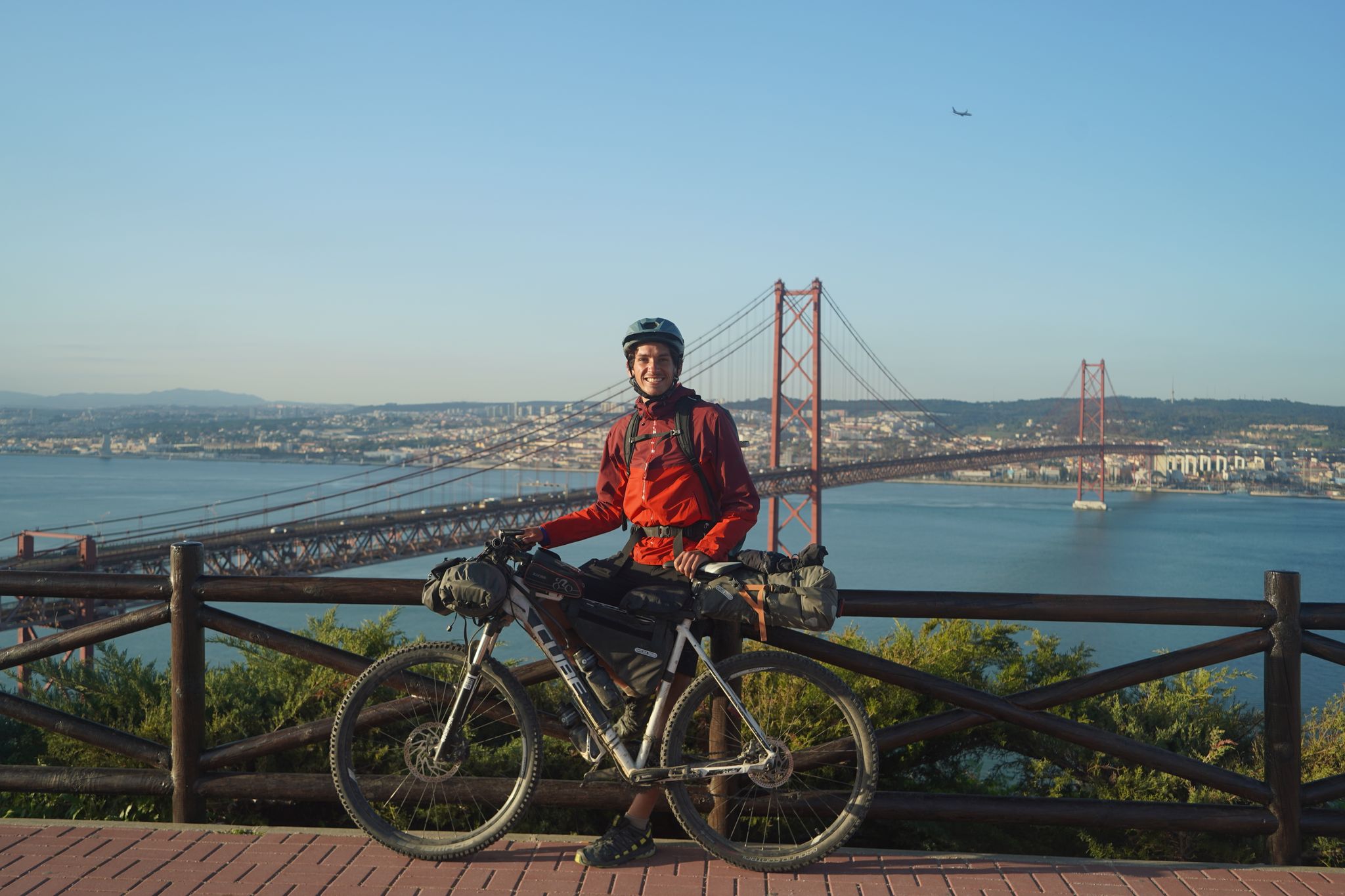
Road to Lisbon – bikepacking the Alps, Pyrenees and Picos de Europa
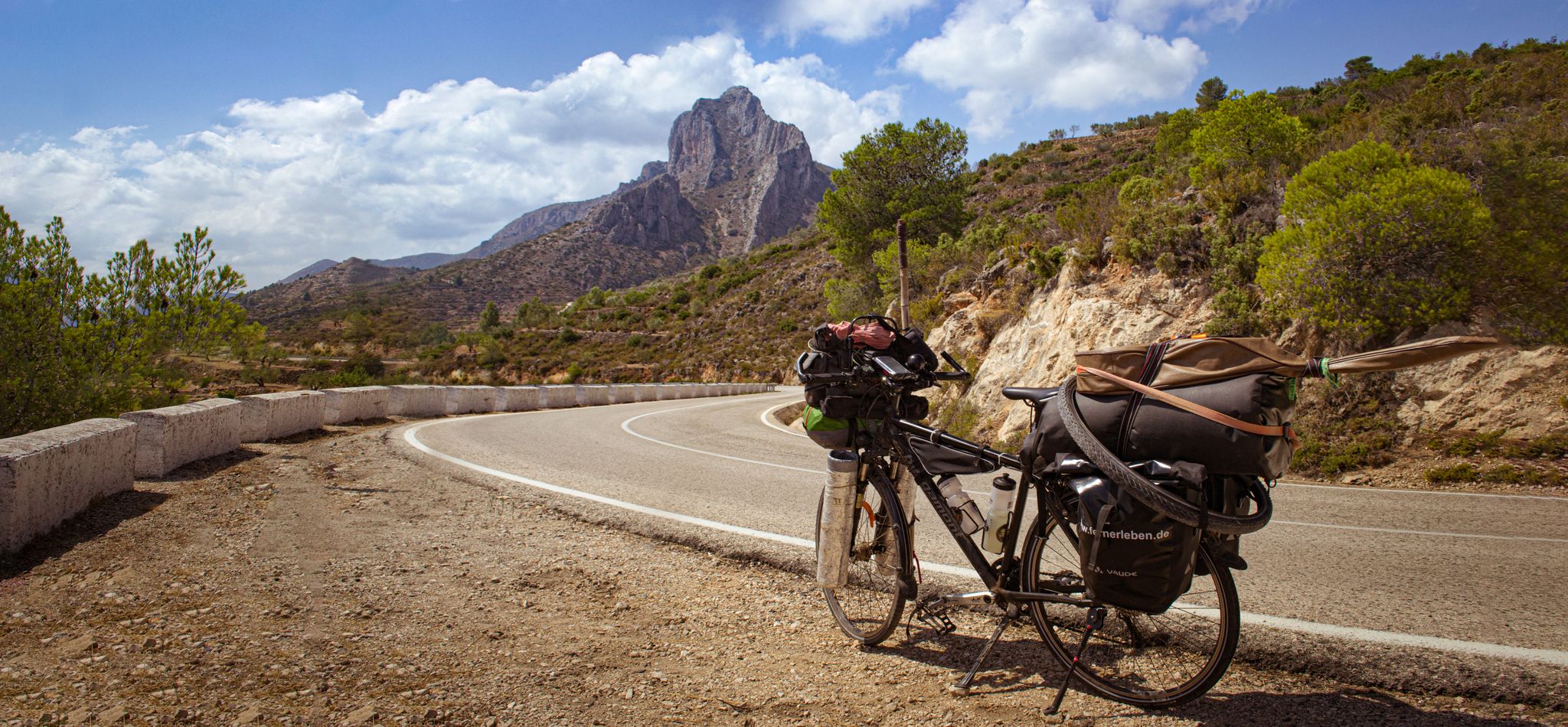
On the road to the sun — bikepacking to southeast Spain
Other adventures in Catalonia


Tips from the Community

The Jardins Miramar are located on the southeastern slope of Barcelona's local mountain, Montjuïc, and offer a spectacular panoramic view of the city, the harbor, and the Mediterranean Sea. The park was designed by landscape architect Jean-Claude Nicolas Forestier for the 1929 International Exposition and features stylish terraces, shady avenues, and classical statues. Today, visitors primarily use the gardens as a quiet viewpoint and a stopover when taking the historic harbor cable car.
2
0

Super nice view of the sea and the national park
0
0

Antoni Gaudí had a small, hidden task during construction. However, his lizards are visible next to the 'Aquarium' entrance.
9
1

Beautiful path through the fields and along the ranch. The part between the trees is a bit small but gives great shade during the hotter days. Be careful after heavy rain, it can be very slippery
0
0

Currently only operating Thursday to Sunday (June 2025)
1
0

You have to visit this place with your bike.
1
0


The Magic Fountain of Montjuïc in Barcelona, designed by Carles Buïgas, was constructed for the 1929 Barcelona International Exposition. Located at the head of Avinguda Maria Cristina, it features 3620 jets spraying 700 gallons of water per second, with the highest spout reaching 170 feet. Initially completed in 1929, the fountain was damaged during the Spanish Civil War and didn’t operate until 1955. In the 1980s, it was restored, and music was added to the light shows, becoming a popular attraction, especially during the summer.
1
0
Frequently Asked Questions
What are some of the most popular natural monuments to visit in Catalonia?
Catalonia offers a diverse range of natural monuments. Among the most popular are Matagalls (1697 m), an iconic hiking mountain in Montseny Natural Park known for its great views. Visitors also frequently explore Lake Sant Maurici, located at 1910 m above sea level, offering privileged views and various hiking paths. Another must-see is Sant Jeroni Summit, the highest point of Montserrat, providing panoramic views across Catalonia.
Are there natural monuments in Catalonia suitable for families?
Yes, many natural monuments in Catalonia are family-friendly. For example, the Aiguamolls de l'Empordà Natural Park Trail is a cycle-friendly path through a forest with viewpoints. The Monumental Cascade in Parc de la Ciutadella offers a relaxing environment with a lake for rowboat rides. Lake Sant Maurici also has accessible paths, and the Cap de Creus Lighthouse provides stunning coastal views suitable for all ages.
What kind of unique natural features can I expect to see in Catalonia's natural monuments?
Catalonia's natural monuments boast an incredible variety of features. You can find rugged cliffs and hidden coves at Cap de Creus Natural Park, shaped by the strong Tramuntana winds. The Parc Natural de la Zona Volcànica de la Garrotxa showcases a unique volcanic landscape with 40 cones and 20 basalt lava flows, including the enchanting Fageda d'en Jordà beech forest. The Delta de l'Ebre Natural Park is a vast wetland of rice fields, lagoons, and sand dunes, while Montserrat Natural Park is famous for its distinctive jagged, saw-toothed rock formations.
What are the best times to visit Catalonia's natural monuments?
The best time to visit depends on the specific natural monument and your preferred activities. Coastal areas like Cap de Creus are pleasant in spring and early autumn for hiking and water activities, avoiding the peak summer heat. Mountainous regions like Montseny and Montserrat are beautiful in spring for wildflowers and autumn for vibrant foliage, though they can be visited year-round. Wetlands like the Delta de l'Ebre are particularly spectacular during bird migration seasons in spring and autumn.
Are there opportunities for hiking and other outdoor activities near these natural monuments?
Absolutely. Catalonia's natural monuments are excellent for outdoor enthusiasts. You can find numerous hiking trails, from easy walks around lakes like Lake Sant Maurici to challenging ascents like Sant Jeroni Summit. The region also offers extensive routes for running, hiking, and gravel biking. For more detailed routes, explore the Hiking in Catalonia guide, the Running Trails in Catalonia guide, or the Gravel biking in Catalonia guide.
Which natural monuments offer the best viewpoints in Catalonia?
Many natural monuments in Catalonia provide breathtaking viewpoints. Sant Jeroni Summit in Montserrat offers panoramic views across Catalonia. Matagalls (1697 m) is another summit known for its expansive vistas. Coastal areas like Cap de Creus Lighthouse and Cypresses Viewpoint provide stunning coastal and landscape views. For urban panoramas, the Miramar Gardens on Montjuïc offer magnificent views of Barcelona and its port.
Are there any natural monuments with significant historical or cultural importance?
Yes, several natural monuments in Catalonia are intertwined with history and culture. Montserrat Natural Park is home to the iconic Montserrat Monastery, nestled dramatically amidst its peaks, offering a blend of natural beauty and spiritual significance. Cap de Creus Natural Park also holds cultural significance with ancient megalithic structures. In Barcelona, the Monumental Cascade and Magic Fountain of Montjuïc are historical sites within natural settings, showcasing impressive architecture and design.
What kind of wildlife can be observed in Catalonia's natural monuments?
Catalonia's diverse ecosystems support a rich variety of wildlife. The Delta de l'Ebre Natural Park is a paradise for birdwatchers, hosting over 350 species of birds, including a large stable colony of flamingos. Cap de Creus Natural Park is a biodiversity hotspot with rich terrestrial and marine life, ideal for birdwatching, diving, and snorkeling. Montseny Natural Park is home to unique flora and fauna, including the critically endangered Montseny newt, and its varied vegetation supports diverse animal species.
Are there any less crowded natural attractions in Catalonia?
While popular spots can get busy, exploring lesser-known trails or visiting during off-peak seasons can offer a more tranquil experience. For instance, within larger parks like Montseny or Cap de Creus, venturing beyond the main access points can lead to quieter paths and hidden gems. The *Parc Natural de la Zona Volcànica de la Garrotxa* offers numerous signposted itineraries, allowing visitors to spread out and enjoy the unique volcanic landscape without feeling overcrowded.
What do visitors enjoy most about the natural monuments in Catalonia?
Visitors frequently praise the stunning natural beauty and diverse landscapes. Many appreciate the panoramic views from summits like Matagalls and Sant Jeroni Summit. The tranquility and picturesque scenery of places like Lake Sant Maurici are also highly valued. The opportunity for outdoor activities, from hiking to cycling, combined with the unique geological formations and rich biodiversity, makes these natural monuments a memorable experience for the komoot community.
Can I reach any of Catalonia's natural monuments using public transport?
Yes, some natural monuments are accessible via public transport, especially those closer to urban centers. For example, Montserrat Natural Park can be reached by train and then a rack railway or cable car to the monastery. The Parc de la Ciutadella and Montjuïc attractions in Barcelona are well-served by city public transport. For more remote parks like Cap de Creus or Delta de l'Ebre, public transport options might be limited, and a car is often recommended for greater flexibility in exploring.
Most popular routes in Catalonia
Most popular attractions in Catalonia

Get inspired with the komoot mobile app


Didn’t find what you were looking for?
Find even more amazing natural monuments in Catalonia by checking out the top Highlights region by region:
Explore more
Extend your search for the best caves by checking out these guides of the top ones in Catalonia:
