Top 20 Castles in Catalonia
Castles in Catalonia are found across a diverse landscape, from coastal cliffs to mountainous regions and river valleys. This region, steeped in history, offers a collection of fortresses that reflect medieval military architecture and cultural legacies. These sites provide insights into the past and often feature panoramic views of the surrounding natural environment.
Best castles in Catalonia
- The most popular castles is Montgrí Castle, a castle that is a military fortification declared a cultural asset of national interest. It was built between 1294 and 1301 by King Jaume II, offering wide views over the Alt- and Baix Empordà and the Mediterranean Sea.
- Another must-see spot is Sant Pere de Rodes Monastery, a religious building and castle. Visitors can expect to see an exceptional piece of Catalan Romanesque architecture, located under the ruins of the Castell de Sant Salvador de Verdera, with views over the bay of Llançà.
- Visitors also love Peratallada — Historic Village, a historical site with a fortified character. This medieval town is known for its well-preserved architecture, including a keep and palace dating from the 11th to 14th centuries, and a moat dug into the rock.
- Catalonia is known for its medieval fortresses, Romanesque churches, and Templar strongholds. These sites offer a variety of historical periods and architectural styles to explore.
- The castles in Catalonia are appreciated by the komoot community, with more than 300 highlights and over 400 upvotes.
Last updated: August 16, 2026
Vila Vella Fortress, Tossa de Mar
Highlight • Castle
Translated by Google •
Tip by

Montgrí Castle
Highlight • Castle
Translated by Google •
Tip by

Sign up now to discover places like this
Get recommendations on the best single tracks, peaks, & plenty of other exciting outdoor places.
Sign up for free
Cannon at Montjuïc Castle
Highlight • Monument
Translated by Google •
Tip by
Sant Pere de Rodes Monastery
Highlight • Religious Site
Translated by Google •
Tip by

Begur — Old Town and Castle
Highlight • Settlement
Translated by Google •
Tip by

Tossa de Mar
Highlight • Settlement
Translated by Google •
Tip by

La Mola and the Monastery of Sant Llorenç del Munt
Highlight • Summit
Translated by Google •
Tip by

Sant Salvador de Verdera Castle Ruins
Highlight • Castle
Translated by Google •
Tip by

Peratallada — Historic Village
Highlight • Historical Site
The original constructions of Peratallada are strongly marked by their fortified character. It had three wall enclosures (12th to 13th centuries), the main one being the one with the castle in its center. In addition, the outer enclosure was protected by a moat dug into the rock, with a depth of eight meters.
Of the castle, the keep and the palace (11th to 14th centuries) stand out, with another important building being the church of Sant Esteve (13th century).
Translated by Google •
Tip by

Burriac Castle
Highlight • Castle
Translated by Google •
Tip by

Sign up for free to discover even more castles in Catalonia.
Sign up for free
Already have an account?
Start today with a free account
Your next adventure awaits.
Login or Signup
Popular around Catalonia

Triathlon 360 – my journey around the world
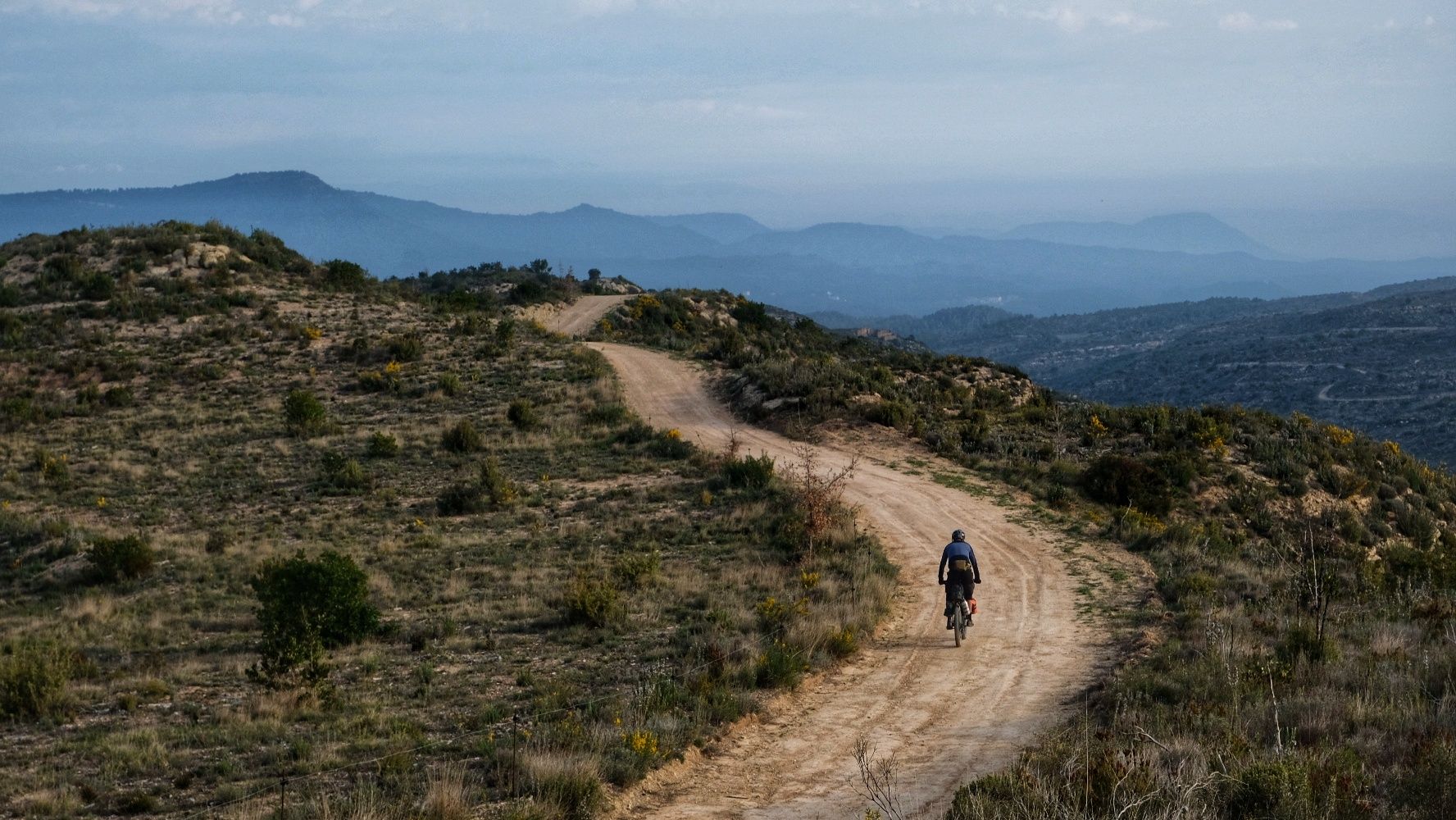
European Divide Trail — 7,600 km across the continent
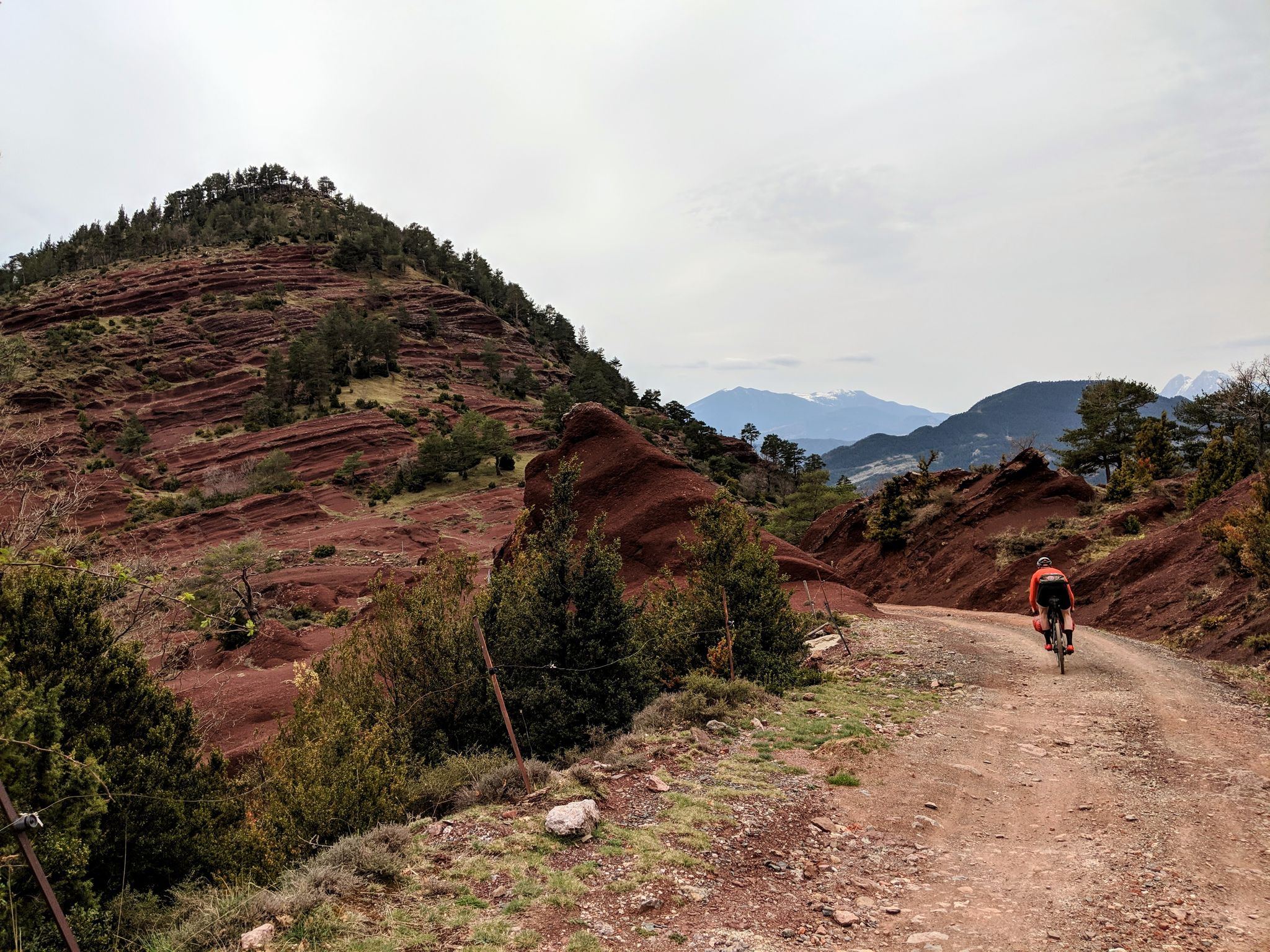
Catalunya Trail — Bikepacking in the Pyrenees
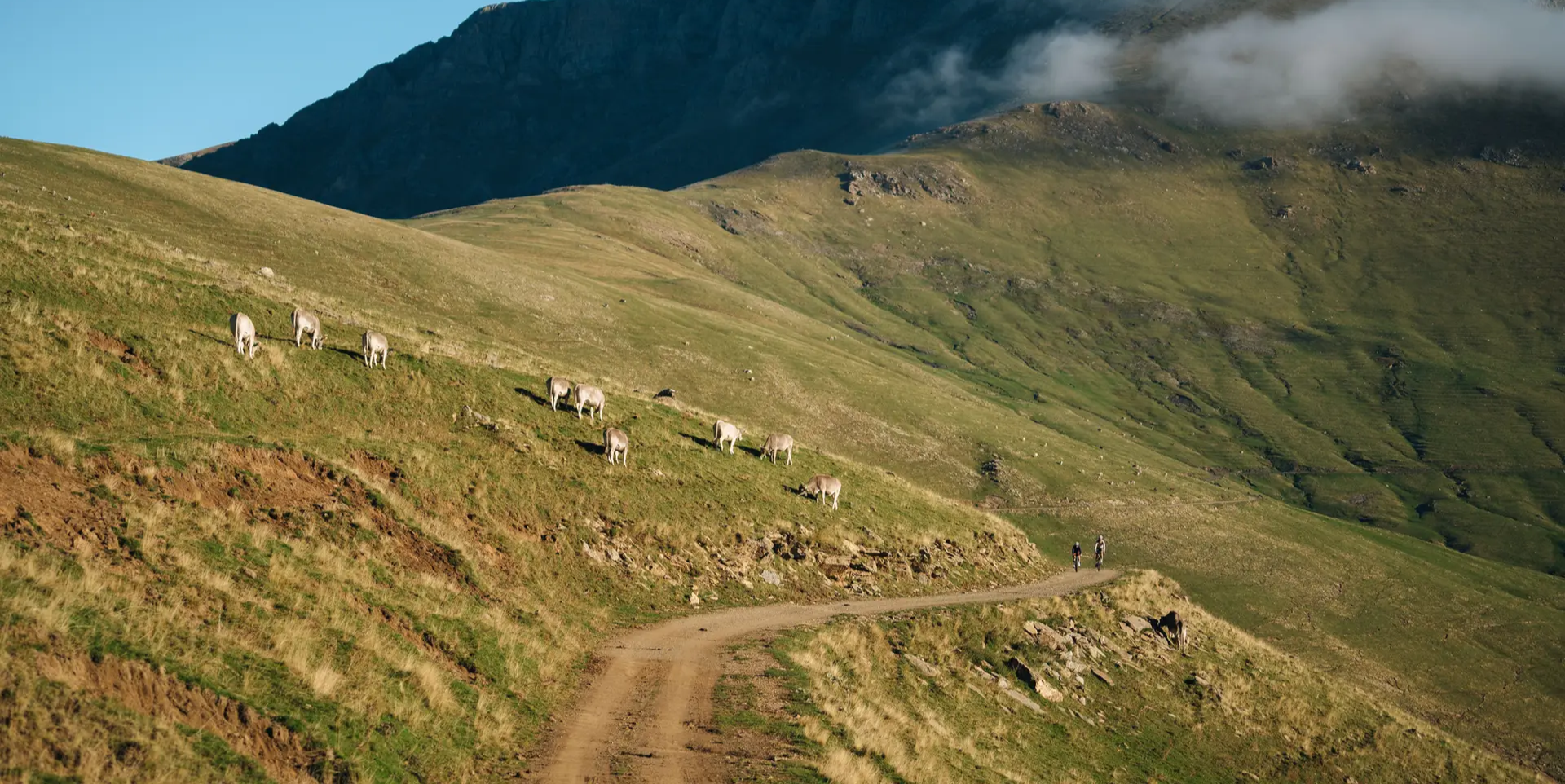
Grand Tour of Catalonia Gravel – your bikepacking adventure
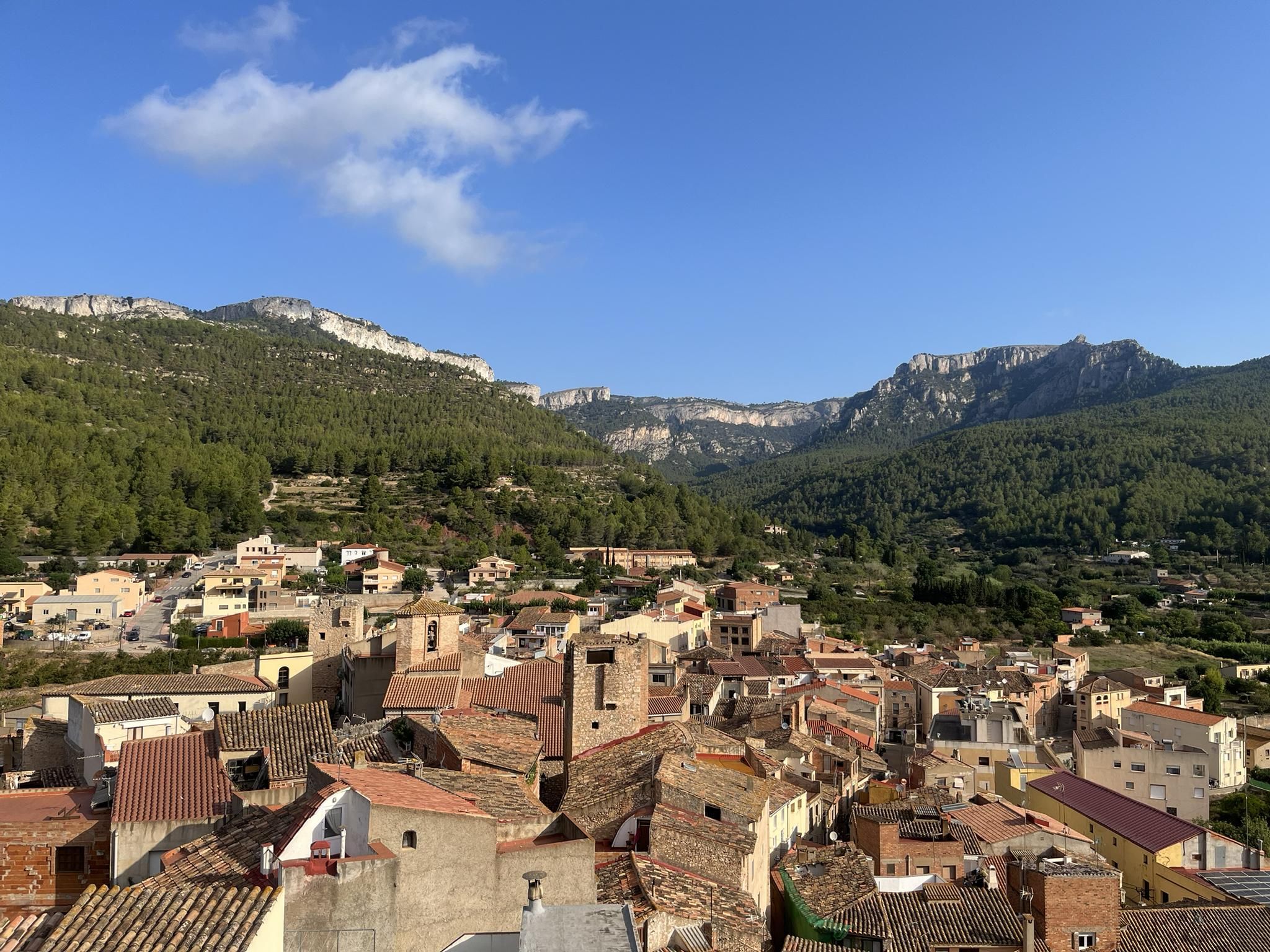
From Cambrils to the Ebro Delta - Camí del Vent (GR 192)
100 miles in paradise - Discover the Val d'Aran by UTMB
Panoramic Pyrenees – 15 hikers' peaks of over 3,000 metres
Pedals de Foc – An adventure through the Catalan Pyrenees
Road to Lisbon – bikepacking the Alps, Pyrenees and Picos de Europa
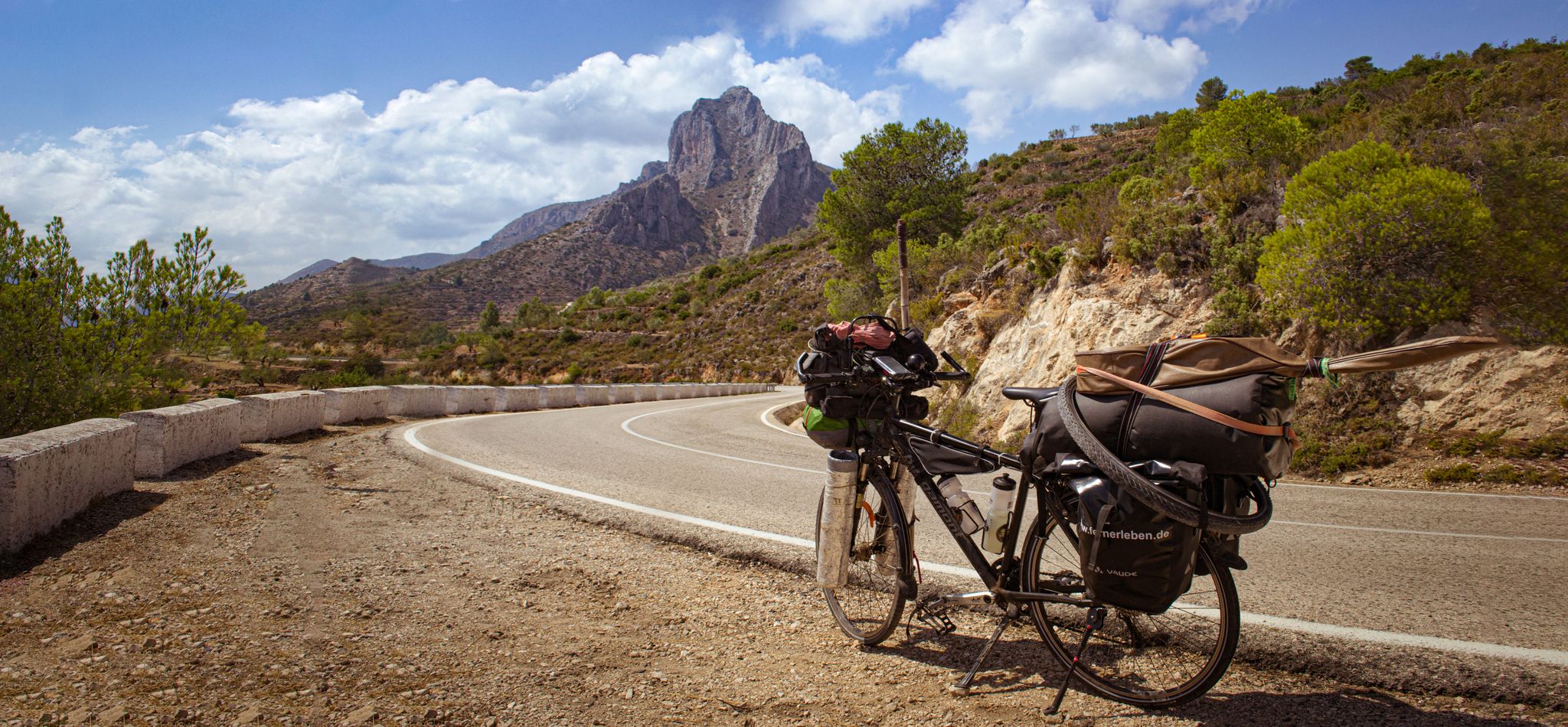
On the road to the sun — bikepacking to southeast Spain
Other adventures in Catalonia


Tips from the Community

At the foot of Tossa de Mar's old town lies the new town of Vila Nova, the tourist hub with its numerous bars, restaurants, and shops. In front of the new town is the large beach of Platja Gran, which is divided by the Tossa River along its edge facing the old town.
0
0

The restaurant has been closed since the fall of 2025.
1
0

Of the 120 cannons that once served to defend the city, only a few remain today
11
0

Beautiful old town to walk and look around
0
0

Tossa de Mar is a picturesque coastal town on the Costa Brava in Catalonia, Spain. It is known for its beautiful old town surrounded by medieval city walls and towers, as well as its idyllic beach and crystal clear waters. Particularly impressive is the well-preserved fortress **Vila Vella**, which stands high above the sea and offers stunning views of the coast. Combining Mediterranean beauty with historic charm, Tossa de Mar is a popular destination for travelers looking to enjoy culture, nature and beach relaxation.
1
0


The remains of Burriac Castle are almost a thousand years old. They are located at the top of Burriac Hill. One of the best ways to get to the castle is by following the local trail SL-C 115 from Cabrera de Mar.
3
1

Known in the early days as Castrum Sancti Vicentii, a name under which it has been recorded since 1023, its main domain belonged to the count of Barcelona. Even so, from the 11th century the Santvicenç family emerged, which was always a feudatària of the count's house and about which there is more information since the first years of the 12th century.
7
0
Frequently Asked Questions
What types of historical castles can I explore in Catalonia?
Catalonia offers a diverse range of castles, from medieval military strongholds to Romanesque churches and Templar fortresses. You can find imposing structures like the 9th-century Montgrí Castle, which was built between 1294 and 1301 by King Jaume II, or the well-preserved medieval architecture of Peratallada — Historic Village, which features a keep and palace from the 11th to 14th centuries. The region also boasts unique sites like the Sant Pere de Rodes Monastery, an exceptional piece of Catalan Romanesque architecture built under the ruins of a castle.
Which castles offer the best panoramic views of the region?
Many castles in Catalonia are strategically located to provide breathtaking views. Montgrí Castle offers wide views over the Alt- and Baix Empordà and the Mediterranean Sea. From the Sant Pere de Rodes Monastery, you can enjoy exceptional views over the bay of Llançà. The Burriac Castle, located on Burriac Hill, provides superb views of the central Maresme. Additionally, Montjuïc Castle in Barcelona offers impressive city and sea vistas.
Are there family-friendly castles to visit in Catalonia?
Yes, several castles in Catalonia are suitable for families. The Vila Vella Fortress in Tossa de Mar is a very well-preserved old town with small streets that families can enjoy exploring. Montjuïc Castle is also listed as family-friendly, offering green gardens and a military museum. The historic village of Begur, with its old town and castle, is another great option for families.
Can I find hiking trails near castles in Catalonia?
Yes, many castles are situated in areas with excellent hiking opportunities. For instance, the Burriac Castle is easily accessible via the local trail SL-C 115 from Cabrera de Mar. You can find various hiking routes throughout the region. For more detailed information on trails, you can explore guides like Hiking in Catalonia or Easy hikes in Catalonia.
What are some unique or less-known castles worth visiting in Catalonia?
Beyond the most popular sites, Catalonia holds several unique castles. The Castell de Púbol, also known as Gala Dalí Castle, is a medieval castle meticulously decorated by Salvador Dalí for his wife, offering an intimate glimpse into their world. Castell de Requesens, situated in the remote Serra de l'Albera mountains, is a medieval fortress with a unique 19th-century modernista remodeling, blending seamlessly with nature and offering spectacular panoramic views.
Are there castles in Catalonia with a connection to famous artists or unique cultural significance?
Absolutely. The Castell de Púbol (Gala Dalí Castle) is a prime example, acquired and decorated by surrealist artist Salvador Dalí for his wife, Gala. It showcases Dalí's distinctive style, his paintings, Gala's dresses, and symbolic elements. It's a key part of the 'Dalí triangle' and offers an intimate look into their private world.
What is the best time of year to visit castles in Catalonia?
The best time to visit castles in Catalonia generally depends on your preference for weather and crowds. Spring (April-May) and autumn (September-October) offer pleasant temperatures for exploring and hiking, avoiding the intense summer heat and larger crowds. Winter can be a quieter time, though some sites might have reduced hours. Always check specific castle opening times before your visit.
Which castles are located near the coast in Catalonia?
Catalonia's coastline features several castles with stunning sea views. The Vila Vella Fortress in Tossa de Mar is a well-preserved old town right on the coast. Castell de Tamarit is dramatically nestled on a rocky promontory directly above the Mediterranean Sea on the Costa Daurada. Castell de Calafell is perched on a hill above the coastal town of Calafell, offering breathtaking views of the Mediterranean seafront.
Are there castles that are well-preserved examples of military architecture?
Yes, Catalonia is rich in well-preserved military architecture. The Castell de Cardona is considered one of the most important medieval fortresses, renowned for never having been conquered by force. The Castell de Miravet is an outstanding example of Templar architecture, with formidable fortified walls and watchtowers. The Castell de Montsoriu, often called the largest Gothic castle in Catalonia, boasts a robust defensive system. The Castell de Sant Ferran in Figueres is Europe's largest bastion fortress, an enormous 18th-century military structure with extensive fortifications and unique underground water moats.
What kind of natural landscapes surround the castles in Catalonia?
The castles in Catalonia are set amidst diverse natural landscapes. You'll find fortresses perched on coastal cliffs overlooking the Mediterranean, like the Vila Vella Fortress. Others are nestled in mountainous regions, such as the Castell de Requesens in the remote Serra de l'Albera mountains, or atop conical hills offering panoramic views of river valleys, like the Castell de Cardona. The Sant Pere de Rodes Monastery is located within the natural park of Cap de Creus, providing exceptional views over the bay of Llançà.
What do visitors enjoy most about the castles in Catalonia?
Visitors frequently praise the historical immersion and stunning views offered by Catalonia's castles. Many appreciate the well-preserved architecture and the opportunity to step back in time, as seen in places like Vila Vella Fortress, described as a 'town like out of a picture book.' The panoramic vistas from castle viewpoints, such as those from Montgrí Castle, are also a major draw. The unique charm of medieval villages like Peratallada, with its cobbled streets and stone buildings, is also highly rated.
Most popular routes in Catalonia
Most popular attractions in Catalonia

Get inspired with the komoot mobile app


Didn’t find what you were looking for?
Explore Catalonia’s best castles region by region:
Explore more
Looking for the best castles somewhere else? Discover other guides in Catalonia:
