Top 20 Mountain Passes in Catalonia
Best mountain passes in Catalonia feature diverse landscapes ranging from coastal hills to high Pyrenean peaks. The region's geography includes the Mediterranean coast, central plains, and the Pyrenees mountain range, offering varied terrain. Catalonia holds historical significance, with many passes serving as ancient trade routes or strategic points. Its natural environment provides a setting for outdoor activities across different elevations.
Best mountain passes in Catalonia
- The most popular mountain passes is Santa Pellaia Pass, a mountain pass that offers…
Last updated: August 20, 2026
Santa Pellaia Pass
Highlight (Segment) • Mountain Pass
Tip by

Parpers Pass
Highlight • Mountain Pass
Translated by Google •
Tip by

Sign up now to discover places like this
Get recommendations on the best single tracks, peaks, & plenty of other exciting outdoor places.
Sign up for free
Coll de les Ventoses
Highlight • Mountain Pass
Translated by Google •
Tip by

La Ganga Pass from Calonge
Highlight (Segment) • Mountain Pass
Tip by

Banyuls Pass
Highlight • Mountain Pass
Translated by Google •
Tip by

Collformic (1145m)
Highlight • Mountain Pass
In summer it can be quite exposed, but as it is not too steep and …
Showing Translation
Tip by

Orrius Pass - Sant Bartomeu Pass
Highlight (Segment) • Mountain Pass
Translated by Google •
Tip by

Coll de la Creueta
Highlight • Mountain Pass
Translated by Google •
Tip by

Ascent to Col du Portillon from Bossòst
Highlight (Segment) • Mountain Pass
Translated by Google •
Tip by

Coll de la Creu d’en Barraquer
Highlight • Mountain Pass
Translated by Google •
Tip by
Sign up for free to discover even more mountain passes in Catalonia.
Sign up for free
Already have an account?
Start today with a free account
Your next adventure awaits.
Login or Signup
Popular around Catalonia

Triathlon 360 – my journey around the world
European Divide Trail — 7,600 km across the continent
Catalunya Trail — Bikepacking in the Pyrenees
Grand Tour of Catalonia Gravel – your bikepacking adventure
From Cambrils to the Ebro Delta - Camí del Vent (GR 192)
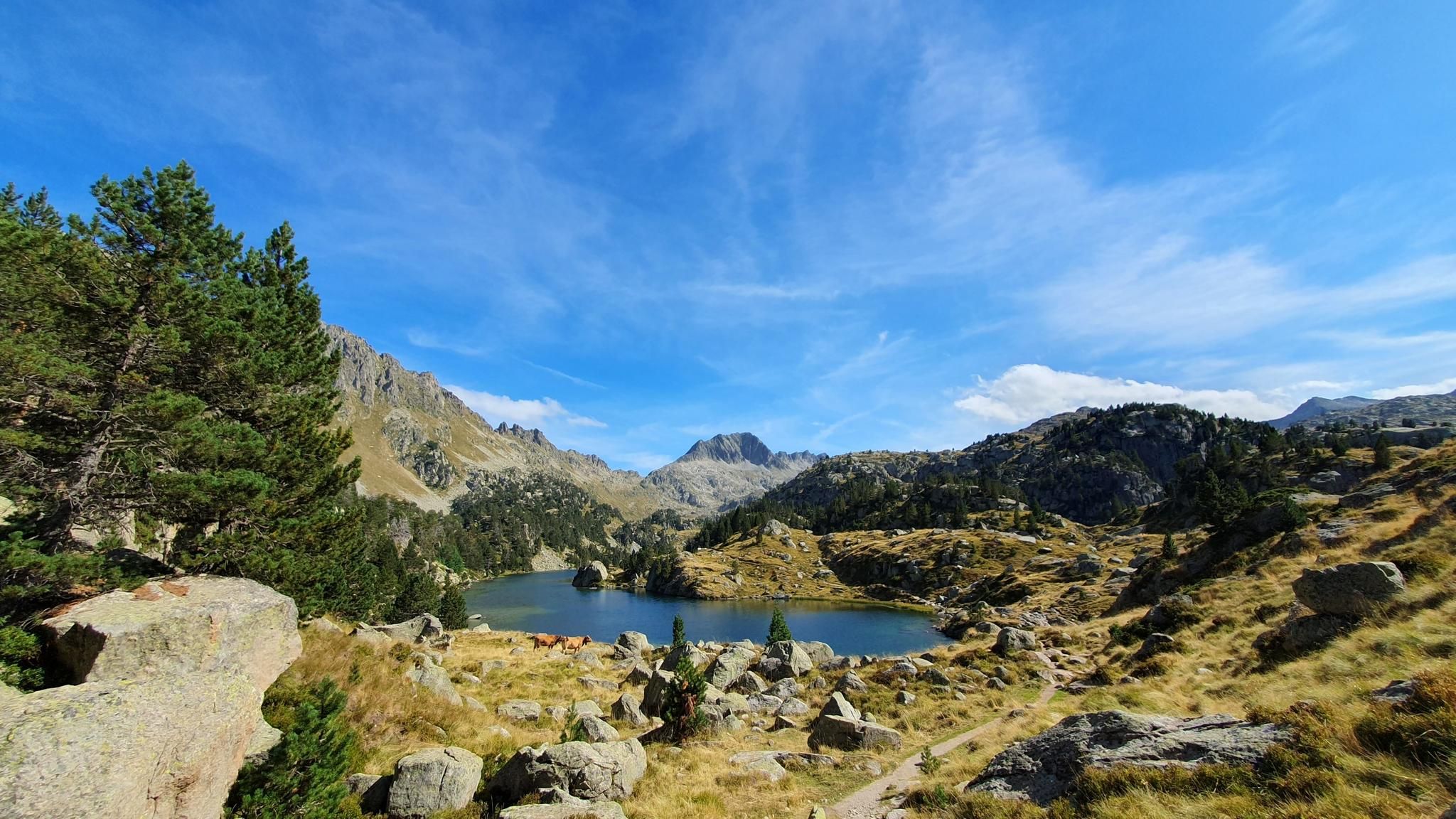
100 miles in paradise - Discover the Val d'Aran by UTMB
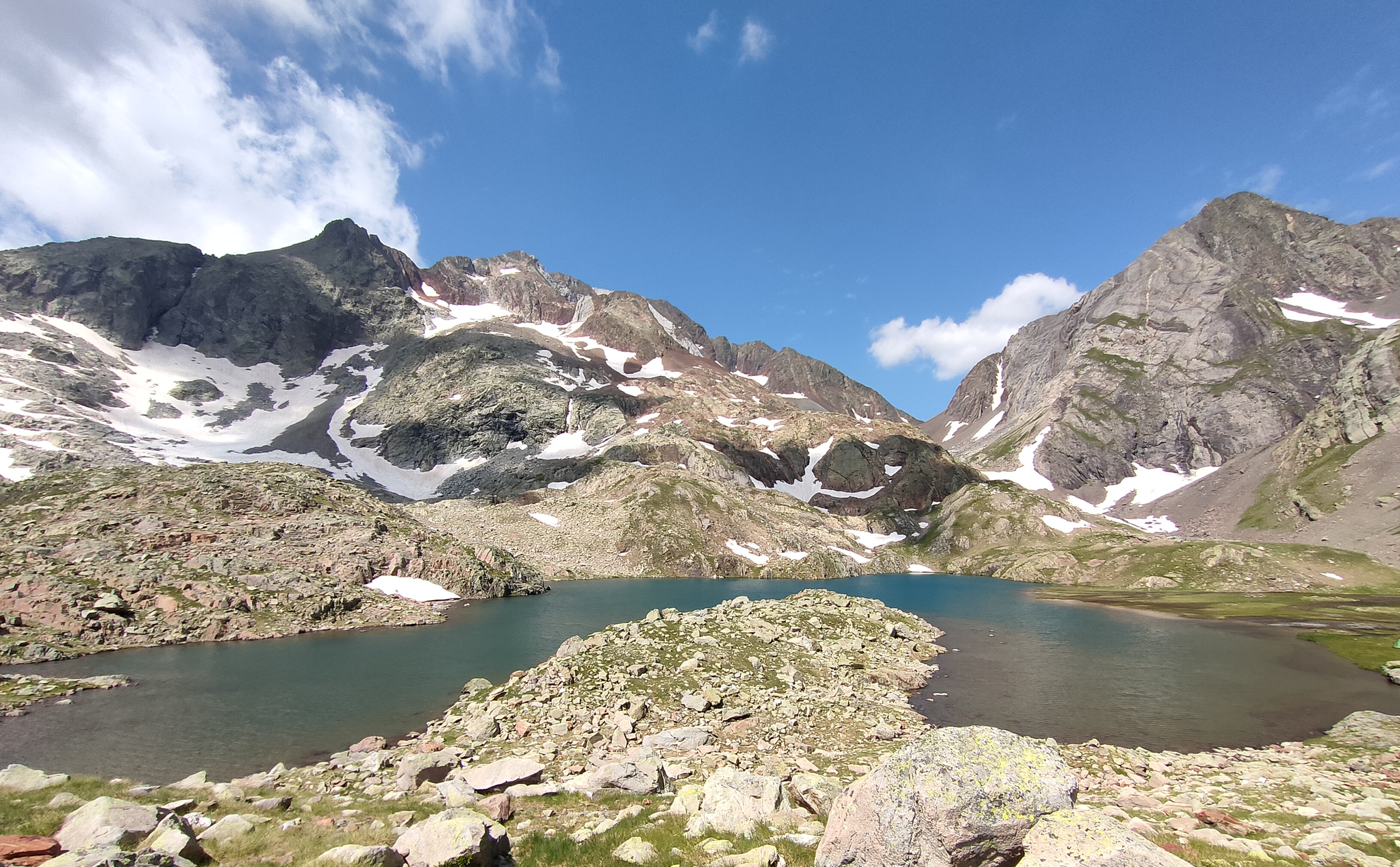
Panoramic Pyrenees – 15 hikers' peaks of over 3,000 metres
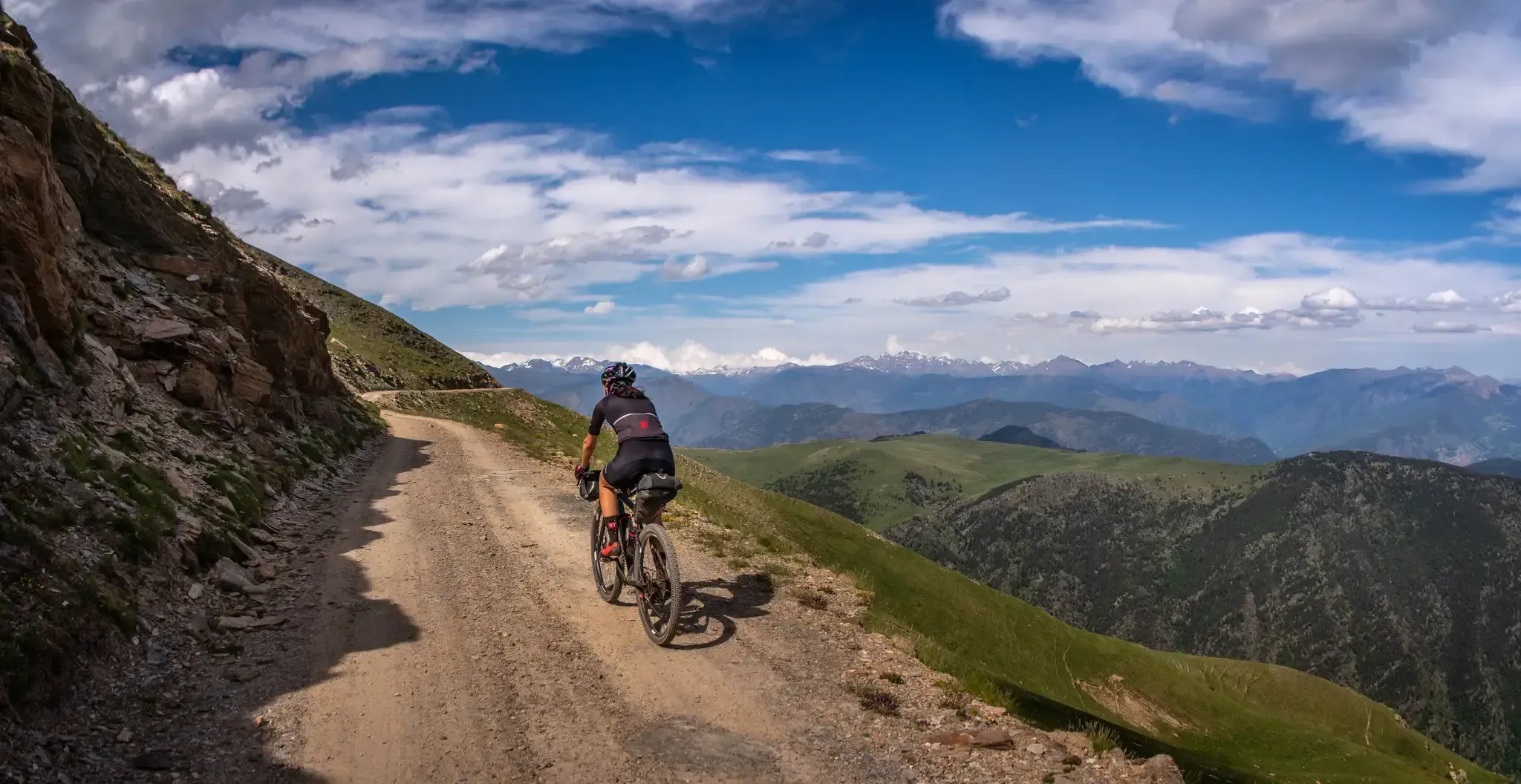
Pedals de Foc – An adventure through the Catalan Pyrenees
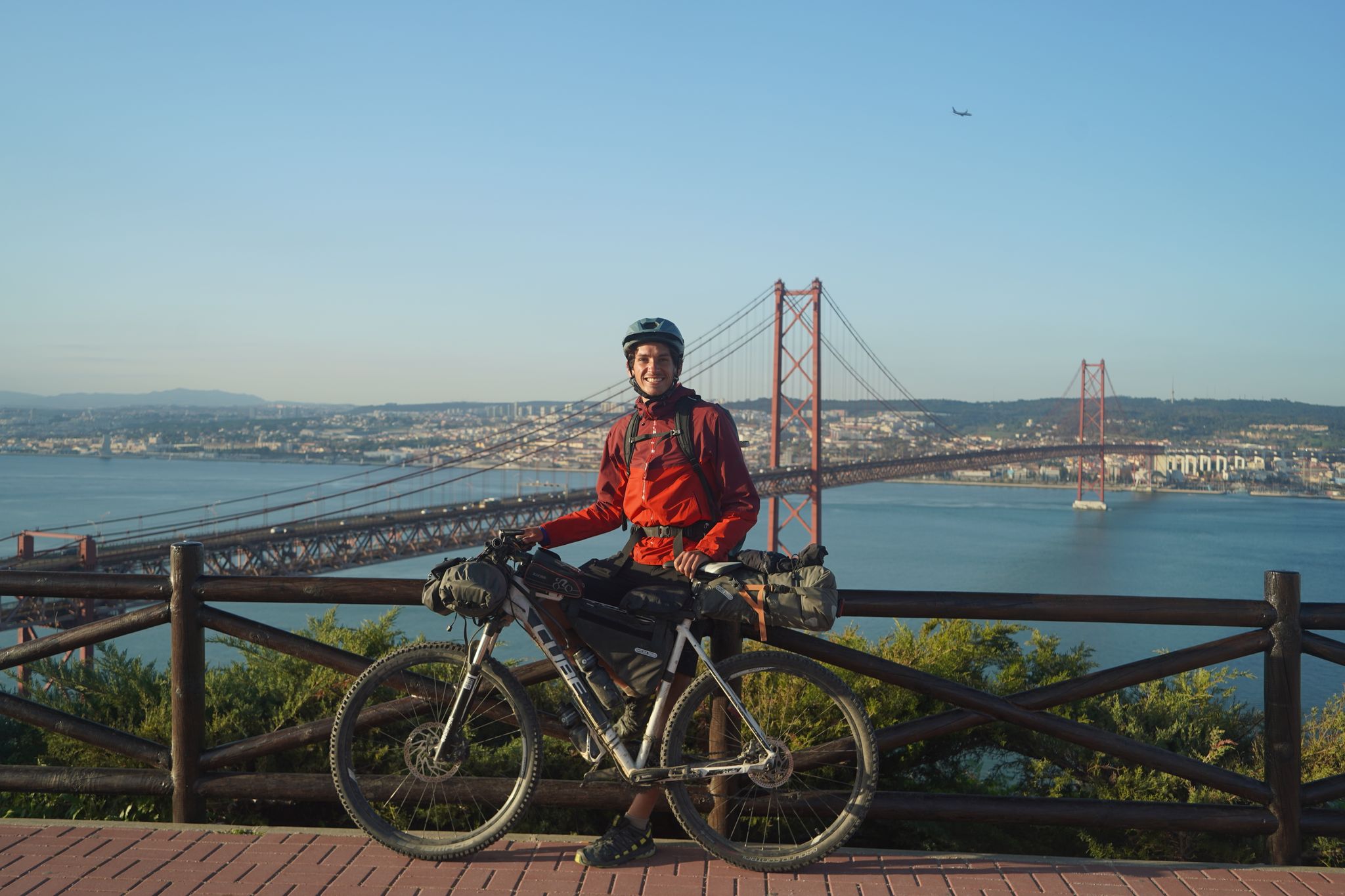
Road to Lisbon – bikepacking the Alps, Pyrenees and Picos de Europa
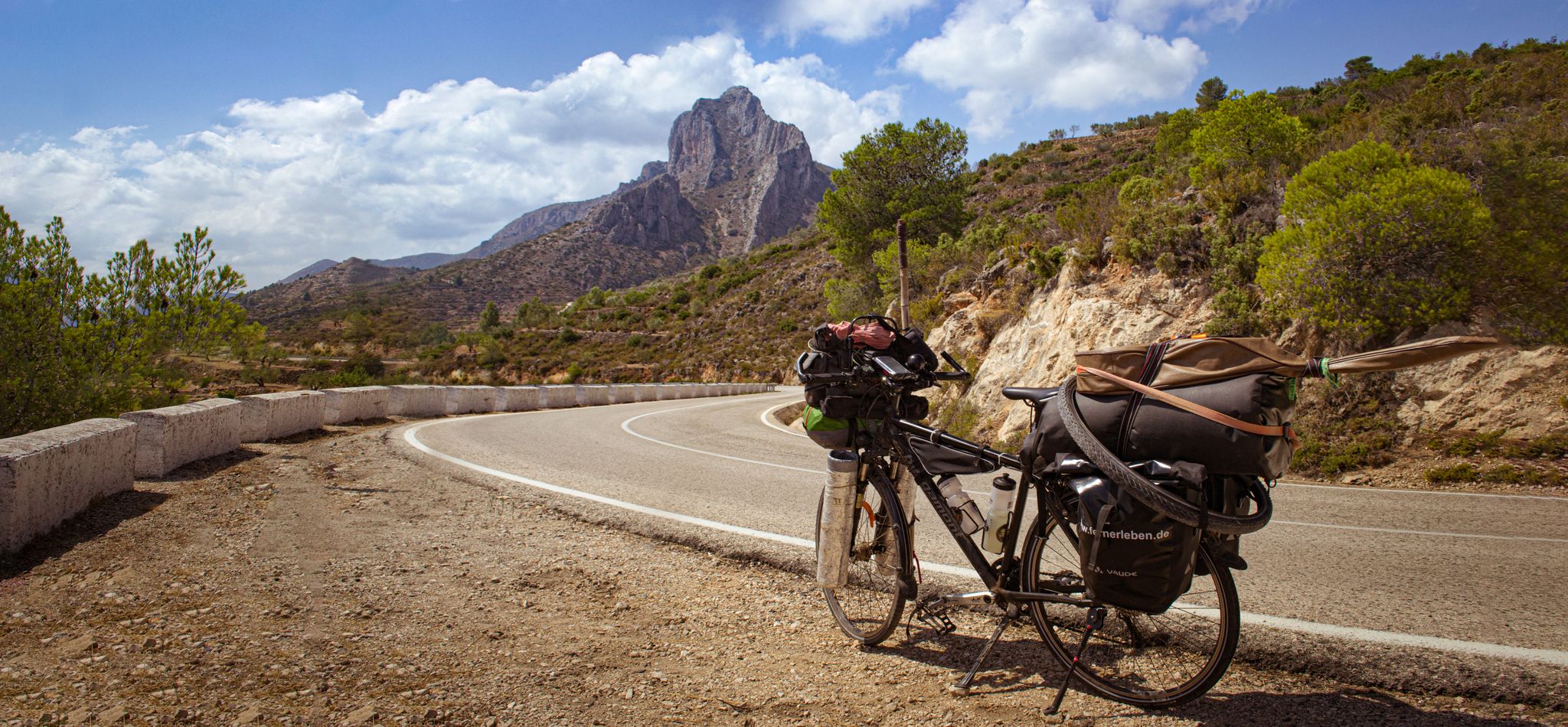
On the road to the sun — bikepacking to southeast Spain
Other adventures in Catalonia


Tips from the Community


Suitable for everyone, shaded and perfect for summer
0
0
Perfect climb, suitable for everyone!
0
0

Beautiful road marked on every bend by posts celebrating Spanish winners of the Tour de France, and kilometre markers with gradient, altitude etc. it finishes at the border, which is the col.
0
0

Parking is difficult in the area after 10:00. The area is beautiful and has great views. You can take a practically flat route (Collformic to the ruins of El Café, but it's not circular), a more challenging one like Matagalls. And many more!
0
0

Beautiful serpentine route with moderate gradient.
0
0

Beautiful, even, climb. Definitely a great option from Montseny back towards Viladrau
0
1

The uphill stretch from Roca del Valles isn't difficult and is a lovely greenery. The descent to the Orrius junction is similar.
1
0
Frequently Asked Questions
What are some of the most popular mountain passes in Catalonia for cyclists?
Catalonia offers numerous popular mountain passes for cyclists. Among them, Santa Pellaia Pass is highly recommended for its great road surface, flowing corners, and scenic views. Another favorite is Coll de les Ventoses, known for its constant average gradient and panoramic views of the Penedès plain and the Mediterranean Sea. For a classic climb, many cyclists head to Coll Formic Pass (1,145 m) in Montseny, which features continuous slopes.
Are there any mountain passes in Catalonia with historical significance?
Yes, several mountain passes in Catalonia hold historical importance. Banyuls Pass, for instance, served as a route for many people fleeing to France during the Franco regime, with memorial plaques at the pass commemorating this history. Coll d'Ares, straddling the border with France, also played a role during the Spanish Civil War. These passes offer a blend of natural beauty and a connection to the region's past.
What kind of views can I expect from the mountain passes in Catalonia?
The mountain passes in Catalonia offer a diverse range of breathtaking views. From Coll de les Ventoses, you can enjoy panoramic vistas of the Penedès plain and the Mediterranean Sea. Passes like Port del Cantó provide beautiful views of the Noguera Pallaresa valley, while Coll d'Ares offers stunning natural beauty, including glimpses of the iconic Canigó peak. Collada de Toses provides pleasant views into the Montgrony Mountains and the Serra de Cadí range, and Coll de Bracons rewards visitors with spectacular views of the Puigsacalm massif and the Garrotxa volcanic zone.
When is the best time to visit the mountain passes in Catalonia?
The best time to visit mountain passes in Catalonia largely depends on the altitude and your planned activity. Many passes, especially those in the Pyrenees like Port del Cantó, Coll d'Ares, and Collada de Toses, can experience snow and extreme temperatures during winter months, making access difficult or impossible. Generally, these higher passes are best visited from mid-April to November. Lower passes and those not in the high Pyrenees may be accessible year-round, but always check local conditions, especially for snow, before planning your trip.
Are there family-friendly mountain passes in Catalonia?
Yes, there are mountain passes in Catalonia that are suitable for families. Can Benet Pass is noted as family-friendly and offers facilities. When choosing a pass for a family outing, look for those with easier gradients, good road surfaces, and amenities like parking or cafes. Always consider the specific activity (e.g., a gentle walk versus a challenging bike ride) and the fitness level of all family members.
What outdoor activities can I do near the mountain passes in Catalonia?
The areas around Catalonia's mountain passes are perfect for various outdoor activities. You can find excellent opportunities for gravel biking, with routes like 'Girona - Gravel ride along the Riu Ter' or 'From the mountains to the sea with the Gravelbike'. For hikers, there are numerous trails, from easy hikes such as 'Tour around Lake Banyoles' to more challenging routes like 'Montserrat: from the Monastery to Sant Jeroni'. You can explore more options for these activities in our guides on Gravel biking in Catalonia and Hiking in Catalonia.
Are there any mountain passes known for challenging climbs in Catalonia?
Absolutely. Catalonia is home to several mountain passes renowned for their challenging climbs, particularly popular with cyclists. Port del Cantó is recognized for its challenging length and gradients. Coll de Bracons is known for its demanding gradients, with the final 5 kilometers featuring an average gradient exceeding 8% and ramps up to 14%. Ascent to Col du Portillon from Bossòst is also categorized as challenging, as is the approach to Banyuls Pass from the French side, with ramps of 14-20%.
What facilities are available at or near the mountain passes?
Facilities vary by pass. Some passes, like Coll Formic Pass (1,145 m), offer parking areas and even an information point on weekends and public holidays, along with a cafe that's open in summer. Banyuls Pass has a small, publicly accessible refuge with a table, oven, and extra bedroom, plus a spring. For other passes, it's advisable to check specific highlight details for available amenities.
Can I find forested areas and natural monuments around the mountain passes?
Yes, many mountain passes in Catalonia are surrounded by beautiful natural landscapes, including dense forests. La Ganga Pass from Calonge and Coll de la Creu d’en Barraquer are both situated in forested areas. Col du Portillon is particularly known for its dense and beautiful forests of beech, almond, and cherry trees, transitioning to fir forests on the descent. Collada de Toses also features much of its route through forested terrain.
What do visitors enjoy most about the mountain passes in Catalonia?
Visitors frequently praise the stunning panoramic views, the quality of the roads for cycling, and the sense of tranquility. Many appreciate the challenging yet rewarding climbs, the diverse landscapes ranging from coastal hills to high Pyrenean peaks, and the opportunities for various outdoor activities. The low traffic on many routes and the well-maintained asphalt are also commonly highlighted in visitor tips, along with the chance to experience both natural beauty and historical significance.
Are there mountain passes that offer views of the Garrotxa volcanic zone?
Yes, Coll de Bracons, located between Sant Pere de Torelló and La Vall d'en Bas, offers spectacular views that include the Garrotxa volcanic zone. This pass is known for its demanding gradients but rewards visitors with expansive vistas of the surrounding natural landscape, including the unique volcanic features of the region.
Which mountain passes are part of major cycling races like the Tour de France or La Vuelta a España?
Several mountain passes in Catalonia have been featured in prestigious cycling events. Port del Cantó is a significant pass in the Catalan Pyrenees that has been a frequent feature in races like the Tour de France and La Vuelta a España. Coll d'Ares and Col du Portillon, both straddling the border with France, have also been part of the Tour de France and La Vuelta a España routes, highlighting their challenging nature and scenic appeal for professional cyclists.
Most popular routes in Catalonia
Most popular attractions in Catalonia

Get inspired with the komoot mobile app


Didn’t find what you were looking for?
Find even more amazing mountain passes in Catalonia organized by region:
Explore more
See even more epic mountain passes by checking out these guides in Catalonia:
