Wurmtal Südlich Herzogenrath, Einschließlich Meisbach, Würselen
Wurmtal Südlich Herzogenrath, Einschließlich Meisbach, Würselen
Easy hikes and walks in Wurmtal Südlich Herzogenrath, Einschließlich Meisbach, Würselen
4.5
(19371)
79,520
hikers
27
hikes
Easy hiking trails in Wurmtal Südlich Herzogenrath, Einschließlich Meisbach, Würselen traverse a diverse natural landscape shaped by the Wurm River. The region features meandering lowland river sections, open floodplains, meadows, and extensive forest areas, including silver willow floodplain forests. Elevations are generally gentle, with hills under 200m, making it suitable for accessible walks. The area is a designated nature reserve, offering varied ecosystems and historical elements along its paths.
Best easy hiking trails in Wurmtal Südlich Herzogenrath, Einschließlich Meisbach, Würselen
…Last updated: October 3, 2026
4.2
(46)
165
hikers
4.92km
01:20
70m
70m
Easy hike. Great for any fitness level. Easily-accessible paths. Suitable for all skill levels.
4.8
(410)
1,702
hikers
6.21km
01:39
70m
70m
Easy hike. Great for any fitness level. Easily-accessible paths. Suitable for all skill levels.

4.8
(333)
1,436
hikers
5.13km
01:22
60m
60m
Easy hike. Great for any fitness level. Easily-accessible paths. Suitable for all skill levels.
4.8
(82)
162
hikers
5.06km
01:22
70m
70m
Easy hike. Great for any fitness level. Easily-accessible paths. Suitable for all skill levels.
4.5
(42)
176
hikers
Easy hike. Great for any fitness level. Easily-accessible paths. Suitable for all skill levels.
Get access to more routes and recommendations from other explorers.
Already have an account?
Our route recommendations are based on thousands of hikes, rides, and runs completed by other people on komoot.
Start today with a free account
Your next adventure awaits.
Popular around Wurmtal Südlich Herzogenrath, Einschließlich Meisbach, Würselen
Other adventures in Wurmtal Südlich Herzogenrath, Einschließlich Meisbach, Würselen

Tips from the Community

The nature reserve, located north of the city of Aachen in the area of the cities of Würselen and Herzogenrath on both sides of the Wurm river, is approximately 445 hectares in size and is largely characterized by freely flowing meanders of the Wurm river in the open floodplain.
0
0

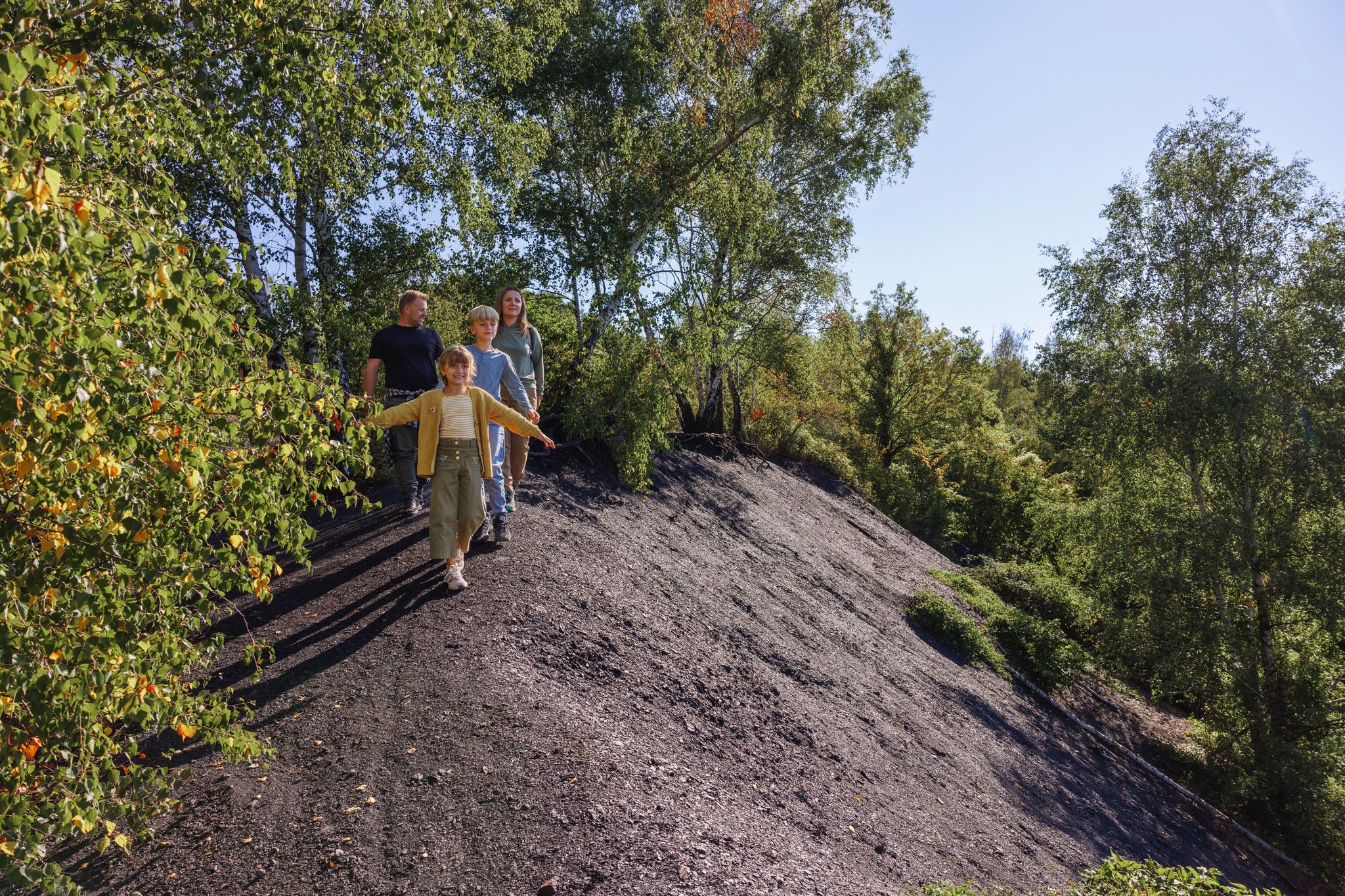
The viewpoint on the former limestone spoil heap near Würselen-Teuterhof offers views primarily of the immediate surroundings: adjacent fields, wooded areas, the districts of Würselen, and the former Teuterhof industrial site. The elevated position provides a good impression of the landscape's structure, without offering a distant view. The spoil heap originates from the former limestone quarrying that took place here for decades and shaped the region's economy. The deposited material is a remnant of this industrial activity. After operations ceased, the spoil heap was gradually secured and renaturalized. Today, it is part of the local recreation area and an example of the transformation from an industrially dominated site to a landscape integrated into the surrounding countryside.
1
0
Beautiful view of fields and meadows along the Wurm river
0
0

The Wurmtal, near Aachen, contains unique habitats specifically designed for rare toads and other amphibians. This area is an important refuge for species that are increasingly under pressure elsewhere in Europe due to desiccation, urbanization, and loss of suitable habitat. The combination of natural dynamics and targeted nature management makes the Wurmtal a vital component of regional and cross-border nature conservation. The habitats consist of small, shallow pools and temporary ponds, often in open, sunny locations. These simple water features are particularly important for species like the yellow-bellied toad and the midwife toad, which lay their eggs in warm, fishless water. Because these ponds can dry up periodically, predators have little chance, increasing the survival chances of larvae. Around the ponds, stony subsoil, loose bottoms, and shelters made of wood and stones provide ideal conditions for resting, hunting, and overwintering. What makes these habitats particularly special is that they are part of a continuous network of habitats. This allows the toads to move between breeding grounds and habitats, which is crucial for maintaining healthy populations. The area's management focuses on maintaining openness, removing excessive vegetation, and creating new ponds when old ones disappear. This keeps the landscape dynamic, precisely what these amphibians need. For visitors to the Wurmtal, these biotopes are usually not immediately noticeable, but they form a quiet, fragile world right next to hiking trails and nature reserves. Information panels and conservation measures emphasize the importance of tranquility and respect for nature. The biotopes for rare toads demonstrate how careful nature management can contribute to biodiversity and how even small landscape elements can be vital to the survival of endangered species.
2
0
The Wurm Valley refuge near Herzogenrath is a small but meaningful sanctuary nestled in the tranquil landscape of the Wurm. Situated on a walking and cycling path along the meandering river, the refuge offers shelter from rain and wind, but above all, a place to pause and take in the surrounding valley. Surrounded by lush greenery, with the Wurm gently flowing through the valley, this place offers a moment of solitude and contemplation in everyday life or during a longer hike through nature.
1
0
The Alter Landgraben Hollow Road is a unique landscape feature that demonstrates a centuries-old connection between humans and their environment. This hollow road, worn through centuries of use, traverses a rolling hilly landscape and follows the contours of the natural relief, while its name refers to the nearby fortifications of the old Alter Landgraben land border. The path thus tells the story of both daily movement and strategic planning: generations of farmers, travelers, and merchants walked here, while the surrounding water and ditches served as part of the area's defense and drainage system.
1
0
The entrance to the Gouley mine tunnel, also known as the Stollenmundloch, is located in the picturesque Wurmtal valley near Würselen/Morsbach in Germany. This tunnel was an important part of Grube Gouley, one of the oldest coal mines in the Aachen region, first mentioned in 1599 under the name "Gute Ley." Gouley was one of the longest-operating coal mines in the region, with mining operations continuing until 1969. The tunnel was originally used for coal extraction and later for dewatering the mine, as underground mines often caused water problems. Today, water still flows from the tunnel into the Wurm, a clear sign of the landscape's industrial past. Although the tunnel is not open to visitors, the entrance itself is a tangible industrial monument and bears witness to centuries of mining tradition. Over the centuries, Gouley has enjoyed a rich and eventful history. In the 19th century, the mine was modernized with steam engines for water and coal extraction. In 1834, a sudden ingress of water led to a serious mining accident in which several miners died. This tragedy resulted in stricter safety measures in the Aachen region. Later in the 19th and 20th centuries, the mine was further expanded with rail and coal transport, and it became a major employer in the region. Following the declining demand for coal and the changing energy market, Gouley finally closed its doors on March 31, 1969. Today, the area around the tunnel is part of hiking trails through the Wurmtal, where visitors can discover traces of the industrial past: remnants of old railway lines, railway bridges, workers' houses, and the contours of former mining sites. This combination of nature and industrial heritage makes the area particularly attractive for hikers and cyclists. The Wurmtal itself offers a beautiful river landscape where forests, streams, and valleys blend harmoniously, creating a serene experience of Gouley's historical context. The Gouley Mine Tunnel symbolizes the region's long mining tradition and illustrates how an industrial landscape can transform into a place of natural recreation and remembrance. Walkers along the path alongside the tunnel literally experience the traces of the past while enjoying the tranquility of the watercourse and the surrounding green landscape. It is a place where history, nature, and culture converge, telling the story of human endeavor, technological progress, and the resilience of the landscape.
0
0
A landscape where nature, geology, and industrial history converge From this vantage point, an impressive panorama unfolds over the Wurmtal, one of the most beautiful river valleys in the Aachen region. The valley is formed by the Wurm River, which meanders through a patchwork of meadows, forest edges, and steep slopes. The landscape exudes tranquility yet simultaneously carries a centuries-old story of natural forces, mining, and human labor.
2
0
Frequently Asked Questions
How many easy hiking trails are available in Wurmtal Südlich Herzogenrath, Einschließlich Meisbach, Würselen?
The region offers a selection of 20 easy hiking trails, perfect for relaxed walks. In total, there are 26 routes available, catering to various preferences.
What kind of terrain can I expect on easy hikes in the Wurmtal?
Easy hikes in the Wurmtal feature generally gentle elevations, with hills typically under 200 meters. You'll traverse diverse natural landscapes shaped by the Wurm River, including meandering lowland river sections, open floodplains, meadows, and extensive forest areas. The paths are well-suited for accessible walks.
Are there family-friendly easy hikes in Wurmtal Südlich Herzogenrath?
Yes, the gentle terrain and diverse natural environment make many of the easy trails ideal for families. Routes like the Gouley Tour Würselen-Morsbacher Heide offer a pleasant exploration suitable for all ages.
Can I bring my dog on the easy hiking trails in the Wurmtal?
The Wurmtal is a popular area for dog walkers, and many of the easy trails are suitable for dogs. As it's a designated nature reserve, please ensure your dog is kept on a leash, especially near wildlife habitats, and always clean up after your pet.
What natural features or wildlife can I see along the easy trails?
The Wurmtal is a nature reserve with rich biodiversity. You can observe the meandering Wurm River near Würselen, diverse ecosystems including riparian forests, and potentially spot various bird species like kingfishers, falcons, and water rails. Keep an eye out for rare orchids and even ringed snakes or water shrews. The Biotope for Rare Toads is another interesting natural highlight.
Are there any historical landmarks to explore on these easy routes?
Yes, the Wurmtal is rich in history. You can encounter remnants of mining activities, sections of the historical "Aachener Landgraben" border fortifications, and even parts of the "Westwall" (Siegfried Line). The impressive ruins of Wilhelmstein Castle, a 14th-century site, are also a notable landmark within the valley.
Are there circular easy walks available in Wurmtal Südlich Herzogenrath?
Many of the easy routes in the Wurmtal are designed as circular walks, allowing you to start and end at the same point. Examples include the Wurm River near Würselen – Teuterhof loop from Würselen and the Gut Paulinenwäldchen – Old Landgraben Hollow Way loop from Tivoli.
Where can I park when visiting the Wurmtal for a hike?
Parking options are available at various entry points to the Wurmtal, particularly near popular trailheads in Würselen and Herzogenrath. Specific parking information is often detailed on individual route pages, such as those for the Teuterhof – Granite Eggs in the Wurmtal loop from Würselen.
What is the best time of year to go hiking in Wurmtal Südlich Herzogenrath?
The Wurmtal is enjoyable year-round. Spring brings blooming flora, summer offers lush greenery, and autumn showcases vibrant foliage. Even in winter, the trails can be beautiful, though some paths might be muddy. The mild elevations make it accessible in most conditions.
What do other hikers say about the easy trails in the Wurmtal?
The easy trails in Wurmtal Südlich Herzogenrath are highly rated by the komoot community, with an average score of 4.4 stars from over 600 reviews. Hikers often praise the natural beauty of the Wurm River, the peaceful forest sections, and the well-maintained paths that make for a relaxing outdoor experience.
Are there any unique geological features to see?
Yes, the valley offers insights into geological development through its old quarries and gravel pits. You can also find interesting features like the Granite Eggs at Kalkhalde Teuterhof and the Limestone Heap and Gouley Granite Eggs, which are unique man-made monuments within the natural landscape.
Can I combine hiking with other activities in the Wurmtal?
Absolutely. The Wurmtal is a vital recreational area. While primarily known for hiking, some sections of the trails are also used for cycling. You might also find spots ideal for picnicking or simply enjoying the tranquility of nature, such as near the Wolfsfurth Bridge over the Wurm River.
Most popular routes in Wurmtal Südlich Herzogenrath, Einschließlich Meisbach, Würselen
Most popular attractions in Wurmtal Südlich Herzogenrath, Einschließlich Meisbach, Würselen

Get inspired with the komoot mobile app


Explore more
Browse the best Hikes in other regions.
