The best dog-friendly hikes and walks in Wurmtal Südlich Herzogenrath, Einschließlich Meisbach, Würselen
4.5
(19376)
79,562
hikers
11
hikes
Dog friendly hiking trails in Wurmtal Südlich Herzogenrath, Einschließlich Meisbach, Würselen traverse a diverse landscape shaped by the meandering Wurm River. The region features a protected valley with woods, meadows, and wetlands, recognized for its ecological importance. Historical elements like Wilhelmstein Castle and remnants of the Aachener Landgraben are integrated into the natural surroundings. The terrain offers a mix of riverside paths and routes through varied natural habitats.
Best dog friendly hiking trails in Wurmtal Südlich Herzogenrath, Einschließlich Meisbach, Würselen
…Last updated: October 12, 2026
4.8
(410)
1,702
hikers
6.21km
01:39
70m
70m
Easy hike. Great for any fitness level. Easily-accessible paths. Suitable for all skill levels.
4.8
(333)
1,436
hikers
5.13km
01:22
60m
60m
Easy hike. Great for any fitness level. Easily-accessible paths. Suitable for all skill levels.

4.3
(16)
73
hikers
9.61km
02:40
180m
180m
Moderate hike. Good fitness required. Easily-accessible paths. Suitable for all skill levels.
4.3
(6)
37
hikers
3.22km
00:53
50m
50m
Easy hike. Great for any fitness level. Easily-accessible paths. Suitable for all skill levels.
4.3
(4)
18
hikers
6.72km
01:51
120m
120m
Easy hike. Great for any fitness level. Easily-accessible paths. Suitable for all skill levels.
Get access to more routes and recommendations from other explorers.
Already have an account?
Our route recommendations are based on thousands of hikes, rides, and runs completed by other people on komoot.
Start today with a free account
Your next adventure awaits.
Popular around Wurmtal Südlich Herzogenrath, Einschließlich Meisbach, Würselen
Other adventures in Wurmtal Südlich Herzogenrath, Einschließlich Meisbach, Würselen

Tips from the Community

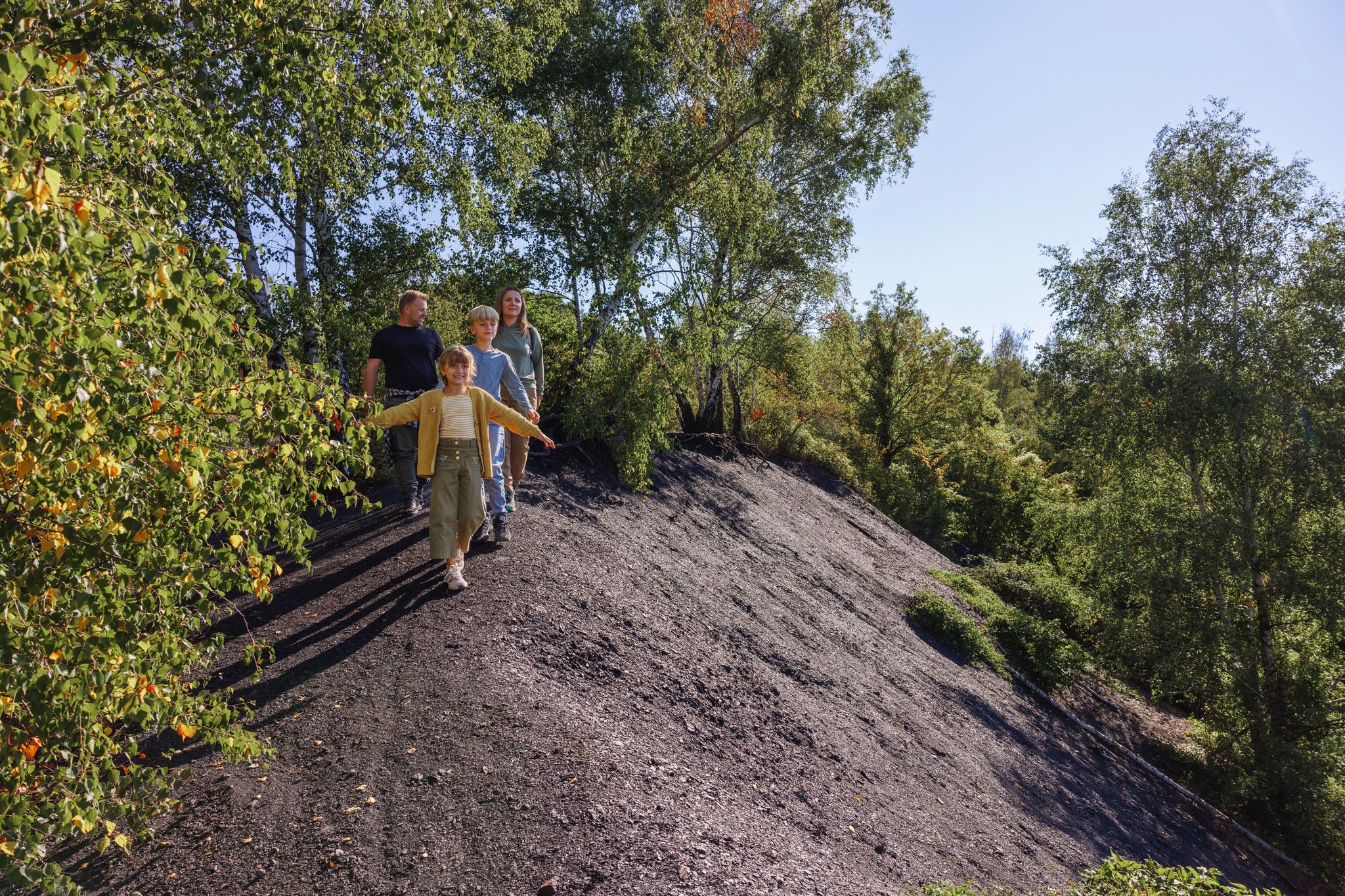
Here is the information point of the Kalkhalde Teuterhof. The white hill really glares in the sun.
1
0
Remains of the former Gouley mine, including the old railway viaduct. Have you been there before?
1
0

"The roots of the Stolberg – Kohlscheid line reach back to the early days of Aachen's railway history, but its decline also began very early. And the history of this railway is closely linked to coal mining in the Wurm region. ..." FURTHER INFORMATION: https://www.eisenbahn-stolberg.de/0-inhaltsverzeichnis/stolbergs-eisenbahnstrecken/stolberg-hbf-wurselen-kohlscheid/
0
0

The Kalkhalde Teuterhof is a unique artificial hill in the Wurmtal valley near Würselen in North Rhine-Westphalia (Germany). It originated as an industrial waste product from chemical production in the region around the beginning of the 20th century. Unlike many other limestone mounds in the Euregion, which are the result of mining, this limestone mound consists of carboniferous limestone (lime-rich residues) from a former soda ash factory, originally established as the Honigmann factory and later part of the Solvaywerke, which ceased production in 1929. In the past, the waste material from the production process was transported via a conduit into the Wurmtal valley and stored there on the slope near the Teuterhof area. The site covers approximately several hectares and forms a characteristic white hill in the landscape, with steep wall fragments up to approximately 10 meters high, which testify to the way in which the limestone was deposited and later partially eroded or reclaimed. Today, the Kalkhalde is a protected area as part of the cultural and natural heritage of the Upper Wurmtal Valley. Although the area itself is generally not open to the public for reasons of protection and safety, it can be experienced along hiking trails as a spectacular, contrasting natural feature, the white Kalkhalde contrasting with the surrounding forests and the dark soil layers of the valley. Ecologically, the Kalkhalde, with its unique composition, supports a characteristic flora that thrives in dry, calcareous soil. Species such as Braunrote Sumpfwurz (Brown Orchid), Rundblättriges Wintergrün (Round-leaved Wintergreen), and Großes Zweiblatt can be found here, as can rare mosses such as Preissia rotundifolia, which are relatively scarce elsewhere in North Rhine-Westphalia. Combined with the surrounding Wurmtal natural landscape, the Kalkhalde Teuterhof forms an interesting landscape and geological monument that demonstrates the intertwining of human industrial history and natural development, and bears silent witness to the 19th- and 20th-century chemical industries in the region.
1
0

The viewpoint on the former limestone spoil heap near Würselen-Teuterhof offers views primarily of the immediate surroundings: adjacent fields, wooded areas, the districts of Würselen, and the former Teuterhof industrial site. The elevated position provides a good impression of the landscape's structure, without offering a distant view. The spoil heap originates from the former limestone quarrying that took place here for decades and shaped the region's economy. The deposited material is a remnant of this industrial activity. After operations ceased, the spoil heap was gradually secured and renaturalized. Today, it is part of the local recreation area and an example of the transformation from an industrially dominated site to a landscape integrated into the surrounding countryside.
1
0
The spoil heap originates from the former limestone quarrying that took place here for decades and shaped the region's economy. The deposited material is a remnant of this industrial use. After operations ceased, the spoil heap was gradually secured and renaturalized. Today, it is part of the local recreation area and an example of the transformation from an industrially dominated site to a landscape integrated into the surrounding countryside.
1
0
Beautiful view of fields and meadows along the Wurm river
0
0
South of Herzogenrath, in the green and relatively quiet Wurmtal valley, lies a unique landscape feature: the old railway embankment and its accompanying bridge, a tangible reminder of the region's industrial and infrastructure past. This former railway line partially follows the Worm (Wurm) valley and was built to serve the mining and industrial sectors in the border region between Germany and the Netherlands.
1
0
Frequently Asked Questions
How many dog-friendly hiking trails are available in Wurmtal Südlich Herzogenrath, Einschließlich Meisbach, Würselen?
There are over 260 dog-friendly hiking trails in Wurmtal Südlich Herzogenrath, Einschließlich Meisbach, Würselen, offering a wide variety of options for you and your canine companion. This includes routes suitable for all fitness levels, from easy strolls to more challenging excursions.
What kind of landscape can I expect to explore with my dog in this region?
The region offers a diverse landscape perfect for dogs, characterized by the meandering Wurm River and its protected valley. You'll find a rich tapestry of woods, meadows, and wetlands, providing varied scents and terrains for your dog to enjoy. The area is recognized for its ecological importance as a Flora-Fauna-Habitat (FFH), ensuring a beautiful natural setting.
Are there easy dog-friendly trails suitable for all fitness levels, including older dogs or puppies?
Yes, the region boasts over 150 easy dog-friendly trails, perfect for a relaxed walk with older dogs, puppies, or those new to hiking. An excellent option is the Wurm River near Würselen – Teuterhof loop from Würselen, which is an easy 3.2-mile (5.1 km) path offering pleasant riverside views.
Can I find longer dog-friendly hikes in the area for more adventurous outings?
Absolutely. For longer adventures with your dog, there are many moderate trails available. Consider the Grube Furth historic mine site – Ginsterweg Trailhead Parking loop from Herzogenrath, a moderate 6.2-mile (10 km) route that provides a good workout for both you and your dog. Another great option is the View of the Wurm Valley – Wurm River near Würselen loop from Würselen, which covers about 5.7 miles (9.2 km).
Are there any circular dog-friendly routes available?
Yes, many of the dog-friendly trails in Wurmtal Südlich Herzogenrath, Einschließlich Meisbach, Würselen are circular, allowing for convenient starting and ending points. Examples include the easy Wurm River near Würselen – Teuterhof loop from Würselen and the moderate Wurm Valley south of Herzogenrath – Grube Furth historic mine site loop from Kohlscheid.
What historical or natural attractions can I see along the dog-friendly hiking trails?
While hiking with your dog, you can encounter several interesting sights. You might pass by the historic Wilhelmstein Castle, which stands high above the Wurm Valley. The region also features unique Granite Eggs at Kalkhalde Teuterhof and the Limestone Heap and Gouley Granite Eggs, adding an artistic touch to the natural surroundings. The Wurm River near Würselen itself is a highlight, being the last near-natural lowland river in the region.
How accessible are the dog-friendly trails by public transport or car, and is parking available?
Many trails in the Wurmtal region are accessible by car, with various trailhead parking options available, such as near the Ginsterweg Trailhead. While specific public transport details for each trailhead vary, the region is generally well-connected, and some routes, like those starting from Herzogenrath, can be reached via railway stations, offering options for those relying on public transport.
Are there places to stop for refreshments or dog-friendly amenities near the trails?
While the guide focuses on trails, the broader region around Herzogenrath and Würselen offers various amenities. It's advisable to check local listings for dog-friendly cafes or pubs in nearby towns like Herzogenrath or Würselen before your hike. Always carry enough water for yourself and your dog, especially on longer routes.
What do other hikers enjoy most about the dog-friendly trails in Wurmtal Südlich Herzogenrath, Einschließlich Meisbach, Würselen?
The komoot community highly rates the trails in this region, with an average score of 4.4 out of 5 stars. Hikers often praise the diverse natural landscapes, the peaceful atmosphere of the Wurm Valley, and the well-maintained paths that are enjoyable for both humans and their canine companions. The blend of natural beauty and historical elements is frequently highlighted.
What is the best time of year to hike with my dog in this region?
The Wurmtal region is beautiful year-round. Spring offers lush greenery and blooming wildflowers, while autumn provides stunning foliage. Summer is great for longer days, but remember to bring extra water for your dog. Even winter can be enjoyable, with crisp air and serene landscapes, though some paths might be muddy or icy, so appropriate gear is recommended.
Are there any specific rules or etiquette I should follow when hiking with my dog in the Wurmtal?
To ensure a pleasant experience for everyone and protect the natural environment, always keep your dog under control, preferably on a leash, especially in areas with wildlife or near other hikers. Please clean up after your dog and dispose of waste properly. Respect any signage regarding protected areas or specific dog regulations.
Most popular routes in Wurmtal Südlich Herzogenrath, Einschließlich Meisbach, Würselen
Most popular attractions in Wurmtal Südlich Herzogenrath, Einschließlich Meisbach, Würselen

Get inspired with the komoot mobile app


Explore more
Browse the best Hikes in other regions.
