Wurmtal Südlich Herzogenrath, Einschließlich Meisbach, Würselen
Wurmtal Südlich Herzogenrath, Einschließlich Meisbach, Würselen
The best traffic-free bike rides in Wurmtal Südlich Herzogenrath, Einschließlich Meisbach, Würselen
4.4
(15337)
77,064
riders
775
rides
No traffic touring cycling routes in Wurmtal Südlich Herzogenrath, Einschließlich Meisbach, Würselen are characterized by the Wurmtal, a protected natural area with the meandering Wurm River at its core. The landscape features a blend of woods, meadows, and wetlands, providing a diverse environment for cycling. Many routes utilize old railway lines and follow the river, offering gentle terrain through green meadows and deciduous forests. The region presents a structured natural space within a developed area, making it suitable for varied…
Last updated: October 12, 2026
4.4
(39)
76
riders
15.1km
00:57
90m
90m
Easy bike ride. Great for any fitness level. Mostly paved surfaces. Suitable for all skill levels.
4.2
(13)
58
riders
23.2km
01:31
200m
200m
Moderate bike ride. Good fitness required. Mostly paved surfaces. Suitable for all skill levels.

4.0
(9)
59
riders
23.0km
01:34
150m
150m
Moderate bike ride. Good fitness required. Mostly paved surfaces. Suitable for all skill levels.
4.2
(5)
28
riders
11.7km
00:56
160m
160m
Moderate bike ride. Good fitness required. Mostly paved surfaces. Suitable for all skill levels.
4.7
(3)
23
riders
21.9km
01:18
110m
110m
Easy bike ride. Great for any fitness level. Mostly paved surfaces. Suitable for all skill levels.
Get access to more routes and recommendations from other explorers.
Already have an account?
Our route recommendations are based on thousands of hikes, rides, and runs completed by other people on komoot.
Start today with a free account
Your next adventure awaits.
Popular around Wurmtal Südlich Herzogenrath, Einschließlich Meisbach, Würselen
Other adventures in Wurmtal Südlich Herzogenrath, Einschließlich Meisbach, Würselen

Tips from the Community


The old railway underpass is located on the former Aachen-Nord–Jülich railway line, which was closed down in the early 1980s. Today, the popular railway line cycle path, which connects the cities of Aachen and Jülich, runs along this section.
0
0

Good cycle path
4
0

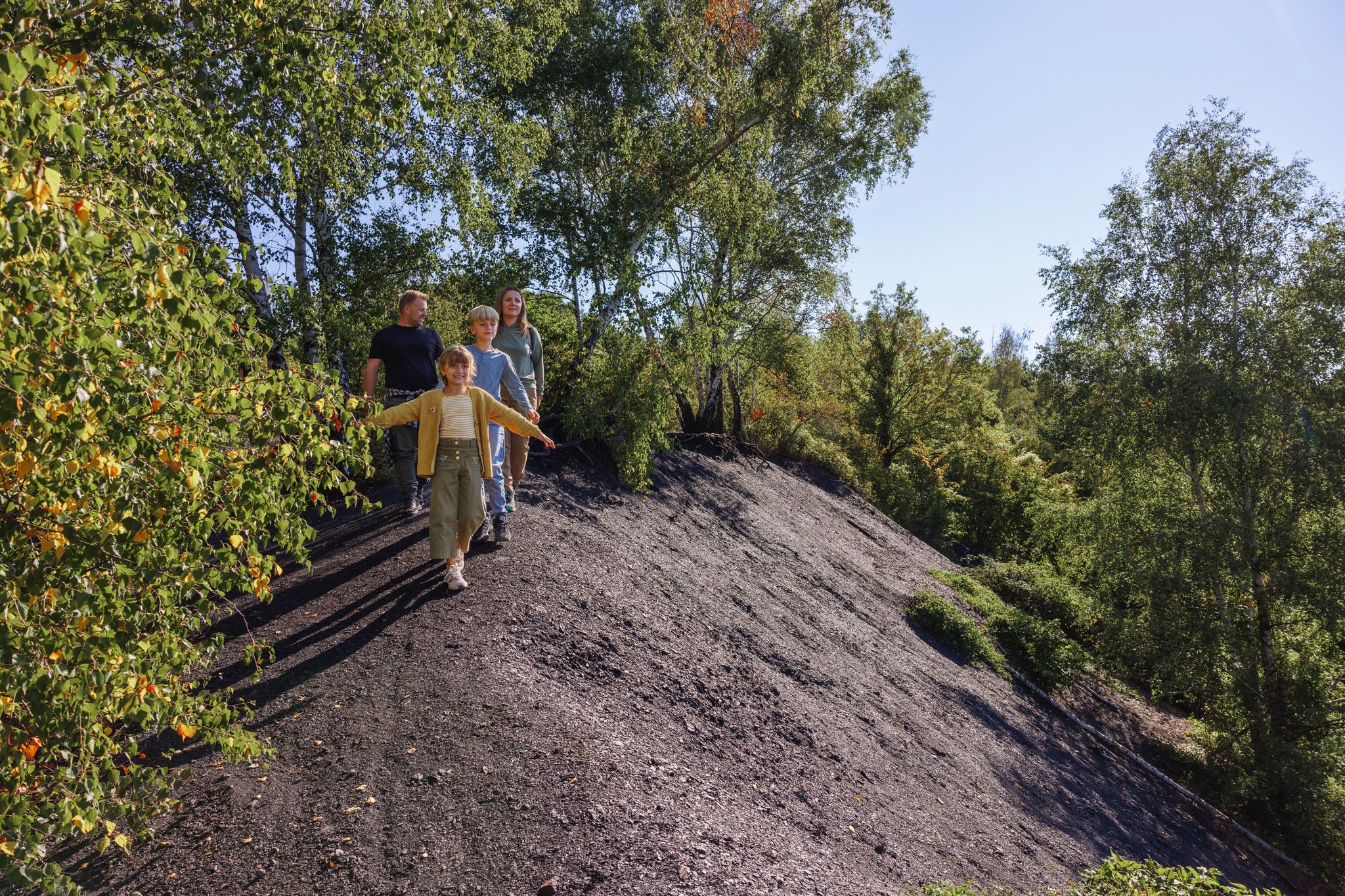
Here is the information point of the Kalkhalde Teuterhof. The white hill really glares in the sun.
1
0
If you look closely, you can discover kingfishers and beavers. The landscape is wild and the Wurm river winds like a worm.
1
0

Beautiful wide path through the forest
0
0
Frequently Asked Questions
How many no-traffic touring cycling routes are available in Wurmtal Südlich Herzogenrath, Einschließlich Meisbach, Würselen?
There are over 760 no-traffic touring cycling routes available in this region. The majority are rated as easy or moderate, offering a wide range of options for different skill levels.
What kind of terrain can I expect on the no-traffic touring cycling routes?
The routes primarily follow the picturesque Wurmtal, characterized by a blend of woods, meadows, and wetlands. You can expect generally gentle terrain, with paths often running close to the Wurm River. Some sections utilize old railway lines, like parts of the Würselen–Aachen Cycle Expressway, providing smooth, well-laid surfaces. The varied paths are suitable for a wide range of cyclists.
Are there circular routes for touring cyclists in the Wurmtal region?
Yes, many of the no-traffic touring routes in the Wurmtal region are designed as loops, allowing you to start and end at the same point. For example, you could try the Pastorat Alter Pfarrhof – Eichenrather Weg loop from Würselen for an easy ride, or the Wurmtal, north of Herzogenrath – Herzogenrath Retention Pond loop from Bardenberg for a moderate option.
What natural features can I see along the no-traffic touring cycling routes?
The Wurmtal is a protected natural area, offering rich biodiversity. You'll cycle alongside the meandering Wurm River, often bordered by willow forests, and pass through green meadows and wetlands. Keep an eye out for rare bird species like the kingfisher. Notable natural highlights include the Wurm River near Würselen and the Natural Section of the Wurm River.
Are there historical landmarks or points of interest along the routes?
Absolutely. The region is rich in history. You can cycle past significant landmarks such as Wilhelmstein Castle, nestled within the Wurmtal valley. Historical remnants of the Aachener Landgraben (land ditch) are also present, adding a layer of historical interest to your ride.
Are the no-traffic touring cycling routes suitable for families?
Yes, many routes are well-suited for families due to their gentle terrain and car-free nature. The St. Sebastian (Würselen Cathedral) – Würselen Hollow Way loop from Tivoli is an easy, shorter option that could be great for a family outing.
Can I bring my dog on these no-traffic touring cycling routes?
Many paths in the Wurmtal are suitable for cycling with dogs, especially the wider, less technical sections. However, it's always recommended to check local regulations and ensure your dog is well-behaved and on a leash where required, particularly in protected natural areas to protect wildlife.
When is the best time of year to go touring cycling in Wurmtal Südlich Herzogenrath?
The Wurmtal region is beautiful throughout the warmer months. Spring offers lush greenery and blooming wildflowers, while summer provides pleasant temperatures for longer rides. Autumn brings vibrant foliage to the deciduous forests. The gentle terrain makes it enjoyable across these seasons, though checking local weather forecasts is always advisable.
Is there parking available near the starting points of these routes?
Yes, parking is generally available in the towns and villages bordering the Wurmtal, such as Herzogenrath and Würselen. Many routes start from accessible points within or near these communities, often with designated parking areas for visitors.
How can I access the no-traffic touring cycling routes using public transport?
The region is reasonably well-connected by public transport. You can often reach towns like Herzogenrath and Würselen by train or bus, and many routes are accessible from these urban centers. The Würselen–Aachen Cycle Expressway, for instance, offers good connections towards Aachen, which is a major transport hub.
What do other touring cyclists enjoy most about cycling in Wurmtal Südlich Herzogenrath?
The area is highly rated by the komoot community, with an average score of 4.5 stars from over 11,000 ratings. Reviewers often praise the peaceful, car-free environment, the natural beauty of the Wurm Valley, and the well-maintained paths that make for a relaxing and enjoyable touring experience.
Are there any challenging no-traffic routes for experienced touring cyclists?
While the terrain is generally gentle, there are routes that offer a bit more challenge. Approximately 190 routes are rated as difficult, often featuring longer distances or more varied elevation changes. For example, the Eichenrather Weg – Herzogenrath Retention Pond loop from Würselen is a moderate route that covers over 23 km with some elevation gain, providing a good workout while remaining traffic-free.
Most popular routes in Wurmtal Südlich Herzogenrath, Einschließlich Meisbach, Würselen
Most popular attractions in Wurmtal Südlich Herzogenrath, Einschließlich Meisbach, Würselen

Get inspired with the komoot mobile app


Explore more
Browse the best Cycling routes in other regions.
