The best road cycling routes in the Kii Mountains
4.4
(60)
2,443
riders
106
rides
Road cycling in the Kii Mountains offers diverse terrain characterized by steep mountains, deep valleys, and a rugged coastline. The region features winding roads with significant elevation changes, traversing lush forests and river basins. Cyclists can expect challenging climbs and descents through hilly landscapes, often alongside ancient pilgrimage routes and scenic waterways.
Best road cycling routes in the Kii Mountains
- The most popular road cycling route is Kaizu Ōhashi Lakeside Park loop from 坂田, a 60.2 miles (96.9 km)…
Last updated: October 5, 2026
4.0
(1)
49
riders
97.3km
04:38
640m
640m
Moderate road ride. Good fitness required. Mostly well-paved surfaces and easy to ride.
4.3
(3)
38
riders
52.9km
02:54
300m
300m
Moderate road ride. Good fitness required. Mostly well-paved surfaces and easy to ride.

25
riders
109km
06:34
1,790m
1,790m
Hard road ride. Very good fitness required. Mostly well-paved surfaces and easy to ride.
18
riders
47.3km
02:26
480m
480m
Moderate road ride. Good fitness required. Mostly well-paved surfaces and easy to ride.
23
riders
52.8km
03:21
1,340m
1,340m
Hard road ride. Very good fitness required. Mostly well-paved surfaces and easy to ride.
19
riders
41.9km
02:33
750m
750m
Moderate road ride. Good fitness required. Mostly well-paved surfaces and easy to ride.
18
riders
86.6km
04:13
590m
590m
Moderate road ride. Good fitness required. Mostly well-paved surfaces and easy to ride.
18
riders
59.2km
04:08
1,820m
1,820m
Hard road ride. Very good fitness required. Mostly well-paved surfaces and easy to ride.
15
riders
55.3km
02:55
550m
550m
Moderate road ride. Good fitness required. Mostly well-paved surfaces and easy to ride.
14
riders
58.4km
03:46
1,540m
1,540m
Hard road ride. Very good fitness required. Mostly well-paved surfaces and easy to ride.
Get access to more routes and recommendations from other explorers.
Already have an account?
Our route recommendations are based on thousands of hikes, rides, and runs completed by other people on komoot.
Start today with a free account
Your next adventure awaits.
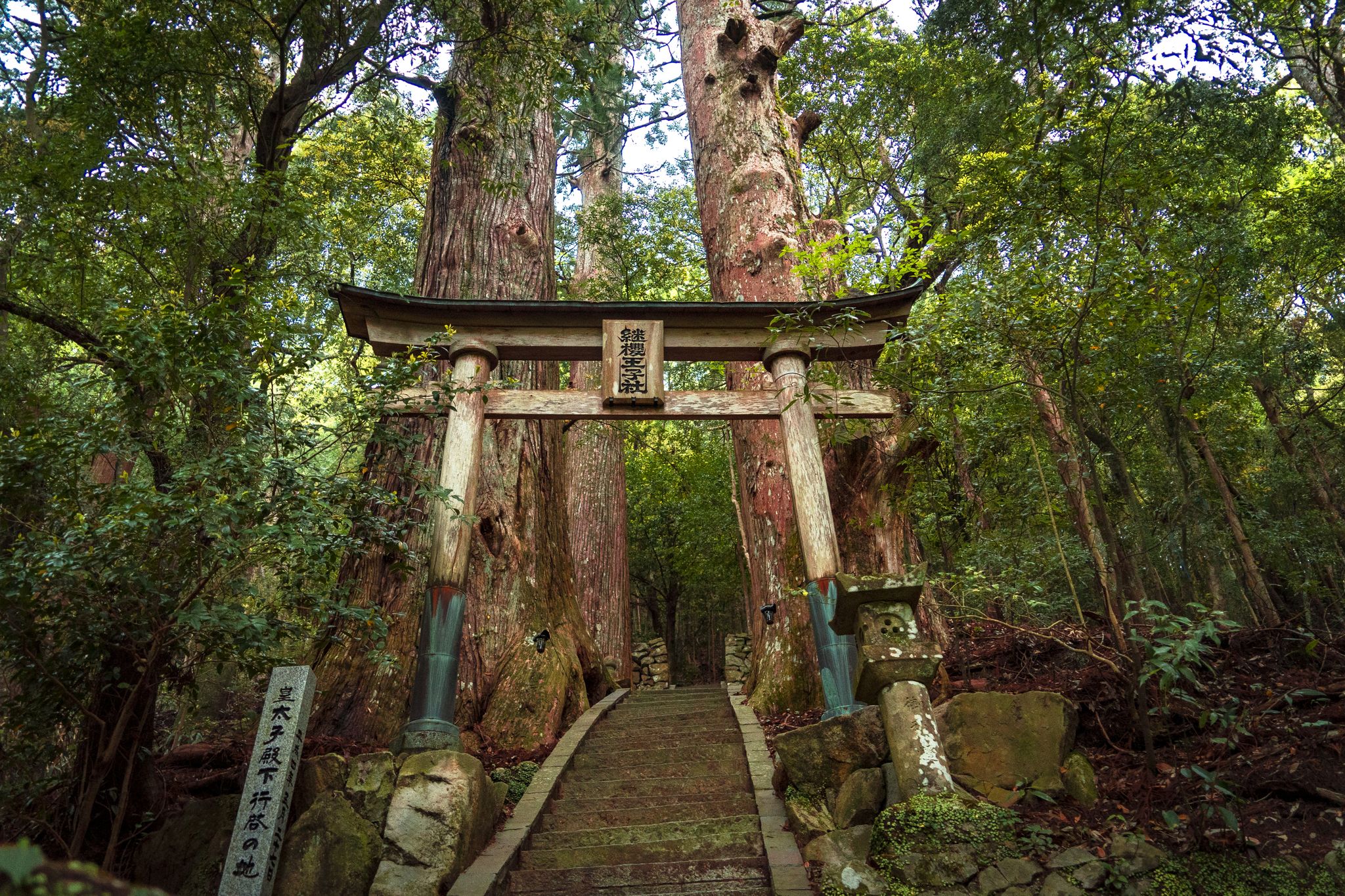
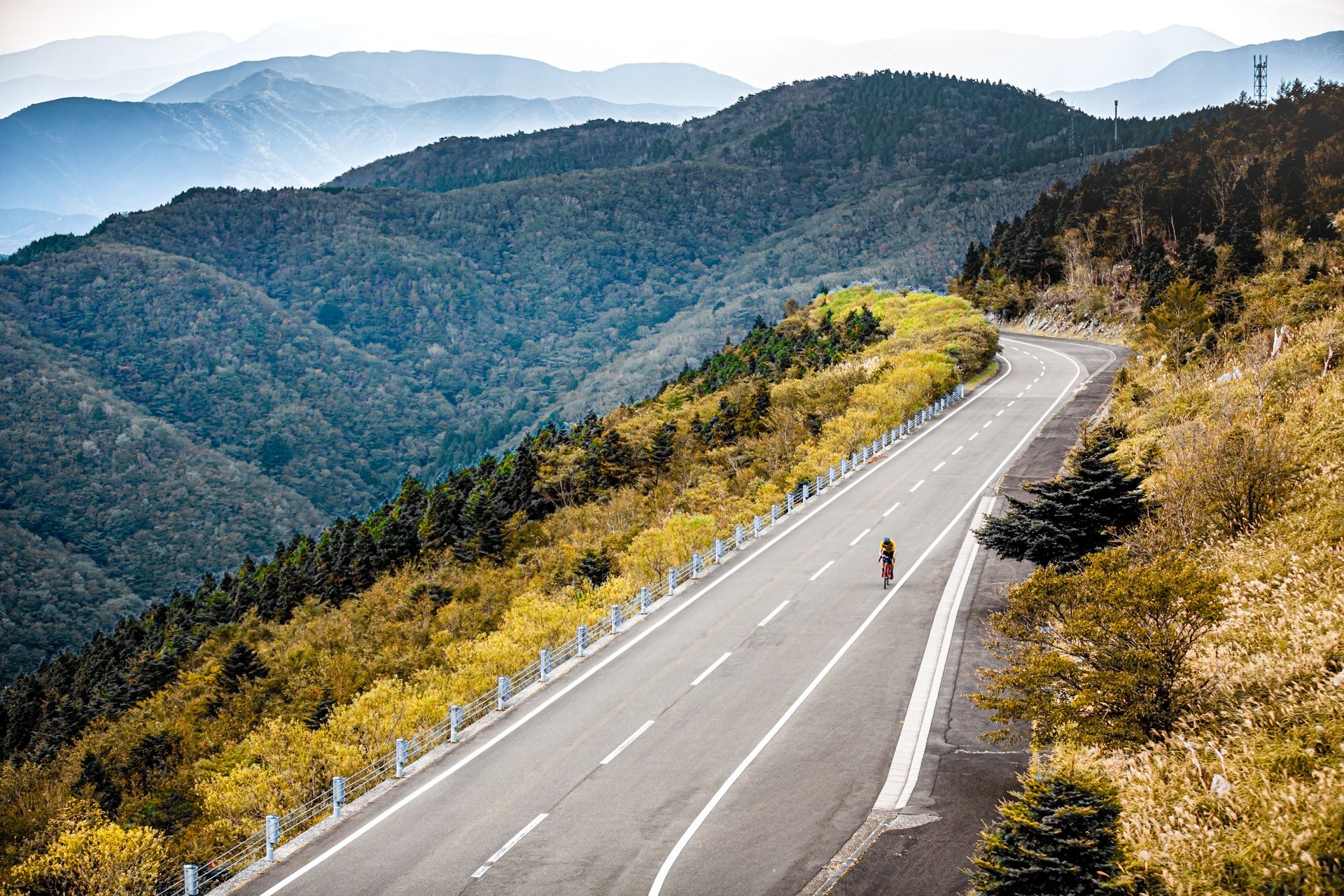
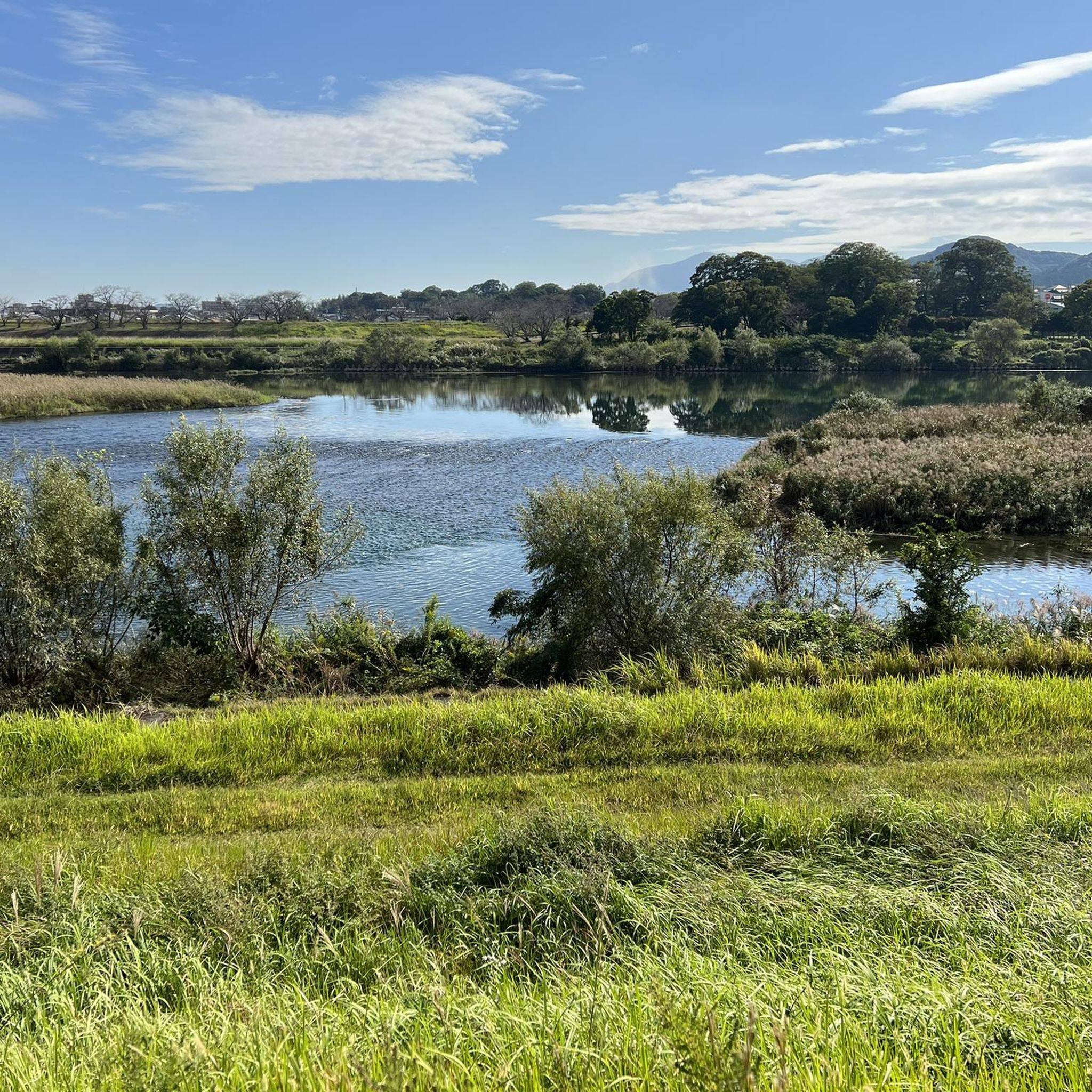



Tips from the Community

This is the tallest building in Koyasan, being about 48m in height. It was completed in 876. Over the centuries it was destroyed by fire due to lightning strikes five times - and rebuilt every time. This current building was erected in 1937.
0
0
The gate marked - and still marks today - the western entrance to Koyasan. Destroyed by a fire in 1688 it was rebuilt in 1705.
0
0
The Daimon Gate is the western entrance to Koyasan. The gate was destroyed by a fire in 1688 and rebuilt in 1705.
0
0

A partially narrow, single-lane road with moderate surface conditions, but absolutely no traffic, continuously following the river and the Tamagawa Gorge. It's constantly shaded in summer.
0
0

One of the most beautiful cemeteries I know, and I know a lot
1
0

The Great Gate conveys the importance of this place through its size alone.
0
0
A walk through this cemetery is both impressive and touching.
2
0

Frequently Asked Questions
How challenging is road cycling in the Kii Mountains?
The Kii Mountains offer a diverse range of road cycling routes, characterized by steep mountains, deep valleys, and significant elevation changes. While there are 5 easy routes available, the majority of the 127 routes are moderate (71 routes) or difficult (51 routes), providing a good challenge for experienced cyclists. You can expect winding roads and hilly terrain, often with breathtaking views.
Are there any easy road cycling routes suitable for beginners in the Kii Mountains?
Yes, while many routes are challenging, there are 5 easy road cycling routes in the Kii Mountains. These routes offer a gentler introduction to the region's beautiful landscapes, allowing beginners to enjoy the scenery without overly strenuous climbs. Always check the route details on komoot for specific difficulty ratings.
What kind of scenic spots and landmarks can I expect to see along the road cycling routes?
The Kii Mountains are rich in natural beauty and cultural heritage. Cyclists can encounter lush forests, river basins, and stunning coastal views. Many routes trace parts of the ancient Kumano Kodo pilgrimage paths, offering a spiritual atmosphere. You might also pass by sacred sites like the Three Grand Shrines of Kumano or the majestic Nachi Waterfall. For specific viewpoints, consider routes that pass near highlights such as Hyakken-gura Viewpoint or offer views like View of Nara from Mount Wakakusa.
Are there any cultural or historical sites accessible by road bike in the Kii Mountains?
Absolutely. The Kii Mountains are steeped in history and spirituality. Many road cycling routes allow you to experience the region's rich heritage, often paralleling sections of the UNESCO World Heritage-listed Kumano Kodo pilgrimage routes. You can find routes that pass by ancient shrines and temples, such as the Chiyoda Shrine – Sawada Hachiman Shrine loop from 美加の台. Other notable sites include Tōdai-ji Temple and Kasuga Grand Shrine.
What is the best time of year for road cycling in the Kii Mountains?
The Kii Mountains offer pleasant cycling conditions for much of the year. Spring (March to May) and Autumn (September to November) are generally considered the best times, with mild temperatures and beautiful scenery, including cherry blossoms in spring and vibrant foliage in autumn. Summer can be warm, but the mountainous terrain often provides cooler temperatures at higher altitudes. Winter can be cold, especially in higher elevations, with some roads potentially affected by snow or ice.
Are there any long-distance road cycling routes in the Kii Mountains?
Yes, the Kii Mountains offer several long-distance road cycling options for those seeking an endurance challenge. For example, the 桜峠 loop from 信楽 is a difficult route spanning over 108 km with significant elevation gain. Another option is the Steep Climb Near Kawachinagano – Hair Salon Azuma loop from 紀ノ川, which covers nearly 100 km.
Can I find circular road cycling routes in the Kii Mountains?
Yes, many of the road cycling routes in the Kii Mountains are designed as loops, allowing you to start and end at the same point. This is convenient for those traveling by car. An example is the popular Kaizu Ōhashi Lakeside Park loop from 坂田, a moderate 96.9 km route. Another is the KeiNaWa Bicycle Path – Hair Salon Azuma loop from 笠田.
What do other road cyclists enjoy most about road cycling in the Kii Mountains?
The Kii Mountains are highly rated by the komoot community, with an average score of 3.9 stars from over 17 reviews. Cyclists often praise the region's diverse terrain, from challenging climbs to scenic descents, and the unique blend of natural beauty with ancient spiritual heritage. The peaceful riding experience on sparsely populated roads and the opportunity to explore cultural landmarks are frequently highlighted.
Are there opportunities to relax in hot springs after a ride?
Yes, the Kii Peninsula is renowned for its numerous natural hot springs, or *onsen*, which provide an excellent way to relax and rejuvenate after a day of cycling. While specific routes might not lead directly to an onsen, many are located conveniently near cycling areas. Notable examples include Kawayu Onsen, where you can dig your own bath in the river, and Yunomine Onsen, home to the UNESCO World Heritage-listed Tsuboyu bath.
What are some of the most challenging road cycling routes in the Kii Mountains?
For experienced cyclists seeking a significant challenge, the Kii Mountains offer several difficult routes with substantial elevation gains. The Roadbike loop from Kamikitayama is a difficult 59.1 km route with over 1800 meters of ascent. Another demanding option is the Tamagawa Gorge – Konpon Daito Pagoda loop from 橋本, which features over 1400 meters of climbing in just 53 km.
How many road cycling routes are available in the Kii Mountains?
There are over 120 road cycling routes available in the Kii Mountains on komoot. This extensive network provides a wide variety of options for cyclists of all skill levels, from moderate lakeside loops to difficult mountain ascents, ensuring there's always a new adventure to discover.
Most popular routes in the Kii Mountains
Most popular attractions in the Kii Mountains

Get inspired with the komoot mobile app


Explore more
Browse the best Road cycling routes in other regions.
