The best walks and hikes in the Kii Mountains
4.6
(708)
9,852
hikers
74
hikes
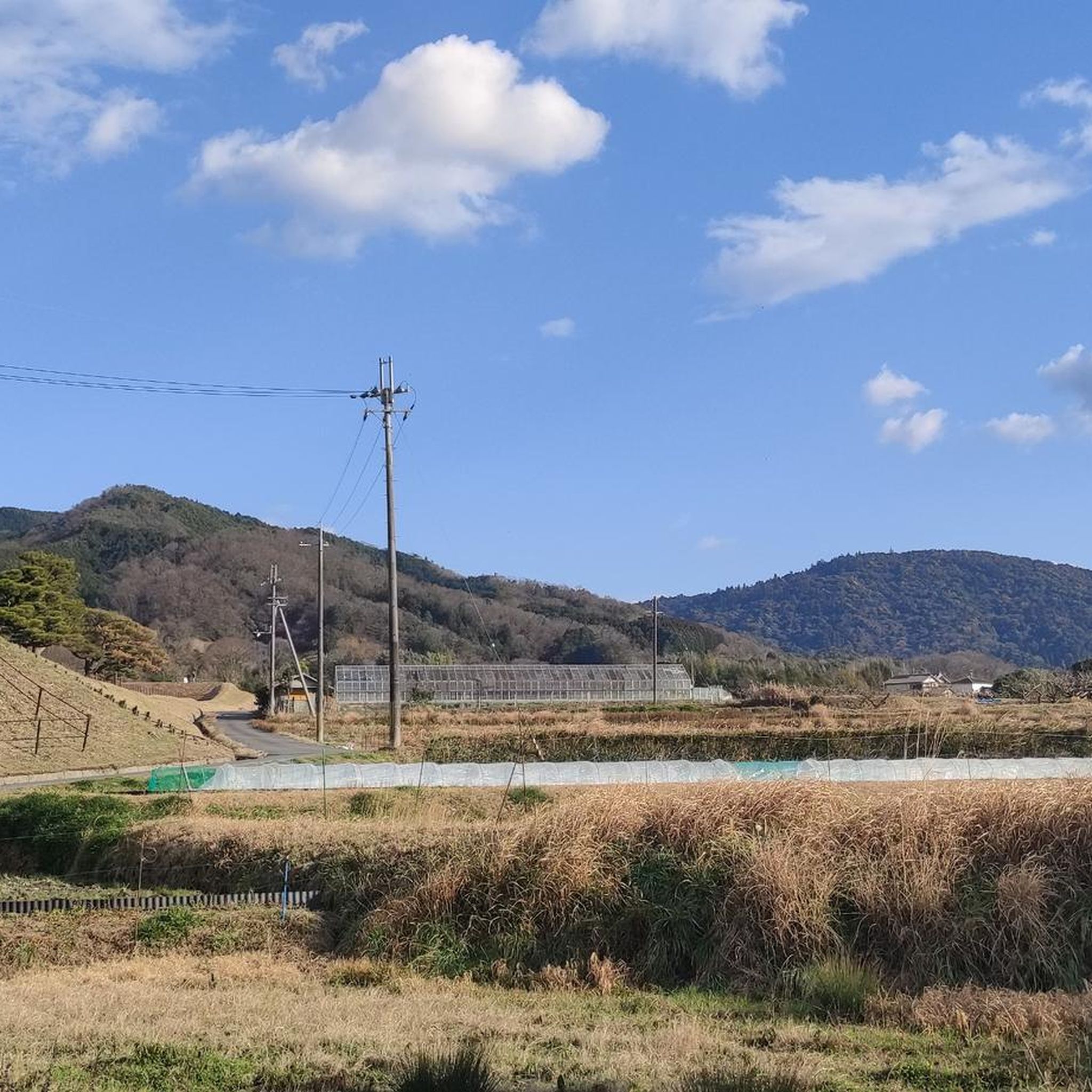
Hiking in the Kii Mountains, a UNESCO World Heritage site, offers diverse trails through a region known for its sacred history and natural landscapes. The area is characterized by dense cedar forests, rugged mountainous terrain, and numerous river basins and waterfalls. Peaks such as Mount Yoshino and Mount Koya define the dramatic topography, with trails connecting ancient pilgrimage routes and spiritual sites. This region provides a blend of physical challenge and cultural immersion.
Best hiking trails in the Kii Mountains
…Last updated: October 5, 2026
4.7
(61)
309
hikers
17.7km
05:06
440m
440m
Hard hike. Very good fitness required. Easily-accessible paths. Suitable for all skill levels.
4.9
(42)
185
hikers
18.0km
05:47
740m
740m
Hard hike. Very good fitness required. Easily-accessible paths. Suitable for all skill levels.

4.9
(10)
317
hikers
5.75km
01:31
60m
50m
Easy hike. Great for any fitness level. Easily-accessible paths. Suitable for all skill levels.
4.6
(28)
218
hikers
Easy hike. Great for any fitness level. Easily-accessible paths. Suitable for all skill levels.
4.4
(25)
191
hikers
5.73km
01:32
60m
60m
Easy hike. Great for any fitness level. Easily-accessible paths. Suitable for all skill levels.
4.9
(20)
211
hikers
7.96km
02:58
510m
510m
Moderate hike. Good fitness required. Easily-accessible paths. Suitable for all skill levels.
5.0
(5)
190
hikers
7.99km
02:08
90m
90m
Moderate hike. Good fitness required. Easily-accessible paths. Suitable for all skill levels.
4.6
(17)
118
hikers
5.28km
01:37
190m
190m
Easy hike. Great for any fitness level. Easily-accessible paths. Suitable for all skill levels.
4.3
(4)
19
hikers
13.8km
04:22
500m
500m
Moderate hike. Good fitness required. Easily-accessible paths. Suitable for all skill levels.
4.2
(6)
71
hikers
12.2km
04:01
560m
560m
Moderate hike. Good fitness required. Easily-accessible paths. Suitable for all skill levels.
Get access to more routes and recommendations from other explorers.
Already have an account?
Our route recommendations are based on thousands of hikes, rides, and runs completed by other people on komoot.
Start today with a free account
Your next adventure awaits.



Tips from the Community

Nara Park 奈良公園, one of the oldest parks in Japan Nara Park 奈良公園 is a public park in the city of Nara, Japan, at the foot of Mount Wakakusa. Founded in 1880, it is one of the oldest parks in Japan. Administratively, the park is under the control of the Nara Prefecture. The park is one of the "Places of Scenic Beauty" designated by the Ministry of Education, Culture, Sports, Science and Technology (MEXT). Over 1,200 wild sika deer (シカ or 鹿 shika) that roam freely in the park are also classified by MEXT and designated as a Natural Treasure. Although the official size of the park is approximately 502 hectares (1,240 acres), the area including the grounds of Tōdai-ji, Kōfuku-ji, the Kasuga Grand Shrine, and the Nara National Museum, which are located on the edge of or surrounded by Nara Park, covers an area of up to 660 hectares (1,600 acres). Text / Source: wikipedia.org https://en.wikipedia.org/wiki/Nara_Park
12
0
The Sika Deer in Nara Park There are over 1,200 wild deer in Nara Park. Every spring, the deer in Nara Park grow new antlers. These harden by the mating season in autumn and become dangerous for visitors. For this reason, they are caught by the so-called Seko with nets and ropes. The antlers are cut by a Shinto priest. Over a thousand free-living Sika deer line the streets and parks of the city of Nara. The national sanctuaries are not only a popular tourist attraction but also a growing nuisance for agriculture. The city has now decided to cull excess deer populations. The city of Nara, in the prefecture of the same name, is one of the most popular sights in Japan due to its large number of important shrine and temple complexes. Particularly well-known here are not only the Todai-Ji or Toshodaiji temples, but above all Nara Park with its countless free-roaming Sika deer. Text / Source: Sumikai, Magazine about Japan https://sumikai.com/japan-erleben/die-sikahirsche-in-nara-186546/
12
0

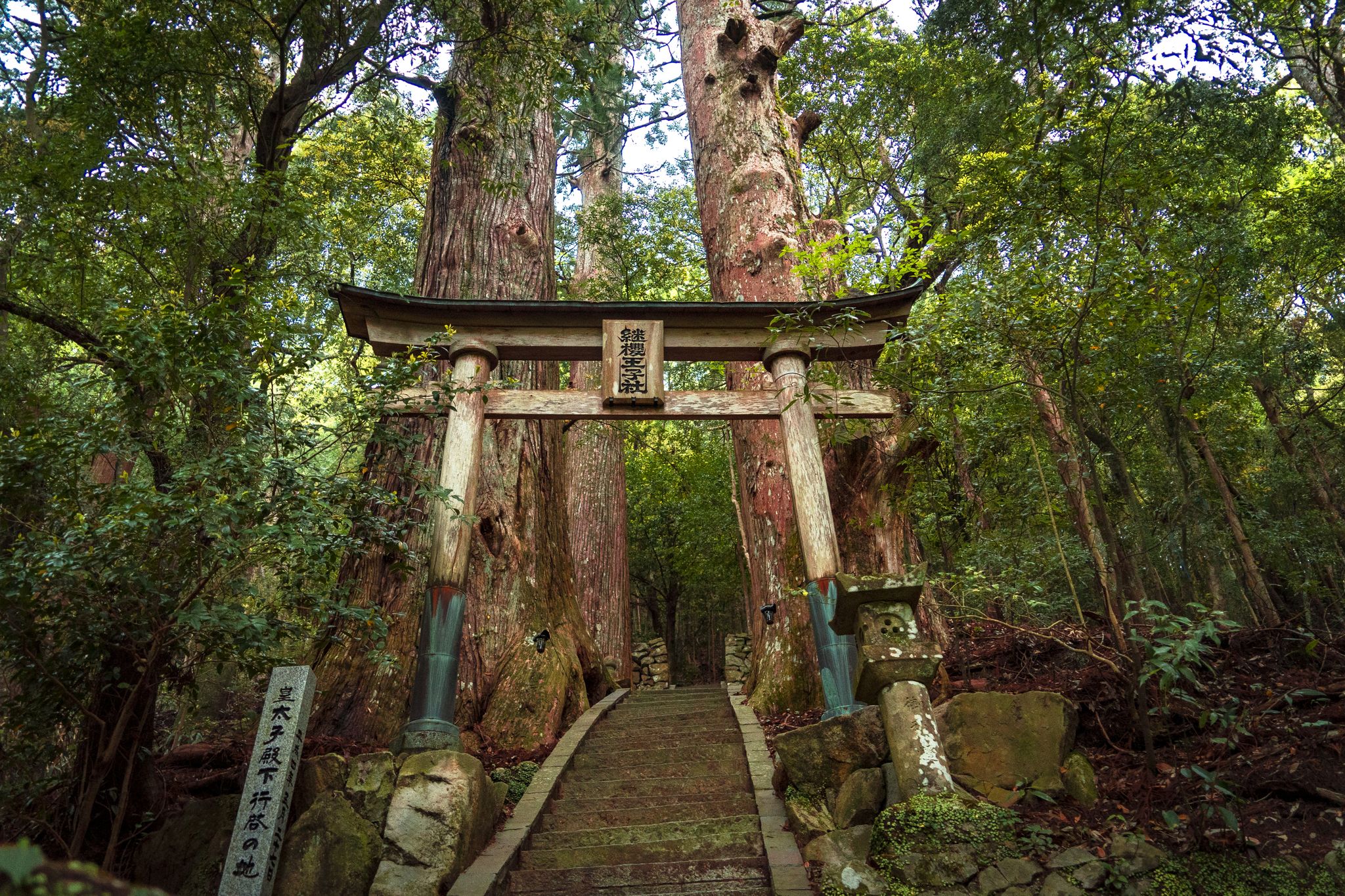
In Japanese, "Oji(王子)" generally means prince, but in the Kumano Kodo, "Oji(王子)" refers to the worship spots scattered along the trail.
0
0
In Japanese, "Oji(王子)" generally means prince, but in the Kumano Kodo, "Oji(王子)" refers to the worship spots scattered along the trail.
0
0
In Japanese, "Oji(王子)" generally means prince, but in the Kumano Kodo, "Oji(王子)" refers to the worship spots scattered along the trail.
0
0
In Japanese, "Oji(王子)" generally means prince, but in the Kumano Kodo, "Oji(王子)" refers to the worship spots scattered along the trail.
0
0
In Japanese, "Oji(王子)" generally means prince, but in the Kumano Kodo, "Oji(王子)" refers to the worship spots scattered along the trail.
0
0

This is the tallest building in Koyasan, being about 48m in height. It was completed in 876. Over the centuries it was destroyed by fire due to lightning strikes five times - and rebuilt every time. This current building was erected in 1937.
0
0
Frequently Asked Questions
How many hiking trails are available in the Kii Mountains?
The Kii Mountains offer a wide range of hiking opportunities, with over 75 routes recorded on komoot. These trails cater to various skill levels, including easy, moderate, and difficult options.
What kind of terrain can I expect when hiking in the Kii Mountains?
Hikers in the Kii Mountains will encounter diverse terrain, primarily characterized by dense cedar forests and rugged mountainous landscapes. The region is known for its high rainfall, contributing to lush greenery, numerous streams, river basins, gorges, and impressive waterfalls. Ancient pilgrimage routes often feature stone paths and significant elevation changes.
What is the best time to visit the Kii Mountains for hiking?
The Kii Mountains offer unique beauty throughout the year. Spring is particularly stunning, especially around Mount Yoshino, which is famous for its more than 30,000 cherry trees. The region experiences high rainfall, so be prepared for wet conditions regardless of the season. Autumn also brings vibrant foliage.
Are there any waterfalls I can visit while hiking in the Kii Mountains?
Yes, the Kii Mountains are rich with waterfalls. A prominent example is the Nachi Waterfall, Japan's tallest single-drop waterfall, which is considered sacred and located near the Kumano Nachi Taisha shrine. You can explore trails like the Daimonzaka Slope – Kumano Nachi Grand Shrine loop from Kumano Nachi Taisha to experience this area. Other notable waterfalls include Uguisu Waterfall and Aodaki Falls.
Can I visit hot springs after hiking in the Kii Mountains?
Absolutely. The Kii Peninsula is renowned for its natural hot springs, providing an ideal way to relax after a day on the trails. Notable onsen towns include Yunomine Onsen, one of Japan's oldest, and Kawayu Onsen, where you can even dig your own bath in the river. The Yunomine Hot Spring – View of Hongu Shrine Gate loop from Oyunohara trail passes through these sacred hot spring areas.
What historical or spiritual sites can I explore along the trails?
The Kii Mountains are a UNESCO World Heritage site, home to the 'Sacred Sites and Pilgrimage Routes.' You can hike sections of the ancient Kumano Kodo pilgrimage routes, connecting the three Grand Shrines of Kumano. Koyasan, a mountaintop Buddhist complex, also offers spiritual immersion, including the atmospheric Okunoin cemetery, which you can explore on routes like the Okunoin Cemetery – Okunoin Cemetery loop from Kōya.
Are there any circular hiking routes in the Kii Mountains?
Yes, many of the trails in the Kii Mountains are designed as loops, allowing you to start and end at the same point. Examples include the Tōdai-ji Temple – Kasuga Grand Shrine loop from 近鉄奈良 and the Okunoin Cemetery – Daimon Gate at Mount Koya loop from Kōya, offering convenient options for exploration.
Are the Kii Mountains suitable for family hikes?
Yes, the Kii Mountains offer a range of trails suitable for families. There are 34 easy routes available, many of which are shorter and have less elevation gain, making them enjoyable for all ages. For example, the Mount Wakakusa Hiking Trail – View of Nara City loop from Tōdai-ji is an easy option with scenic views.
Can I bring my dog on the trails in the Kii Mountains?
While many areas in Japan have restrictions on pets in temples, shrines, and some national park areas, specific regulations for hiking trails can vary. It's advisable to check local signage or contact specific trail management for the most up-to-date information regarding dog-friendly policies on individual routes.
What do other hikers enjoy most about the Kii Mountains?
The Kii Mountains are highly rated by the komoot community, with an average score of 4.7 stars from over 500 reviews. Hikers frequently praise the region's unique blend of adventure, culture, and nature, highlighting the wild and peaceful landscapes, the spiritual heritage, and the well-preserved ancient trails.
What are the parking options for hikers in the Kii Mountains?
Parking availability varies depending on the trailhead and specific location within the Kii Mountains. Many popular pilgrimage routes and tourist sites, such as those around Koyasan or the Kumano Grand Shrines, offer designated parking areas, often for a fee. For more remote trailheads, parking might be limited to small pull-offs or require prior research.
Is public transport available to access trailheads in the Kii Mountains?
Public transport is a viable option for accessing many trailheads, especially along the well-known Kumano Kodo routes and to major sites like Koyasan. Buses and trains connect key towns and pilgrimage centers, making it possible to hike sections of trails without needing a car. Planning your route with public transport schedules in mind is recommended.
Most popular routes in the Kii Mountains
Most popular attractions in the Kii Mountains

Get inspired with the komoot mobile app


Explore more
Browse the best Hikes in other regions.
