The best running trails in the Kii Mountains
4.2
(23)
897
runners
29
runs
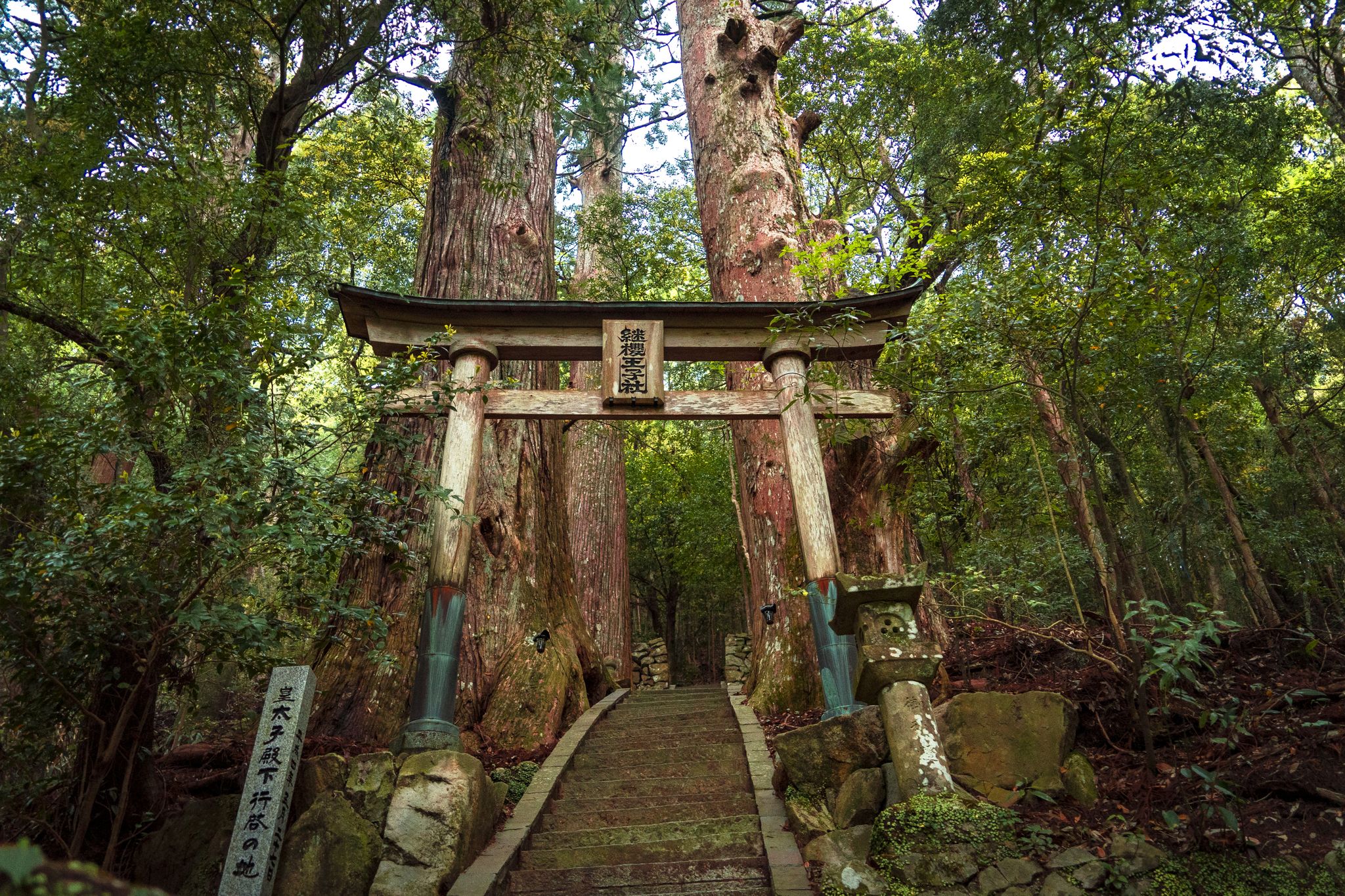
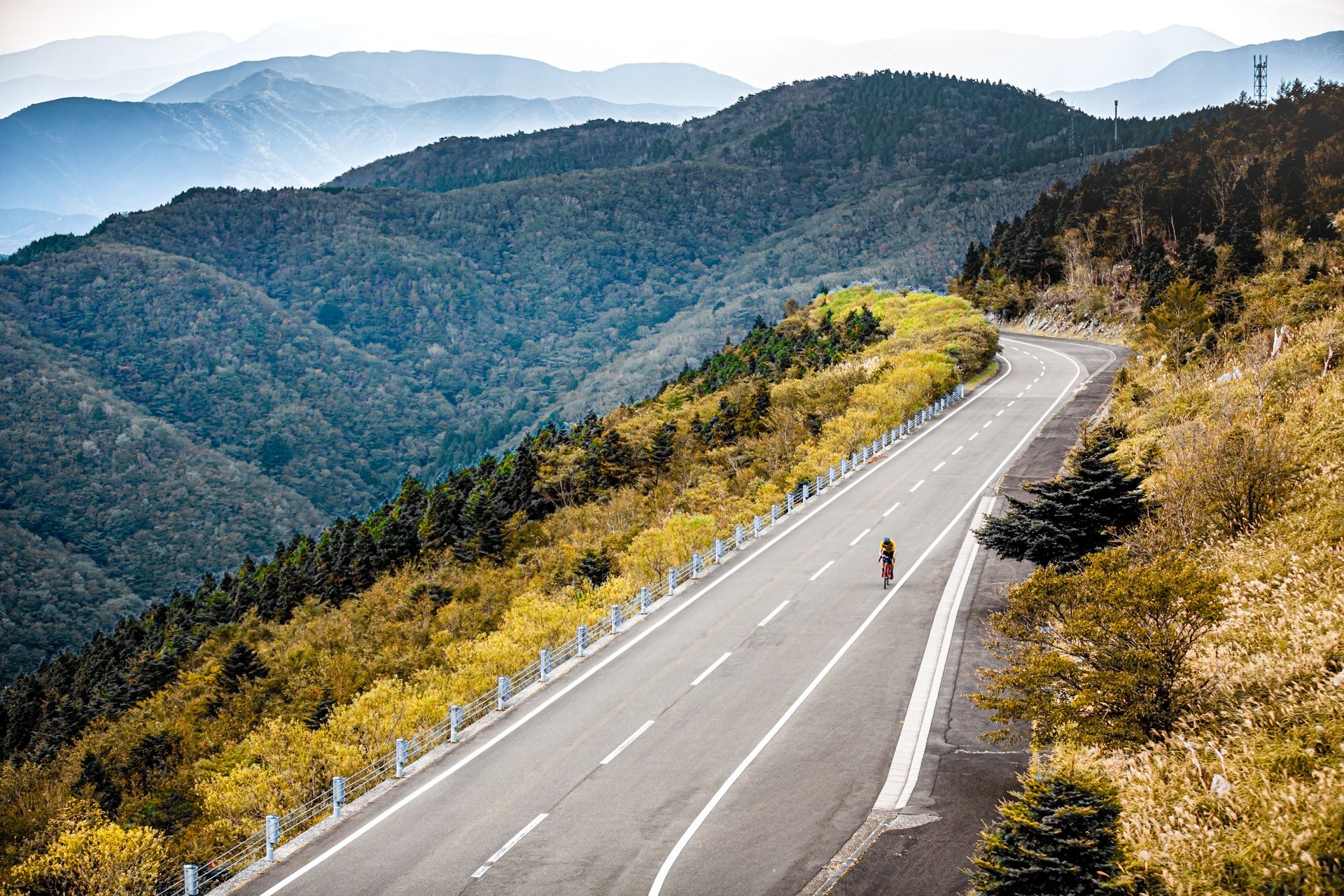
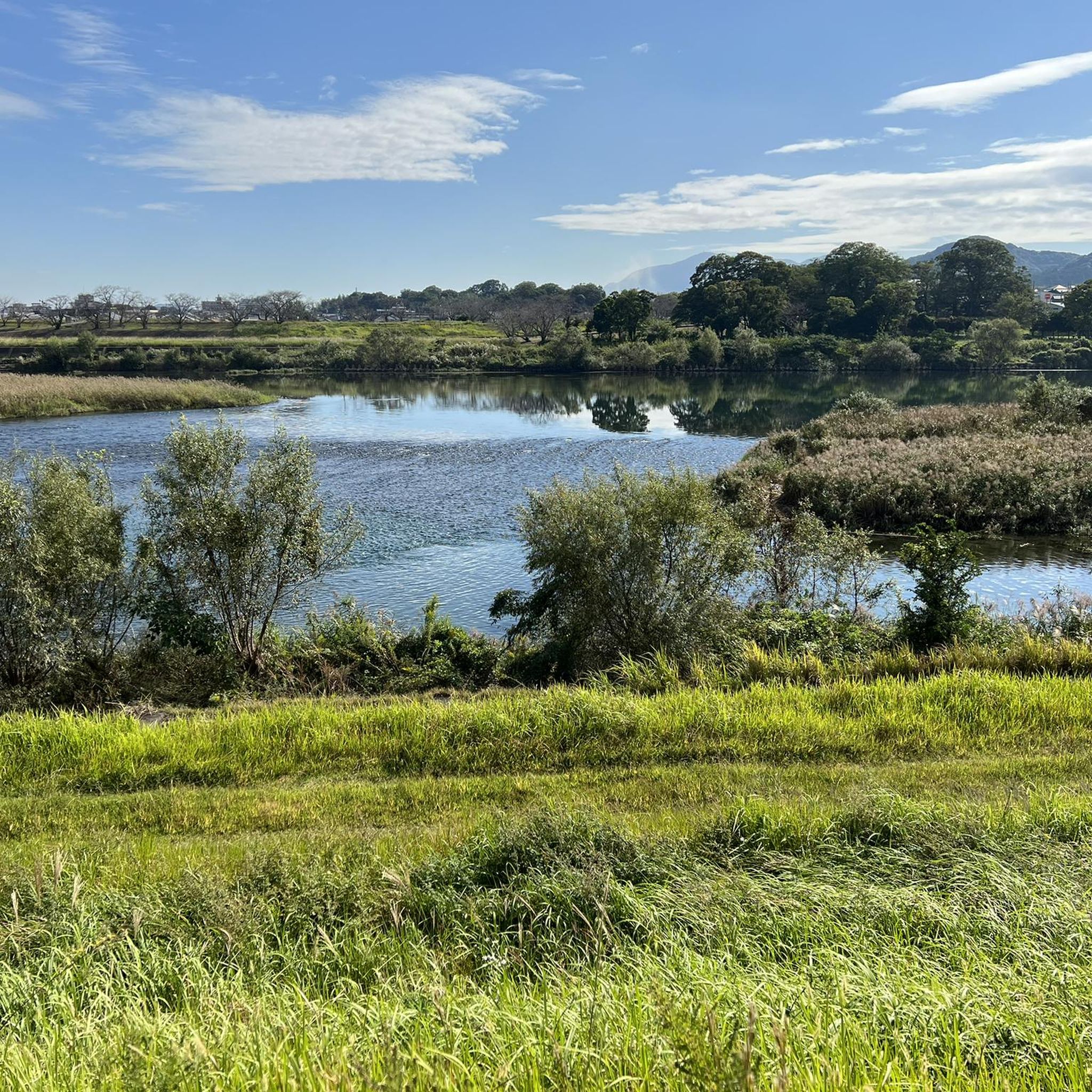
Jogging routes in the Kii Mountains traverse a landscape characterized by dense forests, rugged mountains, and a dramatic coastline. The region, a UNESCO World Heritage site, features elevations ranging from 1,000 to 2,000 meters, offering varied terrain for runners. Ancient pilgrimage routes, such as the Kumano Kodo, wind through deep valleys, terraced rice paddies, and bamboo forests. Numerous streams, rivers, and waterfalls, including Nachi Falls, are also present throughout the area.
Best jogging routes in the Kii Mountains
- The most…
Last updated: July 15, 2026
38
runners
11.2km
01:15
250m
250m
Moderate run. Good fitness required. Mostly paved surfaces. Suitable for all skill levels.
22
runners
19.9km
02:37
830m
830m
Hard run. Very good fitness required. Mostly paved surfaces. Suitable for all skill levels.

Sign up for free
5.0
(1)
17
runners
10.1km
01:12
340m
340m
Hard run. Very good fitness required. Mostly paved surfaces. Suitable for all skill levels.
16
runners
21.5km
02:59
800m
800m
Hard run. Very good fitness required. Mostly paved surfaces. Suitable for all skill levels.
5.0
(1)
14
runners
13.6km
01:34
370m
370m
Hard run. Very good fitness required. Mostly paved surfaces. Suitable for all skill levels.
14
runners
17.6km
01:56
290m
290m
Hard run. Very good fitness required. Mostly paved surfaces. Suitable for all skill levels.
5.0
(1)
10
runners
11.0km
01:17
300m
300m
Hard run. Very good fitness required. Mostly paved surfaces. Suitable for all skill levels.
11
runners
27.5km
04:25
1,560m
1,560m
Hard run. Very good fitness required. Mostly paved surfaces. Suitable for all skill levels.
9
runners
13.4km
02:11
850m
850m
Hard run. Very good fitness required. Mostly paved surfaces. Suitable for all skill levels.
8
runners
19.3km
02:01
40m
40m
Hard run. Very good fitness required. Mostly paved surfaces. Suitable for all skill levels.
Get access to more routes and recommendations from other explorers.
Sign up for free
Already have an account?
Our route recommendations are based on thousands of hikes, rides, and runs completed by other people on komoot.
Start today with a free account
Your next adventure awaits.
Login or Signup



Tips from the Community

As "nice" as the encounter with the Nara deer may seem at first glance, they are still animals and therefore loyal to their behavior, either instinctively or according to their life stage and gender. Conditional caution, rutting, food jealousy, and territorial demarcation could thus lead to "unpredictable" behavior...
3
0

During the rutting season, male stags can be very dominant. Warnings are issued during this time!
2
0

Nara Park is home to approximately 1,200 trusting sika deer, considered messengers of a deity and protected as living national treasures. The deer are so greedy for the biscuits (200 yen) that they even spurn grass. The male deer no longer have antlers... which is a good thing, because otherwise several tourists would be injured.
6
0

Almost a must-see in Nara. Daibutsuden is considered the largest wooden structure in the world. This hall houses a giant Buddha statue, which I didn't see this time. It impressed me greatly in 1993.
0
0
Here, it's only 50 meters from the (unpaved) road to three small statues in a shrine. Unfortunately, the lighting conditions weren't ideal for photography. But the detour is definitely worth it.
0
0
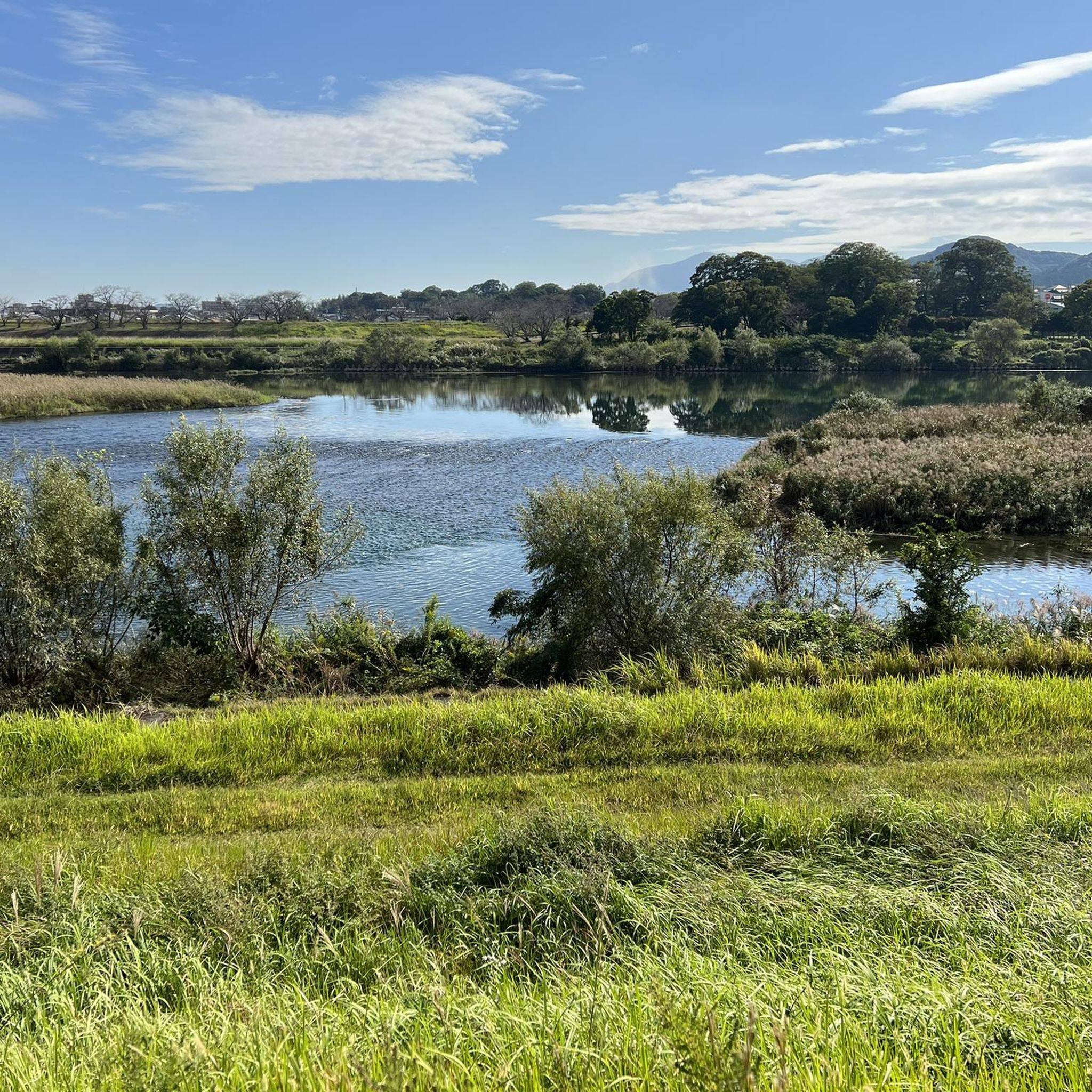
I had this lake all to myself on a Friday afternoon, and except during the fall foliage season, it's probably very quiet most of the time. It's a bit outside of Nara, but the path here is comfortable and only gently uphill.
0
0
A small ensemble of very beautiful Japanese temple architecture very close to the Kintetsu Nara train station. Recommended between sunrise and sunset.
0
0

too many tame “sacred” Japanese deer populate the parks and paths of Nara and harass the walkers🙈
2
0
Frequently Asked Questions
How many running routes are available in the Kii Mountains, and what are their difficulty levels?
The Kii Mountains offer over 25 dedicated running routes. Most of these routes are classified as moderate to difficult, with 10 moderate and 19 difficult options, providing a good challenge for various fitness levels.
What kind of terrain can I expect on the jogging trails in the Kii Mountains?
Jogging routes in the Kii Mountains feature diverse terrain, including dense forests, rugged mountain paths, ancient pilgrimage trails like the Kumano Kodo, and sections with significant elevation changes. You'll encounter a mix of dirt singletracks, cobblestone paths, and quiet village roads, often winding through deep valleys and past terraced rice paddies.
Are there any running routes that pass by significant landmarks or natural attractions?
Yes, many routes offer cultural and natural sights. For example, the Nara Park Deer – Kōfuku-ji Temple loop from 近鉄奈良 takes you through Nara Park, where you can see the famous sika deer, considered sacred messengers. Other routes might lead you past ancient shrines, temples, or offer views of the dramatic coastline. The region is also known for its numerous waterfalls, including the impressive Nachi Falls, which you can explore via highlights like Seiganto-ji Temple and Nachi Falls.
What do other runners enjoy most about the Kii Mountains trails?
The Kii Mountains are highly rated by the komoot community, with an average score of 4.2 stars from over 15 reviews. Runners frequently praise the unique blend of challenging terrain, stunning natural beauty, and the profound cultural immersion offered by the ancient pilgrimage routes and sacred sites.
Are there any circular running routes in the Kii Mountains?
Yes, several routes are designed as loops, allowing you to start and finish at the same point. Popular examples include the Nigatsu-dō Hall – Torii Gate at Japanese Temple loop from 近鉄奈良, a 6.9-mile moderate route, and the more challenging Tado loop from 多度大社, which is 12.3 miles long.
What is the best time of year to go running in the Kii Mountains?
Spring (March to May) is particularly beautiful, especially around Mount Yoshino, which is famous for its cherry blossoms. Autumn (September to November) also offers pleasant temperatures and vibrant fall foliage. Summer can be hot and humid, while winter may bring snow to higher elevations, making some trails more challenging.
Are there any family-friendly jogging options in the Kii Mountains?
While many routes are moderate to difficult, some sections of the ancient pilgrimage routes or paths around cultural sites like Nara Park might be suitable for families looking for a more leisurely jog. It's advisable to check the specific route details for distance and elevation to ensure it matches your family's ability.
Can I bring my dog on the running trails in the Kii Mountains?
Regulations regarding dogs on trails can vary. While some areas might be permissible, it's best to check local guidelines for specific trails, especially those within national parks, sacred sites, or UNESCO World Heritage areas like the Kumano Kodo, to ensure compliance and respect for the environment and local customs.
What are some notable natural features or viewpoints I might encounter while running?
The Kii Mountains are rich in natural beauty. You can expect to see dense, old-growth forests, rugged mountain peaks, and numerous streams and rivers. Highlights include the spectacular Nachi Falls (Nachi-no-Taki), one of Japan's tallest, and panoramic views from spots like View of Nara from Mount Wakakusa.
Are there opportunities for relaxation or recovery after a long run in the Kii Mountains?
Yes, the Kii Mountains region is known for its natural hot springs, such as those found in Totsukawa and Yunomine Hot Spring. These provide excellent opportunities for relaxation and muscle recovery after exploring the trails.
How can I access the running routes in the Kii Mountains, and is parking available?
Access to trails often involves a combination of public transport and local parking. Major trailheads for routes like the Kumano Kodo are typically accessible by bus from train stations in nearby towns. Parking availability varies by location; it's recommended to research specific trailhead parking options in advance, especially for popular spots.
Are there any particularly challenging running routes for experienced trail runners?
Absolutely. The Kii Mountains offer several difficult routes with significant elevation gains, ideal for experienced trail runners. For instance, the 南池 – 二上山 loop from 二上神社口 is a demanding 17-mile route with over 5,000 feet of elevation gain, testing strength and stamina. The Kohechi and Okugake-michi sections of the Kumano Kodo are also known for their challenging mountain crossings.
Most popular routes in the Kii Mountains
Most popular attractions in the Kii Mountains

Get inspired with the komoot mobile app


Explore more
Browse the best Running Trails & Routes in other regions.
