Easy hikes and walks in the Apennine Mountains
4.4
(48256)
225,545
hikers
33,615
hikes
Hiking in the Apennine Mountains offers diverse landscapes, from rugged peaks and alpine meadows to dense forests and serene valleys. The region is characterized by significant geological formations including limestone ridges and karst features. These mountains are home to well-preserved forests of beech, chestnut, and oak, providing varied terrain for easy hiking trails. The Apennines stretch over 1,200 kilometers, presenting a wide array of natural features for exploration.
Best easy hiking trails in the Apennine Mountains
- The most popular easy…
Last updated: October 5, 2026
4.4
(137)
412
hikers
5.11km
01:28
120m
120m
Easy hike. Great for any fitness level. Easily-accessible paths. Suitable for all skill levels.
4.4
(63)
249
hikers
5.16km
01:23
70m
60m
Easy hike. Great for any fitness level. Easily-accessible paths. Suitable for all skill levels.

4.5
(101)
379
hikers
6.12km
01:56
230m
230m
Easy hike. Great for any fitness level. Easily-accessible paths. Suitable for all skill levels.
4.5
(56)
622
hikers
2.57km
00:46
80m
80m
Easy hike. Great for any fitness level. Easily-accessible paths. Suitable for all skill levels.
4.2
(138)
285
hikers
5.71km
01:52
250m
250m
Easy hike. Great for any fitness level. Easily-accessible paths. Suitable for all skill levels.
4.6
(92)
398
hikers
5.90km
01:48
190m
190m
Easy hike. Great for any fitness level. Easily-accessible paths. Suitable for all skill levels.
4.4
(102)
284
hikers
6.12km
01:47
160m
160m
Easy hike. Great for any fitness level. Easily-accessible paths. Suitable for all skill levels.
4.7
(66)
278
hikers
6.46km
01:39
20m
20m
Easy hike. Great for any fitness level. Easily-accessible paths. Suitable for all skill levels.
4.4
(47)
172
hikers
6.83km
01:50
90m
90m
Easy hike. Great for any fitness level. Easily-accessible paths. Suitable for all skill levels.
4.4
(62)
187
hikers
4.77km
01:25
140m
140m
Easy hike. Great for any fitness level. Easily-accessible paths. Suitable for all skill levels.
Get access to more routes and recommendations from other explorers.
Already have an account?
Our route recommendations are based on thousands of hikes, rides, and runs completed by other people on komoot.
Start today with a free account
Your next adventure awaits.
Popular around Apennine Mountains
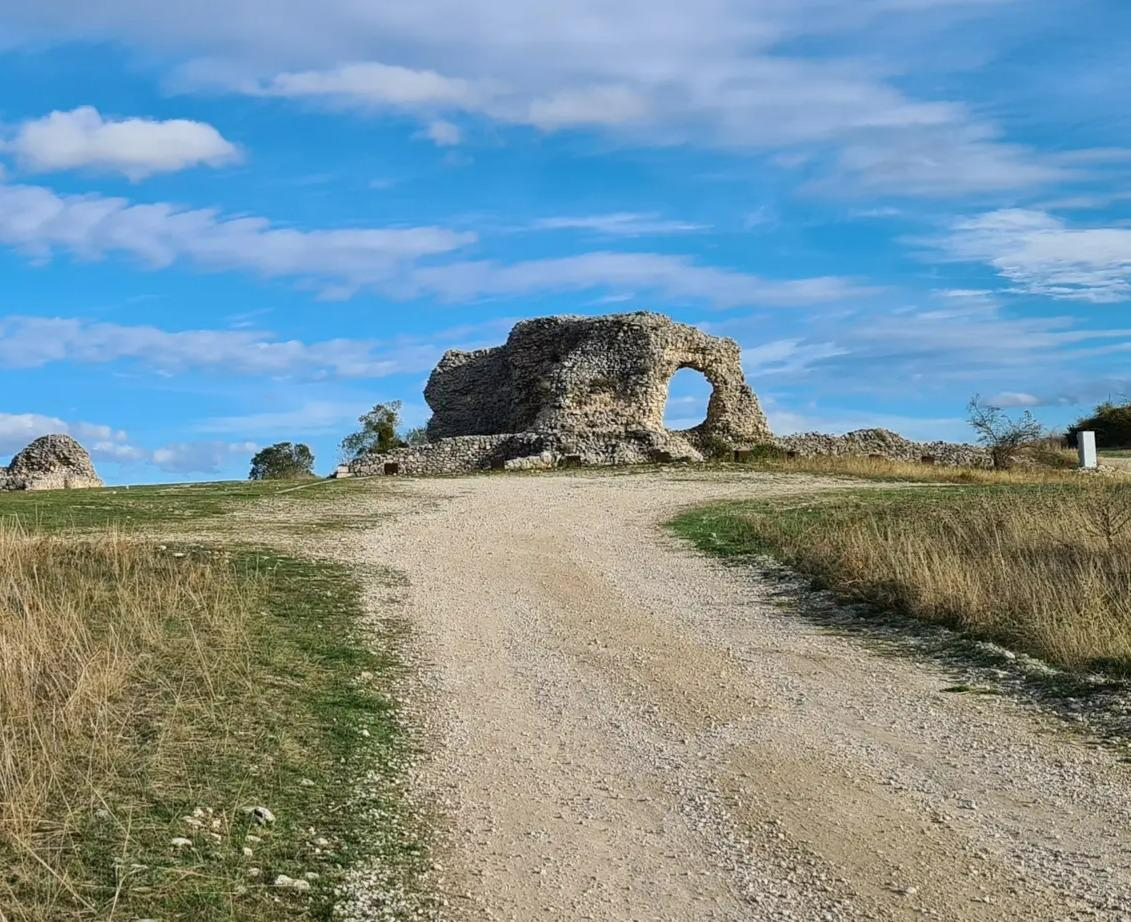
Tratturo Magno – On the roads of transhumance
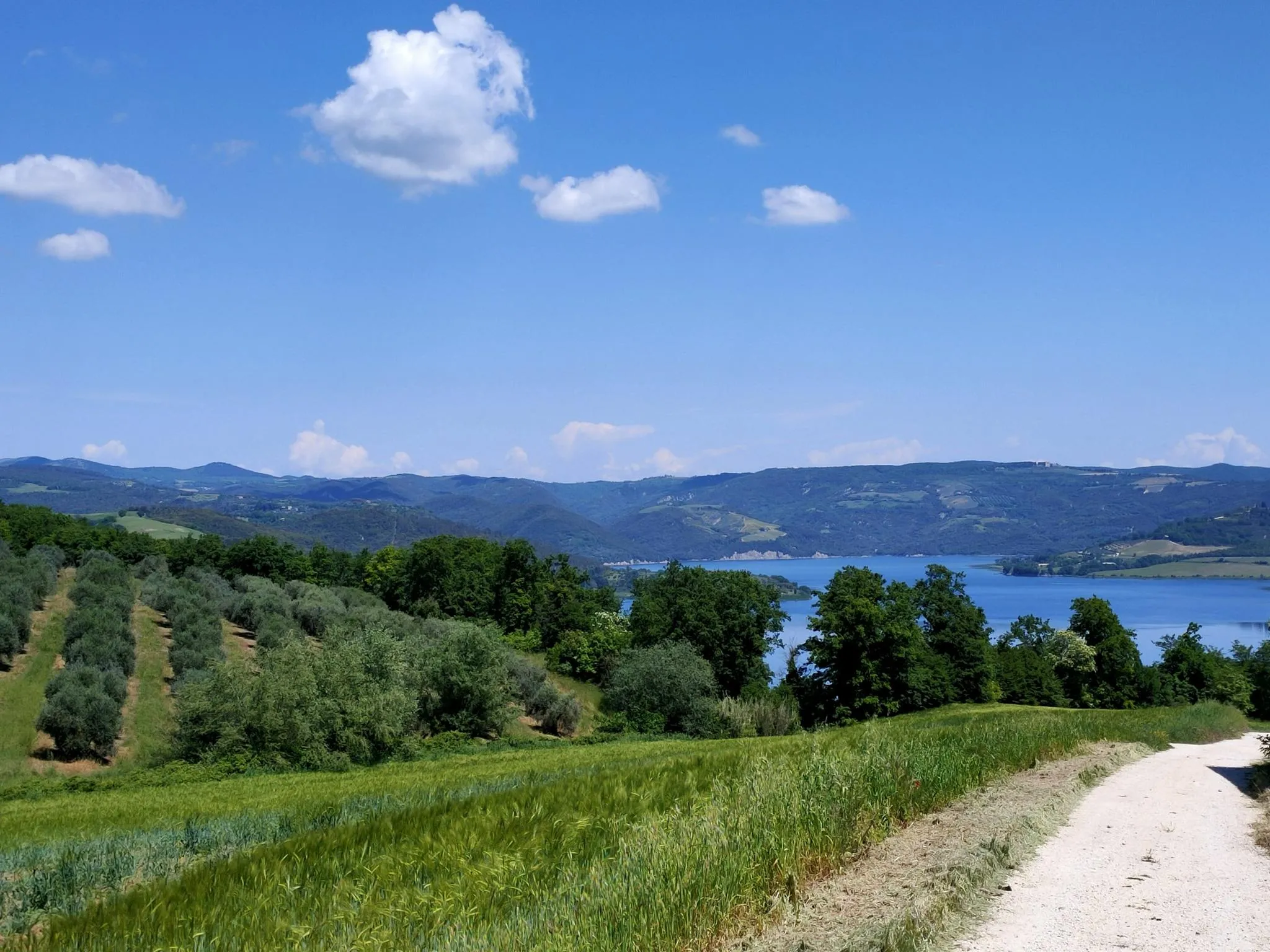
Italian Coast2Coast – From Portonovo to Orbetello
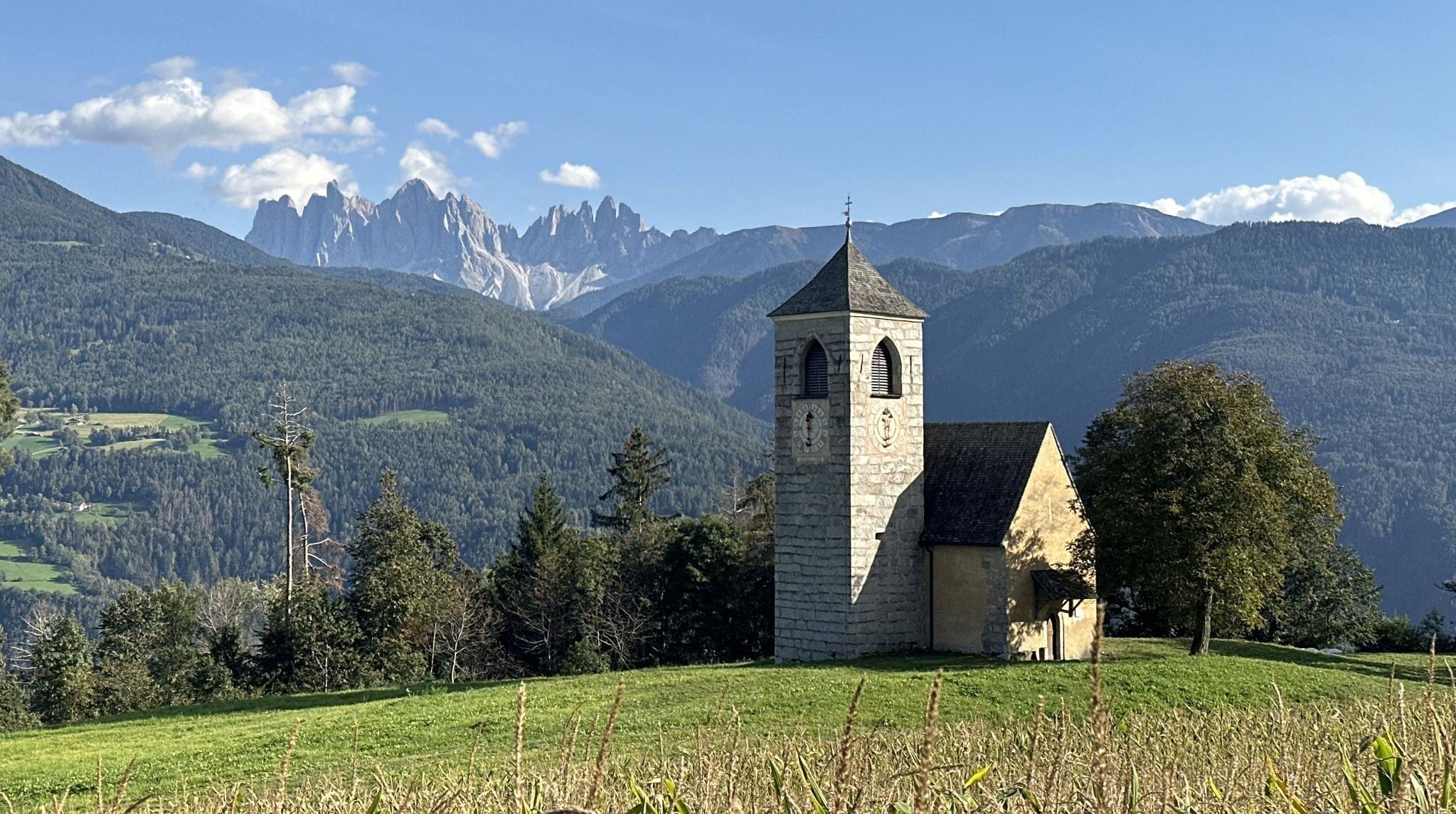
Via Romea Germanica – History, nature and spirituality
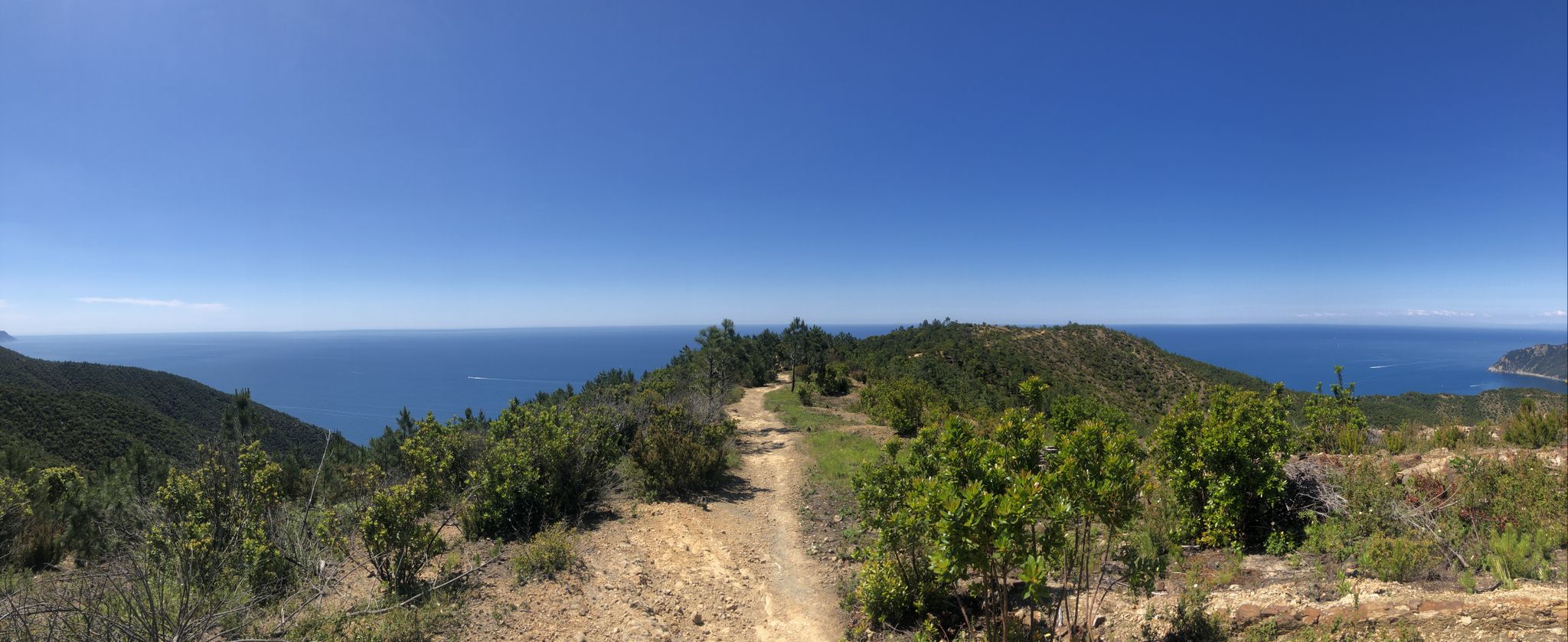
Via della Costa – A breathtaking hike along the Italian Riviera
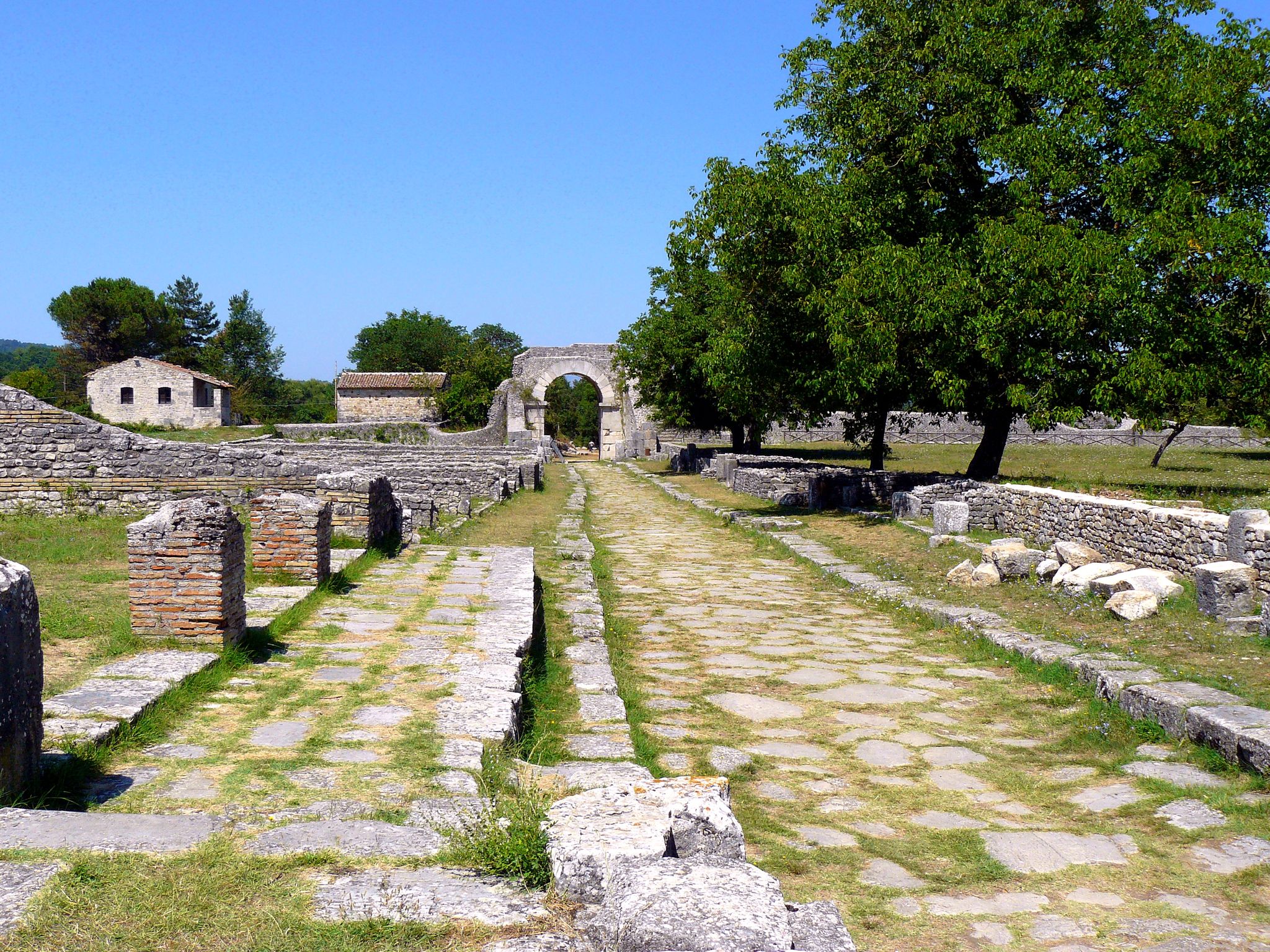
Sentiero Italia – On the tracks of the Samnites and Romans in Molise
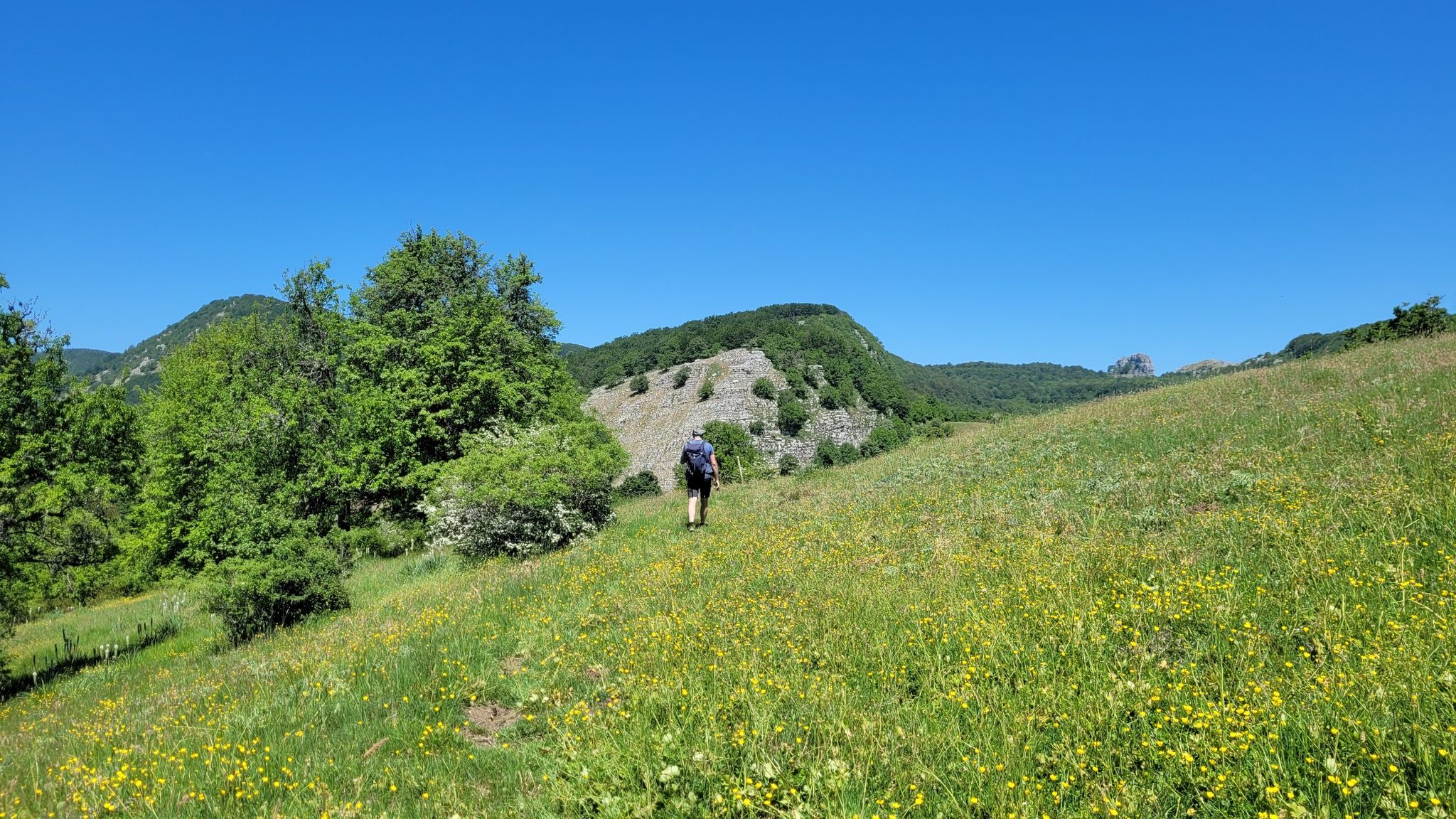
Sentiero Italia – A journey into the heart of Campania
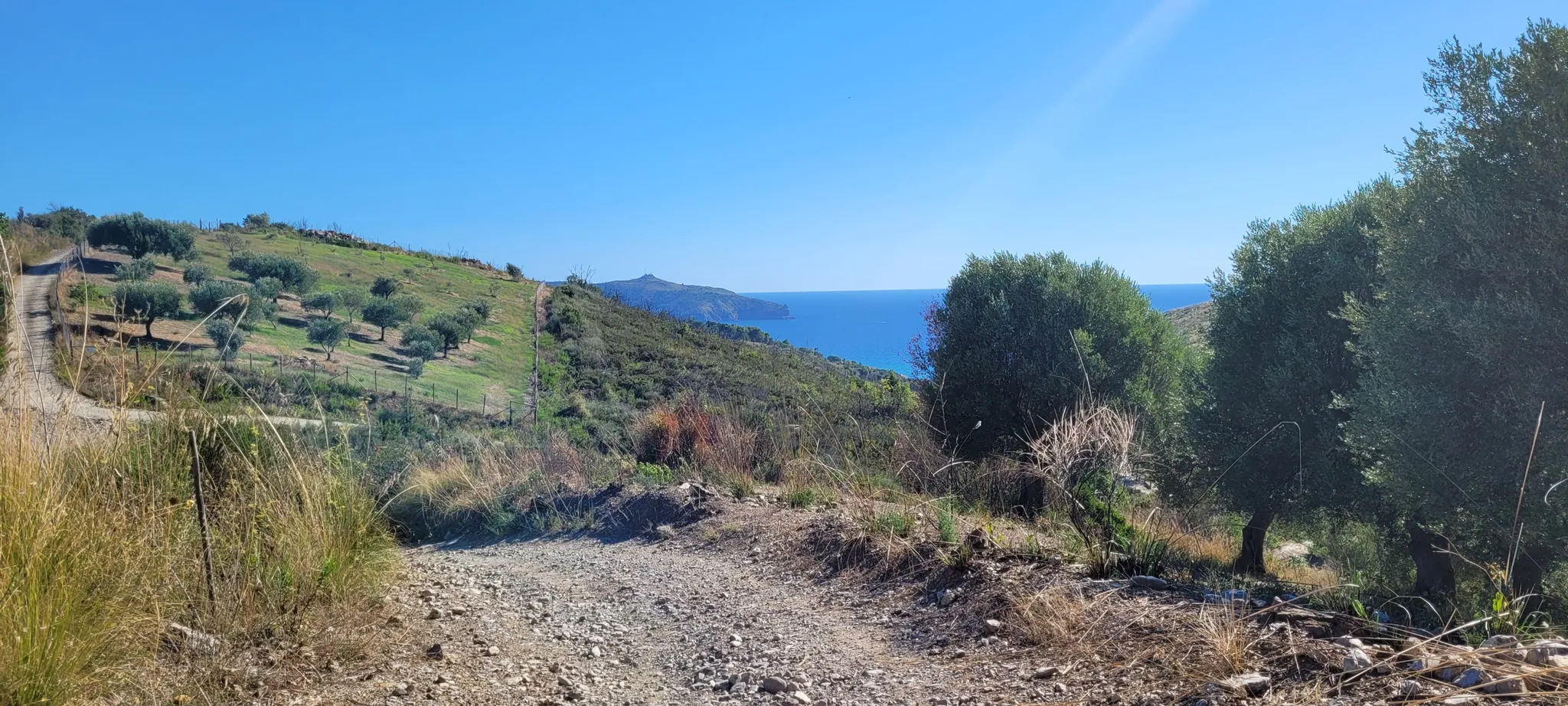
Way of St. Nilus - a slow journey into the heart of the Cilento region
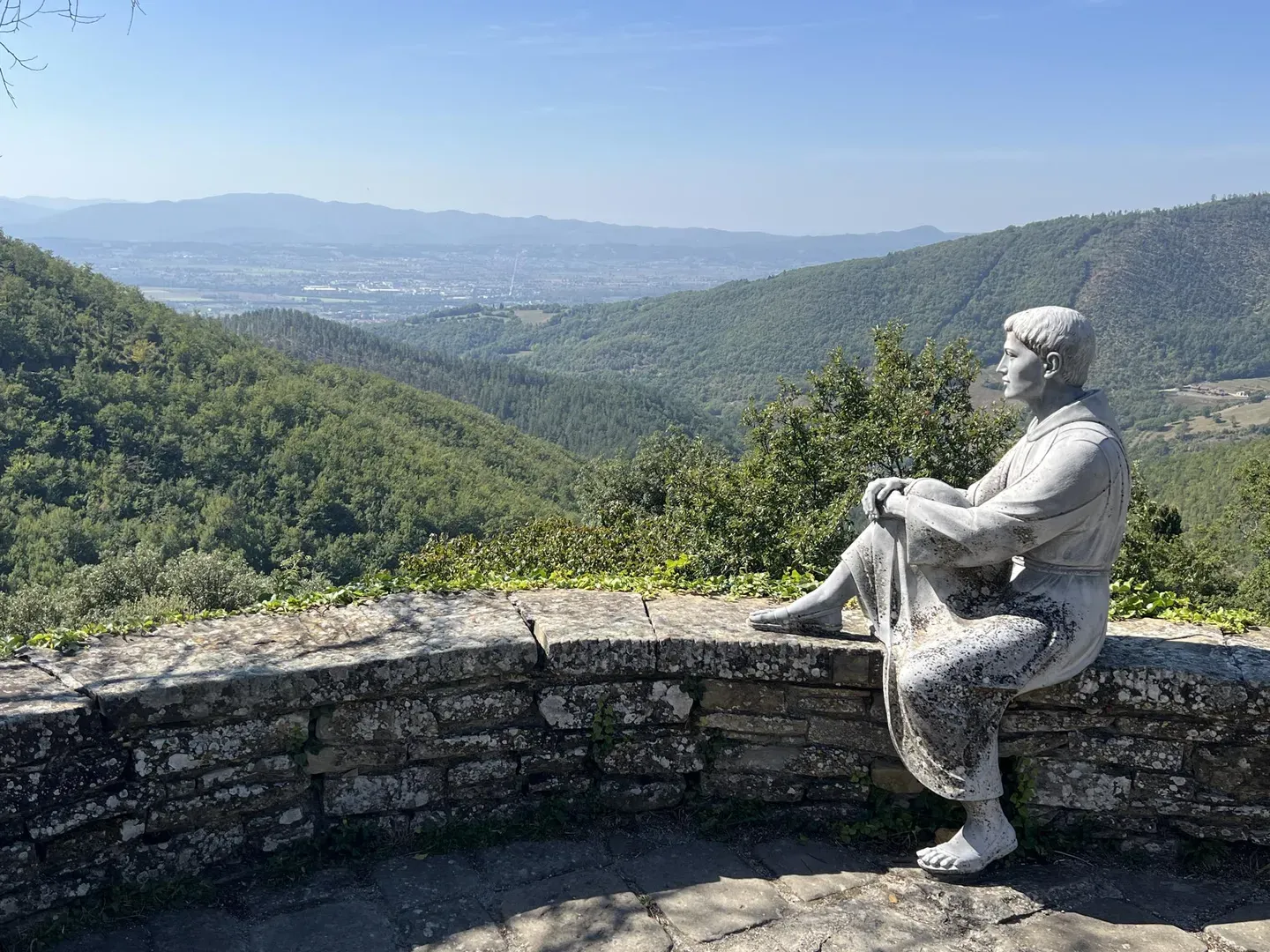
Way of St Francis in Tuscany – itineraries of Arezzo and Province
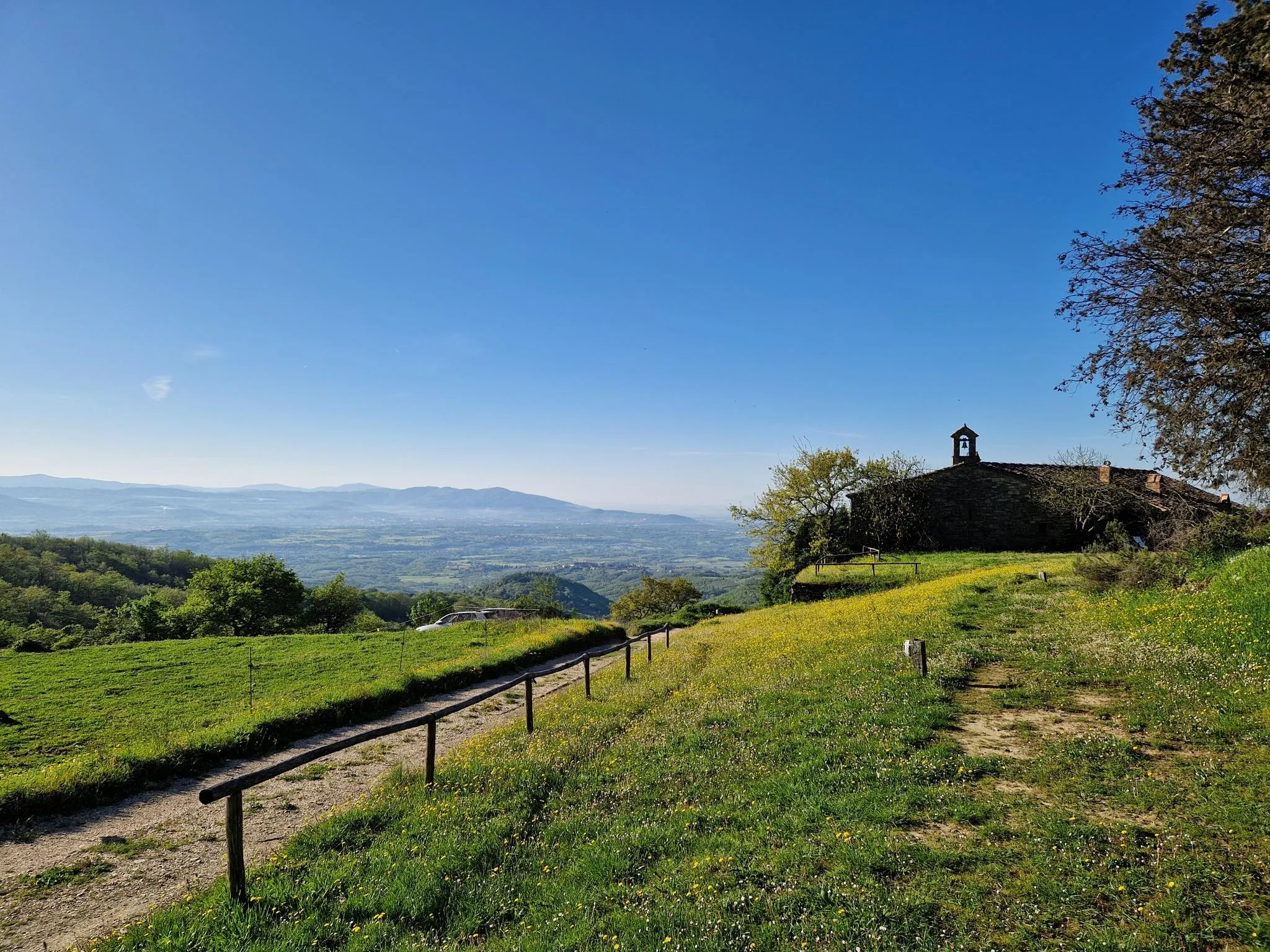
Arezzo and its valleys – between Tuscany’s art, vineyards and villages
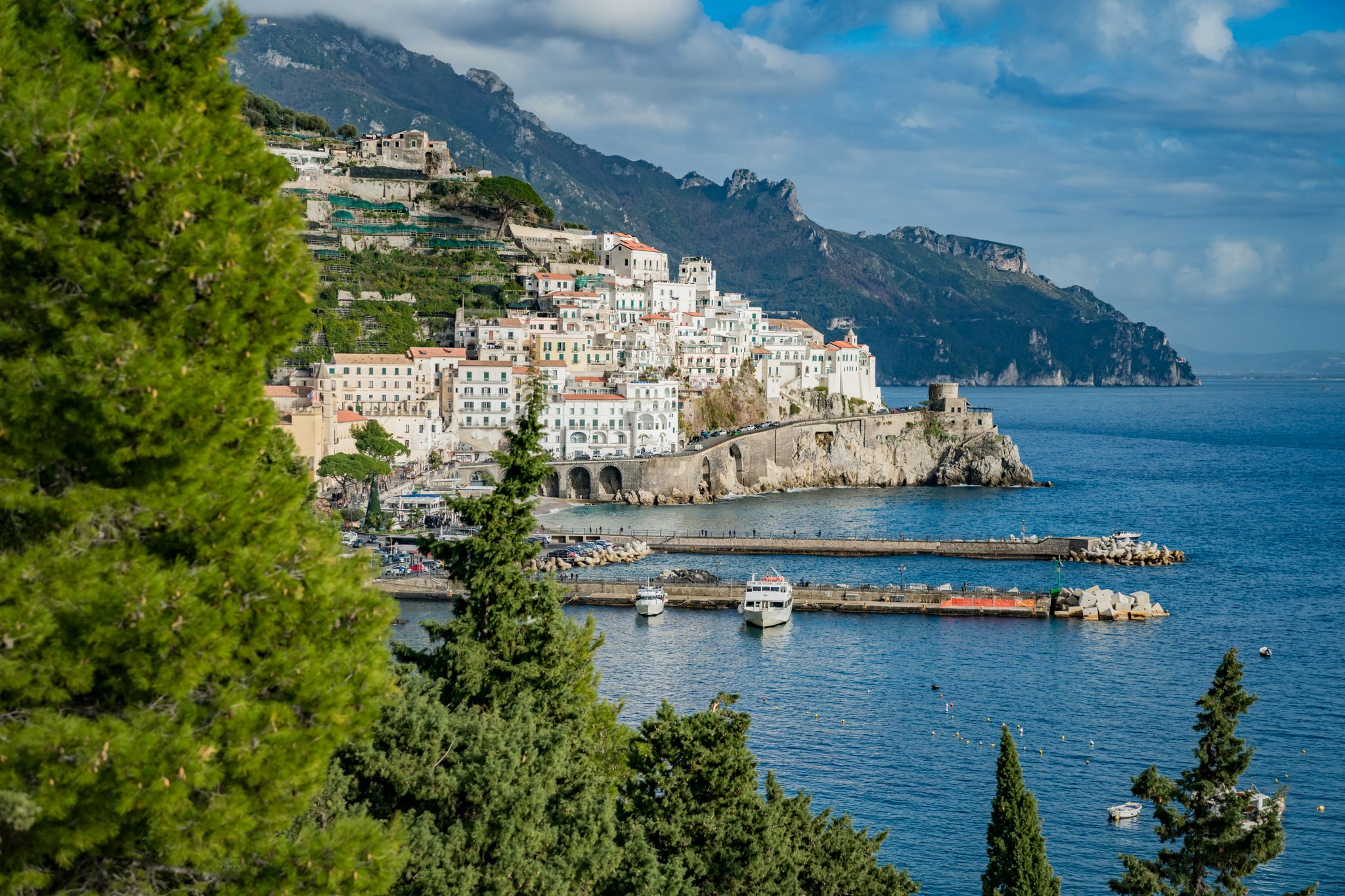
Hiking on the Amalfi Coast – routes for all year round
Other adventures in the Apennine Mountains


Tips from the Community

Palazzo Pfanner is a magnificent Baroque palace in the historic center of Lucca, Italy. It is world-famous for its enchanting Italian garden, its monumental external staircase, and its unusual history, which is closely linked to Austrian brewing art. Built in 1660 for the silk merchant family Moriconi, the Austrian master brewer Felix Pfanner took over the residence in the mid-19th century. He established one of Italy's first breweries here, which operated until 1929.
0
0
The bronze statue stands prominently on an elevated, tree-lined square directly at the top of Baluardo Santa Maria. This is the bastion that flanks the main southern city gate (Porta San Pietro). The sculpture: It depicts Victor Emmanuel II, the first king of unified Italy (known as "Padre della Patria" or Liberator of Italy), in uniform with a document in his hand.
0
0

Piazza Napoleone, commonly called Piazza Grande by the people of Lucca, is the main square and the nerve center of political, cultural, and social life in Lucca. Located in the southern part of the historic center, it is clearly distinguished from the city's classic dense network of medieval alleys thanks to its majestic rectangular layout and wide Parisian-style geometric lines.
0
0
There does not appear to be a statue dedicated to Vittorio Emanuele II in Montefiascone. The king's name is associated with Piazza Vittorio Emanuele (the historic heart of the city, also known as Piazza del Popolo), in the center of which is a historic fountain designed by engineer Cesare Tuccimei and inaugurated in 1898, but not a monument celebrating the sovereign.
0
0

Very well-preserved large city gate. Lucca is indeed the best-preserved old town.
1
0
The Walls of Lucca are one of the most famous historical monuments in Italy, known worldwide for being the only Renaissance city walls to have survived completely intact to this day. Built between 1504 and 1648 mainly to defend against the expansionist ambitions of Florence, they completely surround the historic center of the city. During the 19th century, by the will of Maria Luisa of Bourbon, the military fortification was transformed into an immense elevated public park and a charming tree-lined promenade.
3
0

The story of Pupo Nunzio di Roio from October 1919 is one of the most poignant historical tragedies of the Abruzzo region. It symbolises the harsh and dangerous reality of the transumanza (the seasonal migration of livestock), which for centuries determined the economic and social life of this Italian mountain region. This place commemorates one of the most tragic events in the history of the transumanza, the age-old migration where shepherds drove their sheep every summer to the green pastures of Campo Imperatore and returned in the autumn to the warmer plains of Puglia. In the autumn of 1919, the 41-year-old shepherd Nunzio Pupi, better known as Pupo Nunzio, postponed the descent for a few days. The autumn was exceptionally mild, and he wanted to let his flock of no less than 5,000 sheep graze for as long as possible. But the weather unexpectedly turned. A fierce snowstorm caught him by surprise in the middle of the high plain. Together with his two young sons, Idolo (12) and Alfredo (11), and their loyal sheepdog, he became disoriented in the snow. None of them survived the icy storm. The entire flock also perished. According to local legend, his wife Ersilia Caruso could not cope with the loss of her husband, her children, and their sole source of livelihood. She died a short time later, consumed by grief. This moving story recalls the hard life of the shepherds, who were completely dependent on nature and often paid a high price for their existence. About the monument: Monument of Fonte Vetica In Fonte Vetica, on the southeastern plateau of Campo Imperatore, stands an impressive monument commemorating the tragedy of 1919. The Abruzzese sculptor Vicentino Michetti immortalised the shepherd, his two sons, and their dog as they desperately fought against the icy snowstorm. A little further away stands the statue of the mother, with outstretched arms directed towards the mountains, hoping to see her family return alive. Although the monument tells one poignant story, it has become a tribute to all the shepherds of Abruzzo who, over the centuries, risked their lives during the arduous transumanza. Anyone who stops at Fonte Vetica today immediately feels the impressive combination of overwhelming beauty and the unforgiving power of this mountain landscape.
2
0

The construction of the hydroelectric dam, designed by Count Eng. Ignazio Prinetti Castelletti, began in 1941, slowed down during wartime, and was completed in 1947 under the supervision of SELT Valdarno (now Enel). In the period 1951-53, the dam was raised by about 30 m, bringing the overall height to about 88-92 m. The ordinary arch and gravity dam, built in concrete, has a crest 150 m long and 5 m wide, while the width at foundation level is about 70 m. The crest is accessible to the public all year round. The lake, artificially formed in 1947 by damming the Edron stream, constitutes the dam's reservoir. Upon filling, the rising lake waters submerged some villages, the main one being Fabbriche di Careggine, a small village of blacksmiths from Brescia, founded in the 13th century, which re-emerges with every emptying of the basin. Since the Vajont disaster, the basin has not been filled beyond 80% of its maximum capacity. The basin holds about 35 million cubic meters of water and is exceptionally emptied in case maintenance intervention is necessary. This has happened four times: in 1958, 1974, 1983, and 1994. In the latter year, almost 1 million tourists from all over the world arrived in Vagli.
0
0
Frequently Asked Questions
What kind of terrain can I expect on easy hiking trails in the Apennine Mountains?
Easy hiking trails in the Apennine Mountains typically feature varied terrain, including paths through dense forests of beech, chestnut, and oak, as well as serene valleys and alpine meadows. You'll find well-maintained paths suitable for a relaxed walk, often with gentle slopes and minimal technical sections.
Are there easy circular hiking routes in the Apennine Mountains?
Yes, many easy trails in the Apennine Mountains are designed as circular routes, allowing you to start and end at the same point. For example, the Lake Vagli - Ring tour and The Balze and the sulphurous water spring - Ring tour are popular options that offer scenic loops.
What natural features can I discover on easy hikes in the Apennine Mountains?
The Apennine Mountains are rich in natural beauty. On easy hikes, you can encounter crystal-clear lakes, unique rock formations like those found on The Balze and the sulphurous water spring - Ring tour, and diverse forests. Some areas also feature sulphurous water springs or even waterfalls, such as the Marmore Falls Loop.
Are there any family-friendly easy hikes in the Apennine Mountains?
Absolutely. Many easy trails are suitable for families, offering manageable distances and gentle elevation changes. Routes like the Lake Vagli - Ring tour provide pleasant walks with scenic views that are enjoyable for all ages. Look for trails with minimal elevation gain and well-defined paths.
Can I bring my dog on easy hiking trails in the Apennine Mountains?
Many easy hiking trails in the Apennine Mountains are dog-friendly, but it's always best to check local regulations for specific parks or protected areas. Generally, dogs are welcome on a leash, allowing you and your furry friend to enjoy the natural landscapes together.
What are some interesting landmarks or attractions I can see near easy hiking trails?
Near easy hiking trails, you can find various points of interest. For instance, you might explore historical sites like Punta Chiappa Battery, or natural wonders such as the Soprasasso Caves or Howling Cave of Premilcuore. The region also features charming traditional villages and ancient structures.
What is the best time of year for easy hikes in the Apennine Mountains?
The best time for easy hikes in the Apennine Mountains is typically from spring to autumn. Spring brings wildflowers and lush greenery, while autumn offers vibrant foliage. Summer is also pleasant, especially at higher elevations, though some lower trails might be warmer. Winter can be beautiful but may require snowshoes or specialized gear on certain paths.
Are there short easy hikes available for a quick outing?
Yes, there are several short and easy hikes perfect for a quick outing. The Portofino Lighthouse Trail, for example, is only 1.6 miles (2.6 km) and can be completed in about 45 minutes, offering coastal views. Many other trails are under 4 miles (6.5 km) and take less than two hours.
How many easy hiking trails are there in the Apennine Mountains?
The Apennine Mountains offer a vast network of trails, with over 7,900 routes specifically classified as easy. This provides a wide variety of options for hikers looking for a relaxed and accessible outdoor experience.
What do other hikers enjoy most about easy trails in the Apennine Mountains?
The area is highly rated by the komoot community, with an average score of 4.5 stars from over 55,000 reviews. Reviewers often praise the diverse landscapes, from rugged peaks to serene valleys, and the well-preserved forests. The accessibility of many trails and the opportunity to discover cultural and natural attractions are also frequently highlighted.
Is parking generally available near easy hiking trailheads?
Parking availability varies by location, but many popular easy hiking trailheads in the Apennine Mountains, especially those near villages or natural parks, offer designated parking areas. It's advisable to check specific route details or local visitor information for the best parking options before your trip.
Are there any easy hikes that offer scenic viewpoints?
Many easy hikes in the Apennine Mountains provide rewarding scenic viewpoints. Trails often lead through areas with panoramic views of rugged peaks, expansive valleys, and picturesque lakes. The region's diverse topography ensures that even on easier paths, you can find stunning vistas without strenuous climbs.
Most popular routes in the Apennine Mountains
Most popular attractions in the Apennine Mountains

Get inspired with the komoot mobile app


Explore more
Browse the best Hikes in other regions.
