Attractions and Places To See in Pembrokeshire - Top 20
Best attractions and places to see in Pembrokeshire include a diverse range of natural landscapes, historical sites, and coastal features. This Welsh region is characterized by its extensive coastline, home to the Pembrokeshire Coast National Park. Visitors can explore ancient monuments, significant religious buildings, and unique natural formations. The area offers opportunities for outdoor activities and cultural exploration.
Best attractions and places to see in Pembrokeshire
- The most popular attractions is Barafundle Bay, an other natural feature known for…
Last updated: October 9, 2026
Carningli Mountain
Highlight • Viewpoint
Tip by

Foel Cwmcerwyn summit
Highlight • Natural Monument
Tip by

Sign up now to discover places like this
Get recommendations on the best single tracks, peaks, & plenty of other exciting outdoor places.
Foel Drygarn Hillfort and Cairns
Highlight • Viewpoint
Tip by

St David's Cathedral
Highlight • Religious Site
Tip by
Cleddau Bridge
Highlight • Cycleway
Tip by
Barafundle Bay
Highlight • Natural
Tip by
Carn Llidi Summit View
Highlight • Natural Monument
Tip by
Eight-Arch Bridge, Stackpole
Highlight • Historical Site
Translated by Google •
Tip by

Bishop's Palace and St Davids Cathedral
Highlight • Religious Site
Tip by
Porthgain Harbour
Highlight • Settlement
Tip by
Sign up for free to discover even more attractions in Pembrokeshire.
Already have an account?
Start today with a free account
Your next adventure awaits.
Popular around Pembrokeshire
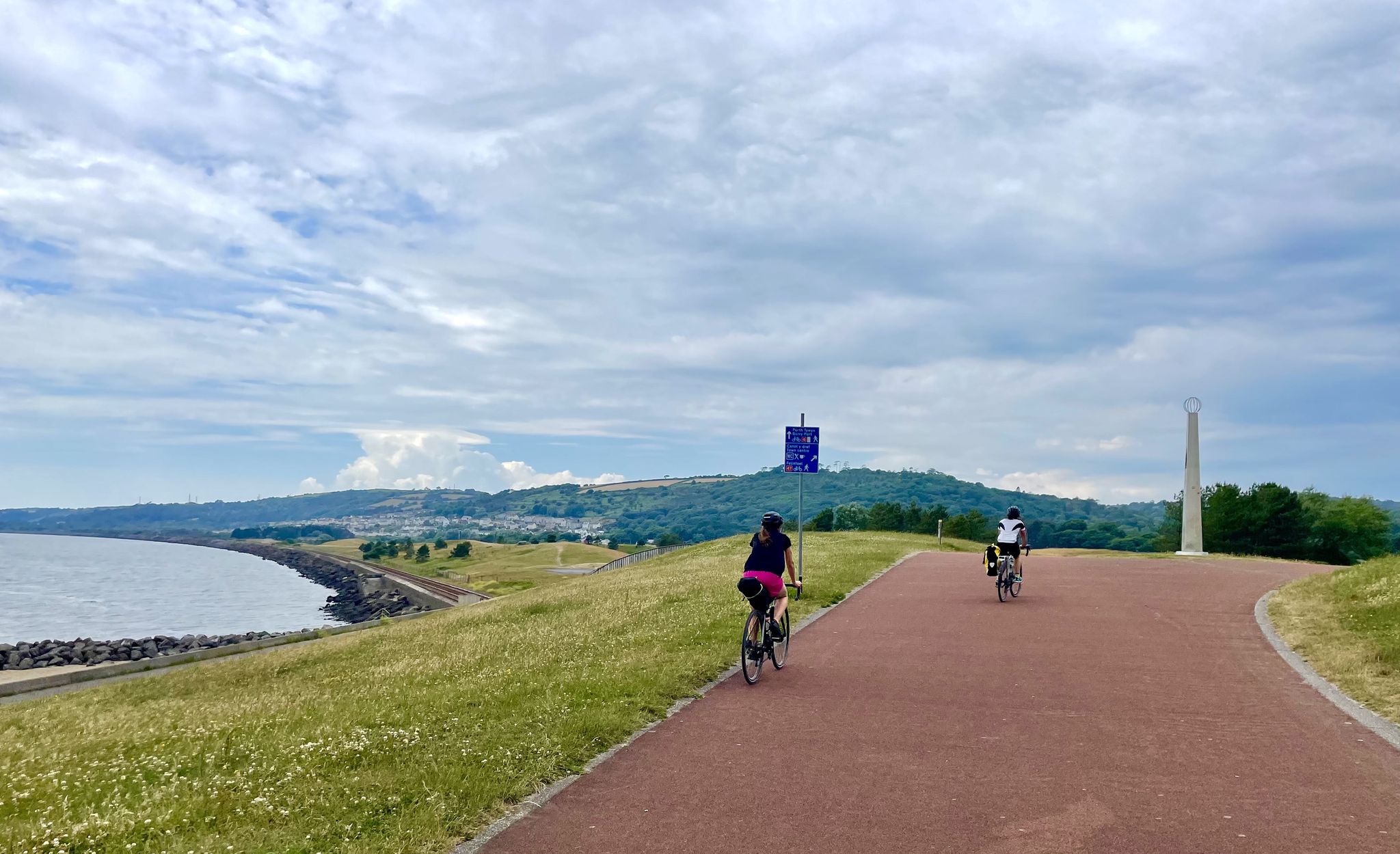
National Cycle Network Route 4 — Greenwich to Fishguard
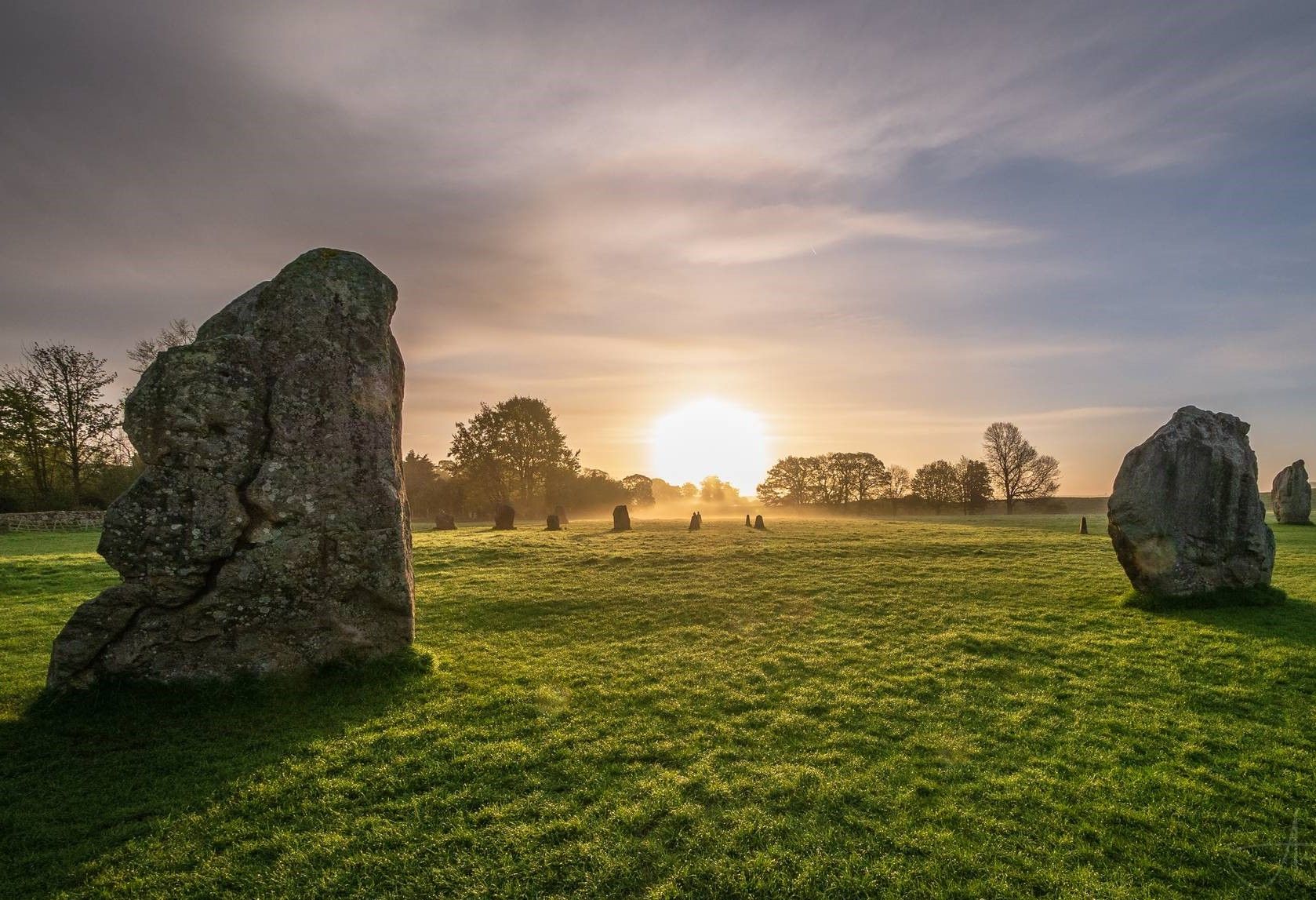
Celtic Way — An epic pilgrimage through prehistory and wild beauty
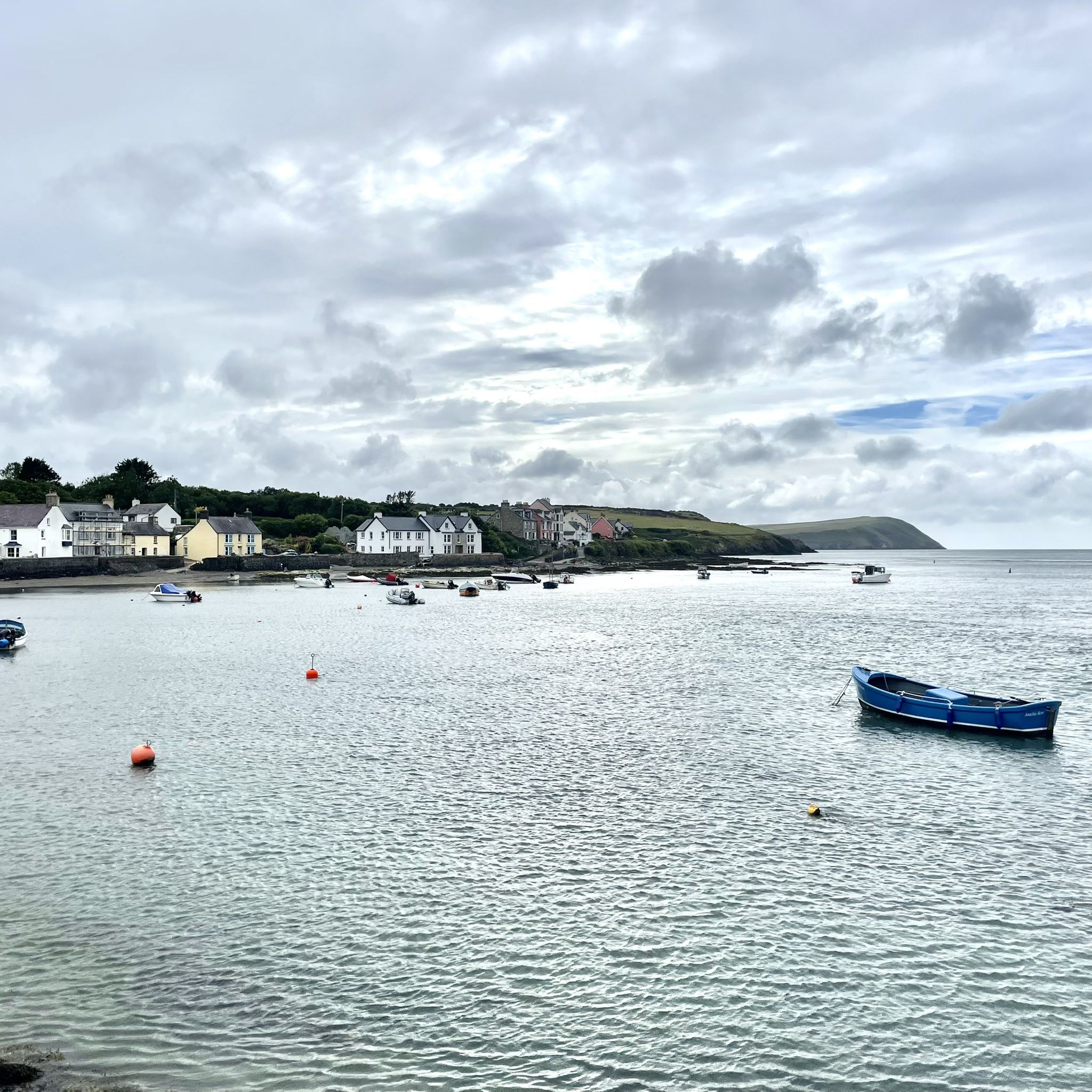
Newport to Cemaes Head – Pembrokeshire walks
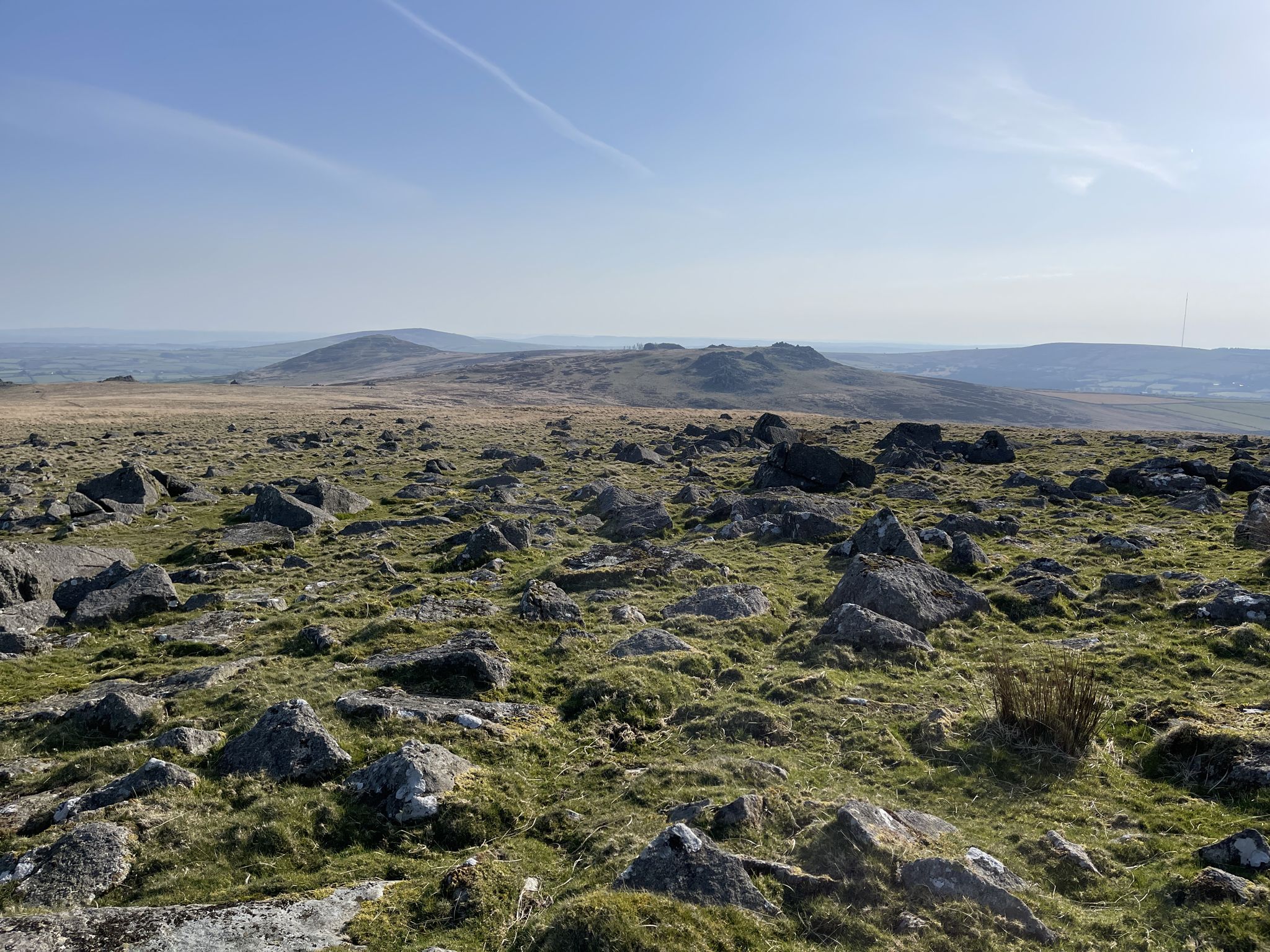
Preseli Hills – Pembrokeshire walks
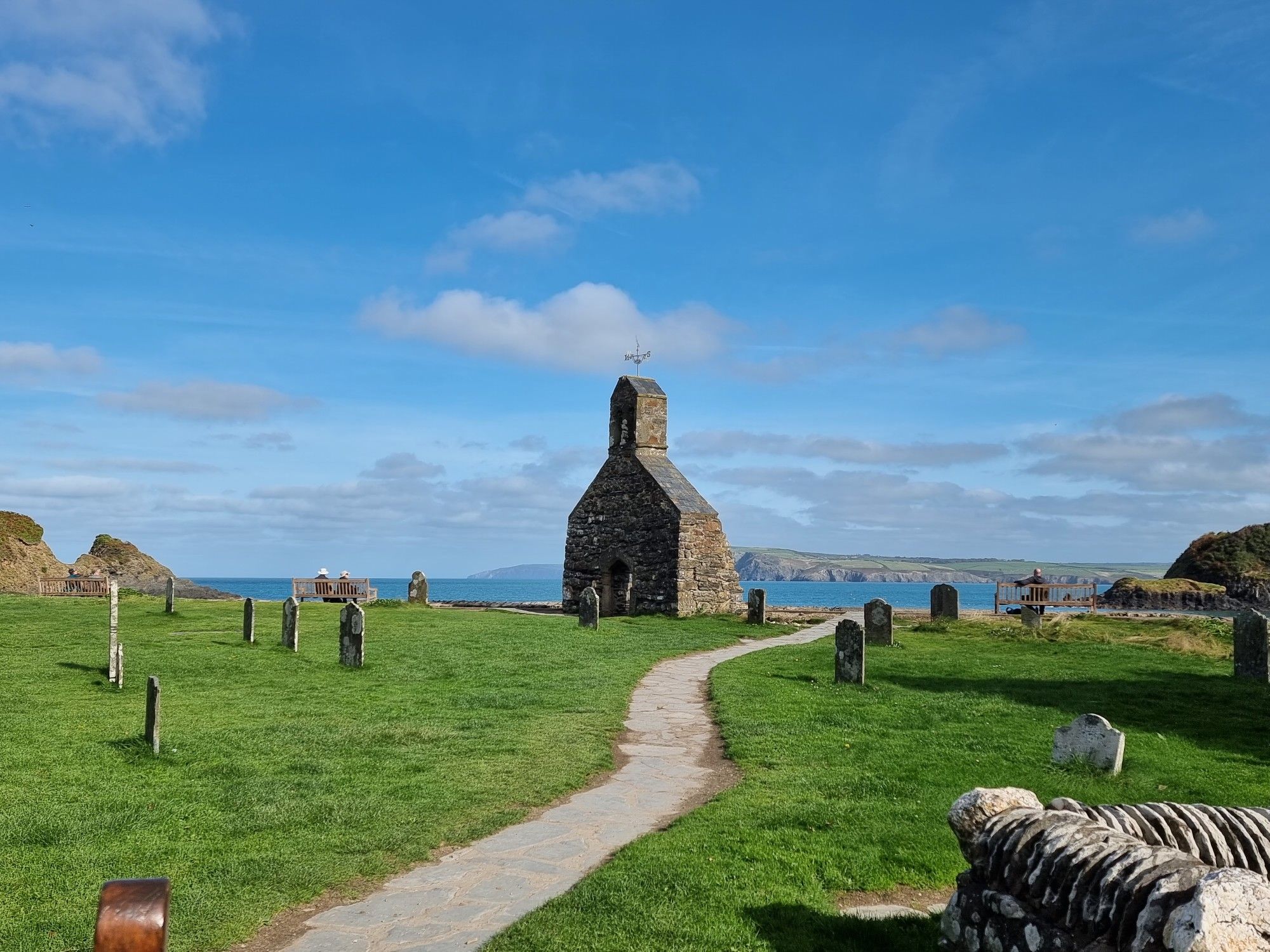
Fishguard and Gwaun Valley – Pembrokeshire walks
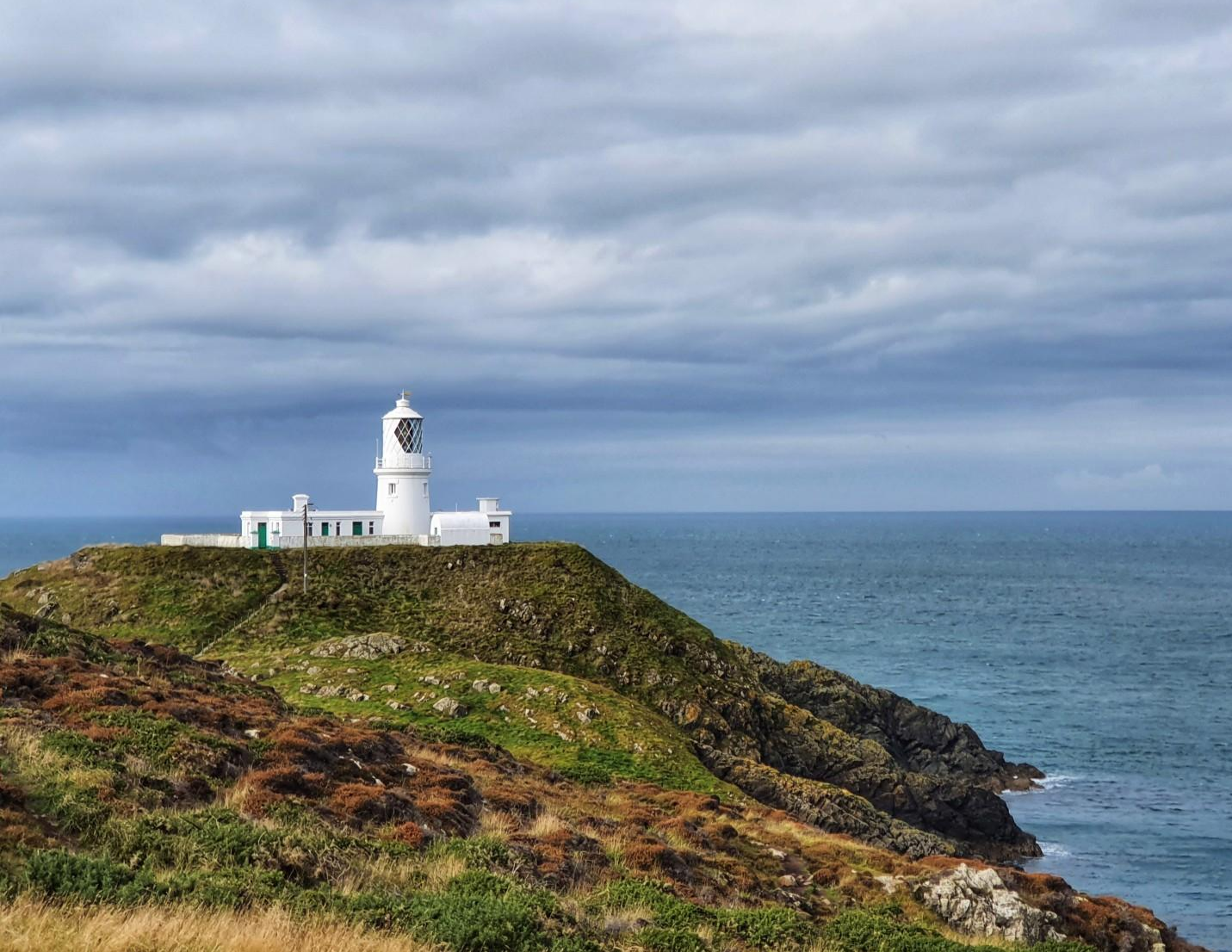
Abercastle to Strumble Head – Pembrokeshire walks
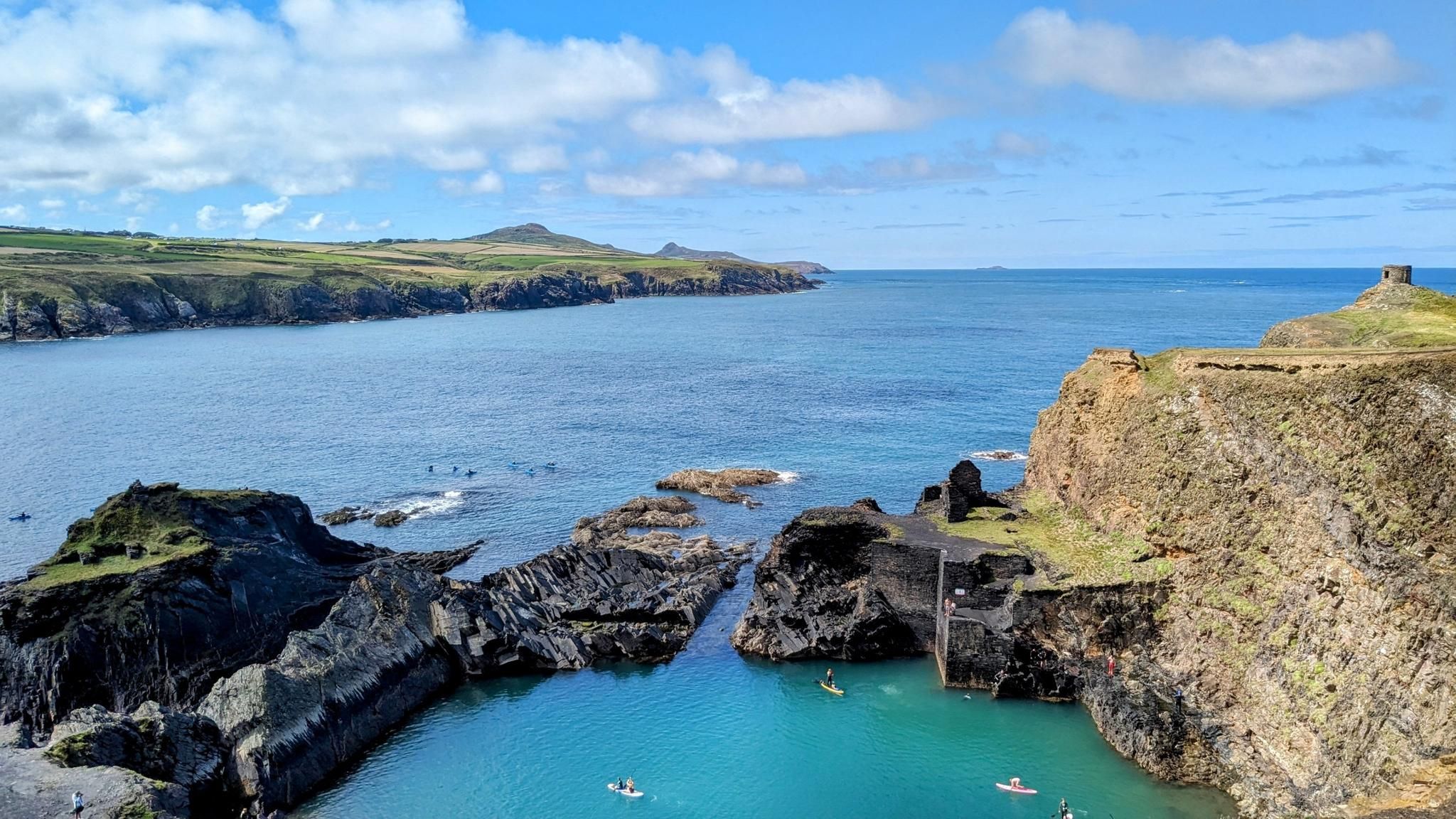
St Davids Head to Abercastle – Pembrokeshire walks
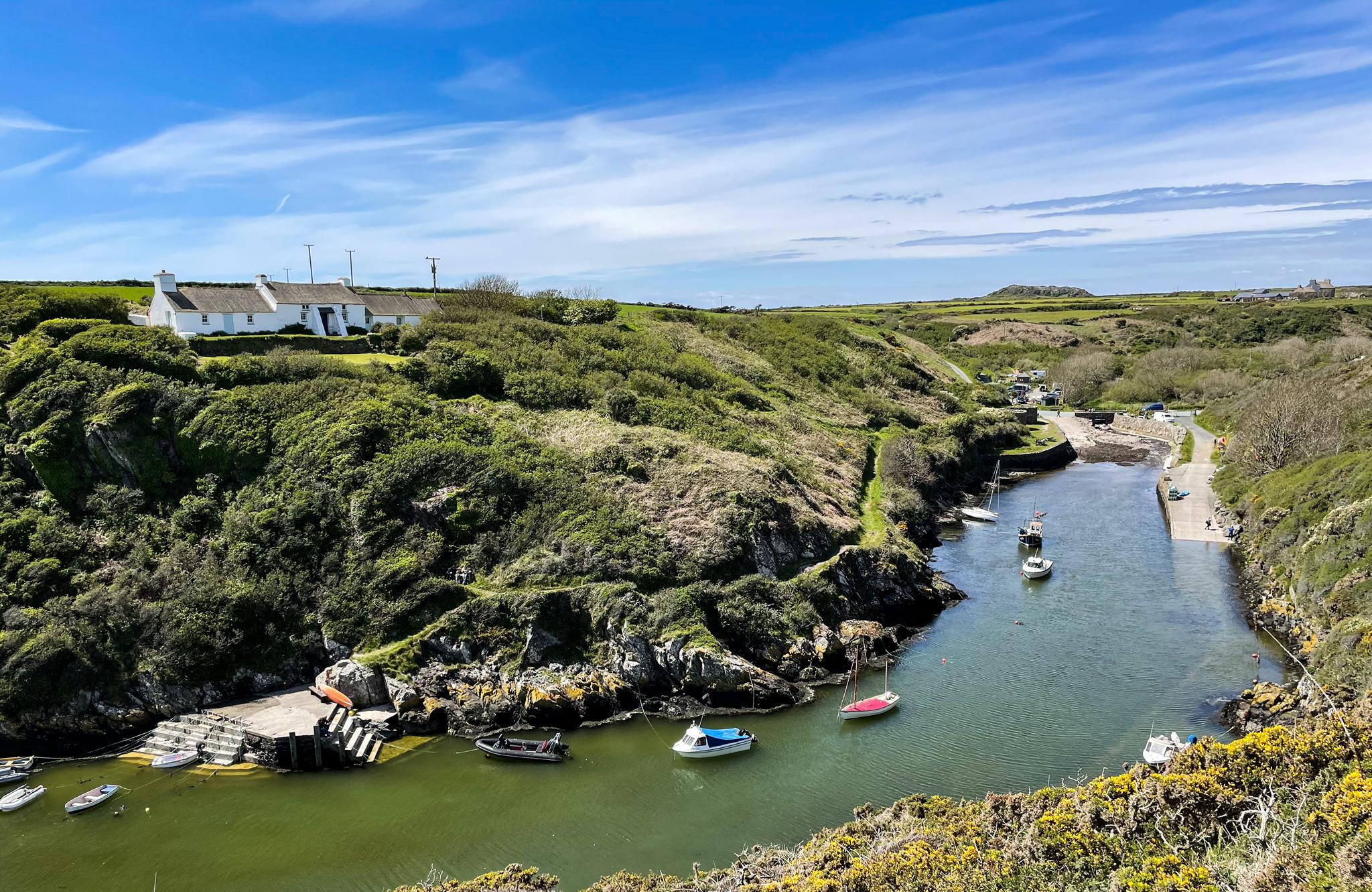
St Davids and Solva – Pembrokeshire walks
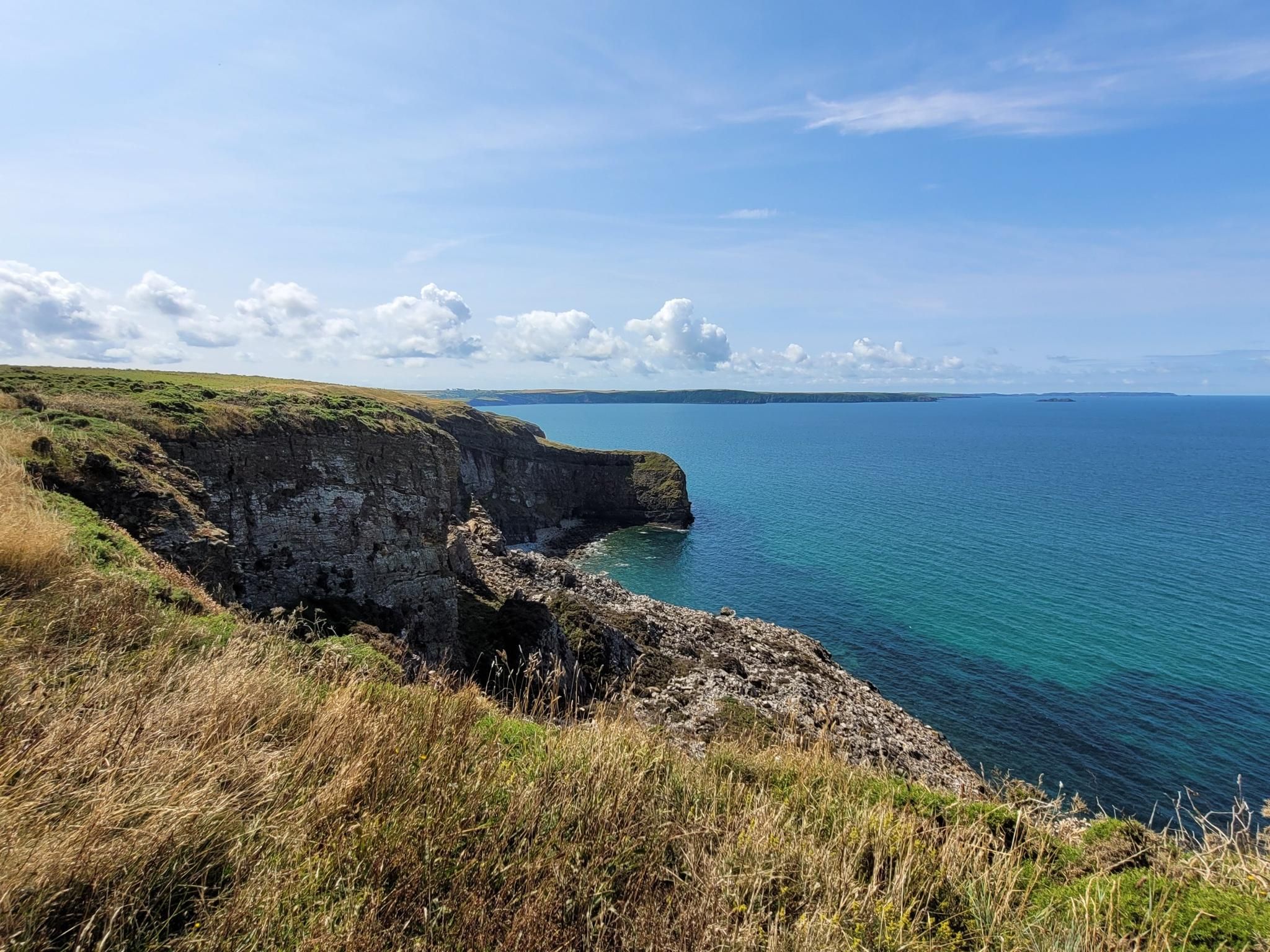
Broad Haven and St Brides Bay – Pembrokeshire walks
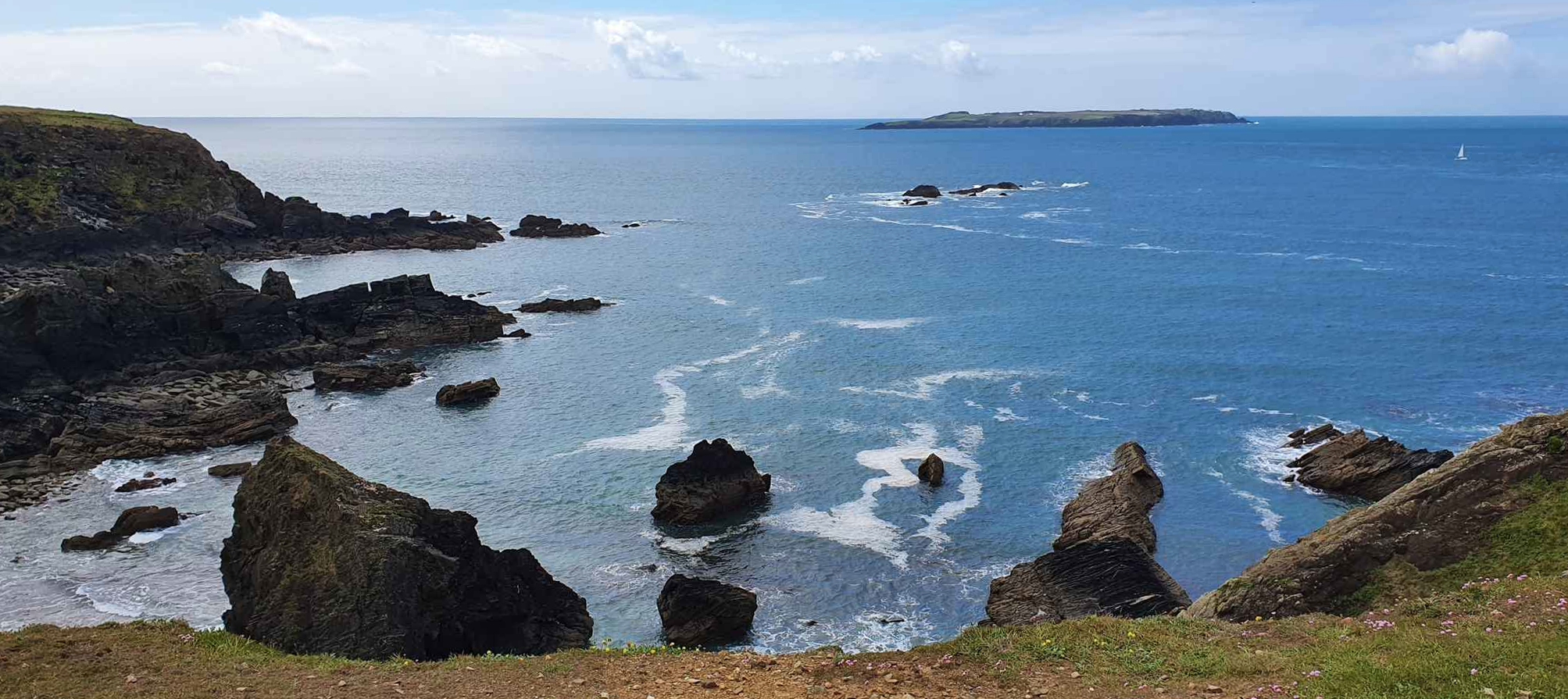
Marloes Peninsula and Skomer – Pembrokeshire walks
Other adventures in Pembrokeshire


Tips from the Community

Views all round, to the sea, Cardigan Bay, north and Milford Haven in south.
0
0

Mynydd Carningli, or Carningli for short (or "Carn Ingli"), is almost 350 meters high and around 450 million years old. It is a long-extinct volcano that has been eroded by sea, rainwater, and wind. Today, only the core of Carningli remains. It was first documented as "Mons Angelorum" (Mountain of the Angels) in the 12th century. Saint Brynach is said to have lived nearby in a small community of monks around 450 AD and often climbed the mountain to speak with the angels. Those who climb the mountain today, enjoying the peace and the surrounding views, can easily imagine that the saint—like other people—sought proximity to the angels there.
0
0

Beautiful old pub! Stopped here after a hike & it was fascinating inside, plenty of locals, of course a lot of tourists (as I was!) But I'd love to come back here sometime & go there for the evening, it just looks like it gets a bit loose!
0
0

Visit this interesting historical site & see how Porthgain used to be
1
0

Porthgain, a small coastal village in Pembrokeshire, became an industrial hub in the 19th and early 20th centuries. The quarrying activities in Porthgain primarily focused on slate and later on roadstone. The harbour, constructed in 1851, was essential for exporting slate from nearby quarries. Initially, slate was transported to the harbour by horse-drawn tramways and later by steam-powered machinery. By the late 19th century, the industry expanded to include brickmaking using slate waste. The demand for roadstone led to the development of steam-powered crushers and large storage hoppers, which are still visible today. Despite its industrial success, the Great Depression in the inter-war period led to a decline in trade, and by 1931, the quarrying activities had ceased. Today, Porthgain is a conservation area, preserving its rich industrial heritage and attracting visitors to its historical sites and scenic beauty
1
0
Porthgain is known for its picturesque harbour and rich industrial history. The village was once a bustling industrial port in the early 1900s, primarily involved in the export of slate, bricks, and crushed roadstone. Quarry History: • Slate Quarrying: Slate was the primary industry in Porthgain from around 1850 to 1910. The slate was quarried from nearby locations like Abereiddi and Trwynllwyd and transported to Porthgain via a tramway. • Brickmaking: From 1889 to 1912, bricks were manufactured using waste from the slate operations. The large brick hoppers that dominate the harbour today were used to store crushed dolerite before shipment. • Roadstone Production: After the decline of the slate industry, Porthgain turned to producing crushed roadstone from 1889 until 1931. Today, Porthgain is a conservation area, attracting visitors with its historical charm, scenic views, and local seafood. The harbour remains active, primarily serving local fishermen and recreational boaters.
1
0

Popular pub for young and old with delicious food. For fans of Game of Thrones: Jerome Flynn also stops here when he is in the area.
1
0

Remnants from a time gone by then ships used to be loaded with quarried materials via the structures that still remain.
1
0
Frequently Asked Questions
What are some of Pembrokeshire's most stunning natural coastal features?
Pembrokeshire boasts an incredible coastline. Don't miss the dramatic natural limestone arch of the Green Bridge of Wales and the nearby Elegug Stacks. Barafundle Bay is renowned for its soft golden sand and crystal-clear waters, accessible only on foot. The Bosherston Lily Ponds offer a tranquil natural haven leading to Broadhaven South beach.
Where can I find significant historical sites and ancient monuments in Pembrokeshire?
Pembrokeshire is rich in history. Visit St David's Cathedral, a site of pilgrimage for over 800 years, and the adjacent picturesque ruins of the Bishop's Palace. Other notable sites include Pembroke Castle, Carew Castle and Tidal Mill, and the Neolithic Pentre Ifan Burial Chamber.
Are there family-friendly attractions and activities in Pembrokeshire?
Yes, Pembrokeshire offers many family-friendly options. The Bosherston Lily Ponds are great for nature walks. St David's Cathedral and the Bishop's Palace offer engaging historical exploration. Beyond these, Folly Farm Adventure Park and Zoo and Heatherton World of Activities are popular choices for families.
What are the best places for wild swimming or water sports in the region?
For wild swimming, the Blue Lagoon at Abereiddy, a former slate quarry, offers strikingly beautiful turquoise waters and is popular for cliff jumping and kayaking. Freshwater West is one of Pembrokeshire's top surfing spots, while Whitesands Bay is ideal for surfing, swimming, canoeing, kayaking, and kitesurfing.
Where can I go for wildlife spotting, especially seabirds or seals?
The Pembrokeshire coast is excellent for wildlife. Take a boat trip to Ramsey Island, an RSPB nature reserve, to see seabirds like puffins, razorbills, and guillemots, as well as grey seals. Skomer Island is another prime location, home to thousands of puffins and other seabirds. Autumn is particularly good for observing seal pups along the coast.
What kind of outdoor activities, like hiking or cycling, can I do near these attractions?
Pembrokeshire is perfect for outdoor enthusiasts. You can explore numerous trails, including sections of the Pembrokeshire Coast Path. For cycling, consider routes like the 'Llys-y-fran Country Park & Reservoir double loop' or the 'Fishguard to St. Davids loop'. Mountain biking options include the 'Preseli Hills Loop'. Find more routes in the MTB Trails in Pembrokeshire, Cycling in Pembrokeshire, and Running Trails in Pembrokeshire guides.
Are there any easy walks or trails suitable for all abilities?
Yes, there are several accessible options. The paths around the Bosherston Lily Ponds offer a gentle stroll with beautiful scenery and plenty of birdlife. Many sections of the Pembrokeshire Coast Path are also suitable for easier walks, though some parts can be challenging. The 'Pembroke Castle & Mill Pond loop' is an easy running trail that can also be walked.
What are some unique or 'hidden gem' attractions in Pembrokeshire?
For a truly unique experience, visit St Govan's Chapel, a 5th-century chapel nestled into the cliffside, accessible by a long flight of steps. Caldey Island, a short boat ride from Tenby, offers a glimpse into monastic life at a modern Cistercian monastery amidst serene landscapes.
What do visitors enjoy most about the natural attractions in Pembrokeshire?
Visitors consistently praise the stunning natural beauty and tranquility. For instance, Barafundle Bay is loved for its 'clean beach and crystal clear water' and is described as a 'beautiful place'. The Bosherston Lily Ponds are appreciated for being a 'very attractive place' with 'plenty of birdlife to admire' and 'great for nature walks'.
Can I find viewpoints with panoramic scenery in Pembrokeshire?
Absolutely. Pembrokeshire is dotted with incredible viewpoints. Hike up Carningli Mountain or Foel Cwmcerwyn summit in the Preseli Mountains for expansive views. Carn Llidi Summit View near Whitesands Bay also offers breathtaking vistas of the coast and surrounding area.
What is the best time of year to visit Pembrokeshire attractions?
Pembrokeshire is beautiful year-round, but the best time often depends on your interests. Spring and summer (April to September) offer warmer weather, ideal for coastal walks, beach activities, and seeing wildflowers and puffins. Autumn (October to November) is excellent for seal watching and fewer crowds. Winter provides dramatic coastal scenery and a quieter experience, though some facilities may have reduced hours.
Most popular routes in Pembrokeshire
Most popular attractions in Pembrokeshire

Get inspired with the komoot mobile app


Didn’t find what you were looking for?
Are you keen on exploring more awesome places nearby? Browse our guides:
Explore more
Still not found the Highlight you’re looking for? See guides of the top attractions in other regions:
