Attractions and Places To See in Cumbria - Top 20
Best attractions and places to see in Cumbria include a diverse range of natural landscapes, historical sites, and cultural points of interest. The region is dominated by the Lake District National Park, a UNESCO World Heritage Site, characterized by its fells, lakes, and valleys. Cumbria also features significant Roman heritage, including Hadrian's Wall, and a rich literary history. These elements combine to offer varied exploration opportunities.
Best attractions and places to see in Cumbria
- The most popular attractions is Old…
Last updated: October 10, 2026
Old Man of Coniston summit
Highlight • Summit
Tip by

Catbells Summit
Highlight • Summit
Tip by

Sign up now to discover places like this
Get recommendations on the best single tracks, peaks, & plenty of other exciting outdoor places.
Helvellyn Summit
Highlight • Summit
Tip by
Wansfell Pike summit
Highlight • Summit
Tip by

Rydal Cave
Highlight • Cave
Translated by Google •
Tip by

Loughrigg Fell summit
Highlight • Viewpoint
Tip by
Scafell Pike summit
Highlight • Summit
Tip by
Helm Crag summit
Highlight • Summit
Tip by
Blencathra Summit
Highlight • Summit
Tip by
Orrest Head
Highlight • Viewpoint
Tip by

Sign up for free to discover even more attractions in Cumbria.
Already have an account?
Start today with a free account
Your next adventure awaits.
Popular around Cumbria
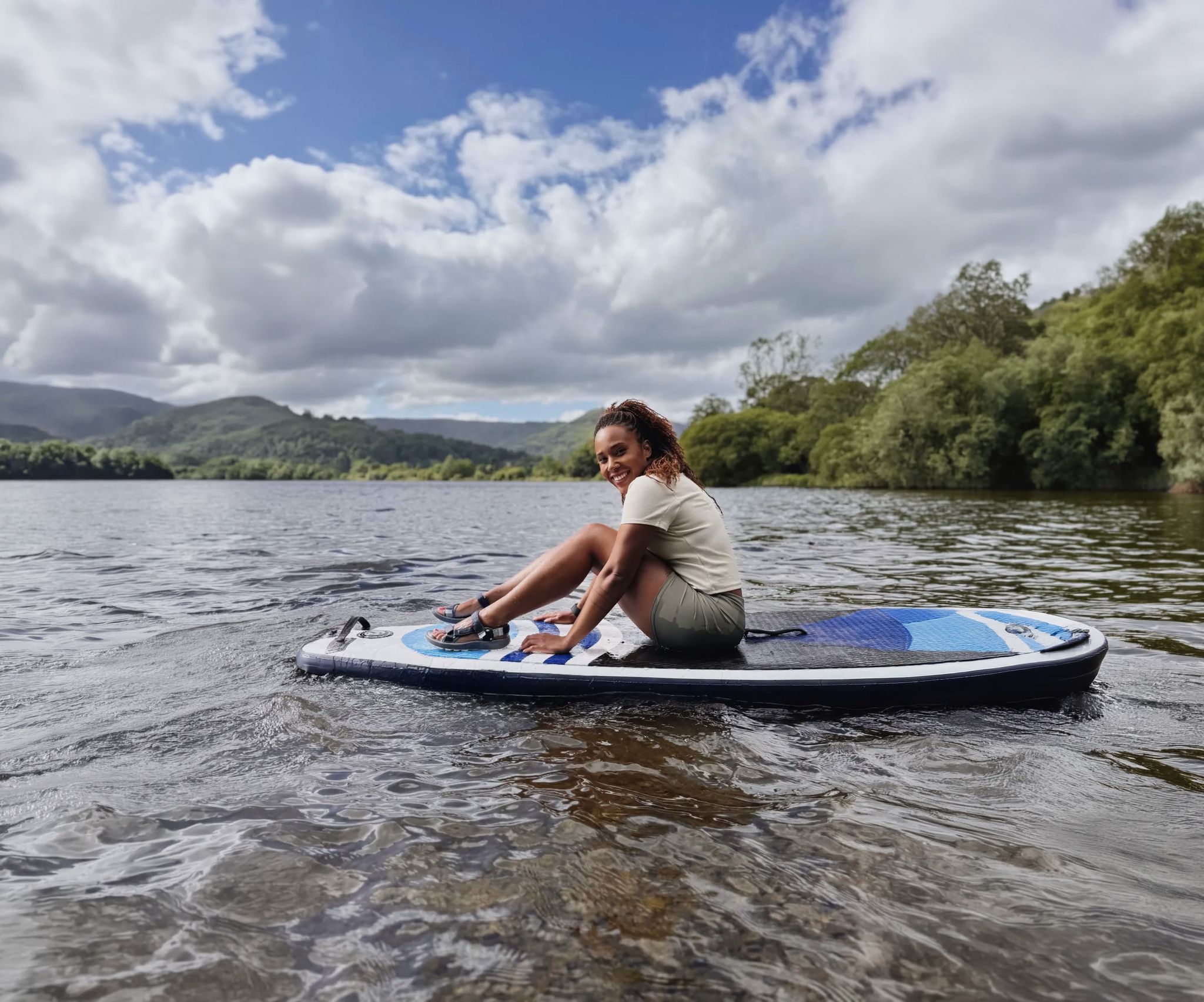
Scenic hikes to stand-up paddleboarding locations in the UK

Supporting the National Three Peaks FKT in true Green Runners’ Style
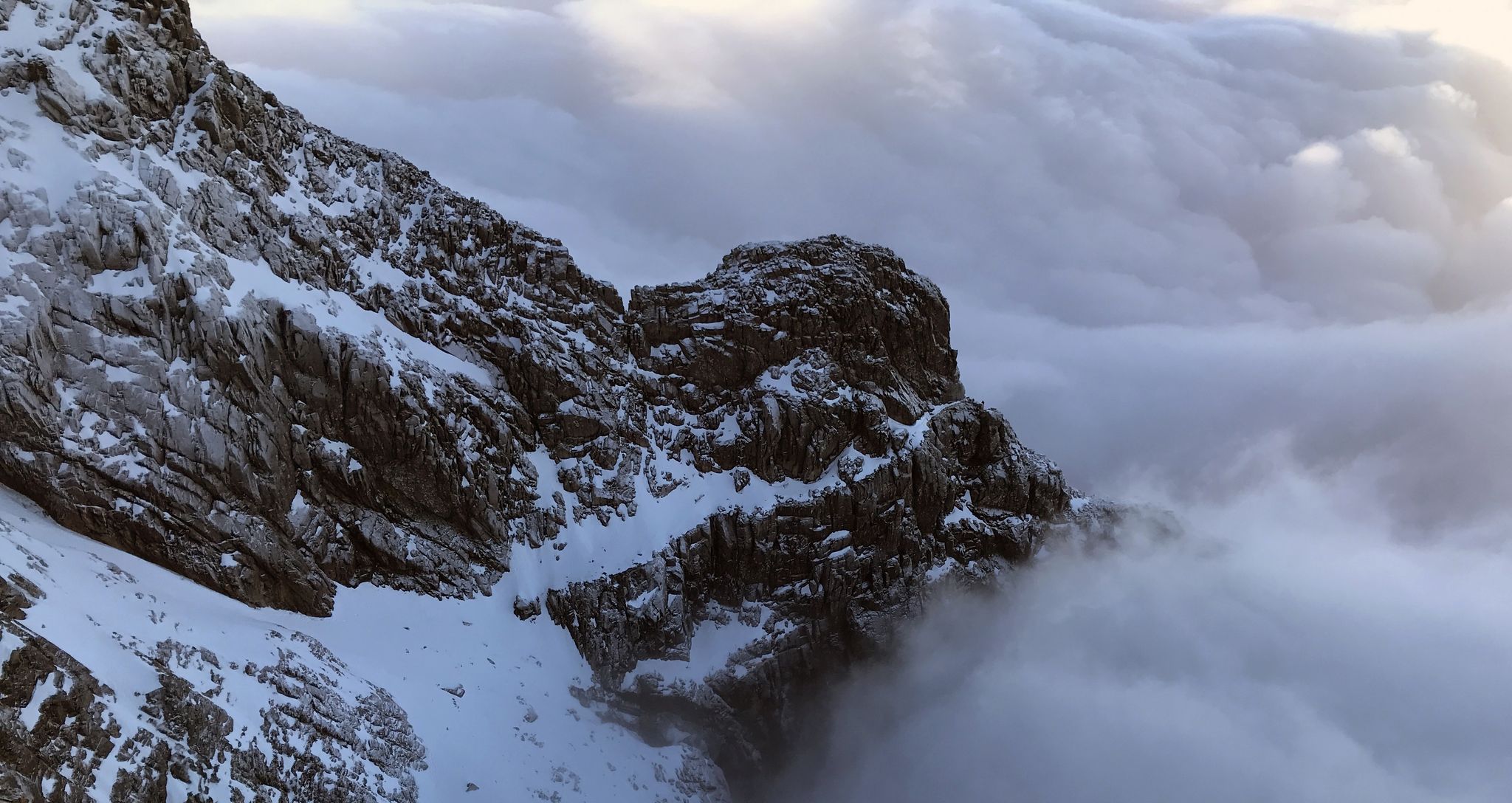
Ephemeral Lines – Stunning UK Winter Ridges
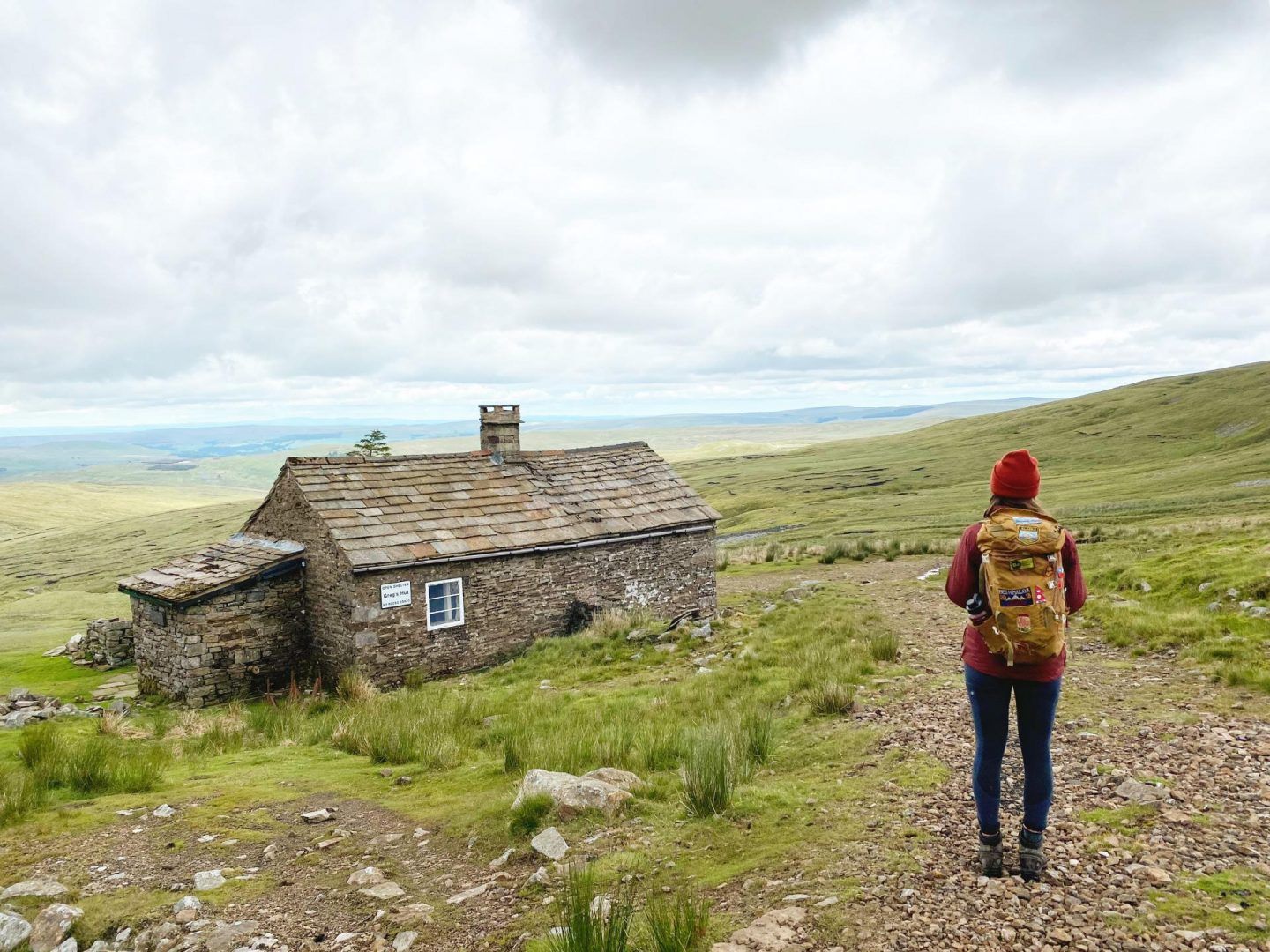
Bothies of Britain: hiking and biking adventures to unique mountain shelters
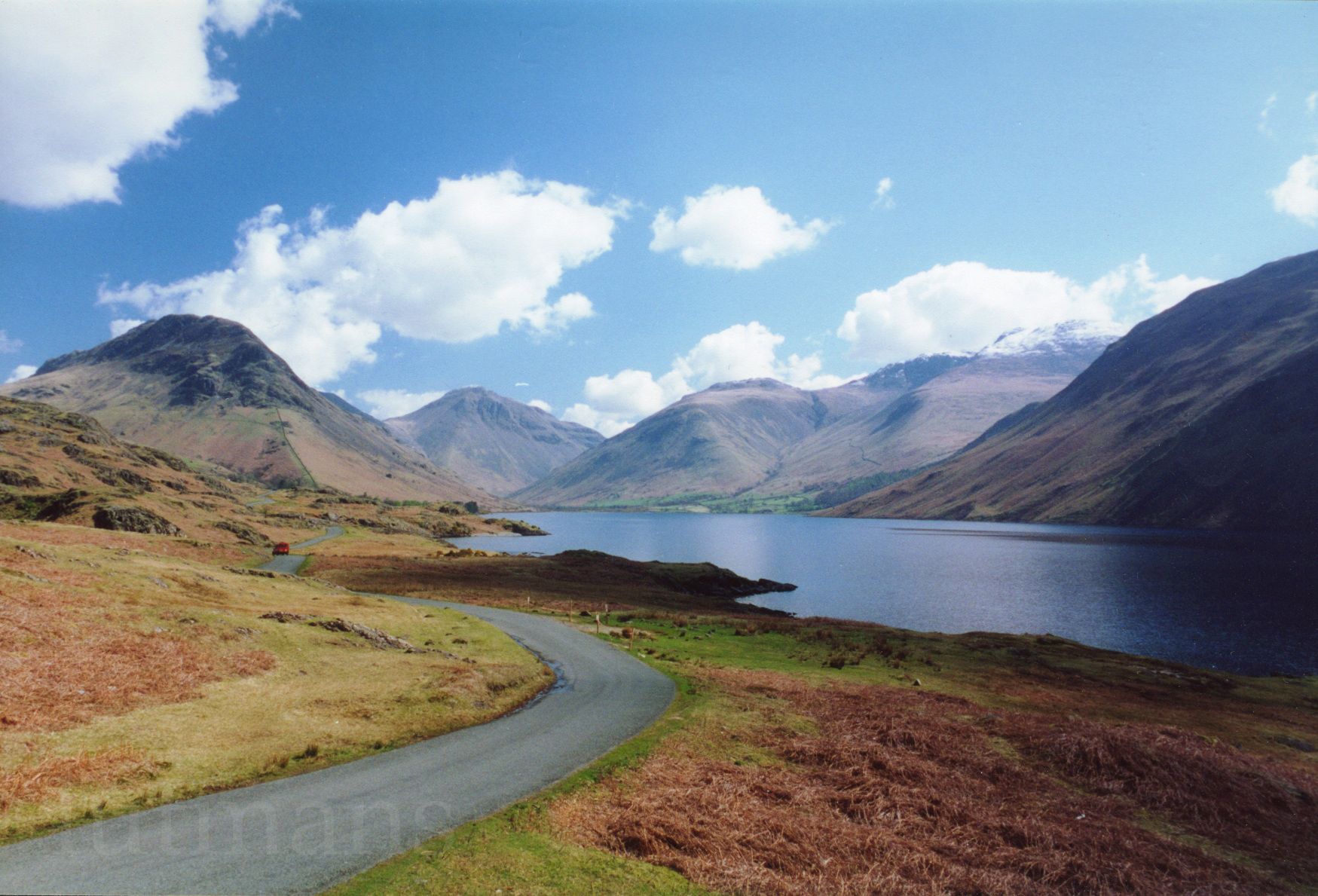
Lakeland 300 — Bikepacking in the hills of the Lake District
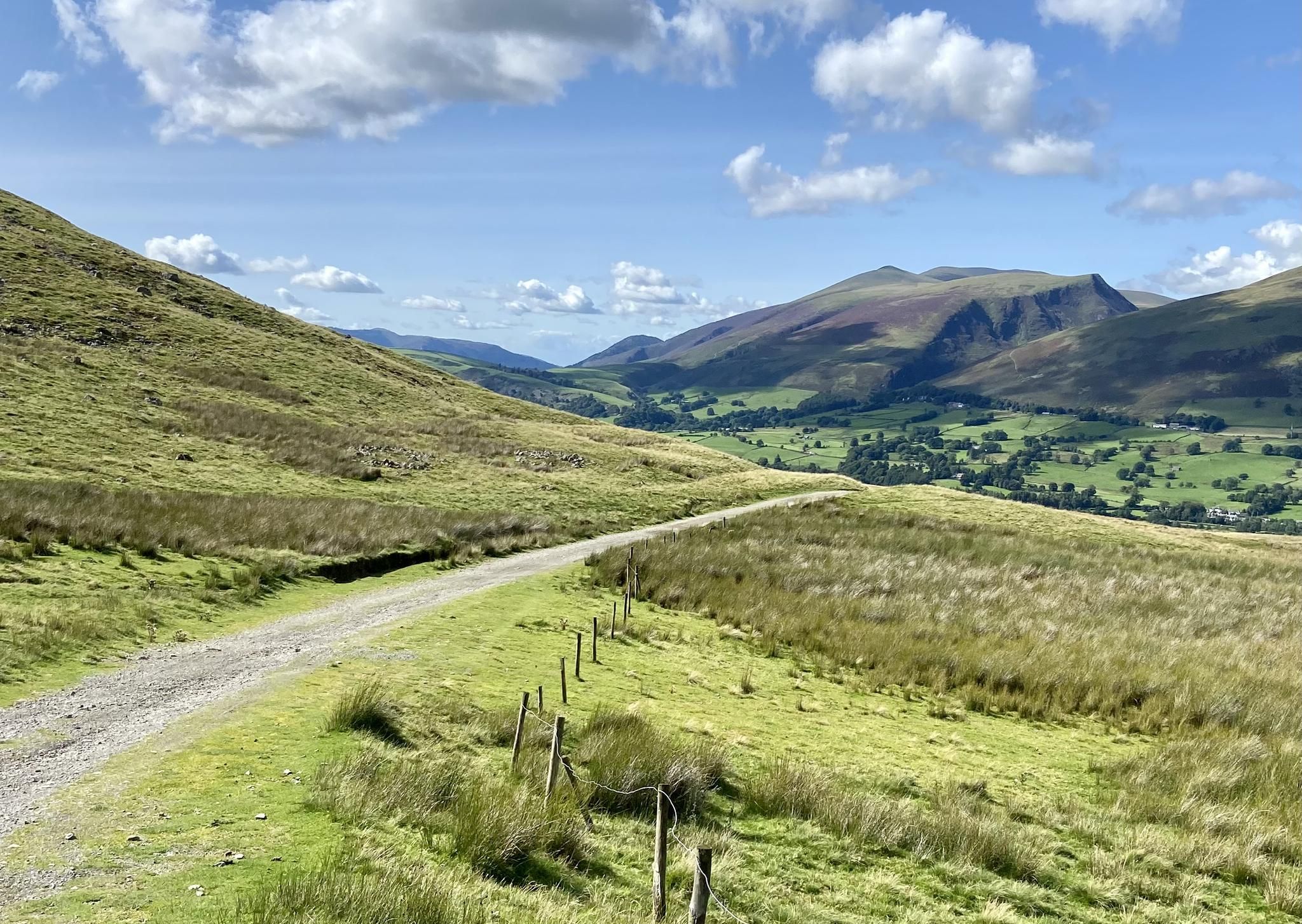
Lakeland 100 – ultra tour of the Lake District
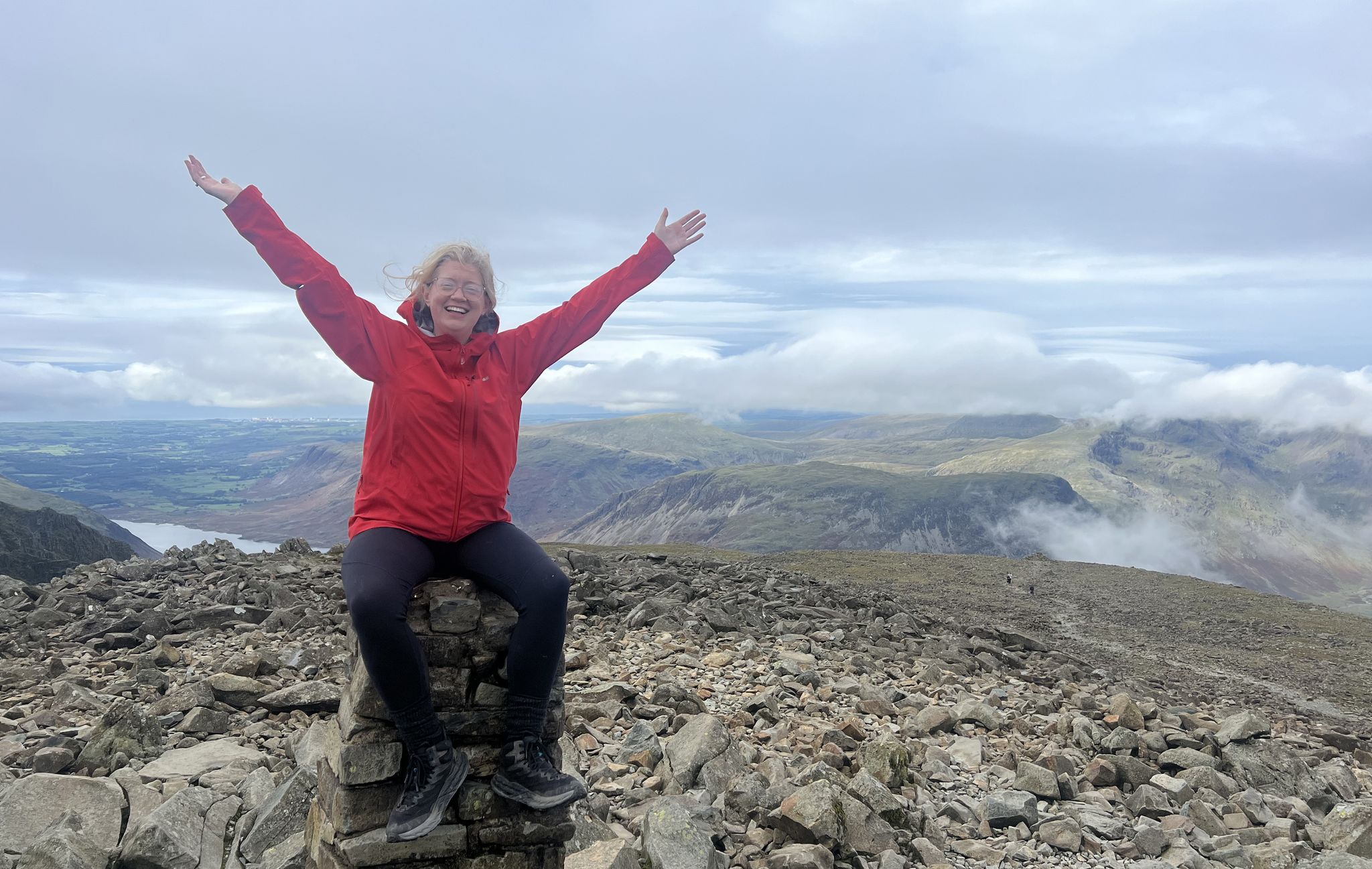
Lake District National Park – A Walk in the Parks
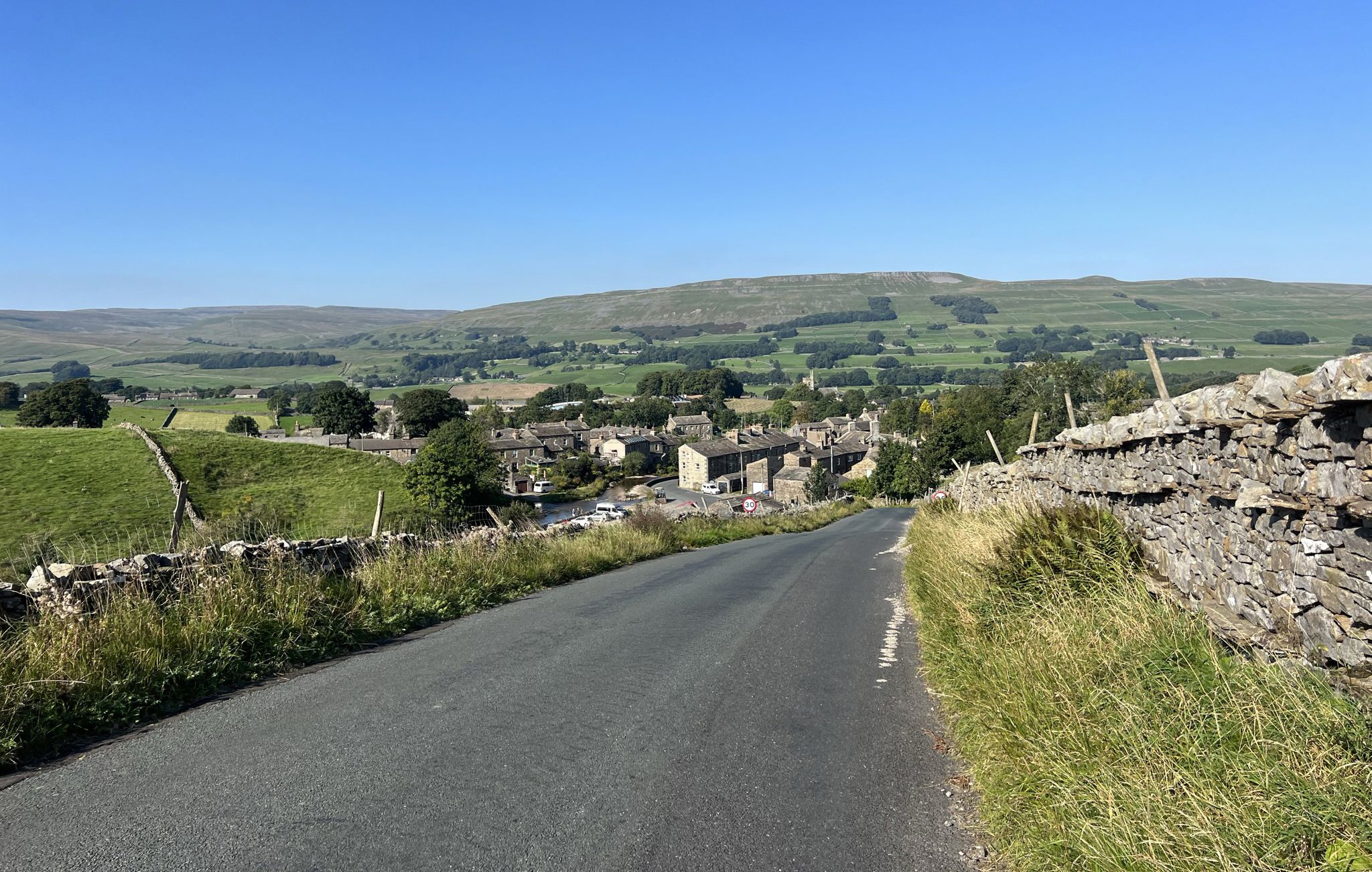
Yorkshire Dales National Park – A Walk in the Parks
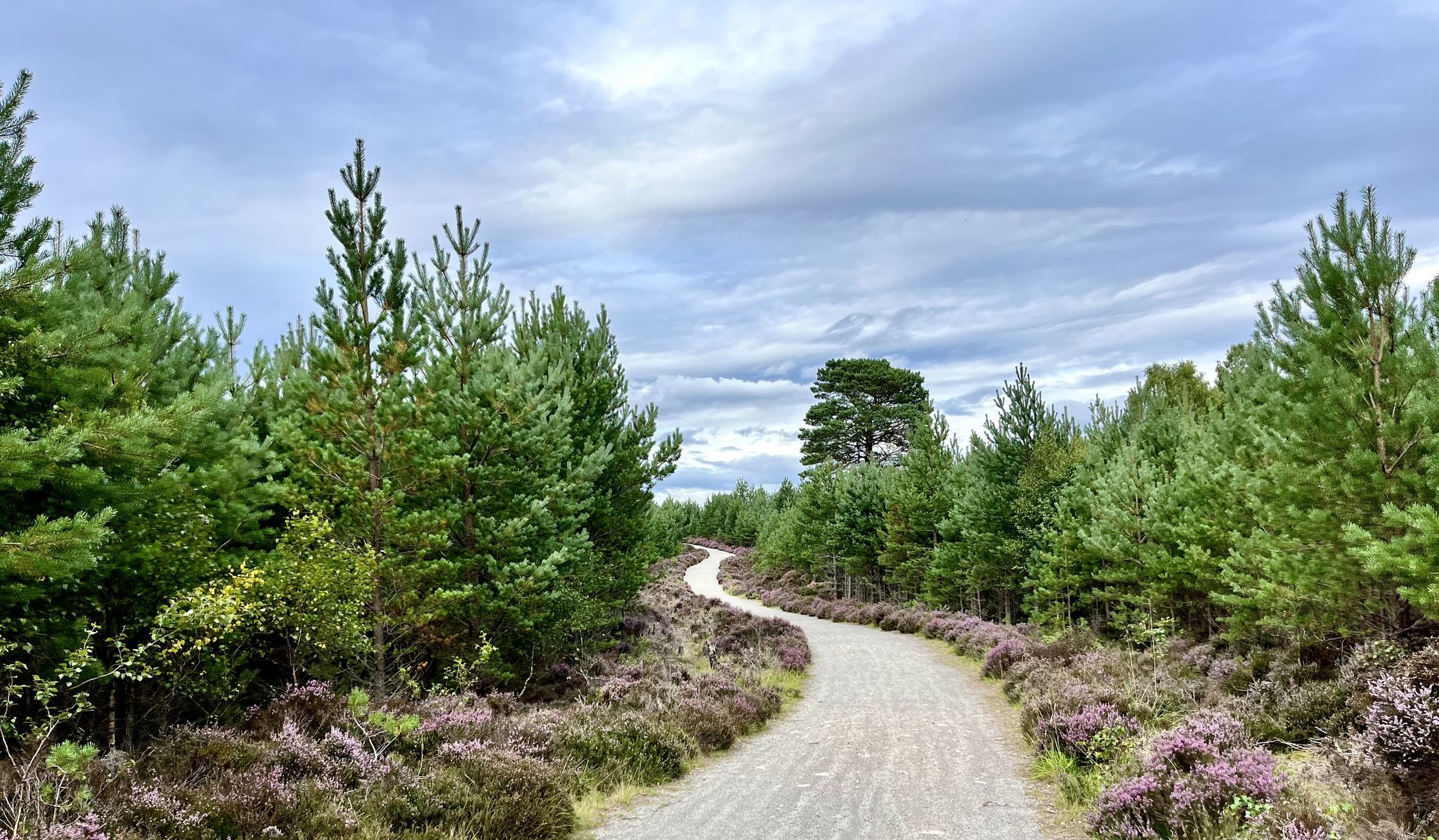
National Cycle Network Route 7 – Sunderland to Inverness
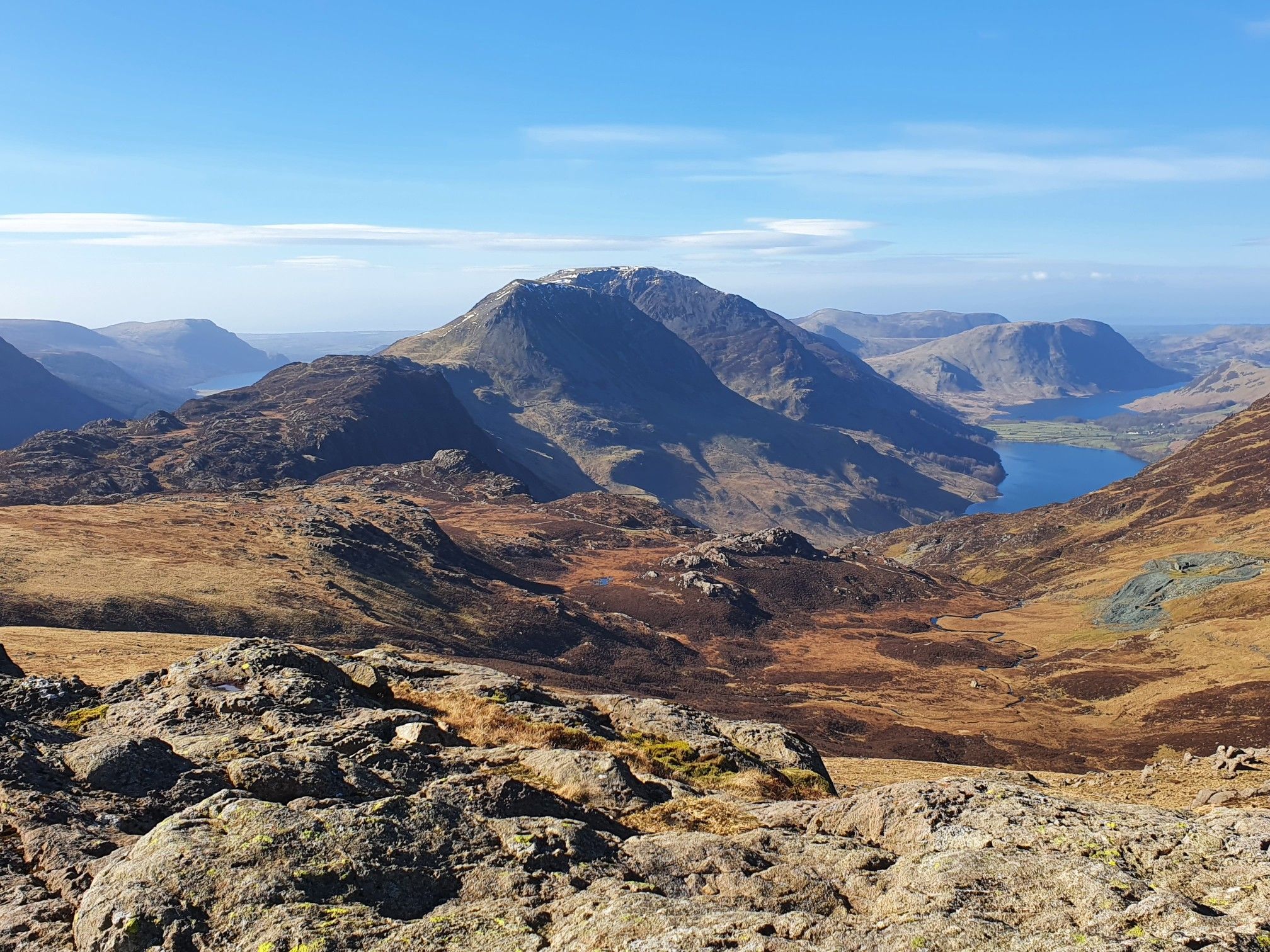
Cumbrian Traverse – A sublime high-level hike across Lakeland
Other adventures in Cumbria


Tips from the Community

To describe this mountain, here is a quote: "Although cruelly scarred and disfigured by the quarries, the Old Man has retained a dignified bearing and still lifts his proud and venerable head to the sky. His tears flow quietly into Low Water and Goats Water, two beautiful mountain tarns, whence they eventually... find their way to Coniston Water, bathing his ancient feet." Alfred Wainwright, "A Pictorial Guide to the Lakeland Fells, Book Four: The Southern Fells"
5
0

Helm Crag summit is quite a unique Wainwright top. It forms the southeastern section of a nice rambling ridge that includes a trio of Wainwrights, including Calf Crag and Gibson Knott. Whilst not very high, it has a dramatic rocky summit area known as 'The Lion and the Lamb' and a slabbed shark-fin slab of rock called 'The Howitzer', which is the true summit of Helm Crag. The Howitzer can be a real scrambling test, but it is not for the faint-hearted. There are fantastic views to be had from here looking down over Grasmere village and lake.
1
0
Take your time visiting Rydal Cave. It is a large cave on the north side of Loughrigg Fell, above Rydal Water. This cave is actually man-made, as a result of slate mining. Take the stepping stones through the shallow water at the entrance to the drier part of the cave. A torch is not really necessary.
10
1

Tough ascent on loose shale under trees. Would be tricky in the wet.
2
1


Frequently Asked Questions
What natural features and landscapes can I explore in Cumbria?
Cumbria is dominated by the stunning Lake District National Park, a UNESCO World Heritage Site. You can explore England's largest lake, Windermere, or the dramatic, deepest lake, Wastwater, often called 'Britain's Favourite View'. Other notable natural features include the picturesque waterfall Aira Force, the extensive Grizedale Forest, and the rugged coastline of the Solway Coast Area of Outstanding Natural Beauty.
Are there any significant historical sites or Roman ruins to visit in Cumbria?
Yes, Cumbria is rich in history, particularly Roman heritage. You can explore sections of Hadrian's Wall, a UNESCO World Heritage Site, and visit Roman forts like Birdoswald or the high-altitude Hardknott Roman Fort. Other historical highlights include the 900-year-old Carlisle Castle, the striking ruins of Lowther Castle, and the ancient Castlerigg Stone Circle near Keswick, a Neolithic monument.
What cultural attractions or literary connections does Cumbria offer?
Cumbria has strong literary ties. You can visit Dove Cottage in Grasmere, the former home of poet William Wordsworth, or explore Hill Top, the home of Beatrix Potter, author of 'The Tale of Peter Rabbit'. The World of Beatrix Potter in Bowness-on-Windermere is also a popular attraction. For art and local history, Tullie House Museum and Art Gallery in Carlisle is a great choice.
Are there family-friendly attractions in Cumbria?
Absolutely! Many of Cumbria's natural attractions are suitable for families. For example, Catbells Summit is described as a 'firm family favourite' with fun terrain and picnic spots. The World of Beatrix Potter in Bowness-on-Windermere is also a popular family destination. Additionally, Grizedale Forest offers waymarked paths suitable for various ages, and Lowther Castle features an adventure playground.
Where can I find easy walking trails in Cumbria?
Cumbria offers many easy walking trails, perfect for a relaxed outing. Some popular options include the Aira Force and Gowbarrow Park Trail, or the scenic walk 'Around Tarn Hows' in the Lake District National Park. You can find more easy hikes in the Easy hikes in Cumbria guide.
What challenging mountain hikes are available in Cumbria?
For experienced hikers, Cumbria offers some of England's most challenging and rewarding mountain ascents. You can tackle Scafell Pike summit, England's highest mountain, or the iconic Helvellyn Summit, known for its thrilling Striding Edge. The Old Man of Coniston summit also provides a challenging climb with extensive views. More difficult routes can be found in the Mountain Hikes in Cumbria guide.
Can I find circular hiking routes in Cumbria?
Yes, Cumbria is home to numerous circular hiking routes catering to various difficulty levels. Popular options include the Buttermere loop, or the challenging 'Striding Edge, Helvellyn & Swirral Edge loop from Glenridding'. For a moderate option, consider the 'Derwent Water loop from Keswick'. You can explore more circular routes in the Hiking in Cumbria guide.
What are some popular viewpoints in Cumbria?
Cumbria boasts many spectacular viewpoints. The summit of Old Man of Coniston offers incredible views, including the Isle of Man on a clear day. Catbells Summit provides priceless views over Keswick and Derwentwater. For a less strenuous option, Orrest Head offers wonderful views along Windermere, making the climb worthwhile.
What is the best time of year to visit Cumbria's attractions?
The Lake District and Cumbria are beautiful year-round, but the best time depends on your preferred activities. Spring (April-May) brings blooming wildflowers and fewer crowds. Summer (June-August) is ideal for hiking and water sports, though it's the busiest. Autumn (September-October) offers stunning foliage and pleasant hiking weather. While some attractions may have reduced hours, many remain open in winter, offering a serene, often snowy, landscape for those seeking solitude.
Are there opportunities for water sports or lake cruises in Cumbria?
Definitely! Cumbria's numerous lakes provide excellent opportunities for water activities. Windermere, England's largest lake, is popular for cruises, motorboats, rowing, and canoeing. You can also explore Ullswater by heritage steamers. Kayaking, paddleboarding, and windsurfing are popular on larger lakes like Windermere and Derwentwater.
What towns and villages are good bases for exploring Cumbria?
Several charming towns and villages serve as excellent bases for exploring Cumbria. Ambleside, Keswick, and Bowness-on-Windermere are bustling hubs with independent shops, cafes, and restaurants. Grasmere is a picturesque village with strong literary connections, while Kendal, known as the 'Gateway to the Lakes,' blends natural beauty with historical charm. Cockermouth is another ancient market town with historical buildings.
Can I find industrial heritage sites in Cumbria?
Yes, Cumbria has a rich industrial past. You can visit Stott Park Bobbin Mill, built in 1835, which is the only surviving Lakeland bobbin mill and showcases the region's industrial heritage. The Old Man of Coniston area also reveals historical remnants of centuries of slate quarrying and copper mining.
Most popular routes in Cumbria
Most popular attractions in Cumbria

Get inspired with the komoot mobile app


Didn’t find what you were looking for?
Are you keen on exploring more awesome places nearby? Browse our guides:
Explore more
Still not found the Highlight you’re looking for? See guides of the top attractions in other regions:
