Top 10 Caves in Cumbria
Caves in Cumbria, particularly within the Lake District, offer geological and historical insights into the region's landscape. The area features a variety of underground formations, including natural limestone caves and extensive former slate quarries. These sites provide opportunities for exploration, showcasing both natural wonders and the industrial heritage of the area. Many of these locations are disused quarries transformed into intriguing geological and historical sites.
Best caves in Cumbria
- The most popular caves is View of Rydal Water from Rydal Cave, a cave that is a large, man-made cavern resulting from slate quarrying. This cave is known for its picturesque views and accessible entrance with stepping stones.
- Another must-see spot is Cathedral Cavern, a historical site. Visitors can explore its impressive main chamber, which stands 40 feet high, and venture into deeper tunnels.
- Visitors also love Buttermere Tunnel, a man-made tunnel-like cave. It offers a unique experience as part of a scenic walk around Buttermere, often featuring deep puddles.
- Cumbria is known for natural caves, former quarries, and historical man-made chambers. The region offers a variety of caves to see and explore, from large caverns to smaller tunnels.
- The caves in Cumbria are appreciated by the komoot community. More than 250 upvotes and over 200 photos have been shared by visitors exploring these locations.
Last updated: August 18, 2026
Rydal Cave
Highlight • Cave
Take the stepping stones through the shallow water at the entrance to the drier part of the cave. A torch is not really necessary.
Translated by Google •
Tip by

Cathedral Cavern
Highlight • Historical Site
As it is an abandoned quarry, the site has unprotected steep drops, deep water and there is a risk of falling rocks. If you decide to visit the quarry, make sure you are well prepared.
(National Trust)
Showing Translation
Tip by
Sign up now to discover places like this
Get recommendations on the best single tracks, peaks, & plenty of other exciting outdoor places.
Sign up for free
Priest's Hole
Highlight • Cave
Tip by

Black Moss Pot
Highlight • Gorge
Tip by

Tilberthwaite Quarry Tunnel Entrance
Highlight • Structure
If you turn left before "the ford" you have path through the wall, up a bit and then you meet the entrance where you need a torch as the tunnel is long but it doesn't get you to the chamber with the pillar.
Worth exploring around area and keep in mind that certain bits could be dangerous.
Tip by

Rydal Cave
Highlight • Cave
Tip by

Coniston Copper Mine Entrance
Highlight • Cave
Tip by

Millican Dalton's Cave
Highlight • Historical Site
Tip by

Cave and Footbridge Near Tarn in Lake District National Park
Highlight • Trail
Tip by

Lacy's Caves
Highlight • Structure
Tip by

Sign up for free to discover even more caves in Cumbria.
Sign up for free
Already have an account?
Start today with a free account
Your next adventure awaits.
Login or Signup
Popular around Cumbria

Scenic hikes to stand-up paddleboarding locations in the UK

Supporting the National Three Peaks FKT in true Green Runners’ Style
Ephemeral Lines – Stunning UK Winter Ridges
Bothies of Britain: hiking and biking adventures to unique mountain shelters
Lakeland 300 — Bikepacking in the hills of the Lake District
Lakeland 100 – ultra tour of the Lake District
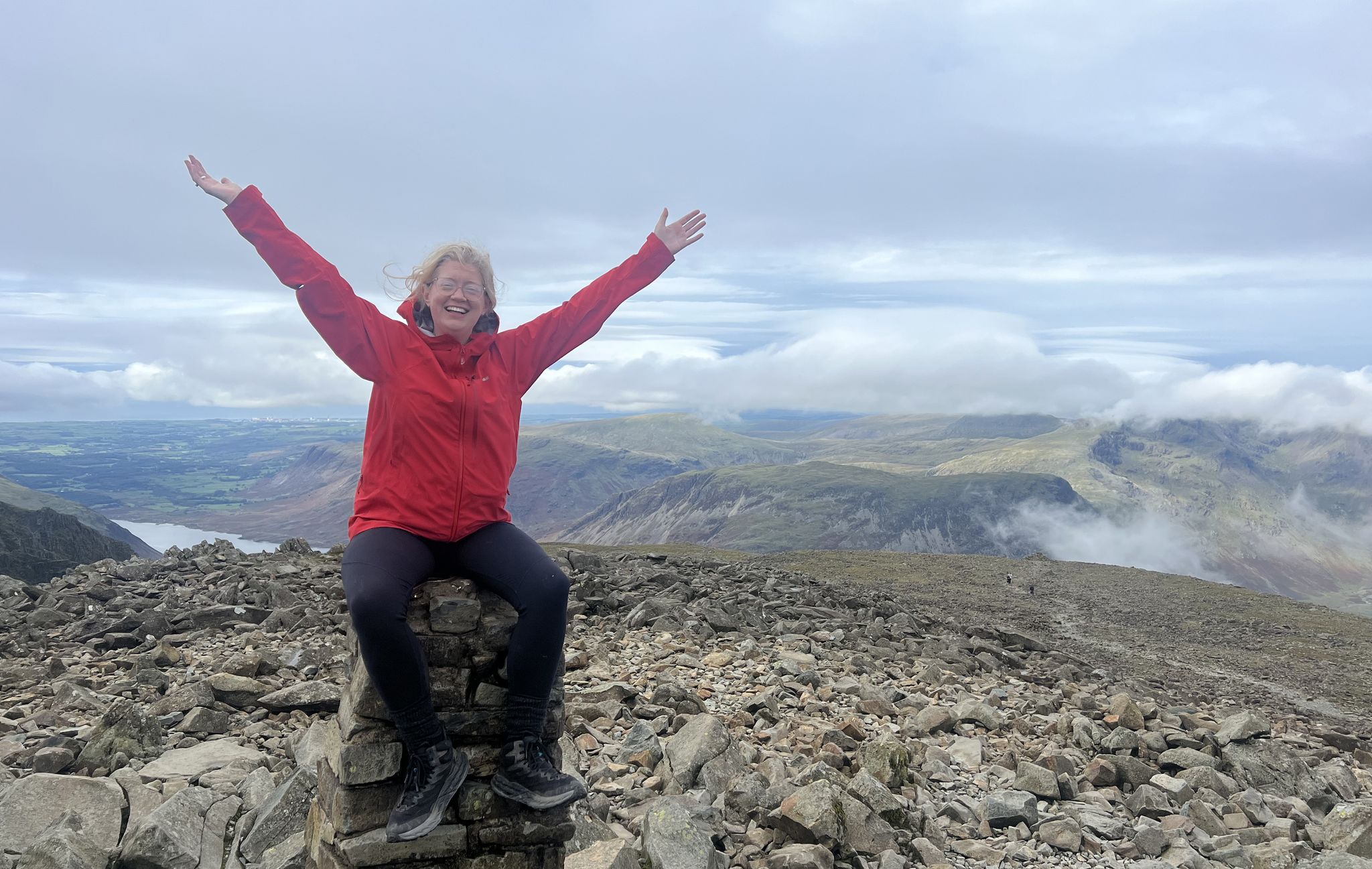
Lake District National Park – A Walk in the Parks
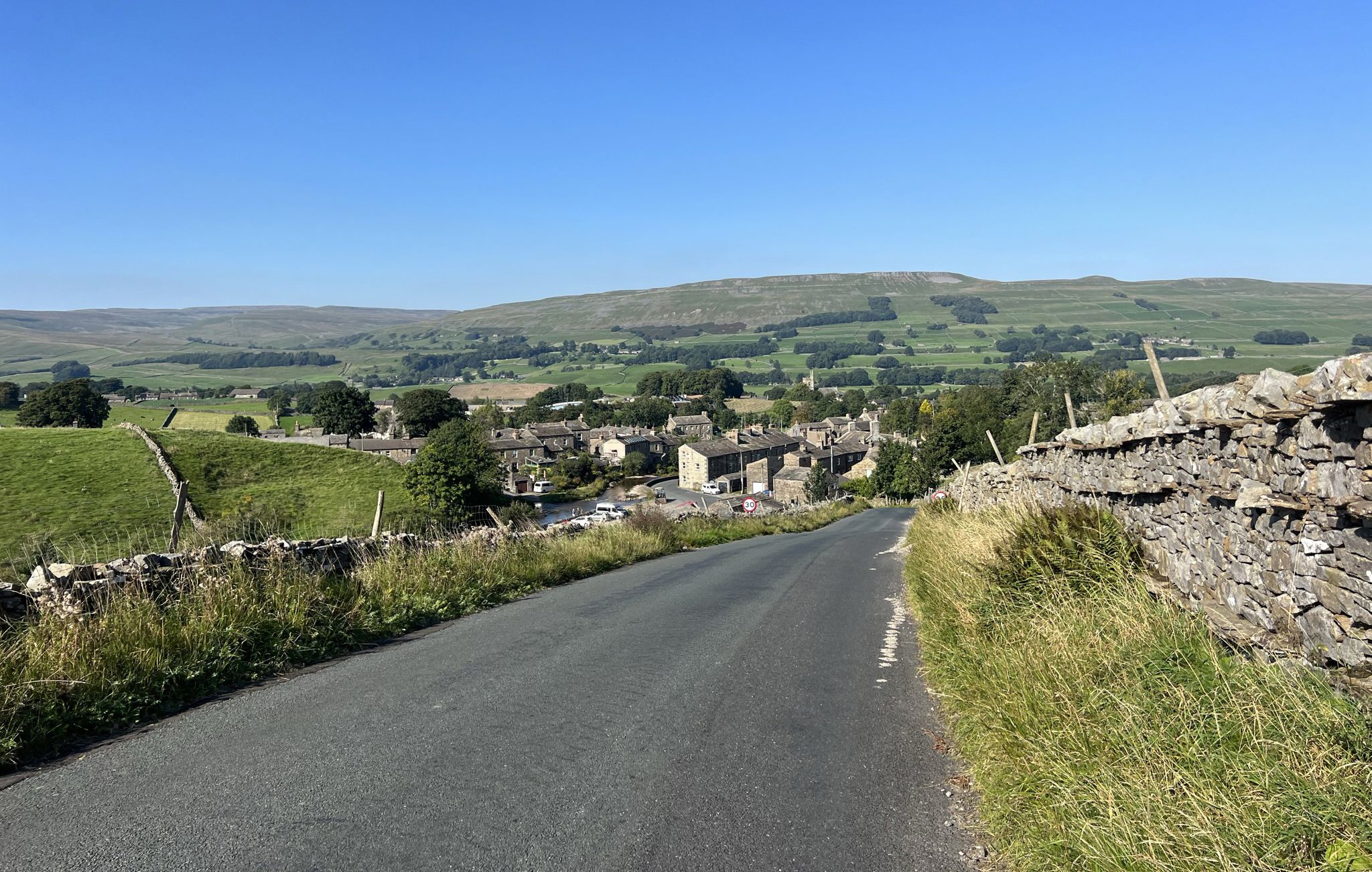
Yorkshire Dales National Park – A Walk in the Parks
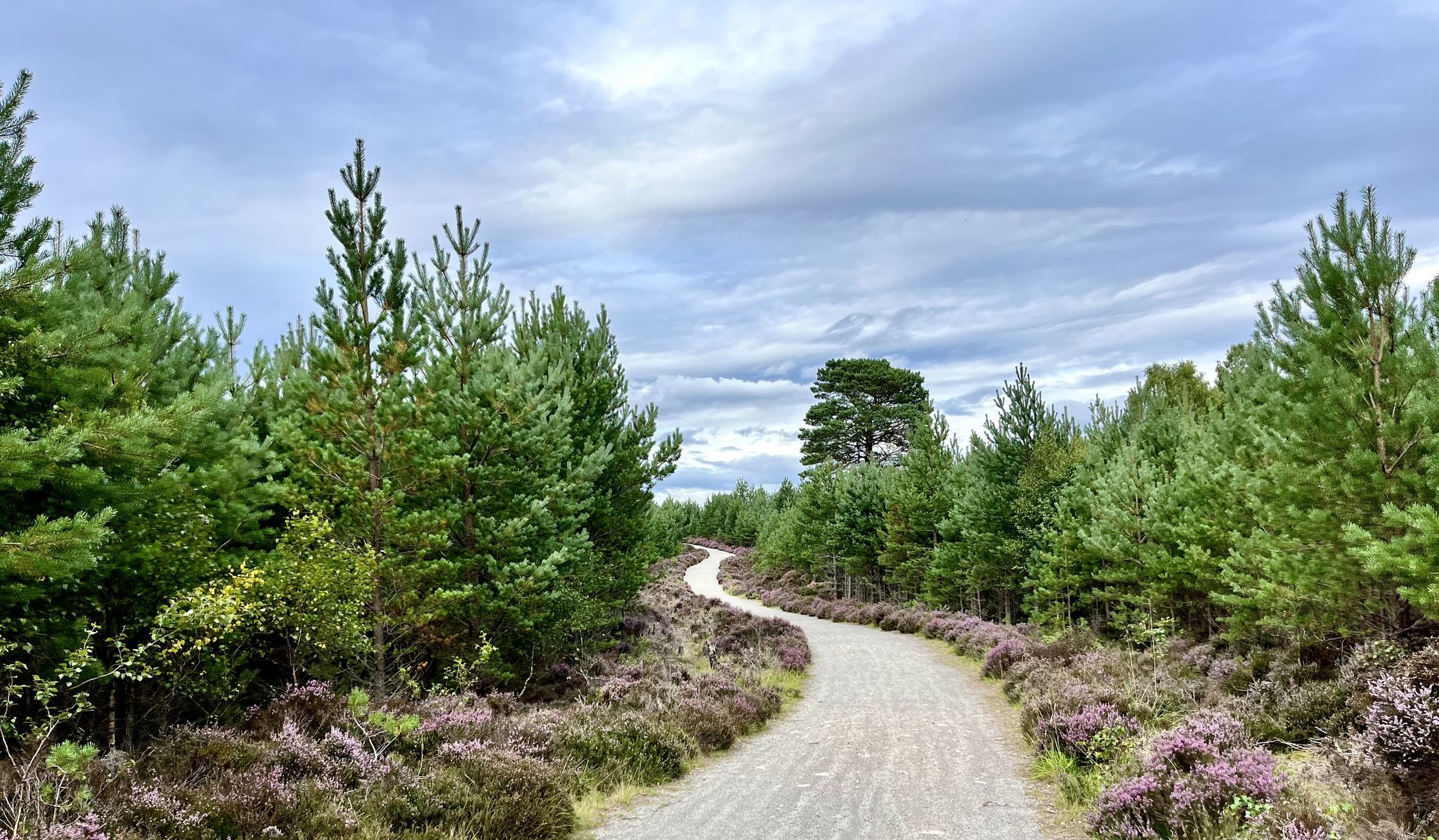
National Cycle Network Route 7 – Sunderland to Inverness
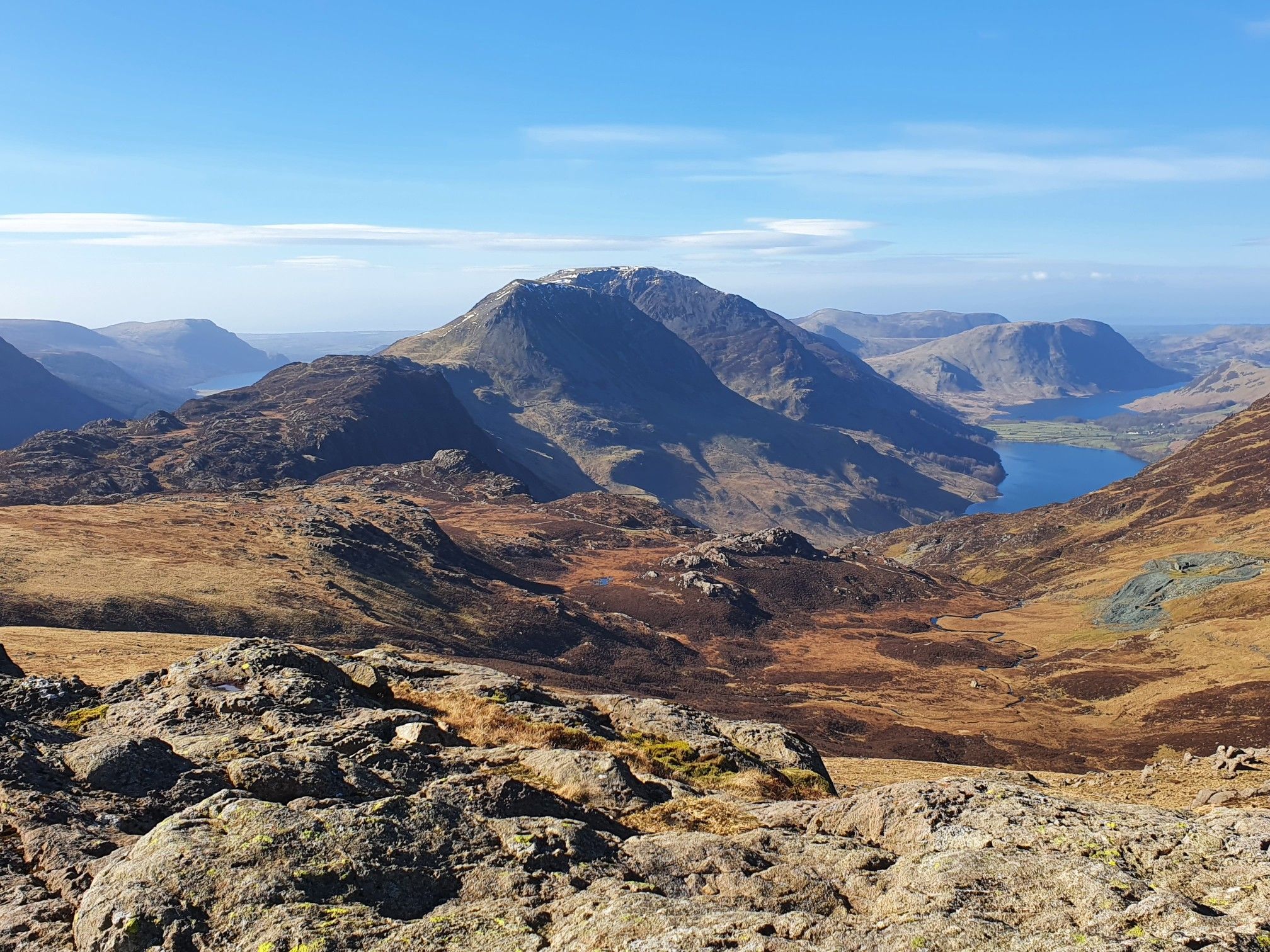
Cumbrian Traverse – A sublime high-level hike across Lakeland
Other adventures in Cumbria


Tips from the Community

An abandoned slate quarry, gifted to the National Trust by Beatrix Potter. The site is a relic of the area's quarrying past, shaped by man and now slowly being reclaimed by nature. As it is an abandoned quarry, the site has unprotected steep drops, deep water and there is a risk of falling rocks. If you decide to visit the quarry, make sure you are well prepared. (National Trust)
10
0

Different cave entrance near some scree piles. goes in very far but you'll need a good torch!
0
0

a nice light walk if you have limited time and don't want to climb a fell.
0
0

Mega little walk make sure you have good waterproof boots the water is a little deep in a few spots in the cave and a good torch head light for exploring the caves you could spend hour exploring great for the kids
3
0
Take your time visiting Rydal Cave. It is a large cave on the north side of Loughrigg Fell, above Rydal Water. This cave is actually man-made, as a result of slate mining. Take the stepping stones through the shallow water at the entrance to the drier part of the cave. A torch is not really necessary.
10
1


Take wellies if you want to escape out through the tunnels. And torches if you want to do the longer one.
2
0

Cathedral Quarry's history dates back to the 16th century. It used to be known as the Little Langdale Quarries but often referred to as Cathedral Quarries nowadays the site was used to extract green slate. This slate is still used today to build walls and roofs in the area. In 1929 the quarry was bought by Beatrix Potter who later gave it to the National Trust.
1
0
Frequently Asked Questions
What are some of the most popular caves to visit in Cumbria?
Among the most popular caves in Cumbria are Rydal Cave, known for its picturesque views and accessible entrance, and Cathedral Cavern, an impressive former slate mine with a 40-foot high main chamber. The Buttermere Tunnel also offers a unique experience as part of a scenic walk.
Are there family-friendly caves in Cumbria?
Yes, Rydal Cave is an excellent choice for families. It's easily accessible via a tranquil path along Rydal Water, and the walk is relatively gentle. Stepping stones help navigate the shallow water at the entrance.
What kind of geological features can I expect to see in Cumbria's caves?
Cumbria's caves offer a mix of natural limestone formations and features from former slate quarries. You can find impressive main chambers, tunnels, and even internal waterfalls, particularly in natural caves like Yordas Cave, which boasts stalactites and flowstones. Many sites, such as Cathedral Cavern and Rydal Cave, are remnants of extensive slate mining.
Do any caves in Cumbria offer historical insights?
Many caves in Cumbria are former quarries, offering a glimpse into the region's industrial past. Cathedral Cavern and Rydal Cave are both abandoned slate mines. Additionally, Lacy's Caves are 18th-century man-made chambers carved out of sandstone cliffs, and Millican Dalton's Cave was once the living space of the 'Cave Man of Borrowdale'.
What should I wear or bring when exploring caves in Cumbria?
For many caves, especially the less developed ones, good waterproof boots and a torch or headlamp are highly recommended. Some areas can be wet and dark, with deep puddles, such as in the Buttermere Tunnel. Appropriate footwear and lighting ensure a safer and more enjoyable exploration.
What outdoor activities can I do near the caves in Cumbria?
The region around Cumbria's caves is ideal for various outdoor activities. You can find numerous hiking trails, including scenic walks around lakes like Buttermere and Rydal Water. There are also many running routes and cycling paths that pass by or lead to these unique geological sites.
Are there any caves in Cumbria known for dramatic views or photography opportunities?
Yes, Hodge Close Quarry is known for its striking 'skull-shaped cavern' reflected in the water, making it a popular spot for photography. Rydal Cave also offers picturesque views, with its silhouetted entrance often compared to jagged teeth, providing great photo opportunities.
What is the best time of year to visit caves in Cumbria?
Caves in Cumbria can be visited year-round, but conditions vary. During wetter seasons or after heavy rainfall, some caves and tunnels, like the Buttermere Tunnel, may have deeper puddles. Always be prepared for potentially wet and dark conditions, regardless of the season.
Are there any caves in Cumbria that are more challenging to explore?
While many caves are accessible, some, like Priest's Hole, are more suited for adventurous hikers due to their location on the side of Dove Crag. These often require more challenging approaches and offer stunning views as a reward.
Can I find natural caves with formations, or are most man-made quarries?
Cumbria features both natural caves and man-made quarries. While many popular sites like Cathedral Cavern and Rydal Cave are former slate quarries, natural formations can be found. Yordas Cave, for example, is a natural limestone cave with stalactites, flowstones, and an internal waterfall.
What do visitors enjoy most about exploring Cumbria's caves?
Visitors frequently highlight the unique atmosphere and sense of discovery. Many describe places like Cathedral Cavern as 'epic and magical' with 'eerie beauty.' The opportunity to explore hidden tunnels, witness impressive chambers, and experience the region's industrial heritage are commonly praised aspects.
Most popular routes in Cumbria
Most popular attractions in Cumbria

Get inspired with the komoot mobile app


Didn’t find what you were looking for?
Discover more caves in Cumbria region by region:
Explore more
Extend your search for the best caves by checking out these guides of the top ones in Cumbria:
