The 20 Most Amazing Peaks in Nuoro
Best mountain peaks in Nuoro are found within a rugged and captivating mountainous landscape in Sardinia. The region offers peaks known for their natural beauty, panoramic views, and cultural significance. Nuoro's mountains provide diverse terrain, from ancient granite hills to dramatic limestone formations and high-altitude massifs. This area is ideal for those seeking to explore varied natural environments and historical sites.
Best mountain peaks in Nuoro
- The most popular mountain peaks is Monte Corrasi Summit, a summit that is…
Last updated: October 9, 2026
Summit of Punta La Marmora
Highlight • Summit
Translated by Google •
Tip by

Monte Corrasi Summit
Highlight • Summit
From here, at 1,463 meters above …
Translated by Google •
Tip by

Sign up now to discover places like this
Get recommendations on the best single tracks, peaks, & plenty of other exciting outdoor places.
Punta Paulinu
Highlight • Summit
Translated by Google •
Tip by
Christ of Monte Tuttavista
Highlight • Summit
Translated by Google •
Tip by

Mount Bruncu Spina
Highlight • Summit
Translated by Google •
Tip by

Monte Tuttavista summit cross
Highlight • Summit
Translated by Google •
Tip by

Monte Corrasi Summit Cross
Highlight • Summit
Translated by Google •
Tip by

Christ the Redeemer statue on Monte Ortobene
Highlight • Monument
Source: it.wikipedia.org/wiki/Monte_Ortobene
Translated by Google •
Tip by

Perda e Liana
Highlight • Natural Monument
Translated by Google •
Tip by
View of Aguglia di Goloritzé
Highlight • Natural Monument
Translated by Google •
Tip by

Sign up for free to discover even more peaks in Nuoro.
Already have an account?
Start today with a free account
Your next adventure awaits.
Popular around Nuoro
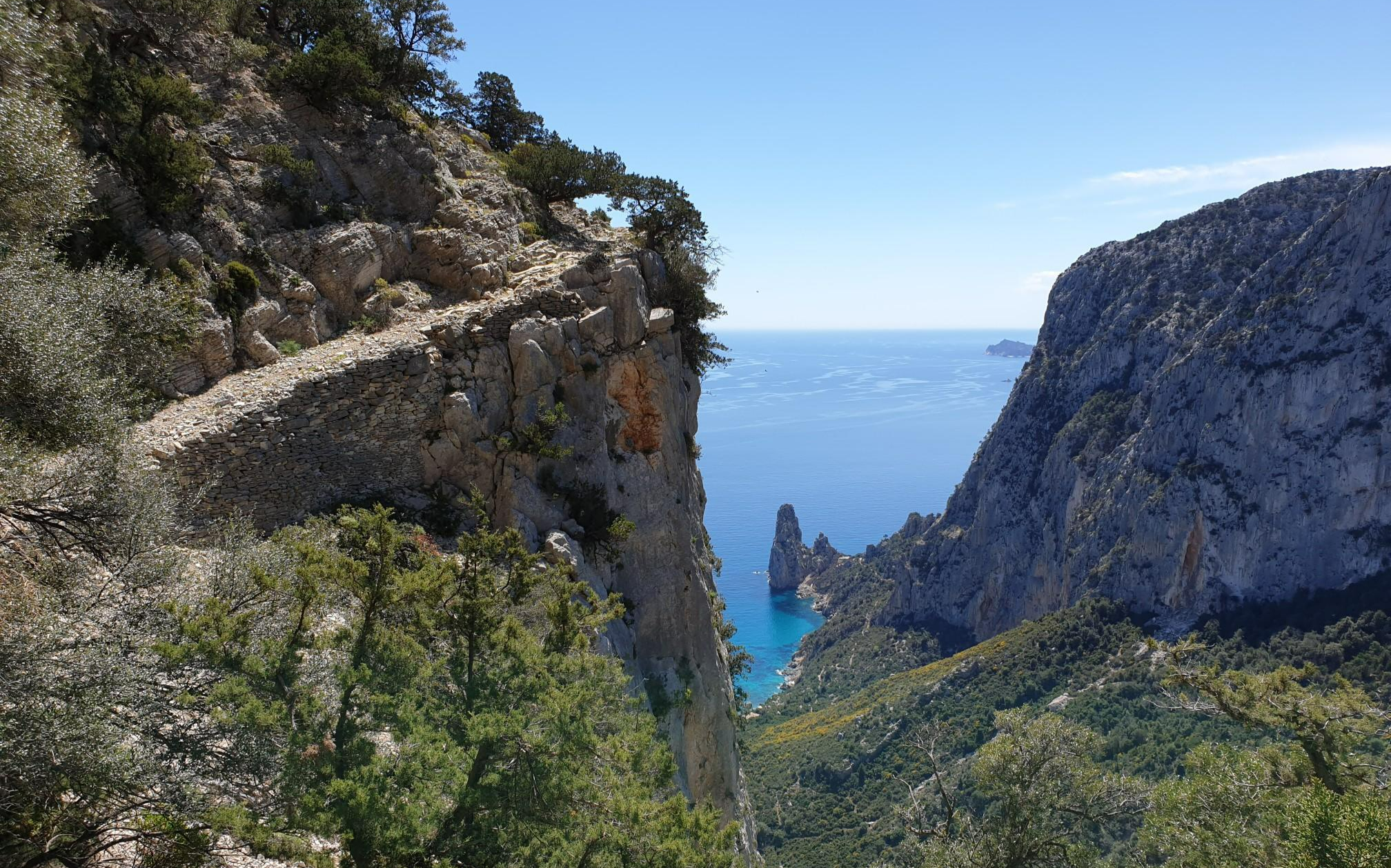
Wild Blue - an adventure overlooking the sea
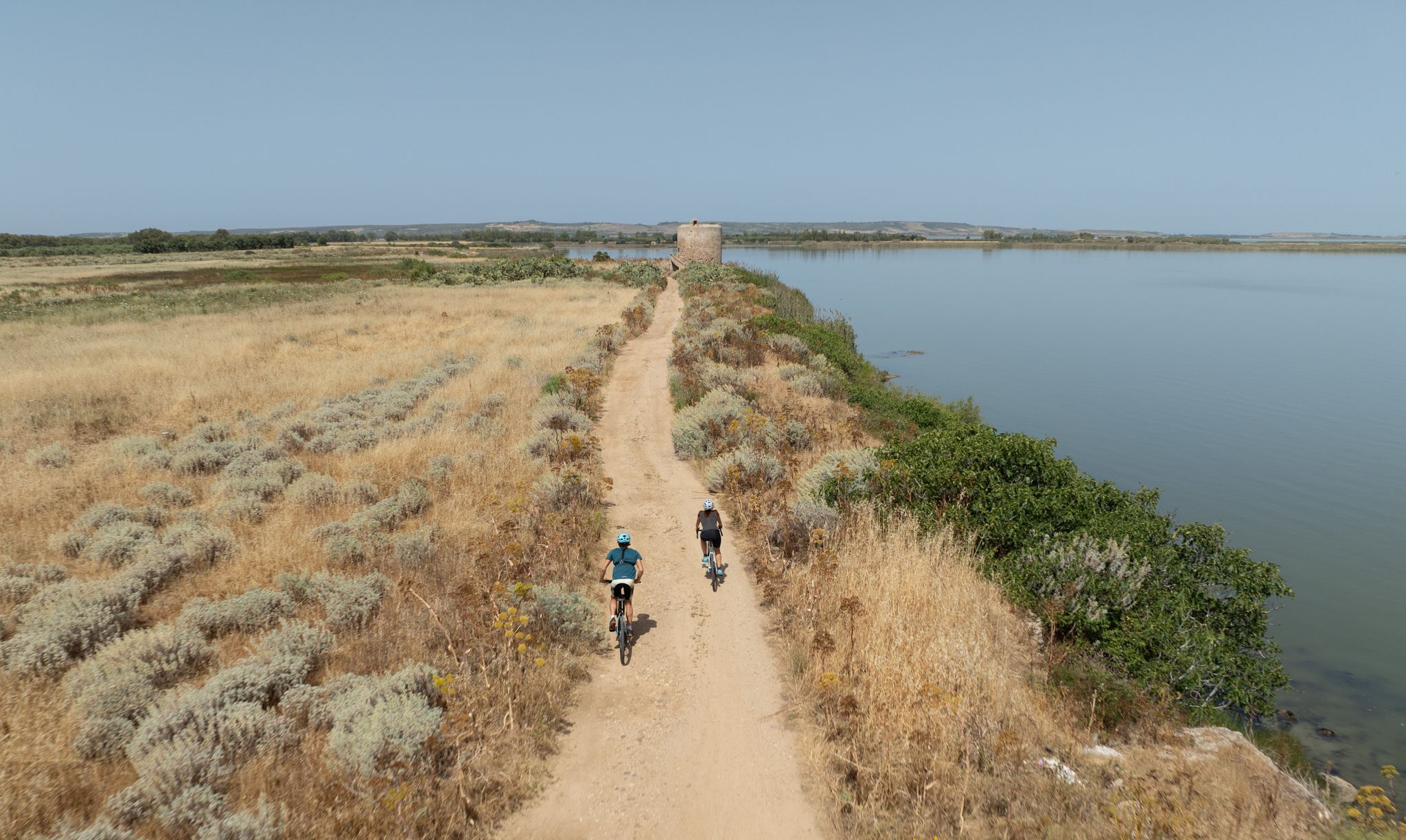
Discover wild Sardinia – 10 superb MTB Tours
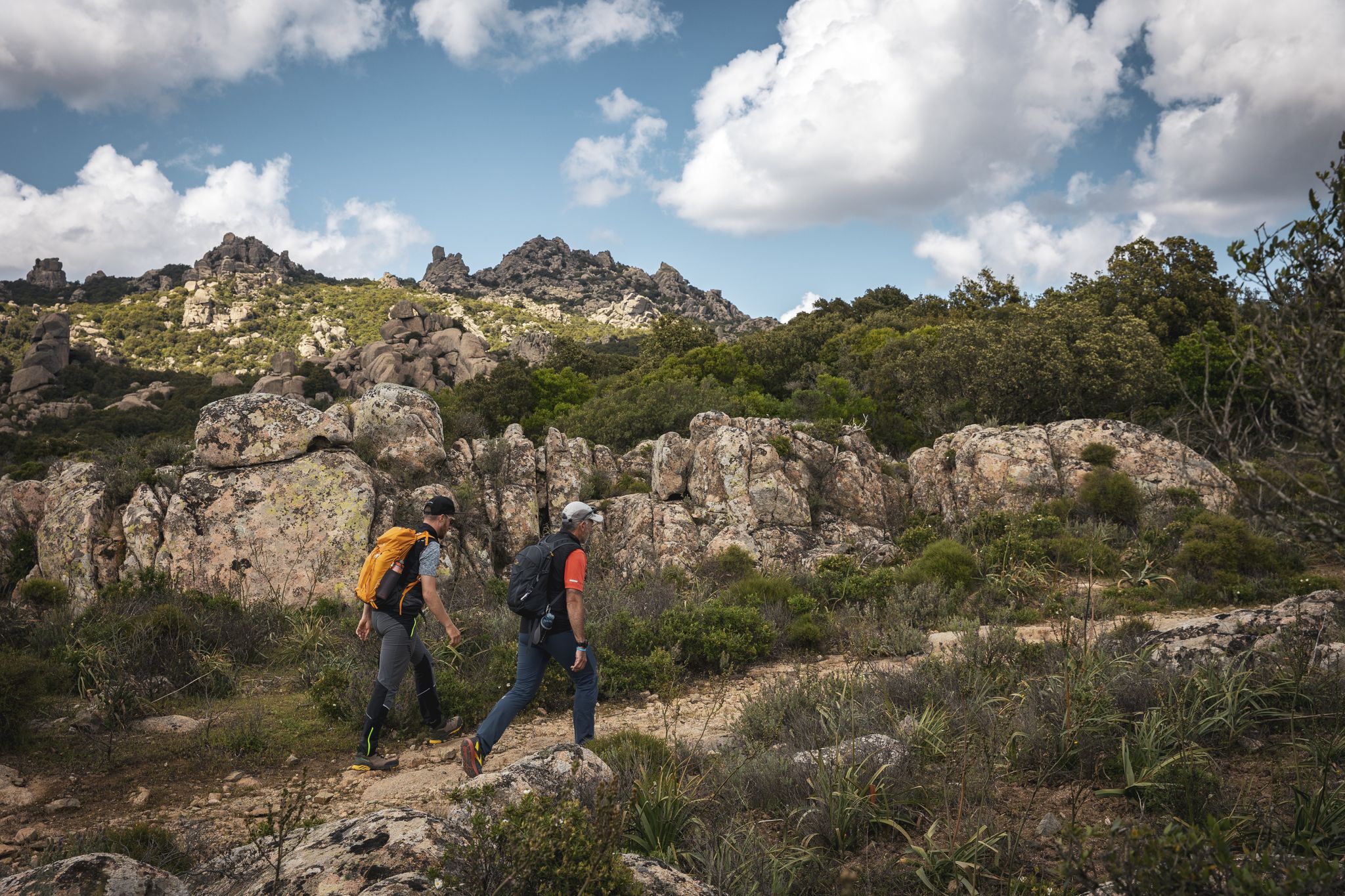
Eternal Sardinia – walks among the wonders of the hinterland
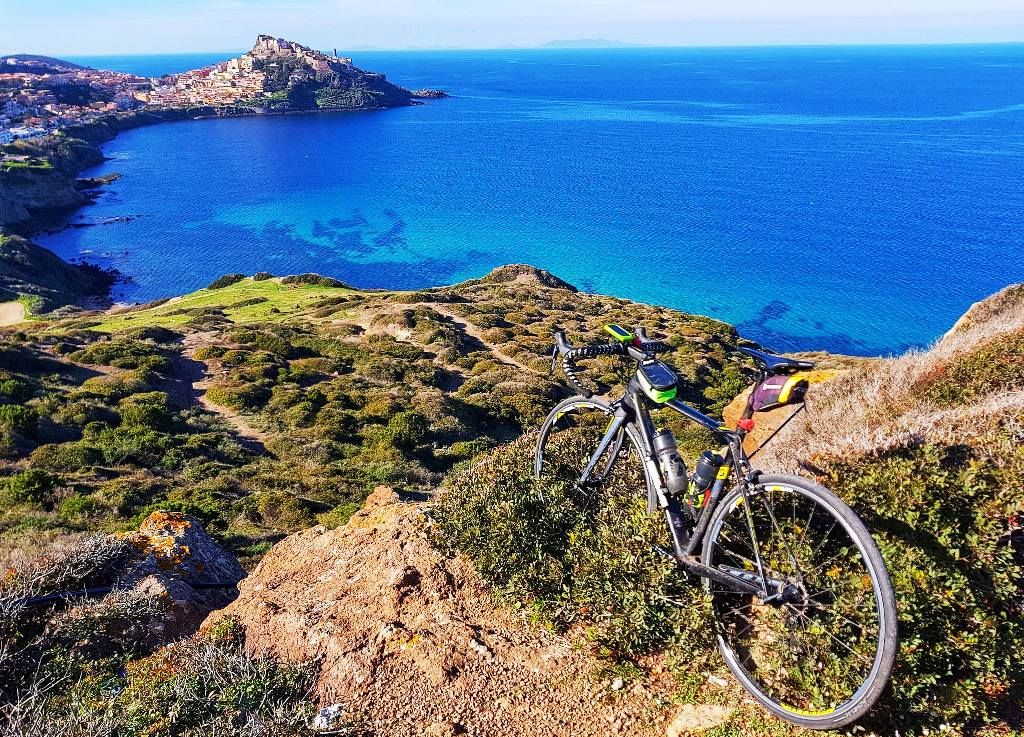
Sardinia by road bike – ten routes to discover the island
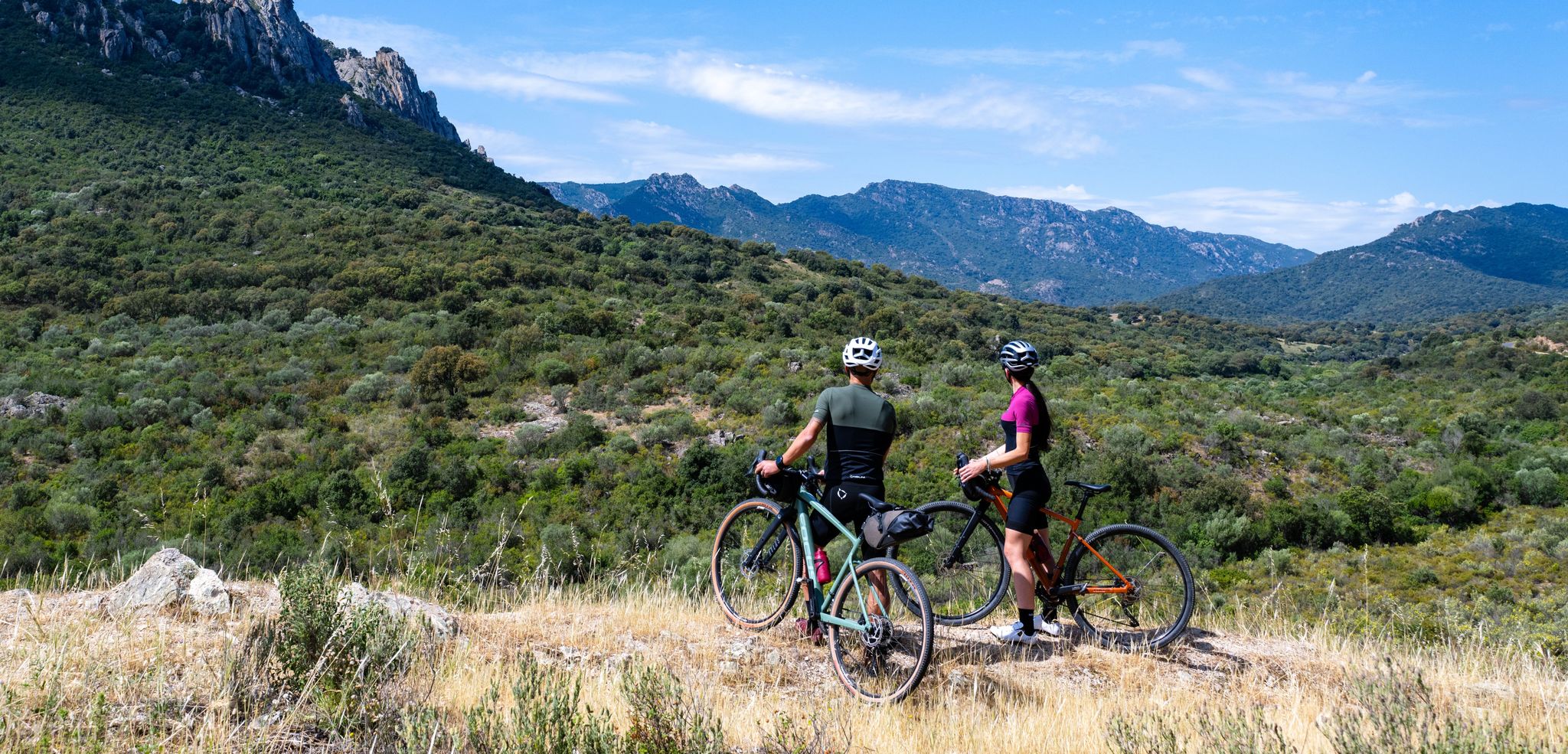
Sardinia by e-bike – enchanting landscapes and ancient culture
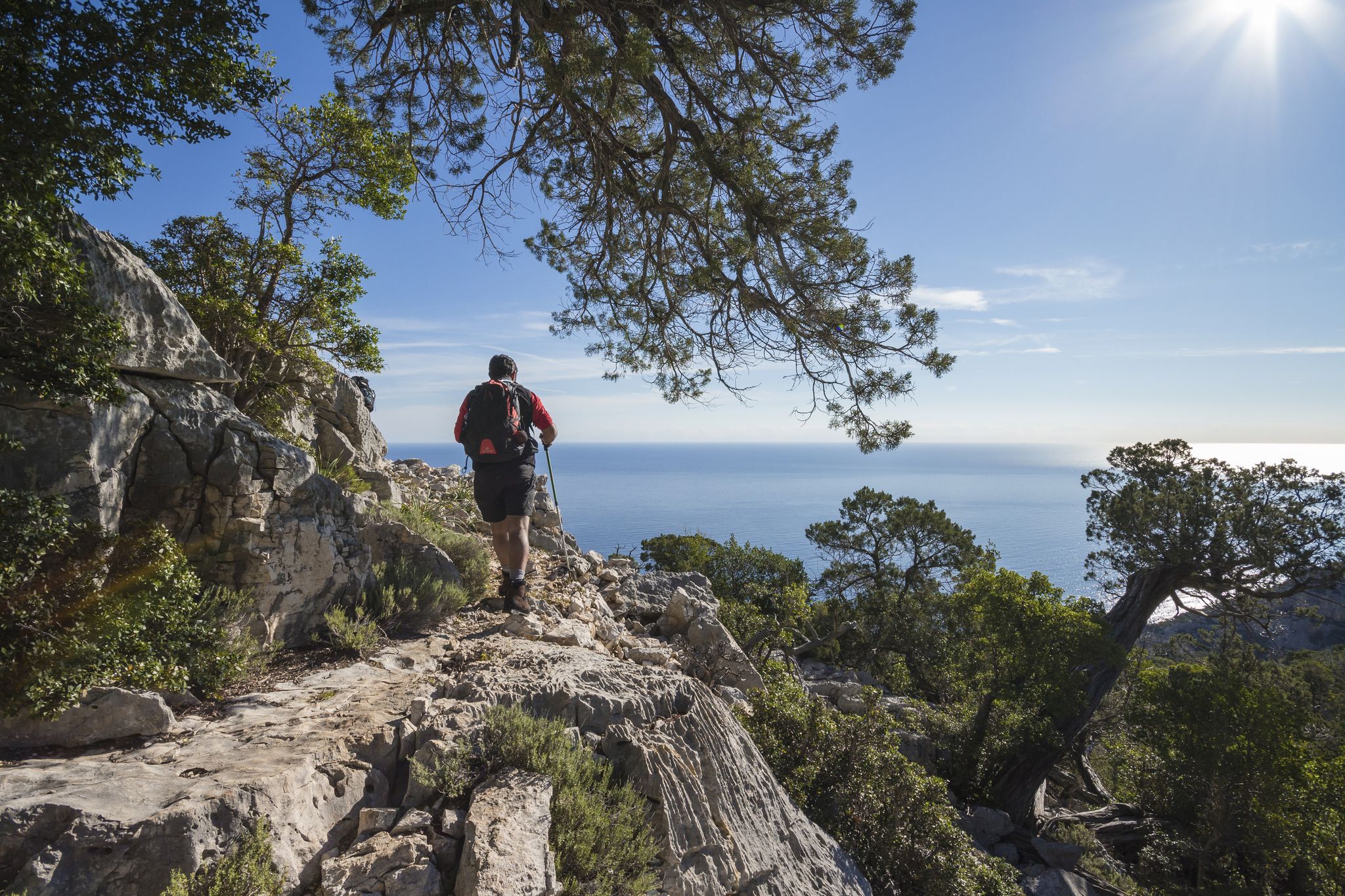
Magnificent Sardinia – day hikes overlooking the sea
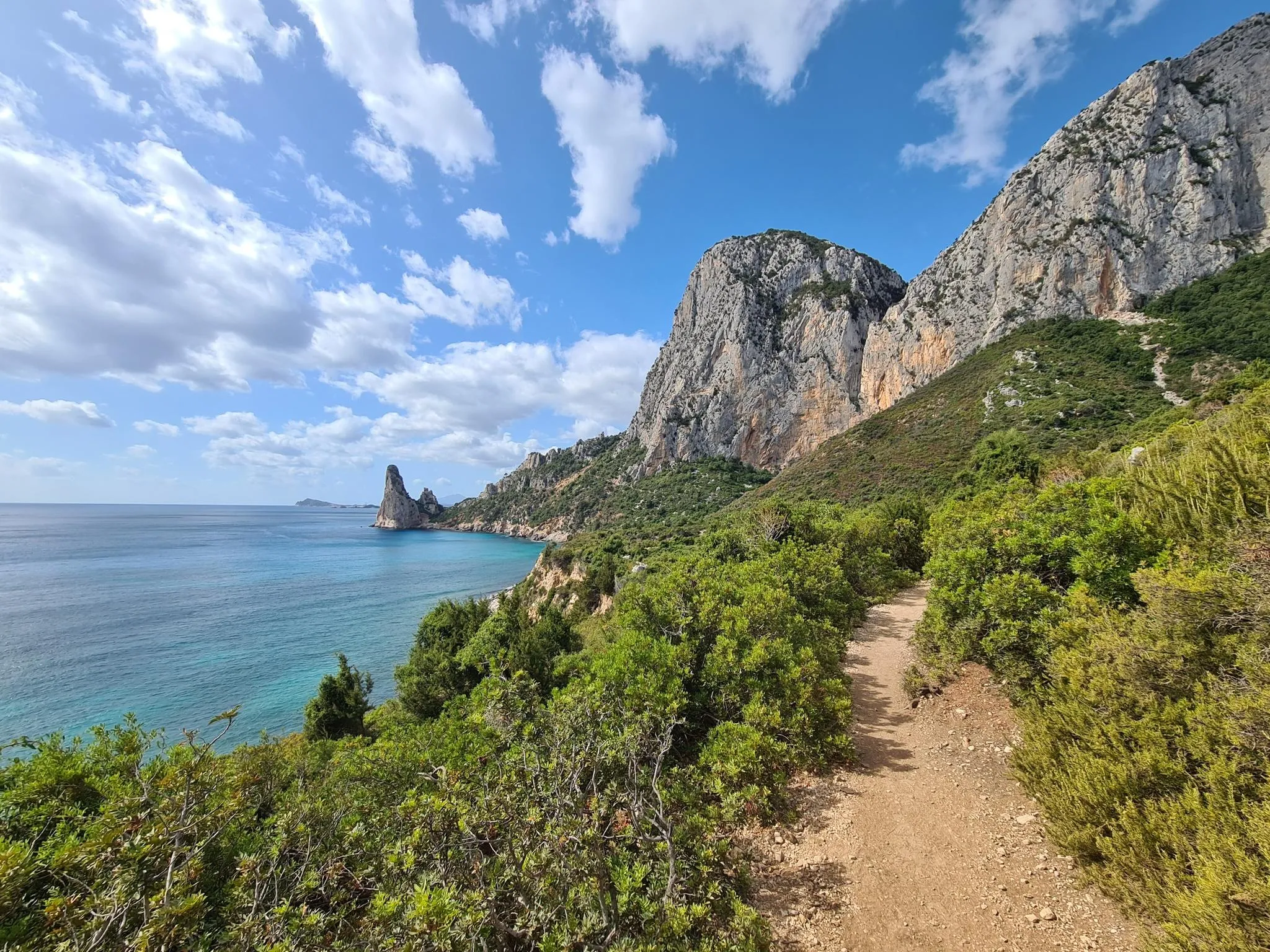
Discover Sardinia on the Via Ogliastra – Cammino 100 Torri
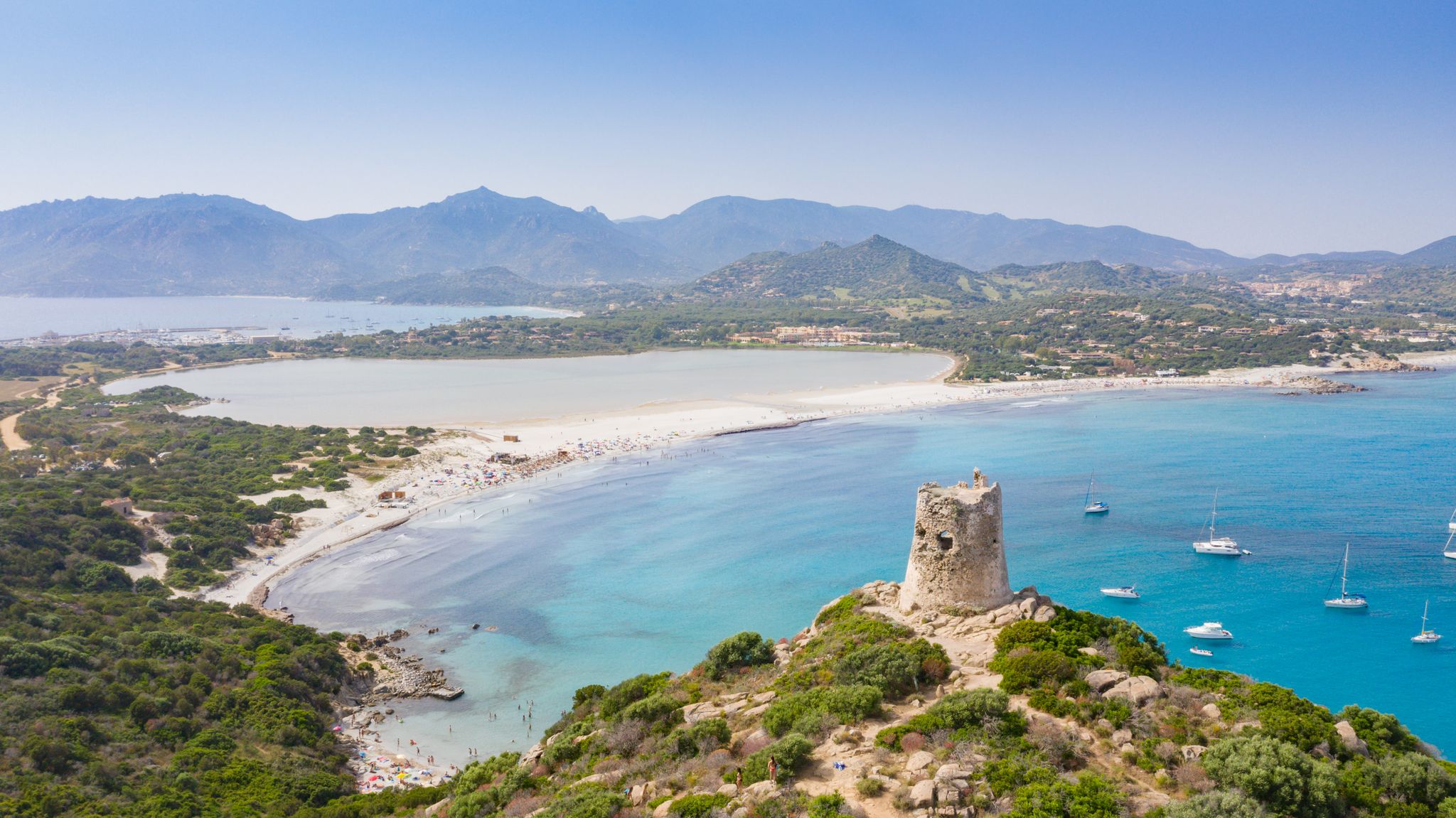
Villasimius to Arbatax along the Via Sarcapos - Cammino 100 Torri
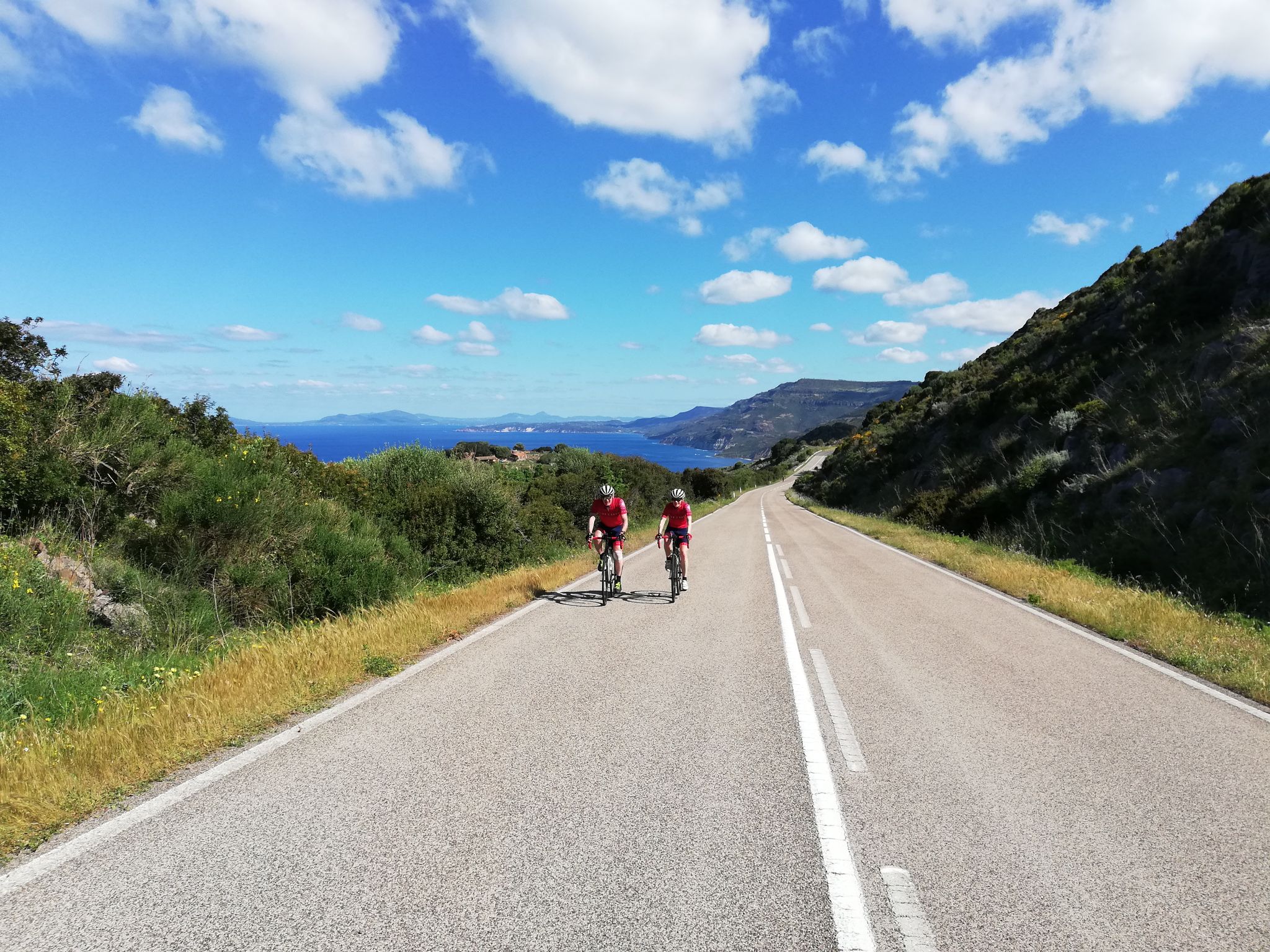
Amazing views on perfectly smooth asphalt - road bike tours in Sardinia
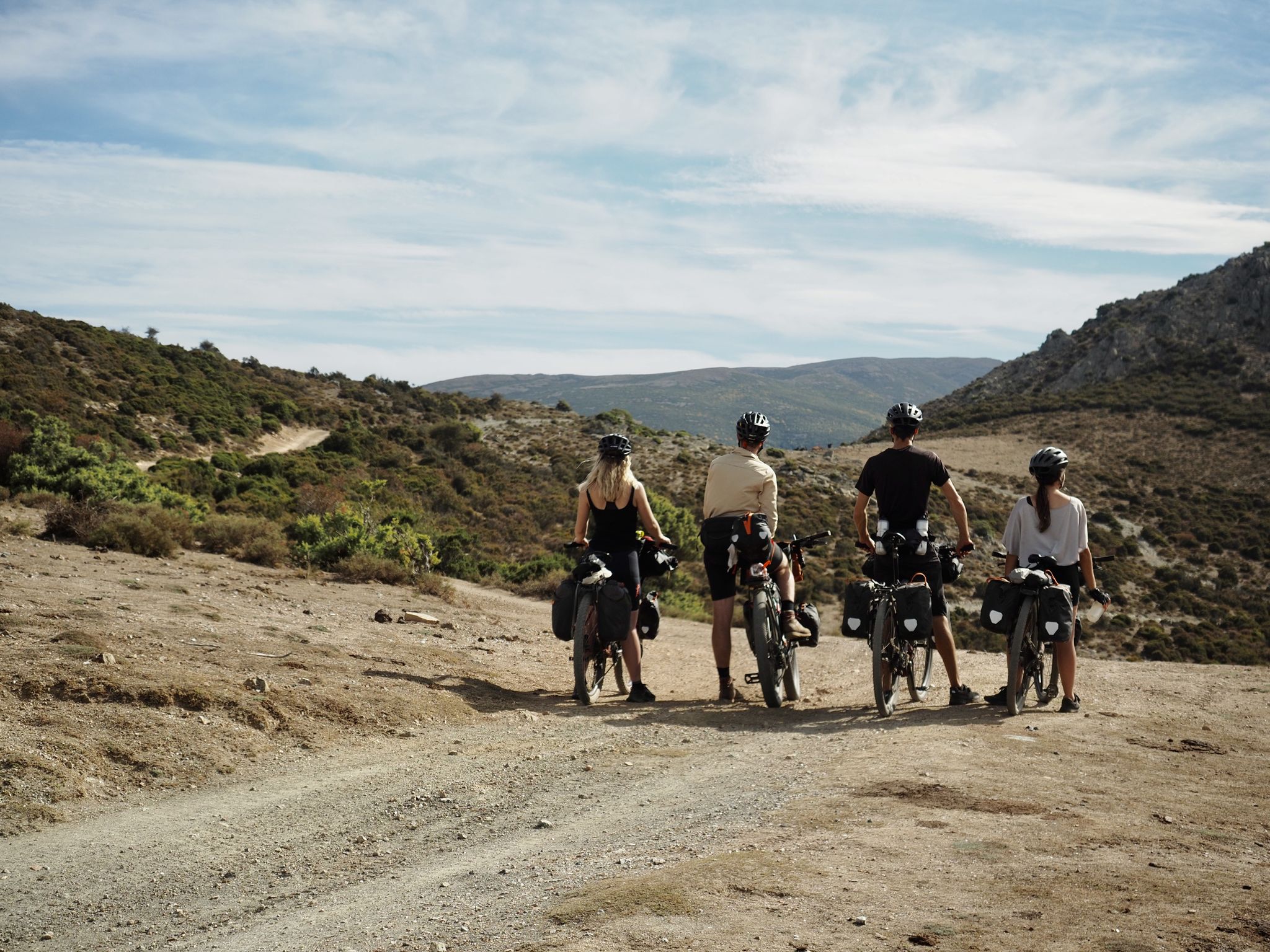
Bikepacking the TranSardinia – the quiet Italian island life
Other adventures in Nuoro


Tips from the Community

Very strenuous tour until you reach the top, but the all-round view is magnificent!
1
0

The summit of Monte Tuttavista is the highest point of this isolated limestone mountain rising above the Cedrino Valley in eastern Sardinia. From the top, you get a wide panoramic view over the valley, the surrounding mountains of Barbagia, and the Gulf of Orosei on the coast.
0
0

I walked the circular route from Cala Gonone in April 2026, the paths were well marked and maintained. I was initially unsettled by some comments ('very demanding', 'only with poles/hiking boots') – in retrospect, I find this assessment too generalized. The tour up Monte Bardia is varied and really fun if you are sure-footed. There are stony sections, but for me, they were more technically interesting than difficult. I went alone and in trail running shoes – completely without problems. Perhaps helpful for others (especially women) who are put off by such comments: You don't need "special equipment", but a good sense of your body and attention. Conclusion: Demanding, but absolutely doable and very rewarding.
0
0

Each of the summit crosses that hikers often encounter in the mountains, whether or not it depicts the body of the crucified Christ, invites passersby to a brief spiritual pause. Perhaps one or another will be able to encounter God here in a short prayer. As a prerequisite for a completely different mystical experience of encountering God, beyond such a small sacred monument, Hape Kerkeling, who made the pilgrimage on the Camino Francés in 2001, writes: “I am becoming freer here day by day (…) Through all the frequencies of emotion, I have slowly tuned myself into one frequency and had a wonderful reception. Total serene emptiness is the state that creates a vacuum which God can then calmly and completely fill.” (Hape Kerkeling in “I’m Off Then”)
0
0
Some of the summit crosses bear the figure of Christ crucified. But the most famous crucifix on the Italian peninsula leads us from here to the Po Valley. It is here, in the "Bassa," that the writer Giovanni Guareschi (1908 to 1968) set his popular short stories about the protagonists "Don Camillo" and "Peppone." But besides these two, there is another main character: Jesus Christ himself speaks from the high altar to the priest Don Camillo—who was brilliantly portrayed by the actor Fernandel (Fernand Joseph Désiré Contandin, 1903 to 1971) in several feature films. The crucifix, originally made solely for the film adaptations, has been preserved and has become a popular tourist attraction in Brescello (Emilia-Romagna). It can be visited virtually as a komoot highlight at the following link =>> https://www.komoot.com/de-de/highlight/6457013
0
0

A beautifully designed and monumental cross with the larger-than-life body of the crucified Christ crowns Monte Tuttavista. However, Italy's most famous crucifix is not found on the mountaintops, but in literature: The author Giovanni Guareschi, spiritual father of the protagonists 'Don Camillo' and 'Peppone,' incorporated another main character into his stories – known and loved far beyond the country's borders: the crucified Christ, who speaks to Don Camillo from the high altar. The author himself makes the following comment: "So one must explain: If the priests feel offended by Don Camillo, they can smash a candlestick on my skull for all I care; if the communists feel offended by Peppone, they can break a club on my back; but if someone feels offended by Christ's speeches, there's nothing one can do. Whoever speaks in my stories... is my Christ, that is, the voice of my conscience. My personal business, my cause. And therefore: each for himself, and God for all." (G. Guareschi)
1
0
After a great tour you will be rewarded with a fantastic view.
0
0
Frequently Asked Questions
What are some of the most popular mountain peaks to visit in Nuoro?
Visitors to Nuoro often seek out peaks like Monte Corrasi Summit, known for its dramatic limestone landscape and 360-degree panoramic views. Another highly regarded peak is Punta La Marmora, the highest point in Sardinia, offering expansive views across the island. For a blend of nature and culture, Monte Ortobene, with its Christ the Redeemer statue, is a popular choice.
Are there family-friendly hiking options among the mountain peaks in Nuoro?
Yes, Monte Ortobene offers beautiful walks through well-kept holm oak and oak woods with marked trails suitable for various hiking levels, making it a good option for families. The Sa Portiscra Wildlife Area also features family-friendly trails and facilities.
What kind of natural features can I expect to see when exploring Nuoro's mountain peaks?
Nuoro's mountain peaks offer diverse natural features. You'll find ancient granite hills like Monte Ortobene, dramatic limestone formations with sheer walls and spires at Monte Corrasi, and the rugged, high-altitude terrain of the Gennargentu massif, home to peaks like Punta La Marmora. These areas boast dense forests, high-altitude plateaus, and unique geological formations.
Are there any cultural or historical sites located on or near the mountain peaks?
Absolutely. On Monte Ortobene, you can visit the iconic Christ the Redeemer statue and the historic church of Nostra Signora del Montenero. The mountain also features archaeological areas, including Nuraghe and "Domus de Janas" tombs, offering glimpses into prehistoric remains.
What is the best time of year to hike the mountain peaks in Nuoro?
The months from June to September are generally ideal for hiking the higher peaks like Punta La Marmora. However, many peaks in the Nuoro province, especially those at lower elevations, can be enjoyed year-round, offering different experiences depending on the season.
What are some challenging mountain climbs in the Nuoro region?
For challenging climbs, the Gennargentu Mountains, including Punta La Marmora and Mount Bruncu Spina, offer some of Sardinia's most demanding and rewarding hikes. Monte Corrasi in the Supramonte region also provides a visually spectacular and challenging experience due to its karst landscape.
Where can I find accommodation or places to eat near the mountain trails?
The Coop Enis Monte Maccione Restaurant & Hotel, located on the slopes of the Supramonte, serves as an ideal starting point for exploring Monte Corrasi and the wider Supramonte, offering both dining and lodging. Additionally, towns like Desulo or Fonni are good options for refreshments and accommodation when hiking in the Gennargentu area.
Are there easy hiking trails available for those new to mountain trekking?
Yes, there are several easy hiking options in the Nuoro region. For example, you can find easy hikes in the guide Easy hikes in Nuoro, which includes routes like 'Aquatrek on the Rio San Girolamo' and 'Cammino di Santu Jacu: Anello del Centro di Nuoro'.
What kind of wildlife might I encounter in the Nuoro mountains?
The diverse ecosystems of the Gennargentu Mountains, in particular, provide opportunities to spot wildlife such as mouflons and eagles. The rugged terrain and dense forests across the region support a variety of local fauna.
What are some notable viewpoints in the Nuoro province?
Many peaks offer exceptional viewpoints. From Monte Corrasi Summit, you can enjoy 360-degree panoramas encompassing Nuoro, Orgosolo, Dorgali, the coast of Cala Gonone, and the Gennargentu mountains. Monte Ortobene also provides stunning, expansive views of surrounding valleys and the sea. Christ of Monte Tuttavista is another magnificent viewpoint.
Can I find routes for cycling near the mountain peaks in Nuoro?
Yes, the Nuoro region offers various cycling opportunities. You can explore road cycling routes in the guide Road Cycling Routes in Nuoro, featuring challenging tours like 'Ring tour in the Supramonte of Baunei'. For gravel biking, check out the guide Gravel biking in Nuoro, with routes such as 'Oasis 5, Biderosa Beach – Stagno Sa Curcurica loop'.
What is the highest point in Sardinia and how can I reach it?
The highest point in Sardinia is Punta La Marmora, reaching 1,834 meters. You can hike to its summit, with ideal starting points being the parking areas at Rifugio Sa Crista or Rifugio S’Arena near Desulo. The route is approximately 15.5 kilometers and takes about three and a half to four and a half hours, crossing diverse landscapes.
Most popular routes in Nuoro
Most popular attractions in Nuoro

Get inspired with the komoot mobile app


Didn’t find what you were looking for?
Discover Nuoro’s best peaks and summits by region:
Explore more
See even more amazing summits in Nuoro with these guides:
