Attractions and Places To See in Perugia - Top 20
Best attractions and places to see in Perugia, the capital of Italy's Umbria region, offer a blend of historical, cultural, and natural sites. The city features ancient Etruscan roots, medieval architecture, and panoramic views from its elevated position. Visitors can explore a diverse range of experiences within the city and its surrounding areas, including significant landmarks and natural spaces.
Best attractions and places to see in Perugia
- The most popular attractions is Basilica of Saint Francis, a religious building…
Last updated: October 9, 2026
Basilica of Saint Francis
Highlight • Religious Site
Translated by Google •
Tip by

Lakeside Cycle Path – Loop around Lake Trasimeno
Highlight (Segment) • Cycleway
Translated by Google •
Tip by

Sign up now to discover places like this
Get recommendations on the best single tracks, peaks, & plenty of other exciting outdoor places.
Historic Center of Bevagna
Highlight • Historical Site
The town, surrounded by a city wall with towers and gates, has an intact medieval structure (12th-13th centuries). In the …
Translated by Google •
Tip by

Piazza del Comune, Assisi
Highlight • Historical Site
Translated by Google •
Tip by

Cathedral of San Rufino and the Fountain, Assisi
Highlight • Religious Site
+ of Saint Francis (see komoot.com/de-de/highlight/138624 ) and
+ of Saint Clara (see komoot.com/de-de/highlight/2665025 ). …
Translated by Google •
Tip by
Historic Center of Assisi
Highlight • Historical Site
With its world-famous city walls, declared a UNESCO World Heritage Site, Assisi promises visitors a wealth of culture and history. Shopping and long walks in the old town are also part of Assisi's itinerary.
Translated by Google •
Tip by
Church of Santa Maria sopra Minerva
Highlight • Religious Site
Translated by Google •
Tip by
Hermitage of the Carceri
Highlight • Religious Site
The Shrine of the Hermitage of the Prisons
An ancient Franciscan shrine on Monte Subasio, 4 km from Assisi and 800 meters above sea level, …
Translated by Google •
Tip by
Gravel paths on the Lake Trasimeno cycle route
Highlight • Cycleway
Translated by Google •
Tip by

Croce di Sasso Piano (Sasso Piano Cross)
Highlight • Summit
Translated by Google •
Tip by

Sign up for free to discover even more attractions in Perugia.
Already have an account?
Start today with a free account
Your next adventure awaits.
Popular around Perugia
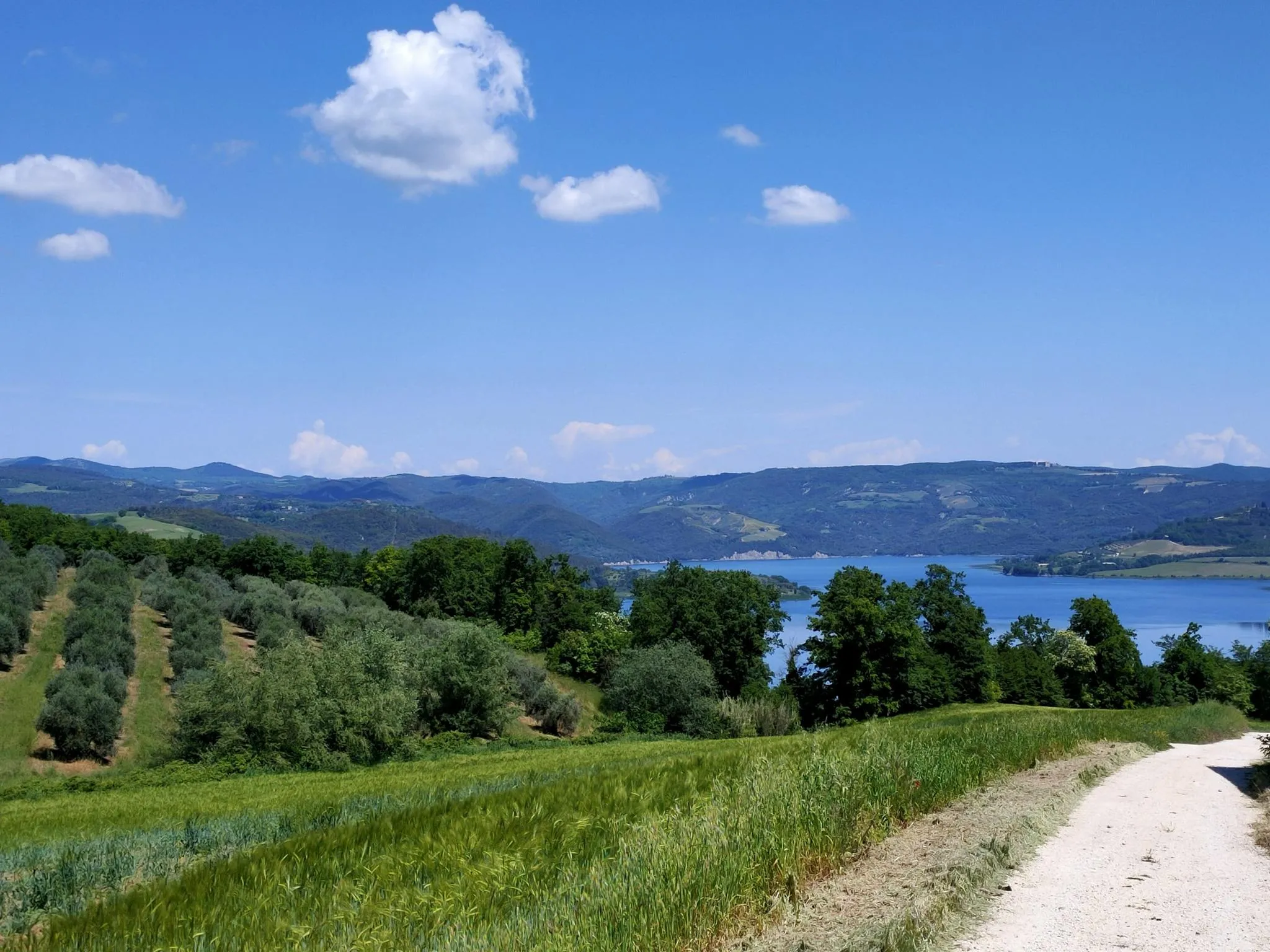
Italian Coast2Coast – From Portonovo to Orbetello
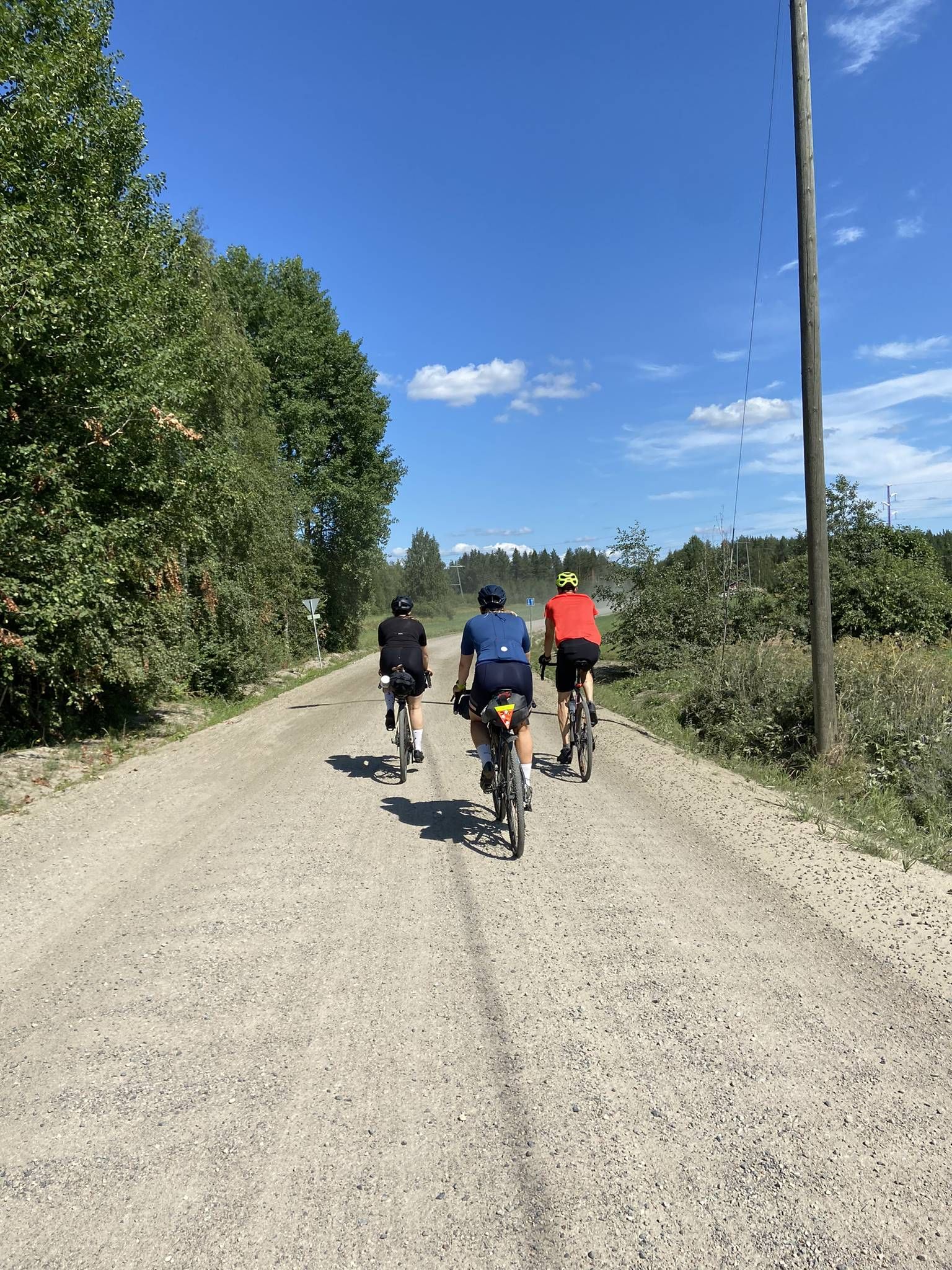
Naples to North Cape — Two friends, one purpose and many scoops of ice-cream
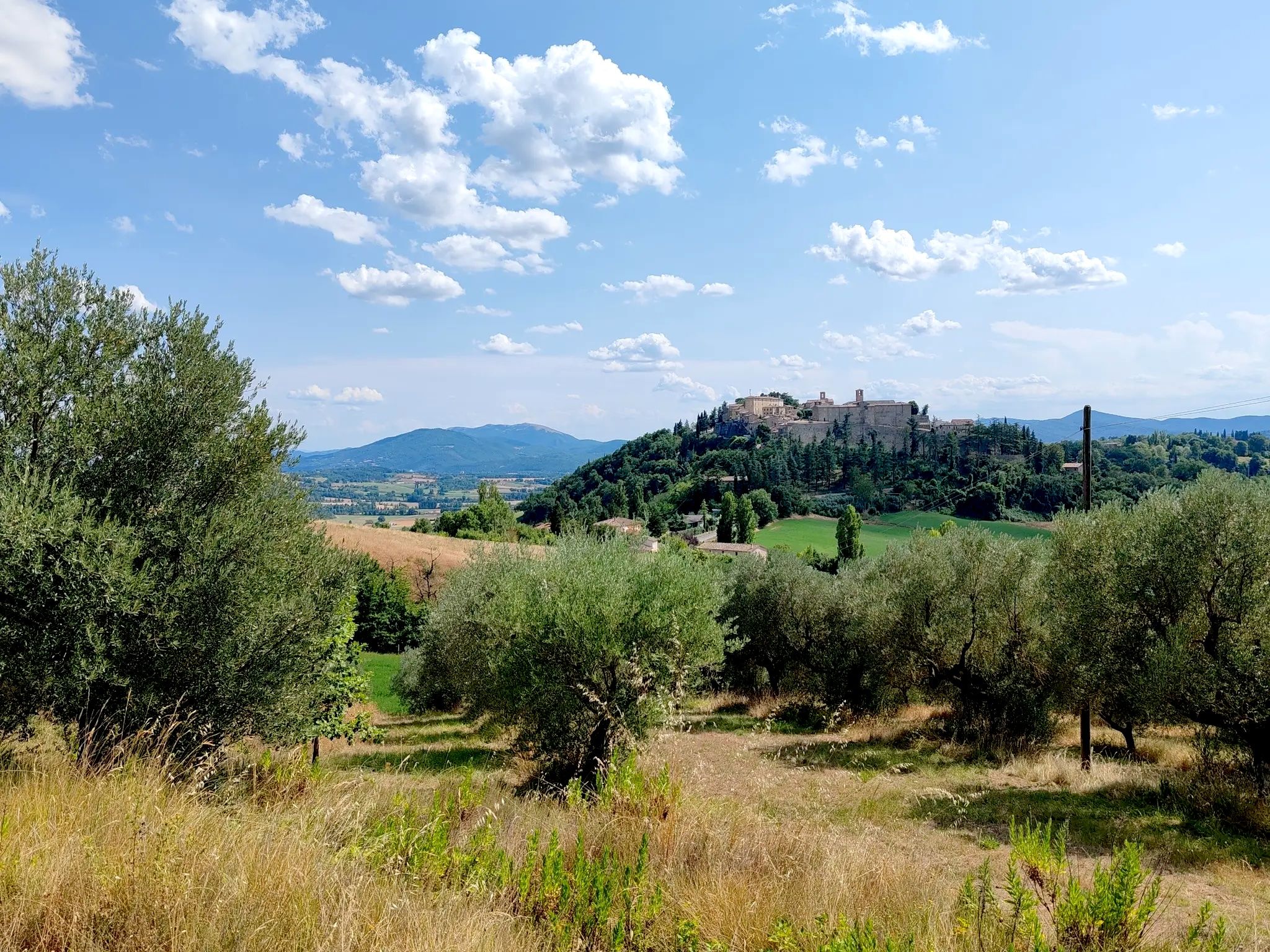
Day rides in the heart of Umbria – a Journey through History
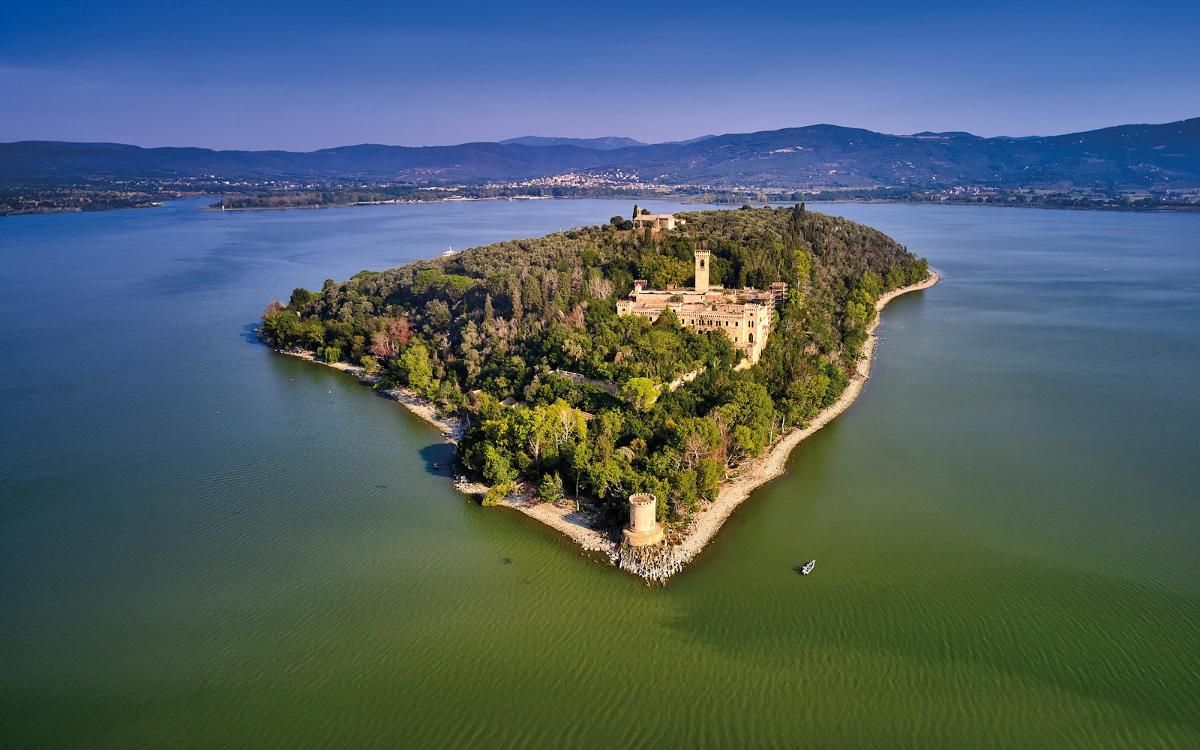
Trasimeno cycle route – Trasimeno for all
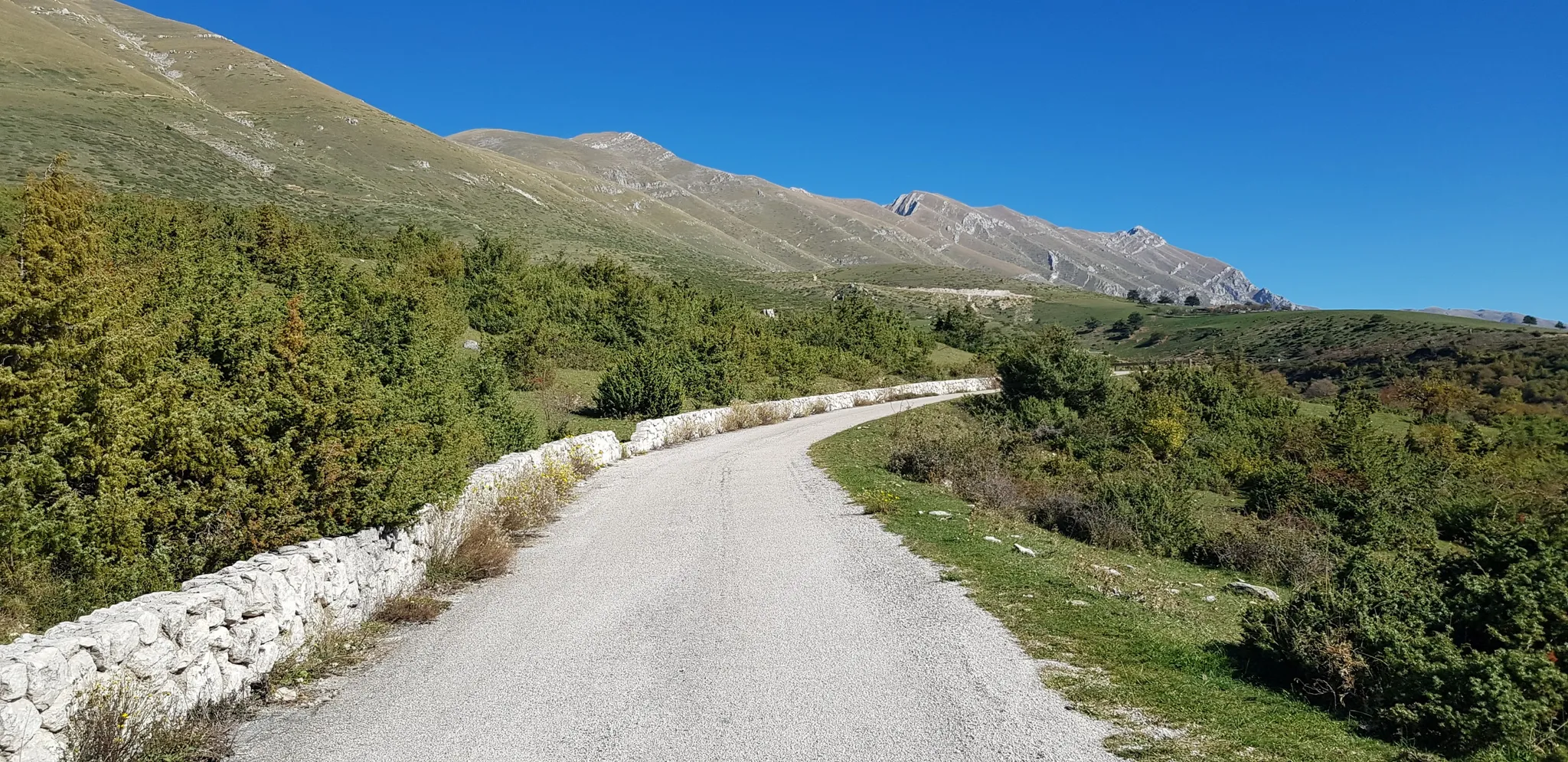
The Apennine Cycleway (Part 2) - From Umbria to Calabria
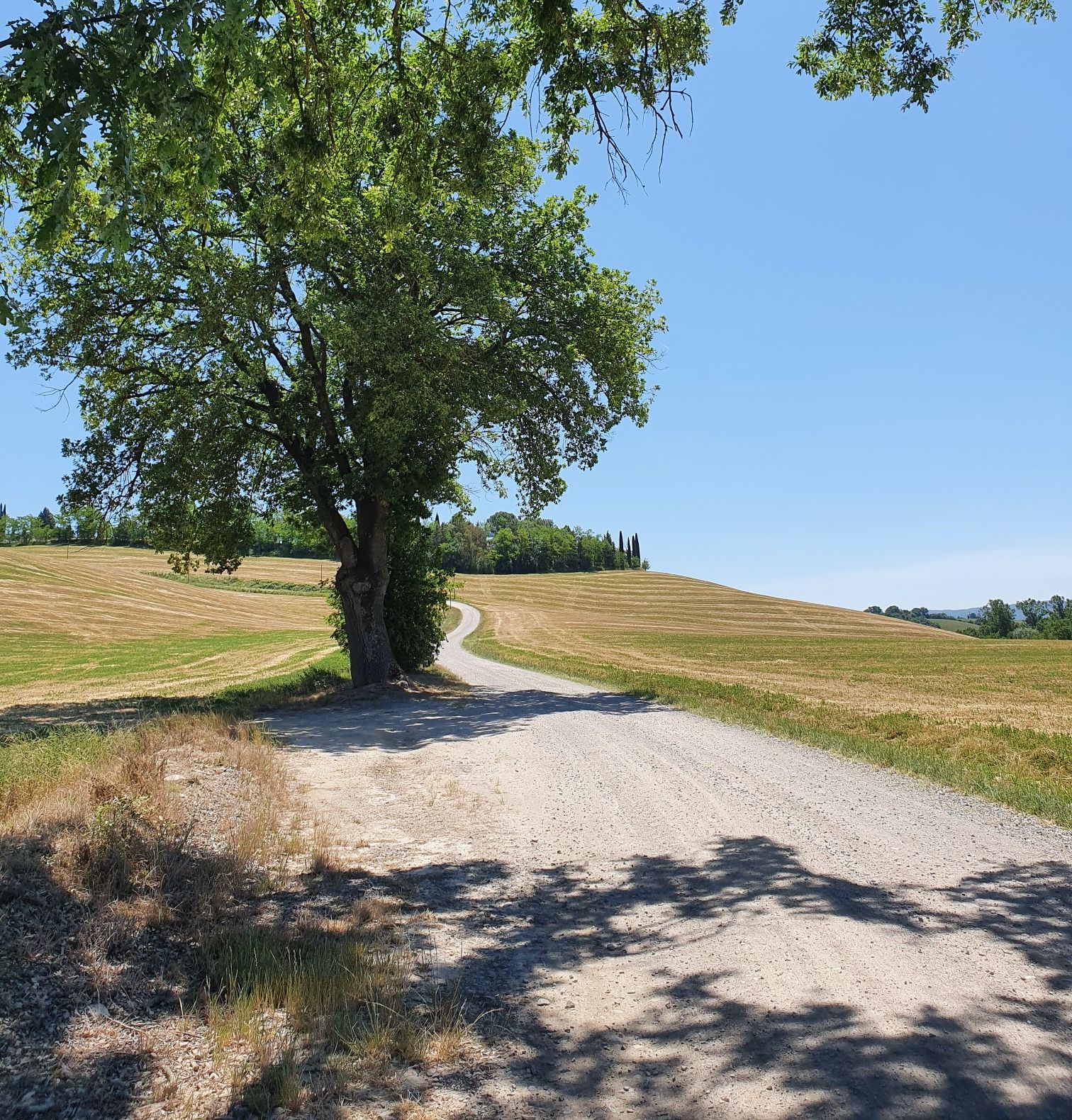
Ciclovia dei due mari - By bike from the Tyrrhenian Sea to the Adria
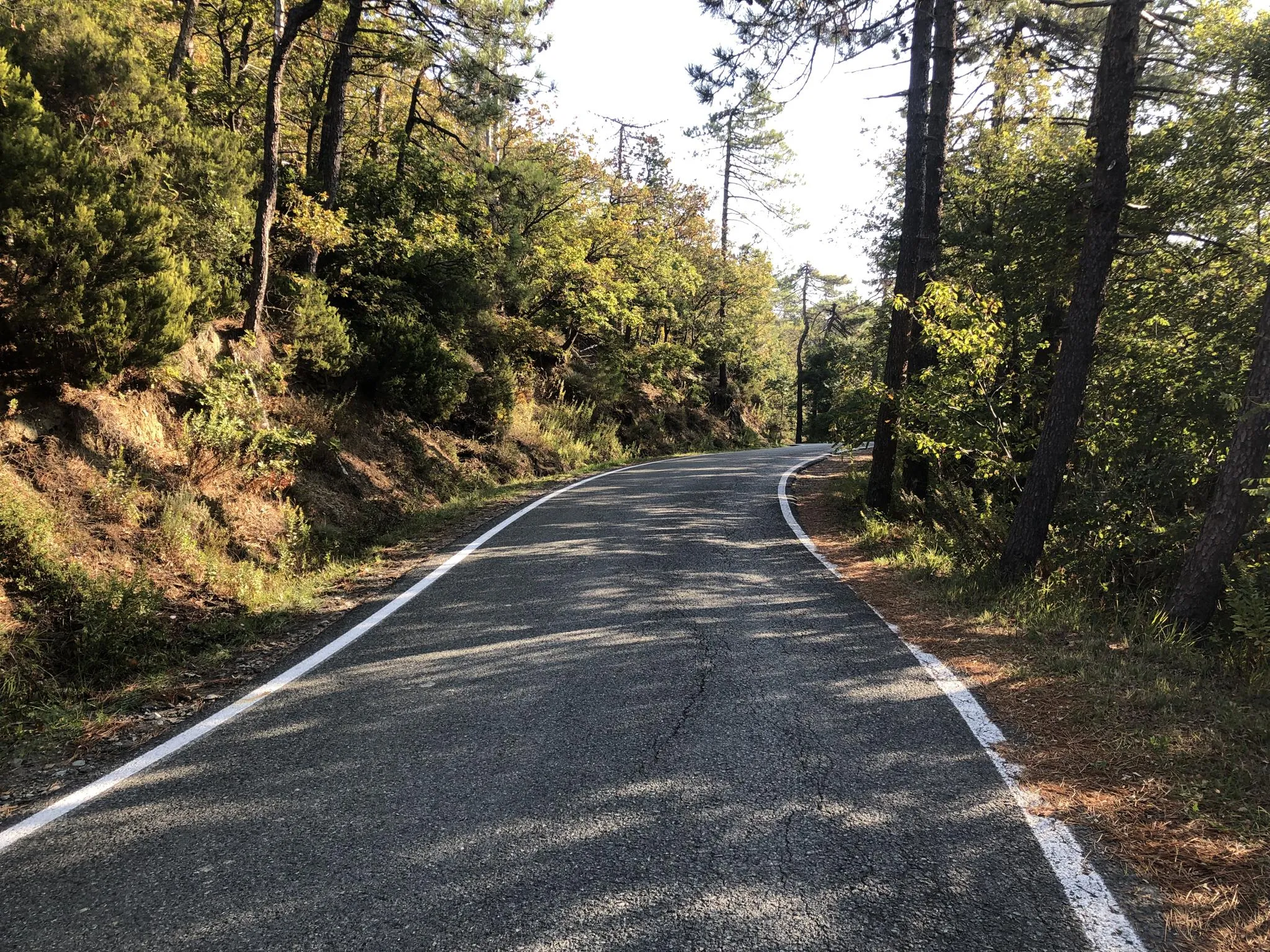
Apennine Cycle Route (Part 1) - From Liguria to Umbria
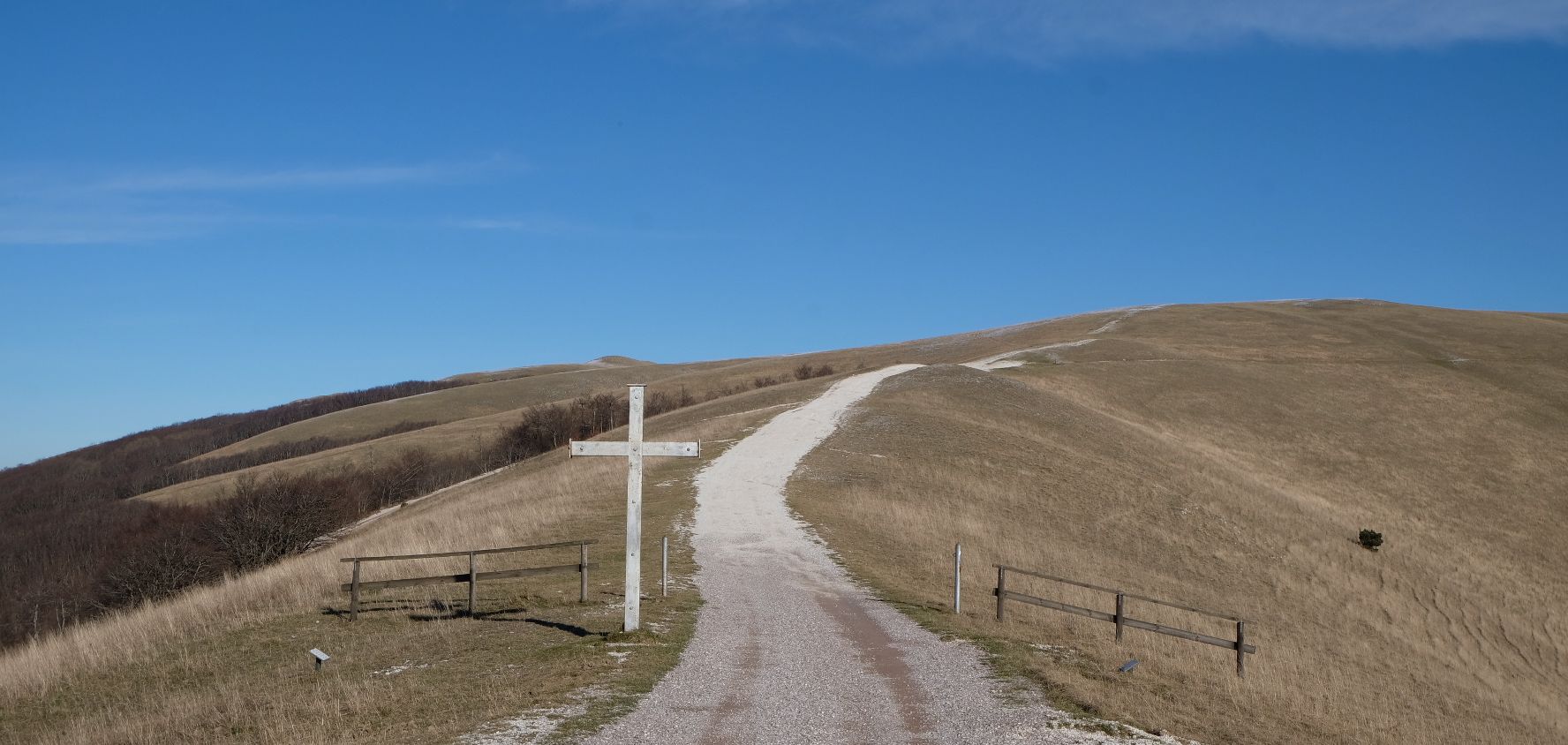
In the footsteps of St. Francis - Cammino di Assisi
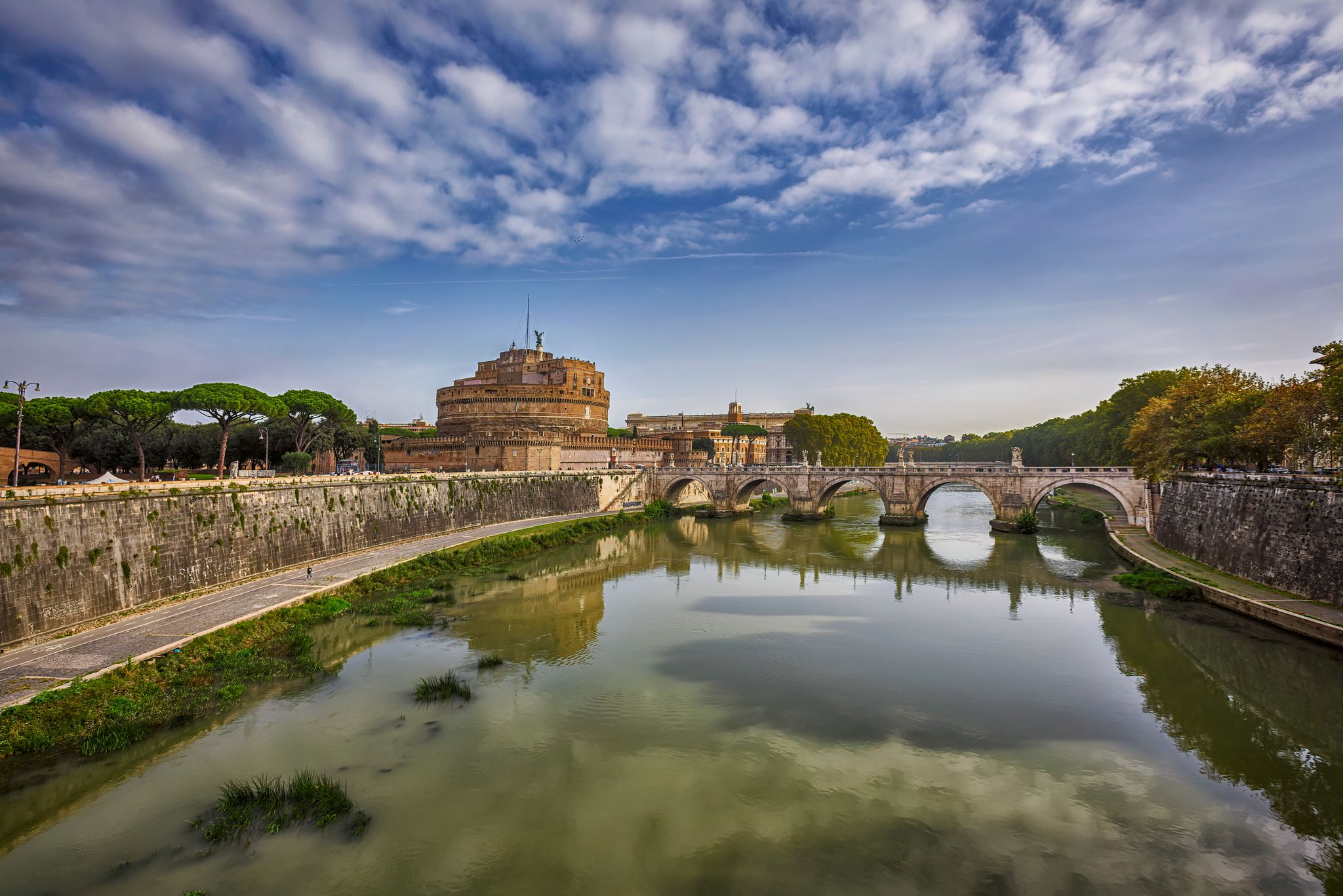
All roads lead to Rome – Romea Tiberina Cycleway
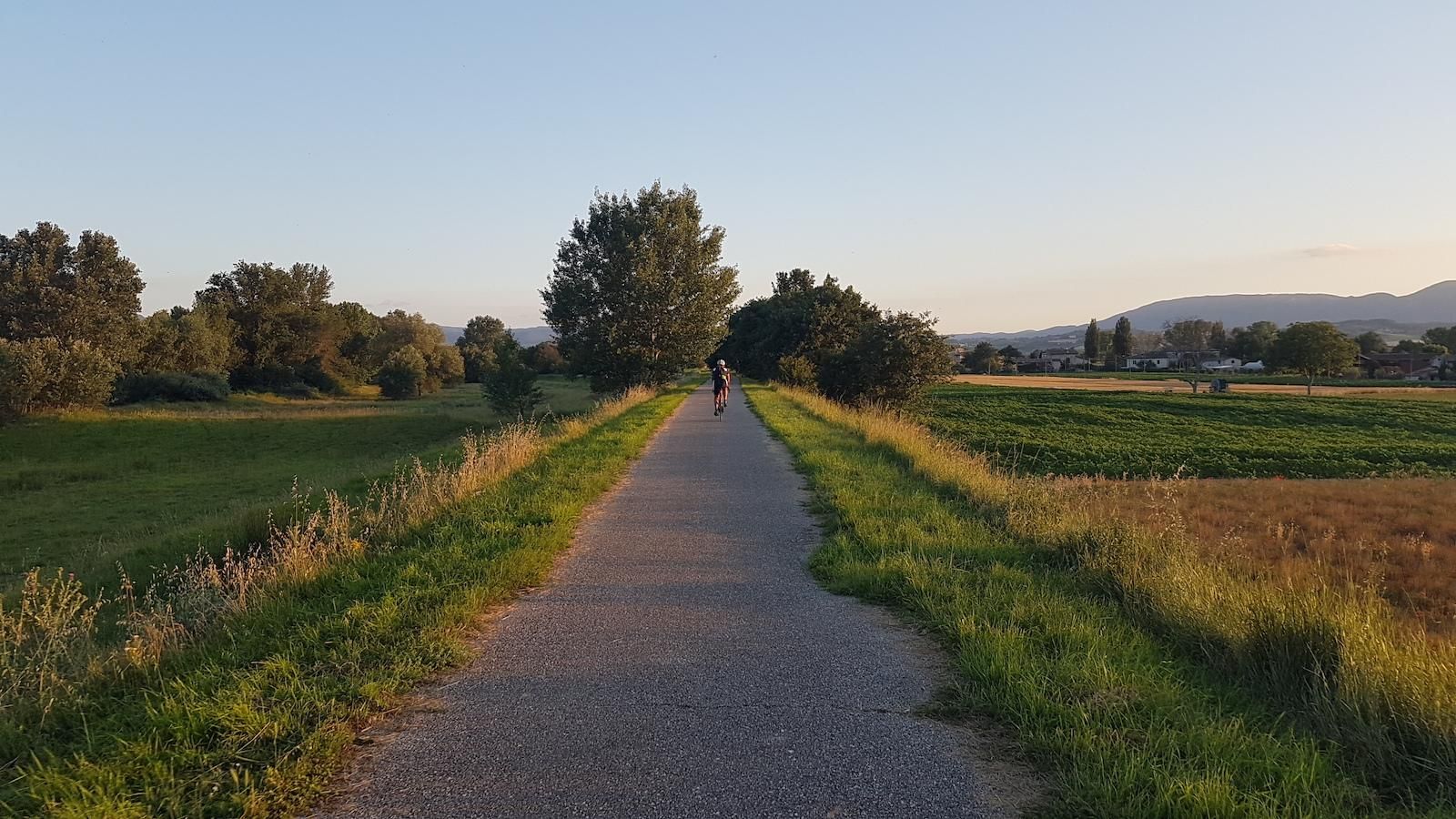
Ride St Francis Way in Italy – Via del Sud pilgrimage
Other adventures in Perugia


Tips from the Community

In front of this small sacred monument, known as Croce di Sasso Piano, which crowns the summit of the same name, I wish to offer those who linger here a brief reflection by Saint Francis of Assisi: + “And we give you [God-Father] thanks, ... because through his cross and his blood and his death you wanted to redeem us, who were captive.” (NbR XXIII, 3)
0
0

I walked the stretch from Borghetto to Castiglione del Lago (8/9 km) and was a little disappointed that you only see the lake once and... watch out for cyclists coming in the opposite direction.
0
0

Also ideal for gravel bikers! More tips for gravel bike adventures in the area at https://graveldeluxe.com or in my Komoot profile https://www.komoot.de/user/graveldeluxe
0
0
Also ideal for gravel bikers! More tips for gravel bike adventures in the area at https://graveldeluxe.com or in my Komoot profile https://www.komoot.de/user/graveldeluxe
1
0

of the ancient Roman temple only the six-column façade remains. The church is the seat of the TOR, Third Regular Order of Saint Francis
2
0

fantastic trails to cycle
0
0

Bevagna / Region – Umbria / Province – Perugia (PG) The town, surrounded by a city wall with towers and gates, has an intact medieval structure (12th-13th centuries). In the upper part of the town, numerous Roman remains can still be seen: the ruins of a temple, the theater, and a thermal bath complex, of which a frigidarium with a magnificent black and white floor mosaic depicting marine figures from the 2nd century AD survives. The medieval town structure, with its squares and noble houses, developed over the Romanesque foundations: The magnificent Piazza Silvestri is home to the Palazzo dei Consoli (1270), which houses the Torti Theater, the Romanesque churches of San Silvestro and San Michele Arcangelo, both from the late 12th century, and the church of San Domenico e Giacomo (1291). Worth seeing is the Palazzo Comunale (late 18th century), which houses the historical archives, the library, and the art gallery. The Baroque churches of the Monastery of Santa Margherita and San Filippo are also very interesting. At the highest point in the town stands the Church of San Francesco (late 13th century). Next to the altar, one can see the stone on which St. Francis knelt when he preached to the flock of birds at Pian d'Arca. The 18th-century Palazzo Lepri houses the Museum of Bevagna, with works that tell the story of the town from pre-Roman times to the 18th century: archaeological finds from the ancient city of Mevania, medieval documents, and paintings by Dono Doni, Fantino, and Corrado Giaquinto. In the surrounding area, the Sanctuary of Madonna delle Grazie (late 16th century), the Sanctuary of Madonna della Valle, and the Monastery of Annunziata (11th century), formerly a defensive castle, rise up against the hillsides. Text / Source: Umbria Tourism.it contatti@umbriatourism.it https://www.umbriatourism.it/de/bevagna
16
1
Eremo delle Carceri, the resting place of St. Francis, Assisi The Eremo delle Carceri is a pilgrimage site located in the dense forest of Monte Subasio, about 4 km from Assisi and at an altitude of 800 m. St. Francis and his first brothers imprisoned themselves for devotion, living a simple life, and praying more devoutly. The word "carceri," which may be confusing, does not mean "prison" but comes from the Latin "carcer," meaning a solitary, isolated place. This is where the term "carcerare" comes from, referring to monks and describing their practice of retreating to pray as hermits. In 1215, Benedictine monks donated the Eremo delle Carceri to Saint Francis, which became one of the most important places in his life: Immersed in a quiet, peaceful, centuries-old holm oak forest, Saint Francis followed his calling here and learned to pray devoutly. The Grotto of Saint Francis, among stories and legends Through a narrow passage, one reaches the Grotto of Saint Francis, where, according to the history of Francis of Assisi, the saint experienced his first true meditation and became a different person. Another story is that of Saint Rufinus, a companion of Saint Francis who managed to resist the devil. It is said that the hole in the grotto floor was caused by the devil when he was defeated and sank into the abyss. Many mistakenly believe that St. Francis's famous sermon to the birds took place here, but historical sources definitively link the legend to Piandarca, a town in the municipality of Cannara. Text / Source: Umbria Tourism.it https://www.umbriatourism.it/de/-/eremo-delle-carceri-der-ruheort-des-heiligen-franziskus
14
0
Frequently Asked Questions
What historical sites should I visit in Perugia?
Perugia is rich in history. You can explore the ancient Etruscan roots at the Arco Etrusco or the Etruscan Well. The medieval grandeur is evident in the Historic Center of Bevagna, with its intact medieval structure and Roman remains. Don't miss the imposing Palazzo dei Priori, home to the National Gallery of Umbria, or the Perugia Cathedral. The Rocca Paolina, an underground 16th-century papal fortress, also offers a unique historical experience.
Are there any natural attractions or scenic viewpoints in and around Perugia?
Yes, Perugia offers beautiful natural spaces and stunning vistas. Within the city, the Giardini Carducci and Porta Sole provide panoramic views, perfect for watching the sunset. For larger green spaces, consider Barton Park or the Orto Botanico. Beyond the city, you can visit Lake Trasimeno, central Italy's largest lake, offering opportunities for sailing and hiking. The Monte Subasio Natural Park and the spectacular Marmore Waterfalls are also excellent choices for nature lovers.
What cultural experiences can I find in Perugia?
Perugia boasts a vibrant cultural heritage. The National Gallery of Umbria, located within the Palazzo dei Priori, houses a premier collection of Italian art. The Collegio del Cambio is famous for its Renaissance frescoes. Religious art and architecture are prominent at the Oratory of San Bernardino, the Basilica di San Domenico, and the Abbey and Church of San Pietro. For a unique craft experience, visit the Moretti-Caselli workshop-cum-museum, showcasing glassmaking since 1859.
What are some family-friendly attractions in Perugia?
Many attractions in Perugia are suitable for families. The Basilica of Saint Francis in Assisi is a masterpiece that can captivate all ages. Exploring the Historic Center of Assisi or the Historic Center of Bevagna offers a journey back in time. The Rocca Paolina, with its underground passages and escalators, can be an exciting adventure for children. Additionally, the Lakeside Cycle Path – Loop around Lake Trasimeno provides a fun outdoor activity for the whole family.
Are there opportunities for hiking or outdoor activities near Perugia?
Yes, the region around Perugia offers numerous outdoor activities. You can find various running trails, such as those in the Running Trails in Perugia guide, including routes around Monte Melino and Assisi. For hiking, explore easy trails like the 'Sanctuary city of Assisi – loop tour' or 'Rocca Maggiore and the Basilica of San Francesco – loop tour in Assisi' from the Easy hikes in Perugia guide. Gravel biking enthusiasts can find challenging routes around Assisi, Monte Subasio, and Lake Trasimeno in the Gravel biking in Perugia guide.
What is the best time of year to visit Perugia?
Perugia is enjoyable throughout the year, but the best time often depends on your interests. Spring (April-May) and Fall (September-October) offer pleasant weather for exploring historical sites and outdoor activities, with fewer crowds than peak summer. Summer (June-August) is vibrant with events like the Umbria Jazz Festival, but can be hot. Winter (November-March) provides a quieter experience, with indoor attractions like museums and churches remaining accessible.
How can I get around to the main attractions in Perugia?
Perugia's historic center is largely pedestrian-friendly, with many attractions accessible by walking, especially along Corso Pietro Vannucci. The city also has a unique system of escalators and a mini-metro that connect different levels of the city, making it easier to navigate its hilly terrain and reach sites like the Rocca Paolina. Public buses also serve various parts of the city and surrounding areas.
Are there any dog-friendly places to visit in Perugia?
While specific rules vary, many outdoor areas and historical centers in Italy are generally dog-friendly, provided dogs are on a leash. The Historic Center of Assisi is noted as dog-friendly. For natural spaces, Barton Park and the walking paths around Lake Trasimeno can be enjoyed with your dog. Always check local regulations and be prepared to clean up after your pet.
What are some unique or 'hidden gem' attractions in Perugia?
Beyond the main landmarks, consider exploring the Perugia Underground archaeological area for a glimpse into the city's layered past. The San Angelo Gate, a 14th-century structure, offers lovely views and houses Perugia's Museum of City Walls and Doors. Wandering through the city's backstreets and medieval aqueduct also provides a charming, off-the-beaten-path experience.
What do visitors enjoy most about the attractions in Perugia?
Visitors frequently praise the rich history and artistic beauty of Perugia's attractions. The Basilica of Saint Francis is often highlighted as a 'masterpiece of human creative genius' for its architecture and frescoes. The intact medieval structures of towns like Bevagna are appreciated for making visitors feel like they are 'traveling back in time.' The panoramic views from various points in the city also receive high acclaim.
Are there any attractions in Perugia that are accessible by wheelchair?
Accessibility can vary for historical sites. While many older structures in Perugia's hilly center may present challenges, modern infrastructure like the city's escalators and mini-metro can aid in navigating the city. It's advisable to check specific accessibility details for individual attractions, such as museums like the National Gallery of Umbria, which may have ramps or elevators. Many main squares and pedestrian areas are generally more accessible.
Where can I find local food experiences near Perugia's attractions?
Perugia offers excellent opportunities for local food experiences. Along Corso Pietro Vannucci and in Piazza IV Novembre, you'll find numerous cafes, restaurants, and gelaterias. The Piazza del Comune in Assisi is also known for its typical bars and restaurants. Look for traditional Umbrian cuisine, including local truffles, cured meats, and olive oil, in trattorias and osterias throughout the historic center.
Most popular routes in Perugia
Most popular attractions in Perugia

Get inspired with the komoot mobile app


Didn’t find what you were looking for?
Are you keen on exploring more awesome places nearby? Browse our guides:
Explore more
Still not found the Highlight you’re looking for? See guides of the top attractions in other regions:
