Top 20 Castles in Perugia
Best castles in Perugia are found throughout Umbria, a region characterized by its rolling hills, historic towns, and agricultural landscapes. The area around Perugia features a variety of fortified structures, from ancient strongholds to Renaissance fortresses. These sites offer insights into centuries of regional history and architectural development. Many castles are situated on elevated positions, providing views of the surrounding valleys and countryside.
Best castles in Perugia
- The most popular castles is Historic Center of Bevagna, a historical site that features a fortified historic center with an intact medieval structure. Its charm is enhanced by the turquoise waters of the Timia River, making it resemble an island.
- Another must-see spot is Rocca Paolina — The Underground City, a Renaissance fortress. This site offers a journey into Perugia's past through a network of tunnels, cobbled streets, and arched stairwells, which now serve as a route into the city center via escalators.
- Visitors also love Triangular Tower, Passignano sul Trasimeno, a castle consisting of ruins of medieval structures. This site was once a defensive bastion of the Perugian territory.
- Perugia is known for its medieval castles, Renaissance fortresses, and fortified historic centers. Visitors can explore a variety of structures, from ancient defensive strongholds to those transformed into luxury accommodations.
- The castles in Perugia are appreciated by the komoot community, with 273 upvotes and 89 photos shared across 82 highlights.
Last updated: August 24, 2026
Historic Center of Bevagna
Highlight • Historical Site
Translated by Google •
Tip by

Historic Center of Gubbio
Highlight • Historical Site
Translated by Google •
Tip by

Sign up now to discover places like this
Get recommendations on the best single tracks, peaks, & plenty of other exciting outdoor places.
Sign up for free
Rocca Paolina — The Underground City
Highlight • Historical Site
A mysterious series of tunnels gives a premature glimpse of Perugia's nooks and crannies. The jumble of cobbled streets and arched stairwells is essentially all that remains of a once-imposing fortress.
Today these arched foundations are part of a popular route that takes visitors from Piazza Partigiani into the city. Riding through the walls on the many escalators (scale mobili) is a typical urban experience. It feels like entering a lost world, with secret doors that reveal one shop or another for art exhibitions.
Translated by Google •
Tip by

Triangular Tower, Passignano sul Trasimeno
Highlight • Castle
The Rocca di Passignano (Castle of Passignano) is located inside the village, in an elevated position above the town, which later expanded to the lakeshore. According to some sources, Passignano could mean "place of the pass," referring to the existence of a Roman military structure that served to control a "pass" between the present-day regions of Umbria and Tuscany.
Nothing remains of this possible structure today. Currently, the castle consists of ruins of medieval structures: square walls, a half-ruined tower, and the northern part of the castle with a triangular tower. Furthermore, a series of alleys wind through this part of the historic center, once surrounded by walls, giving an idea of what the street layout within the castle might have looked like.
The oldest core probably dates back to the 5th or 6th century; The square walls, however, were built between 820 and 850, when the castle belonged to the Marquises of Tuscany. In 1187, the property became the property of the canons of the Cathedral of San Lorenzo in Perugia. In the 13th century, the castle underwent significant renovations, transforming it into a true fortress, an outpost, and defensive bastion of the Perugian territory.
Text / Source: Umbria Tourism.it
umbriatourism.it/de/-/la-rocca-passignano-de
Translated by Google •
Tip by

Rocca del Leone, Castiglione del Lago
Highlight • Castle
This is the main monument of Castiglione del Lago and is definitely worth a visit.
Translated by Google •
Tip by

Rocca Maggiore
Highlight • Castle
Translated by Google •
Tip by

Castiglione del Lago Historic Center
Highlight • Historical Site
Il suo nome deriverebbe dal termine Castellum Leonis ossia Castello del Leone, la struttura difensiva che caratterizza il borgo. Il suo passato ricco di storia e la sua bellezza senza tempo rendono oggi Castiglione del Lago uno dei luoghi assolutamente da non perdere quando si visita il centro italia. Immerso nel Parco Regionale del Trasimeno, il borgo è uno dei comuni costieri che caratterizzano quest’area naturale protetta di incredibile bellezza.
Cosa vedere a Castiglione del Lago
Una visita a Castiglione del Lago non può che iniziare dal Palazzo Ducale, anche noto come Palazzo Corgna, la reggia della famiglia che ha regalato prestigio al paese lacustre, voluta da Ascanio della Corgna nel 1563. Inizialmente concepita come residenza di campagna, il palazzo ebbe l’onore di ospitare personaggi del calibro di Leonardo Da Vinci e Niccolò Machiavelli e nasconde al suo interno splendide sale affrescate, opera tra gli altri di Pomarancio. Il palazzo è attualmente sede del comune di Castiglione.
La celebre Rocca del Leone è collegata al Palazzo della Corgna attraverso un affascinante camminamento coperto affacciato sul lago, curiosamente unico punto di accesso alla fortezza. La Rocca domina dall’alto il borgo di Castiglione del Lago e l’intero Trasimeno, e fu realizzata nel XIII secolo per volere di Federico II di Svevia. Si narra che il suo nome derivi dalla sua forma pentagonale ispirata alla costellazione del Leone ed è certamente uno degli scorci più belli ammirabili nel borgo. Camminando poi tra le vie del centro storico di Castiglione del Lago, è possibile coglierne l’aria genuina ed il glorioso passato, curiosando tra gli stretti vicoli ed affacciandosi alle mura medievali che abbracciano l’intero abitato. Il borgo è punteggiato di botteghe artigianali e locande cariche di profumi tradizionali, ed è un vero piacere scivolare tra le sue piazzette e restare sorpresi dalle prospettive che spuntano da dietro ogni angolo.
Ancora visibili sono le porte di accesso al centro del borgo, che sono tre: Porta Perugina, del XIII secolo, Porta Fiorentina, risalente al XVI secolo e Porta Senese, di origine medievale ma ricostruita nel ‘900. Di incredibile bellezza è anche il percorso panoramico che segue il perimetro esterno delle mura, detto il Poggio Olivato. Tra gli edifici religiosi di Castiglione, meritano una menzione sia la Chiesa di Santa Maria Maddalena, della metà dell’800, scrigno di opere di Eusebio da San Giorgio, discepolo del Perugino, e la Chiesa di San Domenico costruita dal duca Fulvio Alessandro della Corgna in ringraziamento per un miracolo ricevuto dal santo, e che ospita oggi le tombe di membri della famiglia più importante nella storia del villaggio.
Cosa fare sul Lago Trasimeno
Il vicino Lago Trasimeno è un’attrazione irrinunciabile e mentre si sosta a Castiglione del Lago sono numerose le attività che la zona lacustre propone. Le coste del lago offrono infatti sia l’opportunità di trascorrere rilassanti giornate sulle loro spiagge attrezzate, tra relax e deliziosi pranzi con vista sulle onde, così come quella di dedicarsi agli sport acquatici più avventurosi, come vela, windsurf, kitesurf e canottaggio.
Le spiagge di Merangola Sports Beach, una bellissima area attrezzata, e la spiaggia il Pescatore Cafe Praia, promettono entrambe momenti indimenticabili, mentre se si desidera solcare le acque del lago da Castiglione ci si può imbarcare per raggiungere la non distante Isola Polvese, la più grande delle tre isole del Trasimeno, di grande interesse naturalistico e culturale. Imperdibili sulle sponde dell’isola i boschi di alloro e leccio, così come il Castello Medievale ed il Monastero di San Secondo. Di interesse anche la Piscina del Porcinai, Giardino di Piante Acquatiche opera di Pietro Porcinai, noto paesaggista del XX secolo.
tratto da: SIVIAGGIA.IT
Tip by

Biscina Castle
Highlight • Castle
Translated by Google •
Tip by
Cassero di Porta Sant'Angelo
Highlight • Historical Site
Definitely worth walking the route out of the city, taking the VIA ACQVEDOTTO that directly connects the center of Perugia with this part of the city.
Translated by Google •
Tip by
Antognolla Castle
Highlight • Castle
Translated by Google •
Tip by

Sign up for free to discover even more castles in Perugia.
Sign up for free
Already have an account?
Start today with a free account
Your next adventure awaits.
Login or Signup
Popular around Perugia
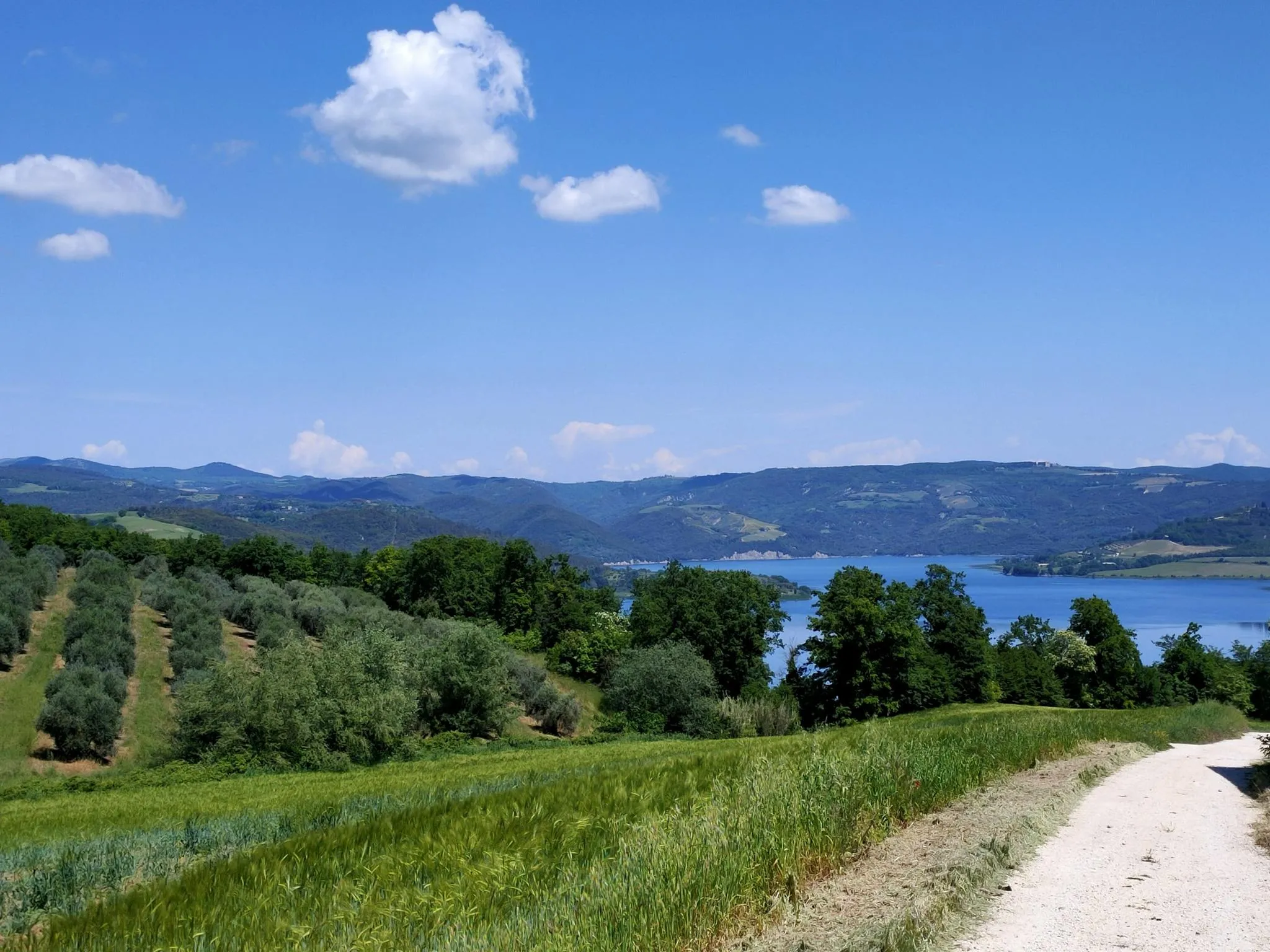
Italian Coast2Coast – From Portonovo to Orbetello
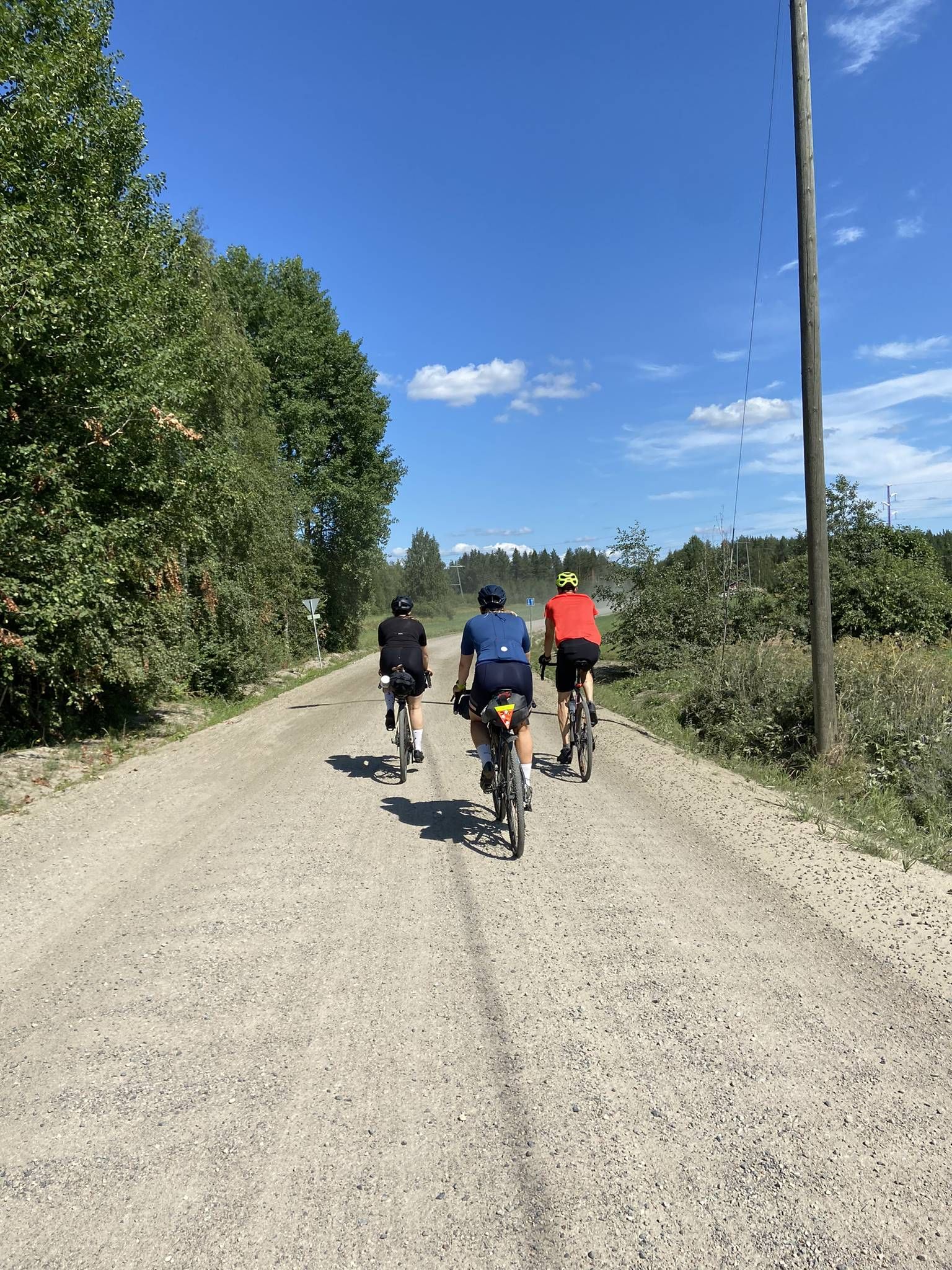
Naples to North Cape — Two friends, one purpose and many scoops of ice-cream
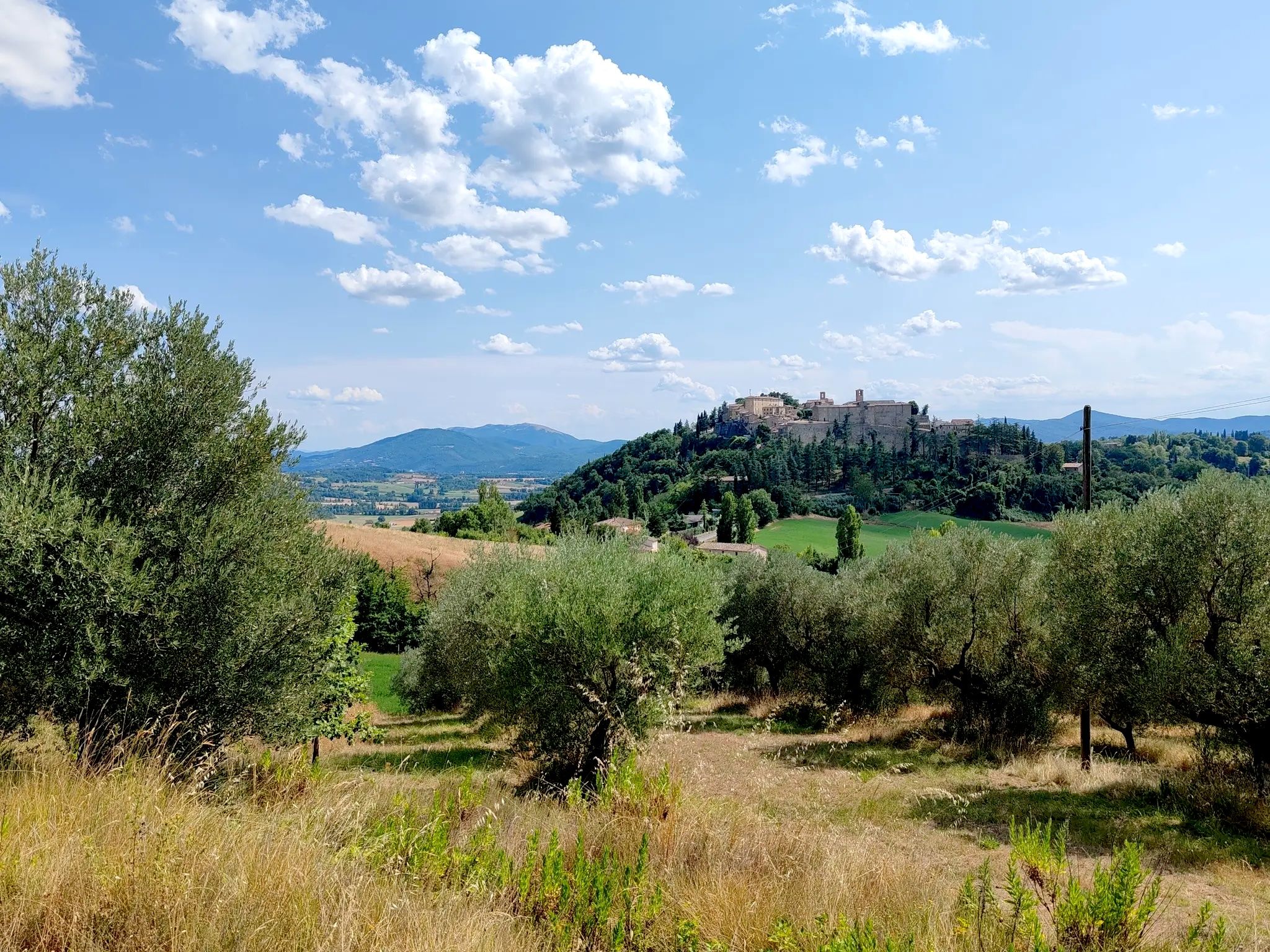
Day rides in the heart of Umbria – a Journey through History
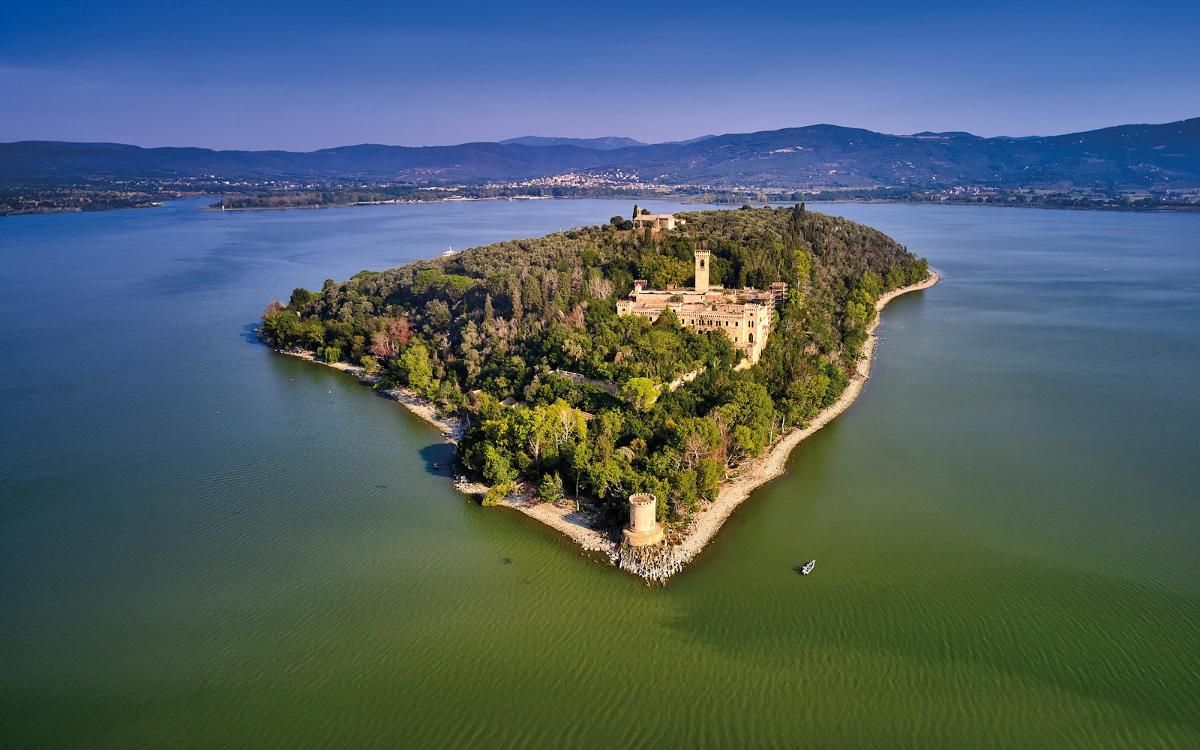
Trasimeno cycle route – Trasimeno for all
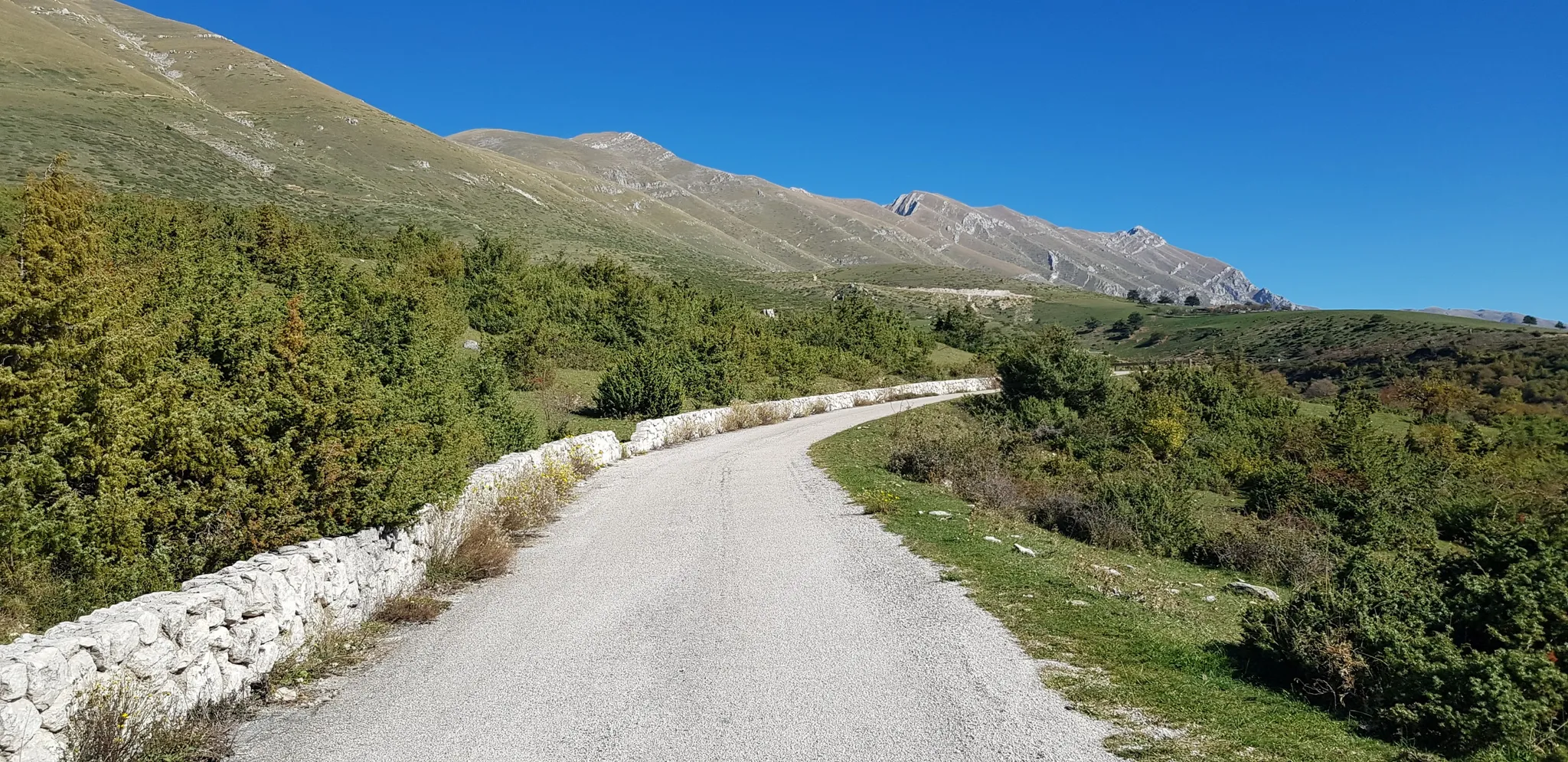
The Apennine Cycleway (Part 2) - From Umbria to Calabria
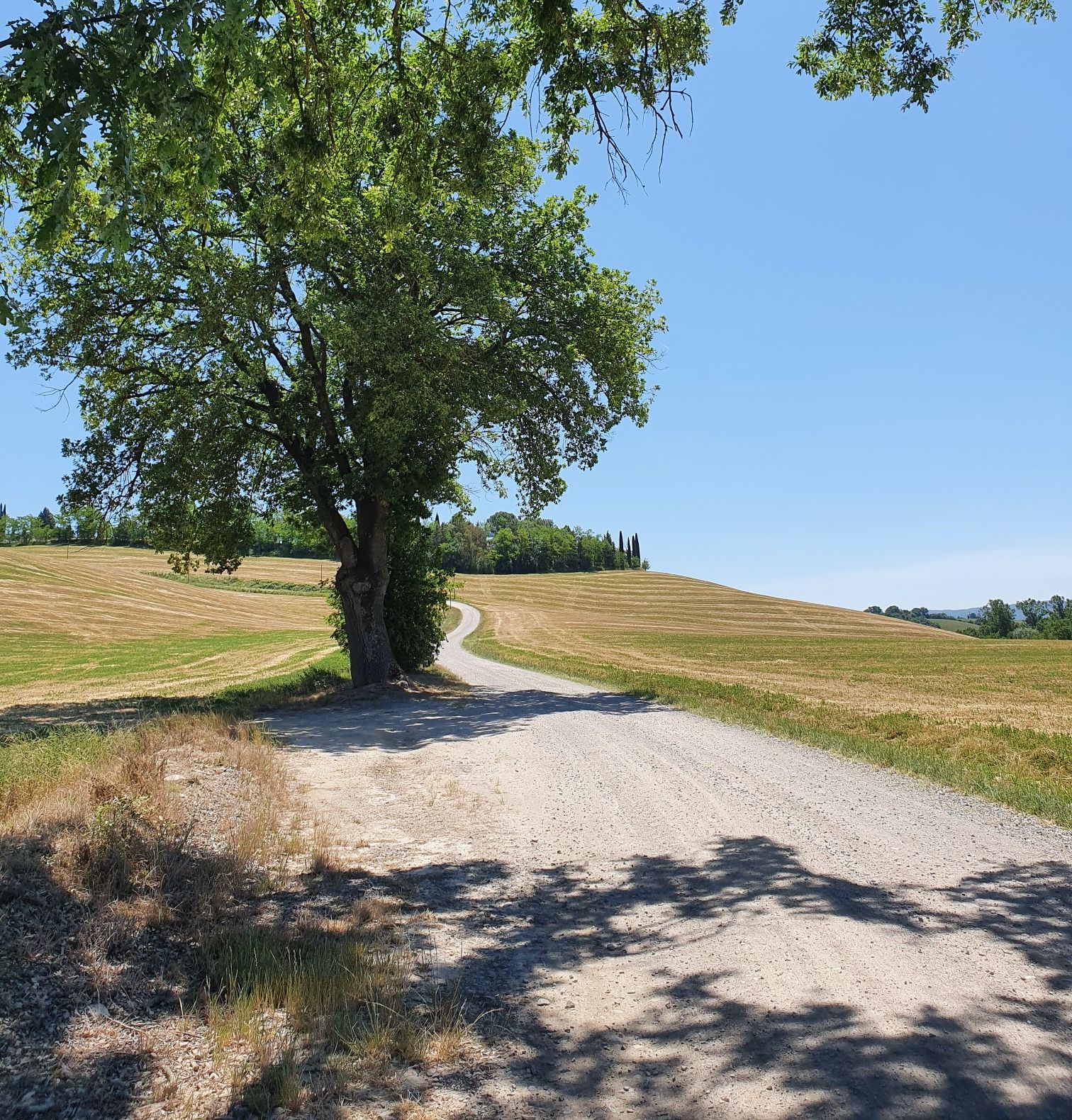
Ciclovia dei due mari - By bike from the Tyrrhenian Sea to the Adria
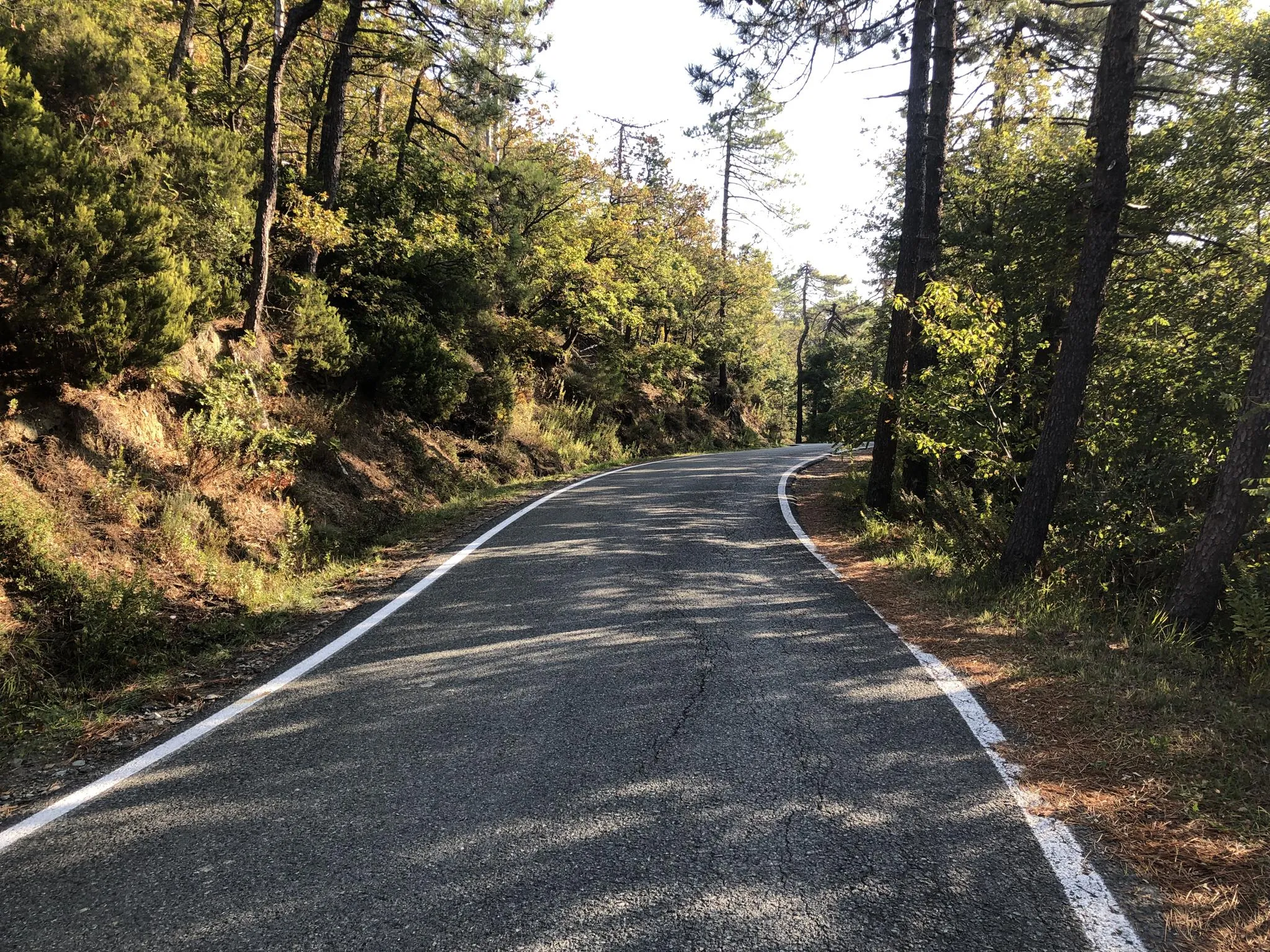
Apennine Cycle Route (Part 1) - From Liguria to Umbria
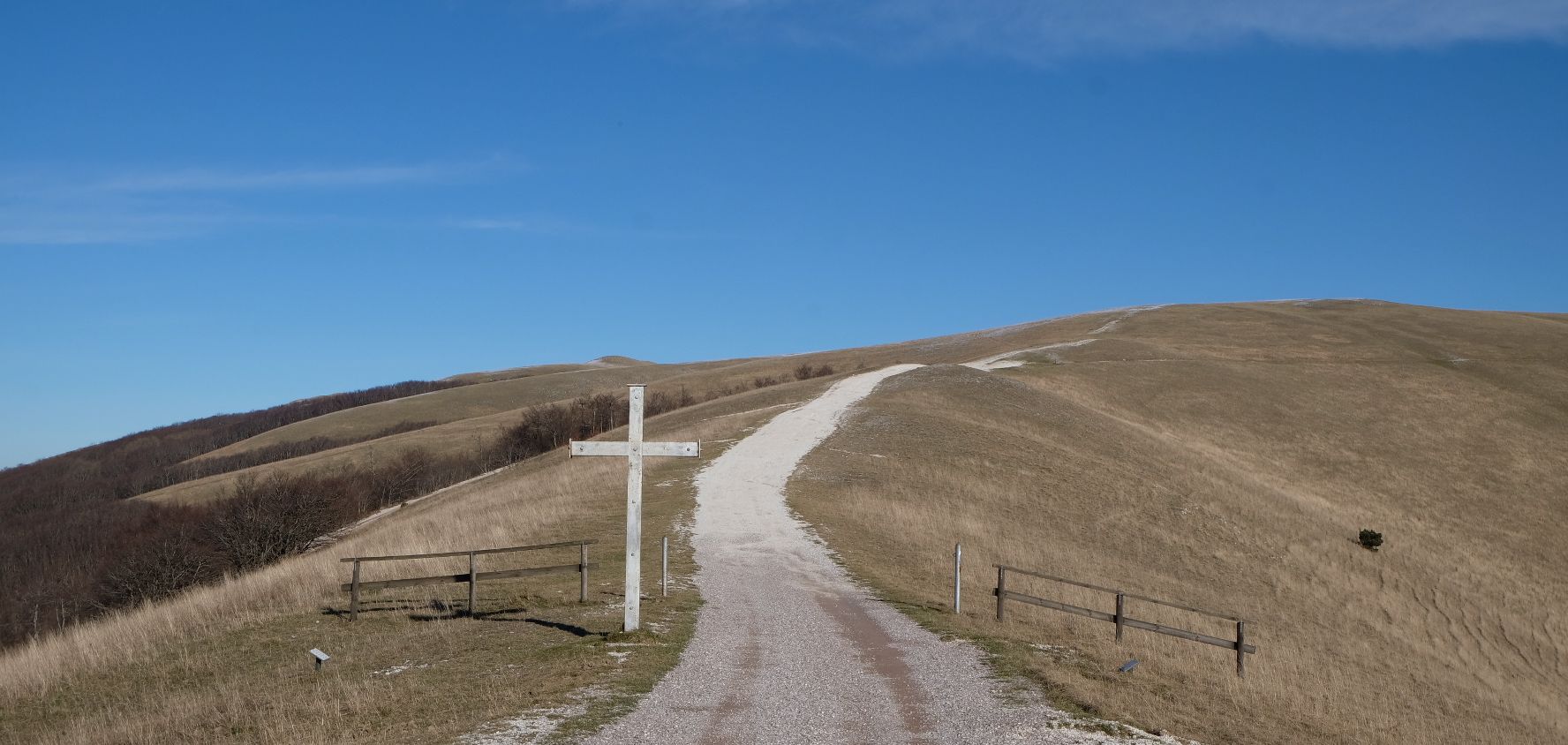
In the footsteps of St. Francis - Cammino di Assisi
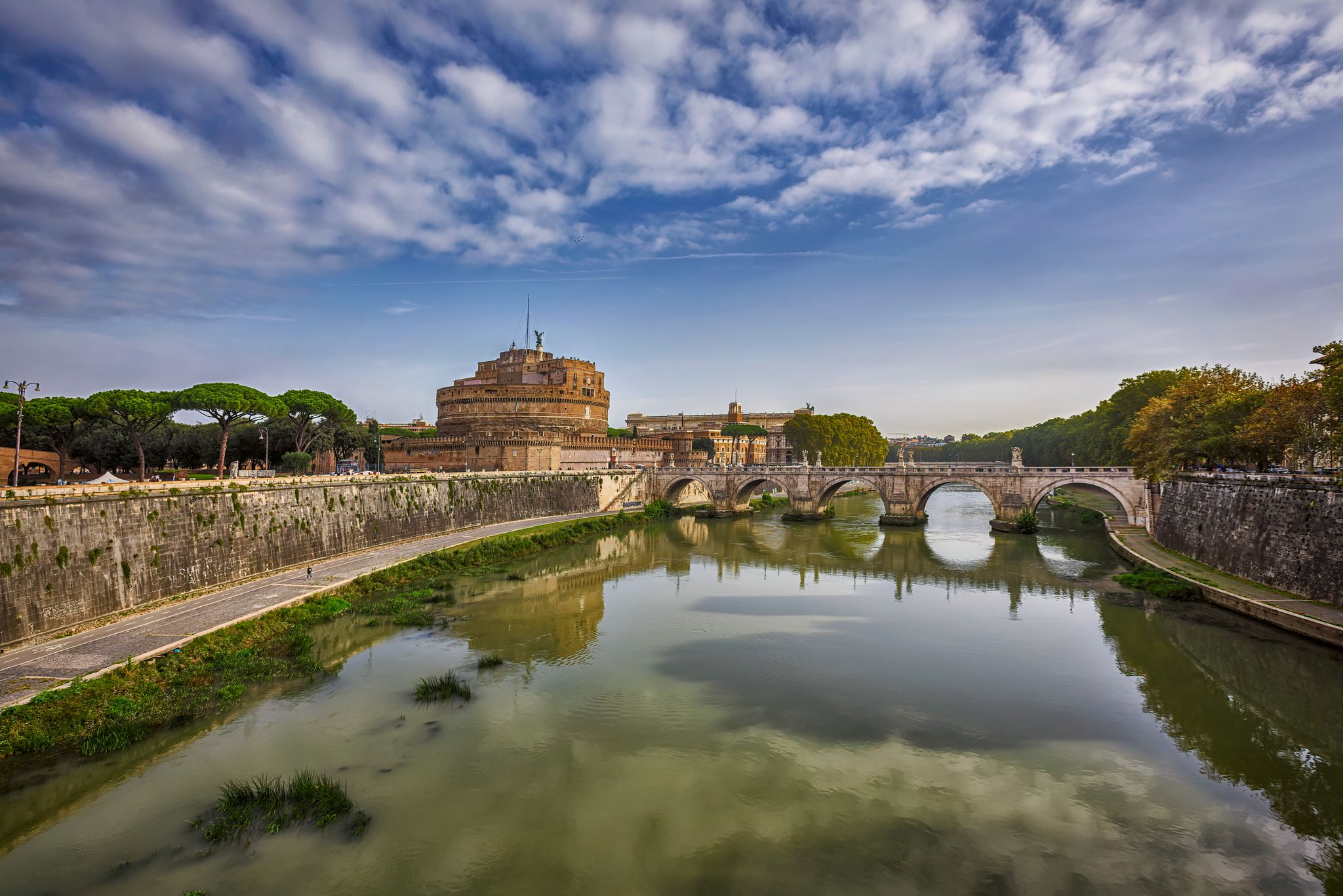
All roads lead to Rome – Romea Tiberina Cycleway
Ride St Francis Way in Italy – Via del Sud pilgrimage
Other adventures in Perugia


Tips from the Community

**Why recommend it?** Because it's a simple and pleasant way to discover the most evocative side of **Passignano sul Trasimeno**. The historic center, listed among *The most beautiful villages in Italy*, is well-maintained, rich in history, and continuously offers characteristic views to photograph. It's a walk I recommend **at any time of the day**: even during the hottest summer hours, the alleys of the center offer several shaded stretches, allowing you to walk more peacefully. And then there's everything you need to make the walk even more enjoyable: along the path, you'll find **bars, restaurants, and pastry shops**, perfect for a break, whether sweet or savory. In short, a route without haste, to be experienced by strolling and letting curiosity guide you. 🌿🏘️
0
0

The Cassero di Porta di Sant'Angelo is one of the medieval gates of Perugia's walls, located in the Sant'Angelo district, at the end of Corso Garibaldi, adjacent to the Temple of Sant'Angelo. It's easy to reach by climbing through the streets of the university district.
0
0

Antognolla Castle, located on the slopes of Monte Tezio and now part of an exclusive golf club, owes its name to the ancient Antognolla family of Perugia. First mentioned in 1174 for the presence of a Benedictine monastery, it became a fiefdom in 1399 at the behest of Pope Boniface IX. Over the following centuries, it was at the center of conflicts between noble families, until it passed to the Oddi family in 1628 and then to the Guglielmi family in 1836. After a period under the Agnelli family, it was recently restored to become a luxury resort.
0
0

The Cassero di Porta di Sant'Angelo is one of the medieval gates of the city walls of Perugia. It can be seen in the Gonfalone della Giustizia, a painting by Perugino (1496–1498) kept in the National Gallery of Umbria.
1
0

Bevagna / Region – Umbria / Province – Perugia (PG) The town, surrounded by a city wall with towers and gates, has an intact medieval structure (12th-13th centuries). In the upper part of the town, numerous Roman remains can still be seen: the ruins of a temple, the theater, and a thermal bath complex, of which a frigidarium with a magnificent black and white floor mosaic depicting marine figures from the 2nd century AD survives. The medieval town structure, with its squares and noble houses, developed over the Romanesque foundations: The magnificent Piazza Silvestri is home to the Palazzo dei Consoli (1270), which houses the Torti Theater, the Romanesque churches of San Silvestro and San Michele Arcangelo, both from the late 12th century, and the church of San Domenico e Giacomo (1291). Worth seeing is the Palazzo Comunale (late 18th century), which houses the historical archives, the library, and the art gallery. The Baroque churches of the Monastery of Santa Margherita and San Filippo are also very interesting. At the highest point in the town stands the Church of San Francesco (late 13th century). Next to the altar, one can see the stone on which St. Francis knelt when he preached to the flock of birds at Pian d'Arca. The 18th-century Palazzo Lepri houses the Museum of Bevagna, with works that tell the story of the town from pre-Roman times to the 18th century: archaeological finds from the ancient city of Mevania, medieval documents, and paintings by Dono Doni, Fantino, and Corrado Giaquinto. In the surrounding area, the Sanctuary of Madonna delle Grazie (late 16th century), the Sanctuary of Madonna della Valle, and the Monastery of Annunziata (11th century), formerly a defensive castle, rise up against the hillsides. Text / Source: Umbria Tourism.it contatti@umbriatourism.it https://www.umbriatourism.it/de/bevagna
14
1
Rocca di Passignano (Castle of Passignano) - Passignano sul Trasimeno The Rocca di Passignano (Castle of Passignano) is located inside the village, in an elevated position above the town, which later expanded to the lakeshore. According to some sources, Passignano could mean "place of the pass," referring to the existence of a Roman military structure that served to control a "pass" between the present-day regions of Umbria and Tuscany. Nothing remains of this possible structure today. Currently, the castle consists of ruins of medieval structures: square walls, a half-ruined tower, and the northern part of the castle with a triangular tower. Furthermore, a series of alleys wind through this part of the historic center, once surrounded by walls, giving an idea of what the street layout within the castle might have looked like. The oldest core probably dates back to the 5th or 6th century; The square walls, however, were built between 820 and 850, when the castle belonged to the Marquises of Tuscany. In 1187, the property became the property of the canons of the Cathedral of San Lorenzo in Perugia. In the 13th century, the castle underwent significant renovations, transforming it into a true fortress, an outpost, and defensive bastion of the Perugian territory. Text / Source: Umbria Tourism.it https://www.umbriatourism.it/de/-/la-rocca-passignano-de
14
0

The Rocca del Leone is the medieval fortress with an irregular pentagonal structure built starting from the thirteenth century. This is the main monument of Castiglione del Lago and is definitely worth a visit.
1
0

ARCHITECTURAL STRATIFICATIONS Visiting this area of the Rocca, where Via Bagliona meets the shorter Via alla Piazza Gran-de, the complex and fascinating interplay between the remains of the medieval quarter and the structures of the papal fortress can be seen more clearly. The limestone and travertine walls of the ground floor of the medieval buildings, the pointed arches of the entrances to houses and shops and the base of Gentile Ba-glioni's tower blend with the brick vaults that cover the streets and the great foundation columns of the fortress. The old buildings were gutted and the underground chambers of the Rocca Paolina made. The destruction of a large part of the city and the construction of the Rocca in its place was a tearing wound for Perugia, which thus lost the quarter with its most elegant houses and the church of Santa Maria dei Servi, which housed many tombs of noble families and remarkable works of art. The keystone of its entrance is still visible. One of the frescoes by Benedetto Bonfigli (second half of the 15th century) in the chapel of the Palazzo dei Priori (now part of the National Gallery of Umbria) represents precisely this area of the medieval city and remains the most important evidence of how it was before the construction of the fortress.
1
0
Frequently Asked Questions
What is the historical significance of castles in Perugia?
The castles in Perugia and its surrounding areas are deeply rooted in centuries of history, reflecting the region's strategic importance. They range from ancient strongholds and medieval fortifications to Renaissance fortresses. Many were built on elevated positions, serving as defensive bastions during conflicts between rival cities like Assisi and Perugia, or as residences for noble families and papal authorities. Exploring them offers a direct connection to Umbria's rich past and architectural evolution.
Are there family-friendly castles to visit in Perugia?
Yes, several castles and historical sites in Perugia are suitable for families. For instance, the Rocca Paolina — The Underground City offers an engaging journey through Perugia's past via its network of tunnels and escalators, which can be a unique experience for children. The Historic Center of Bevagna, with its intact medieval structure and narrow streets, provides an immersive historical setting that families can enjoy exploring together. The Cassero di Porta Sant'Angelo, a medieval city gate, is also listed as family-friendly.
When is the best time to visit castles in Perugia?
The best time to visit castles in Perugia is generally during the spring (April to June) and autumn (September to October). During these seasons, the weather is pleasant, making it ideal for exploring historical sites and enjoying the scenic Umbrian countryside. Summers can be hot, especially in July and August, while winters are cooler and can be rainy, though fewer crowds might be a benefit for some visitors.
What outdoor activities can I do near Perugia's castles?
The region around Perugia's castles offers various outdoor activities. You can find numerous hiking and running trails. For instance, you can explore routes like the 'Monte Cucco da Val di Ranco – loop hike' or 'From Assisi to the Eremo delle Carceri'. Cyclists can enjoy road cycling routes such as the 'Loop tour of Lago di Trasimeno from Castiglione del Lago' or 'The hills on Lake Trasimeno'. For more details and routes, you can check the Hiking in Perugia, Running Trails in Perugia, and Road Cycling Routes in Perugia guides.
Can I explore castles within Perugia's city center?
Yes, Perugia's city center features notable historical fortifications. The Rocca Paolina — The Underground City is a prominent Renaissance fortress located directly beneath the city, offering a unique urban experience with escalators leading through its ancient foundations. Additionally, the Cassero di Porta Sant'Angelo, a medieval city gate, is an impressive structure within the city walls, representing Perugia's historical defenses.
Which castles offer the best views of the Perugia region?
Many castles in the Perugia region are strategically located on hillsides, providing panoramic views. Castello Di Monterone, perched on a hill just over a kilometer from Perugia, offers stunning views of the city and the surrounding valley. The Fortezza Albornoz in Spello also commands impressive views, dominating the entire city from its position on Pian del Monte. Rocca del Leone in Castiglione del Lago and Monte Santa Maria Tiberina are also known for their scenic viewpoints.
Are there castles in Perugia that offer unique experiences, such as luxury stays?
Yes, some historical castles in the Perugia area have been transformed to offer unique experiences. Castello Di Monterone, a 700-year-old castle, has been meticulously restored and now operates as a luxury hotel with two restaurants (one Michelin-starred), a swimming pool, and spa facilities. Similarly, Antognolla Castle, with its rich history, has been restored into a luxury resort featuring an exclusive golf club, blending historical grandeur with modern amenities.
What are some less crowded or 'hidden gem' castles near Perugia?
While popularity varies, some castles might offer a quieter experience away from the main tourist routes. Biscina Castle and Antognolla Castle are examples of historical sites that, while significant, might be less frequented than those directly in Perugia's urban core. Castello di Poggio, with its imposing tower amidst the green Umbrian countryside, also offers a serene and picturesque representation of a well-preserved medieval rural stronghold.
What are the parking and public transport options for visiting castles in Perugia?
For castles within Perugia's historic center, such as the Rocca Paolina, parking can be challenging as the center is largely pedestrianized or has restricted access. It's often best to use parking garages outside the ZTL (Limited Traffic Zone) and then utilize Perugia's extensive system of escalators and mini-metro to reach the historic core. For castles outside the city, public transport options vary, and driving with parking available on-site or nearby is often the most convenient way to reach them. Always check specific castle websites or local tourism information for the most up-to-date details on access and parking.
Are there any castles near Perugia that are particularly well-preserved?
Yes, several castles in the Perugia region are remarkably well-preserved. The Historic Center of Bevagna maintains an intact medieval structure, with its walls and gates still standing. Castello di Rocca Sant'Angelo, despite its history of conflicts, remains remarkably intact. Castello di Poggio also stands majestically amidst the Umbrian countryside, representing a well-preserved medieval rural stronghold.
What kind of architectural styles can I expect to see in Perugia's castles?
Perugia's castles showcase a range of architectural styles reflecting different historical periods. You'll find medieval fortifications with robust walls and towers, such as those seen in the Historic Center of Bevagna or the Triangular Tower in Passignano sul Trasimeno. The Rocca Paolina is a prime example of Renaissance military architecture. Many castles, like Castello Di Monterone, have evolved over centuries, incorporating elements from the 11th century onwards, often featuring a blend of defensive and residential characteristics.
Most popular routes in Perugia
Most popular attractions in Perugia

Get inspired with the komoot mobile app


Didn’t find what you were looking for?
Explore Perugia’s best castles region by region:
Explore more
Looking for the best castles somewhere else? Discover other guides in Perugia:
