Top 20 Mountain Passes in Perugia
Best mountain passes in Perugia are found in the heart of Umbria, a region characterized by its mountainous terrain and scenic landscapes. The area offers diverse passes that serve as natural boundaries and connect valleys, providing routes through the Apennine mountains. These passes are notable for their geographic features and the access they provide to the Umbrian countryside. The region's topography includes prominent mountains like Monte Cucco and Monte Subasio, indicating numerous smaller passes and scenic roads.
Best mountain passes…
Last updated: July 10, 2026
Translated by Google •
Tip by

Bocca Serriola Pass
Highlight • Mountain Pass
Tip by

Sign up now to discover places like this
Get recommendations on the best single tracks, peaks, & plenty of other exciting outdoor places.
Sign up for free
Madonna della Cima Pass
Highlight • Mountain Pass
Translated by Google •
Tip by

Murcia del Soldato
Highlight • Monument
Translated by Google •
Tip by

Colfiorito Pass
Highlight • Mountain Pass
Translated by Google •
Tip by

Passo Cornello
Highlight • Mountain Pass
Translated by Google •
Tip by
Strada Provinciale di Spello and Via Subasio
Highlight (Segment) • Trail
Translated by Google •
Tip by

Scheggia Pass
Highlight • Mountain Pass
Translated by Google •
Tip by

Forca di Cerro
Highlight • Mountain Pass
Translated by Google •
Tip by
Bocca Trabaria Pass
Highlight • Mountain Pass
Translated by Google •
Tip by
Sign up for free to discover even more mountain passes in Perugia.
Sign up for free
Already have an account?
Start today with a free account
Your next adventure awaits.
Login or Signup
Popular around Perugia
Italian Coast2Coast – From Portonovo to Orbetello
Naples to North Cape — Two friends, one purpose and many scoops of ice-cream
Day rides in the heart of Umbria – a Journey through History
Trasimeno cycle route – Trasimeno for all
The Apennine Cycleway (Part 2) - From Umbria to Calabria
Ciclovia dei due mari - By bike from the Tyrrhenian Sea to the Adria
Apennine Cycle Route (Part 1) - From Liguria to Umbria
In the footsteps of St. Francis - Cammino di Assisi
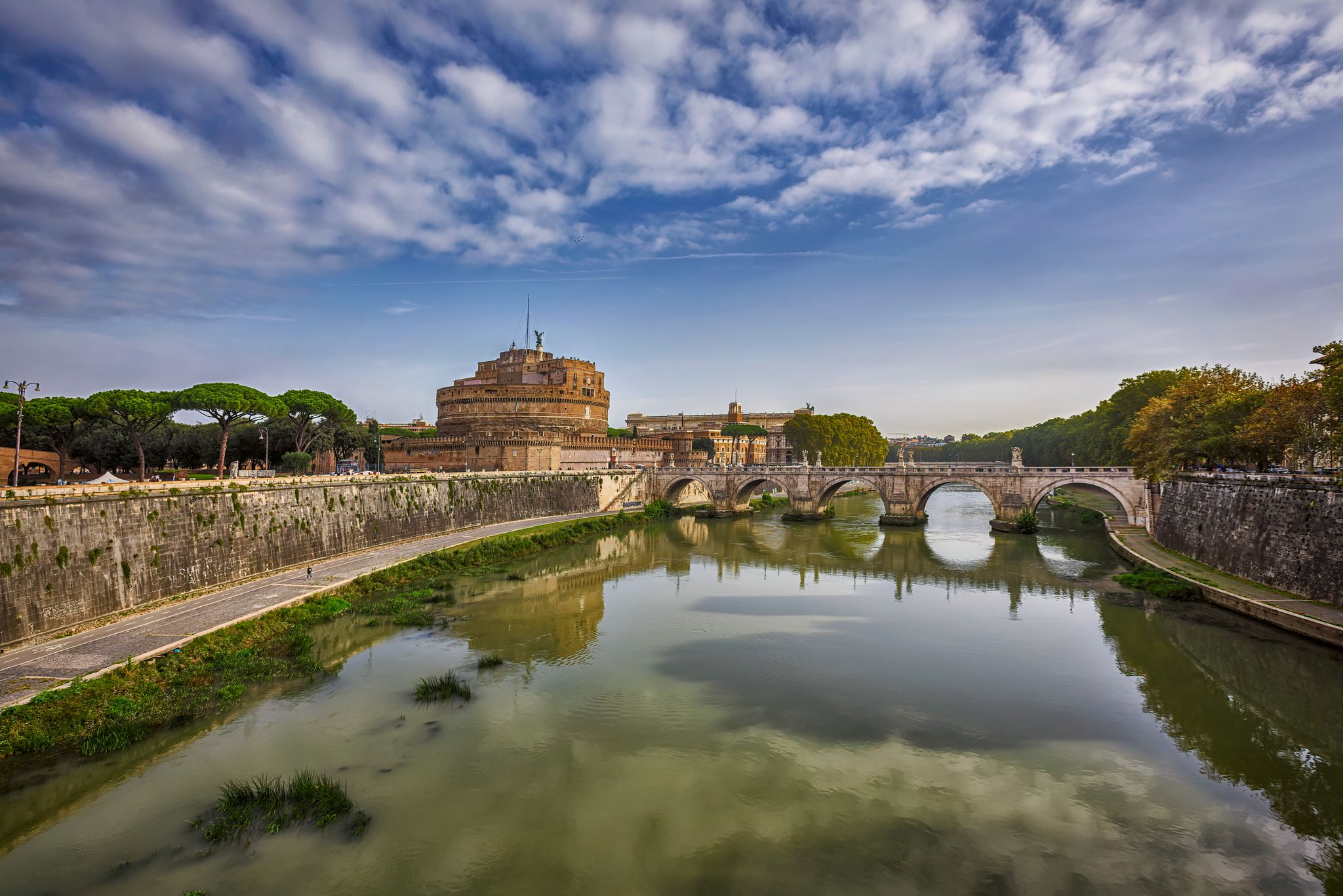
All roads lead to Rome – Romea Tiberina Cycleway
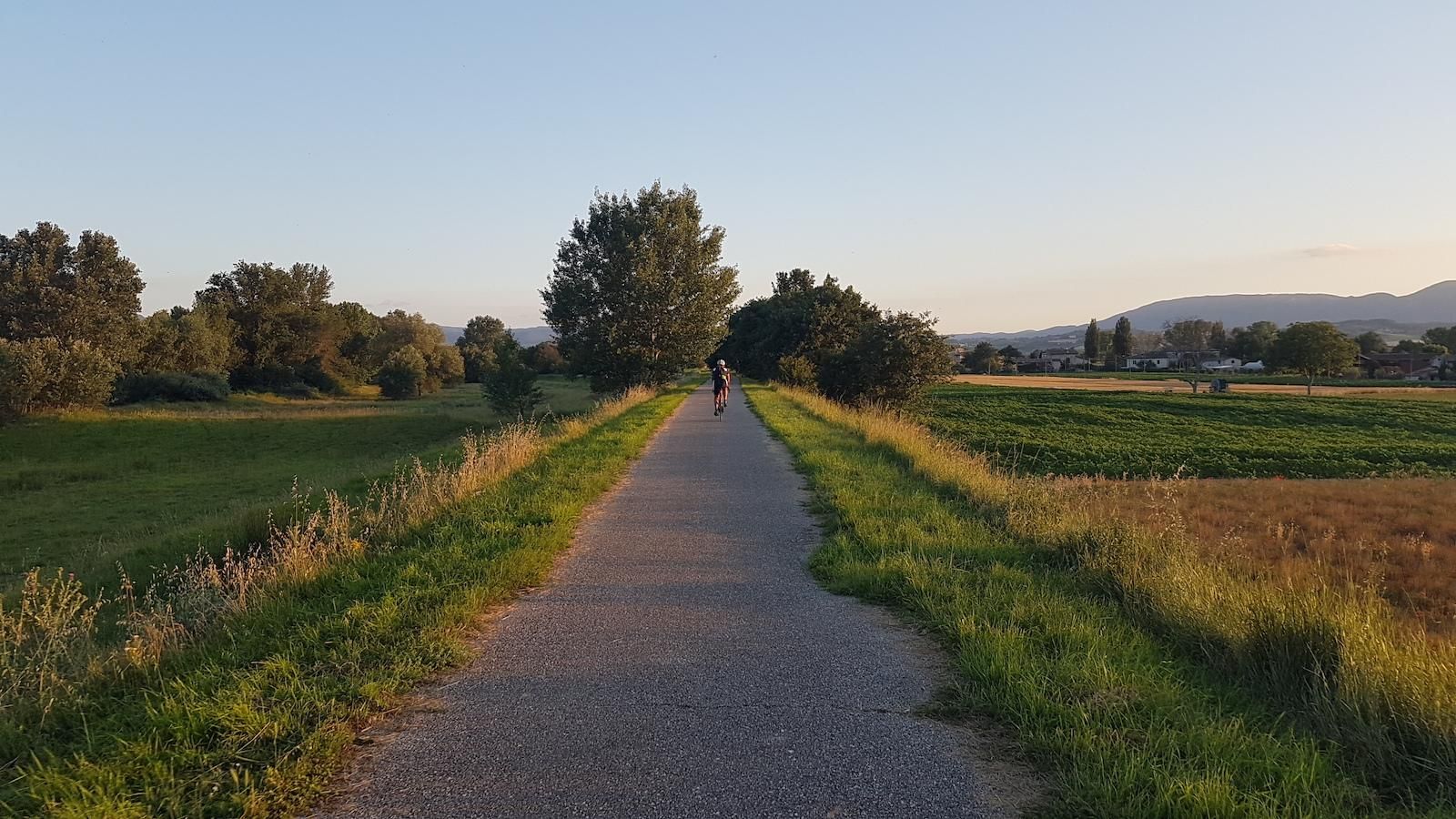
Ride St Francis Way in Italy – Via del Sud pilgrimage
Other adventures in Perugia


Tips from the Community


There is a refreshment point that is worth a stop both for the snack and for the view
0
0

I was there in August 2025. It's a beautiful ride, with a stepped climb to Armenzano, with a very tough section (about 800m at 12%). The asphalt is almost entirely newly resurfaced (certainly less than a year ago), and the unpaved sections are in excellent condition. The descent from Collepino is quick and easy.
0
0

Very nice ride. Lots of dirt and also very fun. Watch out for the little paths hidden by the vegetation... we did 47.4 km with about 1000 altitude difference...
0
0

Fantastic Colfiorito pass, the old road with almost no cars.
0
0

At the top of the climb that leads from Tuoro to Lisciano Niccone is the Gosparini area, known for its splendid viewpoint and for a refreshment point that is a destination for tourists, motorcyclists and cyclists. It is cool, and it is nice to look out from the terrace for a breathtaking view of Trasimeno
0
0

colfiorito cesi fematre forcella riofreddo.. the most beautiful place in the Marche
0
0

It is the eastern part of the road that goes around the Subasio massif. It runs on an asphalt route and with rare significant variations in altitude. The village of San Giovanni di Spello is worth a visit. In the village of Armenzano di Assisi, during the Christmas period each year, the representation of the living nativity scene takes place
0
0
Frequently Asked Questions
Which mountain passes in Perugia offer the most scenic views?
For breathtaking vistas, consider the pass over 600 meters high in Lisciano Niccone, which provides incredible panoramic views of Lake Trasimeno. Bocca Trabaria Pass, at 1,049 meters, also offers picturesque landscapes as it divides the Metauro and Tiber valleys. Additionally, Forca di Cerro is known for its winding road surrounded by nature, providing a tranquil journey through the Umbrian countryside.
Are there mountain passes in Perugia suitable for cycling?
Yes, several passes are excellent for cycling. Forca di Cerro is ideal for cyclists seeking a challenging yet serene ride due to its winding road and minimal traffic. Madonna della Cima Pass, with its gentle slopes and well-maintained surface, is also suitable for road bikes. For longer tours, consider routes like 'The tour of Lake Trasimeno from Magione' or 'Along the former Spoleto - Norcia railway – loop tour', which can be found in the Cycling in Perugia guide.
What outdoor activities can I do near Perugia's mountain passes?
Beyond driving and cycling, the areas around Perugia's mountain passes offer diverse outdoor activities. You can find numerous hiking opportunities, from easy walks like 'The sanctuary city of Assisi – loop tour' to more challenging trails. Gravel biking is also popular, with routes such as 'Assisi, Collepino, Monte Subasio – Gravel in Umbria'. For more details on routes, explore the Easy hikes in Perugia and Gravel biking in Perugia guides.
Which mountain passes have historical significance in the Perugia region?
Bocca Serriola Pass is historically significant as it geographically divides the Tuscan-Emilian Apennines from the Umbrian-Marche Apennines. The Romans utilized timber from these areas, which was then transported south via the Tiber. Bocca Trabaria Pass also holds historical importance as the most significant pass of the Alpe della Luna, serving as a natural boundary.
What is the best time of year to visit the mountain passes in Perugia?
The best time to visit Perugia's mountain passes generally depends on your planned activity. Spring and autumn offer pleasant temperatures for cycling and hiking, with vibrant foliage or blooming wildflowers. Summer is also suitable, especially at higher elevations, but can be warmer. For specific seasonal weather, it's always advisable to check local forecasts closer to your visit.
Are there family-friendly options among Perugia's mountain passes?
While specific passes are often enjoyed by cyclists and drivers, the broader mountainous areas around Perugia, such as Monti Sibillini National Park and Monte Subasio, offer trails and scenic spots that can be enjoyed by families. When planning, look for routes categorized as 'easy' in guides like Easy hikes in Perugia, which include options like 'The sanctuary city of Assisi – loop tour'.
Where can I find amenities like cafes or restaurants near Perugia's mountain passes?
Some mountain passes have amenities directly at the summit or nearby. For instance, at the top of Bocca Serriola Pass, there is a bar and restaurant. In general, you'll find more options in the charming villages and towns located along the routes leading to and from the passes, such as Città di Castello, Spoleto, Gubbio, or those within the Monti Sibillini National Park like Norcia.
What are the elevation ranges of the mountain passes in Perugia?
The mountain passes in Perugia vary in elevation. For example, Bocca Trabaria Pass is situated at 1,049 meters (3,442 feet) above sea level, making it one of the higher passes. Bocca Serriola Pass is 730 meters high, while Forca di Cerro is 733 meters high. Madonna della Cima Pass is at 780 meters (2,559 feet).
Are there any specific regulations for dog-friendly hiking near Perugia's mountain passes?
While specific regulations for individual passes aren't detailed, when hiking in natural areas like Monti Sibillini National Park or Monte Cucco, it's generally advisable to keep dogs on a leash to protect wildlife and ensure the safety of other visitors. Always check local park rules or specific trail guidelines before bringing your dog.
How can I reach Perugia's mountain passes using public transport?
Public transport options directly to the mountain passes can be limited. Most visitors typically reach these passes by car or bicycle. However, you can often use public transport to reach larger towns near the passes, such as Città di Castello, Spoleto, or Gubbio, and then proceed by other means. For specific routes, it's best to consult local bus schedules or regional transport services.
What makes Passo Cornello a notable mountain pass in Perugia?
Passo Cornello is a significant Apennine pass that connects the Marches with Umbria, following a detour route of the ancient Via Flaminia. It's known for its well-maintained road, making it a popular choice for bikers, though it's recommended to visit during off-peak hours to avoid heavy motorcycle traffic.
Can I find challenging mountain pass hikes in the Perugia region?
Yes, the mountainous terrain around Perugia offers challenging hikes. While specific passes might be more about the drive or cycle, the broader areas like Monti Sibillini National Park provide rugged trails. For instance, some routes in the Cycling in Perugia guide, like 'Along the former Spoleto - Norcia railway – loop tour', are rated as difficult, indicating the challenging nature of the terrain in the region.
Most popular routes in Perugia
Most popular attractions in Perugia

Get inspired with the komoot mobile app


Didn’t find what you were looking for?
Find even more amazing mountain passes in Perugia organized by region:
Explore more
See even more epic mountain passes by checking out these guides in Perugia:
