Top 20 Castles in Massa-Carrara
Best castles in Massa-Carrara offer a glimpse into medieval and Renaissance life, reflecting the region's rich history. These fortresses are often positioned on hills, providing strategic views of the surrounding landscape, including the Apuan Alps and the coastal plain. The area features a variety of historical sites, from defensive structures to noble residences, each with distinct architectural characteristics.
Best castles in Massa-Carrara
- The most popular castles is Fosdinovo Castle and Panoramic Sea View, a castle that is considered one…
Last updated: July 15, 2026
Historic Center of Pontremoli
Highlight • Historical Site
You will find a beautiful church on the central square of …
Translated by Google •
Tip by

Piagnaro Castle and Museum of Lunigiana Stele Statues
Highlight • Castle
Translated by Google •
Tip by

Sign up now to discover places like this
Get recommendations on the best single tracks, peaks, & plenty of other exciting outdoor places.
Sign up for free
Lusuolo Castle and Medieval Village
Highlight • Castle
Translated by Google •
Tip by
Ducal Palace of Massa
Highlight • Historical Site
Translated by Google •
Tip by

Brunella Fortress
Highlight • Castle
Translated by Google •
Tip by

Entrance to Malgrate Castle
Highlight • Castle
Translated by Google •
Tip by

Castruccio Tower
Highlight • Historical Site
Translated by Google •
Tip by
Fosdinovo Castle
Highlight • Castle
Translated by Google •
Tip by

Malaspina Castle in Massa
Highlight • Castle
Translated by Google •
Tip by

Fosdinovo Castle and Panoramic Sea View
Highlight • Castle
Translated by Google •
Tip by

Sign up for free to discover even more castles in Massa-Carrara.
Sign up for free
Already have an account?
Start today with a free account
Your next adventure awaits.
Login or Signup
Popular around Massa-Carrara
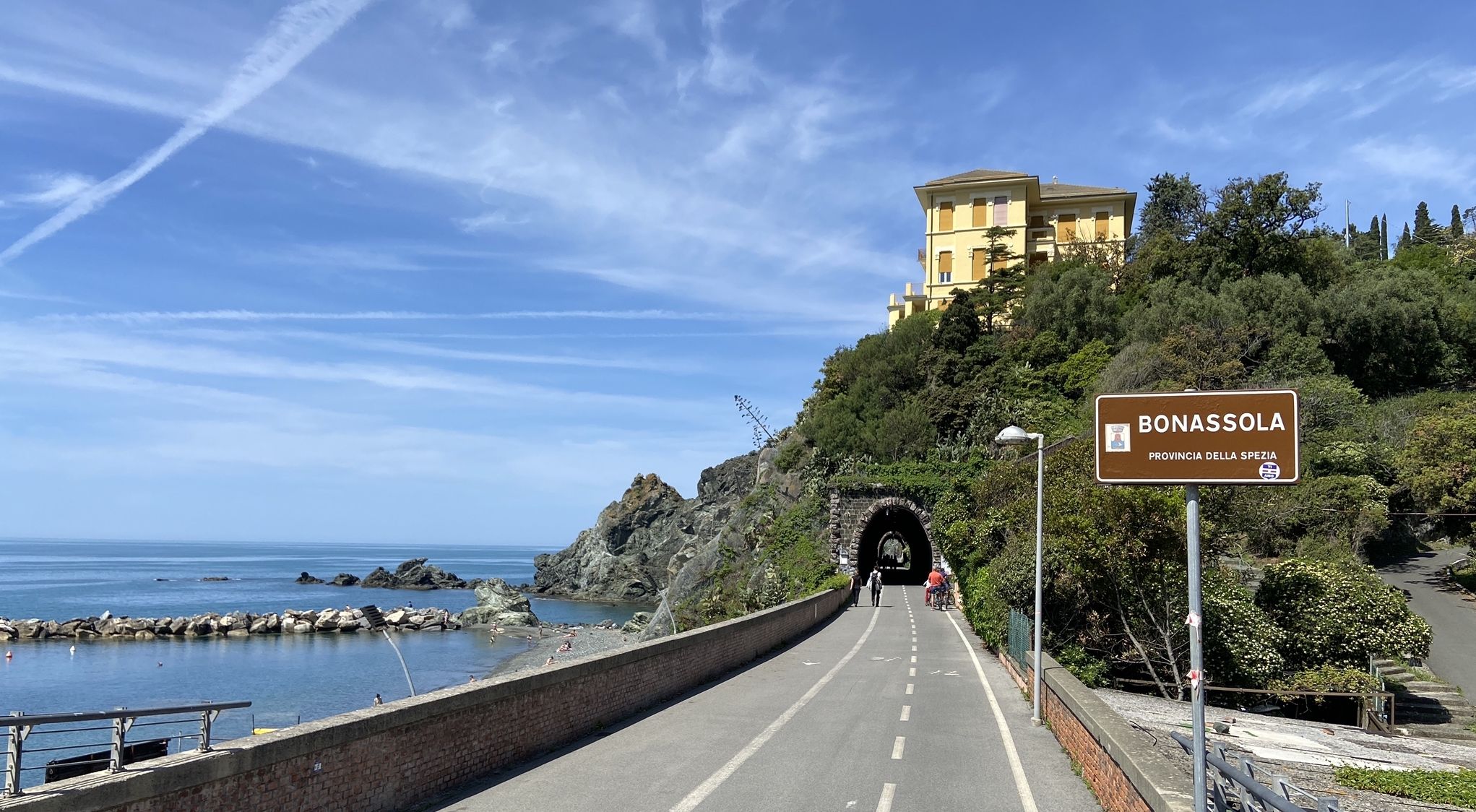
Pedalling to Portofino and the Cinque Terre — sea and mountains
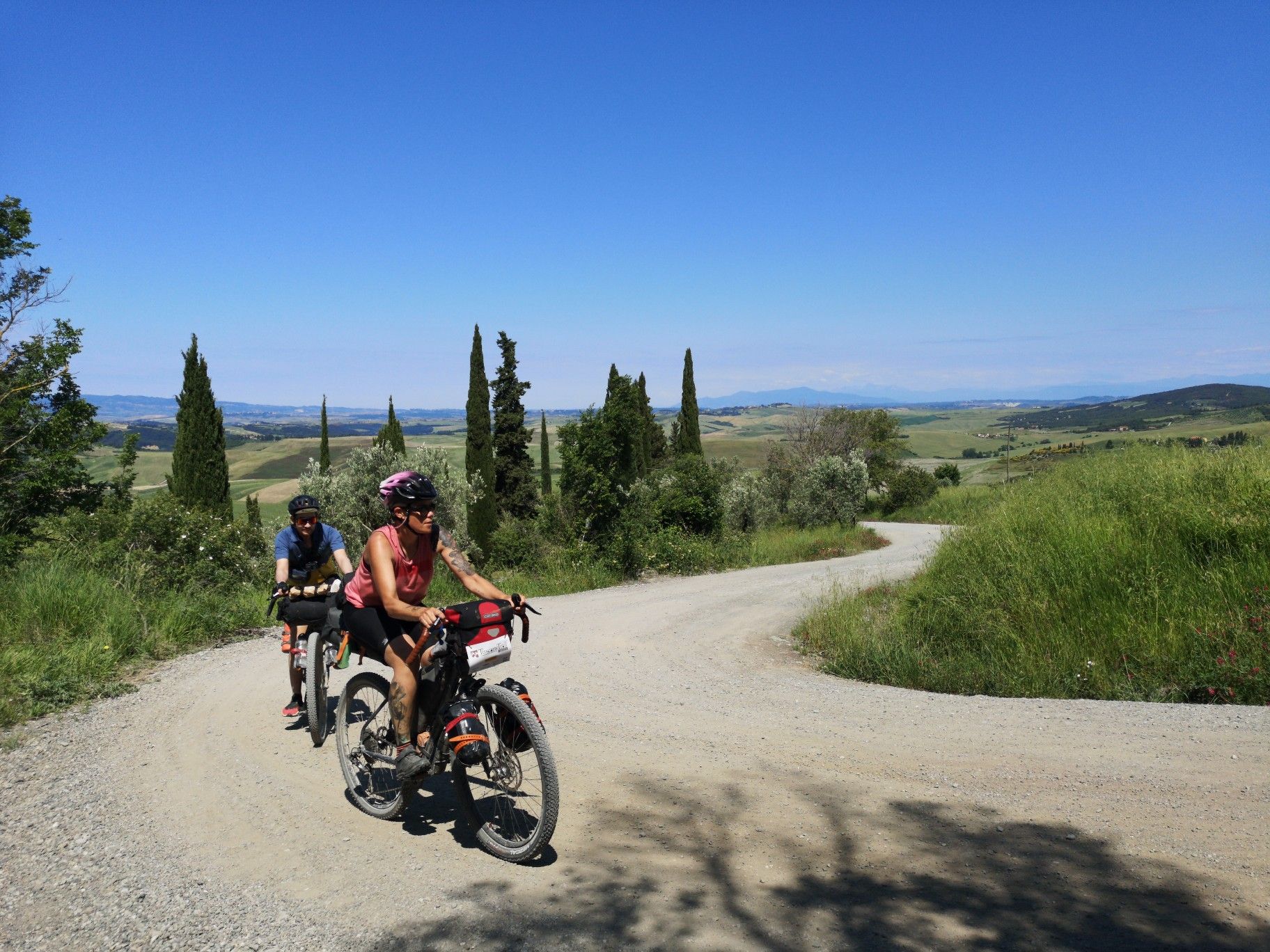
The Tuscany Trail – bikepacking in the heart of Italy
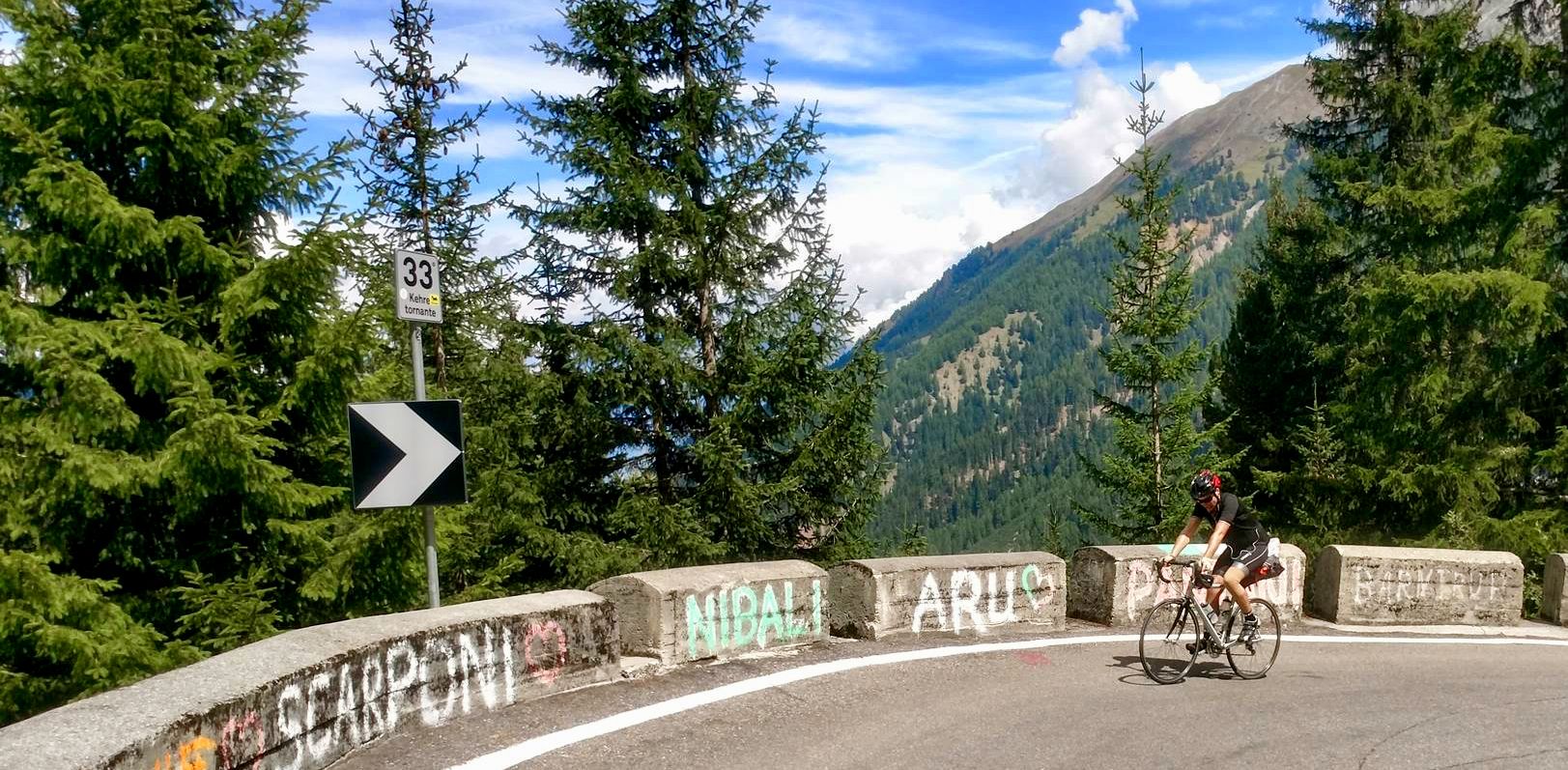
From the mountains to the sea — road cycling in Northern Italy
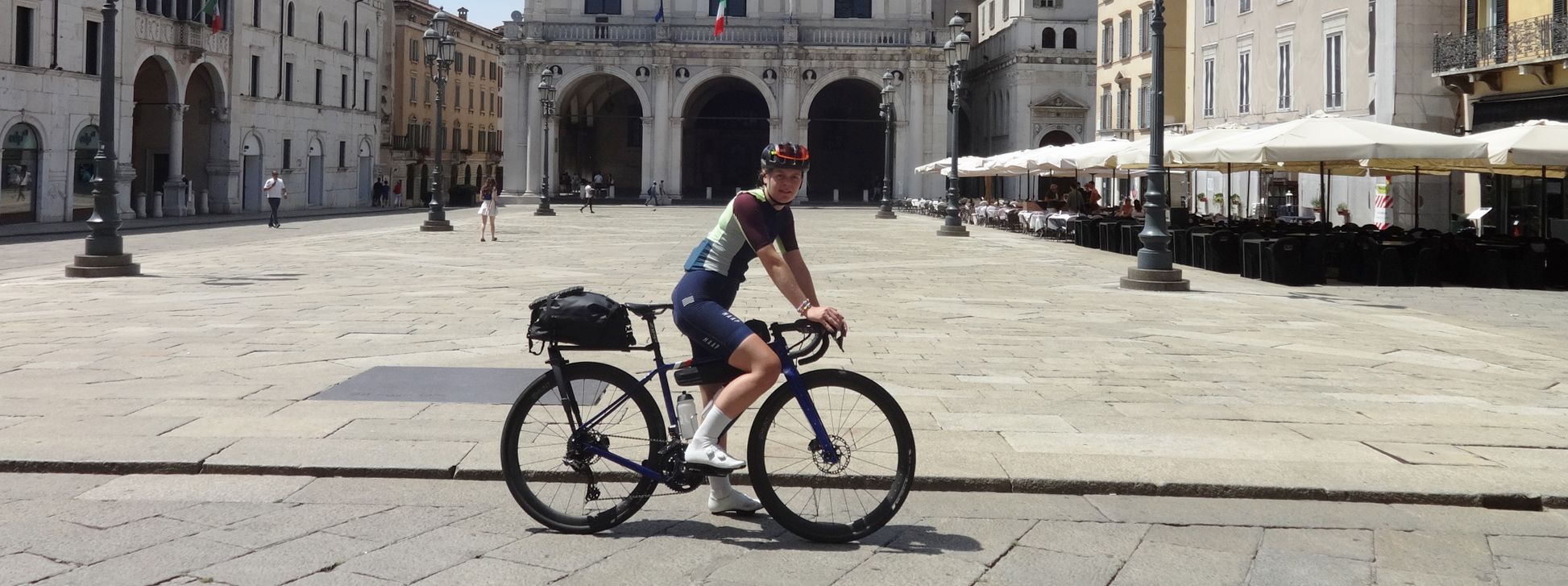
The Pizza Pilgrimage – Milan to Naples, fuelled by pizza
Interiora - A Journey into the Remote Areas of Italy
Berceto to Abetone – Alta Via dei Parchi (part 1)
Mediaeval villages and sublime nature – Lunigiana Gravel
18th-century route from Modena to Massa – Via Vandelli
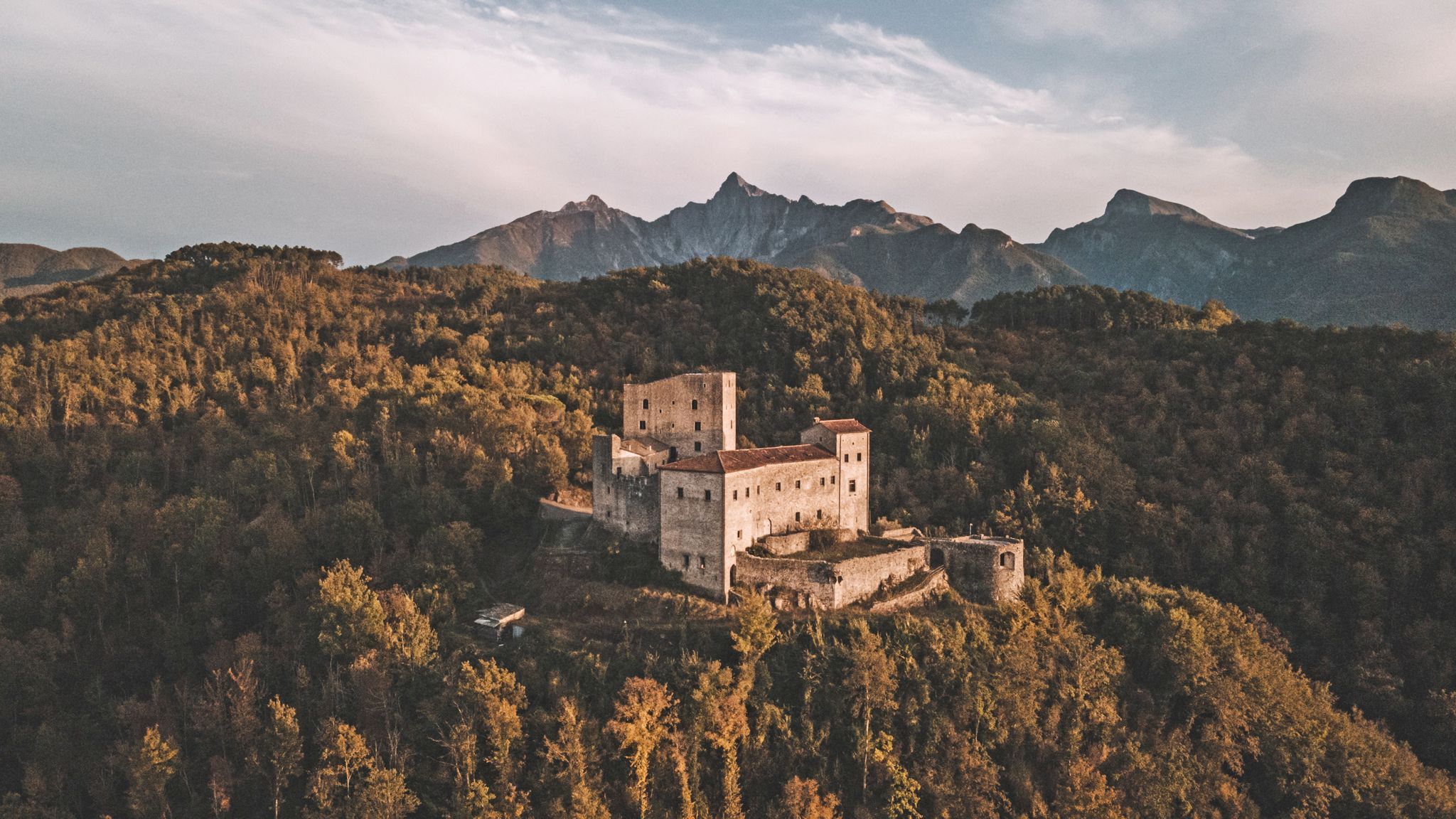
Through history between Lunigiana and Garfagnana – Via del Volto Santo by MTB

The land of 100 castles – Lunigiana Trail MTB
Other adventures in Massa-Carrara


Tips from the Community

The Statue Stele are anthropomorphic vertical stone sculptures, of variable size but generally between 2 and 3 meters in height. These mysterious works of art are testimonies to the culture and spirituality of the ancient peoples who inhabited Lunigiana. Their exact function remains a subject of debate among scholars. Some hypothesize that the Statue Stele could represent ancient gods or local deities, while others suggest they could be funerary symbols or commemorative monuments. The carved figures often feature enigmatic and abstract symbols, such as concentric circles, cupules, and linear engravings, which may have religious, astronomical, or ritualistic significance. The understanding of these symbols is still the subject of research and study by archaeologists and experts.
0
0

A very easy and pleasant ride. Much of the route follows secondary roads with very little traffic. Splendid views of Fosdinovo Castle, the mouth of the Magra River, and the Bay of La Spezia.
1
0

Aula is a fundamental hub of the Via Francigena, it was tormented by the bombings of the Second World War, causing the almost total destruction of its historic center, of which very few vestiges remain. It is located a few kilometers from the border with Liguria, on a narrow strip of land at the confluence of the Magra river and the Aulella stream, a decisive place for the civil and religious life of the entire area before the year 1000. Aulla in that period was already a small village and its importance was linked precisely to its central position along the Via Francigena, both as a pilgrimage road and as a commercial artery. The center of the town had an important role in defending the roads that led from the Lucca area and Liguria towards the Cisa Pass.
0
0
The Brunella Fortress owes its name to the hill on which it was built in the mid-16th century. The fort is a typical example of Renaissance military architecture, designed to defend against firearm attacks. It is an almost square construction with large polygonal struts. What is certain is that the complex represents the most powerful military work in Lunigiana and its strategic position allowed it, in the past, to control all the main routes in the area and the arrivals from the Apennine passes.
0
0
Medieval Castle of 1351. The fortification, which controlled the most important communication routes coming from the Apennines, Cisa and Garfagnana, developed in the 14th century (but its origins are probably older) and on its tower, 25 meters high and crowned by a corbeled patrol embossment, the flag of the Malaspina marquises flew until the 17th century. In addition to performing defensive functions, the castle became a noble residence in 1641, when the central body was transformed into a palace, incorporating the round tower. Despite this, the appearance of Malgrate is that of a classic medieval fortress: the main body is made up of the keep, located on the short side of the rectangular feudal palace and surrounded by walls, equipped with Guelph battlements, slopes and a patrol walkway that seems to date back to the 14th century.
0
0
The Piagnaro Castle is a fortress built in a strategic point to protect the Apennine passes and around which the first medieval nucleus was formed, built around the year 1000. For centuries it has been an integral part of the city's defensive system. In its thousand-year history it has undergone numerous destructions and subsequent reconstructions that have brought it to its current appearance. The Castle maintained its military function until the end of the 18th century. Its name derives from the so-called piagne, the gray sandstone slabs used in Lunigiana to cover the roofs of buildings, including that of the castle.
0
0

The hike up to the castle is worth it. Great views!
0
0

The Palazzo Ducale is an important monument in Massa, located in Piazza Aranci. It was built in the mid-16th century according to the wishes of Prince Alberico I Cybo-Malaspina. Hence it is also called Palazzo Cybo-Malaspina. The impressive façade overlooking the square offers a color scheme of red and white (in the marble and stucco). Beyond the main entrance opens a large courtyard, surrounded by columns, staircases, loggias and marble portals. At the far end is a nymphaeum with a statue of Neptune riding the waves.
4
0
Frequently Asked Questions
Which castles in Massa-Carrara offer the most significant historical insights?
The region is rich in history, with several castles offering deep dives into medieval and Renaissance life. Notable examples include the Castello Malaspina in Massa, which evolved from a defensive structure into a noble residence and served as a prison, and the Castello Malaspina di Fosdinovo, known for its legends and well-preserved architecture. Another significant site is Lusuolo Castle and Medieval Village, which controlled a crucial crossing point on the Via Francigena and now houses a museum.
Are there any family-friendly castles to visit in Massa-Carrara?
Yes, several castles in Massa-Carrara are suitable for family visits. Fosdinovo Castle and Panoramic Sea View is considered family-friendly and offers guided tours. The Ducal Palace of Massa is also listed as family-friendly, offering a glimpse into a grand ducal residence. Castel dell'Aquila, after its restoration, now provides various experiences including a 'Wonder Park' with alpaca walks, which can be engaging for families.
What kind of views can I expect from the castles in Massa-Carrara?
Many castles in Massa-Carrara are strategically perched on hills, offering breathtaking panoramic views. From the Castello Malaspina in Massa, you can see the city, the Apuan Alps, and the coastal plain. Fosdinovo Castle and Panoramic Sea View, located at 550 meters, provides exceptional views of the Tyrrhenian coastline and the sea. Similarly, Piagnaro Castle overlooks the historic center of Pontremoli, and Brunella Fortress offers commanding views over the Lunigiana region.
Can I find museums or cultural centers within the castles?
Absolutely. The Castello Malaspina in Massa has been reopened after restoration as a cultural and artistic center, housing a permanent collection of Renaissance marble busts and antique furnishings. Lusuolo Castle and Medieval Village hosts the Museo dell'Emigrazione della Gente di Toscana, telling the stories of Tuscan emigrants. Piagnaro Castle is home to the Museum of Lunigiana Stele Statues, showcasing ancient artifacts.
Are there hiking or cycling routes near the castles in Massa-Carrara?
Yes, the region offers numerous outdoor activities. You can find various hiking trails, such as the 'Celestial Trail' or routes around Monte Acuto. For cyclists, there are road cycling routes like 'The marble caves of Carrara' and 'Passo del Vestito and Alpi Apuane Loop'. Gravel biking options are also available, including routes that pass through historic areas. You can explore these and more on the Hiking in Massa-Carrara, Road Cycling Routes in Massa-Carrara, and Gravel biking in Massa-Carrara guide pages.
What is the best time of year to visit the castles in Massa-Carrara?
The Massa-Carrara region generally enjoys a mild climate. Spring (April-May) and early autumn (September-October) are often ideal, offering pleasant temperatures for exploring the castles and their surroundings without the intense heat of summer. These periods also tend to have fewer crowds. Summer can be hot, but many castles are located on hills, offering some relief and often hosting cultural events.
Are there any castles in the region known for unique architectural features?
Many castles boast unique architectural elements. The Castello Malaspina in Massa features a medieval keep uniquely constructed directly into the rock and Renaissance frescoes. Brunella Fortress is a notable example of 16th-century Renaissance military architecture, designed to defend against firearm attacks with its almost square construction and large polygonal struts. The Castello Malaspina di Fosdinovo has a quadrangular plan with four round towers, a semicircular bastion, and internal courtyards.
Can I find any castles that are still privately owned or undergoing renovation?
While this guide focuses on accessible castles, it's worth noting that some castles in the Massa-Carrara region are privately owned and not open to the public, such as Castello di Podenzana and Castello di Bagnone. Others may occasionally undergo renovations. It's always a good idea to check the specific castle's status before planning your visit.
What are some of the legends or interesting stories associated with these castles?
The castles are steeped in local folklore. The Castello Malaspina di Fosdinovo is famously associated with the legend of Bianca Malaspina, whose spirit is said to wander its halls after she was walled alive. It also claims to have hosted Dante Alighieri. The Castello Malaspina in Massa has inscriptions carved by prisoners on its windows and walls, as it served as a prison for centuries. During the restoration of Castel dell'Aquila, the skeleton of a knight was discovered, and a cast is now displayed within the castle.
How can I find more information about visiting specific castles, such as opening hours or ticket prices?
For the most up-to-date information on opening hours, ticket prices, and guided tours for the Castello Malaspina in Massa, you can visit the official tourism website: visittuscany.com or visitrivieraapuana.it. For the Castello Malaspina of Fosdinovo, details can be found at visittuscany.com. For other castles, it's recommended to check their individual websites or local tourism offices.
Are there any castles that are particularly well-preserved or recently restored?
Yes, several castles have undergone significant preservation efforts. The Castello Malaspina in Massa has been recently reopened after extensive restoration, allowing visitors to explore its restored walls and halls. The Castello Malaspina di Fosdinovo is considered one of the most beautiful and well-preserved castles in Lunigiana. Additionally, Castel dell'Aquila has been returned to its former glory after a decade-long restoration.
What makes the castles in Massa-Carrara unique compared to other regions?
The castles in Massa-Carrara are distinct due to their strategic locations between the Apuan Alps and the Tyrrhenian Sea, often offering unique views of both mountains and coast. They reflect a rich history of control by powerful families like the Malaspina, and their evolution from defensive strongholds to elegant residences. The region's position along the historic Via Francigena also imbues many castles, like Lusuolo Castle, with a particular significance related to pilgrimage and trade routes.
Most popular routes in Massa-Carrara
Most popular attractions in Massa-Carrara

Get inspired with the komoot mobile app


Didn’t find what you were looking for?
Explore Massa-Carrara’s best castles region by region:
Explore more
Looking for the best castles somewhere else? Discover other guides in Massa-Carrara:
